【ばけばけ】「今日だったなんて」まさかの退場にSNS涙「予想外」「ポロポロ泣きました」
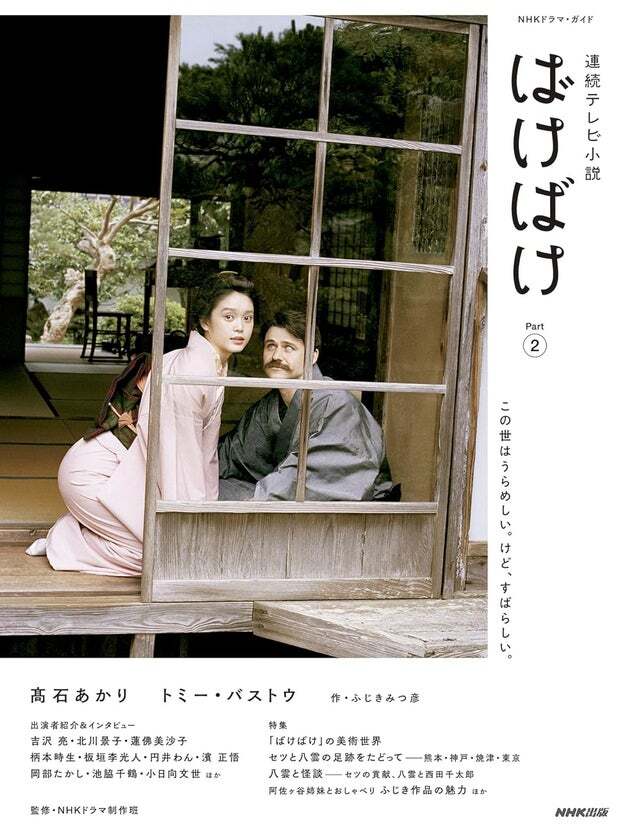
NHK連続テレビ小説『ばけばけ』の公式アカウントが、3月24日にInstagramを更新。髙石あかりさんとトミー・バストウさんが写る場面写真を公開しました。
※以下、ネタバレが含まれます。 小泉セツ&八雲(ラフカディオ・ハーン)夫妻がモデルの物語『ばけばけ』も今週で最終回となります。 トキ(髙石さん)とヘブン(バストウさん)が二人三脚で書いた本「KWAIDAN(怪談)」が出版され喜びに満ちていた二人。しかし胸の痛みに侵されたヘブンは自身の老いと向き合っていました。 同日放送の、第122回では、ヘブンはトキに胸に強い痛みがあることを告白します。ある日の夕方、西向きの部屋の縁側で夕焼けを見ていた二人は静かに語り合います。自身の死期を悟ったヘブンは、トキの肩を借りて眠りにつき、トキもまた夫の思いを理解し大粒の涙を静かに流すのでした。 雪の降るある日、ヘブンの墓の前に集まる家族や友人たち。その中には松江から駆け付けたサワ(円井わんさん)の姿もありました。 「最後があまりに静かであっけなくて…」と取り乱すことのなかったというトキでしたが、サワの胸を借りて初めて悲しみに暮れる場面も描かれました。 公式アカウントは 「1904年9月26日、八雲はこの世を去りました」 「最期を看取ったのは、八雲が誰よりも愛した妻でした」 とコメントし、1枚の写真を投稿。
写真には、夕日のあたる縁側で空を見上げる二人が写っています。残された時間を慈しむような二人のまなざしが印象的ですね。
ファンからは 「今日だったなんて」 「朝からポロポロ泣きました」 「まだ火曜日! 予想外デシタ」 「最終章ではあるし、予告で覚悟していたけれど今日だとは思わなかった」 「心の準備出来てなかったです」 などの声が寄せられています。
※以下、ネタバレが含まれます。 小泉セツ&八雲(ラフカディオ・ハーン)夫妻がモデルの物語『ばけばけ』も今週で最終回となります。 トキ(髙石さん)とヘブン(バストウさん)が二人三脚で書いた本「KWAIDAN(怪談)」が出版され喜びに満ちていた二人。しかし胸の痛みに侵されたヘブンは自身の老いと向き合っていました。 同日放送の、第122回では、ヘブンはトキに胸に強い痛みがあることを告白します。ある日の夕方、西向きの部屋の縁側で夕焼けを見ていた二人は静かに語り合います。自身の死期を悟ったヘブンは、トキの肩を借りて眠りにつき、トキもまた夫の思いを理解し大粒の涙を静かに流すのでした。 雪の降るある日、ヘブンの墓の前に集まる家族や友人たち。その中には松江から駆け付けたサワ(円井わんさん)の姿もありました。 「最後があまりに静かであっけなくて…」と取り乱すことのなかったというトキでしたが、サワの胸を借りて初めて悲しみに暮れる場面も描かれました。 公式アカウントは 「1904年9月26日、八雲はこの世を去りました」 「最期を看取ったのは、八雲が誰よりも愛した妻でした」 とコメントし、1枚の写真を投稿。
写真には、夕日のあたる縁側で空を見上げる二人が写っています。残された時間を慈しむような二人のまなざしが印象的ですね。
ファンからは 「今日だったなんて」 「朝からポロポロ泣きました」 「まだ火曜日! 予想外デシタ」 「最終章ではあるし、予告で覚悟していたけれど今日だとは思わなかった」 「心の準備出来てなかったです」 などの声が寄せられています。
Vocabulary
General
Proper noun
JLPT N2
JLPT N1
| # | 言葉 | 意味 |
|---|---|---|
| 4 | ばけ | ばけ (化け) : 1. transforming oneself; taking on another form; disguising oneself 2. artificial fly (for fishing) |
| 3 | 八雲 | やくも (八雲) : 1. thick clouds 2. classical Japanese poetry |
| 3 | 胸 | むね (胸) : 1. chest; breast 2. breasts; bosom; bust |
| 2 | 写る | うつる (写る) : to be photographed; to be projected |
| 2 | 場面 | ばめん (場面) : 1. scene; setting; place (where something happens); scenario; case 2. scene (in a movie, play); shot |
| 2 | 痛み | いたみ (痛み) : 1. pain; ache; soreness; grief; distress 2. damage; injury; wear; bruise; break |
| 2 | 自身 | じしん (自身) : (one's) self; oneself |
| 2 | 縁側 | えんがわ (縁側) : 1. veranda; porch; balcony; open corridor 2. bone at the base of a fin; meat at the base of a fin (esp. of a flatfish) |
| 2 | 借りる | かりる (借りる) : 1. to borrow; to have a loan 2. to rent; to hire |
| 1 | NHK | エヌエイチケー (NHK) : NHK; Japan Broadcasting Corporation |
| 1 | 連続 | れんぞく (連続) : continuation; succession; series |
| 1 | 更新 | こうしん (更新) : renewal; update; innovation; improvement |
| 1 | 写真 | しゃしん (写真) : 1. photograph; photo; picture; snapshot; snap 2. moving picture; movie |
| 1 | 公開 | こうかい (公開) : opening to the public; making available to the public; putting on display; exhibiting; showing (play, movie, etc.); holding (interview, etc.); open; public |
| 1 | 含む | ふくむ (含む) : 1. to contain; to comprise; to have; to hold; to include; to embrace 2. to hold in the mouth |
| 1 | 小泉 | おいずみ (小泉) : Oizumi (unclass) |
| 1 | 夫妻 | ふさい (夫妻) : husband and wife; married couple |
| 1 | 物語 | ものがたり (物語) : tale; story; legend |
| 1 | 最終回 | さいしゅうかい (最終回) : last time; last inning; last part; final episode (of a television program) |
| 1 | 三脚 | さんきゃく (三脚) : tripod; three legs |
| 1 | 書く | かく (書く) : 1. to write; to compose; to pen 2. to draw; to paint |
| 1 | 怪談 | かいだん (怪談) : ghost story |
| 1 | 出版 | しゅっぱん (出版) : publication |
| 1 | 喜び | よろこび (喜び) : joy; delight; rapture; pleasure; gratification; rejoicing; congratulations; felicitations |
| 1 | 満ちる | みちる (満ちる) : 1. to be full 2. to wax (e.g. moon) |
| 1 | 侵す | おかす (侵す) : 1. to invade; to raid; to violate (airspace, etc.); to intrude; to trespass 2. to infringe; to encroach |
| 1 | 老い | おい (老い) : old age; old person; the old; the aged |
| 1 | 向き合う | むきあう (向き合う) : 1. to be opposite; to face each other 2. to confront (an issue); to face |
| 1 | 同日 | どうじつ (同日) : the same day |
| 1 | 第 | だい (第) : prefix for forming ordinal numbers |
| 1 | 告白 | こくはく (告白) : 1. confession; acknowledgement; acknowledgment 2. confession of love; professing one's feelings |
| 1 | 西向き | にしむき (西向き) : facing west |
| 1 | 夕焼け | ゆうやけ (夕焼け) : evening glow; red sunset; afterglow (of sunset) |
| 1 | 語り合う | かたりあう (語り合う) : to talk together |
| 1 | 死期 | しき (死期) : time of death; one's final hour; one's end |
| 1 | 悟る | さとる (悟る) : 1. to perceive; to sense; to discern 2. to understand; to comprehend; to realize |
| 1 | 肩 | かた (肩) : shoulder |
| 1 | 眠り | ねむり (眠り) : 1. sleep; sleeping 2. inactivity |
| 1 | 思い | おもい (思い) : 1. thought 2. imagination; mind; heart |
| 1 | 理解 | りかい (理解) : understanding; comprehension; appreciation; sympathy |
| 1 | 大粒 | おおつぶ (大粒) : large drop (rain, sweat, tears, etc.); large grain-like object (grape, cherry, etc.) |
| 1 | 涙 | なみだ (涙) : 1. tear; tears; lachrymal secretion 2. sympathy |
| 1 | 流す | ながす (流す) : 1. to drain; to pour; to spill; to shed (blood, tears) 2. to wash away |
| 1 | 墓 | はか (墓) : gravesite; tomb |
| 1 | 集まる | あつまる (集まる) : to gather; to collect; to assemble |
| 1 | 友人 | ゆうじん (友人) : friend |
| 1 | 松江 | まつえ (松江) : Matsue (city in Shimane) |
| 1 | 駆け付ける | かけつける (駆けつける) : to run to; to come running; to rush (someplace); to hasten |
| 1 | 円井 | つぶらい (円井) : Tsuburai (surname) |
| 1 | わん | わん (椀) : 1. bowl (wooden) 2. counter for bowls of food or drink |
| 1 | 姿 | すがた (姿) : 1. figure; form; shape 2. appearance; dress; guise |
| 1 | 取り乱す | とりみだす (取り乱す) : 1. to be upset; to lose one's composure; to lose self-control; to go to pieces; to be shaken up; to break down; to be flustered; to blow one's cool 2. to put in disorder; to mess up; to disturb; to scatter about |
| 1 | 悲しみ | かなしみ (悲しみ) : 1. sadness; sorrow; grief 2. affection; love |
| 1 | 描く | えがく (描く) : 1. to draw; to paint; to sketch 2. to depict; to describe |
| 1 | この世 | このよ (この世) : this world; world of the living |
| 1 | 最期 | さいご (最期) : one's last moment; one's death; one's end |
| 1 | 看取る | みとる (看取る) : to care for (the sick); to nurse; to attend (someone's deathbed) |
| 1 | 愛する | あいする (愛する) : to love |
| 1 | 投稿 | とうこう (投稿) : contribution (to a newspaper, magazine, etc.); submission; post (on a blog, social media, etc.) |
| 1 | 夕日 | ゆうひ (夕日) : evening sun; setting sun |
| 1 | あたる | あたる (当たる) : 1. to be hit; to strike 2. to touch; to be in contact; to be affixed |
| 1 | 見上げる | みあげる (見上げる) : 1. to look up at; to raise one's eyes 2. to look up to; to admire; to respect |
| 1 | 残す | のこす (残す) : 1. to leave (behind) 2. to leave (undone); to not finish |
| 1 | 慈しむ | いつくしむ (慈しむ) : to love (someone weaker than oneself); to be affectionate towards; to treat with tender loving care |
| 1 | まなざし | まなざし (眼差し) : (a) look; gaze |
| 1 | 印象的 | いんしょうてき (印象的) : impressive; striking; memorable; impactful |
| 1 | なんて | なんて (何て) : 1. how ...!; what ...! 2. what?; what's that? |
| 1 | 泣く | なく (泣く) : to cry; to weep; to sob; to howl |
| 1 | 予想外 | よそうがい (予想外) : unexpected; unforeseen; strange |
| 1 | 最終章 | さいしゅうしょう (最終章) : last chapter (book, etc.) |
| 1 | 予告 | よこく (予告) : 1. advance notice; previous note; preliminary announcement 2. trailer (film, TV); preview |
| 1 | 覚悟 | かくご (覚悟) : readiness; preparedness; resolution; resignation |
| 1 | 寄せる | よせる (寄せる) : 1. to come near; to let someone approach 2. to bring near; to bring together; to collect; to gather |