存在感が薄い“非モテ”でも“モテ系”に変わる…コミュニケーション研究の第一人者が教える「視線」と「観察力」のコツ
予習
この記事のキーワード — タップで意味×31
相手
あいて
1. companion; partner; company 2. other party; addressee
×16
視線
しせん
one's line of sight; one's gaze; one's eyes (looking); glance; gaze; look
×13
見詰める
みつめる
to stare at; to gaze at; to look hard at; to watch intently; to fix one's eyes on
N2×4
観察力
かんさつりょく
powers of observation
×4
異性
いせい
1. the opposite sex 2. isomerism
N1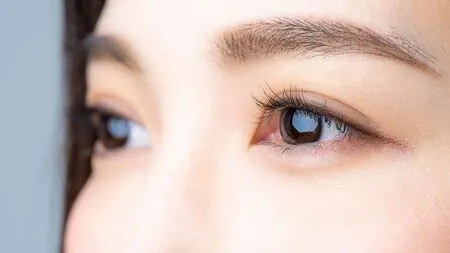
仕事でもプライベートでも、また相手が同性であれ異性であれ、初対面から打ち解けて仲良くなることができれば、ライバルに先駆けて一気に有利になります。
ただし、初対面は苦手という人は多いもの……。コミュニケーション研究の第一人者でもある明治大学教授の堀田秀吾氏は、「会話をする際は視線や観察眼が大事」と語ります。本稿は『覚えてもらえる人になる』から一部抜粋・編集し、科学的に証明された「視線や観察眼の正しい使い方」をご紹介します。
■「目は口ほどにものを言う」は本当か 視線を制する者は会話も制す 人は相手の顔のどこを最初に見るのでしょう? それは、ずばり「目」です。鼻や口など、ほかの部分によほど特徴がない限り、目以外の部分をいきなり見つめたりしません。 うそをついている人は目が泳ぐと言いますが、実際にうそを言っているかは別にして、相手の目が泳いでいるとうそを言っていると思う傾向があるという、テキサス・クリスチャン大学のボンドが企画し、世界中の研究者90名が参加した大規模な国際共同研究調査の実験結果があります。
つまり、私たちは、相手の心を探るのにも「目」を頼りにしているのです。 実際、私たちの目の動きと心の状態には、ある程度関連があるようです。目が向いている方向と、どんなことを考えているかというあいだには、一般的に次のような関係があると言われています。 ・左上:過去の体験や以前見た光景を思い出している ・右上:未来のことや今まで見たことのないものを想像している ・左下:適切なことばを探している/音楽をイメージしている
・右下:味覚や嗅覚といった感覚を思い出している 視線は脳の働きと直結しているわけです。もともと、目は脳からの命令を受けているわけですから、こういったことが視線に影響するのもなんとなく納得できます。 ■アイコンタクトのやりすぎに注意 よりよいものの特徴を真似しようとして、本物以上にその特徴が出てしまうことを「過剰矯正」と言います。 私たちは、「目は口ほどにものを言う」と信じています。だからこそ、逆に自分がうそをつくときには、普通以上に相手の目をじっと見てしまったりするそうです。うそを言っていない人の真似をしようとして、やりすぎてしまうのです。
また、相手の目を見つめることは、相手への好意のサインになります。大好きな人のことは見つめていたい。だから、好意を持っていることを示そうと、相手のことをジッと見るというテクニックを使うのもある程度は有効です。 ただ、日本人は視線を合わせ続けることが苦手です。 欧米と違い、相手をジッと見つめて話し合わないのが「無標」な日本では、見つめて話すのは「有標」で、相手はそこに、なんらかの特殊な意味や意図があるのではないかと考えます。
さらに、もともと人間は自由でいたいという欲求があるので、視線でロックオンされると逃げ出したくなります。ですから、見つめるのもやりすぎると、逆に相手の心は逃げてしまいます。なんとも調節が難しいところです。 見つめすぎるのもダメですが、目をそらすのは拒否の合図や自信のなさと取られるので、視線を外しすぎるのもいけません。 では、どのようにコントロールしていけばいいのでしょうか? まず、そもそも、視線恐怖症だったり、相手の目を見たりするのが苦手な人は、バー・カウンターのようなところで並んで座ったり、テーブルの角を挟んで座るなどしてみましょう。真正面から面と向かって話すことを避けると、それほど相手と目を合わせなくていいので話しやすいでしょう。
親密な話がしやすいのもこの座り方です。レストランなどで話をする予定の場合は、真正面に座らなくても済むように、そういったテーブルがある店をあらかじめ押さえておくといいでしょう。 それでも真正面に座ってしまった場合は、覚悟を決めて相手を見ましょう。 ただ、オックスフォード大学のアーガイルによれば、見つめすぎるのは逆に不自然で、実際の会話では、相手を見ている時間は全体の半分ほど、両者の視線が合っている時間はその半分程度だといいます。話しているときより、聞いているときのほうが、相手を見る時間は長くなります。ときどき視線を外しながら話すのが自然な形なのです。
視線を外す場所も、相手の肩越しを見つめると、相手に自分の背後に何かあるのかと思われますし、真横を見るのも、心が逃げているように思われてしまいます。 どこか体の一部を見るのも、人は相手の視線を追いかける傾向があるので、あなたの視線の先が自分の体の一部だと気づくと、相手は自分のその部分に何か不備があるのかと気になってしまいます。 無難な視線の置き場は、相手と自分のあいだ。そこにあるものに目をやるくらいがちょうどいいでしょう。
3秒もジッと相手の目を見つめられないという人は、見つめる際に、相手の片目、反対の目、鼻先など、ちょっとずつ見る場所を変えてみてはいかがでしょうか。これだけでも少しは長く見つめられるはず。 多人数の場合は、どんどんいろいろな人の目に視線を移していくこともおすすめです。視線を上手にマネージメントして、相手の気持ちをグッとつかみましょう。 【POINT】見つめすぎない、見なさすぎない ■モテ系と非モテ系の差は「観察力」
口説き上手になって、異性にも同性にもモテよう 飲みの席などで、相手と話で盛り上がり、きっちり仲良くなって、その後も関係をちゃんと維持していくスマートな「モテ系」の人たちがいます。 それに比べ、話の盛り上げ方もイマイチで、相手の連絡先1つゲットできず、いつもその場限りで2度目がない人たちもいます。そういったモテ系たちと非モテ系たちの違いは、観察力にもあります。 とくに女性は、見えるところから見えないところまで、とにかく自分の手入れ、自分磨きに余念がありません。アクセサリー、髪型、服装、お化粧、趣味、嗜好まで、あらゆる部分で、「他人にどう見られるか」を意識して行動しています。持ち物についても、機能ばかり追求せずに見た目にもこだわります。
自分のがんばりに気づいてもらえるのは、誰でもうれしいことです。ですから、そういう“小さな変化”に気づいてもらえると喜んでくれます。 モテ系は、男女問わず相手のそういう部分を見つけるのが上手で、そこをほめてあげることも上手なのです。 ■素材・誰も気づかない点をほめる 努力はもちろん、素材をほめることも大事です。 「お化粧が上手だね」よりは、「肌、きれいだね」と言われたいもの。「素敵な髪型だね」だけでなく、「髪質がツヤツヤだね」と言われると、さらにうれしいものです(男性が女性に言うと、その人のキャラ次第では気味悪がられる場合もありますが)。
素材の質を保つためにも、他人にどう見られているかの意識が高い人は日夜、たゆまぬ努力をしているからです。相手のそういった努力に気づいてあげられる人が有標になれるのです。 モテ系は、誰も気づかないところをほめるのが上手です。 しかし、モテ系になろうとして、誰も気づかないところや見ないところを追求しすぎて、あまりにもパーソナルな部分、マニアックなところに気づくのも、相手に恐怖感を与えてしまいます。 たとえば、ムダ毛の処理のことには触れられたくないでしょうし、男性なのに女性化粧品の種類を詳しく知っているというのも、ちょっと気味悪く感じられるかもしれません。
さらに、いちいち細かいところを見すぎているのも、相手にしてみれば、どこを見られているのか気が抜けなくて恐いと思われてしまうようです。 なかなか加減が難しいですが、無難な線としては、相手が間違いなく気をつかっている、あるいは素材としてすぐれている「有標」な部分を見つけることです。 そういうことに鈍めで、努力や素材、変化を見極めるのが難しいという方は、とりあえず、全体のセンスのよさをほめましょう。「いつもかわいい服、着ているよね」「なんか、持っている物とかみんなかわいいね」のような感じです。
そもそも、他人のいいところを見つけるためには、普段からのポジティブ思考、小さな幸せ探しが大事です。他人の欠点ばかり探しているような人、ひがみっぽい人が、他人のいいところをつぶさに見つけて、上手に褒めてあげることなどできるわけがありません。 普段から、物事のいい側面を見るようにし、何事にも小さな幸せを見つけるように努めてみましょう。 ■観察力はポジティブ思考が養う 何か1つを変えると、ほかのいろいろなところが変わっていきます。たとえば、服装をきっちりとしたものにすれば、行く場所や店が変わり、出会う人も変わってきます。そういう気持ちが通常運転になれば、生き方の面でも変化が出てきたりします。
同様に、ポジティブ思考にすれば、世界観が変わります。自分の内側だけでなく、表情が変わり、人づき合いも変わってきます。仕事をはじめとしたいろいろな取り組みにも影響してきます。 どうしてもポジティブに気持ちが切り替えられなければ、つねに口角を上げる、つまり笑顔でいる努力をしてみましょう。科学的にも、脳は自らの笑顔に騙され、いいことも見つけやすくなることがわかっています。 きっかけは異性と仲良くなるためだったとしても、結果としてみんなにやさしくなれる人、ポジティブに評価をできる人になれたら、もっといろいろな人が集まってきます。
恋愛は最も高度なコミュニケーションと言われます。恋愛を上手にこなせれば、ほかのつき合いも上手にこなせます。同性にも異性にもモテる人間になることが、「じゃないほう」にならない方法でもあるのです。 【POINT】ポジティブな観察力を磨こう
この記事の単語 (236)
×31
相手
あいて
1. companion; partner; company 2. other party; addressee
×16
視線
しせん
one's line of sight; one's gaze; one's eyes (looking); glance; gaze; look
×13
見詰める
みつめる
to stare at; to gaze at; to look hard at; to watch intently; to fix one's eyes on
×8
気付く
きづく
to notice; to recognize; to recognise; to become aware of; to perceive; to realize; to realise
×7
部分
ぶぶん
portion; section; part
×5
他人
たにん
1. another person; other people; others 2. unrelated person (i.e. not related by blood)
×5
素材
そざい
1. ingredient; (raw) material; resource 2. unprocessed timber; raw timber
×5
努力
どりょく
effort; exertion; endeavour; endeavor; hard work; striving
×4
異性
いせい
1. the opposite sex 2. isomerism
×4
じっと
1. motionlessly (e.g. stand, wait); (be) still 2. fixedly (e.g. gaze, stare); intently (e.g. listen, think)
×4
観察力
かんさつりょく
powers of observation
×3
同性
どうせい
same sex
×3
仲良く
なかよく
1. on good terms with; on cordial terms with; getting along well with; happily; peacefully 2. to make friends with; to be good friends with; to get along with
×3
苦手
にがて
1. poor (at); weak (in); not very good (at) 2. not one's cup of tea; not one's favorite
×3
一部
いちぶ
1. one part; one portion; one section; some 2. one copy (e.g. of a document)
×3
特徴
とくちょう
feature; trait; characteristic; peculiarity; distinction
×3
実際
じっさい
1. reality; actuality; truth; fact; actual conditions 2. practice (as opposed to theory)
×3
私達
わたしたち
we; us
×3
程度
ていど
degree; amount; grade; standard; of the order of (following a number); about; approximately
×3
脳
のう
1. brain 2. brains; mind
×3
逆
ぎゃく
1. reverse; opposite 2. converse (of a hypothesis, etc.)
×3
外す
はずす
1. to remove; to take off; to detach; to unfasten; to undo 2. to drop (e.g. from a team); to remove (from a position); to exclude; to expel
×3
真正面
ましょうめん
directly opposite; right in front
×3
変化
へんか
1. change; variation; alteration; mutation; transition; transformation; transfiguration; metamorphosis 2. variety; diversity
×2
初対面
しょたいめん
first meeting; first interview with
×2
際
さい
on the occasion of; circumstances; juncture
×2
観察眼
かんさつがん
observing eye
×2
科学的
かがくてき
scientific
×2
制する
せいする
1. to hold back (e.g. emotions); to rein in (e.g. a horse, unruly people); to bridle 2. to get the better of
×2
限り
かぎり
1. limit; limits; bounds 2. degree; extent; scope
×2
傾向
けいこう
tendency; trend; inclination
×2
詰まり
つまり
1. that is to say; that is; in other words; I mean; that (this, it) means 2. in short; in brief; to sum up; ultimately; in the end; in the long run; when all is said and done; what it all comes down to; when you get right down to it; basically
×2
元々
もともと
originally; by nature; from the start
×2
影響
えいきょう
1. influence; effect 2. to influence; to affect; to have an influence on; to impact; to have an effect on
×2
真似
まね
1. imitating; copying; mimicry 2. behavior; behaviour; action; conduct
×2
好意
こうい
1. kindness; favor; favour; friendliness 2. goodwill; affection; liking (for someone); love
×2
唯
ただ
1. ordinary; common; usual 2. free of charge
×2
合わせる
あわせる
1. to match (rhythm, speed, etc.) 2. to join together; to unite; to combine; to add up
×2
人間
にんげん
1. human being; human; person; man; mankind; humankind 2. character (of a person)
×2
抑
そもそも
1. in the first place; to begin with; from the start; originally; ab initio 2. after all; anyway; actually; well, ...; ... on earth (e.g. "what on earth?"); ... in the world (e.g. "why in the world?")
×2
面
めん
1. face 2. mask; face guard
×2
全体
ぜんたい
whole; entirety; whatever (is the matter)
×2
無難
ぶなん
1. safe (e.g. choice); secure; innocuous; inoffensive 2. acceptable; passable; satisfactory; adequate; faultless; without flaw
×2
非
ひ
1. fault; error; mistake 2. going poorly; being disadvantageous; being unfavorable
×2
もてる
1. to be able to possess (hold, get, etc.) 2. to be well liked; to be popular; to be pampered (spoiled, doted upon, etc.); to be welcomed
×2
きっちり
1. exactly; precisely; punctually; on the dot 2. closely; tightly; (fitting) perfectly
×2
髪型
かみがた
hair style; coiffure; hairdo
×2
服装
ふくそう
garments; attire
×2
化粧
けしょう
make-up; makeup; cosmetics
×2
意識
いしき
1. consciousness 2. becoming aware (of); awareness; sense
×2
追求
ついきゅう
pursuit (of a goal, ideal, etc.); search; chase; seeking after
×2
気味
きみ
1. sensation; feeling 2. tendency; propensity
×2
普段
ふだん
1. usual; normal; everyday; habitual; ordinary 2. usually; normally; generally; habitually; always
×2
幸せ
しあわせ
happiness; good fortune; luck; blessing
×2
付き合い
つきあい
association; socializing; socialising; fellowship
×2
笑顔
えがお
smiling face; smile
×2
恋愛
れんあい
love; love-making; passion; emotion; affections
×1
打ち解ける
うちとける
to open one's heart; to throw off reserve; to be frank
×1
先駆ける
さきがける
to be the first
×1
一気
いっき
1. one breath 2. chug!; drink!
×1
有利
ゆうり
1. advantageous; favourable; better; stronger 2. profitable; lucrative; gainful; paying
×1
但し
ただし
but; however; provided that
×1
第一人者
だいいちにんしゃ
leading person; foremost figure
×1
明治大学
めいじだいがく
Meiji University (organization)
×1
教授
きょうじゅ
1. professor 2. teaching; instruction
×1
堀田
ほった
Hotta (place; surname)
×1
秀吾
しゅうご
Shuugo (unclass)
×1
語る
かたる
1. to talk about; to speak of; to tell; to narrate 2. to recite; to chant
×1
本稿
ほんこう
this manuscript
×1
抜粋
ばっすい
extract; excerpt; selection
×1
編集
へんしゅう
editing; compilation
×1
証明
しょうめい
proof; testimony; demonstration; verification; certification
×1
使い方
つかいかた
way to use something; treatment; management (of help)
×1
本当
ほんとう
1. truth; reality; actuality; fact 2. proper; right; correct; official
×1
ずばり
1. decisively; decidedly; boldly; once and for all; unreservedly; frankly 2. precisely; exactly
×1
余程
よほど
1. very; greatly; much; to a large extent; quite 2. just about to; almost; very nearly
×1
行成
いきなり
abruptly; suddenly; all of a sudden; without warning
×1
企画
きかく
planning; project; plan; design
×1
世界中
せかいじゅう
around the world; throughout the world
×1
研究者
けんきゅうしゃ
researcher
×1
参加
さんか
participation; joining; entry; adherence
×1
大規模
だいきぼ
large-scale
×1
共同研究
きょうどうけんきゅう
collaborative research
×1
調査
ちょうさ
investigation; examination; inquiry; enquiry; survey
×1
実験結果
じっけんけっか
experimental results
×1
探る
さぐる
1. to feel around for; to fumble for; to grope for; to search for; to look for 2. to investigate; to probe into; to spy on; to sound out
×1
頼り
たより
reliance; dependence
×1
動き
うごき
1. movement; move; motion 2. trend; development; change; fluctuation
×1
状態
じょうたい
state; condition; situation; appearance; circumstances
×1
関連
かんれん
relation; connection; relevance
×1
向く
むく
1. to turn toward; to look (up, down, etc.) 2. to face (e.g. east); to look out on
×1
方向
ほうこう
1. direction; orientation; bearing; way 2. course (e.g. of action)
×1
一般的
いっぱんてき
general; popular; common; typical
×1
左上
ひだりうえ
upper left
×1
過去
かこ
1. the past; bygone days 2. one's past (that one would prefer remained secret)
×1
体験
たいけん
(practical) experience; personal experience; hands-on experience; first-hand experience
×1
以前
いぜん
ago; since; before; previous
×1
光景
こうけい
scene; spectacle; sight; view
×1
右上
みぎうえ
upper right
×1
未来
みらい
1. the future (usually distant) 2. future tense
×1
今迄
いままで
until now; so far; up to the present
×1
想像
そうぞう
imagination; guess
×1
左下
ひだりした
lower left
×1
適切
てきせつ
appropriate; suitable; fitting; apt; proper; right; pertinent; relevant
×1
右下
みぎした
lower right
×1
味覚
みかく
taste; palate; sense of taste
×1
嗅覚
きゅうかく
sense of smell; olfaction
×1
感覚
かんかく
sense; sensation; feeling; intuition
×1
働き
はたらき
1. work; labor; labour 2. achievement; performance; ability; talent
×1
直結
ちょっけつ
direct connection; direct link
×1
命令
めいれい
1. order; command; decree; directive 2. (software) instruction; statement
×1
納得
なっとく
1. consent; assent; agreement 2. understanding; comprehension; grasp
×1
本物
ほんもの
genuine article; real thing; real deal
×1
過剰
かじょう
excess; surplus; superabundance; overabundance
×1
矯正
きょうせい
correction (of fault, defect, flaw, etc.); remedy; rectification; redress; reform
×1
信じる
しんじる
to believe; to believe in; to place trust in; to confide in; to have faith in
×1
こそ
1. it is ... that ...; precisely; in particular; definitely; for sure; only (when, after, because, etc.) 2. although; while; it is the case that ... but
×1
示す
しめす
1. to (take out and) show; to demonstrate; to tell; to exemplify; to make apparent 2. to point out (finger, clock hand, needle, etc.)
×1
有効
ゆうこう
1. valid; effective 2. yuko (judo)
×1
日本人
にほんじん
Japanese person; Japanese people
×1
欧米
おうべい
Europe and America; the West
×1
話し合う
はなしあう
to discuss; to talk together
×1
特殊
とくしゅ
special; particular; peculiar; unique
×1
意図
いと
intention; aim; design
×1
欲求
よっきゅう
desire; want; will; wish; urge; craving
×1
逃げ出す
にげだす
1. to run away; to flee; to make off; to take to one's heels; to escape 2. to start to run away
×1
調節
ちょうせつ
regulation; adjustment; control
×1
そらす
1. to turn away (one's eyes, face, etc.); to avert; to divert (e.g. one's attention); to evade (e.g. a question); to change (e.g. the subject) 2. to displease; to annoy; to offend; to upset
×1
拒否
きょひ
refusal; rejection; denial; veto
×1
合図
あいず
sign; signal; cue
×1
自信
じしん
self-confidence; confidence (in oneself)
×1
挟む
はさむ
1. to hold between (e.g. one's fingers, chopsticks); to grip (from both sides) 2. to put between; to sandwich between; to insert; to interpose
×1
避ける
さける
1. to avoid (physical contact with) 2. to avoid (situation)
×1
親密
しんみつ
intimacy; friendship
×1
座り方
すわりかた
ways of sitting
×1
予め
あらかじめ
beforehand; in advance; previously
×1
押さえる
おさえる
1. to pin down; to hold down; to press down 2. to cover (esp. a part of one's body with one's hand); to clutch (a body part in pain); to press (a body part)
×1
覚悟
かくご
readiness; preparedness; resolution; resignation
×1
オックスフォード大学
オックスフォードだいがく
Oxford University (organization)
×1
不自然
ふしぜん
unnatural; artificial; affected; strained
×1
両者
りょうしゃ
pair; the two; both persons; both things
×1
自然
しぜん
1. nature 2. natural; spontaneous; automatic
×1
肩越し
かたごし
over one's shoulder
×1
背後
はいご
1. back; rear 2. background; behind the scenes
×1
真横
まよこ
(right at the) side; just beside
×1
追い掛ける
おいかける
to chase; to run after; to pursue
×1
不備
ふび
1. defect; deficiency; imperfection; inadequacy; lack 2. Yours in haste
×1
置き場
おきば
place for something; storehouse
×1
秒
びょう
1. second (unit of time) 2. arc second
×1
片目
かため
one eye; one of one's eyes
×1
鼻先
はなさき
1. tip of nose 2. before one's eyes; under one's nose; in front of
×1
多人数
たにんずう
large number of people
×1
移す
うつす
1. to change; to swap; to substitute; to transfer 2. to change the object of one's interest or focus
×1
御勧め
おすすめ
recommendation; advice; suggestion; encouragement
×1
掴む
つかむ
1. to seize; to catch; to grasp; to grip; to grab; to clutch; to hold; to catch hold of; to lay one's hands on 2. to obtain; to acquire; to get; to win; to capture
×1
見なす
みなす
to consider as; to regard (as equivalent); to deem (as); to equate
×1
差
さ
1. difference; variation 2. difference
×1
口説く
くどく
1. to persuade; to coax; to solicit 2. to seduce; to make advances; to make a play; to make a pass; to put the moves on; to come on to; to hit on; to court; to woo; to romance
×1
飲み
のみ
1. drink; drinking 2. spigot; tap (in a cask, etc.)
×1
盛り上がる
もりあがる
1. to swell; to rise; to bulge; to be piled up 2. to rouse; to get excited
×1
その後
そのあと
after that; afterwards; thereafter
×1
ちゃんと
1. diligently; seriously; earnestly; reliably; steadily; legitimately 2. perfectly; properly; exactly; orderly; punctually; regularly
×1
維持
いじ
maintenance; preservation; improvement
×1
盛り上げる
もりあげる
1. to pile up; to heap up 2. to stir up; to enliven; to bring to a climax
×1
連絡先
れんらくさき
contact address
×1
違い
ちがい
1. difference; distinction; discrepancy 2. mistake; error
×1
兎に角
とにかく
anyhow; at any rate; anyway; somehow or other; generally speaking; in any case; at least
×1
手入れ
ていれ
1. care; looking after; repair; maintenance; tending; trimming; grooming 2. (police) raid; crackdown
×1
自分磨き
じぶんみがき
self-improvement
×1
余念
よねん
another idea
×1
嗜好
しこう
taste; liking; preference
×1
あらゆる
all; every
×1
行動
こうどう
action; conduct; behaviour; behavior; mobilization; mobilisation
×1
持ち物
もちもの
one's property; personal effects; one's belongings
×1
機能
きのう
function; facility; faculty; feature
×1
見た目
みため
appearance; (outward) looks; exterior appearance
×1
拘る
こだわる
1. to fuss over; to be particular about 2. to be obsessive about; to be fixated on
×1
頑張る
がんばる
1. to persevere; to persist; to keep at it; to hang on; to hold out; to do one's best 2. to insist that; to stick to (one's opinion)
×1
男女
だんじょ
men and women; man and woman; both sexes; both genders
×1
問う
とう
1. to ask; to inquire 2. to blame (someone) for; to accuse of; to pursue (question of responsibility); to charge with
×1
肌
はだ
1. skin 2. body (in the context of intimate bodily contact)
×1
素敵
すてき
lovely; wonderful; nice; great; fantastic; superb; cool
×1
髪質
かみしつ
hair type; hair quality
×1
次第
しだい
1. depending on 2. as soon as; immediately after; upon
×1
保つ
たもつ
1. to keep; to preserve; to hold; to retain; to maintain; to sustain 2. to last; to endure; to keep well (food); to wear well; to be durable
×1
日夜
にちや
day and night; around the clock; always; constantly
×1
弛む
ゆるむ
1. to become loose; to slacken (e.g. rope) 2. to become less tense; to relax; to let one's guard down
×1
恐怖感
きょうふかん
feeling of dread; awful feeling; sense of fear
×1
与える
あたえる
1. to give (esp. to someone of lower status); to bestow; to grant; to confer; to present; to award 2. to provide; to afford; to offer; to supply
×1
無駄毛
ムダげ
unwanted hair; superfluous hair
×1
処理
しょり
processing; dealing with; treatment; disposition; disposal
×1
触れる
ふれる
1. to touch; to feel 2. to touch (with)
×1
化粧品
けしょうひん
cosmetics; toilet articles
×1
種類
しゅるい
1. variety; kind; type; category 2. counter for kinds, species, etc.
×1
詳しい
くわしい
1. detailed; full; minute 2. knowing very well; knowledgeable (about); well-acquainted (with); well-informed (about); familiar (with)
×1
感じる
かんじる
to feel; to sense; to experience
×1
知れる
しれる
1. to become known; to come to light; to be discovered 2. to be known; to be understood
×1
一々
いちいち
1. one-by-one; separately 2. every single; each and every; without omission; fully; in detail
×1
加減
かげん
1. degree; extent; amount; balance; state; condition 2. (health) condition; state of health
×1
間違い
まちがい
1. mistake; error; blunder 2. accident; mishap; trouble
×1
つかる
1. to be submerged; to be soaked 2. to be pickled; to be well seasoned
×1
或いは
あるいは
1. or; either ... or 2. maybe; perhaps; possibly
×1
優れる
すぐれる
to surpass; to outstrip; to excel
×1
鈍
どん
dull; slow; stupid; dull-brained
×1
見極める
みきわめる
to ascertain; to make sure of; to determine; to probe; to get to the bottom (of something)
×1
取り敢えず
とりあえず
1. first of all; at once; right away 2. for now; for the time being
×1
感じ
かんじ
feeling; sense; impression
×1
欠点
けってん
1. fault; defect; flaw; weak point; weakness; shortcoming; drawback 2. failure (in an examination); failing grade
×1
僻む
ひがむ
1. to have a warped view; to be jaundiced; to be prejudiced 2. to feel that one has been unfairly treated
×1
具に
つぶさに
in detail; with great care; completely; fully
×1
褒める
ほめる
to praise; to commend; to compliment; to speak well of; to speak highly of
×1
物事
ものごと
things; everything
×1
側面
そくめん
1. side; flank; profile; sidelight; lateral 2. aspect; dimension
×1
何事
なにごと
1. what; what sort of thing 2. everything; anything
×1
努める
つとめる
to endeavor (endeavour); to try; to strive; to make an effort; to exert oneself; to be diligent; to be committed (to doing something)
×1
養う
やしなう
1. to support; to maintain; to provide for 2. to bring up; to raise; to rear; to feed
×1
出会う
であう
1. to meet (by chance); to come across; to run across; to encounter; to happen upon 2. to meet (e.g. of rivers, highways, etc.)
×1
通常
つうじょう
usual; ordinary; normal; regular; general; common
×1
生き方
いきかた
way of life; how to live
×1
同様
どうよう
same; similar; (just) like; equal
×1
世界観
せかいかん
1. world view; outlook on the world; Weltanschauung (philosophy) 2. appearance of a world (e.g. in fiction)
×1
内側
うちがわ
inside; interior; inner part
×1
表情
ひょうじょう
1. facial expression; countenance 2. look; appearance; expression (vocal, etc.)
×1
取り組み
とりくみ
1. bout (in sports, etc.); match 2. effort; initiative; dealing with; grappling with; wrestling with
×1
切り替える
きりかえる
to change; to exchange; to convert; to renew; to throw a switch; to replace; to switch over
×1
常
つね
usual state of things
×1
口角
こうかく
corners of the mouth
×1
自ら
みずから
1. oneself 2. oneself; for oneself; personally; in person
×1
騙す
だます
1. to trick; to cheat; to deceive 2. to coax; to wheedle; to soothe and humor (humour)
×1
切っ掛け
きっかけ
chance; start; cue; excuse; motive; impetus; occasion
×1
結果
けっか
1. result; consequence; outcome; effect 2. coming to fruition; bearing fruit
×1
評価
ひょうか
1. valuation; appraisal; evaluation; assessment; estimation; rating; judging 2. appreciation; recognition; acknowledgement; rating highly; praising
×1
集まる
あつまる
to gather; to collect; to assemble
×1
最も
もっとも
most; extremely
×1
高度
こうど
1. altitude; height; elevation 2. high-degree; high-grade; advanced; sophisticated; strong
×1
方法
ほうほう
method; process; manner; way; means; technique