緊急通報「火事!」「逃げられない!」→アパート2階の幼児と犬を救った警官の機転とは?(米国)
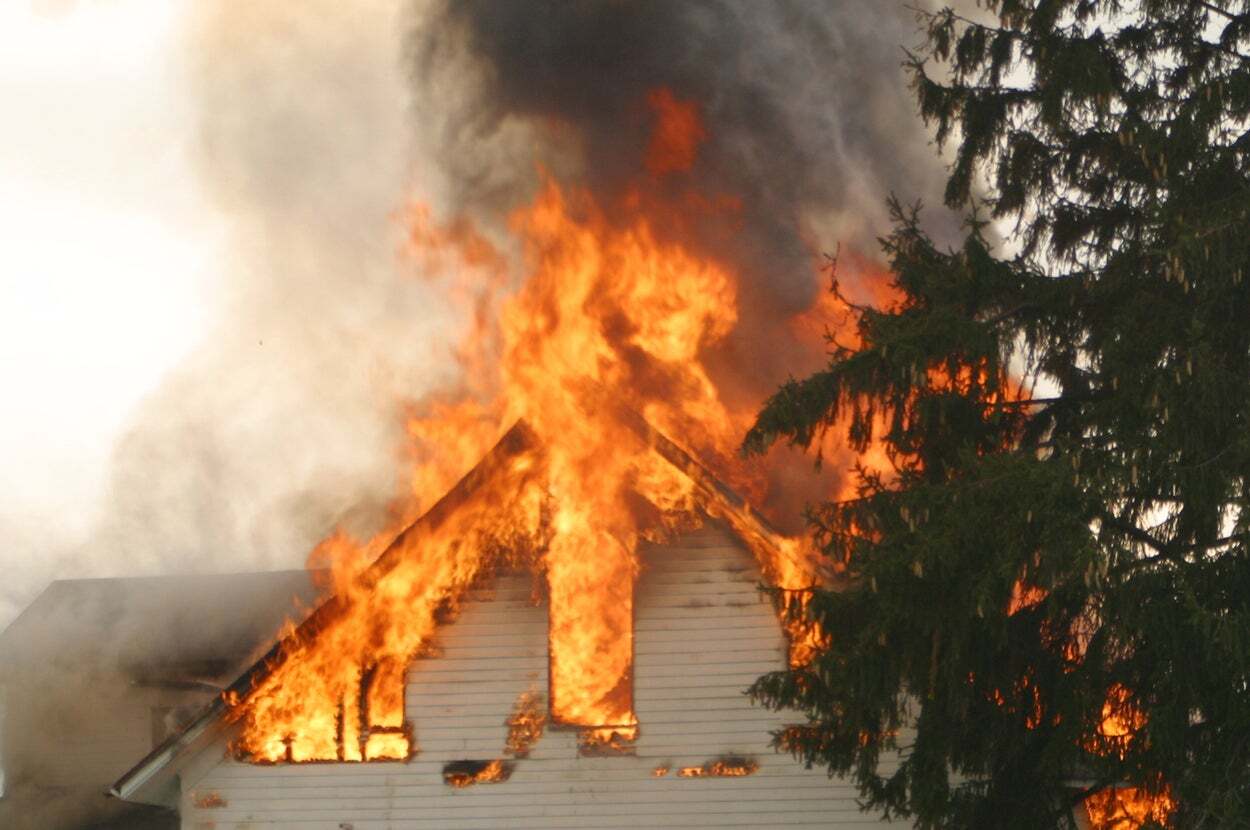
米カリフォルニア州のアパートで2月21日(現地時間)、火事が発生。2階に3人家族と犬が取り残されていましたが、炎の影響で建物内への進入が難しい状況でした。救助のきっかけとなったのは、警官のとあるアイデアです。
地元ミルピタス警察によると、同日午後3時15分頃、2階建てアパートで火事が発生したとの連絡が緊急通報指令室に入り、警察と消防隊に出動要請が出されました。 音声記録には、「火事です!」「逃げられない!」「燃えているのは、ほかの住人の部屋」と、パニックになりながらも状況を説明する通報者の声が残されています。 通報から2分も絶たずして、警察官2人がアパートに到着。しかし、現場にはすでに激しい火の手が上がっていました。
CBSニュースによると、アパートの2階に取り残されていたのは、3歳児を含む家族3人。2階へと続く通路は、炎に包まれて通行できない状態です。 救助時のボディカメラ映像には、ベランダに避難していた一家に、警察が地上から「子どもを(ベランダから)落として! 受け止めるから!」と、呼びかける声が記録されています。 一家は指示に従い、子どもをベランダから落としました。 警察が無事に受け止めた直後、ベランダには犬もいることが判明。警察官は続けて犬をキャッチし、無事に救助しました。 その後、消防隊員が現場に到着。はしごを使って、ベランダに残されていた2人の住人を救助しました。 ミルピタス警察は、重傷者はいないと報告しています。
現場で救助活動を行った警察官のリカード・バラガンさんは、CBSニュースの取材で、当時の状況を振り返りました。 「現場は炎でかなり熱く、アパートに近づくほど煙も濃くなっていました」 「何かしないといけないと思いました。私たちが何かしないと、最悪の事態になってしまいますから」 同じく現場に駆け付けた警察官のトレボン・ハートレイさんは、子どもがいると知ったときの心境を語りました。 「私も父親なので、真っ先に『子どもを助けないと』と考えました」 「(子どもをベランダから投げてもらうという)救助方法は、今思うと危険です。成功してほっとしました」 「ですが、救助中はためらいは感じませんでした。成功すると、確信していたんです」 「『子どもを落として』と伝えたときは、何をすべきかなんて考えていませんでした」
地元ミルピタス警察によると、同日午後3時15分頃、2階建てアパートで火事が発生したとの連絡が緊急通報指令室に入り、警察と消防隊に出動要請が出されました。 音声記録には、「火事です!」「逃げられない!」「燃えているのは、ほかの住人の部屋」と、パニックになりながらも状況を説明する通報者の声が残されています。 通報から2分も絶たずして、警察官2人がアパートに到着。しかし、現場にはすでに激しい火の手が上がっていました。
CBSニュースによると、アパートの2階に取り残されていたのは、3歳児を含む家族3人。2階へと続く通路は、炎に包まれて通行できない状態です。 救助時のボディカメラ映像には、ベランダに避難していた一家に、警察が地上から「子どもを(ベランダから)落として! 受け止めるから!」と、呼びかける声が記録されています。 一家は指示に従い、子どもをベランダから落としました。 警察が無事に受け止めた直後、ベランダには犬もいることが判明。警察官は続けて犬をキャッチし、無事に救助しました。 その後、消防隊員が現場に到着。はしごを使って、ベランダに残されていた2人の住人を救助しました。 ミルピタス警察は、重傷者はいないと報告しています。
現場で救助活動を行った警察官のリカード・バラガンさんは、CBSニュースの取材で、当時の状況を振り返りました。 「現場は炎でかなり熱く、アパートに近づくほど煙も濃くなっていました」 「何かしないといけないと思いました。私たちが何かしないと、最悪の事態になってしまいますから」 同じく現場に駆け付けた警察官のトレボン・ハートレイさんは、子どもがいると知ったときの心境を語りました。 「私も父親なので、真っ先に『子どもを助けないと』と考えました」 「(子どもをベランダから投げてもらうという)救助方法は、今思うと危険です。成功してほっとしました」 「ですが、救助中はためらいは感じませんでした。成功すると、確信していたんです」 「『子どもを落として』と伝えたときは、何をすべきかなんて考えていませんでした」
Vocabulary
General
Proper noun
JLPT N2
JLPT N1
| # | 言葉 | 意味 |
|---|---|---|
| 6 | 救助 | きゅうじょ (救助) : relief; aid; rescue |
| 6 | 子ども | こども (子供) : child |
| 5 | 現場 | げんば (現場) : 1. actual spot; scene; scene of the crime; site; location; setting 2. shop floor; factory floor; (on) site |
| 4 | 警察官 | けいさつかん (警察官) : police officer; policeman; policewoman |
| 3 | 炎 | ほのお (炎) : 1. flame; blaze 2. flames (of intense emotion, e.g. love, jealousy, anger); passion |
| 3 | 状況 | じょうきょう (状況) : state of affairs (around you); situation; circumstances |
| 3 | 落とす | おとす (落とす) : 1. to drop; to lose; to let fall; to shed (light); to cast (one's gaze); to pour in (liquid); to leave behind 2. to clean off (dirt, makeup, paint, etc.); to remove (e.g. stains or facial hair); to lose; to spend money at a certain place; to omit; to leave out; to secretly let escape |
| 2 | 発生 | はっせい (発生) : 1. outbreak; spring forth; occurrence; incidence 2. generation (e.g. of power or heat); genesis; origin |
| 2 | 取り残す | とりのこす (取り残す) : to leave behind |
| 2 | 消防 | しょうぼう (消防) : 1. fire fighting 2. fire department; fire brigade |
| 2 | 隊 | たい (隊) : 1. party; group; crew; team; body 2. company (of troops); corps; unit; squad |
| 2 | 記録 | きろく (記録) : 1. record; minutes; document 2. record (e.g. in sports); results; score |
| 2 | 住人 | じゅうにん (住人) : 1. dweller; inhabitant; resident 2. user (of a website) |
| 2 | 残す | のこす (残す) : 1. to leave (behind) 2. to leave (undone); to not finish |
| 2 | 到着 | とうちゃく (到着) : arrival |
| 2 | 一家 | いっか (一家) : 1. a family; a household; a home; one's family; whole family 2. (one's own) style; school |
| 2 | 受け止める | うけとめる (受け止める) : 1. to catch; to stop the blow 2. to react to; to take (advice, etc.); to accept; to come to grips with |
| 2 | 無事 | ぶじ (無事) : 1. safety; security; peace; quiet 2. safely; without incident; successfully |
| 2 | 考える | かんがえる (考える) : 1. to think (about, of); to think over; to ponder; to contemplate; to reflect (on); to meditate (on) 2. to consider; to bear in mind; to allow for; to take into consideration |
| 2 | 成功 | せいこう (成功) : success; hit |
| 1 | 現地時間 | げんちじかん (現地時間) : local time |
| 1 | 影響 | えいきょう (影響) : 1. influence; effect 2. to influence; to affect; to have an influence on; to impact; to have an effect on |
| 1 | 進入 | しんにゅう (進入) : entry; approach; penetration |
| 1 | きっかけ | きっかけ (切っ掛け) : chance; start; cue; excuse; motive; impetus; occasion |
| 1 | とある | とある (と或る) : a certain ... |
| 1 | 地元 | じもと (地元) : 1. home area; home town 2. local |
| 1 | 頃 | ころ (頃) : 1. (approximate) time; around; about; toward 2. suitable time (or condition) |
| 1 | 建て | だて (建て) : 1. indicates storeys, structures, or materials used in a building 2. indicates denomination |
| 1 | 緊急通報 | きんきゅうつうほう (緊急通報) : emergency call |
| 1 | 指令 | しれい (指令) : orders; instructions; directive; command |
| 1 | 出動 | しゅつどう (出動) : sailing; marching; going out; dispatch |
| 1 | 要請 | ようせい (要請) : 1. appeal; call for something; request; claim; demand 2. axiom |
| 1 | 音声 | おんせい (音声) : 1. voice; speech; sound of a voice 2. sound (e.g. of a TV) |
| 1 | 逃げる | にげる (逃げる) : to escape; to run away |
| 1 | 燃える | もえる (燃える) : to burn; to get fired up |
| 1 | 通報者 | つうほうしゃ (通報者) : person who notifies the police; informer; whistleblower; delator |
| 1 | 通報 | つうほう (通報) : 1. report; notification; tip; bulletin 2. message (in information and communication theory) |
| 1 | 絶つ | たつ (断つ) : 1. to sever; to cut off 2. to suppress; to eradicate; to exterminate |
| 1 | すでに | すでに (既に) : already; too late |
| 1 | 激しい | はげしい (激しい) : 1. violent; furious; tempestuous 2. extreme; intense; fierce; strong |
| 1 | 火の手 | ひのて (火の手) : 1. flame; blaze; fire 2. attack; aggression |
| 1 | 上がる | あがる (上がる) : 1. to rise; to go up; to come up; to ascend; to be raised 2. to enter (esp. from outdoors); to come in; to go in |
| 1 | 含む | ふくむ (含む) : 1. to contain; to comprise; to have; to hold; to include; to embrace 2. to hold in the mouth |
| 1 | 通路 | つうろ (通路) : passage; pathway; roadway; avenue; aisle |
| 1 | 包む | つつむ (包む) : 1. to wrap up; to pack; to bundle; to do up 2. to cover; to envelop; to shroud; to engulf |
| 1 | 通行 | つうこう (通行) : 1. passage (of people, traffic); passing 2. common usage |
| 1 | 状態 | じょうたい (状態) : state; condition; situation; appearance; circumstances |
| 1 | 映像 | えいぞう (映像) : 1. image (on a screen); picture (e.g. on a TV) 2. video; film; footage |
| 1 | 避難 | ひなん (避難) : taking refuge; finding shelter; evacuation; escape; seeking safe haven |
| 1 | 地上 | ちじょう (地上) : 1. above ground; surface; overground 2. earth; world |
| 1 | 呼びかける | よびかける (呼びかける) : 1. to call out to; to hail; to address 2. to appeal |
| 1 | 指示 | しじ (指示) : 1. indication; denotation; designation 2. instructions; directions |
| 1 | 従う | したがう (従う) : 1. to obey (an order, law, etc.); to abide by (a rule, custom, etc.); to follow; to observe; to conform to; to yield to 2. to follow (a person); to accompany; to go with |
| 1 | 直後 | ちょくご (直後) : immediately following |
| 1 | 判明 | はんめい (判明) : establishing; proving; ascertaining; identifying; confirming |
| 1 | はしご | はしご (梯子) : 1. ladder 2. stairs |
| 1 | 重傷 | じゅうしょう (重傷) : serious wound; serious injury |
| 1 | 報告 | ほうこく (報告) : report; information |
| 1 | 救助活動 | きゅうじょかつどう (救助活動) : rescue operation; aid operation; rescue work |
| 1 | 取材 | しゅざい (取材) : 1. news coverage; collecting data (e.g. for an article); covering (something for media) 2. interview |
| 1 | 当時 | とうじ (当時) : at that time; in those days |
| 1 | 振り返る | ふりかえる (振り返る) : 1. to turn one's head; to look over one's shoulder; to turn around; to look back 2. to think back (on); to reminisce; to look back (on); to reflect (on) |
| 1 | かなり | かなり (可也) : considerably; fairly; quite |
| 1 | 近づく | ちかづく (近づく) : 1. to approach; to draw near; to get close 2. to get acquainted with; to get closer to; to get to know |
| 1 | 煙 | けむり (煙) : smoke; fumes |
| 1 | 私たち | わたしたち (私たち) : we; us |
| 1 | 最悪 | さいあく (最悪) : 1. worst 2. horrible; horrid; awful; terrible |
| 1 | 事態 | じたい (事態) : situation; (present) state of affairs; circumstances |
| 1 | 同じく | おなじく (同じく) : similarly; same (idea); same (name) |
| 1 | 駆け付ける | かけつける (駆けつける) : to run to; to come running; to rush (someplace); to hasten |
| 1 | 知る | しる (知る) : 1. to be aware of; to know; to be conscious of; to cognize; to cognise 2. to notice; to feel |
| 1 | 心境 | しんきょう (心境) : state of mind; mental state; mental attitude |
| 1 | 語る | かたる (語る) : 1. to talk about; to speak of; to tell; to narrate 2. to recite; to chant |
| 1 | 父親 | ちちおや (父親) : father |
| 1 | 真っ先 | まっさき (真っ先) : the head; the foremost; beginning; the very front |
| 1 | 助ける | たすける (助ける) : 1. to save; to rescue 2. to help; to assist |
| 1 | 投げる | なげる (投げる) : 1. to throw; to hurl; to fling; to toss; to cast 2. to give up; to abandon; to throw away |
| 1 | 方法 | ほうほう (方法) : method; process; manner; way; means; technique |
| 1 | ほっと | ほっと : 1. with a feeling of relief; with a sigh of relief 2. deeply (sigh) |
| 1 | ためらい | ためらい (躊躇い) : faltering; hesitation |
| 1 | 感ずる | かんずる (感ずる) : to feel; to sense |
| 1 | 確信 | かくしん (確信) : conviction; belief; confidence |
| 1 | 伝える | つたえる (伝える) : to convey; to report; to transmit; to communicate; to tell; to impart; to propagate; to teach; to bequeath |
| 1 | なんて | なんて (何て) : 1. how ...!; what ...! 2. what?; what's that? |