戦後のGHQの改革は確かに家制度を解体した。しかし、戦後の改革は戦前の制度と完全に断絶しているわけでもない
予習
この記事のキーワード — タップで意味×10
家制度
いえせいど
Japanese household legal structure (1898-1947)
×12
戸籍
こせき
1. family register 2. census
N1×14
戦前
せんぜん
pre-war days; before the war
×8
両性
りょうせい
both sexes
×8
戸主
こしゅ
head of a household
今こそ戦後を知ろう。なぜなら、現在の私たちはそれによってつくられているからだ。それを学び、何を受け継ぐべきかを腑分けすることで、これからの未来を変えていこう。
そのような志の下、近現代史研究者の辻田真佐憲氏が 『「戦後」とは何だったのか 未来を変える日本現代史』 (文春新書)を上梓した。
第三章「『自由』はいつやってきたのか」で、辻田氏は戦後憲法の二四条が戦前の家制度を解体したことを指摘するとともに戦後の改革は戦前の制度と完全に絶縁したものではなかったと述べる。
本書から一部を抜粋してお届けする。
◆◆◆
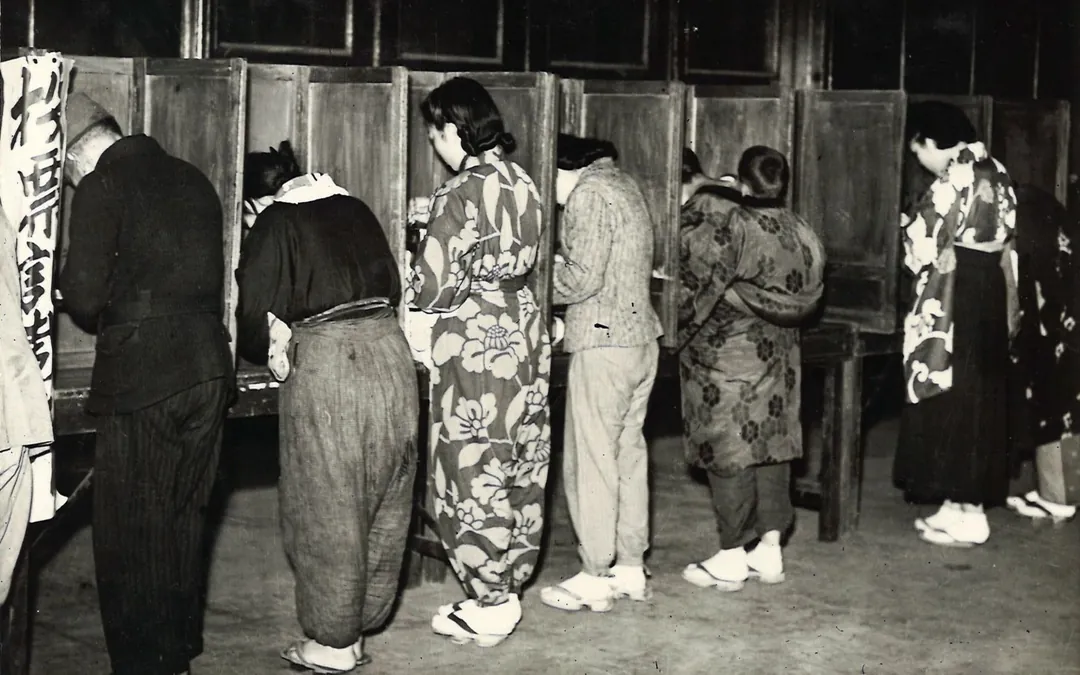
1945(昭和20)年8月、日本は敗戦し、GHQの占領下におかれた。翌年11月、大日本帝国憲法が改正されるかたちで日本国憲法が公布され、明くる年の1947年5月に施行された。
一般には、こうした憲法改正を含む占領下の民主化改革によって、日本は戦前と決別し、まったく新しい国に生まれ変わったと思われている。
たしかに、従来の制度や国家観が大きく改められたことは間違いない。なかでも新憲法の第二四条は、家制度がもはや存続しえないことを明確に示すものだった。
第二十四条 婚姻は、両性の合意のみに基いて成立(・・・ ・・・・・・・・・・・・・)し、夫婦が同等の権利を有することを基本として、相互の協力により、維持されなければならない。
2 配偶者の選択、財産権、相続、住居の選定、離婚並びに婚姻及び家族に関するその他の事項に関しては、法律は、個人の尊厳と両性の本質的平等に立脚して(・・・・・・・・・・・・・・・・・・・・、制定されなければならない。
さきに述べたように、戦前の家制度では、婚姻について戸主が同意権をもち、家族全体が戸主の統率のもとに置かれていた。
これにたいして第二四条は、婚姻は戸主の意思ではなく「両性の合意のみに基いて成立」すると定めた。さらに、財産、相続、住居、離婚をはじめとする家族にかんする制度は、すべて「個人の尊厳と両性の本質的平等」に立脚しなければならないとした。
戸主が家族を統率するのではなく、ひとりひとりの個人が、男女の別なく対等な権利をもつ。それが、戦後の新しい原則となったのである。
なおこの第二四条は、GHQ民政局に勤務するベアテ・シロタ・ゴードンという当時22歳の女性が中心となって作成したことが今日ではわかっている。山田耕筰などとも交流のあったピアニスト、レオ・シロタの娘として幼少期を日本ですごした彼女は、日本人女性の地位の低さに強い問題意識を抱いていたという。
この憲法の施行に対応するため、まず1947年5月に民法の応急的措置を定める法律が施行され、続いて民法が親族編・相続編を中心として大幅に改正された。改正民法は1948(昭和23)年1月に施行され、戸主権と家督相続を中心とする家制度は、法律のうえではついに解体されるにいたった。
国家のあり方も大きく変わった。天皇主権に代わって国民主権が掲げられ、天皇を家長、臣民をその家族に見立てる家族国家の理念も、公的な原理としては語られなくなった。
この点で、敗戦と占領が日本の国家と家族のあり方に大きな断絶をもたらしたことは疑いない。
しかし、戦後改革は戦前の制度をすべて捨て去り、まったく新しい制度をゼロからつくり上げたわけではなかった。
民法の改正とあわせて戸籍法が改正され、戸籍制度も大きく改められた。戸籍に記載される範囲は縮小され、夫婦とその未婚の子を基本単位とする制度になった。
とはいえ、戸籍とは家に属するひとびとをひとつの集団として記録するものだった。家制度を解体し、個人の尊重を新しい社会の原則とするのであれば、戸籍も個人単位の登録制度へと全面的に改めるのが自然だったのではないか。
じつはGHQも当初はそのような方向での改革を考えていた。ところが日本側でカウンターパートとなった司法省は、家族単位の制度を維持したほうが、物資や人員の面で行政上の負担を抑えられると説明した。そのため、GHQは個人単位への変更を求めることを断念したとされる。
夫婦同姓についても、日本側は、結婚する際に夫または妻のどちらかの氏を選ぶことができる以上、男女平等には反しないと説明した。これについても、GHQは受け入れたとされている。
政治学者の遠藤正敬は、こうした日本側の抵抗の背景には、家を「『日本人』の精神的紐帯(ちゅうたい)として生かしておきたいという守旧的な切望」があったのではないかと推測している(『戸籍の日本史』)。
つまり戦後の改革は、戦前の制度と完全に絶縁したものではなかった。戸主権や家督相続のように明確に廃止された部分があるいっぽうで、家族単位の戸籍や夫婦同姓のように、戦前から引き継がれた部分も残されたのである。
今こそ戦後を知ろう。なぜなら、現在の私たちはそれによってつくられているからだ。それを学び、何を受け継ぐべきかを腑分けすることで、これからの未来を変えていこう。 そのような志の下、近現代史研究者の辻田真佐憲氏が 『「戦後」とは何だったのか 未来を変える日本現代史』 (文春新書)を上梓した。 第三章「『自由』はいつやってきたのか」で、辻田氏は戦後憲法の二四条が戦前の家制度を解体したことを指摘するとともに戦後の改革は戦前の制度と完全に絶縁したものではなかったと述べる。 本書から一部を抜粋してお届けする。 ◆◆◆ 1945(昭和20)年8月、日本は敗戦し、GHQの占領下におかれた。翌年11月、大日本帝国憲法が改正されるかたちで日本国憲法が公布され、明くる年の1947年5月に施行された。 一般には、こうした憲法改正を含む占領下の民主化改革によって、日本は戦前と決別し、まったく新しい国に生まれ変わったと思われている。 たしかに、従来の制度や国家観が大きく改められたことは間違いない。なかでも新憲法の第二四条は、家制度がもはや存続しえないことを明確に示すものだった。 第二十四条 婚姻は、両性の合意のみに基いて成立(・・・ ・・・・・・・・・・・・・)し、夫婦が同等の権利を有することを基本として、相互の協力により、維持されなければならない。 2 配偶者の選択、財産権、相続、住居の選定、離婚並びに婚姻及び家族に関するその他の事項に関しては、法律は、個人の尊厳と両性の本質的平等に立脚して(・・・・・・・・・・・・・・・・・・・・、制定されなければならない。 さきに述べたように、戦前の家制度では、婚姻について戸主が同意権をもち、家族全体が戸主の統率のもとに置かれていた。 これにたいして第二四条は、婚姻は戸主の意思ではなく「両性の合意のみに基いて成立」すると定めた。さらに、財産、相続、住居、離婚をはじめとする家族にかんする制度は、すべて「個人の尊厳と両性の本質的平等」に立脚しなければならないとした。 戸主が家族を統率するのではなく、ひとりひとりの個人が、男女の別なく対等な権利をもつ。それが、戦後の新しい原則となったのである。 なおこの第二四条は、GHQ民政局に勤務するベアテ・シロタ・ゴードンという当時22歳の女性が中心となって作成したことが今日ではわかっている。山田耕筰などとも交流のあったピアニスト、レオ・シロタの娘として幼少期を日本ですごした彼女は、日本人女性の地位の低さに強い問題意識を抱いていたという。 この憲法の施行に対応するため、まず1947年5月に民法の応急的措置を定める法律が施行され、続いて民法が親族編・相続編を中心として大幅に改正された。改正民法は1948(昭和23)年1月に施行され、戸主権と家督相続を中心とする家制度は、法律のうえではついに解体されるにいたった。 国家のあり方も大きく変わった。天皇主権に代わって国民主権が掲げられ、天皇を家長、臣民をその家族に見立てる家族国家の理念も、公的な原理としては語られなくなった。 この点で、敗戦と占領が日本の国家と家族のあり方に大きな断絶をもたらしたことは疑いない。 しかし、戦後改革は戦前の制度をすべて捨て去り、まったく新しい制度をゼロからつくり上げたわけではなかった。 民法の改正とあわせて戸籍法が改正され、戸籍制度も大きく改められた。戸籍に記載される範囲は縮小され、夫婦とその未婚の子を基本単位とする制度になった。 とはいえ、戸籍とは家に属するひとびとをひとつの集団として記録するものだった。家制度を解体し、個人の尊重を新しい社会の原則とするのであれば、戸籍も個人単位の登録制度へと全面的に改めるのが自然だったのではないか。 じつはGHQも当初はそのような方向での改革を考えていた。ところが日本側でカウンターパートとなった司法省は、家族単位の制度を維持したほうが、物資や人員の面で行政上の負担を抑えられると説明した。そのため、GHQは個人単位への変更を求めることを断念したとされる。 夫婦同姓についても、日本側は、結婚する際に夫または妻のどちらかの氏を選ぶことができる以上、男女平等には反しないと説明した。これについても、GHQは受け入れたとされている。 政治学者の遠藤正敬は、こうした日本側の抵抗の背景には、家を「『日本人』の精神的紐帯(ちゅうたい)として生かしておきたいという守旧的な切望」があったのではないかと推測している(『戸籍の日本史』)。 つまり戦後の改革は、戦前の制度と完全に絶縁したものではなかった。戸主権や家督相続のように明確に廃止された部分があるいっぽうで、家族単位の戸籍や夫婦同姓のように、戦前から引き継がれた部分も残されたのである。
今こそ戦後を知ろう。なぜなら、現在の私たちはそれによってつくられているからだ。それを学び、何を受け継ぐべきかを腑分けすることで、これからの未来を変えていこう。 そのような志の下、近現代史研究者の辻田真佐憲氏が 『「戦後」とは何だったのか 未来を変える日本現代史』 (文春新書)を上梓した。 第三章「『自由』はいつやってきたのか」で、辻田氏は戦後憲法の二四条が戦前の家制度を解体したことを指摘するとともに戦後の改革は戦前の制度と完全に絶縁したものではなかったと述べる。 本書から一部を抜粋してお届けする。 ◆◆◆ 1945(昭和20)年8月、日本は敗戦し、GHQの占領下におかれた。翌年11月、大日本帝国憲法が改正されるかたちで日本国憲法が公布され、明くる年の1947年5月に施行された。 一般には、こうした憲法改正を含む占領下の民主化改革によって、日本は戦前と決別し、まったく新しい国に生まれ変わったと思われている。 たしかに、従来の制度や国家観が大きく改められたことは間違いない。なかでも新憲法の第二四条は、家制度がもはや存続しえないことを明確に示すものだった。 第二十四条 婚姻は、両性の合意のみに基いて成立(・・・ ・・・・・・・・・・・・・)し、夫婦が同等の権利を有することを基本として、相互の協力により、維持されなければならない。 2 配偶者の選択、財産権、相続、住居の選定、離婚並びに婚姻及び家族に関するその他の事項に関しては、法律は、個人の尊厳と両性の本質的平等に立脚して(・・・・・・・・・・・・・・・・・・・・、制定されなければならない。 さきに述べたように、戦前の家制度では、婚姻について戸主が同意権をもち、家族全体が戸主の統率のもとに置かれていた。 これにたいして第二四条は、婚姻は戸主の意思ではなく「両性の合意のみに基いて成立」すると定めた。さらに、財産、相続、住居、離婚をはじめとする家族にかんする制度は、すべて「個人の尊厳と両性の本質的平等」に立脚しなければならないとした。 戸主が家族を統率するのではなく、ひとりひとりの個人が、男女の別なく対等な権利をもつ。それが、戦後の新しい原則となったのである。 なおこの第二四条は、GHQ民政局に勤務するベアテ・シロタ・ゴードンという当時22歳の女性が中心となって作成したことが今日ではわかっている。山田耕筰などとも交流のあったピアニスト、レオ・シロタの娘として幼少期を日本ですごした彼女は、日本人女性の地位の低さに強い問題意識を抱いていたという。 この憲法の施行に対応するため、まず1947年5月に民法の応急的措置を定める法律が施行され、続いて民法が親族編・相続編を中心として大幅に改正された。改正民法は1948(昭和23)年1月に施行され、戸主権と家督相続を中心とする家制度は、法律のうえではついに解体されるにいたった。 国家のあり方も大きく変わった。天皇主権に代わって国民主権が掲げられ、天皇を家長、臣民をその家族に見立てる家族国家の理念も、公的な原理としては語られなくなった。 この点で、敗戦と占領が日本の国家と家族のあり方に大きな断絶をもたらしたことは疑いない。 しかし、戦後改革は戦前の制度をすべて捨て去り、まったく新しい制度をゼロからつくり上げたわけではなかった。 民法の改正とあわせて戸籍法が改正され、戸籍制度も大きく改められた。戸籍に記載される範囲は縮小され、夫婦とその未婚の子を基本単位とする制度になった。 とはいえ、戸籍とは家に属するひとびとをひとつの集団として記録するものだった。家制度を解体し、個人の尊重を新しい社会の原則とするのであれば、戸籍も個人単位の登録制度へと全面的に改めるのが自然だったのではないか。 じつはGHQも当初はそのような方向での改革を考えていた。ところが日本側でカウンターパートとなった司法省は、家族単位の制度を維持したほうが、物資や人員の面で行政上の負担を抑えられると説明した。そのため、GHQは個人単位への変更を求めることを断念したとされる。 夫婦同姓についても、日本側は、結婚する際に夫または妻のどちらかの氏を選ぶことができる以上、男女平等には反しないと説明した。これについても、GHQは受け入れたとされている。 政治学者の遠藤正敬は、こうした日本側の抵抗の背景には、家を「『日本人』の精神的紐帯(ちゅうたい)として生かしておきたいという守旧的な切望」があったのではないかと推測している(『戸籍の日本史』)。 つまり戦後の改革は、戦前の制度と完全に絶縁したものではなかった。戸主権や家督相続のように明確に廃止された部分があるいっぽうで、家族単位の戸籍や夫婦同姓のように、戦前から引き継がれた部分も残されたのである。
この記事の単語 (196)
×20
制度
せいど
system; institution; organization; organisation
×14
戦後
せんご
postwar period; period after Second World War
×14
戦前
せんぜん
pre-war days; before the war
×12
戸籍
こせき
1. family register 2. census
×10
第
だい
prefix for forming ordinal numbers
×10
家制度
いえせいど
Japanese household legal structure (1898-1947)
×10
改革
かいかく
reform; reformation; reorganization
×10
改正
かいせい
revision; amendment; alteration
×10
相続
そうぞく
succession; inheritance
×8
条
じょう
1. article (in document); provision 2. stripe; streak; line
×8
施行
しこう
1. execution; enforcing; carrying out 2. giving alms; giving food to the poor or monks
×8
国家
こっか
state; country; nation
×8
婚姻
こんいん
marriage; matrimony
×8
両性
りょうせい
both sexes
×8
個人
こじん
individual; private person; personal; private
×8
戸主
こしゅ
head of a household
×8
民法
みんぽう
civil law; civil code
×6
憲法
けんぽう
1. constitution 2. rules; regulation
×6
解体
かいたい
1. demolition; taking down; dismantling; disassembly; taking apart 2. dissolution (of an organization, company, etc.); breaking up
×6
改める
あらためる
1. to change; to alter; to revise; to replace 2. to reform; to correct; to mend; to improve
×6
関する
かんする
to concern; to be related
×6
中心
ちゅうしん
1. center; centre; middle; heart; core; focus; pivot; emphasis; balance 2. -centered; -centred; -focused; -oriented; centered on; focused on
×6
単位
たんい
1. unit; denomination 2. credit (in school)
×4
未来
みらい
1. the future (usually distant) 2. future tense
×4
辻田
つじた
Tsujita (place; surname)
×4
完全
かんぜん
perfect; complete
×4
絶縁
ぜつえん
1. breaking off relations; disconnection 2. insulation (esp. electrical); isolation
×4
述べる
のべる
to state; to express; to mention
×4
昭和
しょうわ
1. Shōwa era (1926.12.25-1989.1.7) 2. reminiscent of the Shōwa era; Shōwa-nostalgic; old-fashioned; quaint; old-school
×4
敗戦
はいせん
defeat; lost battle; losing a war
×4
占領下
せんりょうか
being under military occupation
×4
全く
まったく
1. really; truly; entirely; completely; wholly; perfectly 2. indeed
×4
明確
めいかく
clear; precise; definite; distinct
×4
のみ
only; nothing but
×4
基づく
もとづく
to be grounded on; to be based on; to be due to; to originate from
×4
成立
せいりつ
1. formation; establishment; materialization; coming into existence 2. conclusion (e.g. of a deal); reaching (e.g. an agreement); approval; completion; closing; enacting; arrangement
×4
夫婦
ふうふ
1. married couple; husband and wife; man and wife 2. his and hers; pair of objects, one larger (for man), one smaller (for woman)
×4
権利
けんり
right; privilege
×4
基本
きほん
basics; fundamentals; basis; foundation
×4
維持
いじ
maintenance; preservation; improvement
×4
住居
じゅうきょ
dwelling; house; residence; address
×4
離婚
りこん
divorce
×4
本質的
ほんしつてき
essential; substantial; substantive; intrinsic
×4
平等
びょうどう
equality; impartiality; evenness
×4
立脚
りっきゃく
being based on
×4
統率
とうそつ
command; lead; generalship; leadership
×4
定める
さだめる
1. to decide; to determine 2. to establish; to lay down; to prescribe; to provide; to stipulate
×4
原則
げんそく
1. principle; general rule 2. as a rule; in principle; in general
×4
日本人
にほんじん
Japanese person; Japanese people
×4
編
へん
1. compilation (of a text); editing 2. volume (of a text)
×4
戸主権
こしゅけん
rights accruing to the head of a household (according to laws now obsolete)
×4
家督
かとく
1. heir; successor 2. family estate; family fortune; inheritance
×4
在り方
ありかた
1. the way something ought to be 2. the (current) state of things; how things are
×4
天皇
てんのう
Emperor of Japan
×4
部分
ぶぶん
portion; section; part
×2
こそ
1. it is ... that ...; precisely; in particular; definitely; for sure; only (when, after, because, etc.) 2. although; while; it is the case that ... but
×2
現在
げんざい
now; current; present; present time; as of
×2
私達
わたしたち
we; us
×2
学ぶ
まなぶ
to study (in depth); to learn; to take lessons in
×2
受け継ぐ
うけつぐ
to inherit; to succeed; to take over
×2
腑分け
ふわけ
dissection; autopsy
×2
志
こころざし
1. will; resolution; intention; ambition; aim; goal 2. kindness; goodwill; kind offer
×2
近現代史
きんげんだいし
modern history; modern and current history; recent history; recent contemporary history
×2
研究者
けんきゅうしゃ
researcher
×2
真佐
しんすけ
Shinsuke (unclass)
×2
現代史
げんだいし
contemporary history
×2
文春
ふみはる
Fumiharu (given)
×2
新書
しんしょ
1. new book 2. 17x11 cm paperback book
×2
上梓
じょうし
1. wood-block printing 2. publication
×2
章
しょう
1. chapter; section 2. medal; badge; insignia
×2
指摘
してき
pointing out; identification
×2
本書
ほんしょ
text; script; this book
×2
一部
いちぶ
1. one part; one portion; one section; some 2. one copy (e.g. of a document)
×2
抜粋
ばっすい
extract; excerpt; selection
×2
翌年
よくねん
following year
×2
大日本帝国憲法
だいにっぽんていこくけんぽう
Constitution of the Empire of Japan; Meiji Constitution
×2
日本国
にほんこく
Japan
×2
公布
こうふ
official proclamation; announcement; promulgation (e.g. of regulations)
×2
明くる年
あくるとし
next year; following year
×2
一般
いっぱん
1. general; universal 2. ordinary; average; common; non-celebrity
×2
憲法改正
けんぽうかいせい
constitutional reform; constitutional amendment
×2
含む
ふくむ
1. to contain; to comprise; to have; to hold; to include; to embrace 2. to hold in the mouth
×2
民主化
みんしゅか
democratization; democratisation
×2
決別
けつべつ
separation; farewell; parting
×2
生まれ変わる
うまれかわる
to be born again; to make a fresh start in life
×2
従来
じゅうらい
1. up to now; so far 2. traditional; conventional; usual; existing
×2
間違い
まちがい
1. mistake; error; blunder 2. accident; mishap; trouble
×2
新憲法
しんけんぽう
new constitution (esp. Japan's postwar constitution)
×2
最早
もはや
1. already; now 2. no longer; not any more
×2
存続
そんぞく
duration; continuance; survival; persistence; retention
×2
示す
しめす
1. to (take out and) show; to demonstrate; to tell; to exemplify; to make apparent 2. to point out (finger, clock hand, needle, etc.)
×2
十四条
じゅうしじょう
Juushijou (place)
×2
同等
どうとう
equality; equal; same rights; same rank; equivalence
×2
有する
ゆうする
to have; to possess; to own; to be endowed with
×2
相互
そうご
mutual; reciprocal
×2
協力
きょうりょく
cooperation; collaboration
×2
配偶者
はいぐうしゃ
spouse; wife; husband; partner
×2
選択
せんたく
selection; choice; option
×2
財産権
ざいさんけん
property rights; the right to own property
×2
選定
せんてい
selection
×2
並び
ならび
line; row; rank; list
×2
及び
および
and; as well as
×2
他
た
other (esp. people and abstract matters)
×2
事項
じこう
matter; item; facts
×2
制定
せいてい
enactment; establishment; creation
×2
同意
どうい
1. agreement; consent; approval; assent 2. same opinion; same view
×2
全体
ぜんたい
whole; entirety; whatever (is the matter)
×2
大して
たいして
(not so) much; (not) very
×2
意思
いし
intention; wish; purpose; mind (to do)
×2
財産
ざいさん
property; fortune; assets
×2
一人一人
ひとりひとり
each (person); individually; one by one; one at a time; in turn
×2
男女
だんじょ
men and women; man and woman; both sexes; both genders
×2
対等
たいとう
1. equality (esp. of status, on equal terms); equivalence 2. equivalent; equal
×2
猶
なお
1. still; yet 2. more; still more; greater; further
×2
勤務
きんむ
service; duty; work
×2
当時
とうじ
at that time; in those days
×2
作成
さくせい
drawing up (e.g. legal document, contract, will, etc.); preparing; writing; framing; making; producing; creating; creation
×2
山田耕筰
やまだこうさく
Yamada Kousaku (person)
×2
交流
こうりゅう
1. exchange (e.g. cultural); interchange; interaction; mingling; mixing; coming together 2. alternating current; AC
×2
幼少期
ようしょうき
(early) childhood
×2
過ごす
すごす
1. to pass (time); to spend 2. to overdo (esp. of one's alcohol consumption); to drink (alcohol)
×2
地位
ちい
(social) position; status
×2
問題意識
もんだいいしき
awareness of the issues; (having a) critical mind; concerns
×2
抱く
いだく
1. to hold in one's arms (e.g. a baby); to embrace; to hug 2. to have (a thought or feeling); to hold; to harbour (suspicion, doubt, etc.); to harbor; to bear (a grudge, ill will, etc.); to entertain (hope, illusions, etc.); to cherish (e.g. an ambition)
×2
対応
たいおう
1. correspondence (to); equivalence 2. suitability; coordination; matching; being appropriate (for)
×2
応急
おうきゅう
emergency; first-aid
×2
措置
そち
measure; step; action
×2
親族
しんぞく
relative; relation
×2
大幅
おおはば
1. big; large; drastic; substantial 2. full-width cloth (approx. 72 cm wide for traditional Japanese clothing; approx. 140 cm wide for Western clothing)
×2
遂に
ついに
1. finally; at last 2. in the end; after all; never (happened)
×2
至る
いたる
1. to arrive at (e.g. a decision); to reach (a stage); to attain 2. to lead to (a place); to get to
×2
主権
しゅけん
sovereignty; supremacy; dominion
×2
代わる
かわる
1. to succeed; to relieve; to replace 2. to take the place of; to substitute for; to take over for; to represent; to hand over (telephone)
×2
国民主権
こくみんしゅけん
sovereignty of the people
×2
掲げる
かかげる
1. to put up (a notice, sign, etc.); to hang out (e.g. a banner); to fly (e.g. a flag); to hoist; to raise; to display 2. to hold up high; to raise overhead
×2
家長
かちょう
patriarch; family head
×2
臣民
しんみん
subject; national
×2
見立てる
みたてる
1. to select; to choose 2. to diagnose (an illness); to judge
×2
理念
りねん
(Platonic) ideal (of how things ought to be, e.g. human rights); foundational principle; idea; conception (e.g. of the university); doctrine; ideology
×2
公的
こうてき
public; official
×2
原理
げんり
principle; theory; fundamental truth
×2
語る
かたる
1. to talk about; to speak of; to tell; to narrate 2. to recite; to chant
×2
占領
せんりょう
1. occupying; having (an area) all to oneself 2. military occupation; possession; capture; seizure
×2
断絶
だんぜつ
1. extinction; discontinuation; interruption 2. severance; rupture
×2
齎す
もたらす
to bring; to take; to bring about
×2
疑い
うたがい
doubt; question; uncertainty; skepticism; scepticism; suspicion; distrust
×2
捨て去る
すてさる
to abandon (ship)
×2
作り上げる
つくりあげる
1. to build up; to complete; to construct; to create; to put together 2. to make up; to fabricate; to invent; to cook up
×2
合わせる
あわせる
1. to match (rhythm, speed, etc.) 2. to join together; to unite; to combine; to add up
×2
戸籍法
こせきほう
Family Registration Law
×2
記載
きさい
mention (in a document); record; entry; statement; listing
×2
範囲
はんい
extent; scope; sphere; range; span
×2
縮小
しゅくしょう
reduction; curtailment
×2
未婚
みこん
unmarried; not yet married
×2
属する
ぞくする
to belong to; to come under; to be affiliated with; to be subject to
×2
人々
ひとびと
1. people; men and women 2. each person; everybody
×2
集団
しゅうだん
group; mass
×2
記録
きろく
1. record; minutes; document 2. record (e.g. in sports); results; score
×2
尊重
そんちょう
respect; esteem; regard
×2
登録
とうろく
registration; accession; register; entry; record
×2
全面的
ぜんめんてき
total; complete; all-out; general; extensive; full-scale
×2
自然
しぜん
1. nature 2. natural; spontaneous; automatic
×2
実
じつ
1. truth; reality 2. sincerity; honesty; fidelity
×2
当初
とうしょ
1. beginning; start; outset 2. at first; at the beginning; initially; originally
×2
方向
ほうこう
1. direction; orientation; bearing; way 2. course (e.g. of action)
×2
司法省
しほうしょう
Ministry of Justice (1871-1948 CE)
×2
物資
ぶっし
goods; materials; commodities; resources; supplies
×2
人員
じんいん
number of persons; personnel
×2
面
めん
1. face 2. mask; face guard
×2
行政上
ぎょうせいじょう
administrative
×2
負担
ふたん
1. burden; load; responsibility 2. bearing (a cost, responsibility, etc.); shouldering
×2
押さえる
おさえる
1. to pin down; to hold down; to press down 2. to cover (esp. a part of one's body with one's hand); to clutch (a body part in pain); to press (a body part)
×2
変更
へんこう
change; modification; alteration; revision; amendment
×2
求める
もとめる
1. to want; to wish for 2. to request; to demand; to require; to ask for
×2
断念
だんねん
abandoning (hope, plans); giving up
×2
際
さい
on the occasion of; circumstances; juncture
×2
氏
し
1. Mr; Mrs; Ms; Miss 2. clan
×2
男女平等
だんじょびょうどう
gender equality; equal rights for both sexes; equality of the sexes
×2
反する
はんする
1. to be contrary to; to be inconsistent with; to contradict 2. to act contrary to (rules or guidelines); to violate; to transgress
×2
受け入れる
うけいれる
to accept; to receive; to agree
×2
政治学者
せいじがくしゃ
political scientist
×2
遠藤
えとう
Etou (surname)
×2
正敬
せいけい
Seikei (given)
×2
抵抗
ていこう
1. resistance; opposition; standing up to 2. reluctance; repulsion; repugnance
×2
背景
はいけい
1. background; scenery; backdrop; setting 2. background (of an incident, situation, etc.); circumstances; context
×2
精神的
せいしんてき
mental; spiritual; emotional
×2
紐帯
ちゅうたい
important connection; important social foundation; close relation; tight relationship; intimate relation; close link
×2
ちゅ
Chu (surname)
×2
生かす
いかす
1. to make (the best) use of; to put to good use; to leverage (skills, attributes, experience, etc.); to capitalise on (experience, etc.) 2. to let live; to keep alive
×2
守旧
しゅきゅう
conservatism
×2
切望
せつぼう
earnest desire; eager hope; longing; yearning; hankering
×2
推測
すいそく
guess; conjecture
×2
詰まり
つまり
1. that is to say; that is; in other words; I mean; that (this, it) means 2. in short; in brief; to sum up; ultimately; in the end; in the long run; when all is said and done; what it all comes down to; when you get right down to it; basically
×2
廃止
はいし
abolition; repeal
×2
引き継ぐ
ひきつぐ
to take over; to hand over
×2
残す
のこす
1. to leave (behind) 2. to leave (undone); to not finish