NPTの再検討会議始まる 冒頭からアメリカとイラン 非難の応酬
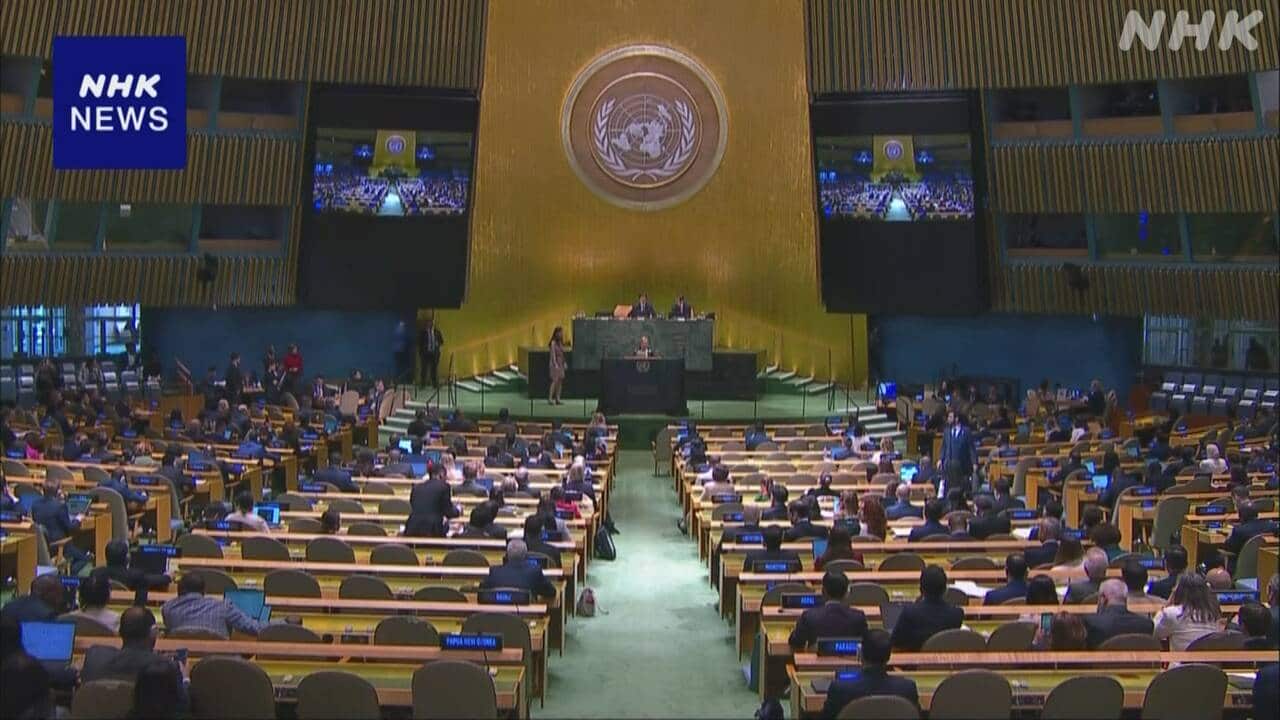
世界の核軍縮の方向性を議論するNPT=核拡散防止条約の再検討会議が、日本時間の27日夜、ニューヨークの国連本部で始まりました。核軍縮に向けて国際社会が一致できるかが焦点となっていますが、会議は冒頭からアメリカとイランが非難の応酬を繰り広げる展開となりました。
会議は27日始まり、はじめに国連のグテーレス事務総長が「核弾頭の数は増加傾向にあり、核実験が再び検討されている。一部の政府は、この恐ろしい兵器の獲得を公然と検討している。核戦争を決して起こしてはならないということを、われわれは忘れてしまったのか」と述べて、強い危機感を示すとともに、NPT体制の弱体化を食い止めるために各国の協力を呼びかけました。
その後、副議長を選ぶ手続きに入り、26人のうちの1人にイランの代表が選ばれるとアメリカの代表が発言を求め、「イランが長年にわたり、核の不拡散に関するNPTの約束を軽視してきたことは疑いようがない。イランの選出は会議の信頼性を傷つける」と主張しました。
これに対しイランの代表は「アメリカは核戦力の拡大と近代化を続けている」などと反論したうえで、アメリカとイスラエルによるイランの核関連施設への攻撃について「国際法の重大な違反」と批判しました。
会議は来月22日まで4週間にわたって開かれますが、初日の冒頭からアメリカとイランが非難の応酬を繰り広げる展開となり、核軍縮に向けて国際社会が一致できるか危ぶまれる状況となっています。
この中で中満事務次長は会議について、「NPTが世界的な核不拡散の体制の礎であり続け、核軍縮の追求における不可欠な基盤であることを確保する上で重要だ」と述べました。
そのうえで、「この会議は新たな課題に取り組み、条約がその意義と目的を果たし続けることができるよう、今後の進むべき道筋を示す機会だ」と述べ、意義を強調しました。
高市総理大臣は会議にメッセージを寄せ、日本時間の28日朝早く、国光外務副大臣が政府を代表して行った一般討論演説の中で代読しました。
この中で高市総理大臣は、「私たちの『核兵器のない世界』に向けた志の原点は『核兵器の惨禍を二度と繰り返してはならない』という被爆者の方々の願いにある。今回の会議を否定的連鎖を断ち切る対話の一歩とすることが求められている」としています。
その上で、「広島・長崎の被爆から80年以上がたった今、NPTという国際協調の枠組みをより強固な形で次世代に引き継げるよう、その維持・強化が急務であり、わが国代表団はこの会議の成功に全力を尽くす」としています。
国光外務副大臣は代読後、母校の広島県立観音高校の前身の学校で生徒344人が原爆の犠牲になったことに触れ、当時の校長が亡くなった生徒をしのんで詠んだ和歌を紹介しました。
そして「核兵器によって引き起こされた死と苦しみは二度と繰り返されてはならない」と訴えました。
NPTで核兵器の保有を認められた5つの国の1つであるフランスのバロ外相は27日、ロシアによる核の脅威などを強調したうえで、「厳格な防衛論理と抑止力の有効性の基準に基づきフランスの核戦力を上方修正する」と述べました。
フランスのマクロン大統領は、ことし3月に保有する核弾頭の数を増やす考えを明らかにしています。
バロ外相はまた、「こうした進展と変化はフランスの抑止力が過去数十年にわたりそうであったように、ヨーロッパ大陸の平和と安全を補強し続けるために必要なものだ」と主張しました。
NPTの再検討会議で、27日に演説した韓国の代表は北朝鮮について、「NPT体制から脱退を宣言し、公然と核兵器開発を継続した唯一の事例であり、核の不拡散体制にとって最も差し迫った課題であり続けている」と非難しました。
またロシアに対しては、「国連の安保理決議に違反した北朝鮮との違法な軍事協力を中止し、世界的な不拡散体制を守る責任を果たすよう求める」と述べました。
アメリカとイランによる非難の応酬となったのは、グテーレス事務総長が演説したあと、会議の運営にあたる議長や副議長を選ぶ手続きが行われていた時でした。
こうした手続きは通常、各国の合意による全会一致で決まるのがほとんどで、今回のように公の場で異論が唱えられるのは異例だということです。
アメリカの代表は「イランが長年にわたり、核の不拡散に関するNPTの約束を軽視してきたことは疑いようがない。イランはIAEAとの協力を拒み、核計画に関する疑惑を解決しようともしてこなかった」と主張しました。
そのうえで「イランの代表を副議長に選出したことは会議の信頼性を傷つけるものだ。イランが核不拡散の問題におけるリーダーであるという見解にアメリカは同意しない」と強く抗議しました。
これに対しイランの代表は「根拠がなく、政治的な動機に基づくもので信頼性もない」と反論したうえで、「アメリカは核兵器を使用した唯一の国であり、NPTを無視して、核戦力の拡大と近代化を続けている」と主張しました。
そして、アメリカとイスラエルによるイランの核関連施設への攻撃について、「国際法の重大な違反であり、世界的な核の不拡散体制に対する直接的な攻撃だ」と批判しました。
長崎や広島の被爆者なども傍聴し、アメリカとイランが非難の応酬を繰り広げる展開に今後の議論を不安視する声が聞かれました。
このうち、広島で母親のおなかの中で被爆した「胎内被爆者」で、日本被団協=日本原水爆被害者団体協議会の濱住治郎事務局長は「この先がどういうふうに展開されるのだろうか。原爆や核兵器が忘れられたような感じの今の世界だ。特に核を持っている国に対して、核兵器を体験した被爆者だからこそ、あなた方は今何をしているんですか、どっちに向かっているんですかと伝えたい」と話していました。
長崎で1歳7か月のときに被爆した濱中紀子事務局次長は「核軍縮になんとか話し合いを持っていってほしいが、最終日になるまでどうなるかわからない。今まで80年余りにわたって核が使われなかったので、今までどおりうまくやってほしいが、私たちがノーベル平和賞をもらったあとにいろいろなことが続いてきているので少し怖くなっている」と話していました。
また、被爆2世の長崎市の鈴木史朗市長は「大変厳しい状況で、不透明感が広がったという思いがしている。こういうときだからこそ、被爆の実相を世界に向けてしっかりと発信していきたいし、世界で2つしかない戦争被爆地の使命があるということを改めてこちらに来て強く感じている」と話していました。
国連本部では、日本被団協=日本原水爆被害者団体協議会などが、被爆の実相を伝える写真パネルなどの展示を行っています。
この展示は日本被団協などが、原則5年に1度行われるNPTの再検討会議にあわせてニューヨークの国連本部のロビーで開いていて、今回で5回目になります。
開催にあたり、広島に落とされた原爆によって母親のおなかの中で被爆した日本被団協の濱住治郎事務局長が、「自分たちが受けた苦しみをほかの誰も体験することがないように、私たちの願いを皆さんと共有したい」とあいさつしました。
会場には、原爆によって溶けたガラスや原爆投下後の長崎で撮影したとされる「焼き場に立つ少年」の写真パネルなど、被爆の実相を伝える50点余りが展示されています。
展示を見たスイス出身の男子大学生は「破壊とその影響が長く続いている現状を見て胸が張り裂ける思いです。原爆の被害者に焦点を当て直すことは非常に重要です」と話していました。
フランス出身の女性は「核兵器を使わないための議論が活発に行われることを願っています」と話していました。
また、国連のグテーレス事務総長はNPTの再検討会議の中で展示に触れ、「展示は核戦争がもたらす代償をわれわれに思い起こさせる警鐘だ。日本被団協のメッセージは、これ以上ないほど時宜を得た切実なものだ」と述べました。
会議は27日始まり、はじめに国連のグテーレス事務総長が「核弾頭の数は増加傾向にあり、核実験が再び検討されている。一部の政府は、この恐ろしい兵器の獲得を公然と検討している。核戦争を決して起こしてはならないということを、われわれは忘れてしまったのか」と述べて、強い危機感を示すとともに、NPT体制の弱体化を食い止めるために各国の協力を呼びかけました。
その後、副議長を選ぶ手続きに入り、26人のうちの1人にイランの代表が選ばれるとアメリカの代表が発言を求め、「イランが長年にわたり、核の不拡散に関するNPTの約束を軽視してきたことは疑いようがない。イランの選出は会議の信頼性を傷つける」と主張しました。
これに対しイランの代表は「アメリカは核戦力の拡大と近代化を続けている」などと反論したうえで、アメリカとイスラエルによるイランの核関連施設への攻撃について「国際法の重大な違反」と批判しました。
会議は来月22日まで4週間にわたって開かれますが、初日の冒頭からアメリカとイランが非難の応酬を繰り広げる展開となり、核軍縮に向けて国際社会が一致できるか危ぶまれる状況となっています。
この中で中満事務次長は会議について、「NPTが世界的な核不拡散の体制の礎であり続け、核軍縮の追求における不可欠な基盤であることを確保する上で重要だ」と述べました。
そのうえで、「この会議は新たな課題に取り組み、条約がその意義と目的を果たし続けることができるよう、今後の進むべき道筋を示す機会だ」と述べ、意義を強調しました。
高市総理大臣は会議にメッセージを寄せ、日本時間の28日朝早く、国光外務副大臣が政府を代表して行った一般討論演説の中で代読しました。
この中で高市総理大臣は、「私たちの『核兵器のない世界』に向けた志の原点は『核兵器の惨禍を二度と繰り返してはならない』という被爆者の方々の願いにある。今回の会議を否定的連鎖を断ち切る対話の一歩とすることが求められている」としています。
その上で、「広島・長崎の被爆から80年以上がたった今、NPTという国際協調の枠組みをより強固な形で次世代に引き継げるよう、その維持・強化が急務であり、わが国代表団はこの会議の成功に全力を尽くす」としています。
国光外務副大臣は代読後、母校の広島県立観音高校の前身の学校で生徒344人が原爆の犠牲になったことに触れ、当時の校長が亡くなった生徒をしのんで詠んだ和歌を紹介しました。
そして「核兵器によって引き起こされた死と苦しみは二度と繰り返されてはならない」と訴えました。
NPTで核兵器の保有を認められた5つの国の1つであるフランスのバロ外相は27日、ロシアによる核の脅威などを強調したうえで、「厳格な防衛論理と抑止力の有効性の基準に基づきフランスの核戦力を上方修正する」と述べました。
フランスのマクロン大統領は、ことし3月に保有する核弾頭の数を増やす考えを明らかにしています。
バロ外相はまた、「こうした進展と変化はフランスの抑止力が過去数十年にわたりそうであったように、ヨーロッパ大陸の平和と安全を補強し続けるために必要なものだ」と主張しました。
NPTの再検討会議で、27日に演説した韓国の代表は北朝鮮について、「NPT体制から脱退を宣言し、公然と核兵器開発を継続した唯一の事例であり、核の不拡散体制にとって最も差し迫った課題であり続けている」と非難しました。
またロシアに対しては、「国連の安保理決議に違反した北朝鮮との違法な軍事協力を中止し、世界的な不拡散体制を守る責任を果たすよう求める」と述べました。
アメリカとイランによる非難の応酬となったのは、グテーレス事務総長が演説したあと、会議の運営にあたる議長や副議長を選ぶ手続きが行われていた時でした。
こうした手続きは通常、各国の合意による全会一致で決まるのがほとんどで、今回のように公の場で異論が唱えられるのは異例だということです。
アメリカの代表は「イランが長年にわたり、核の不拡散に関するNPTの約束を軽視してきたことは疑いようがない。イランはIAEAとの協力を拒み、核計画に関する疑惑を解決しようともしてこなかった」と主張しました。
そのうえで「イランの代表を副議長に選出したことは会議の信頼性を傷つけるものだ。イランが核不拡散の問題におけるリーダーであるという見解にアメリカは同意しない」と強く抗議しました。
これに対しイランの代表は「根拠がなく、政治的な動機に基づくもので信頼性もない」と反論したうえで、「アメリカは核兵器を使用した唯一の国であり、NPTを無視して、核戦力の拡大と近代化を続けている」と主張しました。
そして、アメリカとイスラエルによるイランの核関連施設への攻撃について、「国際法の重大な違反であり、世界的な核の不拡散体制に対する直接的な攻撃だ」と批判しました。
長崎や広島の被爆者なども傍聴し、アメリカとイランが非難の応酬を繰り広げる展開に今後の議論を不安視する声が聞かれました。
このうち、広島で母親のおなかの中で被爆した「胎内被爆者」で、日本被団協=日本原水爆被害者団体協議会の濱住治郎事務局長は「この先がどういうふうに展開されるのだろうか。原爆や核兵器が忘れられたような感じの今の世界だ。特に核を持っている国に対して、核兵器を体験した被爆者だからこそ、あなた方は今何をしているんですか、どっちに向かっているんですかと伝えたい」と話していました。
長崎で1歳7か月のときに被爆した濱中紀子事務局次長は「核軍縮になんとか話し合いを持っていってほしいが、最終日になるまでどうなるかわからない。今まで80年余りにわたって核が使われなかったので、今までどおりうまくやってほしいが、私たちがノーベル平和賞をもらったあとにいろいろなことが続いてきているので少し怖くなっている」と話していました。
また、被爆2世の長崎市の鈴木史朗市長は「大変厳しい状況で、不透明感が広がったという思いがしている。こういうときだからこそ、被爆の実相を世界に向けてしっかりと発信していきたいし、世界で2つしかない戦争被爆地の使命があるということを改めてこちらに来て強く感じている」と話していました。
国連本部では、日本被団協=日本原水爆被害者団体協議会などが、被爆の実相を伝える写真パネルなどの展示を行っています。
この展示は日本被団協などが、原則5年に1度行われるNPTの再検討会議にあわせてニューヨークの国連本部のロビーで開いていて、今回で5回目になります。
開催にあたり、広島に落とされた原爆によって母親のおなかの中で被爆した日本被団協の濱住治郎事務局長が、「自分たちが受けた苦しみをほかの誰も体験することがないように、私たちの願いを皆さんと共有したい」とあいさつしました。
会場には、原爆によって溶けたガラスや原爆投下後の長崎で撮影したとされる「焼き場に立つ少年」の写真パネルなど、被爆の実相を伝える50点余りが展示されています。
展示を見たスイス出身の男子大学生は「破壊とその影響が長く続いている現状を見て胸が張り裂ける思いです。原爆の被害者に焦点を当て直すことは非常に重要です」と話していました。
フランス出身の女性は「核兵器を使わないための議論が活発に行われることを願っています」と話していました。
また、国連のグテーレス事務総長はNPTの再検討会議の中で展示に触れ、「展示は核戦争がもたらす代償をわれわれに思い起こさせる警鐘だ。日本被団協のメッセージは、これ以上ないほど時宜を得た切実なものだ」と述べました。
Vocabulary
General
Proper noun
JLPT N2
JLPT N1
| # | 言葉 | 意味 |
|---|---|---|
| 10 | 核 | かく (核) : 1. stone (of a fruit); pit; pip 2. core (of an organization, team, etc.); nucleus; heart |
| 9 | 核兵器 | かくへいき (核兵器) : nuclear weapon |
| 9 | 被爆 | ひばく (被爆) : 1. being bombed 2. being A-bombed; being nuked; being exposed to radiation (from an atomic blast) |
| 8 | 代表 | だいひょう (代表) : 1. representative; representation; delegation; type; example; model 2. switchboard number; main number |
| 6 | 述べる | のべる (述べる) : to state; to express; to mention |
| 6 | 体制 | たいせい (体制) : order; system; structure; set-up; organization; organisation |
| 6 | 原爆 | げんばく (原爆) : atomic bomb; A-bomb |
| 6 | 展示 | てんじ (展示) : exhibition; display |
| 5 | 核軍縮 | かくぐんしゅく (核軍縮) : nuclear disarmament |
| 5 | 非難 | ひなん (非難) : criticism; blame; censure; attack; reproach |
| 5 | 広島 | ひろしま (広島) : Hiroshima (city, prefecture) |
| 5 | 日本 | にほん (日本) : Japan |
| 4 | 再検討 | さいけんとう (再検討) : re-examination; review; reconsideration; reappraisal |
| 4 | 応酬 | おうしゅう (応酬) : 1. exchange; reciprocation; give-and-take; return 2. reply; riposte |
| 4 | 展開 | てんかい (展開) : 1. development; evolution; progression; unfolding; (plot) twist 2. expansion; spreading out; extending; deployment; building up |
| 4 | 主張 | しゅちょう (主張) : claim; insistence; assertion; advocacy; emphasis; contention; opinion; tenet |
| 4 | 被爆者 | ひばくしゃ (被爆者) : atomic bomb victim (esp. of Hiroshima and Nagasaki); hibakusha |
| 4 | 長崎 | ながさき (長崎) : Nagasaki (city, prefecture) |
| 3 | 議論 | ぎろん (議論) : argument; discussion; dispute; controversy |
| 3 | 国連本部 | こくれんほんぶ (国連本部) : United Nations (UN) Headquarters |
| 3 | 繰り広げる | くりひろげる (繰り広げる) : to unfold; to unroll; to open |
| 3 | 国連 | こくれん (国連) : United Nations; UN |
| 3 | 事務総長 | じむそうちょう (事務総長) : secretary-general; director |
| 3 | 副議長 | ふくぎちょう (副議長) : vice-chairman |
| 3 | 手続き | てつづき (手続き) : procedure; process; proceedings; formalities |
| 3 | 求める | もとめる (求める) : 1. to want; to wish for 2. to request; to demand; to require; to ask for |
| 3 | 関する | かんする (関する) : to concern; to be related |
| 3 | 信頼性 | しんらいせい (信頼性) : credibility; authenticity; confidence; reliability |
| 3 | 核戦力 | かくせんりょく (核戦力) : nuclear force |
| 3 | 攻撃 | こうげき (攻撃) : 1. attack; assault; raid; onslaught; offensive 2. criticism; censure; denunciation; condemnation |
| 3 | 違反 | いはん (違反) : violation; offense; offence; breach; transgression; infringement; contravention |
| 3 | 世界的 | せかいてき (世界的) : 1. worldwide; global; international; universal 2. world-famous; world-class |
| 3 | 演説 | えんぜつ (演説) : speech; address |
| 3 | 私たち | わたしたち (私たち) : we; us |
| 3 | 被害者 | ひがいしゃ (被害者) : victim; injured party; sufferer |
| 3 | 実相 | じっそう (実相) : 1. reality; real state of affairs; true state of affairs 2. true form of all things as they are; ultimate reality |
| 2 | 始まる | はじまる (始まる) : 1. to begin; to start; to commence 2. to happen (again); to begin (anew) |
| 2 | 国際社会 | こくさいしゃかい (国際社会) : international community; international society; the world |
| 2 | 一致 | いっち (一致) : 1. coincidence; agreement; union; match 2. conformity; consistency |
| 2 | 焦点 | しょうてん (焦点) : focus (e.g. photographic); focal point |
| 2 | 冒頭 | ぼうとう (冒頭) : beginning; start; outset |
| 2 | 核弾頭 | かくだんとう (核弾頭) : nuclear warhead |
| 2 | 数 | しばしば (屡々) : often; again and again; frequently; repeatedly |
| 2 | 検討 | けんとう (検討) : consideration; examination; investigation; study; scrutiny; discussion; analysis; review |
| 2 | 政府 | せいふ (政府) : government; administration |
| 2 | 公然 | こうぜん (公然) : open; public; official; overt |
| 2 | 核戦争 | かくせんそう (核戦争) : nuclear warfare |
| 2 | われわれ | われわれ (我々) : we |
| 2 | 示す | しめす (示す) : 1. to (take out and) show; to demonstrate; to tell; to exemplify; to make apparent 2. to point out (finger, clock hand, needle, etc.) |
| 2 | 各国 | かっこく (各国) : 1. each nation 2. many nations; many countries |
| 2 | 協力 | きょうりょく (協力) : cooperation; collaboration |
| 2 | 長年 | ながねん (長年) : long time; many years |
| 2 | 軽視 | けいし (軽視) : making light of; thinking little of; slighting; belittling; dismissing; contempt; disdain |
| 2 | 疑い | うたがい (疑い) : doubt; question; uncertainty; skepticism; scepticism; suspicion; distrust |
| 2 | 選出 | せんしゅつ (選出) : election; selection; choice |
| 2 | 傷つける | きずつける (傷つける) : 1. to wound; to injure 2. to hurt someone's feelings (pride, etc.) |
| 2 | 拡大 | かくだい (拡大) : magnification; enlargement; expansion; amplification |
| 2 | 近代化 | きんだいか (近代化) : modernization; modernisation |
| 2 | 反論 | はんろん (反論) : objection; refutation; rebuttal; counterargument |
| 2 | 国際法 | こくさいほう (国際法) : international law; law of nations |
| 2 | 重大 | じゅうだい (重大) : serious; important; significant; grave; weighty |
| 2 | 批判 | ひはん (批判) : criticism; judgement; judgment; comment |
| 2 | 開く | ひらく (開く) : 1. to open; to undo; to unseal; to unpack 2. to bloom; to unfold; to spread out |
| 2 | 状況 | じょうきょう (状況) : state of affairs (around you); situation; circumstances |
| 2 | 事務 | じむ (事務) : office work; clerical work; administration; business; affairs |
| 2 | 重要 | じゅうよう (重要) : important; momentous; essential; principal; major |
| 2 | 課題 | かだい (課題) : 1. subject; theme; issue; matter 2. homework; assignment |
| 2 | 意義 | いぎ (意義) : meaning; significance |
| 2 | 今後 | こんご (今後) : from now on; hereafter |
| 2 | 強調 | きょうちょう (強調) : emphasis; highlight; stress; stressed point |
| 2 | 高市 | こういち (高市) : Kouichi (surname) |
| 2 | 総理大臣 | そうりだいじん (総理大臣) : prime minister (as the head of a cabinet government); premier |
| 2 | 国光 | こっこう (国光) : 1. national glory 2. Ralls Genet (cultivar of apple); Ralls Janet; Rawls Jennet |
| 2 | 外務 | がいむ (外務) : foreign affairs |
| 2 | 副大臣 | ふくだいじん (副大臣) : vice minister |
| 2 | 代読 | だいどく (代読) : reading for another |
| 2 | 繰り返す | くりかえす (繰り返す) : to repeat; to do something over again |
| 2 | 願い | ねがい (願い) : 1. desire; wish; hope 2. request; entreaty; plea; appeal |
| 2 | 触れる | ふれる (触れる) : 1. to touch; to feel 2. to touch (with) |
| 2 | 苦しみ | くるしみ (苦しみ) : pain; anguish; distress; suffering; hardship |
| 2 | 保有 | ほゆう (保有) : possession; retention; maintenance |
| 2 | 外相 | がいしょう (外相) : Foreign Minister |
| 2 | 抑止力 | よくしりょく (抑止力) : deterrence; ability to deter (an attack, etc.) |
| 2 | 基づく | もとづく (基づく) : to be grounded on; to be based on; to be due to; to originate from |
| 2 | 北朝鮮 | きたちょうせん (北朝鮮) : North Korea |
| 2 | 唯一 | ゆいいつ (唯一) : only; sole; unique |
| 2 | あたる | あたる (当たる) : 1. to be hit; to strike 2. to touch; to be in contact; to be affixed |
| 2 | 母親 | ははおや (母親) : mother |
| 2 | 日本原 | にほんばら (日本原) : Nihonbara (place) |
| 2 | 水爆 | すいばく (水爆) : hydrogen bomb |
| 2 | 団体 | だんたい (団体) : organization; organisation; association |
| 2 | 協議会 | きょうぎかい (協議会) : conference; council; convention |
| 2 | 濱住 | はますみ (濱住) : Hamasumi (surname) |
| 2 | 治郎 | じろう (治郎) : Jirou (masc) |
| 2 | 事務局長 | じむきょくちょう (事務局長) : secretary-general; director-general; executive director; executive secretary |
| 2 | 持つ | もつ (持つ) : 1. to hold (in one's hand); to take; to carry 2. to possess; to have; to own |
| 2 | 体験 | たいけん (体験) : (practical) experience; personal experience; hands-on experience; first-hand experience |
| 2 | こそ | こそ : 1. it is ... that ...; precisely; in particular; definitely; for sure; only (when, after, because, etc.) 2. although; while; it is the case that ... but |
| 2 | 今まで | いままで (今まで) : until now; so far; up to the present |
| 2 | 余り | あまり (余り) : 1. remainder; remnant; rest; balance; surplus; remains (of a meal); leftovers 2. (not) very; (not) much |
| 2 | 思い | おもい (思い) : 1. thought 2. imagination; mind; heart |
| 2 | 出身 | しゅっしん (出身) : person's origin (e.g. city, country, parentage, school) |
| 1 | 方向性 | ほうこうせい (方向性) : 1. trend; course of action; direction 2. directionality; directivity; orientation |
| 1 | 核拡散防止条約 | かくかくさんぼうしじょうやく (核拡散防止条約) : Treaty on the Non-Proliferation of Nuclear Weapons; Nuclear Non-Proliferation Treaty |
| 1 | 増加 | ぞうか (増加) : increase; rise; growth; addition; increment |
| 1 | 傾向 | けいこう (傾向) : tendency; trend; inclination |
| 1 | 核実験 | かくじっけん (核実験) : nuclear (bomb) test |
| 1 | 再び | ふたたび (再び) : again; once more; a second time |
| 1 | 一部 | いちぶ (一部) : 1. one part; one portion; one section; some 2. one copy (e.g. of a document) |
| 1 | 恐ろしい | おそろしい (恐ろしい) : 1. terrible; dreadful; terrifying; frightening 2. surprising; startling; tremendous; amazing |
| 1 | 兵器 | へいき (兵器) : arms; weapon; ordnance |
| 1 | 獲得 | かくとく (獲得) : acquisition; possession |
| 1 | 起こす | おこす (起こす) : 1. to raise; to raise up; to set up; to pick up 2. to wake; to wake up; to waken; to awaken |
| 1 | 危機感 | ききかん (危機感) : sense of impending crisis; sense of danger |
| 1 | 弱体化 | じゃくたいか (弱体化) : weakening |
| 1 | 食い止める | くいとめる (食い止める) : to check; to hold back; to keep at bay; to stop; to prevent; to stem; to curb; to halt |
| 1 | 呼びかける | よびかける (呼びかける) : 1. to call out to; to hail; to address 2. to appeal |
| 1 | 選ぶ | えらぶ (選ぶ) : to choose; to select |
| 1 | 発言 | はつげん (発言) : statement; remark; observation; utterance; speech; proposal |
| 1 | 初日 | しょにち (初日) : first day; opening day |
| 1 | 危ぶむ | あやぶむ (危ぶむ) : to fear; to doubt; to have misgivings about; to worry about; to be anxious about; to be apprehensive about |
| 1 | 中満 | ちゅうまん (中満) : Chuuman (surname) |
| 1 | 次長 | じちょう (次長) : vice-chief; vice-director; assistant director; deputy manager |
| 1 | 礎 | いしずえ (礎) : foundation stone; cornerstone |
| 1 | 追求 | ついきゅう (追求) : pursuit (of a goal, ideal, etc.); search; chase; seeking after |
| 1 | 不可欠 | ふかけつ (不可欠) : indispensable; essential |
| 1 | 基盤 | きばん (基盤) : 1. foundation; basis; base; footing; infrastructure 2. bedrock |
| 1 | 確保 | かくほ (確保) : 1. securing; obtaining; ensuring; guarantee; maintaining 2. belay; belaying |
| 1 | 新た | あらた (新た) : new; fresh; novel |
| 1 | 取り組む | とりくむ (取り組む) : 1. to grapple with; to wrestle with; to engage in a bout; to be matched against 2. to tackle (e.g. a problem); to come to grips with; to work hard on |
| 1 | 条約 | じょうやく (条約) : treaty; pact; convention; agreement |
| 1 | 目的 | もくてき (目的) : purpose; goal; aim; objective; intention |
| 1 | 道筋 | みちすじ (道筋) : path; route; itinerary |
| 1 | 寄せる | よせる (寄せる) : 1. to come near; to let someone approach 2. to bring near; to bring together; to collect; to gather |
| 1 | 早く | はやく (早く) : 1. early; soon 2. quickly; swiftly; rapidly; fast |
| 1 | 一般 | いっぱん (一般) : 1. general; universal 2. ordinary; average; common; non-celebrity |
| 1 | 討論 | とうろん (討論) : debate; discussion |
| 1 | のない | のない (野内) : Nonai (place; surname) |
| 1 | 世界 | せかい (世界) : 1. the world; society; the universe 2. sphere; circle; world |
| 1 | 志 | こころざし (志) : 1. will; resolution; intention; ambition; aim; goal 2. kindness; goodwill; kind offer |
| 1 | 原点 | げんてん (原点) : 1. starting point; origin; beginning 2. origin (of coordinate axes) |
| 1 | 惨禍 | さんか (惨禍) : calamity |
| 1 | 方々 | かたがた (方々) : 1. people; (all) persons; everyone; ladies and gentlemen 2. you (usu. plural) |
| 1 | 否定的 | ひていてき (否定的) : negative; contradictory |
| 1 | 連鎖 | れんさ (連鎖) : 1. chain; chaining; connection 2. (genetic) linkage |
| 1 | 断ち切る | たちきる (断ち切る) : 1. to cut apart (cloth, paper, etc.) 2. to sever (ties); to break off (relationship); to overcome (habit, addiction) |
| 1 | 対話 | たいわ (対話) : dialogue; discussion; conversation; interaction |
| 1 | たった | たった : only; merely; but; no more than |
| 1 | 協調 | きょうちょう (協調) : cooperation; conciliation; harmony; coordination |
| 1 | 枠組み | わくぐみ (枠組み) : 1. frame 2. framework; outline |
| 1 | 強固 | きょうこ (強固) : firm; strong; solid; stable |
| 1 | 次世代 | じせだい (次世代) : next generation; future generation |
| 1 | 維持 | いじ (維持) : maintenance; preservation; improvement |
| 1 | 強化 | きょうか (強化) : strengthening; intensifying; reinforcement; enhancement; solidification |
| 1 | 急務 | きゅうむ (急務) : urgent business; pressing need; imperative |
| 1 | わが | わが (我が) : my; our; one's own |
| 1 | 代表団 | だいひょうだん (代表団) : delegation |
| 1 | 成功 | せいこう (成功) : success; hit |
| 1 | 全力 | ぜんりょく (全力) : all one's power (strength, energy, efforts); one's utmost |
| 1 | 母校 | ぼこう (母校) : alma mater |
| 1 | 県立 | けんりつ (県立) : prefectural; managed by a prefectural government |
| 1 | 観音 | かんのん (観音) : Avalokiteshvara (Bodhisattva); Avalokitesvara; Kannon; Kwannon; Guanyin; Buddhist deity of compassion |
| 1 | 前身 | ぜんしん (前身) : antecedents; ancestor; previous position; previous existence; predecessor organization; predecessor organisation |
| 1 | 犠牲 | ぎせい (犠牲) : 1. sacrifice; victim; scapegoat 2. sacrifice (to the gods) |
| 1 | 当時 | とうじ (当時) : at that time; in those days |
| 1 | 亡くなる | なくなる (亡くなる) : to die |
| 1 | しのぶ | しのぶ (偲ぶ) : 1. to recollect; to remember; to reminisce; to be nostalgic for 2. to imagine; to guess; to infer |
| 1 | 詠む | よむ (詠む) : 1. to compose (a Japanese poem); to write; to use as the theme of a poem 2. to recite (e.g. a poem); to chant; to intone |
| 1 | 和歌 | わか (和歌) : waka; classic Japanese poem, esp. a tanka, often 31 morae |
| 1 | 引き起こす | ひきおこす (引き起こす) : 1. to cause; to induce; to bring about; to provoke 2. to pull upright; to help up (e.g. a fallen person) |
| 1 | 訴える | うったえる (訴える) : 1. to raise; to bring to (someone's attention) 2. to appeal to (reason, emotions, etc.); to work on (one's emotions); to play on (one's sympathies) |
| 1 | 認める | したためる (認める) : 1. to write (e.g. a letter); to draw up (a document); to take down (e.g. notes) 2. to have (lunch, dinner, etc.); to eat |
| 1 | 脅威 | きょうい (脅威) : threat; menace |
| 1 | 厳格 | げんかく (厳格) : strict; severe; stern; rigid; rigorous; tough |
| 1 | 防衛 | ぼうえい (防衛) : defense; defence; protection |
| 1 | 論理 | ろんり (論理) : 1. logic 2. logical |
| 1 | 有効性 | ゆうこうせい (有効性) : validity; effectiveness |
| 1 | 基準 | きじゅん (基準) : standard; basis; criterion; norm; reference; datum |
| 1 | 上方修正 | じょうほうしゅうせい (上方修正) : upward adjustment; upward revision |
| 1 | 大統領 | だいとうりょう (大統領) : 1. president (of a nation) 2. big man; boss; buddy; mate |
| 1 | 増やす | ふやす (増やす) : to increase; to add to; to augment |
| 1 | 考え | かんがえ (考え) : 1. thinking; thought; view; opinion; concept 2. idea; notion; imagination |
| 1 | 明らか | あきらか (明らか) : 1. clear; obvious; evident; plain; definite 2. bright; light |
| 1 | 進展 | しんてん (進展) : progress; development |
| 1 | 変化 | へんか (変化) : 1. change; variation; alteration; mutation; transition; transformation; transfiguration; metamorphosis 2. variety; diversity |
| 1 | 過去 | かこ (過去) : 1. the past; bygone days 2. one's past (that one would prefer remained secret) |
| 1 | 平和 | へいわ (平和) : peace; harmony |
| 1 | 補強 | ほきょう (補強) : reinforcement; strengthening |
| 1 | 韓国 | かんこく (韓国) : 1. South Korea; Republic of Korea 2. Korean Empire (1897-1910) |
| 1 | 脱退 | だったい (脱退) : withdrawal (e.g. from an organization); secession; leaving; pulling out |
| 1 | 宣言 | せんげん (宣言) : declaration; proclamation; announcement |
| 1 | 開発 | かいはつ (開発) : development; exploitation |
| 1 | 継続 | けいぞく (継続) : continuation |
| 1 | 事例 | じれい (事例) : example; precedent; case |
| 1 | 最も | もっとも (最も) : most; extremely |
| 1 | 差し迫る | さしせまる (差し迫る) : to be urgent; to be pressing; to be imminent |
| 1 | 安保理決議 | あんぽりけつぎ (安保理決議) : United Nations Security Council Resolution |
| 1 | 違法 | いほう (違法) : illegal; illicit; unlawful |
| 1 | 軍事協力 | ぐんじきょうりょく (軍事協力) : military cooperation |
| 1 | 中止 | ちゅうし (中止) : suspension; stoppage; discontinuance; interruption |
| 1 | 守る | まもる (守る) : 1. to protect; to guard; to defend 2. to keep (i.e. a promise); to abide (by the rules); to observe; to obey; to follow |
| 1 | 責任 | せきにん (責任) : 1. duty; responsibility (incl. supervision of staff) 2. liability; onus |
| 1 | 運営 | うんえい (運営) : management; administration; operation |
| 1 | 議長 | ぎちょう (議長) : chair; chairman; chairperson; speaker (of an assembly); president (of a council, senate, etc.) |
| 1 | 通常 | つうじょう (通常) : usual; ordinary; normal; regular; general; common |
| 1 | 合意 | ごうい (合意) : (coming to an) agreement; consent; mutual understanding; accord; consensus |
| 1 | 全会一致 | ぜんかいいっち (全会一致) : unanimous |
| 1 | 決まる | きまる (決まる) : 1. to be decided; to be settled; to be fixed; to be arranged 2. to be unchanging; to be the same (as always); to be fixed; to be set |
| 1 | 異論 | いろん (異論) : different opinion; objection |
| 1 | 唱える | となえる (唱える) : 1. to recite; to chant 2. to cry; to yell; to shout |
| 1 | 異例 | いれい (異例) : exceptional; unusual; extraordinary; unprecedented; singular |
| 1 | 拒む | こばむ (拒む) : 1. to refuse; to reject; to decline 2. to prevent (from doing); to deny (e.g. access); to block |
| 1 | 疑惑 | ぎわく (疑惑) : doubt; misgivings; distrust; suspicion |
| 1 | 解決 | かいけつ (解決) : settlement; solution; resolution |
| 1 | ともす | ともす (灯す) : to light (a candle, lamp, etc.); to turn on (a light) |
| 1 | 見解 | けんかい (見解) : opinion; point of view |
| 1 | 同意 | どうい (同意) : 1. agreement; consent; approval; assent 2. same opinion; same view |
| 1 | 抗議 | こうぎ (抗議) : protest; objection |
| 1 | 根拠 | こんきょ (根拠) : basis; foundation; grounds; authority |
| 1 | 政治的 | せいじてき (政治的) : political |
| 1 | 動機 | どうき (動機) : 1. motive; incentive 2. motif |
| 1 | 使用 | しよう (使用) : use; application; employment; utilization; utilisation |
| 1 | 無視 | むし (無視) : disregarding; ignoring |
| 1 | 直接的 | ちょくせつてき (直接的) : direct |
| 1 | 傍聴 | ぼうちょう (傍聴) : listening (to a lecture, hearing, parliament session, etc.); attending (without participating); sitting in (e.g. on a meeting); observing |
| 1 | 不安視 | ふあんし (不安視) : regarding with apprehension; viewing with anxiety |
| 1 | 聞く | きく (聞く) : 1. to hear 2. to listen (e.g. to music) |
| 1 | 胎内 | たいない (胎内) : 1. interior of the womb (of a pregnant woman); interior of the uterus 2. interior of a Buddhistic statue |
| 1 | この先 | このさき (この先) : beyond this point; from now on; after this |
| 1 | ふう | に (二) : two |
| 1 | 感じ | かんじ (感じ) : feeling; sense; impression |
| 1 | 向かう | むかう (向かう) : 1. to face 2. to go towards; to head towards |
| 1 | 伝える | つたえる (伝える) : to convey; to report; to transmit; to communicate; to tell; to impart; to propagate; to teach; to bequeath |
| 1 | 濱中 | はまなか (濱中) : Hamanaka (surname) |
| 1 | 紀子 | いとこ (紀子) : Itoko (fem) |
| 1 | 話し合い | はなしあい (話し合い) : discussion; talk; tête-à-tête; conference |
| 1 | 最終日 | さいしゅうび (最終日) : last day; final day |
| 1 | わかる | わかる (分かる) : 1. to understand; to comprehend; to grasp; to see; to get; to follow 2. to become clear; to be known; to be discovered; to be realized; to be realised; to be found out |
| 1 | どおり | どおり (通り) : 1. in accordance with; following 2. roughly; about |
| 1 | うまく | うまく (上手く) : 1. skilfully; skillfully; well; aptly; cleverly 2. successfully; smoothly |
| 1 | ノーベル平和賞 | ノーベルへいわしょう (ノーベル平和賞) : Nobel Peace Prize |
| 1 | 長崎市 | ながさきし (長崎市) : Nagasaki (city) (place) |
| 1 | 鈴木史朗 | すずきしろう (鈴木史朗) : Suzuki Shirou (1938.2.10-) (person) |
| 1 | 市長 | しちょう (市長) : mayor |
| 1 | 大変 | たいへん (大変) : 1. very; greatly; terribly; awfully 2. immense; enormous; great |
| 1 | 不透明感 | ふとうめいかん (不透明感) : sense of uncertainty; lack of clarity; indecisiveness |
| 1 | 広がる | ひろがる (広がる) : to spread (out); to extend; to stretch; to reach to; to get around; to fill (e.g. a space) |
| 1 | 発信 | はっしん (発信) : 1. dispatch; despatch; transmission; submission 2. informing (e.g. of opinion); sharing (thoughts, etc.); telling |
| 1 | 使命 | しめい (使命) : 1. mission; errand 2. task; duty; obligation |
| 1 | 改めて | あらためて (改めて) : 1. another time; again; over again; once again; anew 2. formally; especially; intentionally; deliberately |
| 1 | 感ずる | かんずる (感ずる) : to feel; to sense |
| 1 | 原則 | げんそく (原則) : 1. principle; general rule 2. as a rule; in principle; in general |
| 1 | あわせる | あわせる (会わせる) : 1. to make (someone) to meet; to let (someone) meet 2. to expose to; to subject to |
| 1 | 開催 | かいさい (開催) : holding (a conference, exhibition, etc.); opening; hosting (e.g. the Olympics) |
| 1 | 落とす | おとす (落とす) : 1. to drop; to lose; to let fall; to shed (light); to cast (one's gaze); to pour in (liquid); to leave behind 2. to clean off (dirt, makeup, paint, etc.); to remove (e.g. stains or facial hair); to lose; to spend money at a certain place; to omit; to leave out; to secretly let escape |
| 1 | 自分 | じぶん (自分) : 1. myself; yourself; oneself; himself; herself 2. I; me |
| 1 | たち | やかた (館) : 1. mansion; palace; manor house; castle 2. nobleman; noblewoman; dignitary |
| 1 | 共有 | きょうゆう (共有) : 1. joint ownership; co-ownership; sharing (e.g. a viewpoint) 2. sharing (files, devices on a network, posts on social media, etc.) |
| 1 | 溶ける | とける (溶ける) : 1. to melt; to thaw; to fuse 2. to dissolve |
| 1 | 投下 | とうか (投下) : 1. throwing down; dropping; airdrop 2. investment |
| 1 | 撮影 | さつえい (撮影) : photography (still or motion); photographing; filming; shooting; (video) recording |
| 1 | 焼き場 | やきば (焼き場) : 1. crematory 2. place where things are burned |
| 1 | 少年 | しょうねん (少年) : boy; juvenile; young boy; youth; lad |
| 1 | 男子 | だんし (男子) : youth; young man |
| 1 | 破壊 | はかい (破壊) : 1. destruction; disruption 2. (application) crash |
| 1 | 影響 | えいきょう (影響) : 1. influence; effect 2. to influence; to affect; to have an influence on; to impact; to have an effect on |
| 1 | 現状 | げんじょう (現状) : present condition; existing state; status quo; current state |
| 1 | 胸 | むね (胸) : 1. chest; breast 2. breasts; bosom; bust |
| 1 | 張り裂ける | はりさける (張り裂ける) : to burst (open); to break; to split |
| 1 | 当てる | あてる (当てる) : 1. to hit 2. to expose |
| 1 | 非常 | ひじょう (非常) : 1. emergency 2. extraordinary; unusual |
| 1 | 活発 | かっぱつ (活発) : lively; active; vigorous; animated; brisk |
| 1 | もたらす | もたらす (齎す) : to bring; to take; to bring about |
| 1 | 代償 | だいしょう (代償) : compensation; indemnification; reparation; consideration |
| 1 | 思い起こす | おもいおこす (思い起こす) : to recall; to remember |
| 1 | 警鐘 | けいしょう (警鐘) : 1. alarm bell; fire bell 2. warning; wake-up call |
| 1 | 時宜 | じぎ (時宜) : right time; appropriate time; season's greetings |
| 1 | 切実 | せつじつ (切実) : 1. earnest; sincere; acute; keen; fervent 2. pressing; urgent; serious; severe |