袴田巌さんの姉 “再審制度見直し 政府案は不十分”
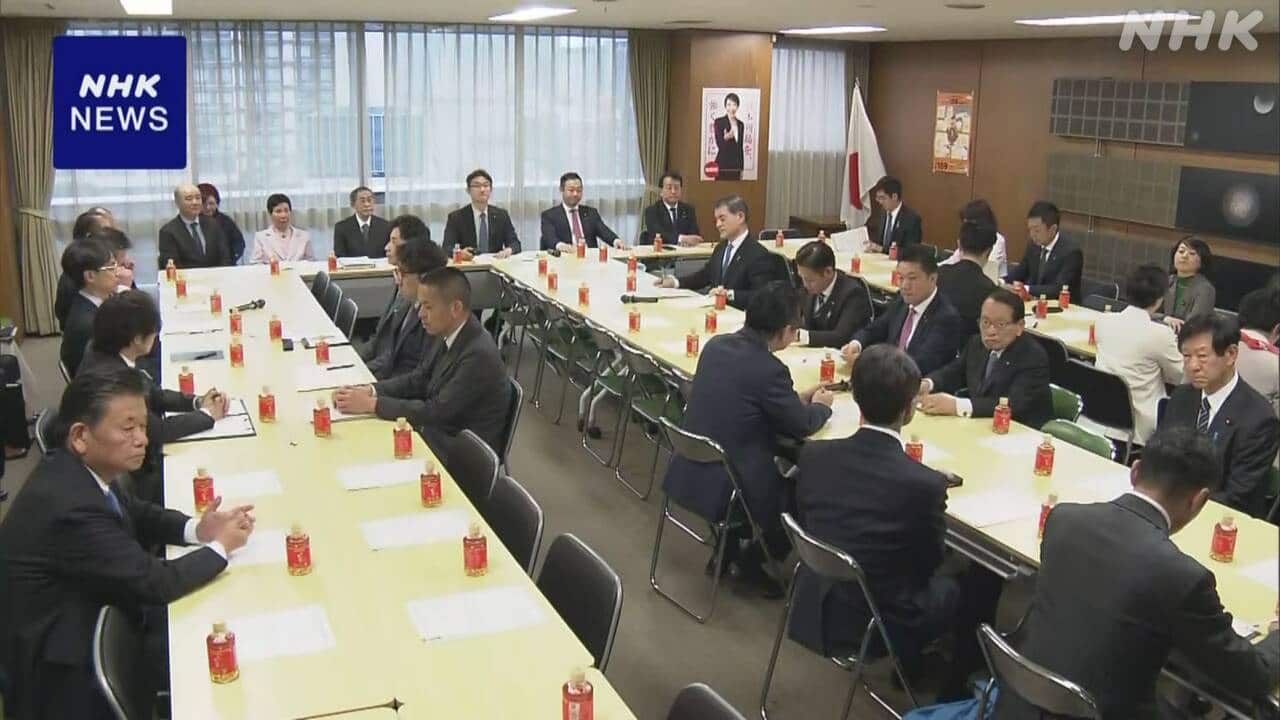
再審=裁判のやり直しの制度の見直しをめぐり、再審で無罪が確定した袴田巌さんの姉のひで子さんが自民党の会議に出席し、政府が検討している案は不十分だとして、検察が不服を申し立てることを禁止する規定の必要性などを訴えました。
再審制度の見直しに向けて、政府は法制審議会から平口法務大臣への答申を受けて、証拠開示のあり方をめぐり再審請求理由に関連する証拠を開示の対象とする規定を新設するなどとした刑事訴訟法の改正案を、今の国会に提出する方針です。
自民党は法案を審査する一環として25日、法務部会などの合同会議を開き、再審で無罪が確定した袴田巌さんの姉のひで子さんらから意見を聴きました。
この中で、ひで子さんは政府が検討している案は不十分だとして、より幅広い範囲で証拠を開示する仕組みとするよう求めました。
また、政府案に盛り込まれていない再審開始の決定に検察が不服を申し立てることを禁止する規定について、巌さんが逮捕されてから無罪が確定するまでに長い時間を要したことを踏まえ、必要だと訴えました。
会合のあと、ひで子さんは記者団に対し「私たちの常識と法務省の常識は違うのではないか。『今が不十分だから直す』と言っているのに直っていない。今の法務省の方針であればえん罪被害者は救われない」と述べました。
自民党の柴山元文部科学大臣は「えん罪がいかに大きな人権侵害になるかを多くの議員に理解してもらう会となった。再審の手続きが非常に長引く端緒が検察官による不服申し立てであることは紛れもない事実で、三審制を没却しない形で証拠の適切な開示を伴う再審公判で白黒をつけることが正しい法改正だ」と述べました。
自民党の井出庸生衆議院議員は「検察官による不服の申し立てが禁止されないのは非常に問題だ。袴田ひで子さんからのヒアリングが実現し、その理解は広がったと思う。法案にはまず不服の申し立ての禁止を盛り込んでほしい」と述べました。
会議に有識者として招かれた中央大学の椎橋隆幸名誉教授は「法制審議会の答申に賛成の立場だ。地裁、高裁、最高裁と慎重な審理をして確定した裁判について、1回かぎりの裁判官の判断で再審を開始し、検察官による不服申し立てもできないことになると、法的安定性の観点から適切ではない」と述べました。
再審制度の見直しに向けて、政府は法制審議会から平口法務大臣への答申を受けて、証拠開示のあり方をめぐり再審請求理由に関連する証拠を開示の対象とする規定を新設するなどとした刑事訴訟法の改正案を、今の国会に提出する方針です。
自民党は法案を審査する一環として25日、法務部会などの合同会議を開き、再審で無罪が確定した袴田巌さんの姉のひで子さんらから意見を聴きました。
この中で、ひで子さんは政府が検討している案は不十分だとして、より幅広い範囲で証拠を開示する仕組みとするよう求めました。
また、政府案に盛り込まれていない再審開始の決定に検察が不服を申し立てることを禁止する規定について、巌さんが逮捕されてから無罪が確定するまでに長い時間を要したことを踏まえ、必要だと訴えました。
会合のあと、ひで子さんは記者団に対し「私たちの常識と法務省の常識は違うのではないか。『今が不十分だから直す』と言っているのに直っていない。今の法務省の方針であればえん罪被害者は救われない」と述べました。
自民党の柴山元文部科学大臣は「えん罪がいかに大きな人権侵害になるかを多くの議員に理解してもらう会となった。再審の手続きが非常に長引く端緒が検察官による不服申し立てであることは紛れもない事実で、三審制を没却しない形で証拠の適切な開示を伴う再審公判で白黒をつけることが正しい法改正だ」と述べました。
自民党の井出庸生衆議院議員は「検察官による不服の申し立てが禁止されないのは非常に問題だ。袴田ひで子さんからのヒアリングが実現し、その理解は広がったと思う。法案にはまず不服の申し立ての禁止を盛り込んでほしい」と述べました。
会議に有識者として招かれた中央大学の椎橋隆幸名誉教授は「法制審議会の答申に賛成の立場だ。地裁、高裁、最高裁と慎重な審理をして確定した裁判について、1回かぎりの裁判官の判断で再審を開始し、検察官による不服申し立てもできないことになると、法的安定性の観点から適切ではない」と述べました。
Vocabulary
General
Proper noun
JLPT N2
JLPT N1
| # | 言葉 | 意味 |
|---|---|---|
| 9 | 再審 | さいしん (再審) : 1. retrial; reopening of a case 2. review; reexamination |
| 6 | 不服 | ふふく (不服) : dissatisfaction; discontent; disapproval; objection; complaint; protest; disagreement |
| 5 | ひ | ひ (火) : fire; flame; blaze |
| 5 | 案 | あん (案) : 1. idea; plan; proposal; suggestion; (government) bill 2. draft; rough copy |
| 4 | 確定 | かくてい (確定) : 1. decision; settlement 2. definition |
| 4 | 自民党 | じみんとう (自民党) : Liberal Democratic Party; LDP |
| 4 | 政府 | せいふ (政府) : government; administration |
| 4 | 禁止 | きんし (禁止) : prohibition; inhibition; ban |
| 4 | 述べる | のべる (述べる) : to state; to express; to mention |
| 4 | 申し立て | もうしたて (申し立て) : statement; account (of something); declaration; allegation |
| 3 | 無罪 | むざい (無罪) : innocence; being not guilty |
| 3 | 袴田 | えりた (袴田) : Erita (surname) |
| 3 | 不十分 | ふじゅうぶん (不十分) : insufficient; inadequate; imperfect |
| 3 | 規定 | きてい (規定) : stipulation; prescription; provision; regulation; rule |
| 3 | 証拠 | しょうこ (証拠) : evidence; proof |
| 3 | 開示 | かいじ (開示) : release (e.g. information); disclosure (legal); show; indication; display |
| 3 | 検察官 | けんさつかん (検察官) : public prosecutor |
| 2 | 裁判 | さいばん (裁判) : trial; judgement; judgment |
| 2 | 制度 | せいど (制度) : system; institution; organization; organisation |
| 2 | 見直し | みなおし (見直し) : review; reconsideration; revision |
| 2 | めぐる | めぐる (巡る) : 1. to go around 2. to return |
| 2 | 検討 | けんとう (検討) : consideration; examination; investigation; study; scrutiny; discussion; analysis; review |
| 2 | 検察 | けんさつ (検察) : examination; investigation; prosecution |
| 2 | 申し立てる | もうしたてる (申し立てる) : to declare; to plead |
| 2 | 訴える | うったえる (訴える) : 1. to raise; to bring to (someone's attention) 2. to appeal to (reason, emotions, etc.); to work on (one's emotions); to play on (one's sympathies) |
| 2 | 法制 | ほうせい (法制) : legislation; laws |
| 2 | 審議会 | しんぎかい (審議会) : council (deliberative, consultative); commission of inquiry (enquiry) |
| 2 | 答申 | とうしん (答申) : report; reply; findings |
| 2 | 方針 | ほうしん (方針) : 1. policy; course; plan (of action); principle 2. magnetic needle |
| 2 | 法 | ほう (法) : 1. law; act; principle 2. method |
| 2 | 盛り込む | もりこむ (盛り込む) : 1. to incorporate; to include 2. to fill (a vessel) with |
| 2 | 開始 | かいし (開始) : start; commencement; beginning; initiation |
| 2 | 常識 | じょうしき (常識) : common sense; good sense; common knowledge; general knowledge; common practice; accepted practice; social etiquette |
| 2 | 法務省 | ほうむしょう (法務省) : Ministry of Justice |
| 2 | えん罪 | えんざい (冤罪) : false charge; false accusation; misrepresentation |
| 2 | 理解 | りかい (理解) : understanding; comprehension; appreciation; sympathy |
| 2 | 非常 | ひじょう (非常) : 1. emergency 2. extraordinary; unusual |
| 2 | 適切 | てきせつ (適切) : appropriate; suitable; fitting; apt; proper; right; pertinent; relevant |
| 1 | やり直し | やりなおし (やり直し) : redoing |
| 1 | 必要性 | ひつようせい (必要性) : necessity |
| 1 | 平口 | ひらくち (平口) : Hirakuchi (place; surname) |
| 1 | 法務大臣 | ほうむだいじん (法務大臣) : Minister of Justice |
| 1 | あり方 | ありかた (あり方) : 1. the way something ought to be 2. the (current) state of things; how things are |
| 1 | 請求 | せいきゅう (請求) : claim; demand; charge; application; request; billing (for a service) |
| 1 | 関連 | かんれん (関連) : relation; connection; relevance |
| 1 | 対象 | たいしょう (対象) : target; object (of worship, study, etc.); subject (of taxation, etc.) |
| 1 | 新設 | しんせつ (新設) : establishing; founding; setting up; organizing; establishment |
| 1 | 刑事訴訟法 | けいじそしょうほう (刑事訴訟法) : Criminal Procedure Code |
| 1 | 改正案 | かいせいあん (改正案) : reform bill; reform proposal; amendment |
| 1 | 国会 | こっかい (国会) : 1. National Diet; legislative assembly of Japan (1947-) 2. Imperial Diet; legislative assembly of Japan (1889-1947) |
| 1 | 提出 | ていしゅつ (提出) : presentation (of documents); submission (of an application, report, etc.); production (e.g. of evidence); introduction (e.g. of a bill); filing; turning in |
| 1 | 審査 | しんさ (審査) : judging; inspection; examination; investigation; review |
| 1 | 一環 | いっかん (一環) : 1. link (e.g. in a chain of events); part (of a plan, campaign, activities, etc.) 2. monocyclic |
| 1 | 法務 | ほうむ (法務) : 1. judicial affairs 2. clerical duty (in a temple) |
| 1 | 部会 | ぶかい (部会) : section meeting |
| 1 | 合同会議 | ごうどうかいぎ (合同会議) : joint session |
| 1 | 開く | ひらく (開く) : 1. to open; to undo; to unseal; to unpack 2. to bloom; to unfold; to spread out |
| 1 | 聴く | きく (聞く) : 1. to hear 2. to listen (e.g. to music) |
| 1 | 幅広い | はばひろい (幅広い) : extensive; wide; broad |
| 1 | 範囲 | はんい (範囲) : extent; scope; sphere; range; span |
| 1 | 仕組み | しくみ (仕組み) : 1. structure; construction; arrangement; contrivance; mechanism; workings 2. plan; plot; contrivance |
| 1 | 求める | もとめる (求める) : 1. to want; to wish for 2. to request; to demand; to require; to ask for |
| 1 | 決定 | けってい (決定) : decision; determination |
| 1 | 逮捕 | たいほ (逮捕) : arrest; apprehension; capture |
| 1 | 要する | ようする (要する) : to need; to demand; to take; to require |
| 1 | 踏まえる | ふまえる (踏まえる) : 1. to be based on; to take into account; to build upon; to have origin in 2. to have one's feet firmly planted on; to plant oneself on |
| 1 | 会合 | かいごう (会合) : 1. meeting; assembly; gathering 2. association |
| 1 | 記者団 | きしゃだん (記者団) : press group; press corps; group of reporters; press organization; press organisation |
| 1 | 私たち | わたしたち (私たち) : we; us |
| 1 | 直る | なおる (直る) : 1. to get mended; to be repaired; to be fixed 2. to return to normal; to recover (e.g. one's temper); to be restored; to improve; to rally; to come right |
| 1 | 被害者 | ひがいしゃ (被害者) : victim; injured party; sufferer |
| 1 | 救う | すくう (救う) : to rescue from; to help out of; to save |
| 1 | 柴山 | しばやま (柴山) : Shibayama (place; surname) |
| 1 | 文部科学大臣 | もんぶかがくだいじん (文部科学大臣) : Minister of Education, Culture, Sports, Science and Technology |
| 1 | いかに | いかに (如何に) : 1. how; in what way 2. how (much); to what extent |
| 1 | 人権侵害 | じんけんしんがい (人権侵害) : human rights violation |
| 1 | 議員 | ぎいん (議員) : member of an assembly; member of the Diet; member of parliament; member of Congress |
| 1 | 手続き | てつづき (手続き) : procedure; process; proceedings; formalities |
| 1 | 長引く | ながびく (長引く) : to be prolonged; to drag on |
| 1 | 端緒 | たんしょ (端緒) : start; beginning; first step; clue |
| 1 | 紛れ | まぐれ (紛れ) : fluke; chance; pure luck |
| 1 | 事実 | じじつ (事実) : fact; truth; reality |
| 1 | 審 | あきら (審) : Akira (surname; given) |
| 1 | 制 | せい (制) : system; organization; organisation; imperial command; laws; regulation; control; government; suppression; restraint; holding back; establishment |
| 1 | 没却 | ぼっきゃく (没却) : ignoring; losing sight of (an objective); discarding |
| 1 | 伴う | ともなう (伴う) : 1. to accompany; to go hand in hand with; to be consequent upon 2. to be accompanied by; to bring with; to take with; to be involved in |
| 1 | 公判 | こうはん (公判) : public hearing; trial |
| 1 | 白黒 | しろくろ (白黒) : 1. black and white; monochrome 2. good and evil; right and wrong; guilt and innocence |
| 1 | 法改正 | ほうかいせい (法改正) : change in the law; legal reform |
| 1 | 井出 | いいで (井出) : Iide (surname) |
| 1 | 庸生 | つねお (庸生) : Tsuneo (given) |
| 1 | 衆議院議員 | しゅうぎいんぎいん (衆議院議員) : member of the Lower House |
| 1 | 実現 | じつげん (実現) : implementation (e.g. of a system); materialization; materialisation; realization; realisation; actualization; actualisation |
| 1 | 広がる | ひろがる (広がる) : to spread (out); to extend; to stretch; to reach to; to get around; to fill (e.g. a space) |
| 1 | 有識者 | ゆうしきしゃ (有識者) : expert; knowledgeable person; authority (on a subject) |
| 1 | 招く | まねく (招く) : 1. to invite; to ask 2. to beckon; to wave someone in; to gesture to |
| 1 | 中央大学 | ちゅうおうだいがく (中央大学) : Chuo University (organization) |
| 1 | 椎橋隆幸 | しいばしたかゆき (椎橋隆幸) : Shiibashi Takayuki (person) |
| 1 | 名誉教授 | めいよきょうじゅ (名誉教授) : emeritus professor |
| 1 | 賛成 | さんせい (賛成) : approval; agreement; support; favour; favor |
| 1 | 立場 | たちば (立場) : 1. position; situation 2. viewpoint; standpoint; point of view |
| 1 | 地裁 | ちさい (地裁) : district court |
| 1 | 高裁 | こうさい (高裁) : High Court |
| 1 | 最高裁 | さいこうさい (最高裁) : Supreme Court |
| 1 | 慎重 | しんちょう (慎重) : careful; cautious; prudent; discreet; deliberate |
| 1 | 審理 | しんり (審理) : trial |
| 1 | かぎり | かぎり (限り) : 1. limit; limits; bounds 2. degree; extent; scope |
| 1 | 裁判官 | さいばんかん (裁判官) : judge |
| 1 | 判断 | はんだん (判断) : 1. judgment; judgement; decision; conclusion; adjudication 2. divination |
| 1 | 法的 | ほうてき (法的) : legal |
| 1 | 安定性 | あんていせい (安定性) : stability; security; equilibrium |
| 1 | 観点 | かんてん (観点) : point of view |