「可哀想な子と思われたくなかった」支援が毒になるとき ブレイディみかこ×元ヤングケアラー東大生・清野孝弥対談(後編)
予習
この記事のキーワード — タップで意味×9
貧困
ひんこん
1. poverty; penury; need; destitution 2. shortage; lack; want
N1×5
支援者
しえんしゃ
supporter
×8
子供達
こどもたち
children
×5
当事者
とうじしゃ
person concerned; interested party; related party
×5
合格
ごうかく
success; passing (e.g. exam); eligibility
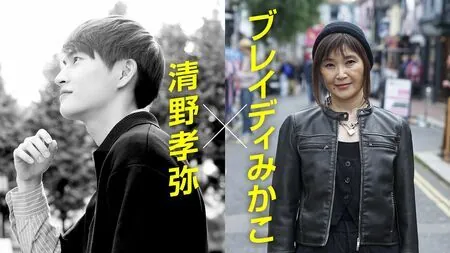
両親の精神的・肉体的なケアを引き受けながら東大に合格し『ヤングケアラーの僕が東大に合格するまで』を刊行した清野孝弥氏と、イギリス在住の文筆家・ブレイディみかこ氏。
前編では、大学入試における「体験格差」と「縦の多様性」の欠如について語ってもらった。後編のテーマは、「大人の支援はどうあるべきか」だ。子どもと大人の間に横たわる隔たり、支援者が陥りがちな「パターナリズム」の罠、そして日本社会から急速に失われつつある「サードプレイス」の重要性について、2人が議論した。
■善意からの支援が「毒」にもなり得る 清野孝弥(以下、清野):ブレイディさんの著書『両手にトカレフ』を拝読した際、主人公の14歳の少女ミアが、自分を助けようとするソーシャルワーカーを激しく拒絶する姿に、かつての自分を重ね合わせました。貧困家庭で生まれ育てば、社会や大人に対する嫌悪感や不信感は普通の子どもよりも生まれてきやすいと感じます。 ブレイディみかこ(以下、ブレイディ):ええ。よくわかります。私が『両手にトカレフ』で一番書きたかったのは、最後に近所に住む大人に言わせたセリフの、「あなた(子ども)はもう何もしなくてもいい。何かをしなくてはいけないのは大人たちのほうだから」でした。
清野:そうなんです。でも、外部の大人から「君たちは今、恵まれていないんだから、私たちがこれをしてあげるよ」とパターナリスティック(強い立場にある者が、弱い立場にある者の利益のためだとして干渉する様子)に介入されても、子どもからすればリアリティを感じられず、心を閉ざしてしまいます。 当時の私がもし「貧困家庭の子どもを支援したい」という大人に出会っていたら、「なんだその人は。僕は別に、自分のことを貧困世帯のかわいそうな子どもだなんて思っていない」と反発したはずです。「貧困の子ども」とカテゴライズされ、ラベリングされて優しくされることへの違和感がありました。
ブレイディ:確かに、当事者の子どもからすればそう感じて当然ですよね。 清野:日本の生活保護制度におけるケースワーカーも、家庭の状況をヒアリングしてくれますが、実際には親(保護者)とケースワーカーの間での微調整で終わってしまっていることも多いと感じます。子どもとの間に「いざとなったら助けを求められる」ようなきめ細やかな関係が築けているかというと、疑問です。 ブレイディ:そこは支援者が陥りやすい悪癖ですね。『「回復」という毒』(風間暁著、日本評論社)という本を最近読みまして、その中で、支援者や医療関係者が「(依存症から)回復することが善だ」と勝手に正解を決めつけ、子どもをそこに引っぱって行こうとすると、子どもは主体性を奪われ、最終的に信頼関係が崩壊してしまうと指摘されていました。
清野:良かれと思って勝手に靴を用意されても、子どもは履きたくないわけですよね。 ブレイディ:その通りです。イギリスのソーシャルワーカーは逆に「子どもの意見が何より一番大事だ」という強固な指針を持っています。親権の裁判などでもサイコロジスト(心理士)を入れて子どもの意見を詳細にレポートし、その意志を尊重するので、親が逆に「子どもばかりが尊重されて、自分の意見を聞いてくれない」と不満を抱くほどです。
しかしそれでも、「未成年だから、(大人が安心できる)正しい方向に導かなければ」と支援者がパターナリスティックになりすぎ、子どもを誘導する危険性は常にあります。支援者は、自分が子どもの靴を履いているつもりで、実は「自分が勝手にこしらえた子どもの靴を履いて、当事者になり替わっていろんなことを決めていないか」と常に疑いを持たなければなりません。 それでなくとも、思春期の子どもにとって「大人は敵」になりやすい。支援が支配になれば、逆に「毒」になってしまうという意識は、貧困家庭の支援にも全く同じことが言えると思います。
■「かわいそう」だと思われたくなかった 清野:確かに、「子どもと大人」という区分をすれば、思春期の子どもにとって大人は明らかに「敵」であり、対抗すべき存在としてプログラムされているのだと思います。 私がなぜヤングケアラーという過酷な状況を生き延びられたのか振り返ってみると、『ヤングケアラーの僕が東大に合格するまで』でも書いた「A君」や「住田さん」といった、同年代の友達の存在があったからです。 彼らは私を「貧しいかわいそうな子だから助けよう」などとは一切思わず、何のメリットもデメリットも関係なく、ただ同じ視点で付き合い、話をしてくれました。『両手にトカレフ』に出てくるウィルという男の子もそうですよね。貧困家庭で育ったミアが書くラップのリリックに「リアルがある」と、ミアのことを尊敬しています。
清野:私が生きてきた中で最もつらかったのは、コロナ禍のロックダウンで学校が閉鎖された時期でした。感染防止のため、友達や先生との繋がりが一切断ち切られた時、強烈な孤独を感じ、「もう生きていく術がない」というところまで追い込まれました。 人間は社会的な生き物です。経済的な支援だけでなく、いかに子どもたちが社会と自然に繋がれる場所を用意してあげるか。それが大人にできる最も重要な支援の形ではないかと感じています。
■イギリスSNS禁止の波と「サードプレイス」の復活 ブレイディ: まさにそれは「サードプレイス(第三の居場所)」の重要性ですね。大人はよく「家庭でも職場でもないサードプレイスが必要だ」と話しますが、子どもにこそ「家庭でも学校でもない場」が必要なんです。 イギリスでは来年の春から、16歳未満のSNS利用禁止が実施される見込みです。今までスマホやタブレットを渡しておけば遊んでくれていたのに、「じゃあスマホを取り上げられた子どもたちをどうやって遊ばせたらいいの」と大人たちは焦っています。イギリスはこの十数年、緊縮財政で地方自治体のユースセンター(ティーン向けの児童館のような施設)の予算を真っ先に削り、次々と閉鎖させてしまいました。
しかし、かつてのユースセンターは、人種や階級、通っている学校が違っても、同じ地域に住んでいるティーンが集まり、一緒にサッカーをしたりラップコンテストを開いたりして交ざり合う場所だったんです。そこでは、地域の大学生が中高生の宿題を見る会のようなものも自然と立ち上がり、ティーンが年上の大学生に「どうやったら大学に行けるの?」「どんな奨学金があるの?」と相談できる自然なメンター関係も生まれていました。
今、そうした子どもたちのサードプレイスをもう一度復活させなければならないとイギリスでは盛んに議論されています。日本にも、地域の10代の子たちがフラッと集まって、お金がなくても遊べるようなユースセンターがたくさんあればいいですよね。 清野:日本でも、昭和のノスタルジーとして語られるような子どもたちの自由な遊び場は明らかに減っています。地方では少子化で遊び相手がいませんし、都市部では小学生同士でも、「放課後に遊ぼう」と誘ったら「塾に行くから」と断られるケースが非常に多いそうです。親が「あんな子どもと遊んだら頭が悪くなる」とパターナリスティックな理由で友人関係を制限してしまうこともあるみたいです。
清野:子どもを優秀な大学や企業に行かせようと躍起になる大人の姿勢が、子どもたちが本来築くはずだった友人関係やサードプレイスを奪ってしまっているように思えます。 ■「余白」の欠如が「孤独資本主義」社会を招く 清野:ブレイディさんの『それはどこでも起こり得る』でも語られていましたが、何でもかんでも成果を出さなきゃいけないという実績主義やメリトクラシー(能力主義)が支配する社会では、生産性や結果に直結しない人間関係の「余白」を持つことが軽視されてしまいます。
ブレイディ:そういう「余白」が失われると、最終的に孤独感に繋がり、人間と喋るよりテクノロジーやAIと喋るほうが楽だという「孤独資本主義」のような社会になってしまいますよね。 様々な階級の人と触れ合うことの重要性は、1960年代のイギリスが証明しています。60年代はビートルズをはじめとする「ブリティッシュ・インヴェイジョン」の時代でしたが、あれは1945年の選挙で労働党が勝ち、「ゆりかごから墓場まで」の福祉国家の基盤を作ったからです。高等教育が無償化され、貧しい労働者階級の子どもたちもタダで大学や美術学校に行けるようになりました。
その結果、それまで富裕層しかいなかったメディアやファッション、芸術といった文化の世界に貧しい家庭の若者たちが進出し、ミドルクラスの文化と交ざり合うことで、文化的なフュージョン(融合)が起きました。 日本も、「生活保護の子どもは(世帯分離をしなければ)大学すら行けない」というようなシステムを変え、これまで声を聞いてもらえなかった階層の若者たちがどんどん発信できる立場になれば、社会の停滞感は払拭され、ずっと面白くなるかもしれませんね。
清野:文化的側面については、今はSNSやYouTubeが発達し、テレビ局や出版社を通さなくても誰でも発信ができるようになったため、ある種の「小さなビートルズ」が生まれやすい流動的な環境にはなっているのかなと感じています。 清野:一方で、仕事や学歴といったソーシオエコノミックステータス(社会経済的地位)へのアクセスは依然として流動性が失われています。日本で本当に解決すべきは、一定の大学を出ていなければ知識がないとみなすような、学歴や職歴に紐づいたバイアスのほうだと思います。
「統計的差別」(集団全体の平均的な過去の統計データを参考に、個人の判断や待遇を変えてしまう差別のこと)という言葉もありますよね。 ■社会の批判にとどまらず、大人としてできること ブレイディ: 社会のシステムを変えることはもちろん重要ですが、「社会システムが悪い」とばかり言うと、当事者の「心の持ちよう」はどうあろうと関係ない、システムが変わらないと個人は無力だという印象を与えかねない。しかし、ここではない世界に行きたいと思うなら、当事者自身が「自分の世界を自分で変えていける」と思えなければ、現状は変わりません。
貧困家庭で育つと「自分は身を引く」という心理がどうしても働きます。「頑張れ」と言ったり、「夢は叶えられる」と言うとすぐに新自由主義者だと叩かれがちな時代ですが、それでも「貧困家庭の子どもも、夢を持っていいんだ」と伝えなくていいわけがない。システムを変えるために大きな問題に取り組むことと、パーソナルな部分で一人の子どもの背中を押すこと。この両輪が大事ですよね。 清野: おっしゃる通りです。当事者が「自分で頑張れば世界を変えられる」と思う土俵がないと、多くの子どもは身を引いてしまい社会から声が埋もれてしまいます。私が東大合格を発信したことで、「貧困世帯でも東大に合格できた人がいるのだから、あなたの努力不足だ」と自己責任論の武器として使われてしまう懸念は未だにあります。
結果が出るかどうかは、運の要素も大きいです。だからこそ、結果が出たからといって「お前は努力不足だ」と他人に自己責任論をかざすのは間違っています。自分の事例は奇跡的だと思います。 しかし、それでも「そういうサンプルが世の中にいる」と知ることで、一人でも「自分も頑張ってみよう」と思える人が増えればと願っています。そして、社会の大人たちには、そうした子どもたちの追い風となるようなサードプレイスや繋がりを作り、行動を取ってほしいと思っています。
ブレイディ:本当にその通りですね。社会制度が変わらなければ社会は良くならないのは事実ですが、それと同時に、大人たち一人ひとりの意識や子どもへの眼差しが変わらなければ、結局何も変わりません。 「そういうことは政府や地方自治体がやるべきだ」と制度の問題にして、お上を批判しておくほうが、実は楽なんですよね。自分の身の回りにいる子どもたちにどう接するか、現実に自分の足元から変えていくことのほうがずっと面倒だし、大変です。
どんな子どもも自分から身を引かなくてもいいように、背中を押したり、安心して交ざり合える場所を作ってあげたりすること。それは、政治家や専門家だけでなく、私たち大人一人ひとりにできることだと思います。そういう小さなことがだんだん大きくなって、真の意味で社会も制度も変わっていくのかもしれません。
この記事の単語 (333)
×14
清野
きよしの
Kiyoshino (surname)
×9
貧困
ひんこん
1. poverty; penury; need; destitution 2. shortage; lack; want
×8
子供達
こどもたち
children
×7
支援
しえん
support; backing; aid; assistance
×7
感じる
かんじる
to feel; to sense; to experience
×5
東大
とうだい
(abbr) Tokyo University (organization)
×5
合格
ごうかく
success; passing (e.g. exam); eligibility
×5
支援者
しえんしゃ
supporter
×5
当事者
とうじしゃ
person concerned; interested party; related party
×4
結果
けっか
1. result; consequence; outcome; effect 2. coming to fruition; bearing fruit
×3
語る
かたる
1. to talk about; to speak of; to tell; to narrate 2. to recite; to chant
×3
失う
うしなう
1. to lose 2. to miss (a change, opportunity)
×3
重要性
じゅうようせい
importance; gravity
×3
毒
どく
1. poison; toxicant 2. harm; evil influence
×3
両手
りょうて
1. both hands; both arms 2. ten
×3
立場
たちば
1. position; situation 2. viewpoint; standpoint; point of view
×3
可哀想
かわいそう
poor; pitiable; pathetic; pitiful
×3
制度
せいど
system; institution; organization; organisation
×3
勝手に
かってに
arbitrarily; of its own accord; voluntarily; wilfully; willfully; as one pleases
×3
履く
はく
1. to put on (lower-body clothing, e.g. pants, skirt, footwear); to wear 2. to affix (a sword to one's hip)
×3
通り
とおり
1. avenue; street; way; road 2. coming and going; street traffic
×3
逆
ぎゃく
1. reverse; opposite 2. converse (of a hypothesis, etc.)
×3
貧しい
まずしい
1. poor; needy 2. lacking (quantity and quality-wise); poor; scanty; skimpy; slight; inadequate
×3
孤独
こどく
solitude; loneliness; isolation
×3
自然
しぜん
1. nature 2. natural; spontaneous; automatic
×3
地域
ちいき
area; region
×3
混ざる
まざる
to be mixed; to be blended with; to associate with; to mingle with; to join
×3
余白
よはく
blank space; margin; blank canvas
×3
発信
はっしん
1. dispatch; despatch; transmission; submission 2. informing (e.g. of opinion); sharing (thoughts, etc.); telling
×3
身
み
1. body 2. oneself
×3
頑張る
がんばる
1. to persevere; to persist; to keep at it; to hang on; to hold out; to do one's best 2. to insist that; to stick to (one's opinion)
×2
孝弥
こうや
Kouya (given)
×2
欠如
けつじょ
lack; absence; shortage; deficiency; privation
×2
陥る
おちいる
1. to fall into (e.g. a hole) 2. to fall into (chaos, depression, dilemma, illness, etc.)
×2
議論
ぎろん
argument; discussion; dispute; controversy
×2
助ける
たすける
1. to save; to rescue 2. to help; to assist
×2
嘗て
かつて
1. once; before; formerly; ever; former; ex- 2. never yet; never before; first time; still not happened
×2
一番
いちばん
1. number one; first; first place 2. best; most
×2
私達
わたしたち
we; us
×2
世帯
せたい
household; home; family; housekeeping
×2
生活保護
せいかつほご
livelihood protection; public assistance; welfare
×2
状況
じょうきょう
state of affairs (around you); situation; circumstances
×2
築く
きずく
1. to build; to construct; to erect 2. to amass (e.g. fortune); to pile up
×2
回復
かいふく
1. restoration; rehabilitation; recovery; return; replevin; improvement 2. recovery (from an illness); recuperation; convalescence
×2
奪う
うばう
to snatch away; to dispossess; to steal
×2
最終的
さいしゅうてき
final; eventual; ultimate
×2
尊重
そんちょう
respect; esteem; regard
×2
常
つね
usual state of things
×2
実
じつ
1. truth; reality 2. sincerity; honesty; fidelity
×2
思春期
ししゅんき
puberty; adolescence
×2
敵
てき
1. opponent; rival; adversary 2. menace; danger; threat; enemy
×2
支配
しはい
1. domination; rule; control 2. direction; management; guidance
×2
意識
いしき
1. consciousness 2. becoming aware (of); awareness; sense
×2
明らか
あきらか
1. clear; obvious; evident; plain; definite 2. bright; light
×2
存在
そんざい
existence; being
×2
一切
いっさい
1. all; everything; entirety; the whole 2. absolutely (not); (not) at all; (none) whatsoever; without exception
×2
育つ
そだつ
to be raised (e.g. child); to be brought up; to grow (up)
×2
最も
もっとも
most; extremely
×2
閉鎖
へいさ
closing; closure; shutdown; lockout
×2
繋がり
つながり
connection; link; relationship
×2
人間
にんげん
1. human being; human; person; man; mankind; humankind 2. character (of a person)
×2
重要
じゅうよう
important; momentous; essential; principal; major
×2
禁止
きんし
prohibition; inhibition; ban
×2
復活
ふっかつ
1. revival (e.g. musical); come-back 2. restoration; rebirth; resurrection
×2
こそ
1. it is ... that ...; precisely; in particular; definitely; for sure; only (when, after, because, etc.) 2. although; while; it is the case that ... but
×2
地方自治体
ちほうじちたい
local authority; local government; locality; local self-governing body; municipality
×2
階級
かいきゅう
1. (social) class 2. rank; grade
×2
集まる
あつまる
to gather; to collect; to assemble
×2
友人
ゆうじん
friend
×2
資本主義
しほんしゅぎ
capitalism
×2
喋る
しゃべる
to talk; to chat; to chatter
×2
若者
わかもの
young man; young woman; young people; youth; youngsters
×2
文化的
ぶんかてき
cultural
×2
ずっと
1. continuously in some state (for a long time, distance); throughout; all along; the whole time; all the way 2. much (better, etc.); by far; far and away
×2
知れる
しれる
1. to become known; to come to light; to be discovered 2. to be known; to be understood
×2
学歴
がくれき
academic background
×2
本当
ほんとう
1. truth; reality; actuality; fact 2. proper; right; correct; official
×2
個人
こじん
individual; private person; personal; private
×2
批判
ひはん
criticism; judgement; judgment; comment
×2
努力
どりょく
effort; exertion; endeavour; endeavor; hard work; striving
×2
不足
ふそく
1. insufficiency; deficiency; shortage; lack; scarcity; deficit 2. dissatisfaction; discontent; complaint
×2
一人一人
ひとりひとり
each (person); individually; one by one; one at a time; in turn
×1
精神的
せいしんてき
mental; spiritual; emotional
×1
肉体的
にくたいてき
1. bodily; physical; corporeal 2. sexual; sensual; of the flesh
×1
引き受ける
ひきうける
1. to take on; to undertake; to accept; to take charge of; to assume responsibility for 2. to take over; to inherit
×1
刊行
かんこう
publication; issue
×1
在住
ざいじゅう
residing; living; dwelling
×1
文筆家
ぶんぴつか
writer; author; literary person; one who lives from writing
×1
み
うみ
sea; ocean; waters
×1
かこ
1. the past; bygone days 2. one's past (that one would prefer remained secret)
×1
前編
ぜんぺん
first part; first volume; prequel
×1
大学入試
だいがくにゅうし
university entrance examination
×1
縦
たて
1. the vertical; height 2. front-to-back; length
×1
多様性
たようせい
diversity; variety
×1
後編
こうへん
latter part (of book, etc.); sequel; concluding part
×1
横たわる
よこたわる
1. to lie down; to stretch out 2. to lie ahead (of danger, difficulty, etc.); to lie in wait
×1
隔たり
へだたり
distance; interval; gap; difference; estrangement
×1
罠
わな
1. snare; trap (for catching wild game, etc.) 2. trap (i.e. ruse, subterfuge, etc.)
×1
急速
きゅうそく
rapid (e.g. progress)
×1
善意
ぜんい
1. virtuous mind 2. good intentions; good will
×1
著書
ちょしょ
(written) work; book; writings
×1
拝読
はいどく
reading
×1
際
さい
on the occasion of; circumstances; juncture
×1
主人公
しゅじんこう
1. protagonist; main character; hero(ine) (of a story) 2. head of household
×1
少女
しょうじょ
1. little girl; maiden; young lady; female usually between 7 and 18 years old 2. female between 17 and 20 years old (ritsuryo period)
×1
激しい
はげしい
1. violent; furious; tempestuous 2. extreme; intense; fierce; strong
×1
拒絶
きょぜつ
refusal; rejection
×1
姿
すがた
1. figure; form; shape 2. appearance; dress; guise
×1
重ね合わせる
かさねあわせる
to overlap
×1
生まれ育つ
うまれそだつ
to be born and raised (in one particular place)
×1
嫌悪感
けんおかん
unpleasant feelings (e.g. hatred, disgust, revulsion, fear)
×1
不信感
ふしんかん
distrust; suspicion
×1
気安い
きやすい
relaxed; familiar; easy to access; friendly
×1
みか
large earthenware pot (for brewing sake)
×1
外部
がいぶ
1. outside (e.g. of a building); exterior 2. outside (of a group, company, etc.); outside world
×1
恵まれる
めぐまれる
to be blessed with; to be rich in; to abound in
×1
利益
りえき
1. profit; gains 2. benefit; advantage; interest (of the public, etc.)
×1
干渉
かんしょう
interference; intervention; meddling
×1
様子
ようす
1. state; state of affairs; situation; circumstances 2. appearance; look; aspect
×1
介入
かいにゅう
intervention
×1
閉ざす
とざす
1. to shut; to close; to fasten; to lock 2. to block (a street, entrance, etc.)
×1
当時
とうじ
at that time; in those days
×1
出会う
であう
1. to meet (by chance); to come across; to run across; to encounter; to happen upon 2. to meet (e.g. of rivers, highways, etc.)
×1
なんて
1. how ...!; what ...! 2. what?; what's that?
×1
反発
はんぱつ
1. opposition; rebellion; revolt; resistance; backlash; refusal 2. rebounding; recoiling; repulsion
×1
違和感
いわかん
1. uncomfortable feeling; feeling out of place; sense of discomfort 2. malaise; physical unease
×1
当然
とうぜん
1. natural; right; proper; just; reasonable; appropriate; deserved 2. naturally; as a matter of course; rightly; deservedly; justly; of course
×1
実際
じっさい
1. reality; actuality; truth; fact; actual conditions 2. practice (as opposed to theory)
×1
保護者
ほごしゃ
guardian; protector; patron; parent
×1
微調整
びちょうせい
minute adjustment; fine tuning
×1
いざ
now; come (now); well
×1
助け
たすけ
assistance; help; aid; support; reinforcement
×1
求める
もとめる
1. to want; to wish for 2. to request; to demand; to require; to ask for
×1
木目細やか
きめこまやか
attentive to detail; careful; considerate; meticulous; detailed
×1
疑問
ぎもん
doubt; question; suspicion; dubiousness
×1
悪癖
あくへき
bad habit; vice
×1
風間
あざま
Azama (surname)
×1
著
ちょ
1. work; book 2. (a book) by
×1
評論
ひょうろん
criticism; critique
×1
医療
いりょう
medical care; medical treatment
×1
関係者
かんけいしゃ
person concerned; people involved (in an event); those concerned; staff
×1
依存
いぞん
dependence; reliance
×1
善
ぜん
good; goodness; right; virtue
×1
正解
せいかい
correct; right; correct interpretation (answer, solution)
×1
決め付ける
きめつける
1. to fix upon (one-sidedly); to (ignore somebody's position and) arbitrarily decide something is the case 2. to scold; to take (a person) to task
×1
引っ張る
ひっぱる
1. to pull; to draw; to pull tight 2. to string (lines); to run (cable); to stretch
×1
主体性
しゅたいせい
independence of will or action; self-direction; autonomy; initiative; identity
×1
信頼関係
しんらいかんけい
relationship of mutual trust; fiduciary relation
×1
崩壊
ほうかい
1. collapse; crumbling; breaking down; caving in 2. (radioactive) decay; disintegration
×1
指摘
してき
pointing out; identification
×1
強固
きょうこ
firm; strong; solid; stable
×1
指針
ししん
1. needle (compass, gauge, etc.); hand (clock); indicator; pointer; index 2. guiding principle; guideline; guide
×1
親権
しんけん
parental authority
×1
裁判
さいばん
trial; judgement; judgment
×1
詳細
しょうさい
1. details; particulars; specifics 2. detailed; specific; minute
×1
意志
いし
will; volition; intention; intent; determination
×1
不満
ふまん
dissatisfaction; discontent; displeasure; complaint; unhappiness
×1
抱く
いだく
1. to hold in one's arms (e.g. a baby); to embrace; to hug 2. to have (a thought or feeling); to hold; to harbour (suspicion, doubt, etc.); to harbor; to bear (a grudge, ill will, etc.); to entertain (hope, illusions, etc.); to cherish (e.g. an ambition)
×1
未成年
みせいねん
minor; not of age
×1
方向
ほうこう
1. direction; orientation; bearing; way 2. course (e.g. of action)
×1
導く
みちびく
1. to guide; to lead; to show the way; to conduct 2. to derive; to deduce
×1
誘導
ゆうどう
guidance; leading; induction; introduction; incitement; inducement
×1
危険性
きけんせい
riskiness; (level of) danger
×1
拵える
こしらえる
to make; to manufacture
×1
替わる
かわる
1. to succeed; to relieve; to replace 2. to take the place of; to substitute for; to take over for; to represent; to hand over (telephone)
×1
色んな
いろんな
various
×1
疑い
うたがい
doubt; question; uncertainty; skepticism; scepticism; suspicion; distrust
×1
全く
まったく
1. really; truly; entirely; completely; wholly; perfectly 2. indeed
×1
区分
くぶん
division; section; demarcation; partition; segmentation; subdivision; (traffic) lane; compartment; classification; sorting
×1
対抗
たいこう
opposition; rivalry; competition; antagonism
×1
過酷
かこく
severe; harsh; hard; cruel; rigorous
×1
生き延びる
いきのびる
to survive; to live long
×1
振り返る
ふりかえる
1. to turn one's head; to look over one's shoulder; to turn around; to look back 2. to think back (on); to reminisce; to look back (on); to reflect (on)
×1
住田
すだ
Suda (surname)
×1
同年代
どうねんだい
the same generation; coeval
×1
唯
ただ
1. ordinary; common; usual 2. free of charge
×1
視点
してん
opinion; point of view; visual point
×1
付き合う
つきあう
1. to associate with; to keep company with; to go out with; to go steady with; to get on with 2. to go along with; to follow someone's lead; to accompany someone; to compromise
×1
尊敬
そんけい
respect; esteem; reverence; honour; honor
×1
コロナ禍
コロナか
coronavirus crisis; COVID-19 calamity
×1
時期
じき
time; season; period; phase; stage
×1
感染
かんせん
infection; contagion; becoming infected
×1
防止
ぼうし
prevention; check
×1
断ち切る
たちきる
1. to cut apart (cloth, paper, etc.) 2. to sever (ties); to break off (relationship); to overcome (habit, addiction)
×1
強烈
きょうれつ
strong; intense; severe
×1
術
じゅつ
1. art; technique 2. means; way
×1
追い込む
おいこむ
1. to herd; to drive; to chase; to corral 2. to corner; to force someone into doing
×1
社会的
しゃかいてき
social; societal; societary
×1
生き物
いきもの
living thing; living creature; animal; life
×1
経済的
けいざいてき
economic; economical; financial
×1
如何に
いかに
1. how; in what way 2. how (much); to what extent
×1
繋ぐ
つなぐ
1. to connect; to link together 2. to tie; to fasten; to restrain
×1
波
なみ
1. wave 2. ups and downs
×1
正に
まさに
1. exactly; surely; certainly; just 2. right then; just then; at that moment
×1
第
だい
prefix for forming ordinal numbers
×1
居場所
いばしょ
1. whereabouts; place; location 2. place where one belongs; where one fits in; place where one can be oneself
×1
職場
しょくば
one's post; place of work; workplace
×1
未満
みまん
less than; under; below
×1
実施
じっし
enforcement; implementation; putting into practice; carrying out; operation; working (e.g. working parameters); enactment
×1
見込み
みこみ
1. hope; promise; possibility; chance; probability; likelihood 2. expectation; anticipation; forecast; estimate
×1
今迄
いままで
until now; so far; up to the present
×1
取り上げる
とりあげる
1. to pick up 2. to adopt (e.g. a proposal); to accept; to take up (a topic, complaint, etc.); to listen to; to deal with; to feature
×1
焦る
あせる
1. to be in a hurry; to be impatient; to be anxious (to do); to fret 2. to get a fright; to panic; to get flustered; to be startled
×1
緊縮財政
きんしゅくざいせい
reduced budget; budgetary austerities
×1
児童館
じどうかん
children's house; child welfare residential facility
×1
施設
しせつ
1. institution; establishment; facility 2. home (for elderly, orphans, etc.)
×1
予算
よさん
estimate; budget
×1
真っ先
まっさき
the head; the foremost; beginning; the very front
×1
削る
けずる
1. to shave (wood, leather, etc.); to sharpen (e.g. pencil); to plane; to whittle; to pare; to scrape off; to erode 2. to cut down (budget, expenses, staff, time, etc.); to curtail; to reduce
×1
次々
つぎつぎ
in succession; one by one
×1
人種
じんしゅ
1. race (of people) 2. type of person
×1
中高生
ちゅうこうせい
middle and high-school students
×1
のよ
Noyo (unclass)
×1
うな
eel (esp. the Japanese eel, Anguilla japonica)
×1
立ち上がる
たちあがる
1. to stand up; to get up 2. to rise
×1
年上
としうえ
older; senior
×1
奨学金
しょうがくきん
1. scholarship; stipend; bursary 2. student loan
×1
昭和
しょうわ
1. Shōwa era (1926.12.25-1989.1.7) 2. reminiscent of the Shōwa era; Shōwa-nostalgic; old-fashioned; quaint; old-school
×1
遊び場
あそびば
playground
×1
減る
へる
to decrease (in size or number); to diminish; to abate
×1
地方
ちほう
1. district; region; area; locality 2. the country; countryside; the provinces; rural area
×1
少子化
しょうしか
declining birth rates; decrease in the number of children
×1
相手
あいて
1. companion; partner; company 2. other party; addressee
×1
都市部
としぶ
urban area; urban district
×1
小学生
しょうがくせい
elementary school student; primary school student; grade school student
×1
放課後
ほうかご
after school (at the end of the day)
×1
誘う
さそう
1. to invite; to ask (someone to do); to call (for); to take (someone) along 2. to tempt; to lure; to entice; to seduce
×1
塾
じゅく
cram school; private tutoring school; juku
×1
断る
ことわる
1. to refuse; to reject; to dismiss; to turn down; to decline 2. to inform; to give notice; to tell in advance
×1
非常
ひじょう
1. emergency 2. extraordinary; unusual
×1
制限
せいげん
restriction; restraint; limitation; limit
×1
みたい
-like; sort of; similar to; resembling
×1
優秀
ゆうしゅう
superior; excellent; brilliant; outstanding
×1
企業
きぎょう
enterprise; business; company; corporation
×1
躍起
やっき
desperate; frantic; excited; worked up; heated; eager
×1
姿勢
しせい
1. posture; pose; position; stance; carriage (of the body) 2. attitude; approach; stance
×1
本来
ほんらい
1. originally; primarily 2. essentially; intrinsically; naturally; by nature; in (and of) itself
×1
招く
まねく
1. to invite; to ask 2. to beckon; to wave someone in; to gesture to
×1
起こる
おこる
to occur; to happen
×1
成果
せいか
(good) result; outcome; fruits (of one's labors); product; accomplishment
×1
能力主義
のうりょくしゅぎ
meritocracy; merit system
×1
生産性
せいさんせい
productivity
×1
直結
ちょっけつ
direct connection; direct link
×1
人間関係
にんげんかんけい
human relations; personal relationships
×1
軽視
けいし
making light of; thinking little of; slighting; belittling; dismissing; contempt; disdain
×1
孤独感
こどくかん
sense of isolation; (feelings of) loneliness
×1
繋がる
つながる
1. to be tied together; to be connected to; to be linked to 2. to lead to; to be related to
×1
様々
さまざま
various; varied; diverse; all sorts of
×1
触れ合う
ふれあう
to come into contact with; to touch (each other); to have a brush with
×1
証明
しょうめい
proof; testimony; demonstration; verification; certification
×1
選挙
せんきょ
election
×1
労働党
ろうどうとう
Labour Party; Labor Party; worker's party
×1
ゆりかごから墓場まで
ゆりかごからはかばまで
from the cradle to the grave
×1
福祉国家
ふくしこっか
welfare state
×1
基盤
きばん
1. foundation; basis; base; footing; infrastructure 2. bedrock
×1
高等教育
こうとうきょういく
higher education
×1
無償化
むしょうか
making (something) free of charge; dispensing with fees
×1
労働者階級
ろうどうしゃかいきゅう
working class
×1
美術
びじゅつ
art; fine arts
×1
富裕層
ふゆうそう
wealthy people; the rich
×1
芸術
げいじゅつ
(fine) art; the arts
×1
進出
しんしゅつ
advance (into a new market or stage of progress); launching (a new career or venture); expanding (into a new market); stepping forward; emerging
×1
融合
ゆうごう
agglutination; adhesion; fusion; combination; blending; uniting
×1
すら
しゅら
1. Asura; demigod; anti-god; titan; demigods that fight the Devas (gods) in Hindu mythology 2. fighting; carnage; conflict; strife
×1
階層
かいそう
class; level; stratum; layer; hierarchy
×1
停滞
ていたい
stagnation; tie-up; standstill; congestion; delay; accumulation; falling into arrears
×1
払拭
ふっしょく
wiping out; sweeping away; eradicating; dispelling
×1
面白い
おもしろい
1. interesting; fascinating; intriguing; enthralling 2. amusing; funny; comical
×1
側面
そくめん
1. side; flank; profile; sidelight; lateral 2. aspect; dimension
×1
発達
はったつ
development; growth
×1
テレビ局
テレビきょく
television station
×1
出版社
しゅっぱんしゃ
publisher; publishing house; publishing company
×1
種
しゅ
1. kind; variety 2. (biological) species
×1
流動的
りゅうどうてき
fluid; unsettled
×1
環境
かんきょう
environment; circumstance
×1
依然
いぜん
still; as yet; as it has been
×1
流動性
りゅうどうせい
1. liquidity (esp. financial) 2. fluidity
×1
解決
かいけつ
settlement; solution; resolution
×1
一定
いってい
fixed; settled; constant; definite; uniform; regularized; regularised; defined; standardized; standardised; certain; prescribed
×1
知識
ちしき
knowledge; information
×1
見なす
みなす
to consider as; to regard (as equivalent); to deem (as); to equate
×1
職歴
しょくれき
work experience; work history
×1
集団
しゅうだん
group; mass
×1
全体
ぜんたい
whole; entirety; whatever (is the matter)
×1
平均的
へいきんてき
average
×1
過去
かこ
1. the past; bygone days 2. one's past (that one would prefer remained secret)
×1
参考
さんこう
reference; consultation
×1
判断
はんだん
1. judgment; judgement; decision; conclusion; adjudication 2. divination
×1
待遇
たいぐう
1. treatment; reception; service 2. working conditions; salary; pay; remuneration
×1
差別
さべつ
1. distinction; differentiation; discrimination 2. discrimination (against people)
×1
留まる
とまる
1. to stop (moving); to come to a stop 2. to stop (doing, working, being supplied); to come to a halt; to cease; to be stopped; to be suspended
×1
社会システム
しゃかいシステム
social system
×1
無力
むりょく
powerlessness; helplessness; incompetent
×1
印象
いんしょう
impression
×1
与える
あたえる
1. to give (esp. to someone of lower status); to bestow; to grant; to confer; to present; to award 2. to provide; to afford; to offer; to supply
×1
自身
じしん
(one's) self; oneself
×1
現状
げんじょう
present condition; existing state; status quo; current state
×1
心理
しんり
state of mind; mentality; psychology
×1
叶える
かなえる
1. to grant (request, wish); to answer (prayer) 2. to fulfill (conditions); to meet (requirements)
×1
新自由主義者
しんじゆうしゅぎしゃ
neoliberal
×1
叩く
たたく
1. to strike; to clap; to knock; to beat; to tap; to pat 2. to play drums
×1
取り組む
とりくむ
1. to grapple with; to wrestle with; to engage in a bout; to be matched against 2. to tackle (e.g. a problem); to come to grips with; to work hard on
×1
部分
ぶぶん
portion; section; part
×1
両輪
りょうりん
two wheels
×1
土俵
どひょう
1. (wrestling) ring 2. forum (e.g. for discussion)
×1
埋もれる
うもれる
to be buried; to be covered; to be hidden
×1
武器
ぶき
1. weapon; arms; ordnance 2. weapon (something used to gain an advantage); asset
×1
懸念
けねん
worry; fear; anxiety; concern
×1
未だ
まだ
1. still; as yet; only 2. (not) yet
×1
要素
ようそ
1. component; factor; item (e.g. in list) 2. element (e.g. in array); member (e.g. data structure)
×1
御前
おまえ
1. you 2. presence (of a god, nobleman, etc.)
×1
他人
たにん
1. another person; other people; others 2. unrelated person (i.e. not related by blood)
×1
かざす
1. to hold up over one's head; to hold aloft 2. to hold over something; to hold (one's hands) out (e.g. towards a fire); to cover something with something
×1
事例
じれい
example; precedent; case
×1
奇跡的
きせきてき
miraculous
×1
世の中
よのなか
society; the world; the times
×1
追い風
おいかぜ
1. tailwind; fair wind; favorable wind (favourable) 2. favorable condition (favourable); advantageous situation
×1
行動
こうどう
action; conduct; behaviour; behavior; mobilization; mobilisation
×1
社会制度
しゃかいせいど
social system
×1
事実
じじつ
fact; truth; reality
×1
同時
どうじ
simultaneous; concurrent; same time; synchronous; together
×1
眼差し
まなざし
(a) look; gaze
×1
結局
けっきょく
1. after all; in the end; ultimately; eventually 2. conclusion; end
×1
政府
せいふ
government; administration
×1
御上
おかみ
1. the Emperor; His Majesty 2. the government; the authorities
×1
身の回り
みのまわり
one's personal belongings; one's vicinity; one's daily life; everyday necessities
×1
接する
せっする
1. to touch; to come in contact with; to border on; to adjoin; to be adjacent; to be close 2. to receive (e.g. visitor); to attend to; to serve; to take care of; to look after; to act towards; to deal with; to see
×1
現実
げんじつ
reality; actuality; hard fact
×1
足元
あしもと
1. at one's feet; underfoot; one's step (as in "watch your step") 2. gait; pace; step
×1
面倒
めんどう
1. trouble; bother 2. trouble; difficulty
×1
大変
たいへん
1. very; greatly; terribly; awfully 2. immense; enormous; great
×1
政治家
せいじか
politician; statesman
×1
専門家
せんもんか
specialist; expert; professional; authority; pundit