花粉症対策にもジェネレーションギャップ。市販薬を使用する20代は53.9%、60代以上の使用率は3割以下に
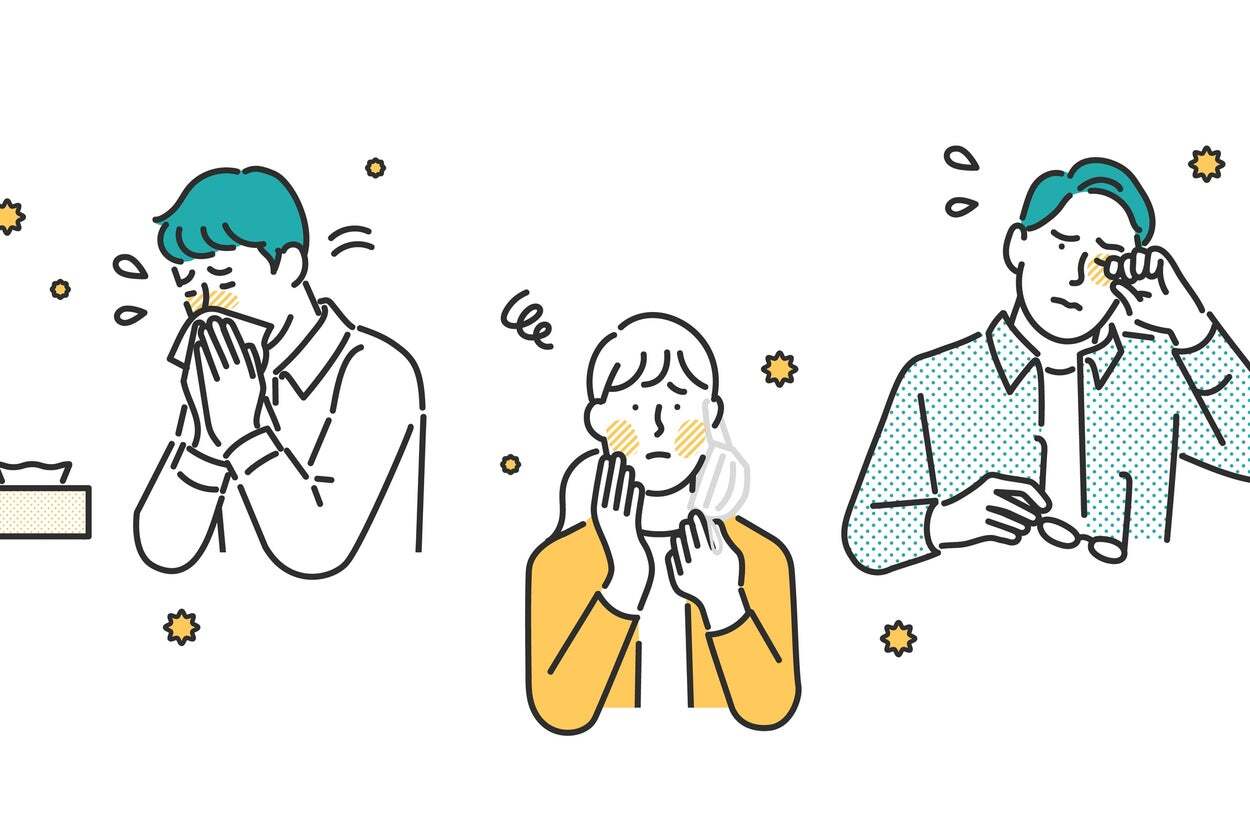
たかくら新産業(東京都港区)は、花粉症の診断を受けたり、自覚があったりする20代以上の男女2412人を対象に、「花粉症対策の実態調査」を実施。
同じく花粉症の小学生以下の子どもについても、保護者2400人に子どもの花粉症対策について調査を行いました。
2月17日のプレスリリースをもとに紹介します。
たかくら新産業(東京都港区)は、花粉症の診断を受けたり、自覚があったりする20代以上の男女2412人を対象に、「花粉症対策の実態調査」を実施。 同じく花粉症の小学生以下の子どもについても、保護者2400人に子どもの花粉症対策について調査を行いました。 2月17日のプレスリリースをもとに紹介します。
花粉症の自覚症状がある人に「現在実施している花粉症対策」について尋ねたところ、「市販薬」の使用は20代で53.9%、30~50代で40~50%、60代以上では20~30%という結果に。小学生以下では30~40%でした。 一方、「処方薬」の使用率は小学生以下が49.3%で最も多く、次いで60代以上が3割をやや上回りました。20~50代も3割前後でしたが、20代と50代でやや低いという結果に。 調査では「全世代を通じて市販薬や処方薬の使用率が高い結果となりました」とし、特に20代の市販薬の使用率が高かったことに触れ「若い世代ほど薬による対策が生活の中に定着している様子がうかがえます」としています。
花粉症対策のために1カ月でどのくらいの費用を使っているかを尋ねる質問では「0~1000円未満」と答えた人の割合は世代が低いほど少ないという結果に。 20代では 64.9%が月に1000 円以上を使っていることが分かりました。 また、月に3000円以上を使っている人の割合は、20代が31.2%、30代で31.6%となっており、40代でも約3割に。小学生以下の子どもを持つ保護者でも28.2%となっています。
「薬だけでは足りないと感じた日のための補助的な対策(食事・サプリメント・生活習慣など)」についても調査。 「積極的に取り入れている」または「意識して時々取り入れている」と回答した人は20~30代で3割を超えました。 また、「薬の量を減らす、回数を抑える努力」を行っているかという設問でも、同じく20~30代の3割以上が実践しているという結果になっています。
医学博士で内科医の篠原隆雄氏は、花粉症対策において「薬を適切に使うことは大切」としつつ、「普段の食事内容や生活習慣を見直すこと」が、「症状との向き合い方」につながるとコメント。 また、サプリメントについても「万能なものとして考えるのではなく、食事で不足しがちな栄養素を補う手段の一つとして、目的や体調に応じて取り入れることが大切です」としています。
【調査1】調査名:「花粉症に関するアンケート」対象:20代以上の男女2412人調査期間:2025年11月調査方法:インターネット調査 【調査2】調査名:「お子さんの花粉症に関するアンケート」対象:子どもを持つ20〜40代の男女2400人調査期間:2025年11月調査方法:インターネット調査
たかくら新産業(東京都港区)は、花粉症の診断を受けたり、自覚があったりする20代以上の男女2412人を対象に、「花粉症対策の実態調査」を実施。 同じく花粉症の小学生以下の子どもについても、保護者2400人に子どもの花粉症対策について調査を行いました。 2月17日のプレスリリースをもとに紹介します。
花粉症の自覚症状がある人に「現在実施している花粉症対策」について尋ねたところ、「市販薬」の使用は20代で53.9%、30~50代で40~50%、60代以上では20~30%という結果に。小学生以下では30~40%でした。 一方、「処方薬」の使用率は小学生以下が49.3%で最も多く、次いで60代以上が3割をやや上回りました。20~50代も3割前後でしたが、20代と50代でやや低いという結果に。 調査では「全世代を通じて市販薬や処方薬の使用率が高い結果となりました」とし、特に20代の市販薬の使用率が高かったことに触れ「若い世代ほど薬による対策が生活の中に定着している様子がうかがえます」としています。
花粉症対策のために1カ月でどのくらいの費用を使っているかを尋ねる質問では「0~1000円未満」と答えた人の割合は世代が低いほど少ないという結果に。 20代では 64.9%が月に1000 円以上を使っていることが分かりました。 また、月に3000円以上を使っている人の割合は、20代が31.2%、30代で31.6%となっており、40代でも約3割に。小学生以下の子どもを持つ保護者でも28.2%となっています。
「薬だけでは足りないと感じた日のための補助的な対策(食事・サプリメント・生活習慣など)」についても調査。 「積極的に取り入れている」または「意識して時々取り入れている」と回答した人は20~30代で3割を超えました。 また、「薬の量を減らす、回数を抑える努力」を行っているかという設問でも、同じく20~30代の3割以上が実践しているという結果になっています。
医学博士で内科医の篠原隆雄氏は、花粉症対策において「薬を適切に使うことは大切」としつつ、「普段の食事内容や生活習慣を見直すこと」が、「症状との向き合い方」につながるとコメント。 また、サプリメントについても「万能なものとして考えるのではなく、食事で不足しがちな栄養素を補う手段の一つとして、目的や体調に応じて取り入れることが大切です」としています。
【調査1】調査名:「花粉症に関するアンケート」対象:20代以上の男女2412人調査期間:2025年11月調査方法:インターネット調査 【調査2】調査名:「お子さんの花粉症に関するアンケート」対象:子どもを持つ20〜40代の男女2400人調査期間:2025年11月調査方法:インターネット調査
Vocabulary
General
Proper noun
JLPT N2
JLPT N1
| # | 言葉 | 意味 |
|---|---|---|
| 14 | 花粉症 | かふんしょう (花粉症) : hay fever; pollinosis (allergy to pollen) |
| 14 | 調査 | ちょうさ (調査) : investigation; examination; inquiry; enquiry; survey |
| 9 | 対策 | たいさく (対策) : measure; step; countermeasure; counterplan; countermove; strategy; preparation (e.g. for a test) |
| 6 | 子ども | こども (子供) : child |
| 5 | 小学生 | しょうがくせい (小学生) : elementary school student; primary school student; grade school student |
| 5 | 結果 | けっか (結果) : 1. result; consequence; outcome; effect 2. coming to fruition; bearing fruit |
| 5 | 割 | わり (割り) : 1. rate; ratio; proportion; percentage 2. profit |
| 4 | 男女 | だんじょ (男女) : men and women; man and woman; both sexes; both genders |
| 4 | 対象 | たいしょう (対象) : target; object (of worship, study, etc.); subject (of taxation, etc.) |
| 3 | 実施 | じっし (実施) : enforcement; implementation; putting into practice; carrying out; operation; working (e.g. working parameters); enactment |
| 3 | 同じく | おなじく (同じく) : similarly; same (idea); same (name) |
| 3 | 保護者 | ほごしゃ (保護者) : guardian; protector; patron; parent |
| 3 | 市販薬 | しはんやく (市販薬) : over-the-counter drug |
| 3 | 使用率 | しようりつ (使用率) : utilization rate; activity ratio |
| 3 | 取り入れる | とりいれる (取り入れる) : 1. to harvest; to reap 2. to take in; to gather in |
| 2 | たかくら | たかくら (貴倉) : Takakura (surname) |
| 2 | 東京都 | とうきょうと (東京都) : Tokyo Metropolis (prefecture); Tokyo metropolitan area |
| 2 | 港区 | みなとく (港区) : Harbour Ward (e.g. in Tokyo) |
| 2 | 診断 | しんだん (診断) : diagnosis; medical examination |
| 2 | 自覚 | じかく (自覚) : self-consciousness; self-awareness |
| 2 | 実態調査 | じったいちょうさ (実態調査) : fact-finding investigation; investigation into actual conditions; fact-finding survey |
| 2 | もと | もと (元) : 1. origin; source 2. base; basis; foundation; root |
| 2 | 処方 | しょほう (処方) : prescription; formulation; formula; recipe |
| 2 | やや | やや (稍) : a little; partially; somewhat; slightly; semi-; -ish; on the ... side; a short time; a while |
| 2 | 世代 | せだい (世代) : generation; the world; the age |
| 2 | 生活習慣 | せいかつしゅうかん (生活習慣) : lifestyle; way of living |
| 2 | 関する | かんする (関する) : to concern; to be related |
| 2 | 期間 | きかん (期間) : period; term; interval |
| 2 | 方法 | ほうほう (方法) : method; process; manner; way; means; technique |
| 1 | 自覚症状 | じかくしょうじょう (自覚症状) : subjective symptoms; patient's complaints |
| 1 | 現在 | げんざい (現在) : now; current; present; present time; as of |
| 1 | 尋ねる | たずねる (尋ねる) : 1. to ask; to enquire; to inquire 2. to search; to look for; to look into; to investigate |
| 1 | 使用 | しよう (使用) : use; application; employment; utilization; utilisation |
| 1 | 最も | もっとも (最も) : most; extremely |
| 1 | 次いで | ついで (次いで) : next; secondly; subsequently |
| 1 | 上回る | うわまわる (上回る) : to exceed (esp. figures: profits, unemployment rate, etc.); to surpass; to be more than; to be better than |
| 1 | 前後 | ぜんご (前後) : 1. front and rear; front and back; before and behind; back and forth 2. before and after |
| 1 | 通ずる | つうずる (通ずる) : 1. to be open (to traffic); to lead to; to communicate (with) 2. to flow (liquid, current); to pass; to get through to |
| 1 | 触れる | ふれる (触れる) : 1. to touch; to feel 2. to touch (with) |
| 1 | 若い | わかい (若い) : 1. young; youthful 2. immature; green |
| 1 | 定着 | ていちゃく (定着) : 1. sticking (in one place, position, etc.); settling; fixing; adherence 2. becoming established (of a custom, system, etc.); taking hold; taking root |
| 1 | 様子 | ようす (様子) : 1. state; state of affairs; situation; circumstances 2. appearance; look; aspect |
| 1 | カ月 | かげつ (ヶ月) : months (period of) |
| 1 | 費用 | ひよう (費用) : cost; expense |
| 1 | 未満 | みまん (未満) : less than; under; below |
| 1 | 答える | こたえる (答える) : to answer; to reply |
| 1 | 分かる | わかる (分かる) : 1. to understand; to comprehend; to grasp; to see; to get; to follow 2. to become clear; to be known; to be discovered; to be realized; to be realised; to be found out |
| 1 | 足りる | たりる (足りる) : 1. to be sufficient; to be enough 2. to be worth doing; to be worthy of; to deserve |
| 1 | 感ずる | かんずる (感ずる) : to feel; to sense |
| 1 | 補助 | ほじょ (補助) : 1. assistance; support; aid; help 2. subsidy; supplement; subvention; grant-in-aid |
| 1 | 積極的 | せっきょくてき (積極的) : positive; assertive; active; proactive; aggressive |
| 1 | 意識 | いしき (意識) : 1. consciousness 2. becoming aware (of); awareness; sense |
| 1 | 回答 | かいとう (回答) : reply; answer |
| 1 | 超える | こえる (越える) : 1. to cross over; to cross; to pass through; to pass over (out of); to go beyond; to go past 2. to exceed; to surpass; to be more (than) |
| 1 | 量 | りょう (量) : 1. quantity; amount; volume; capacity; portion (of food) 2. generosity; magnanimity; tolerance |
| 1 | 減らす | へらす (減らす) : to abate; to decrease; to diminish; to shorten |
| 1 | 回数 | かいすう (回数) : number of times; frequency; count |
| 1 | 抑える | おさえる (抑える) : 1. to keep within limits (e.g. spending); to restrain (e.g. emotions); to control; to curb; to hold in check 2. to hold back (e.g. an enemy); to check; to curb; to contain; to quell; to subdue; to suppress; to repress |
| 1 | 努力 | どりょく (努力) : effort; exertion; endeavour; endeavor; hard work; striving |
| 1 | 設問 | せつもん (設問) : 1. posing a question 2. question |
| 1 | 実践 | じっせん (実践) : 1. practice; putting into practice; implementation 2. praxis (philosophy) |
| 1 | 博士 | はかせ (博士) : 1. expert; learned person 2. doctor; PhD; Dr. |
| 1 | 内科医 | ないかい (内科医) : physician; internist |
| 1 | 篠原 | しのはら (篠原) : field of bamboo grass |
| 1 | 隆雄 | たかお (隆雄) : Takao (given) |
| 1 | 氏 | うじ (氏) : 1. family name; lineage; birth 2. clan |
| 1 | 適切 | てきせつ (適切) : appropriate; suitable; fitting; apt; proper; right; pertinent; relevant |
| 1 | 普段 | ふだん (普段) : 1. usual; normal; everyday; habitual; ordinary 2. usually; normally; generally; habitually; always |
| 1 | 内容 | ないよう (内容) : contents; content; substance; matter; detail; import |
| 1 | 見直す | みなおす (見直す) : 1. to look at again 2. to re-examine (policy, estimate, plan, etc.); to review |
| 1 | 症状 | しょうじょう (症状) : symptoms; condition (of a patient) |
| 1 | 向き合う | むきあう (向き合う) : 1. to be opposite; to face each other 2. to confront (an issue); to face |
| 1 | つながる | つながる (繋がる) : 1. to be tied together; to be connected to; to be linked to 2. to lead to; to be related to |
| 1 | 万能 | ばんのう (万能) : 1. all-purpose; utility; universal 2. all-powerful; almighty; omnipotent; all-round (e.g. athlete) |
| 1 | 不足 | ふそく (不足) : 1. insufficiency; deficiency; shortage; lack; scarcity; deficit 2. dissatisfaction; discontent; complaint |
| 1 | がち | がち (雅致) : artistry; good taste; elegance; grace |
| 1 | 栄養素 | えいようそ (栄養素) : nutrient |
| 1 | 補う | おぎなう (補う) : to supplement; to make up for; to compensate for; to cover (a shortage, loss, etc.); to fill (e.g. a vacancy) |
| 1 | 手段 | しゅだん (手段) : means; way; measure |
| 1 | 目的 | もくてき (目的) : purpose; goal; aim; objective; intention |
| 1 | 体調 | たいちょう (体調) : physical condition; state of health |
| 1 | 応ずる | おうずる (応ずる) : 1. to answer; to respond; to meet 2. to satisfy; to accept |
| 1 | お子さん | おこさん (お子さん) : child |