「京アニ」放火殺人 死刑囚の控訴取り下げ有効の判断 大阪高裁
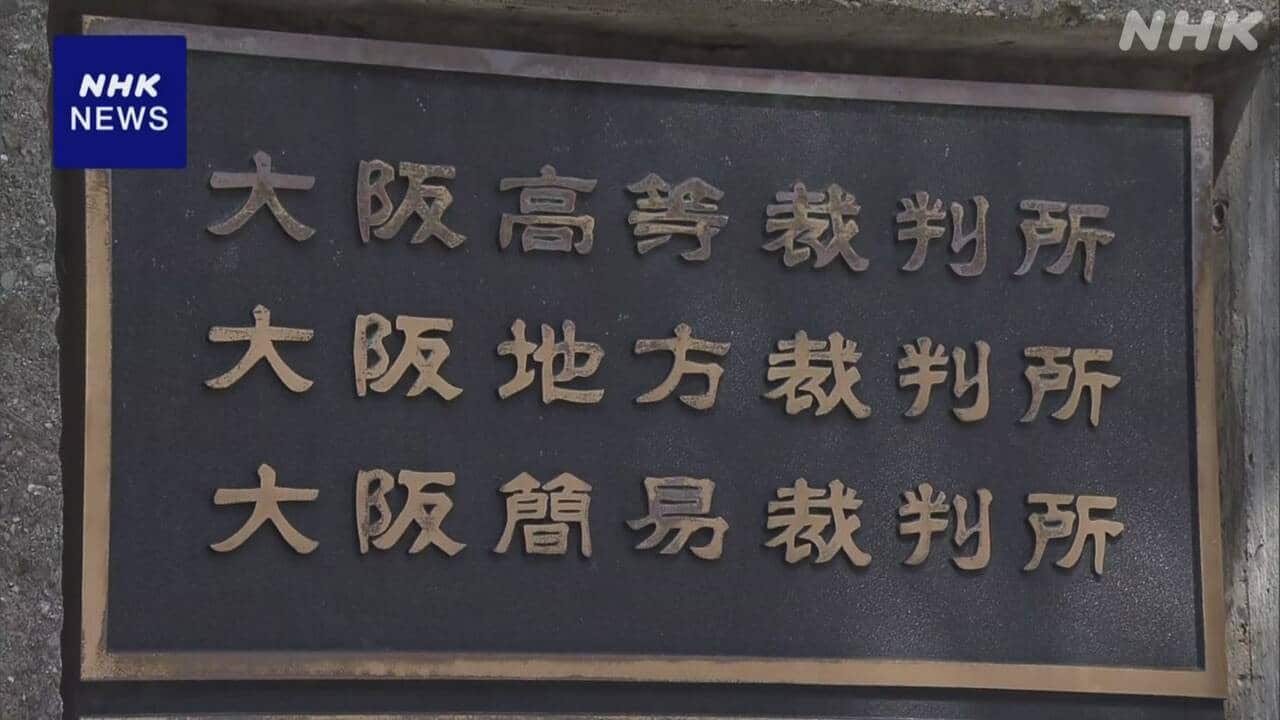
「京都アニメーション」の放火殺人事件で、1審で死刑判決を受けたあと青葉真司死刑囚が、みずから控訴を取り下げたことについて、大阪高等裁判所は「判断能力に問題はなかった」として弁護側の「無効だ」とする申し入れを退けました。
青葉真司死刑囚(47)は、2019年7月、京都市伏見区の「京都アニメーション」の第1スタジオに火をつけて社員36人を殺害し、32人に重軽傷を負わせたなどとして、おととし1月、1審の京都地方裁判所で死刑を言い渡され控訴しましたが、去年1月、本人が控訴を取り下げたため、死刑が確定しました。
これについて大阪高等裁判所の伊藤寿裁判長は、17日、弁護士の申し入れを退ける決定を出しました。
決定の理由について伊藤裁判長は、「控訴を取り下げる意義を理解していたことは明らかだ。以前から妄想性障害になっていたが、判断能力自体は問題がなかった。取り下げは有効と認めるのが相当だ」とする判断を示しました。
死刑判決の控訴を本人が取り下げたことが有効かどうかをめぐっては、高裁の決定のあとに不服の申し立てが行われ最高裁判所まで争われた例があります。
京都アニメーションは「亡くなられた社員、被害に遭った社員、近しい方々の無念を思うと、心が痛むばかりです。法の定めるところに従い、しかるべき対応と判断をいただくほかないと承知しております」とコメントしています。
大阪高等裁判所の判断について、事件で亡くなった男性アニメーターの父親は「息子はもう2度と戻ってこないわけですし、裁判に関する動きが出てくるたびに、遺族としてはさまざまな感情がこみ上げてきて、気持ちが揺れ動きます」と述べました。
そのうえで「この手続きがこれ以上続かないことを求めたいです。死刑囚には、36人が亡くなったという現実や命の大切さを改めて受け止め、罪を償い続けてほしいです」と話していました。
事件で亡くなった女性アニメーターの母親は、「控訴の取り下げから1年がたって何の連絡もないので、どうなっているのか気になっていましたが、取り下げが有効と判断されたと聞き、驚いています。これ以上、長引いてほしくありません」と話していました。
青葉真司死刑囚(47)は、2019年7月、京都市伏見区の「京都アニメーション」の第1スタジオに火をつけて社員36人を殺害し、32人に重軽傷を負わせたなどとして、おととし1月、1審の京都地方裁判所で死刑を言い渡され控訴しましたが、去年1月、本人が控訴を取り下げたため、死刑が確定しました。
これについて大阪高等裁判所の伊藤寿裁判長は、17日、弁護士の申し入れを退ける決定を出しました。
決定の理由について伊藤裁判長は、「控訴を取り下げる意義を理解していたことは明らかだ。以前から妄想性障害になっていたが、判断能力自体は問題がなかった。取り下げは有効と認めるのが相当だ」とする判断を示しました。
死刑判決の控訴を本人が取り下げたことが有効かどうかをめぐっては、高裁の決定のあとに不服の申し立てが行われ最高裁判所まで争われた例があります。
京都アニメーションは「亡くなられた社員、被害に遭った社員、近しい方々の無念を思うと、心が痛むばかりです。法の定めるところに従い、しかるべき対応と判断をいただくほかないと承知しております」とコメントしています。
大阪高等裁判所の判断について、事件で亡くなった男性アニメーターの父親は「息子はもう2度と戻ってこないわけですし、裁判に関する動きが出てくるたびに、遺族としてはさまざまな感情がこみ上げてきて、気持ちが揺れ動きます」と述べました。
そのうえで「この手続きがこれ以上続かないことを求めたいです。死刑囚には、36人が亡くなったという現実や命の大切さを改めて受け止め、罪を償い続けてほしいです」と話していました。
事件で亡くなった女性アニメーターの母親は、「控訴の取り下げから1年がたって何の連絡もないので、どうなっているのか気になっていましたが、取り下げが有効と判断されたと聞き、驚いています。これ以上、長引いてほしくありません」と話していました。
Vocabulary
General
Proper noun
JLPT N2
JLPT N1
| # | 言葉 | 意味 |
|---|---|---|
| 6 | 控訴 | こうそ (控訴) : appeal to a higher court; intermediate appeal |
| 6 | 判断 | はんだん (判断) : 1. judgment; judgement; decision; conclusion; adjudication 2. divination |
| 4 | 死刑 | しけい (死刑) : death penalty; capital punishment |
| 4 | 取り下げる | とりさげる (取り下げる) : to withdraw; to abandon (e.g. a lawsuit) |
| 4 | 亡くなる | なくなる (亡くなる) : to die |
| 3 | 京都アニメーション | きょうとアニメーション (京都アニメーション) : Kyoto Animation Co., Ltd. (company) |
| 3 | 死刑囚 | しけいしゅう (死刑囚) : criminal condemned to death; convict on death row |
| 3 | 大阪 | おおさか (大阪) : 1. Osaka (city, prefecture) 2. large hill |
| 3 | 高等裁判所 | こうとうさいばんしょ (高等裁判所) : High Court |
| 3 | 社員 | しゃいん (社員) : 1. company employee 2. member of a corporation; company stockholder (esp. in legal contexts) |
| 3 | 決定 | けってい (決定) : decision; determination |
| 3 | 取り下げ | とりさげ (取り下げ) : withdrawal |
| 3 | 有効 | ゆうこう (有効) : 1. valid; effective 2. yuko (judo) |
| 2 | 審 | あきら (審) : Akira (surname; given) |
| 2 | 判決 | はんけつ (判決) : judicial decision; judgement; judgment; sentence; decree |
| 2 | 青葉 | あおば (青葉) : fresh leaves |
| 2 | 真司 | しんじ (真司) : Shinji (given) |
| 2 | 能力 | のうりょく (能力) : ability; faculty |
| 2 | 申し入れ | もうしいれ (申し入れ) : proposal; offer; report; proposition; notice; request |
| 2 | 退ける | しりぞける (退ける) : to repel; to drive away; to repulse; to reject |
| 2 | 本人 | ほんにん (本人) : the person in question; the person themselves; said person |
| 2 | 伊藤 | いと (伊藤) : Ito (unclass) |
| 2 | 裁判長 | さいばんちょう (裁判長) : presiding judge |
| 2 | 事件 | じけん (事件) : event; affair; incident; case; plot; trouble; scandal |
| 1 | 放火 | ほうか (放火) : arson; setting fire |
| 1 | 殺人事件 | さつじんじけん (殺人事件) : murder case |
| 1 | みずから | みずから (自ら) : 1. oneself 2. oneself; for oneself; personally; in person |
| 1 | 弁護側 | べんごがわ (弁護側) : the defence; defence side |
| 1 | 無効 | むこう (無効) : invalid; void; ineffective; unavailable |
| 1 | 京都市伏見区 | きょうとしふしみく (京都市伏見区) : Kyoutoshifushimiku (place) |
| 1 | 第 | だい (第) : prefix for forming ordinal numbers |
| 1 | 殺害 | さつがい (殺害) : killing; murder |
| 1 | 重軽傷 | じゅうけいしょう (重軽傷) : serious or slight injury; major and minor injuries |
| 1 | 負う | おう (負う) : 1. to bear; to carry on one's back 2. to take responsibility for; to accept a duty |
| 1 | 京都 | きょうと (京都) : Kyoto (city, prefecture) |
| 1 | 地方裁判所 | ちほうさいばんしょ (地方裁判所) : district court; local court |
| 1 | 言い渡す | いいわたす (言い渡す) : to announce; to tell; to sentence; to order |
| 1 | 確定 | かくてい (確定) : 1. decision; settlement 2. definition |
| 1 | 弁護士 | べんごし (弁護士) : lawyer; attorney |
| 1 | 意義 | いぎ (意義) : meaning; significance |
| 1 | 理解 | りかい (理解) : understanding; comprehension; appreciation; sympathy |
| 1 | 明らか | あきらか (明らか) : 1. clear; obvious; evident; plain; definite 2. bright; light |
| 1 | 以前 | いぜん (以前) : ago; since; before; previous |
| 1 | 妄想 | もうそう (妄想) : wild idea; delusion |
| 1 | 自体 | じたい (自体) : 1. itself 2. one's own body; oneself |
| 1 | 認める | したためる (認める) : 1. to write (e.g. a letter); to draw up (a document); to take down (e.g. notes) 2. to have (lunch, dinner, etc.); to eat |
| 1 | 相当 | そうとう (相当) : 1. corresponding to (in meaning, function, etc.); being equivalent to 2. appropriate; suitable; befitting; proportionate |
| 1 | 示す | しめす (示す) : 1. to (take out and) show; to demonstrate; to tell; to exemplify; to make apparent 2. to point out (finger, clock hand, needle, etc.) |
| 1 | めぐる | めぐる (巡る) : 1. to go around 2. to return |
| 1 | 高裁 | こうさい (高裁) : High Court |
| 1 | 不服 | ふふく (不服) : dissatisfaction; discontent; disapproval; objection; complaint; protest; disagreement |
| 1 | 申し立て | もうしたて (申し立て) : statement; account (of something); declaration; allegation |
| 1 | 最高裁判所 | さいこうさいばんしょ (最高裁判所) : Supreme Court |
| 1 | 争う | あらそう (争う) : 1. to compete; to contest; to contend 2. to quarrel; to argue; to dispute; to be at variance; to oppose |
| 1 | 例 | れい (例) : 1. custom; practice; habit; usual 2. said; aforementioned |
| 1 | 被害 | ひがい (被害) : (suffering) damage; injury; harm |
| 1 | 遭う | あう (会う) : 1. to meet; to encounter; to see 2. to have an accident; to have a bad experience |
| 1 | 近しい | ちかしい (近しい) : intimate; close |
| 1 | 方々 | かたがた (方々) : 1. people; (all) persons; everyone; ladies and gentlemen 2. you (usu. plural) |
| 1 | 無念 | むねん (無念) : 1. regret; chagrin; mortification 2. freedom from obstructive thoughts |
| 1 | 痛む | いたむ (痛む) : 1. to hurt; to ache; to feel a pain 2. to be injured; to be spoiled (e.g. food); to be damaged |
| 1 | 法 | ほう (法) : 1. law; act; principle 2. method |
| 1 | 定める | さだめる (定める) : 1. to decide; to determine 2. to establish; to lay down; to prescribe; to provide; to stipulate |
| 1 | 従う | したがう (従う) : 1. to obey (an order, law, etc.); to abide by (a rule, custom, etc.); to follow; to observe; to conform to; to yield to 2. to follow (a person); to accompany; to go with |
| 1 | しかるべき | しかるべき (然るべき) : proper; appropriate; due; suitable |
| 1 | 対応 | たいおう (対応) : 1. correspondence (to); equivalence 2. suitability; coordination; matching; being appropriate (for) |
| 1 | 父親 | ちちおや (父親) : father |
| 1 | 戻る | もどる (戻る) : 1. to turn back (e.g. half-way) 2. to return; to go back |
| 1 | 裁判 | さいばん (裁判) : trial; judgement; judgment |
| 1 | 関する | かんする (関する) : to concern; to be related |
| 1 | 動き | うごき (動き) : 1. movement; move; motion 2. trend; development; change; fluctuation |
| 1 | たび | たび (足袋) : tabi; Japanese socks (with split toe) |
| 1 | 遺族 | いぞく (遺族) : bereaved family; surviving family; family of the deceased |
| 1 | 感情 | かんじょう (感情) : emotion; feeling; feelings; sentiment |
| 1 | こみ上げる | こみあげる (こみ上げる) : 1. to well up (of tears, anger, joy, etc.); to surge up (within oneself); to rise; to fill one's heart; to overcome one 2. to feel nauseated; to feel sick |
| 1 | 揺れ動く | ゆれうごく (揺れ動く) : 1. to shake; to tremble; to sway; to flicker 2. to be unsettled; to be unstable; to fluctuate; to waver (e.g. between options); to vacillate; to seesaw |
| 1 | 述べる | のべる (述べる) : to state; to express; to mention |
| 1 | 手続き | てつづき (手続き) : procedure; process; proceedings; formalities |
| 1 | 求める | もとめる (求める) : 1. to want; to wish for 2. to request; to demand; to require; to ask for |
| 1 | 現実 | げんじつ (現実) : reality; actuality; hard fact |
| 1 | 命 | いのち (命) : 1. life; life force 2. lifetime; lifespan |
| 1 | 改めて | あらためて (改めて) : 1. another time; again; over again; once again; anew 2. formally; especially; intentionally; deliberately |
| 1 | 受け止める | うけとめる (受け止める) : 1. to catch; to stop the blow 2. to react to; to take (advice, etc.); to accept; to come to grips with |
| 1 | 罪 | つみ (罪) : 1. crime; sin; wrongdoing; indiscretion 2. penalty; sentence; punishment |
| 1 | 償う | つぐなう (償う) : to make up for; to compensate for; to indemnify; to recompense; to redeem (e.g. a fault); to atone for |
| 1 | 母親 | ははおや (母親) : mother |
| 1 | たつ | たつ (起つ) : to rise up; to initiate (political) action |
| 1 | 聞く | きく (聞く) : 1. to hear 2. to listen (e.g. to music) |
| 1 | 驚く | おどろく (驚く) : to be surprised; to be astonished |
| 1 | 長引く | ながびく (長引く) : to be prolonged; to drag on |