東京大空襲から81年 被害の大きかった墨田区で慰霊の法要
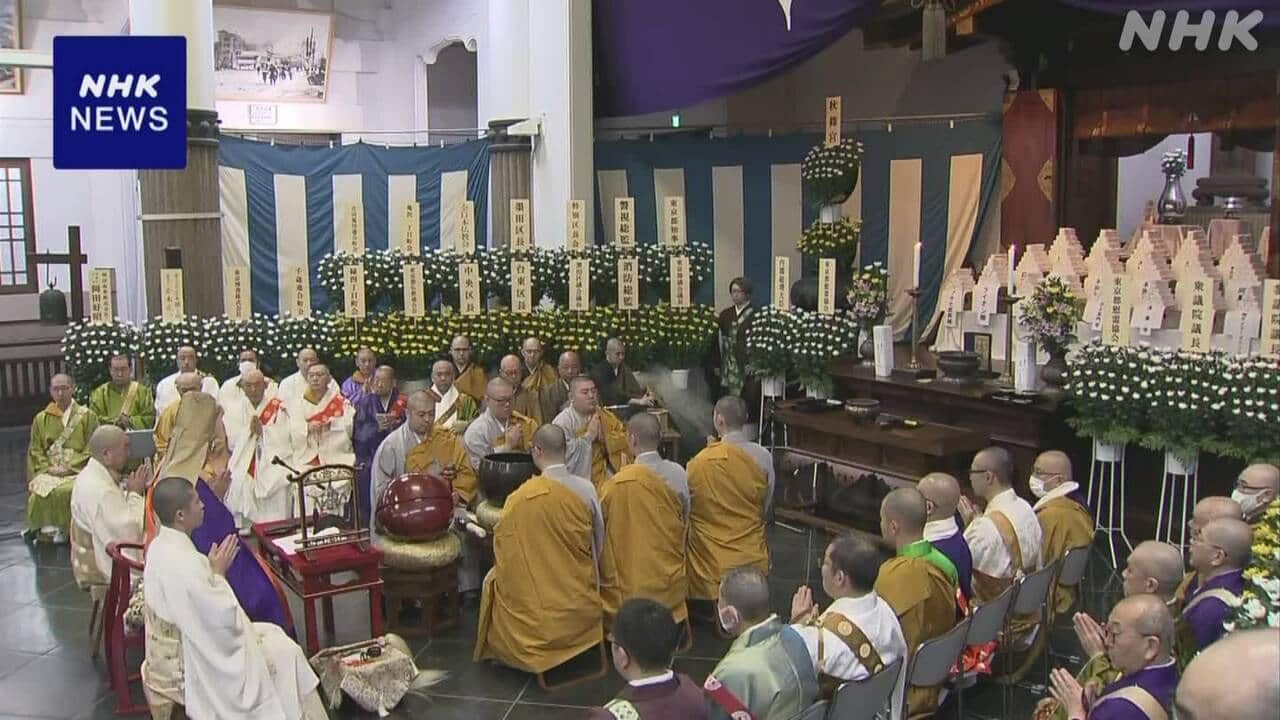
10万人が犠牲となった東京大空襲から81年となる10日、被害の大きかった東京 墨田区で、遺族らが参列して慰霊の法要が行われました。
太平洋戦争末期の1945年3月10日の未明、アメリカのB29爆撃機による大空襲で東京は下町を中心に壊滅的な被害を受け、およそ10万人が犠牲となりました。
空襲から81年となる10日、墨田区の東京都慰霊堂で、秋篠宮ご夫妻も参列されて慰霊の法要が行われました。
慰霊堂には空襲などの犠牲者およそ10万5000人の遺骨が安置されていて、法要では、東京都慰霊協会の青山※ヤスシ会長が、「今もウクライナをはじめ世界では紛争が継続し、犠牲者が絶えない。記憶を風化させず次の世代に語り継ぎ残していくことが今を生きる私たちの使命です」と述べました。
そして、東京都の小池知事や遺族の代表などが焼香を行い、犠牲になった人たちに祈りをささげました。
法要のあと、父の前妻など7人を亡くしたという墨田区の佐山茂吉さんは「亡くなった父の代理という思いで来ています。父は家族7人を一瞬で亡くし遺体もわからなかったようで、父のつらい思いを最大限語り継いでいきたい」と話していました。
小学1年生の時に大空襲を経験した88歳の女性は「祖母と手をつないで逃げたが途中で手が離れてしまって、そのあと探したけど祖母を見つけられませんでした。81年たちますがよけいに当時のことを考えるようになりました。戦争は絶対にやってはいけません」と話していました。
また、祖母と一緒に千葉県から訪れた24歳の女性は「祖母は兄を空襲で亡くしているのでひと事ではないし、戦争を知らない世代だからこそここに来るべきだと思いました。もう誰も争わない平和な世界になればと思います」と話していました。
母親が兄弟と両親の家族7人を空襲で亡くしたという71歳の女性は「母は詳しくは話さなかったですが、焼け跡で家族を探し歩いたんだろうなと想像しています。孫たちが戦争に関わることがないように母の思いを受け継いでいきたい」と話していました。
太平洋戦争末期の1945年3月10日の未明、アメリカのB29爆撃機による大空襲で東京は下町を中心に壊滅的な被害を受け、およそ10万人が犠牲となりました。
空襲から81年となる10日、墨田区の東京都慰霊堂で、秋篠宮ご夫妻も参列されて慰霊の法要が行われました。
慰霊堂には空襲などの犠牲者およそ10万5000人の遺骨が安置されていて、法要では、東京都慰霊協会の青山※ヤスシ会長が、「今もウクライナをはじめ世界では紛争が継続し、犠牲者が絶えない。記憶を風化させず次の世代に語り継ぎ残していくことが今を生きる私たちの使命です」と述べました。
そして、東京都の小池知事や遺族の代表などが焼香を行い、犠牲になった人たちに祈りをささげました。
法要のあと、父の前妻など7人を亡くしたという墨田区の佐山茂吉さんは「亡くなった父の代理という思いで来ています。父は家族7人を一瞬で亡くし遺体もわからなかったようで、父のつらい思いを最大限語り継いでいきたい」と話していました。
小学1年生の時に大空襲を経験した88歳の女性は「祖母と手をつないで逃げたが途中で手が離れてしまって、そのあと探したけど祖母を見つけられませんでした。81年たちますがよけいに当時のことを考えるようになりました。戦争は絶対にやってはいけません」と話していました。
また、祖母と一緒に千葉県から訪れた24歳の女性は「祖母は兄を空襲で亡くしているのでひと事ではないし、戦争を知らない世代だからこそここに来るべきだと思いました。もう誰も争わない平和な世界になればと思います」と話していました。
母親が兄弟と両親の家族7人を空襲で亡くしたという71歳の女性は「母は詳しくは話さなかったですが、焼け跡で家族を探し歩いたんだろうなと想像しています。孫たちが戦争に関わることがないように母の思いを受け継いでいきたい」と話していました。
Vocabulary
General
Proper noun
JLPT N2
JLPT N1
| # | 言葉 | 意味 |
|---|---|---|
| 5 | 空襲 | くうしゅう (空襲) : air-raid |
| 4 | 法要 | ほうよう (法要) : Buddhist memorial service |
| 4 | 亡くす | なくす (亡くす) : to lose (through death) (e.g. wife, child) |
| 3 | 犠牲 | ぎせい (犠牲) : 1. sacrifice; victim; scapegoat 2. sacrifice (to the gods) |
| 3 | 東京 | とうきょう (東京) : Tokyo |
| 3 | 墨田区 | すみだく (墨田区) : Sumidaku (place) |
| 3 | 慰霊 | いれい (慰霊) : consoling the spirits of the dead |
| 3 | 東京都 | とうきょうと (東京都) : Tokyo Metropolis (prefecture); Tokyo metropolitan area |
| 3 | 思い | おもい (思い) : 1. thought 2. imagination; mind; heart |
| 2 | 被害 | ひがい (被害) : (suffering) damage; injury; harm |
| 2 | 遺族 | いぞく (遺族) : bereaved family; surviving family; family of the deceased |
| 2 | 参列 | さんれつ (参列) : attendance; participation; presence |
| 2 | 大空襲 | だいくうしゅう (大空襲) : major air raid; blitz |
| 2 | 慰霊堂 | いれいどう (慰霊堂) : Ireidou (place) |
| 2 | 犠牲者 | ぎせいしゃ (犠牲者) : victim |
| 2 | 世代 | せだい (世代) : generation; the world; the age |
| 2 | 語り継ぐ | かたりつぐ (語り継ぐ) : to transmit; to hand down |
| 1 | 太平洋戦争 | たいへいようせんそう (太平洋戦争) : Pacific War (1941-1945) |
| 1 | 末期 | まつご (末期) : deathbed; hour of death |
| 1 | 未明 | みめい (未明) : early dawn; grey of morning; gray of morning |
| 1 | 爆撃機 | ばくげきき (爆撃機) : bomber (aircraft) |
| 1 | 下町 | したまち (下町) : 1. low-lying part of a city (usu. containing shops, factories, etc.) 2. Shitamachi (low-lying area of eastern Tokyo near Tokyo Bay, incl. Asakusa, Shitaya, Kanda, Fukugawa, Honjo, Nihonbashi, Kyobashi and surrounds) |
| 1 | 中心 | ちゅうしん (中心) : 1. center; centre; middle; heart; core; focus; pivot; emphasis; balance 2. -centered; -centred; -focused; -oriented; centered on; focused on |
| 1 | 壊滅 | かいめつ (壊滅) : destruction; annihilation; devastation; catastrophe |
| 1 | 秋篠宮 | あきしののみや (秋篠宮) : Akishinonomiya (surname) |
| 1 | 夫妻 | ふさい (夫妻) : husband and wife; married couple |
| 1 | 遺骨 | いこつ (遺骨) : 1. cremated remains (esp. the bones); ashes 2. remains (of war dead) |
| 1 | 安置 | あんち (安置) : enshrinement; installation (of an image) |
| 1 | 協会 | きょうかい (協会) : association; society; organization; organisation |
| 1 | 青山 | せいざん (青山) : 1. lush mountain; green mountain 2. grave; burial place |
| 1 | 会長 | かいちょう (会長) : president (of a society); chairman |
| 1 | 紛争 | ふんそう (紛争) : dispute; conflict; trouble; strife |
| 1 | 継続 | けいぞく (継続) : continuation |
| 1 | 絶える | たえる (絶える) : 1. to die out; to peter out; to become extinct 2. to cease; to be stopped; to be discontinued; to be cut off |
| 1 | 記憶 | きおく (記憶) : 1. memory; recollection; remembrance 2. storage |
| 1 | 風化 | ふうか (風化) : 1. weathering 2. fading (of memories) |
| 1 | 残す | のこす (残す) : 1. to leave (behind) 2. to leave (undone); to not finish |
| 1 | 私たち | わたしたち (私たち) : we; us |
| 1 | 使命 | しめい (使命) : 1. mission; errand 2. task; duty; obligation |
| 1 | 述べる | のべる (述べる) : to state; to express; to mention |
| 1 | 小池 | おいけ (小池) : Oike (place; surname) |
| 1 | 知事 | ちじ (知事) : prefectural governor |
| 1 | 代表 | だいひょう (代表) : 1. representative; representation; delegation; type; example; model 2. switchboard number; main number |
| 1 | 焼香 | しょうこう (焼香) : burning (offer) incense |
| 1 | 祈り | いのり (祈り) : prayer; supplication |
| 1 | ささげる | ささげる (捧げる) : 1. to lift up; to hold up; to hold above eye level 2. to give; to offer; to consecrate |
| 1 | 前妻 | ぜんさい (前妻) : ex-wife; former wife; previous wife |
| 1 | 佐山 | さやま (佐山) : Sayama (place; surname) |
| 1 | 茂吉 | おもよし (茂吉) : Omoyoshi (surname) |
| 1 | 亡くなる | なくなる (亡くなる) : to die |
| 1 | 代理 | だいり (代理) : representation; agency; proxy; deputy; agent; attorney; substitute; alternate; acting (principal, etc.) |
| 1 | 一瞬 | いっしゅん (一瞬) : instant; moment; for an instant |
| 1 | 遺体 | いたい (遺体) : corpse; remains |
| 1 | わかる | わかる (分かる) : 1. to understand; to comprehend; to grasp; to see; to get; to follow 2. to become clear; to be known; to be discovered; to be realized; to be realised; to be found out |
| 1 | つらい | つらい (辛い) : 1. painful; bitter; heart-breaking; difficult (emotionally) 2. tough; difficult; hard (usu. of situations) |
| 1 | 最大限 | さいだいげん (最大限) : 1. maximum 2. to the maximum degree; to the full |
| 1 | 小学 | しょうがく (小学) : 1. elementary school; primary school; grade school 2. school for children over eight years old in ancient China |
| 1 | 年生 | ねんせい (年生) : pupil in ... year; student in ... year |
| 1 | つなぐ | つなぐ (繋ぐ) : 1. to connect; to link together 2. to tie; to fasten; to restrain |
| 1 | 逃げる | にげる (逃げる) : to escape; to run away |
| 1 | 離れる | はなれる (離れる) : 1. to be separated; to be apart; to be distant 2. to leave; to go away |
| 1 | 探す | さがす (探す) : 1. to search for; to look for; to hunt for; to seek 2. to search (a house, pocket, etc.); to search through; to rummage in (e.g. a drawer); to fish around |
| 1 | 見つける | みつける (見つける) : 1. to discover; to find (e.g. an error in a book); to come across; to detect; to spot 2. to locate; to find (e.g. something missing); to find fault |
| 1 | よけい | よけい (余慶) : fortunate heredity; blessings; the rewards of virtue; something bequeathed to posterity |
| 1 | 当時 | とうじ (当時) : at that time; in those days |
| 1 | 絶対 | ぜったい (絶対) : 1. definitely; absolutely; unconditionally 2. absolute; unconditional; unmistakable |
| 1 | 千葉県 | ちばけん (千葉県) : Chiba prefecture (Kanto area) |
| 1 | 訪れる | おとずれる (訪れる) : 1. to visit; to call on 2. to arrive (season, time, situation, etc.); to come; to appear |
| 1 | ひと事 | ひとごと (人事) : other people's affairs; somebody else's problem |
| 1 | 知る | しる (知る) : 1. to be aware of; to know; to be conscious of; to cognize; to cognise 2. to notice; to feel |
| 1 | こそ | こそ : 1. it is ... that ...; precisely; in particular; definitely; for sure; only (when, after, because, etc.) 2. although; while; it is the case that ... but |
| 1 | 争う | あらそう (争う) : 1. to compete; to contest; to contend 2. to quarrel; to argue; to dispute; to be at variance; to oppose |
| 1 | 平和 | へいわ (平和) : peace; harmony |
| 1 | 母親 | ははおや (母親) : mother |
| 1 | 詳しく | くわしく (詳しく) : in detail; fully; minutely; at length |
| 1 | 焼け跡 | やけあと (焼け跡) : ruins of a fire; fire-devastated area |
| 1 | 想像 | そうぞう (想像) : imagination; guess |
| 1 | 孫 | まご (孫) : grandchild |
| 1 | 関わる | かかわる (関わる) : 1. to be affected; to be influenced 2. to be concerned with; to have to do with |
| 1 | 受け継ぐ | うけつぐ (受け継ぐ) : to inherit; to succeed; to take over |