「眼、耳、脳、腰、膝などの衰え」90歳で引退を決意した伊東四朗…“上岡龍太郎や明石家さんま”レジェンドの辞めどきはいつ?
予習
この記事のキーワード — タップで意味×22
芸人
げいにん
1. entertainer (esp. in a traditional art); performer; artiste 2. talented person; accomplished person
×21
引退
いんたい
retirement
×7
辞める
やめる
to resign; to retire; to quit; to leave (one's job, etc.)
×8
舞台
ぶたい
1. stage (theatre, theater) 2. scene or setting (e.g. of novel, play, etc.)
×5
芸能界
げいのうかい
show business; entertainment industry; world of entertainment
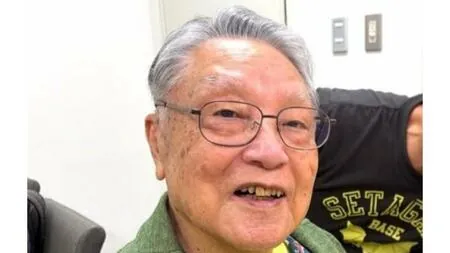
喜劇俳優の伊東四朗が、90歳を迎える2027年6月15日をもって芸能界を引退すると発表した。伊東は「眼、耳、脳、腰、膝」などの衰えを理由に挙げ、ドラマ撮影でスタッフや共演者に迷惑をかけることが増えてきたと説明している。大きな病気で仕事ができなくなったわけではなく、現在もラジオのレギュラー番組を持っている。それでも「90歳で区切りがいい」と、自ら終点を決めた。
引退発表への反響を受けて、10月3日には会見が行われ、伊東は取材スタッフの多さに驚きつつ、「(引退を)撤回しようかな」などと語って笑いを誘っていた。
喜劇俳優の伊東四朗が、90歳を迎える2027年6月15日をもって芸能界を引退すると発表した。伊東は「眼、耳、脳、腰、膝」などの衰えを理由に挙げ、ドラマ撮影でスタッフや共演者に迷惑をかけることが増えてきたと説明している。大きな病気で仕事ができなくなったわけではなく、現在もラジオのレギュラー番組を持っている。それでも「90歳で区切りがいい」と、自ら終点を決めた。 引退発表への反響を受けて、10月3日には会見が行われ、伊東は取材スタッフの多さに驚きつつ、「(引退を)撤回しようかな」などと語って笑いを誘っていた。
■芸人には明確な引退のタイミングが存在しない 芸人の世界では、ここまではっきりと引退を宣言するのは珍しい。スポーツ選手なら身体能力が一定水準を下回れば引退が現実的な問題になるし、会社員ならば定年がある。 しかし、芸人には明確な引退のタイミングが存在しない。しゃべることができて、客を笑わせることができて、出演依頼が来るのであれば、70代でも80代でも仕事を続けられる。むしろ年齢を重ねたこと自体がキャラクターとなり、若い頃とは違う笑いにつながることもある。
そのため、芸人は自ら看板を下ろして引退するよりも、病気や体力低下によって仕事ができなくなるか、出演依頼が減って表舞台から遠ざかることのほうが多かった。人気商売である以上、人気がなくなれば仕事もなくなっていく。そこでは本人が引退時期を決めるという発想そのものがなかった。 たとえば、「笑点」の司会としても知られた落語家の桂歌丸は、2016年に体力の限界を理由にして同番組を卒業したが、落語家そのものを引退したわけではなかった。その後も入退院を繰り返しながら高座に上がり続け、2018年4月の国立演芸場が最後の高座となり、その約2カ月半後に81歳で亡くなった。晩年には酸素吸入のチューブをつけながら高座に立つこともあった。テレビ番組からは退いても、最後の最後まで現役の落語家であり続けた。
同様に、ナイツの師匠としても知られる漫才師の内海桂子は、相方の内海好江が1997年に亡くなった後も引退することなく、1人で三味線を弾き、自作の都々逸を披露するなどして舞台に立ち続けた。90歳を超えてからも浅草東洋館などに出演し、96歳だった2019年にも現役の芸人として舞台に上がっていた。 晩年の内海は決して体調が万全だったわけではない。乳がんや骨折、肺炎などを経験しながらも「100歳で現役」を目標に掲げ、97歳になった2020年1月まで漫才協会の公演に出演していた。その後、体調を崩して入院し、同年8月に亡くなった。彼女も最後まで芸人の道を貫いていた。
■衰えながらも人前に立ち続ける ここには、かつての芸人にとって「引退」が必ずしも必要ではなかった理由が表れている。年齢を重ね、若い頃のような勢いや運動量が失われても、その老い自体が芸人としての味や存在感に変わっていく。実際、内海は90歳を超えてからも、舞台に姿を見せるだけで客席が沸いたという。芸人にとっては、衰えた姿を見せないために辞めるのではなく、衰えながらも人前に立ち続けること自体が芸になる場合がある。桂歌丸と同様、内海桂子も「引退するのではなく、立てなくなるまで舞台に立つ」という昔ながらの芸人像を体現する存在だった。
芸人の引退には「そもそも何から引退するのか」という問題がある。テレビのレギュラーを辞めても芸人ではいられるし、大きな劇場に立つのをやめても、小さな舞台やラジオには出られる。俳優なら長時間の撮影が難しくなってもナレーションはできる。芸人という仕事にはさまざまな形があるため、身体能力が落ちたら仕事の規模や種類を変えていけばいいのであり、完全に辞める必然性が生じにくい。 そう考えると、異例だったのは2000年に58歳で芸能界を去った上岡龍太郎のケースである。上岡はまだ人気もあり、司会者として十分に仕事ができる時期に、芸歴40年の節目で完全に引退した。その後も表舞台には一切姿を見せず、2023年に亡くなるまで20年以上にわたって隠居生活を貫いた。
上岡は以前から60歳前後で辞めることを周囲に語っていたという。引退会見では、趣味のゴルフとマラソンに打ち込みたいという人生設計を語っていた。芸人という職業を生涯続けるのではなく、人生の前半に芸能活動があり、その後には別の人生があると考えていた点で、上岡は珍しい存在だった。 ■上岡龍太郎と逆の道を進む明石家さんま 一方、明石家さんまは上岡とは逆の道を選んだ。さんまもかつては60歳で芸能界を辞めることを真剣に考えていたという。長くトップにいる芸人は自ら退いて、若手に場所を譲るべきだという意識もあった。ところが爆笑問題の太田光から「格好いいままで辞めるのではなく、落ちていくところも見せてほしい」という趣旨の言葉をかけられて、考えを改めた。70歳になった2026年にも、出演する以上は力を尽くすという姿勢を示している。
さんま、ビートたけし、タモリといった70代以上の芸人の活躍を後押ししているのが、日本人全体の高齢化である。日本は「超高齢社会」に突入しており、65歳以上の高齢者の割合は29.3%に達している(総務省「人口推計」令和6年10月1日)。さんま、たけし、タモリといったレジェンド芸人は、単に面白いと評価されてきただけではなく、何十年にもわたってテレビを通じて視聴者と時間を共有してきた存在である。同世代の視聴者は彼らに親しみを抱き、格別の信頼を置いている。高齢の視聴者が多いテレビというメディアでは、芸人が年を取ることは必ずしも商品価値の低下を意味しない。
また、メディアが多様化したことで「完全引退」という形はさらに少なくなるのかもしれない。テレビしか主要な活動場所がなかった時代とは違って、現在はラジオ、舞台、配信、YouTube、イベントなど活動の場が細分化している。毎週テレビ番組を仕切る体力はなくても、月に数回ラジオで話すことはできる。全国ツアーは難しくても、小さな劇場に立つことはできる。芸能界から完全に引退するのではなく、「この仕事からは退く」といった段階的な引退の形がさらに一般的になっていくだろう。
■“去り際”に見える人生観や仕事観 結局、芸人の「辞めどき」に正解はない。むしろ定年がない職業だからこそ、去り際にその芸人の人生観や仕事観がはっきり表れるとも言える。何歳まで人を笑わせたいのか、どのような姿を観客に見せたいのか、仕事と人生をどこまで重ね合わせるのか。伊東四朗の引退宣言は、「芸人はいつまで芸人であり続けるのか」という根本的な問題を改めて突きつけているのだ。
この記事の単語 (213)
×22
芸人
げいにん
1. entertainer (esp. in a traditional art); performer; artiste 2. talented person; accomplished person
×21
引退
いんたい
retirement
×8
舞台
ぶたい
1. stage (theatre, theater) 2. scene or setting (e.g. of novel, play, etc.)
×7
辞める
やめる
to resign; to retire; to quit; to leave (one's job, etc.)
×6
上岡
うえおか
Ueoka (place; surname)
×5
芸能界
げいのうかい
show business; entertainment industry; world of entertainment
×5
存在
そんざい
existence; being
×5
出演
しゅつえん
performance; appearance (in a stage, film, TV show, etc.)
×4
伊東
いとう
Itō (place; surname)
×4
自ら
みずから
1. oneself 2. oneself; for oneself; personally; in person
×4
語る
かたる
1. to talk about; to speak of; to tell; to narrate 2. to recite; to chant
×4
姿
すがた
1. figure; form; shape 2. appearance; dress; guise
×4
完全
かんぜん
perfect; complete
×3
俳優
はいゆう
actor; actress; player; performer
×3
伊東四朗
いとうしろう
Itou Shirou (1937.6-) (person)
×3
撮影
さつえい
photography (still or motion); photographing; filming; shooting; (video) recording
×3
現在
げんざい
now; current; present; present time; as of
×3
笑い
わらい
1. laugh; laughter 2. smile
×3
自体
じたい
1. itself 2. one's own body; oneself
×3
体力
たいりょく
1. stamina; endurance; physical strength; resilience; resistance to disease 2. strength of an organization (e.g. profitability, productivity, economic clout, stability, growth potential)
×3
人気
にんき
1. popularity; public favor 2. condition (e.g. market); tone; character; nature
×3
落語家
らくごか
rakugo story teller; comic story teller
×3
その後
そのあと
after that; afterwards; thereafter
×3
高座
こうざ
platform; stage; upper seat; pulpit
×3
退く
どく
1. to step aside; to move (i.e. out of the way); to make way 2. to resign; to retire; to quit; to secede
×3
現役
げんえき
1. active duty; active service 2. student taking (university) entrance exams while still enrolled in school; student who passed their university entrance exams on the first try
×3
衰える
おとろえる
to become weak; to decline; to wear; to abate; to decay; to wither; to waste away
×3
人生
じんせい
(human) life (i.e. conception to death)
×3
活動
かつどう
1. activity (of a person, organization, animal, volcano, etc.); action 2. movie (esp. during the silent movie period)
×3
さんま
Pacific saury (Cololabis saira); mackerel pike
×3
視聴者
しちょうしゃ
viewer; (television) audience
×2
喜劇
きげき
comedy; funny show
×2
発表
はっぴょう
announcement; publication; presenting; statement; communique; making known; breaking (news story); expressing (one's opinion); releasing; unveiling
×2
脳
のう
1. brain 2. brains; mind
×2
腰
こし
1. lower back; waist; hips; lumbar region 2. body (of hair, noodle, paper, etc.); resilience; spring
×2
膝
ひざ
1. knee 2. lap; knee and thigh (while sitting)
×2
衰え
おとろえ
weakening; emaciation; decline
×2
共演者
きょうえんしゃ
costar; coactor
×2
迷惑
めいわく
1. trouble; bother; annoyance; nuisance; inconvenience 2. to be troubled (by); to be bothered (by); to be inconvenienced (by)
×2
区切り
くぎり
1. punctuation; pause; juncture 2. end; (place to) stop
×2
終点
しゅうてん
terminus; last stop (e.g. train)
×2
反響
はんきょう
1. echo; reverberation 2. response; reaction; repercussions; sensation; influence
×2
会見
かいけん
interview; audience; meeting; (viewing) party
×2
取材
しゅざい
1. news coverage; collecting data (e.g. for an article); covering (something for media) 2. interview
×2
撤回
てっかい
withdrawal; retraction; revocation; repeal
×2
誘う
さそう
1. to invite; to ask (someone to do); to call (for); to take (someone) along 2. to tempt; to lure; to entice; to seduce
×2
明確
めいかく
clear; precise; definite; distinct
×2
宣言
せんげん
declaration; proclamation; announcement
×2
身体能力
しんたいのうりょく
physical ability
×2
定年
ていねん
1. retirement age 2. years of service in a military rank before eligibility for promotion
×2
依頼
いらい
1. request; commission; entrusting (with a matter) 2. dependence; reliance
×2
寧ろ
むしろ
rather; better; instead; if anything
×2
年齢
ねんれい
age; years
×2
重ねる
かさねる
1. to pile up; to heap up; to stack up; to put on top of another 2. to repeat many times over; to go through repeatedly; to accumulate
×2
頃
ころ
1. (approximate) time; around; about; toward 2. suitable time (or condition)
×2
低下
ていか
fall; decline; lowering; deterioration; degradation
×2
時期
じき
time; season; period; phase; stage
×2
桂歌丸
かつらうたまる
Katsura Utamaru (1936.8-2018.7) (person)
×2
上がる
あがる
1. to rise; to go up; to come up; to ascend; to be raised 2. to enter (esp. from outdoors); to come in; to go in
×2
晩年
ばんねん
one's later years; final years (in life)
×2
テレビ番組
テレビばんぐみ
television program; TV program
×2
同様
どうよう
same; similar; (just) like; equal
×2
内海桂子
うつみけいこ
Utsumi Keiko (1923.1-) (person)
×2
越える
こえる
1. to cross over; to cross; to pass through; to pass over (out of); to go beyond; to go past 2. to exceed; to surpass; to be more (than)
×2
内海
うちうみ
inlet; bay; inland sea
×2
体調
たいちょう
physical condition; state of health
×2
貫く
つらぬく
1. to go through; to pierce; to penetrate 2. to run through (e.g. a river through a city); to pass through
×2
人前
ひとまえ
presence of other people; (in) public; (in) front of others
×2
嘗て
かつて
1. once; before; formerly; ever; former; ex- 2. never yet; never before; first time; still not happened
×2
しも
1. frost 2. white hair; grey hair; gray hair
×2
表れる
あらわれる
1. to appear; to come in sight; to become visible; to come out; to embody; to materialize; to materialise 2. to be expressed (e.g. emotions); to become apparent (e.g. trends, effects)
×2
劇場
げきじょう
theatre; theater; playhouse
×2
落ちる
おちる
1. to fall down; to drop; to fall (e.g. rain); to sink (e.g. sun or moon); to fall onto (e.g. light or one's gaze); to be used in a certain place (e.g. money) 2. to be omitted; to be missing
×2
龍太郎
たつたろう
Tatsutarou (masc)
×2
職業
しょくぎょう
occupation; profession; job; vocation; trade; calling; business
×2
逆
ぎゃく
1. reverse; opposite 2. converse (of a hypothesis, etc.)
×2
明石家さんま
あかしやさんま
Akashiya Sanma (1955.7-) (person)
×2
去り際
さりぎわ
(moment of) departure; (upon) leaving; retirement
×2
人生観
じんせいかん
view of life
×1
スポーツ選手
スポーツせんしゅ
athlete
×1
一定
いってい
fixed; settled; constant; definite; uniform; regularized; regularised; defined; standardized; standardised; certain; prescribed
×1
水準
すいじゅん
1. level; standard 2. water level
×1
下回る
したまわる
to fall below (esp. figures: profits, unemployment rate, etc.); to be less than; to be lower than; to fall just short of; to be just under
×1
現実的
げんじつてき
realistic; pragmatic
×1
会社員
かいしゃいん
company employee; office worker; white-collar worker
×1
喋る
しゃべる
to talk; to chat; to chatter
×1
繋がる
つながる
1. to be tied together; to be connected to; to be linked to 2. to lead to; to be related to
×1
看板
かんばん
1. signboard; sign; billboard; hoarding; doorplate 2. draw; attraction; feature; highlight; spokesman; figurehead
×1
下ろす
おろす
1. to take down; to bring down; to lower (a hand, flag, shutter, etc.); to drop (an anchor, curtain, etc.); to let down (hair); to launch (a boat) 2. to drop off (a passenger); to let off; to unload (goods, a truck, etc.); to offload; to discharge
×1
減る
へる
to decrease (in size or number); to diminish; to abate
×1
遠ざかる
とおざかる
1. to go away; to become more distant; to fade away; to die away 2. to be estranged
×1
商売
しょうばい
trade; business; commerce; transaction; occupation
×1
本人
ほんにん
the person in question; the person themselves; said person
×1
発想
はっそう
1. idea; conception; way of thinking 2. expression
×1
笑点
しょうてん
Shōten (1966-; TV comedy program) (work)
×1
司会
しかい
1. leading a meeting; presiding over a meeting; officiating at a ceremony; chairmanship 2. chairman; presenter; host; moderator; master of ceremonies
×1
限界
げんかい
limit; bound
×1
入退院
にゅうたいいん
entering and leaving hospital
×1
繰り返す
くりかえす
to repeat; to do something over again
×1
国立
こくりつ
national
×1
演芸場
えんげいじょう
entertainment hall
×1
箇月
かげつ
months (period of)
×1
酸素吸入
さんそきゅうにゅう
oxygen inhalation
×1
師匠
ししょう
1. master; teacher 2. stable master
×1
漫才師
まんざいし
(one of) a comic duo
×1
相方
あいかた
1. partner (esp. in manzai); companion 2. partner for the night (e.g. at a brothel)
×1
内海好江
うつみよしえ
Utsumi Yoshie (1936.2.23-1997.10.6) (person)
×1
三味線
しゃみせん
shamisen; samisen; three-stringed Japanese lute
×1
自作
じさく
one's own work; making by oneself
×1
都々逸
どどいつ
unrhymed non-metrical Japanese popular love song or limerick in the 7-7-7-5 syllable pattern
×1
披露
ひろう
announcement; presentation; demonstration; displaying; showing; introducing; exhibiting; unveiling; revealing; showcasing; performing; giving a rendition
×1
浅草
あさくさ
Asakusa (place; surname)
×1
東洋
とうよう
1. the East; the Orient; (East) Asia 2. Japan
×1
万全
ばんぜん
perfection; flawlessness
×1
乳癌
にゅうがん
breast cancer
×1
骨折
こっせつ
bone fracture
×1
肺炎
はいえん
pneumonia
×1
目標
もくひょう
1. goal; target; aim; objective 2. mark; sign; landmark
×1
掲げる
かかげる
1. to put up (a notice, sign, etc.); to hang out (e.g. a banner); to fly (e.g. a flag); to hoist; to raise; to display 2. to hold up high; to raise overhead
×1
漫才
まんざい
manzai; comic dialogue; two-person comedy act (usu. presented as a fast-paced dialogue, occ. presented as a skit)
×1
協会
きょうかい
association; society; organization; organisation
×1
公演
こうえん
1. public performance 2. exhibition in a foreign country
×1
崩す
くずす
1. to destroy; to demolish; to pull down; to tear down; to level 2. to disturb; to put into disorder; to throw off balance; to make shaky
×1
同年
どうねん
that year; same year; same age
×1
勢い
いきおい
1. force; vigor; vigour; energy; spirit; life 2. influence; authority; power; might
×1
運動量
うんどうりょう
1. momentum 2. amount of exercise
×1
失う
うしなう
1. to lose 2. to miss (a change, opportunity)
×1
老い
おい
old age; old person; the old; the aged
×1
存在感
そんざいかん
presence (impressive quality)
×1
実際
じっさい
1. reality; actuality; truth; fact; actual conditions 2. practice (as opposed to theory)
×1
客席
きゃくせき
1. guest seating (e.g. theater, stadium); passenger seat (e.g. taxi) 2. audience
×1
芸
げい
art; craft; accomplishment; artistic skill; technique; performance
×1
昔ながら
むかしながら
the same as it was long ago; unchanged; traditional
×1
像
ぞう
1. image; figure; statue; picture; portrait 2. figure; form; shape; appearance
×1
体現
たいげん
personification; impersonation; embodiment
×1
抑
そもそも
1. in the first place; to begin with; from the start; originally; ab initio 2. after all; anyway; actually; well, ...; ... on earth (e.g. "what on earth?"); ... in the world (e.g. "why in the world?")
×1
長時間
ちょうじかん
long time
×1
規模
きぼ
scale; scope; plan; structure
×1
種類
しゅるい
1. variety; kind; type; category 2. counter for kinds, species, etc.
×1
必然性
ひつぜんせい
necessity; inevitability
×1
生じる
しょうじる
1. to produce; to yield; to cause 2. to result from; to arise; to be generated
×1
異例
いれい
exceptional; unusual; extraordinary; unprecedented; singular
×1
司会者
しかいしゃ
chairman; moderator; toastmaster; master of ceremonies; chairperson; host (of a TV show, etc.)
×1
芸歴
げいれき
one's history as a performer
×1
節目
ふしめ
1. turning point; critical juncture 2. knot (in a tree, etc.)
×1
一切
いっさい
1. all; everything; entirety; the whole 2. absolutely (not); (not) at all; (none) whatsoever; without exception
×1
隠居
いんきょ
1. retirement (from work); leading a quiet life (after retirement) 2. retired person; retiree
×1
以前
いぜん
ago; since; before; previous
×1
前後
ぜんご
1. front and rear; front and back; before and behind; back and forth 2. before and after
×1
周囲
しゅうい
1. surroundings; environs 2. circumference
×1
打ち込む
うちこむ
1. to drive in (e.g. nail, stake); to hammer in 2. to hit (a ball, etc.); to drive; to smash
×1
人生設計
じんせいせっけい
life plan; plan for one's life; planning one's life
×1
生涯
しょうがい
1. life; lifetime; career 2. for life; all one's life; throughout one's life; as long as one lives
×1
前半
ぜんはん
first half
×1
芸能
げいのう
1. public entertainment; performing arts 2. accomplishments; attainments
×1
真剣
しんけん
1. serious; earnest 2. real sword (as opposed to a wooden practice weapon)
×1
若手
わかて
young person
×1
譲る
ゆずる
1. to hand over; to transfer; to turn over; to assign; to convey; to bequeath 2. to give up (e.g. one's seat); to give way
×1
意識
いしき
1. consciousness 2. becoming aware (of); awareness; sense
×1
爆笑
ばくしょう
1. roar of laughter (from multiple people); burst of laughter; uproarious laughter 2. laughing hard (by a single person)
×1
太田光
おおたひかり
Oota Hikari (1965.5.13-) (person)
×1
格好
かっこう
1. shape; form; figure; posture; pose 2. appearance
×1
侭
まま
1. as it is; as one likes; because; as 2. condition; state
×1
趣旨
しゅし
1. meaning; point (e.g. of a statement); gist; effect 2. goal; intent; object; aim; point
×1
考え
かんがえ
1. thinking; thought; view; opinion; concept 2. idea; notion; imagination
×1
改める
あらためる
1. to change; to alter; to revise; to replace 2. to reform; to correct; to mend; to improve
×1
姿勢
しせい
1. posture; pose; position; stance; carriage (of the body) 2. attitude; approach; stance
×1
示す
しめす
1. to (take out and) show; to demonstrate; to tell; to exemplify; to make apparent 2. to point out (finger, clock hand, needle, etc.)
×1
ビートたけし
"Beat" Takeshi (nickname for Kitano Takeshi) (person)
×1
活躍
かつやく
1. activity (esp. energetic); great efforts; conspicuous service 2. to flourish; to participate actively; to play an active role
×1
後押し
あとおし
1. pushing; backing; boosting; supporting 2. pushing from behind (a cart, etc.); pusher
×1
日本人
にほんじん
Japanese person; Japanese people
×1
全体
ぜんたい
whole; entirety; whatever (is the matter)
×1
高齢化
こうれいか
population ageing (aging)
×1
超高
ちょうこう
extra-high; ultra; super
×1
突入
とつにゅう
1. rushing into; breaking into; storming 2. plunging into (war, etc.); embarking on (a new venture)
×1
高齢者
こうれいしゃ
old person; old people
×1
達する
たっする
to reach; to get to; to arrive at
×1
総務省
そうむしょう
Ministry of Internal Affairs and Communications
×1
推計
すいけい
estimate; estimation
×1
令和
れいわ
Reiwa era (May 1, 2019-)
×1
たけし
brave
×1
単に
たんに
simply; merely; only; solely
×1
面白い
おもしろい
1. interesting; fascinating; intriguing; enthralling 2. amusing; funny; comical
×1
評価
ひょうか
1. valuation; appraisal; evaluation; assessment; estimation; rating; judging 2. appreciation; recognition; acknowledgement; rating highly; praising
×1
通じる
つうじる
1. to be open (to traffic); to lead to; to communicate (with) 2. to flow (liquid, current); to pass; to get through to
×1
共有
きょうゆう
1. joint ownership; co-ownership; sharing (e.g. a viewpoint) 2. sharing (files, devices on a network, posts on social media, etc.)
×1
同世代
どうせだい
same generation; one's generation
×1
親しみ
したしみ
intimacy; affection; familiarity
×1
抱く
いだく
1. to hold in one's arms (e.g. a baby); to embrace; to hug 2. to have (a thought or feeling); to hold; to harbour (suspicion, doubt, etc.); to harbor; to bear (a grudge, ill will, etc.); to entertain (hope, illusions, etc.); to cherish (e.g. an ambition)
×1
格別
かくべつ
1. particular; special; exceptional; especial 2. particularly; especially; exceptionally
×1
信頼
しんらい
reliance; trust; faith; confidence
×1
高齢
こうれい
advanced age; old age
×1
商品
しょうひん
commodity; article of commerce; goods; stock; merchandise
×1
価値
かち
value; worth; merit
×1
多様化
たようか
diversification
×1
知れる
しれる
1. to become known; to come to light; to be discovered 2. to be known; to be understood
×1
主要
しゅよう
chief; main; principal; major
×1
配信
はいしん
distribution (of information, etc.); broadcast; delivery; transmission; streaming
×1
細分化
さいぶんか
subdivision; segmentation; fractionalization; fragmentation
×1
仕切る
しきる
1. to partition; to divide; to mark off 2. to direct; to manage; to run; to organize; to take responsibility for
×1
全国
ぜんこく
the whole country
×1
段階的
だんかいてき
incremental; step-by-step; gradual; stepwise
×1
一般的
いっぱんてき
general; popular; common; typical
×1
結局
けっきょく
1. after all; in the end; ultimately; eventually 2. conclusion; end
×1
正解
せいかい
correct; right; correct interpretation (answer, solution)
×1
こそ
1. it is ... that ...; precisely; in particular; definitely; for sure; only (when, after, because, etc.) 2. although; while; it is the case that ... but
×1
何歳
なんさい
how old?; what age?
×1
観客
かんきゃく
audience; spectator; spectators
×1
重ね合わせる
かさねあわせる
to overlap
×1
根本的
こんぽんてき
fundamental; basic
×1
改めて
あらためて
1. another time; again; over again; once again; anew 2. formally; especially; intentionally; deliberately
×1
突き付ける
つきつける
to thrust before; to thrust at