司馬遼太郎が『坂の上の雲』に描かなかった日露戦争…増税、日比谷焼き打ち事件、反戦の声――物語に不在の「銃後」の人々
予習
この記事のキーワード — タップで意味×21
日露戦争
にちろせんそう
Russo-Japanese War (1904-5)
×16
司馬
しば
Minister of War (Zhou-dynasty China)
×7
歴史学
れきしがく
(study of) history
×5
講和条約
こうわじょうやく
peace treaty
×5
焼き打ち
やきうち
setting on fire; setting afire
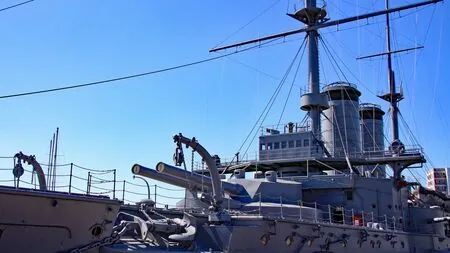
司馬遼太郎が『坂の上の雲』で描かなかった日露戦争の「銃後」とは。庶民の姿に光を当ててきた戦後歴史学との違いを見つめます。成田龍一氏の『司馬遼太郎の幕末・明治 『竜馬がゆく』と『坂の上の雲』を読む』から抜粋・編集してお届けします。
■描かれていないもの
『坂の上の雲』は、危機にあたるリーダーとサブリーダーの物語として描かれ、彼らの退場で幕を閉じました。
司馬は、物語のはじめで「私は日露戦争というものをこの物語のある時期から書こうとしている」といっていましたが、3人の指名された主人公のうち正岡子規が途中退場してからは、司馬が描いたのは戦闘に焦点をあわせての日露戦争でした。
秋山好古・真之の兄弟と彼らが所属する陸軍・海軍の組織の物語となり、このために、日露戦争の「銃後」(この言葉は、この時代にできました)の人びとの顔はみえてこず、秋山兄弟の妻たちでさえ、戦時中には登場しません。 この時期の新聞に日露戦争の様相とともに掲げられている「銃後」の表情は、司馬の関心外であり、『坂の上の雲』には描かれなかったことです。一家の働き手を失い貧窮する留守家族をはじめ、日露戦争ゆえに「日本国内」で起こっていた社会問題には、まったく言及されないこととなりました。
司馬は「日本の戦時財政」はうまくいき、「奇蹟的」に「物価高という戦時の悪現象をおさえることができた」と言い切ります。 しかし、司馬自身、物価は2〜20パーセント上がったと言っていますし、日露戦争時には増税がありました。 司馬は増税案の通過を「民族的実感としては祖国戦争であった」ということの「証拠のひとつ」としてあげていますが、地租が増徴され、営業税、通行税や毛織物消費税、砂糖消費税が新設された具体相や、中小商工業者までもが増税の反対運動を展開している動きは、関心から除外されています。また、煙草や塩が専売制になったことにも、ふれてはいません。
司馬は、日清戦争の叙述でも、「戦後」や講和条約についての記述はごくあっさりしていましたが、日露戦争においても同様です。 アメリカのポーツマスでむすばれた日露の講和条約の内容について記さないままに、『坂の上の雲』の物語を閉じています。そのため、ポーツマス講和条約の内容に不満をもった人びとが起こした暴動である日比谷焼き打ち事件について、まったく言及することはありませんでした。 日露戦争時の課税は大衆課税であり、そのしわ寄せを全身に受けることになった東京の人力車夫や日雇い、あるいは職人といった雑業者たちが、講和内容への不満をきっかけにして起こした、この焼き打ち事件=暴動は、警察だけではなく軍隊が出動し、戒厳令がしかれる大きな事件となりました。
日比谷公園に集まった人びとは、国民新聞社、外務省、首相官邸などに押しかけ、東京中の警察署や交番を焼き打ちにし、電車十数台に火をつけています。横浜や神戸でも、同様の暴動が起こるほか、講和反対の大会や集会は全国各地で開かれています。 この民衆暴動や非講和運動は、日露戦争と講和条約に対する不満が堆積していることを示していますが、司馬はこのいわば「国民」の分裂には言及しません。 ■日露戦争直前からあった「国民」の分裂
「国民」の分裂は、反戦論・非戦論というかたちで、日露戦争直前から見られました。 『万朝報』の記者であった幸徳秋水、堺利彦と内村鑑三が、『万朝報』が主戦論に転じたときに退社し、幸徳・堺は週刊『平民新聞』を創刊して反戦論を主張したことが、『坂の上の雲』では数行しか書かれていません。 与謝野晶子が『明星』(1904年9月)に「君死にたまふこと勿れ」を掲げ、大塚楠緒子が『太陽』(1905年1月)に「お百度詣」を載せたことには、『坂の上の雲』は言及しません。
与謝野は非戦の立場から詠ったのではないのですが、評論家・大町桂月が「国家観念」をないがしろにしたと論難する一幕もあり、ここでも日露戦争時の「国民」の分裂は顕わです。 司馬は組織内の分裂には敏感なのですが、こうした「国民」における対立と分裂――少数意見の存在や異議申し立て、告発といったことによって生ずる分裂と対抗については、描いていません。 ■司馬と戦後歴史学の間の「歴史認識」の隔たり また、日本海海戦で物語を終息させたために、日本による朝鮮の植民地化、満州への進出といったことが主題としては消失してしまいました。
司馬が忌避する昭和期の軍部の「暴走」は、日本が台湾、朝鮮や樺太を植民地化したことと不可分に関連していますが、『坂の上の雲』では日露戦争の「勝利」ゆえの蹉跌へと論が方向付けられ、植民地については語られないままになってしまいました。 たしかにポーツマス講和条約の締結から、「南満州鉄道株式会社」の設立(1906年)、台湾縦貫鉄道開通(1908-13年)、「日韓併合に関する条約」(「韓国併合に関する条約」)調印(1910年)などの動きは(『坂の上の雲』が対象とする)「小さな日本」の範囲を越えています。
しかし、日露戦争を主題とするということは、この範囲までを射程に入れて歴史像を描くということになるでしょう。戦闘の終了と戦争の終結、さらに歴史像として描かれる戦争の終期はそれぞれ異なっており、どの範囲までを射程に入れるかは、歴史を描く問題意識と構想力にほかなりません。 司馬の認識は、日露戦争の勝利が「かならずしも国家の質的部分に良質の結果をもたらさず」にあった、という点にあります。勝利のゆえに混迷の道に入ったということですが、昭和期までいかずとも、日露戦争後、いや戦中からすでに「戦勝」の矛盾がみられます。
これらは司馬が描かなかったことですが、(司馬とは逆に)戦後歴史学が力を注いできたのは、日露戦争がつくり出した矛盾と社会問題の局面です。 海野福寿『日清・日露戦争』は、「日露戦争の終結」という章のあとに「日露戦中・戦後」という章を設け、「戦争の犠牲」「増税につぐ増税」「日比谷焼き打ち事件」「地方改良運動」という節によって、銃後と社会運動の局面――都市と農村の困窮生活と反戦や生活圧迫からの社会運動を描いています。
さらに「朝鮮の植民地化」という章がつづき、「日露戦争と朝鮮」の節も設けられています。 司馬の歴史認識/歴史像と、歴史学の歴史認識/歴史像に、かかる開きがあることが、うかがいしれます。さきの日比谷での焼き打ち事件を戦後歴史学は「大正デモクラシー」の出発点とします。 「社会問題」を軸に、「(民衆)運動」と「政策」を描くことが戦後歴史学の関心であり、1960年代から70年代にかけても、歴史学は、「問題」を背負うがゆえに、対抗的に「運動」を担う主体としての「民衆」の発見に力を注いできました。
この記事の単語 (276)
×21
日露戦争
にちろせんそう
Russo-Japanese War (1904-5)
×16
司馬
しば
Minister of War (Zhou-dynasty China)
×12
描く
えがく
1. to draw; to paint; to sketch 2. to depict; to describe
×9
坂の上
さかのうえ
Sakanoue (unclass)
×7
戦後
せんご
postwar period; period after Second World War
×7
歴史学
れきしがく
(study of) history
×7
分裂
ぶんれつ
split; division; break up
×6
物語
ものがたり
tale; story; legend
×6
国民
こくみん
people (of a country); nation; citizen; national
×5
増税
ぞうぜい
tax increase
×5
講和条約
こうわじょうやく
peace treaty
×5
焼き打ち
やきうち
setting on fire; setting afire
×5
事件
じけん
event; affair; incident; case; plot; trouble; scandal
×4
銃後
じゅうご
the homefront
×4
故
ゆえ
reason; cause; circumstances
×4
言及
げんきゅう
reference; allusion
×4
暴動
ぼうどう
insurrection; rebellion; revolt; riot; uprising
×4
朝鮮
ちょうせん
Korea
×4
植民地
しょくみんち
1. colony 2. (immigrant) community
×4
像
ぞう
1. image; figure; statue; picture; portrait 2. figure; form; shape; appearance
×3
人々
ひとびと
1. people; men and women 2. each person; everybody
×3
戦時
せんじ
wartime
×3
関心
かんしん
concern; interest
×3
社会問題
しゃかいもんだい
social problem
×3
内容
ないよう
contents; content; substance; matter; detail; import
×3
不満
ふまん
dissatisfaction; discontent; displeasure; complaint; unhappiness
×3
日比谷
ひひたに
Hihitani (surname)
×3
講和
こうわ
reconciliation (between warring nations); (making of) peace
×3
民衆
みんしゅう
people; populace; masses
×3
歴史認識
れきしにんしき
historical awareness; understanding of history
×3
勝利
しょうり
victory; triumph; conquest; success; win
×3
範囲
はんい
extent; scope; sphere; range; span
×3
章
しょう
1. chapter; section 2. medal; badge; insignia
×2
退場
たいじょう
1. exit (from a stage); exeunt 2. leaving; exit
×2
閉じる
とじる
to close (e.g. book, eyes, meeting, etc.); to shut
×2
時期
じき
time; season; period; phase; stage
×2
戦闘
せんとう
battle; fight; combat
×2
掲げる
かかげる
1. to put up (a notice, sign, etc.); to hang out (e.g. a banner); to fly (e.g. a flag); to hoist; to raise; to display 2. to hold up high; to raise overhead
×2
起こる
おこる
to occur; to happen
×2
全く
まったく
1. really; truly; entirely; completely; wholly; perfectly 2. indeed
×2
消費税
しょうひぜい
consumption tax (incl. sales tax, VAT, excise duty, etc.)
×2
動き
うごき
1. movement; move; motion 2. trend; development; change; fluctuation
×2
日清
にっしん
First Sino-Japanese war (1894-1895)
×2
同様
どうよう
same; similar; (just) like; equal
×2
日露
にちろ
Japan and Russia; Russo-Japanese
×2
侭
まま
1. as it is; as one likes; because; as 2. condition; state
×2
起こす
おこす
1. to raise; to raise up; to set up; to pick up 2. to wake; to wake up; to waken; to awaken
×2
課税
かぜい
taxation
×2
東京
とうきょう
Tokyo
×2
直前
ちょくぜん
just before
×2
万朝
まあさ
Maasa (unclass)
×2
国家
こっか
state; country; nation
×2
対抗
たいこう
opposition; rivalry; competition; antagonism
×2
主題
しゅだい
subject; theme; motif
×2
昭和
しょうわ
1. Shōwa era (1926.12.25-1989.1.7) 2. reminiscent of the Shōwa era; Shōwa-nostalgic; old-fashioned; quaint; old-school
×2
期
き
1. period; time 2. opportunity; chance; occasion
×2
台湾
たいわん
Taiwan
×2
鉄道
てつどう
railroad; railway; rail transport
×2
関する
かんする
to concern; to be related
×2
条約
じょうやく
treaty; pact; convention; agreement
×2
射程
しゃてい
range (of a rifle, missile, etc.)
×2
終結
しゅうけつ
end; close
×2
戦中
せんちゅう
during the war
×2
矛盾
むじゅん
contradiction; inconsistency
×2
注ぐ
そそぐ
1. to pour (into) 2. to sprinkle on (from above); to water (e.g. plants); to pour onto; to spray
×2
局面
きょくめん
1. position in a game of go or shogi; state of the game 2. aspect of an affair; situation
×2
設ける
もうける
1. to prepare; to provide 2. to set up; to establish; to organize; to lay down (rules); to make (an excuse)
×2
節
ふし
1. joint; knuckle 2. tune; melody
×2
社会運動
しゃかいうんどう
social movement
×1
太郎
たろう
Tarō (masc)
×1
庶民
しょみん
common people; ordinary people; masses
×1
姿
すがた
1. figure; form; shape 2. appearance; dress; guise
×1
当てる
あてる
1. to hit 2. to expose
×1
違い
ちがい
1. difference; distinction; discrepancy 2. mistake; error
×1
見詰める
みつめる
to stare at; to gaze at; to look hard at; to watch intently; to fix one's eyes on
×1
成田龍一
なりたりゅういち
Narita Ryuuichi (person)
×1
司馬遼太郎
しばりょうたろう
Shiba Ryoutarou (1923.8.7-1996.2.12) (person)
×1
幕末
ばくまつ
closing days of the Tokugawa shogunate; end of Edo era
×1
明治
めいじ
Meiji era (1868.9.8-1912.7.30)
×1
竜馬
りゅうめ
1. splendid horse 2. promoted bishop
×1
粥
かゆ
1. thin rice porridge; watery cooked rice; rice gruel; congee 2. breakfast (in Zen temples)
×1
抜粋
ばっすい
extract; excerpt; selection
×1
編集
へんしゅう
editing; compilation
×1
危機
きき
crisis; critical situation; emergency; pinch
×1
当たる
あたる
1. to be hit; to strike 2. to touch; to be in contact; to be affixed
×1
幕
まく
1. curtain; bunting 2. act (in play)
×1
指名
しめい
1. naming; nominating; designating 2. calling on; asking for; requesting
×1
主人公
しゅじんこう
1. protagonist; main character; hero(ine) (of a story) 2. head of household
×1
正岡子規
まさおかしき
Masaoka Shiki (1867-1902) (person)
×1
焦点
しょうてん
focus (e.g. photographic); focal point
×1
合わせる
あわせる
1. to match (rhythm, speed, etc.) 2. to join together; to unite; to combine; to add up
×1
秋山好古
あきやまよしふる
Akiyama Yoshifuru (1859.2.9-1930.11.4) (person)
×1
真之
さねゆき
Saneyuki (given)
×1
所属
しょぞく
belonging to (a group, organization, etc.); affiliation (with); being attached to; being under the control of
×1
陸軍
りくぐん
army
×1
海軍
かいぐん
navy
×1
組織
そしき
1. organization; organisation; formation 2. structure; construction; setup; constitution
×1
秋山
あきやま
Akiyama (place; surname)
×1
さえ
1. even 2. (if) only; just; as long as
×1
登場
とうじょう
1. entry (on stage); appearance (on screen) 2. entrance; introduction (into a market)
×1
様相
ようそう
1. aspect; phase; condition 2. modality (philosophy)
×1
表情
ひょうじょう
1. facial expression; countenance 2. look; appearance; expression (vocal, etc.)
×1
一家
いっか
1. a family; a household; a home; one's family; whole family 2. (one's own) style; school
×1
働き手
はたらきて
1. worker; breadwinner; supporter 2. able person; able man; productive worker
×1
失う
うしなう
1. to lose 2. to miss (a change, opportunity)
×1
貧窮
ひんきゅう
great poverty
×1
日本国内
にほんこくない
Japanese domestic
×1
財政
ざいせい
1. public finance 2. financial affairs; financial situation
×1
旨い
うまい
1. skillful; skilful; clever; expert; wise; successful 2. delicious; appetizing; appetising; tasty
×1
奇跡
きせき
miracle; wonder; marvel
×1
物価高
ぶっかだか
high prices of commodities
×1
現象
げんしょう
phenomenon
×1
押さえる
おさえる
1. to pin down; to hold down; to press down 2. to cover (esp. a part of one's body with one's hand); to clutch (a body part in pain); to press (a body part)
×1
言い切る
いいきる
1. to declare; to assert; to state definitively 2. to finish saying; to say it all; to finish one's sentence
×1
自身
じしん
(one's) self; oneself
×1
物価
ぶっか
prices of commodities; prices (in general); cost-of-living
×1
上がる
あがる
1. to rise; to go up; to come up; to ascend; to be raised 2. to enter (esp. from outdoors); to come in; to go in
×1
案
あん
1. idea; plan; proposal; suggestion; (government) bill 2. draft; rough copy
×1
通過
つうか
1. passing through (a tunnel, station, town, etc.); passing by (e.g. of a typhoon); transit 2. passage (of a bill, e.g. through parliament); carriage
×1
民族的
みんぞくてき
ethnic; racial; national
×1
実感
じっかん
1. real feeling; actual feeling 2. to actually feel; to have a real feeling (that ...); to experience personally
×1
祖国
そこく
motherland; fatherland; native country
×1
証拠
しょうこ
evidence; proof
×1
地租
ちそ
land tax
×1
増徴
ぞうちょう
collection of additional taxes
×1
営業税
えいぎょうぜい
business tax
×1
通行税
つうこうぜい
toll
×1
毛織物
けおりもの
woollen material; woollen goods or fabric
×1
新設
しんせつ
establishing; founding; setting up; organizing; establishment
×1
具体
ぐたい
concrete; tangible; material
×1
商工業者
しょうこうぎょうしゃ
commercial and industrial men
×1
反対運動
はんたいうんどう
opposition movement
×1
展開
てんかい
1. development; evolution; progression; unfolding; (plot) twist 2. expansion; spreading out; extending; deployment; building up
×1
除外
じょがい
exception; exclusion
×1
タバコ
たばこ
1. tobacco; cigarette; cigaret; cigar 2. tobacco plant (Nicotiana tabacum)
×1
専売制
せんばいせい
monopoly system; government monopoly
×1
ふれる
1. to touch; to feel 2. to touch (with)
×1
叙述
じょじゅつ
description
×1
記述
きじゅつ
description; account
×1
極く
ごく
1. quite; very 2. 10^48; quindecillion
×1
あっさり
1. easily; readily; quickly; flatly (refuse) 2. lightly (seasoned food, applied make-up, etc.); plainly; simply
×1
結ぶ
むすぶ
1. to tie; to bind; to link 2. to bear (fruit)
×1
記す
しるす
1. to write down; to note; to jot down 2. to remember
×1
大衆
たいしゅう
general public; the masses
×1
皺寄せ
しわよせ
1. shifting (the burden) onto 2. ill effects; negative consequences; burden; strain; brunt; loss
×1
全身
ぜんしん
1. whole (body); full-length (e.g. portrait) 2. systemic
×1
人力
じんりき
human power; human strength; human effort; human agency
×1
車夫
しゃふ
rickshaw puller; rickshaw driver; rickshaw man
×1
日雇い
ひやとい
daily employment; hiring by the day; day laborer; day labourer
×1
或いは
あるいは
1. or; either ... or 2. maybe; perhaps; possibly
×1
職人
しょくにん
craftsman; artisan; tradesman; worker; workman
×1
雑
ざつ
1. rough; crude; sloppy; messy 2. miscellaneous
×1
業者
ぎょうしゃ
1. trader; dealer; businessman; vendor; supplier; manufacturer 2. fellow trader; people in the same trade
×1
切っ掛け
きっかけ
chance; start; cue; excuse; motive; impetus; occasion
×1
軍隊
ぐんたい
armed forces; military; troops
×1
出動
しゅつどう
sailing; marching; going out; dispatch
×1
戒厳令
かいげんれい
martial law
×1
叱る
しかる
to scold; to chide; to rebuke; to reprimand
×1
日比谷公園
ひびやこうえん
Hibiya Park (place)
×1
集まる
あつまる
to gather; to collect; to assemble
×1
外務省
がいむしょう
Ministry of Foreign Affairs
×1
首相官邸
しゅしょうかんてい
prime minister's official residence
×1
押し掛ける
おしかける
1. to go uninvited; to call on without an invitation; to barge in on; to gatecrash 2. to throng to; to crowd into; to converge upon; to pile in
×1
警察署
けいさつしょ
police station
×1
横浜
よこはま
Yokohama (city)
×1
神戸
こうべ
Kobe (city)
×1
大会
たいかい
1. mass meeting; convention; rally; conference; assembly; gathering 2. tournament; competition; contest; meet
×1
集会
しゅうかい
meeting; assembly; gathering; congregation; convention; rally
×1
全国各地
ぜんこくかくち
every region of the country; all corners of the country; nationwide
×1
非
ひ
1. fault; error; mistake 2. going poorly; being disadvantageous; being unfavorable
×1
堆積
たいせき
1. accumulation; pile; heap 2. sedimentation
×1
示す
しめす
1. to (take out and) show; to demonstrate; to tell; to exemplify; to make apparent 2. to point out (finger, clock hand, needle, etc.)
×1
言わば
いわば
so to speak; so to call it; as it were
×1
非戦論
ひせんろん
pacifism
×1
記者
きしゃ
reporter; journalist
×1
幸徳秋水
こうとくしゅうすい
Koutoku Shuusui (1871-1911) (person)
×1
堺利彦
さかいとしひこ
Sakai Toshihiko (1871.1.15-1933.1.23) (person)
×1
内村鑑三
うちむらかんぞう
Uchimura Kanzou (person)
×1
主戦論
しゅせんろん
war advocacy; jingoism; bellicose argument
×1
転じる
てんじる
to turn; to shift; to alter; to distract
×1
退社
たいしゃ
1. resignation; leaving office 2. leaving work (e.g. at the end of the day)
×1
幸徳
こうとく
Koutoku (place; surname)
×1
週刊
しゅうかん
weekly publication
×1
平民
へいみん
commoner; plebeian
×1
創刊
そうかん
launching (e.g. newspaper); first issue
×1
主張
しゅちょう
claim; insistence; assertion; advocacy; emphasis; contention; opinion; tenet
×1
与謝野晶子
よさのあきこ
Yosano Akiko (1878-1942) (person)
×1
明星
みょうじょう
1. morning star; Venus 2. preeminent person (within their own field); star (of the stage, silver screen, etc.)
×1
大塚楠緒子
おおつかくすおこ
Ootsuka Kusuoko (1875.8.9-1910.11.9) (person)
×1
太陽
たいよう
sun
×1
御百度
おひゃくど
hundred times worship (e.g. walking back and forth a hundred times before a shrine offering a prayer each time)
×1
参り
まいり
visit (to a religious site, e.g. shrine, temple, grave)
×1
乗せる
のせる
1. to place on (something) 2. to give (someone) a ride; to give a lift; to pick up; to help on board
×1
与謝野
よさの
Yosano (surname)
×1
立場
たちば
1. position; situation 2. viewpoint; standpoint; point of view
×1
評論家
ひょうろんか
critic; reviewer; commentator
×1
大町桂月
おおまちけいげつ
Oomachi Keigetsu (1869.3.6-1925.6.10) (person)
×1
観念
かんねん
1. idea; notion; concept; conception 2. sense (e.g. of duty)
×1
蔑ろ
ないがしろ
(a) slight; disrespect; making light (of); neglect
×1
論難
ろんなん
criticism; censure
×1
一幕
ひとまく
one act
×1
露わ
あらわ
1. exposed; scanty; bare; unconcealed; naked 2. public; open
×1
わ
われ
1. I; me 2. oneself
×1
敏感
びんかん
sensitive; alert; aware; susceptible
×1
対立
たいりつ
confrontation; opposition; antagonism
×1
少数意見
しょうすういけん
minority opinion
×1
存在
そんざい
existence; being
×1
異議
いぎ
objection; dissent; protest
×1
申し立てる
もうしたてる
to declare; to plead
×1
告発
こくはつ
indictment; prosecution; complaint
×1
生じる
しょうじる
1. to produce; to yield; to cause 2. to result from; to arise; to be generated
×1
隔たり
へだたり
distance; interval; gap; difference; estrangement
×1
海戦
かいせん
naval battle
×1
終息
しゅうそく
having ended; being resolved
×1
満州
まんしゅう
Manchuria
×1
進出
しんしゅつ
advance (into a new market or stage of progress); launching (a new career or venture); expanding (into a new market); stepping forward; emerging
×1
消失
しょうしつ
disappearance; vanishing; loss; dying away; wearing off
×1
忌避
きひ
1. evasion; avoidance; shirking 2. recusation (of a judge); taking exception (to a judge); challenge
×1
軍部
ぐんぶ
military authorities; army circles
×1
暴走
ぼうそう
1. acting rashly; running wildly; behaving recklessly; reckless driving; rampage 2. runaway (process)
×1
樺太
からふと
Karafuto (Japanese name for Sakhalin)
×1
不可分
ふかぶん
atomic; indivisibility
×1
関連
かんれん
relation; connection; relevance
×1
蹉跌
さてつ
failure; stumbling; setback
×1
論
ろん
1. argument; discussion; dispute; controversy; discourse; debate 2. theory (e.g. of evolution); doctrine
×1
方向
ほうこう
1. direction; orientation; bearing; way 2. course (e.g. of action)
×1
語る
かたる
1. to talk about; to speak of; to tell; to narrate 2. to recite; to chant
×1
締結
ていけつ
1. conclusion; execution (of a contract); entering (into treaty) 2. fastening (as in a joint)
×1
南満
なんまん
South Manchuria
×1
株式会社
かぶしきがいしゃ
stock company; corporation; kabushiki kaisha; KK
×1
設立
せつりつ
1. establishment; founding 2. incorporation (of a business)
×1
縦貫
じゅうかん
running through; traversal
×1
開通
かいつう
1. opening (of a new road, railway, etc.); going into operation (e.g. telephone communication); beginning services 2. reopening (e.g. a road to traffic); resumption of services
×1
日韓
にっかん
Japan and South Korea; Japanese-Korean
×1
併合
へいごう
merger; joining into one; amalgamation; melding; merging; annexation; absorption
×1
韓国併合
かんこくへいごう
annexation of Korea (by Japan; 1910-1945)
×1
調印
ちょういん
signature; signing; sealing
×1
対象
たいしょう
target; object (of worship, study, etc.); subject (of taxation, etc.)
×1
越える
こえる
1. to cross over; to cross; to pass through; to pass over (out of); to go beyond; to go past 2. to exceed; to surpass; to be more (than)
×1
終了
しゅうりょう
end; close; termination
×1
終期
しゅうき
ending; closing
×1
異なる
ことなる
to differ; to vary; to disagree
×1
問題意識
もんだいいしき
awareness of the issues; (having a) critical mind; concerns
×1
構想力
こうそうりょく
power of conception; conceptual ability
×1
認識
にんしき
recognition; awareness; perception; understanding; knowledge; cognition; cognizance; cognisance
×1
しも
1. frost 2. white hair; grey hair; gray hair
×1
質的
しつてき
qualitative
×1
部分
ぶぶん
portion; section; part
×1
良質
りょうしつ
good quality; fine quality; superior quality; high quality
×1
結果
けっか
1. result; consequence; outcome; effect 2. coming to fruition; bearing fruit
×1
齎す
もたらす
to bring; to take; to bring about
×1
混迷
こんめい
turmoil; chaos; confusion
×1
既に
すでに
already; too late
×1
戦勝
せんしょう
winning a war; victory
×1
逆
ぎゃく
1. reverse; opposite 2. converse (of a hypothesis, etc.)
×1
作り出す
つくりだす
1. to manufacture; to produce; to raise (crops) 2. to invent; to dream up; to create
×1
海野福寿
うんのふくじゅ
Unno Fukuju (person)
×1
犠牲
ぎせい
1. sacrifice; victim; scapegoat 2. sacrifice (to the gods)
×1
つぐ
1. to succeed (a person, to a position, etc.); to inherit; to take over; to follow 2. to patch (clothes); to mend; to repair
×1
地方
ちほう
1. district; region; area; locality 2. the country; countryside; the provinces; rural area
×1
改良
かいりょう
improvement; reform
×1
都市
とし
town; city; municipal; urban
×1
農村
のうそん
1. agricultural community; farm village 2. rural
×1
困窮
こんきゅう
1. poverty; need; destitution 2. having great difficulty with; struggling greatly with; being in distress
×1
反戦
はんせん
anti-war
×1
圧迫
あっぱく
1. pressure 2. oppression; suppression
×1
開き
ひらき
1. opening; gap 2. dried and opened fish
×1
窺い知る
うかがいしる
to perceive; to understand
×1
大正デモクラシー
たいしょうデモクラシー
Taishō democracy
×1
出発点
しゅっぱつてん
starting point; point of departure
×1
軸
じく
1. axis; shaft; axle 2. center; centre; focal point; key point
×1
政策
せいさく
political measures; policy
×1
背負う
せおう
1. to carry on one's back 2. to be burdened with; to take responsibility for
×1
担う
になう
1. to carry on one's shoulder; to shoulder; to bear 2. to bear (burden, responsibility, etc.); to take upon oneself
×1
主体
しゅたい
1. main constituent; core; nucleus 2. subject (philosophical); protagonist
×1
発見
はっけん
discovery; detection; finding