木原官房長官 “不測事態に備え 暫定予算案編成の方向で検討”
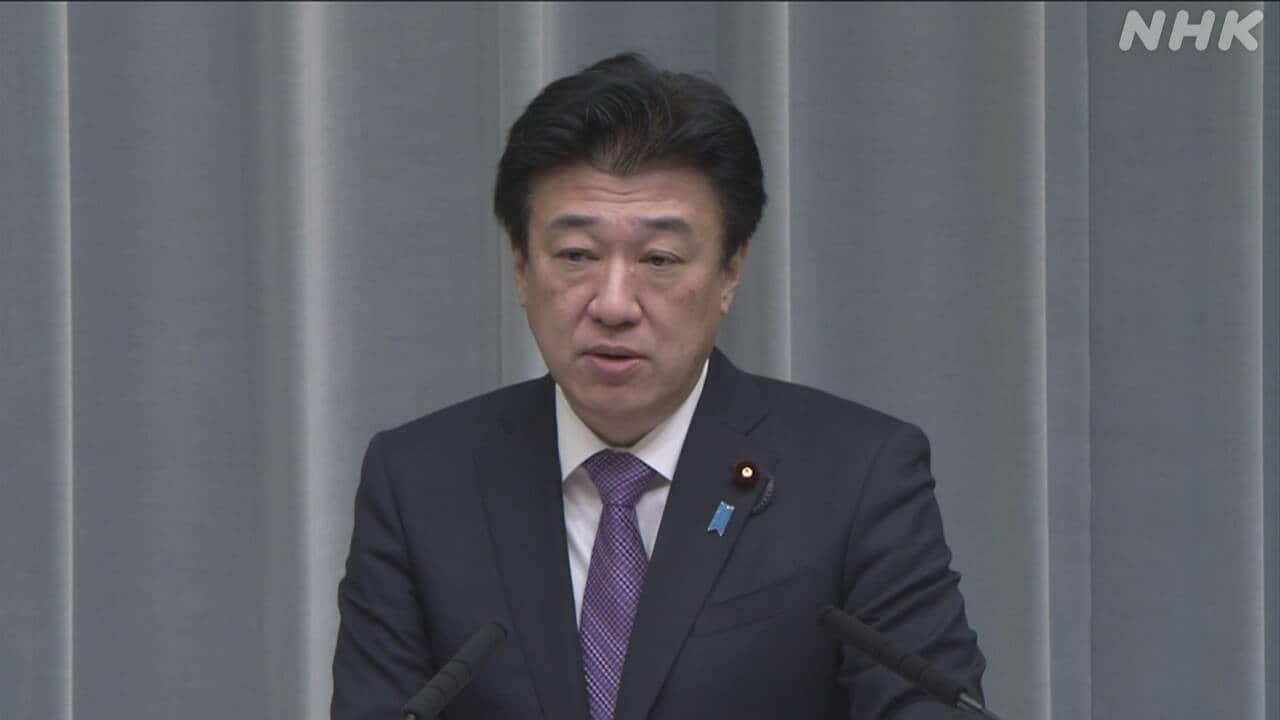
参議院で審議が続いている新年度予算案をめぐって、木原官房長官は、参議院自民党の幹部と会談し、年度末まで1週間余りとなる中、不測の事態に備えて暫定予算案を編成する方向で検討する考えを示しました。
新年度予算案は、参議院予算委員会で審議が続いていますが、年度末まで1週間余りとなる中、参議院で多数を占める野党側は、審議時間を確保すべきで年度内の成立は難しいと主張し、国民生活への影響を避けるため、暫定予算案を編成するよう強く求めています。
こうした中、木原官房長官は、23日午前、総理大臣官邸で、自民党の松山参議院議員会長や石井参議院幹事長らと会談し、松山氏は参議院での予算案などの審議状況を説明しました。
これに対して木原官房長官は「参議院の状況はよく理解できた」と述べ、年度内成立の目標は維持しつつも、不測の事態に備えて暫定予算案を編成する方向で検討する考えを示しました。
このあと松山氏は記者団に対し「予算の空白は許されず、暫定予算案の準備はしていく。ただ、年度内成立をあきらめたということではなく、日数を超えた場合や大きな災害などの不測の事態に備えておこうという話だ。野党にも協力してもらえると思う」と述べました。
木原官房長官は午前の記者会見で「松山参議院議員会長らから現在の参議院の状況について説明があり、『暫定予算案の準備が必要』との話があった。私からは『政府としては引き続き、新年度予算案と関連法案の年度内成立が必要と考えている』と申し上げ、さらに『不測の事態に備えて、暫定予算案を編成する方向で検討したい』とあわせて申し上げた」と述べました。
新年度予算案は、参議院予算委員会で審議が続いていますが、年度末まで1週間余りとなる中、参議院で多数を占める野党側は、審議時間を確保すべきで年度内の成立は難しいと主張し、国民生活への影響を避けるため、暫定予算案を編成するよう強く求めています。
こうした中、木原官房長官は、23日午前、総理大臣官邸で、自民党の松山参議院議員会長や石井参議院幹事長らと会談し、松山氏は参議院での予算案などの審議状況を説明しました。
これに対して木原官房長官は「参議院の状況はよく理解できた」と述べ、年度内成立の目標は維持しつつも、不測の事態に備えて暫定予算案を編成する方向で検討する考えを示しました。
このあと松山氏は記者団に対し「予算の空白は許されず、暫定予算案の準備はしていく。ただ、年度内成立をあきらめたということではなく、日数を超えた場合や大きな災害などの不測の事態に備えておこうという話だ。野党にも協力してもらえると思う」と述べました。
木原官房長官は午前の記者会見で「松山参議院議員会長らから現在の参議院の状況について説明があり、『暫定予算案の準備が必要』との話があった。私からは『政府としては引き続き、新年度予算案と関連法案の年度内成立が必要と考えている』と申し上げ、さらに『不測の事態に備えて、暫定予算案を編成する方向で検討したい』とあわせて申し上げた」と述べました。
Vocabulary
General
Proper noun
JLPT N2
JLPT N1
| # | 言葉 | 意味 |
|---|---|---|
| 10 | 予算案 | よさんあん (予算案) : draft budget |
| 8 | 参議院 | さんぎいん (参議院) : House of Councillors (upper house of the National Diet of Japan) |
| 6 | 暫定 | ざんてい (暫定) : provisional; temporary; tentative |
| 4 | 審議 | しんぎ (審議) : deliberation |
| 4 | 木原 | きのはら (木原) : Kinohara (surname) |
| 4 | 官房長官 | かんぼうちょうかん (官房長官) : 1. Chief Cabinet Secretary 2. Chief of Staff of the Presidency |
| 4 | 不測 | ふそく (不測) : unexpected; unforeseen; accidental |
| 4 | 事態 | じたい (事態) : situation; (present) state of affairs; circumstances |
| 4 | 備える | そなえる (備える) : 1. to furnish with; to equip with; to provide; to install 2. to prepare for; to make preparations for; to make provision for |
| 4 | 編成 | へんせい (編成) : composition; formation; organization; organisation; compilation |
| 4 | 成立 | せいりつ (成立) : 1. formation; establishment; materialization; coming into existence 2. conclusion (e.g. of a deal); reaching (e.g. an agreement); approval; completion; closing; enacting; arrangement |
| 4 | 松山 | まつやま (松山) : Matsuyama (city in Ehime) |
| 3 | 方向 | ほうこう (方向) : 1. direction; orientation; bearing; way 2. course (e.g. of action) |
| 3 | 検討 | けんとう (検討) : consideration; examination; investigation; study; scrutiny; discussion; analysis; review |
| 3 | 状況 | じょうきょう (状況) : state of affairs (around you); situation; circumstances |
| 3 | 述べる | のべる (述べる) : to state; to express; to mention |
| 2 | 自民党 | じみんとう (自民党) : Liberal Democratic Party; LDP |
| 2 | 会談 | かいだん (会談) : conversation; conference (usu. between important people); discussion; interview |
| 2 | 年度末 | ねんどまつ (年度末) : end of the fiscal year; end of the school year |
| 2 | 余り | あまり (余り) : 1. remainder; remnant; rest; balance; surplus; remains (of a meal); leftovers 2. (not) very; (not) much |
| 2 | 考え | かんがえ (考え) : 1. thinking; thought; view; opinion; concept 2. idea; notion; imagination |
| 2 | 示す | しめす (示す) : 1. to (take out and) show; to demonstrate; to tell; to exemplify; to make apparent 2. to point out (finger, clock hand, needle, etc.) |
| 2 | 野党 | やとう (野党) : opposition party; political opposition; opposition |
| 2 | 参議院議員 | さんぎいんぎいん (参議院議員) : member of the House of Councillors |
| 2 | 会長 | かいちょう (会長) : president (of a society); chairman |
| 2 | 申し上げる | もうしあげる (申し上げる) : 1. to say; to tell; to state; to express; to offer; to extend (greetings, congratulations, etc.) 2. to do |
| 1 | めぐる | めぐる (巡る) : 1. to go around 2. to return |
| 1 | 幹部 | かんぶ (幹部) : management; (executive) staff; leaders; leadership; top brass; upper echelons |
| 1 | 予算委員会 | よさんいいんかい (予算委員会) : 1. Budget Committee (of the Upper and Lower Houses of the Diet) 2. budget committee |
| 1 | 多数 | たすう (多数) : 1. large number (of); many 2. majority |
| 1 | 占める | しめる (占める) : 1. to occupy; to hold 2. to account for; to make up; to take up |
| 1 | 確保 | かくほ (確保) : 1. securing; obtaining; ensuring; guarantee; maintaining 2. belay; belaying |
| 1 | 主張 | しゅちょう (主張) : claim; insistence; assertion; advocacy; emphasis; contention; opinion; tenet |
| 1 | 国民 | こくみん (国民) : people (of a country); nation; citizen; national |
| 1 | 影響 | えいきょう (影響) : 1. influence; effect 2. to influence; to affect; to have an influence on; to impact; to have an effect on |
| 1 | 避ける | さける (避ける) : 1. to avoid (physical contact with) 2. to avoid (situation) |
| 1 | 求める | もとめる (求める) : 1. to want; to wish for 2. to request; to demand; to require; to ask for |
| 1 | 総理大臣 | そうりだいじん (総理大臣) : prime minister (as the head of a cabinet government); premier |
| 1 | 官邸 | かんてい (官邸) : official residence (e.g. of the prime minister) |
| 1 | 石井 | いしい (石井) : Ishii (place; surname; fem) |
| 1 | 幹事長 | かんじちょう (幹事長) : chief secretary (usu. of a party); secretary-general |
| 1 | 理解 | りかい (理解) : understanding; comprehension; appreciation; sympathy |
| 1 | 目標 | めじるし (目印) : 1. mark (for quick identification or recognition); sign 2. landmark; guide |
| 1 | 維持 | いじ (維持) : maintenance; preservation; improvement |
| 1 | 記者団 | きしゃだん (記者団) : press group; press corps; group of reporters; press organization; press organisation |
| 1 | 予算 | よさん (予算) : estimate; budget |
| 1 | 空白 | くうはく (空白) : 1. blank space (in documents) 2. vacuum; blank; void |
| 1 | 許す | ゆるす (許す) : 1. to permit; to allow; to approve; to consent to 2. to forgive; to pardon; to excuse; to tolerate |
| 1 | ただ | ただ (只) : 1. ordinary; common; usual 2. free of charge |
| 1 | あきらめる | あきらめる (諦める) : to give up; to abandon (hope, plans); to resign oneself (to) |
| 1 | 日数 | にっすう (日数) : a number of days |
| 1 | 超える | こえる (越える) : 1. to cross over; to cross; to pass through; to pass over (out of); to go beyond; to go past 2. to exceed; to surpass; to be more (than) |
| 1 | 災害 | さいがい (災害) : calamity; disaster; misfortune |
| 1 | 協力 | きょうりょく (協力) : cooperation; collaboration |
| 1 | 記者会見 | きしゃかいけん (記者会見) : press conference |
| 1 | 現在 | げんざい (現在) : now; current; present; present time; as of |
| 1 | 政府 | せいふ (政府) : government; administration |
| 1 | 引き続く | ひきつづく (引き続く) : to continue (for a long time); to occur in succession; to come next (e.g. on TV) |
| 1 | 関連法案 | かんれんほうあん (関連法案) : related bill |
| 1 | 考える | かんがえる (考える) : 1. to think (about, of); to think over; to ponder; to contemplate; to reflect (on); to meditate (on) 2. to consider; to bear in mind; to allow for; to take into consideration |
| 1 | あわせる | あわせる (会わせる) : 1. to make (someone) to meet; to let (someone) meet 2. to expose to; to subject to |