ハンタウイルス集団感染疑いの船 カナリア諸島で受け入れへ
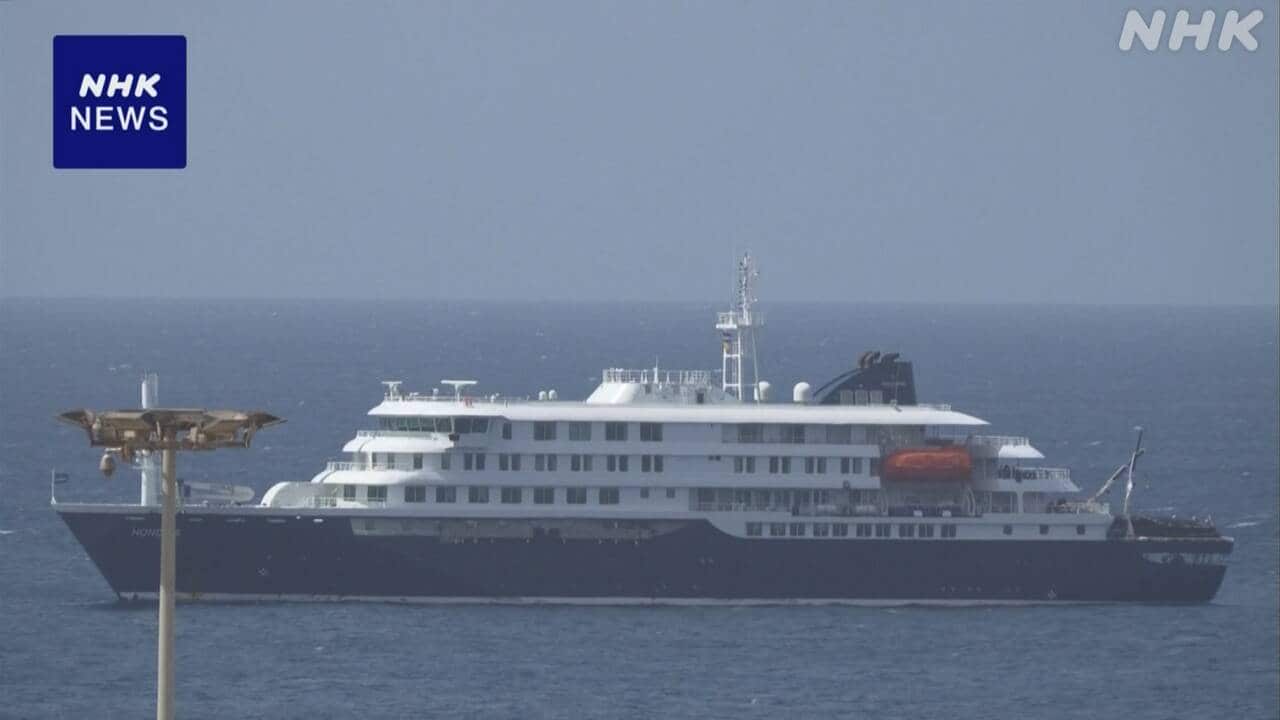
大西洋に停泊しているクルーズ船で「ハンタウイルス」の集団感染が疑われている問題で、スペインの保健当局は船を大西洋のカナリア諸島で受け入れると明らかにしました。そこで乗客・乗員の検査や治療を行った上で、それぞれの出身国に帰国させる方針だということです。
乗客・乗員、およそ150人を乗せて大西洋の島国、カボベルデ沖に停泊しているクルーズ船では、これまでに「ハンタウイルス」の感染が確認された人と感染の疑いのある人が合わせて7人となり、このうち3人が死亡しています。
このクルーズ船について、スペインの保健当局は5日、船を大西洋のカナリア諸島で受け入れると明らかにしました。
具体的な港は決まっていませんが、船は今後3日か4日でカナリア諸島に到着する見通しで、乗客・乗員の検査や治療を行った上で、それぞれの出身国に帰国させる方針だということです。
また、船の運航会社は、感染の疑いがある乗員2人について、緊急の治療の必要があるため、航空機でオランダに移送するとしています。
一方、WHO=世界保健機関は5日、ウイルスの感染経路について、乗客が船に乗る前や船が寄港した島で野生動物などから感染した疑いがあるとの見方を示す一方、夫婦などの濃厚接触者の間でヒトからヒトへの感染が起きた可能性も排除できないと発表しました。
ただ、ハンタウイルスは通常、ネズミなどのげっ歯類の排せつ物に接触することで感染し、ヒトからヒトへの感染はまれだとして、公衆へのリスクは低いとしています。
乗客・乗員、およそ150人を乗せて大西洋の島国、カボベルデ沖に停泊しているクルーズ船では、これまでに「ハンタウイルス」の感染が確認された人と感染の疑いのある人が合わせて7人となり、このうち3人が死亡しています。
このクルーズ船について、スペインの保健当局は5日、船を大西洋のカナリア諸島で受け入れると明らかにしました。
具体的な港は決まっていませんが、船は今後3日か4日でカナリア諸島に到着する見通しで、乗客・乗員の検査や治療を行った上で、それぞれの出身国に帰国させる方針だということです。
また、船の運航会社は、感染の疑いがある乗員2人について、緊急の治療の必要があるため、航空機でオランダに移送するとしています。
一方、WHO=世界保健機関は5日、ウイルスの感染経路について、乗客が船に乗る前や船が寄港した島で野生動物などから感染した疑いがあるとの見方を示す一方、夫婦などの濃厚接触者の間でヒトからヒトへの感染が起きた可能性も排除できないと発表しました。
ただ、ハンタウイルスは通常、ネズミなどのげっ歯類の排せつ物に接触することで感染し、ヒトからヒトへの感染はまれだとして、公衆へのリスクは低いとしています。
Vocabulary
General
Proper noun
JLPT N2
JLPT N1
| # | 言葉 | 意味 |
|---|---|---|
| 9 | 船 | ふね (船) : 1. ship; boat; watercraft; vessel; seaplane 2. tank; tub; vat; trough |
| 7 | 感染 | かんせん (感染) : infection; contagion; becoming infected |
| 4 | 乗客 | じょうきゃく (乗客) : passenger |
| 4 | 乗員 | じょういん (乗員) : crew |
| 3 | カナリア諸島 | カナリアしょとう (カナリア諸島) : Islas Canarias (place) |
| 3 | 治療 | ちりょう (治療) : (medical) treatment; care; therapy; cure; remedy |
| 3 | 疑い | うたがい (疑い) : doubt; question; uncertainty; skepticism; scepticism; suspicion; distrust |
| 2 | 大西 | おうにし (大西) : Ounishi (surname) |
| 2 | 停泊 | ていはく (停泊) : anchorage; anchoring; mooring |
| 2 | 保健 | ほけん (保健) : preservation of health; hygiene; sanitation |
| 2 | 当局 | とうきょく (当局) : 1. authorities; relevant authorities; authorities concerned 2. this office |
| 2 | 大西洋 | たいせいよう (大西洋) : Atlantic Ocean |
| 2 | 受け入れる | うけいれる (受け入れる) : to accept; to receive; to agree |
| 2 | 明らか | あきらか (明らか) : 1. clear; obvious; evident; plain; definite 2. bright; light |
| 2 | 検査 | けんさ (検査) : inspection (e.g. customs, factory); examination; scan (e.g. MRI, PET, etc.) |
| 2 | 帰国 | きこく (帰国) : return to one's country |
| 2 | 方針 | ほうしん (方針) : 1. policy; course; plan (of action); principle 2. magnetic needle |
| 1 | 集団感染 | しゅうだんかんせん (集団感染) : mass infection; infection outbreak; infection cluster |
| 1 | 疑う | うたがう (疑う) : to doubt; to distrust; to be suspicious of; to suspect |
| 1 | 乗せる | のせる (乗せる) : 1. to place on (something) 2. to give (someone) a ride; to give a lift; to pick up; to help on board |
| 1 | 島国 | しまぐに (島国) : island country |
| 1 | 沖 | おき (沖) : 1. open sea 2. Okinawa |
| 1 | 確認 | かくにん (確認) : confirmation; verification; validation; review; check; affirmation; identification |
| 1 | 合わせる | あわせる (合わせる) : 1. to match (rhythm, speed, etc.) 2. to join together; to unite; to combine; to add up |
| 1 | 死亡 | しぼう (死亡) : 1. death; mortality 2. to die; to pass away |
| 1 | 具体的 | ぐたいてき (具体的) : concrete; definite; specific; material; substantial |
| 1 | 決まる | きまる (決まる) : 1. to be decided; to be settled; to be fixed; to be arranged 2. to be unchanging; to be the same (as always); to be fixed; to be set |
| 1 | 今後 | こんご (今後) : from now on; hereafter |
| 1 | 到着 | とうちゃく (到着) : arrival |
| 1 | 見通し | みとおし (見通し) : 1. unobstructed view; perspective; visibility; vista 2. forecast; outlook; prospect; prediction |
| 1 | 運航 | うんこう (運航) : operating (e.g. ships, aircraft) |
| 1 | 緊急 | きんきゅう (緊急) : urgency; emergency |
| 1 | 航空機 | こうくうき (航空機) : aircraft |
| 1 | 移送 | いそう (移送) : transfer; transport; removal |
| 1 | 世界保健機関 | せかいほけんきかん (世界保健機関) : World Health Organization (Organisation); WHO |
| 1 | 感染経路 | かんせんけいろ (感染経路) : infection route; source of infection |
| 1 | 寄港 | きこう (寄港) : stopping at a port |
| 1 | 野生動物 | やせいどうぶつ (野生動物) : wild animal |
| 1 | 見方 | みかた (見方) : 1. viewpoint; point of view 2. way of understanding; way of appreciating; how to look at something (e.g. noh, train schedule) |
| 1 | 示す | しめす (示す) : 1. to (take out and) show; to demonstrate; to tell; to exemplify; to make apparent 2. to point out (finger, clock hand, needle, etc.) |
| 1 | 夫婦 | ふうふ (夫婦) : 1. married couple; husband and wife; man and wife 2. his and hers; pair of objects, one larger (for man), one smaller (for woman) |
| 1 | 濃厚接触者 | のうこうせっしょくしゃ (濃厚接触者) : close contact (person); high-risk contact |
| 1 | 起きる | おきる (起きる) : 1. to get up; to rise; to blaze up (fire) 2. to wake up; to be awake; to stay awake |
| 1 | 可能性 | かのうせい (可能性) : potentiality; likelihood; possibility; availability |
| 1 | 排除 | はいじょ (排除) : exclusion; removal; rejection; elimination; abatement; lifting (sanctions, etc.) |
| 1 | 発表 | はっぴょう (発表) : announcement; publication; presenting; statement; communique; making known; breaking (news story); expressing (one's opinion); releasing; unveiling |
| 1 | ただ | ただ (只) : 1. ordinary; common; usual 2. free of charge |
| 1 | 通常 | つうじょう (通常) : usual; ordinary; normal; regular; general; common |
| 1 | げっ | ゲッ : exclamation of surprised disappointment, disgust, or worry (yuck, ick, ack, eeew, crap!, blech, gross) |
| 1 | 類 | るい (類) : 1. kind; sort; type; class; genus; order; family 2. similar example; parallel; the like |
| 1 | 排せつ物 | はいせつぶつ (排泄物) : excretion; discharge; excrement |
| 1 | 接触 | せっしょく (接触) : touch; contact |
| 1 | まれ | まれ (稀) : rare; seldom |
| 1 | 公衆 | こうしゅう (公衆) : the public; general public |