「国家情報局」設置法案 衆院内閣委員会で賛成多数で可決
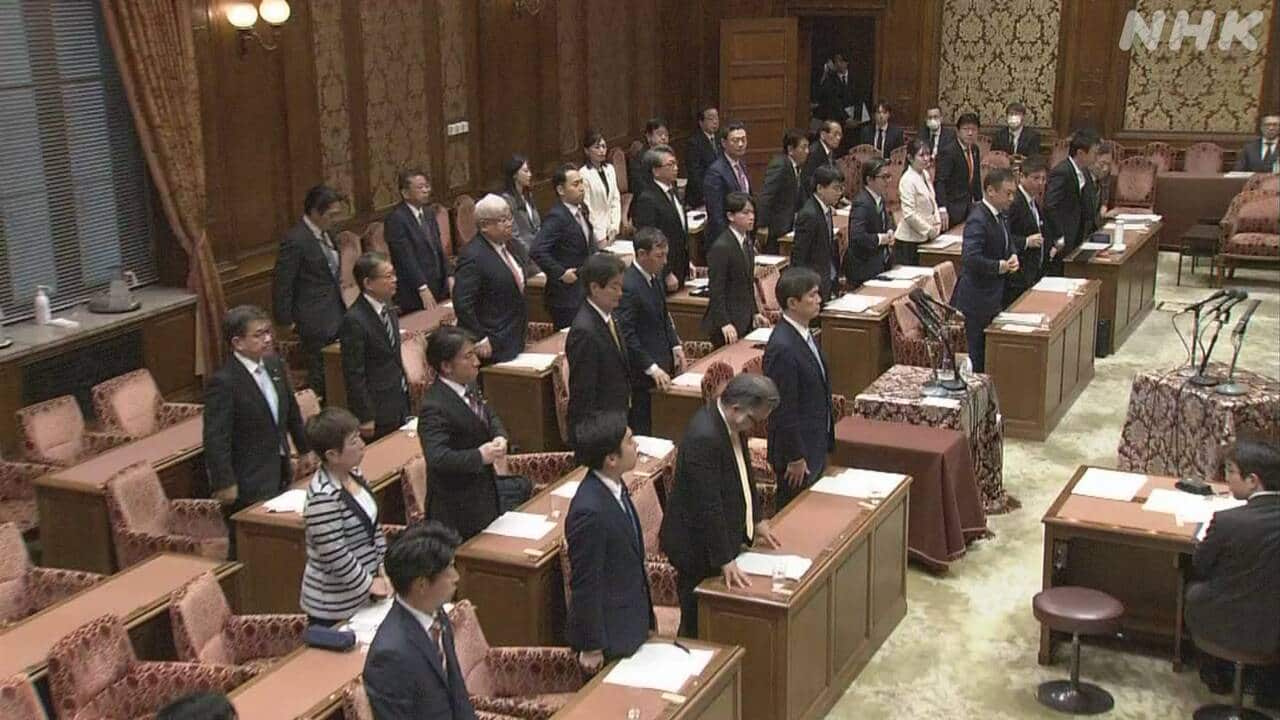
政府のインテリジェンス機能の強化に向けて「国家情報局」を設置する法案は衆議院内閣委員会で採決が行われ、自民・維新両党などの賛成多数で可決されました。与党側は23日の本会議で衆議院を通過させたい考えです。
衆議院内閣委員会では22日午後、「国家情報局」を設置する法案の質疑が行われ、木原官房長官は「昨今の国際環境は厳しいだけではなく、展開が早い。繁栄したわが国を将来世代に引き継ぐためには、インテリジェンスの司令塔機能の強化が必要だ」と述べました。
そして、採決の結果、法案は、自民・維新両党のほか、中道改革連合、国民民主党、参政党、チームみらいなどの賛成多数で可決されました。
また、政府に対し、個人情報やプライバシーが無用に侵害されることがないよう十分に配慮することや、政治的中立性を損なう情報収集を行わないことなどを求める付帯決議が賛成多数で可決されました。
一方、国民民主党が提出した、スパイ行為への対策を強化する法案は、22日の衆議院内閣委員会で採決が行われ、否決されました。
「国家情報局」について、政府は、治安や安全保障に関する情報の収集と分析にあたるインテリジェンス機能の司令塔と位置づけています。
政府は、安全保障環境が複雑化し、SNS上の偽情報の拡散など、国家間の「情報戦」が急速に活発化する中、対応を強化する必要があると説明しています。
法案では、現在、警察庁や公安調査庁、外務省、防衛省など各省庁がそれぞれ別々に収集している情報を一元化して分析にあたる総合調整権限を持たせるとしていて、これにより、政府全体のインテリジェンス機能を強化する狙いがあります。
「国家情報局」は、総理大臣を議長に官房長官や外務大臣など関係閣僚で構成される「国家情報会議」のもとに置かれ、新設される国家情報局長は、外交・安全保障の司令塔を担う国家安全保障局の局長と同格となります。
そして、政府は、設置後、情報収集・分析活動の指針となる初めての「国家情報戦略」を策定する方針です。
衆議院内閣委員会では、「国家情報局」の政治的中立性などをめぐって質疑が行われ、高市総理大臣は「総理大臣として特定の党派を利する目的で情報の収集や集約を命ずることは決してない」と述べました。
また、政府の政策に反対するデモや集会に参加したことのみを理由に市民が調査の対象になることは想定されないという認識を示しました。
さらに、高市総理大臣は情報収集の目的をめぐり「スキャンダルに関するマスコミや野党の追及をかわす目的だけで情報活動を行うことは現在も想定されないし、今後もない」と強調しました。
衆議院内閣委員会では22日午後、「国家情報局」を設置する法案の質疑が行われ、木原官房長官は「昨今の国際環境は厳しいだけではなく、展開が早い。繁栄したわが国を将来世代に引き継ぐためには、インテリジェンスの司令塔機能の強化が必要だ」と述べました。
そして、採決の結果、法案は、自民・維新両党のほか、中道改革連合、国民民主党、参政党、チームみらいなどの賛成多数で可決されました。
また、政府に対し、個人情報やプライバシーが無用に侵害されることがないよう十分に配慮することや、政治的中立性を損なう情報収集を行わないことなどを求める付帯決議が賛成多数で可決されました。
一方、国民民主党が提出した、スパイ行為への対策を強化する法案は、22日の衆議院内閣委員会で採決が行われ、否決されました。
「国家情報局」について、政府は、治安や安全保障に関する情報の収集と分析にあたるインテリジェンス機能の司令塔と位置づけています。
政府は、安全保障環境が複雑化し、SNS上の偽情報の拡散など、国家間の「情報戦」が急速に活発化する中、対応を強化する必要があると説明しています。
法案では、現在、警察庁や公安調査庁、外務省、防衛省など各省庁がそれぞれ別々に収集している情報を一元化して分析にあたる総合調整権限を持たせるとしていて、これにより、政府全体のインテリジェンス機能を強化する狙いがあります。
「国家情報局」は、総理大臣を議長に官房長官や外務大臣など関係閣僚で構成される「国家情報会議」のもとに置かれ、新設される国家情報局長は、外交・安全保障の司令塔を担う国家安全保障局の局長と同格となります。
そして、政府は、設置後、情報収集・分析活動の指針となる初めての「国家情報戦略」を策定する方針です。
衆議院内閣委員会では、「国家情報局」の政治的中立性などをめぐって質疑が行われ、高市総理大臣は「総理大臣として特定の党派を利する目的で情報の収集や集約を命ずることは決してない」と述べました。
また、政府の政策に反対するデモや集会に参加したことのみを理由に市民が調査の対象になることは想定されないという認識を示しました。
さらに、高市総理大臣は情報収集の目的をめぐり「スキャンダルに関するマスコミや野党の追及をかわす目的だけで情報活動を行うことは現在も想定されないし、今後もない」と強調しました。
Vocabulary
General
Proper noun
JLPT N2
JLPT N1
| # | 言葉 | 意味 |
|---|---|---|
| 9 | 情報 | じょうほう (情報) : 1. information; news; intelligence; advices 2. information; data contained in characters, signals, code, etc. |
| 8 | 国家 | こっか (国家) : state; country; nation |
| 7 | 政府 | せいふ (政府) : government; administration |
| 6 | 情報局 | じょうほうきょく (情報局) : 1. intelligence agency; intelligence bureau 2. Cabinet Intelligence Bureau (1940-1945) |
| 6 | 収集 | しゅうしゅう (収集) : 1. collecting; accumulating; gathering 2. collection (of art, stamps, insects, etc.) |
| 5 | 強化 | きょうか (強化) : strengthening; intensifying; reinforcement; enhancement; solidification |
| 5 | 法 | ほう (法) : 1. law; act; principle 2. method |
| 5 | 案 | あん (案) : 1. idea; plan; proposal; suggestion; (government) bill 2. draft; rough copy |
| 5 | 衆議院 | しゅうぎいん (衆議院) : House of Representatives (lower house of the National Diet of Japan) |
| 4 | 機能 | きのう (機能) : function; facility; faculty; feature |
| 4 | 内閣 | ないかく (内閣) : cabinet (of a government); ministry |
| 4 | 委員会 | いいんかい (委員会) : committee; commission; board; panel; committee meeting |
| 4 | 総理大臣 | そうりだいじん (総理大臣) : prime minister (as the head of a cabinet government); premier |
| 3 | 設置 | せっち (設置) : 1. establishment; institution 2. installation (of a machine or equipment) |
| 3 | 採決 | さいけつ (採決) : vote; ballot; division |
| 3 | 賛成多数 | さんせいたすう (賛成多数) : majority (vote) |
| 3 | 可決 | かけつ (可決) : approval; adoption (of a motion, bill, etc.); passage |
| 3 | 司令塔 | しれいとう (司令塔) : 1. control tower; conning tower 2. leader; commander; person calling the shots |
| 3 | 安全保障 | あんぜんほしょう (安全保障) : security guarantee (e.g. military security, network security, etc.) |
| 3 | 分析 | ぶんせき (分析) : analysis |
| 3 | 目的 | もくてき (目的) : purpose; goal; aim; objective; intention |
| 2 | 自民 | じみん (自民) : Liberal Democratic Party; LDP |
| 2 | 維新 | いしん (維新) : 1. reformation; revolution; renewal 2. Meiji Restoration |
| 2 | 両党 | りょうとう (両党) : both political parties |
| 2 | 質疑 | しつぎ (質疑) : 1. question 2. interpellation |
| 2 | 官房長官 | かんぼうちょうかん (官房長官) : 1. Chief Cabinet Secretary 2. Chief of Staff of the Presidency |
| 2 | 環境 | かんきょう (環境) : environment; circumstance |
| 2 | 述べる | のべる (述べる) : to state; to express; to mention |
| 2 | 国民 | こくみん (国民) : people (of a country); nation; citizen; national |
| 2 | 民主党 | みんしゅとう (民主党) : 1. Democratic Party (esp. DPJ or US Democratic Party) 2. Constitutional Democratic Party of Japan |
| 2 | 関する | かんする (関する) : to concern; to be related |
| 2 | あたる | あたる (当たる) : 1. to be hit; to strike 2. to touch; to be in contact; to be affixed |
| 2 | 現在 | げんざい (現在) : now; current; present; present time; as of |
| 2 | 活動 | かつどう (活動) : 1. activity (of a person, organization, animal, volcano, etc.); action 2. movie (esp. during the silent movie period) |
| 2 | めぐる | めぐる (巡る) : 1. to go around 2. to return |
| 2 | 高市 | こういち (高市) : Kouichi (surname) |
| 2 | 想定 | そうてい (想定) : hypothesis; supposition; assumption |
| 1 | 与党 | よとう (与党) : ruling party; government party; party in power; government |
| 1 | 本会議 | ほんかいぎ (本会議) : plenary session; regular session |
| 1 | 通過 | つうか (通過) : 1. passing through (a tunnel, station, town, etc.); passing by (e.g. of a typhoon); transit 2. passage (of a bill, e.g. through parliament); carriage |
| 1 | 考え | かんがえ (考え) : 1. thinking; thought; view; opinion; concept 2. idea; notion; imagination |
| 1 | 木原 | きのはら (木原) : Kinohara (surname) |
| 1 | 昨今 | さっこん (昨今) : nowadays; recently |
| 1 | 展開 | てんかい (展開) : 1. development; evolution; progression; unfolding; (plot) twist 2. expansion; spreading out; extending; deployment; building up |
| 1 | 繁栄 | はんえい (繁栄) : prosperity; thriving; flourishing |
| 1 | わが | わが (我が) : my; our; one's own |
| 1 | 世代 | せだい (世代) : generation; the world; the age |
| 1 | 引き継ぐ | ひきつぐ (引き継ぐ) : to take over; to hand over |
| 1 | 結果 | けっか (結果) : 1. result; consequence; outcome; effect 2. coming to fruition; bearing fruit |
| 1 | 中道 | ちゅうどう (中道) : 1. middle of the road; centrism; moderation; golden mean 2. the middle (of what one is doing); half-way |
| 1 | 改革 | かいかく (改革) : reform; reformation; reorganization |
| 1 | 連合 | れんごう (連合) : 1. union; alliance; combination 2. RENGO (Japanese Trade Union Confederation) |
| 1 | 参政 | さんせい (参政) : participation in government |
| 1 | 個人情報 | こじんじょうほう (個人情報) : personal information |
| 1 | 無用 | むよう (無用) : 1. useless; futile 2. unnecessary; needless |
| 1 | 侵害 | しんがい (侵害) : infringement; violation; invasion; encroachment; trespass |
| 1 | 配慮 | はいりょ (配慮) : consideration; concern; attention; thoughtfulness; making arrangements; care; trouble |
| 1 | 求める | もとめる (求める) : 1. to want; to wish for 2. to request; to demand; to require; to ask for |
| 1 | 付帯決議 | ふたいけつぎ (付帯決議) : supplementary (additional) resolution |
| 1 | 提出 | ていしゅつ (提出) : presentation (of documents); submission (of an application, report, etc.); production (e.g. of evidence); introduction (e.g. of a bill); filing; turning in |
| 1 | 行為 | こうい (行為) : act; deed; conduct |
| 1 | 対策 | たいさく (対策) : measure; step; countermeasure; counterplan; countermove; strategy; preparation (e.g. for a test) |
| 1 | 否決 | ひけつ (否決) : rejection; negation; voting down |
| 1 | 治安 | ちあん (治安) : public order |
| 1 | 位置 | いち (位置) : place; situation; position; location |
| 1 | 複雑化 | ふくざつか (複雑化) : complication |
| 1 | 偽情報 | にせじょうほう (偽情報) : disinformation; false information |
| 1 | 拡散 | かくさん (拡散) : scattering; diffusion; spread (e.g. signal across the spectrum) |
| 1 | 国家間 | こっかかん (国家間) : cross-national |
| 1 | 急速 | きゅうそく (急速) : rapid (e.g. progress) |
| 1 | 活発化 | かっぱつか (活発化) : increase in activity; activation |
| 1 | 対応 | たいおう (対応) : 1. correspondence (to); equivalence 2. suitability; coordination; matching; being appropriate (for) |
| 1 | 警察庁 | けいさつちょう (警察庁) : National Police Agency |
| 1 | 公安調査庁 | こうあんちょうさちょう (公安調査庁) : (Japanese) Public Security Intelligence Agency |
| 1 | 外務省 | がいむしょう (外務省) : Ministry of Foreign Affairs |
| 1 | 防衛省 | ぼうえいしょう (防衛省) : Ministry of Defense |
| 1 | 各 | かく (各) : each; every; all |
| 1 | 省庁 | しょうちょう (省庁) : ministries and government offices; the authorities |
| 1 | 別々 | べつべつ (別々) : separate; respective |
| 1 | 一元化 | いちげんか (一元化) : unification; centralization; centralisation |
| 1 | 総合 | そうごう (総合) : 1. synthesis; coordination; putting together; integration; composite 2. comprehensive |
| 1 | 調整 | ちょうせい (調整) : adjustment; regulation; coordination; reconciliation; tuning; fixing; tailoring |
| 1 | 権限 | けんげん (権限) : power; authority; jurisdiction |
| 1 | 持つ | もつ (持つ) : 1. to hold (in one's hand); to take; to carry 2. to possess; to have; to own |
| 1 | 全体 | ぜんたい (全体) : whole; entirety; whatever (is the matter) |
| 1 | 狙い | ねらい (狙い) : aim |
| 1 | 議長 | ぎちょう (議長) : chair; chairman; chairperson; speaker (of an assembly); president (of a council, senate, etc.) |
| 1 | 外務大臣 | がいむだいじん (外務大臣) : Minister for Foreign Affairs |
| 1 | 閣僚 | かくりょう (閣僚) : cabinet ministers |
| 1 | 構成 | こうせい (構成) : composition; construction; formation; makeup; structure; organization; organisation |
| 1 | もと | もと (元) : 1. origin; source 2. base; basis; foundation; root |
| 1 | 新設 | しんせつ (新設) : establishing; founding; setting up; organizing; establishment |
| 1 | 外交 | がいこう (外交) : 1. diplomacy 2. selling (e.g. door-to-door); canvassing |
| 1 | 担う | になう (担う) : 1. to carry on one's shoulder; to shoulder; to bear 2. to bear (burden, responsibility, etc.); to take upon oneself |
| 1 | 国家安全保障局 | こっかあんぜんほしょうきょく (国家安全保障局) : National Security Agency (of the United States); NSA (organization) |
| 1 | 局長 | きょくちょう (局長) : bureau director; office chief |
| 1 | 同格 | どうかく (同格) : 1. the same rank; equality 2. apposition |
| 1 | 指針 | ししん (指針) : 1. needle (compass, gauge, etc.); hand (clock); indicator; pointer; index 2. guiding principle; guideline; guide |
| 1 | 戦略 | せんりゃく (戦略) : strategy; tactics |
| 1 | 策定 | さくてい (策定) : formulation (of a plan, policy, etc.); decision; settling on |
| 1 | 方針 | ほうしん (方針) : 1. policy; course; plan (of action); principle 2. magnetic needle |
| 1 | 特定 | とくてい (特定) : 1. specific; particular; designated; special 2. specifying; designating; identifying; pinpointing |
| 1 | 党派 | とうは (党派) : faction; party; clique |
| 1 | 利する | りする (利する) : 1. to profit; to benefit from 2. to take advantage of; to make good use of |
| 1 | 集約 | しゅうやく (集約) : 1. intensiveness 2. collecting; summarizing; putting together; aggregating; integrating |
| 1 | 命ずる | めいずる (命ずる) : 1. to order; to command 2. to appoint |
| 1 | 政策 | せいさく (政策) : political measures; policy |
| 1 | 集会 | しゅうかい (集会) : meeting; assembly; gathering; congregation; convention; rally |
| 1 | 参加 | さんか (参加) : participation; joining; entry; adherence |
| 1 | のみ | のみ : only; nothing but |
| 1 | 調査 | ちょうさ (調査) : investigation; examination; inquiry; enquiry; survey |
| 1 | 対象 | たいしょう (対象) : target; object (of worship, study, etc.); subject (of taxation, etc.) |
| 1 | 認識 | にんしき (認識) : recognition; awareness; perception; understanding; knowledge; cognition; cognizance; cognisance |
| 1 | 示す | しめす (示す) : 1. to (take out and) show; to demonstrate; to tell; to exemplify; to make apparent 2. to point out (finger, clock hand, needle, etc.) |
| 1 | 野党 | やとう (野党) : opposition party; political opposition; opposition |
| 1 | 追及 | ついきゅう (追及) : 1. investigation (e.g. into someone's guilt); questioning; pressing; hounding; pinning down 2. catching up; overtaking |
| 1 | 今後 | こんご (今後) : from now on; hereafter |
| 1 | 強調 | きょうちょう (強調) : emphasis; highlight; stress; stressed point |