【動画も】東日本大震災15年 宮城 岩手 福島など各県で追悼の式典 高校生のことば 遺族の訴えは
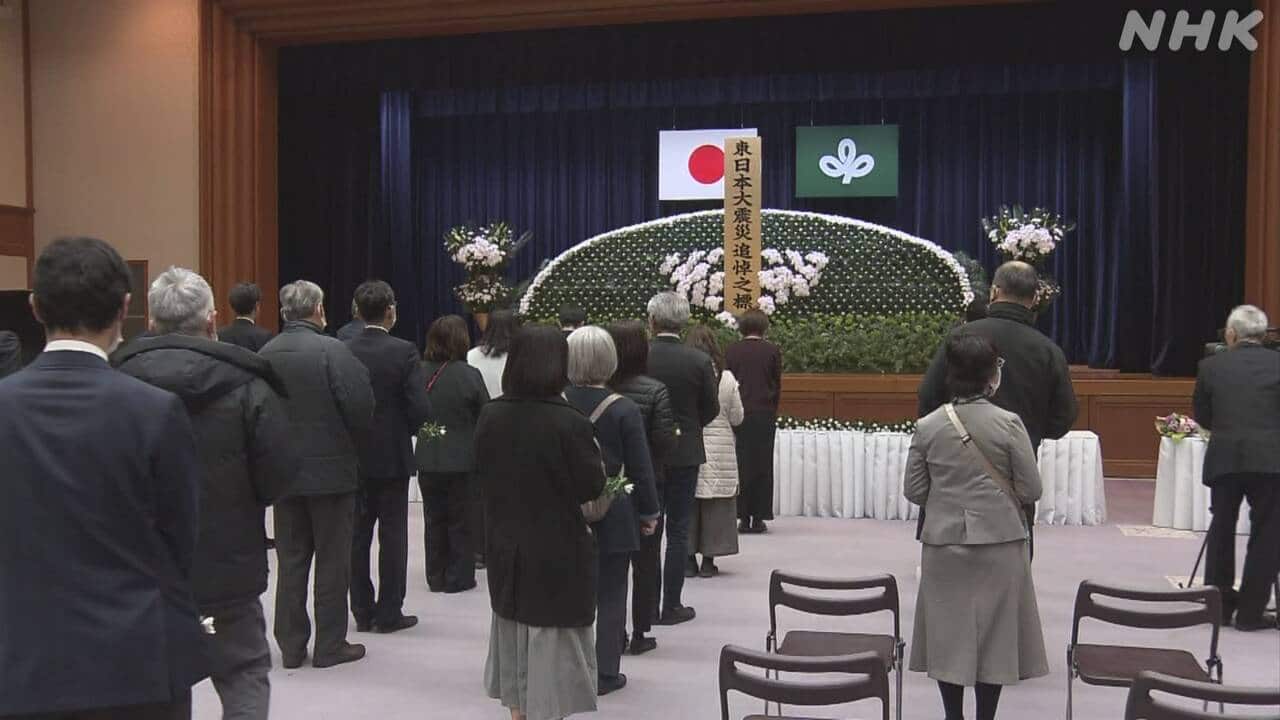
東日本大震災と東京電力福島第一原子力発電所の事故の発生から15年の11日、宮城・岩手・福島などの各県で追悼の式典が開かれ、参加者たちが犠牲になった人を悼みました。
この中で村井知事は「復興の先にある、発展する宮城の姿を国内外に広く発信します。私たちが経験した悲しみを二度と繰り返すことのないよう震災の経験を未来に伝え継いでまいります」と追悼のことばを述べました。
そして、震災の発生当時は2歳だった多賀城高校災害科学科2年の板橋恵愛さんが「震災を経験している最後の年代の1人として、記憶と学びを伝えていく責任があると感じています。これからも震災の記憶と教訓を風化させることなく、命の尊さや、人と人とが支え合うことの大切さを胸に、自分にできる形で伝承活動に向き合っていきたい」と述べました。
村井知事は追悼行事に先立ち、記者団の取材に応じ「震災の記憶を次の世代に伝え継いでいくことは非常に重要なことだ。デジタル技術の活用など、真剣に考えていきたい」と話していました。
岩手県が主催する追悼式が盛岡市で開かれ、およそ300人が参列して犠牲者に祈りをささげました。
県の追悼式は、盛岡市にある岩手県民会館で開かれ、復旧や復興に関わってきた人たちなどおよそ300人が参列しました。
地震が発生した午後2時46分に合わせて全員で黙とうし、犠牲になった人たちに祈りをささげました。
岩手県の達増知事が「15年という年月が経過し、震災を経験していない世代が増えている。震災の事実と教訓を未来に伝承していくことは、今後ますます重要になる。大きな犠牲のもとで学んだ教訓を決して忘れることなく次の世代に語り継ぎ、ふるさと岩手を築いていくことを誓う」とあいさつしました。
続いて震災の語り部活動を行っている釜石高校2年の森真心さんが次世代を担う若者としてメッセージを読み上げ、「当時は2歳で鮮明な記憶はないが、震災を経験した方々の教訓や当時の記憶を決して色あせることのないように、語り継いでいきたいと強く思う」と述べました。
式典に出席した牧野復興大臣は記者団に対し「15年がたち、ハード面の整備はほぼ完了したと思うが、心のケアなどについては中長期的な視点で対応しなければいけない。われわれ復興庁が窓口となり、最大限支援していく」と話していました。
福島市で開かれた県の追悼復興祈念式には高市総理大臣や内堀知事のほか、遺族などおよそ400人が出席し、地震が発生した午後2時46分にあわせて全員で黙とうしました。
式では遺族を代表して、浪江町で同居していた父親を津波で亡くした鈴木祥高さん(43)が「私の中には今もあの日から秒針が止まったままの時計があります。あの日起きたことはすべて、夢だったのではないか。そんな思いが消えることはありません」と述べました。
そして原発事故について「津波から逃げ延びた命やあのがれきの下に助けを求めていた声があったかもしれない。それなのに放射能という見えない壁に阻まれて救助の手が届かず、あの時の命に対する悔しさ、無念さは、15年経った今も、決して癒えることはありません」と述べました。
最後に鈴木さんは「実際に被害に遭った者にしかわからない痛みや、理屈では割り切れない思いが、今もここに存在します。どうか、現場の小さな声、被災者一人ひとりの心の震えにこれからも耳を傾け続けてください。福島を、過去の出来事として片付けないでください」と訴えました。
式典の中で高市総理大臣は「最愛のご家族やご親族、ご友人を失われた方々の気持ちを思うと、哀惜の念に堪えない」と述べました。
その上で、地震や津波の被害からの復興は着実に進展しているとする一方、原子力災害については中長期的な対応が必要だとして、国が前面に立って着実な廃炉や住民の帰還に向けた生活環境の整備、「福島イノベーション・コースト構想」を通じた産業集積の取り組みなどを進める考えを示しました。
また、除染で取り除かれた土などの再生利用と福島県外での最終処分について「段階的に、2030年以降の道筋を具体化させていく」と述べました。
そして来月から「第3期復興・創生期間」が始まるとして「さまざまな課題について、まずは次の5年間で何としても解決していくという強い決意で、被災地の復興に全力を尽くしていく」と強調しました。
さらに「大きな犠牲のもとに得られた貴重な教訓を決して風化させることなく、後世に継承していく。震災の経験をいかし、徹底した事前防災の推進や、災害対応の司令塔となる防災庁をことし中に設置すべく準備を加速し、災害に強い国づくりを進めていく」と述べました。
この中で村井知事は「復興の先にある、発展する宮城の姿を国内外に広く発信します。私たちが経験した悲しみを二度と繰り返すことのないよう震災の経験を未来に伝え継いでまいります」と追悼のことばを述べました。
そして、震災の発生当時は2歳だった多賀城高校災害科学科2年の板橋恵愛さんが「震災を経験している最後の年代の1人として、記憶と学びを伝えていく責任があると感じています。これからも震災の記憶と教訓を風化させることなく、命の尊さや、人と人とが支え合うことの大切さを胸に、自分にできる形で伝承活動に向き合っていきたい」と述べました。
村井知事は追悼行事に先立ち、記者団の取材に応じ「震災の記憶を次の世代に伝え継いでいくことは非常に重要なことだ。デジタル技術の活用など、真剣に考えていきたい」と話していました。
岩手県が主催する追悼式が盛岡市で開かれ、およそ300人が参列して犠牲者に祈りをささげました。
県の追悼式は、盛岡市にある岩手県民会館で開かれ、復旧や復興に関わってきた人たちなどおよそ300人が参列しました。
地震が発生した午後2時46分に合わせて全員で黙とうし、犠牲になった人たちに祈りをささげました。
岩手県の達増知事が「15年という年月が経過し、震災を経験していない世代が増えている。震災の事実と教訓を未来に伝承していくことは、今後ますます重要になる。大きな犠牲のもとで学んだ教訓を決して忘れることなく次の世代に語り継ぎ、ふるさと岩手を築いていくことを誓う」とあいさつしました。
続いて震災の語り部活動を行っている釜石高校2年の森真心さんが次世代を担う若者としてメッセージを読み上げ、「当時は2歳で鮮明な記憶はないが、震災を経験した方々の教訓や当時の記憶を決して色あせることのないように、語り継いでいきたいと強く思う」と述べました。
式典に出席した牧野復興大臣は記者団に対し「15年がたち、ハード面の整備はほぼ完了したと思うが、心のケアなどについては中長期的な視点で対応しなければいけない。われわれ復興庁が窓口となり、最大限支援していく」と話していました。
福島市で開かれた県の追悼復興祈念式には高市総理大臣や内堀知事のほか、遺族などおよそ400人が出席し、地震が発生した午後2時46分にあわせて全員で黙とうしました。
式では遺族を代表して、浪江町で同居していた父親を津波で亡くした鈴木祥高さん(43)が「私の中には今もあの日から秒針が止まったままの時計があります。あの日起きたことはすべて、夢だったのではないか。そんな思いが消えることはありません」と述べました。
そして原発事故について「津波から逃げ延びた命やあのがれきの下に助けを求めていた声があったかもしれない。それなのに放射能という見えない壁に阻まれて救助の手が届かず、あの時の命に対する悔しさ、無念さは、15年経った今も、決して癒えることはありません」と述べました。
最後に鈴木さんは「実際に被害に遭った者にしかわからない痛みや、理屈では割り切れない思いが、今もここに存在します。どうか、現場の小さな声、被災者一人ひとりの心の震えにこれからも耳を傾け続けてください。福島を、過去の出来事として片付けないでください」と訴えました。
式典の中で高市総理大臣は「最愛のご家族やご親族、ご友人を失われた方々の気持ちを思うと、哀惜の念に堪えない」と述べました。
その上で、地震や津波の被害からの復興は着実に進展しているとする一方、原子力災害については中長期的な対応が必要だとして、国が前面に立って着実な廃炉や住民の帰還に向けた生活環境の整備、「福島イノベーション・コースト構想」を通じた産業集積の取り組みなどを進める考えを示しました。
また、除染で取り除かれた土などの再生利用と福島県外での最終処分について「段階的に、2030年以降の道筋を具体化させていく」と述べました。
そして来月から「第3期復興・創生期間」が始まるとして「さまざまな課題について、まずは次の5年間で何としても解決していくという強い決意で、被災地の復興に全力を尽くしていく」と強調しました。
さらに「大きな犠牲のもとに得られた貴重な教訓を決して風化させることなく、後世に継承していく。震災の経験をいかし、徹底した事前防災の推進や、災害対応の司令塔となる防災庁をことし中に設置すべく準備を加速し、災害に強い国づくりを進めていく」と述べました。
Vocabulary
General
Proper noun
JLPT N2
JLPT N1
| # | 言葉 | 意味 |
|---|---|---|
| 10 | 震災 | しんさい (震災) : 1. earthquake disaster 2. Great Kanto Earthquake (1923) |
| 8 | 述べる | のべる (述べる) : to state; to express; to mention |
| 6 | 復興 | ふっこう (復興) : revival; reconstruction; restoration; rebuilding; recovery; renaissance |
| 5 | 記憶 | きおく (記憶) : 1. memory; recollection; remembrance 2. storage |
| 5 | 教訓 | きょうくん (教訓) : lesson; precept; teachings; moral |
| 4 | 発生 | はっせい (発生) : 1. outbreak; spring forth; occurrence; incidence 2. generation (e.g. of power or heat); genesis; origin |
| 4 | 福島 | ふくしま (福島) : Fukushima (city, prefecture) |
| 4 | 追悼 | ついとう (追悼) : mourning (dead persons); memorial |
| 4 | 開く | ひらく (開く) : 1. to open; to undo; to unseal; to unpack 2. to bloom; to unfold; to spread out |
| 4 | 犠牲 | ぎせい (犠牲) : 1. sacrifice; victim; scapegoat 2. sacrifice (to the gods) |
| 4 | 知事 | ちじ (知事) : prefectural governor |
| 4 | 災害 | さいがい (災害) : calamity; disaster; misfortune |
| 3 | 式典 | しきてん (式典) : ceremony; rites |
| 3 | 当時 | とうじ (当時) : at that time; in those days |
| 3 | 命 | いのち (命) : 1. life; life force 2. lifetime; lifespan |
| 3 | 世代 | せだい (世代) : generation; the world; the age |
| 3 | 岩手県 | いわてけん (岩手県) : Iwate prefecture (Tōhoku area) |
| 3 | 対応 | たいおう (対応) : 1. correspondence (to); equivalence 2. suitability; coordination; matching; being appropriate (for) |
| 3 | 津波 | つなみ (津波) : tsunami; tidal wave |
| 2 | 宮城 | きゅうじょう (宮城) : Imperial Palace (esp. from 1888 to 1946) |
| 2 | 岩手 | いわて (岩手) : Iwate (prefecture) |
| 2 | 村井 | むらい (村井) : Murai (place; surname) |
| 2 | 未来 | みらい (未来) : 1. the future (usually distant) 2. future tense |
| 2 | 風化 | ふうか (風化) : 1. weathering 2. fading (of memories) |
| 2 | 伝承 | でんしょう (伝承) : handing down (information); legend; tradition; folklore; transmission |
| 2 | 活動 | かつどう (活動) : 1. activity (of a person, organization, animal, volcano, etc.); action 2. movie (esp. during the silent movie period) |
| 2 | 記者団 | きしゃだん (記者団) : press group; press corps; group of reporters; press organization; press organisation |
| 2 | 重要 | じゅうよう (重要) : important; momentous; essential; principal; major |
| 2 | 追悼式 | ついとうしき (追悼式) : memorial services |
| 2 | 盛岡市 | もりおかし (盛岡市) : Morioka (city) (place) |
| 2 | 参列 | さんれつ (参列) : attendance; participation; presence |
| 2 | 祈り | いのり (祈り) : prayer; supplication |
| 2 | ささげる | ささげる (捧げる) : 1. to lift up; to hold up; to hold above eye level 2. to give; to offer; to consecrate |
| 2 | 県 | けん (県) : prefecture (Japan); county (China, Taiwan, Norway, etc.); department (France); province (Italy, Spain, etc.) |
| 2 | 全員 | ぜんいん (全員) : all members; all hands; everyone; everybody; whole crew |
| 2 | 黙とう | もくとう (黙とう) : silent prayer |
| 2 | もと | もと (元) : 1. origin; source 2. base; basis; foundation; root |
| 2 | 語り継ぐ | かたりつぐ (語り継ぐ) : to transmit; to hand down |
| 2 | 方々 | かたがた (方々) : 1. people; (all) persons; everyone; ladies and gentlemen 2. you (usu. plural) |
| 2 | 整備 | せいび (整備) : 1. maintenance; servicing 2. putting in place; establishment; development; preparation; provision; outfitting |
| 2 | 式 | しき (式) : 1. equation; formula; expression 2. ceremony |
| 2 | 高市 | こういち (高市) : Kouichi (surname) |
| 2 | 総理大臣 | そうりだいじん (総理大臣) : prime minister (as the head of a cabinet government); premier |
| 2 | 遺族 | いぞく (遺族) : bereaved family; surviving family; family of the deceased |
| 2 | 鈴木 | すすき (鈴木) : Susuki (surname) |
| 2 | 思い | おもい (思い) : 1. thought 2. imagination; mind; heart |
| 2 | 被害 | ひがい (被害) : (suffering) damage; injury; harm |
| 2 | 着実 | ちゃくじつ (着実) : steady; sound; solid; reliable; trustworthy |
| 2 | 進める | すすめる (進める) : 1. to advance; to move forward; to put (a clock, watch) forward 2. to carry forward (plans, work, etc.); to proceed with; to make progress in; to further; to advance; to hasten; to speed up |
| 2 | 防災 | ぼうさい (防災) : disaster preparedness; prevention of damage resulting from a natural disaster; protection against disaster |
| 1 | 東日本大震災 | ひがしにほんだいしんさい (東日本大震災) : Great East Japan earthquake (March 11, 2011); Tōhoku earthquake; Tohoku earthquake; Sendai earthquake |
| 1 | 東京電力 | とうきょうでんりょく (東京電力) : Tokyo Electric Power (company) |
| 1 | 福島第一原子力発電所 | ふくしまだいいちげんしりょくはつでんしょ (福島第一原子力発電所) : Fukushima I Nuclear Power Plant (place) |
| 1 | 各県 | かくけん (各県) : each prefecture; all prefectures |
| 1 | 参加者 | さんかしゃ (参加者) : participant; entrant |
| 1 | 悼む | いたむ (悼む) : to grieve over; to mourn; to lament |
| 1 | 発展 | はってん (発展) : 1. development; growth; expansion; extension; flourishing 2. development (of a situation, story, etc.); advancement; progression; unfolding |
| 1 | 姿 | すがた (姿) : 1. figure; form; shape 2. appearance; dress; guise |
| 1 | 国内外 | こくないがい (国内外) : domestic and foreign; inside and outside the country |
| 1 | 広く | ひろく (広く) : widely; far and wide; extensively; universally |
| 1 | 発信 | はっしん (発信) : 1. dispatch; despatch; transmission; submission 2. informing (e.g. of opinion); sharing (thoughts, etc.); telling |
| 1 | 私たち | わたしたち (私たち) : we; us |
| 1 | 悲しみ | かなしみ (悲しみ) : 1. sadness; sorrow; grief 2. affection; love |
| 1 | 繰り返す | くりかえす (繰り返す) : to repeat; to do something over again |
| 1 | 多賀城 | たがじょう (多賀城) : Tagajou (place) |
| 1 | 板橋 | いたばし (板橋) : wooden bridge (with planks) |
| 1 | 年代 | ねんだい (年代) : age; era; period; date |
| 1 | 学び | まなび (学び) : learning; study |
| 1 | 伝える | つたえる (伝える) : to convey; to report; to transmit; to communicate; to tell; to impart; to propagate; to teach; to bequeath |
| 1 | 責任 | せきにん (責任) : 1. duty; responsibility (incl. supervision of staff) 2. liability; onus |
| 1 | 感ずる | かんずる (感ずる) : to feel; to sense |
| 1 | 尊 | そん (尊) : 1. zun (ancient Chinese wine vessel, usu. made of bronze) 2. honorific prefix referring to the listener |
| 1 | 支え合う | ささえあう (支え合う) : to support each other; to support one another |
| 1 | 胸 | むね (胸) : 1. chest; breast 2. breasts; bosom; bust |
| 1 | 向き合う | むきあう (向き合う) : 1. to be opposite; to face each other 2. to confront (an issue); to face |
| 1 | 行事 | ぎょうじ (行事) : event; function |
| 1 | 先立つ | さきだつ (先立つ) : 1. to lead; to take the lead (in doing something) 2. to precede; to go before; to take precedence |
| 1 | 取材 | しゅざい (取材) : 1. news coverage; collecting data (e.g. for an article); covering (something for media) 2. interview |
| 1 | 応ずる | おうずる (応ずる) : 1. to answer; to respond; to meet 2. to satisfy; to accept |
| 1 | 非常 | ひじょう (非常) : 1. emergency 2. extraordinary; unusual |
| 1 | 活用 | かつよう (活用) : 1. practical use; application 2. conjugation; inflection |
| 1 | 真剣 | しんけん (真剣) : 1. serious; earnest 2. real sword (as opposed to a wooden practice weapon) |
| 1 | 考える | かんがえる (考える) : 1. to think (about, of); to think over; to ponder; to contemplate; to reflect (on); to meditate (on) 2. to consider; to bear in mind; to allow for; to take into consideration |
| 1 | 主催 | しゅさい (主催) : sponsorship (i.e. conducting under one's auspices); promotion; organizing; organising; hosting; staging |
| 1 | 犠牲者 | ぎせいしゃ (犠牲者) : victim |
| 1 | 復旧 | ふっきゅう (復旧) : restoration; restitution; rehabilitation |
| 1 | 関わる | かかわる (関わる) : 1. to be affected; to be influenced 2. to be concerned with; to have to do with |
| 1 | 合わせる | あわせる (合わせる) : 1. to match (rhythm, speed, etc.) 2. to join together; to unite; to combine; to add up |
| 1 | 達増 | たっそ (達増) : Tasso (surname) |
| 1 | 年月 | としつき (年月) : months and years |
| 1 | 経過 | けいか (経過) : 1. passage (of time); elapsing; lapse 2. progress; development; course (of events) |
| 1 | 増える | ふえる (増える) : to increase; to multiply |
| 1 | 事実 | じじつ (事実) : fact; truth; reality |
| 1 | 今後 | こんご (今後) : from now on; hereafter |
| 1 | ますます | ますます (益々) : increasingly; more and more; decreasingly (when declining); less and less |
| 1 | 学ぶ | まなぶ (学ぶ) : to study (in depth); to learn; to take lessons in |
| 1 | ふるさと | ふるさと (故郷) : 1. home town; birthplace; native place; one's old home 2. ruins; historic remains |
| 1 | 築く | きずく (築く) : 1. to build; to construct; to erect 2. to amass (e.g. fortune); to pile up |
| 1 | 誓う | ちかう (誓う) : to swear; to vow; to take an oath; to pledge |
| 1 | 語り部 | かたりべ (語り部) : 1. (professional) storyteller 2. hereditary role of narrator in early imperial court |
| 1 | 釜石 | かまいし (釜石) : Kamaishi (place; surname) |
| 1 | 高校 | こうこう (高校) : senior high school; high school |
| 1 | 真心 | まごころ (真心) : sincerity; true heart; devotion |
| 1 | 次世代 | じせだい (次世代) : next generation; future generation |
| 1 | 担う | になう (担う) : 1. to carry on one's shoulder; to shoulder; to bear 2. to bear (burden, responsibility, etc.); to take upon oneself |
| 1 | 若者 | わかもの (若者) : young man; young woman; young people; youth; youngsters |
| 1 | 読み上げる | よみあげる (読み上げる) : 1. to read out; to read aloud; to call out 2. to finish reading; to read through |
| 1 | 鮮明 | せんめい (鮮明) : vivid; clear; distinct |
| 1 | 色あせる | いろあせる (色褪せる) : 1. to fade (of a colour); to grow dull in color (colour) 2. to lose vividness; to lose freshness; to grow stale; to pale |
| 1 | 牧野 | ぼくや (牧野) : pasture land; ranch |
| 1 | 復興大臣 | ふっこうだいじん (復興大臣) : Minister for Reconstruction |
| 1 | 面 | おもて (面) : 1. face 2. surface |
| 1 | ほぼ | ほぼ (略) : almost; roughly; approximately |
| 1 | 完了 | かんりょう (完了) : 1. completion; conclusion 2. perfect (tense, form, aspect) |
| 1 | 心のケア | こころのケア (心のケア) : emotional care; emotional support; caring for somebody's mental well-being |
| 1 | 視点 | してん (視点) : opinion; point of view; visual point |
| 1 | われわれ | われわれ (我々) : we |
| 1 | 復興庁 | ふっこうちょう (復興庁) : Reconstruction Agency (established after the 2011 Tōhoku earthquake) |
| 1 | 窓口 | まどぐち (窓口) : 1. counter; window; teller window; ticket window 2. contact person; point of contact |
| 1 | 最大限 | さいだいげん (最大限) : 1. maximum 2. to the maximum degree; to the full |
| 1 | 支援 | しえん (支援) : support; backing; aid; assistance |
| 1 | 福島市 | ふくしまし (福島市) : Fukushima (city) (place) |
| 1 | 祈念 | きねん (祈念) : prayer |
| 1 | 内堀 | うちぼり (内堀) : inner moat; moat within the castle walls |
| 1 | あわせる | あわせる (会わせる) : 1. to make (someone) to meet; to let (someone) meet 2. to expose to; to subject to |
| 1 | 代表 | だいひょう (代表) : 1. representative; representation; delegation; type; example; model 2. switchboard number; main number |
| 1 | 浪江町 | なみえまち (浪江町) : Namiemachi (place) |
| 1 | 同居 | どうきょ (同居) : coexistence; living together |
| 1 | 父親 | ちちおや (父親) : father |
| 1 | 亡くす | なくす (亡くす) : to lose (through death) (e.g. wife, child) |
| 1 | 秒針 | びょうしん (秒針) : second hand (of clock) |
| 1 | 止まる | とまる (止まる) : 1. to stop (moving); to come to a stop 2. to stop (doing, working, being supplied); to come to a halt; to cease; to be stopped; to be suspended |
| 1 | まま | うば (乳母) : wet nurse; nursing mother |
| 1 | 起きる | おきる (起きる) : 1. to get up; to rise; to blaze up (fire) 2. to wake up; to be awake; to stay awake |
| 1 | 原発事故 | げんぱつじこ (原発事故) : nuclear power plant accident; nuclear accident |
| 1 | 逃げ延びる | にげのびる (逃げ延びる) : to make good one's escape; to escape to a safe place; to make one's getaway; to effect one's escape |
| 1 | がれき | がれき (瓦礫) : rubble; debris; wreckage |
| 1 | 助け | たすけ (助け) : assistance; help; aid; support; reinforcement |
| 1 | 求める | もとめる (求める) : 1. to want; to wish for 2. to request; to demand; to require; to ask for |
| 1 | しれる | しれる (知れる) : 1. to become known; to come to light; to be discovered 2. to be known; to be understood |
| 1 | 放射能 | ほうしゃのう (放射能) : radioactivity |
| 1 | 見える | みえる (見える) : 1. to be seen; to be in sight 2. to look; to seem; to appear |
| 1 | 阻む | はばむ (阻む) : to keep someone from doing; to stop; to prevent; to check; to hinder; to obstruct; to oppose; to thwart |
| 1 | 救助 | きゅうじょ (救助) : relief; aid; rescue |
| 1 | 届く | とどく (届く) : 1. to reach; to touch; to get to; to carry (of sound) 2. to be delivered; to arrive |
| 1 | 無念 | むねん (無念) : 1. regret; chagrin; mortification 2. freedom from obstructive thoughts |
| 1 | 経つ | たつ (経つ) : to pass (of time); to elapse |
| 1 | 癒える | いえる (癒える) : to recover; to be healed |
| 1 | 実際 | じっさい (実際) : 1. reality; actuality; truth; fact; actual conditions 2. practice (as opposed to theory) |
| 1 | 遭う | あう (会う) : 1. to meet; to encounter; to see 2. to have an accident; to have a bad experience |
| 1 | わかる | わかる (分かる) : 1. to understand; to comprehend; to grasp; to see; to get; to follow 2. to become clear; to be known; to be discovered; to be realized; to be realised; to be found out |
| 1 | 痛み | いたみ (痛み) : 1. pain; ache; soreness; grief; distress 2. damage; injury; wear; bruise; break |
| 1 | 理屈 | りくつ (理屈) : theory; reason |
| 1 | 割り切れる | わりきれる (割り切れる) : 1. to be divisible (by); to be divided without residue (remainder) 2. to be satisfied; to be convinced |
| 1 | 存在 | そんざい (存在) : existence; being |
| 1 | 現場 | げんば (現場) : 1. actual spot; scene; scene of the crime; site; location; setting 2. shop floor; factory floor; (on) site |
| 1 | 被災者 | ひさいしゃ (被災者) : victim of (a disaster) |
| 1 | 一人ひとり | ひとりひとり (一人一人) : each (person); individually; one by one; one at a time; in turn |
| 1 | 震え | ふるえ (震え) : shivering; trembling |
| 1 | 傾ける | かたむける (傾ける) : 1. to incline; to lean; to tip; to tilt; to slant; to bend; to list 2. to devote oneself to; to concentrate on; to pour one's energy into |
| 1 | 過去 | かこ (過去) : 1. the past; bygone days 2. one's past (that one would prefer remained secret) |
| 1 | 出来事 | できごと (出来事) : incident; affair; happening; event |
| 1 | 片付ける | かたづける (片付ける) : 1. to tidy up; to put in order; to straighten up; to put away 2. to settle (problem); to clear (dispute) |
| 1 | 訴える | うったえる (訴える) : 1. to raise; to bring to (someone's attention) 2. to appeal to (reason, emotions, etc.); to work on (one's emotions); to play on (one's sympathies) |
| 1 | 最愛 | さいあい (最愛) : beloved; dearest |
| 1 | 友人 | ゆうじん (友人) : friend |
| 1 | 失う | うしなう (失う) : 1. to lose 2. to miss (a change, opportunity) |
| 1 | 哀惜 | あいせき (哀惜) : grief; sorrow |
| 1 | 念 | ねん (念) : 1. sense; idea; thought; feeling 2. desire; concern |
| 1 | 堪える | たえる (耐える) : 1. to bear; to stand; to endure; to put up with 2. to support; to withstand; to resist; to brave |
| 1 | 進展 | しんてん (進展) : progress; development |
| 1 | 原子力 | げんしりょく (原子力) : atomic energy; nuclear power |
| 1 | 前面 | ぜんめん (前面) : 1. front part; frontage; facade 2. initial pledge (e.g. election); opening slogan |
| 1 | 立つ | たつ (立つ) : 1. to stand; to rise; to stand up 2. to find oneself (e.g. in a difficult position) |
| 1 | 廃炉 | はいろ (廃炉) : decommissioning (of a nuclear reactor, furnace, incinerator etc.); decommissioned nuclear reactor (or furnace, incinerator, etc.) |
| 1 | 住民 | じゅうみん (住民) : inhabitant; resident; citizen; population |
| 1 | 帰還 | きかん (帰還) : 1. repatriation; return 2. (electrical) feedback |
| 1 | 生活環境 | せいかつかんきょう (生活環境) : one's (living) environment |
| 1 | 構想 | こうそう (構想) : plan; plot; idea; conception; vision; scheme |
| 1 | 通ずる | つうずる (通ずる) : 1. to be open (to traffic); to lead to; to communicate (with) 2. to flow (liquid, current); to pass; to get through to |
| 1 | 集積 | しゅうせき (集積) : accumulation |
| 1 | 取り組み | とりくみ (取り組み) : 1. bout (in sports, etc.); match 2. effort; initiative; dealing with; grappling with; wrestling with |
| 1 | 考え | かんがえ (考え) : 1. thinking; thought; view; opinion; concept 2. idea; notion; imagination |
| 1 | 示す | しめす (示す) : 1. to (take out and) show; to demonstrate; to tell; to exemplify; to make apparent 2. to point out (finger, clock hand, needle, etc.) |
| 1 | 除染 | じょせん (除染) : decontamination (e.g. from chemical or radioactive contamination) |
| 1 | 取り除く | とりのぞく (取り除く) : to remove; to deinstall; to take away; to set apart |
| 1 | 再生 | さいせい (再生) : 1. resuscitation; regeneration; restoration to life 2. reformation; rehabilitation |
| 1 | 県外 | けんがい (県外) : outside the prefecture |
| 1 | 最終 | さいしゅう (最終) : last; final; closing |
| 1 | 処分 | しょぶん (処分) : 1. disposal; throwing away; selling off 2. dealing with (a problem); measure |
| 1 | 段階的 | だんかいてき (段階的) : incremental; step-by-step; gradual; stepwise |
| 1 | 以降 | いこう (以降) : on and after; as from; hereafter; thereafter; since |
| 1 | 道筋 | みちすじ (道筋) : path; route; itinerary |
| 1 | 具体化 | ぐたいか (具体化) : embodiment; materialization; actualization; realization; taking form; taking shape |
| 1 | 第 | だい (第) : prefix for forming ordinal numbers |
| 1 | 期 | き (期) : 1. period; time 2. opportunity; chance; occasion |
| 1 | 創生 | そうせい (創生) : creation; birth; formation; naissance; construction |
| 1 | 期間 | きかん (期間) : period; term; interval |
| 1 | 課題 | かだい (課題) : 1. subject; theme; issue; matter 2. homework; assignment |
| 1 | 年間 | ねんかん (年間) : 1. (period of) a year 2. during an era |
| 1 | 解決 | かいけつ (解決) : settlement; solution; resolution |
| 1 | 決意 | けつい (決意) : decision; determination; resolution |
| 1 | 被災地 | ひさいち (被災地) : area struck (by some disaster); location of a disaster |
| 1 | 全力 | ぜんりょく (全力) : all one's power (strength, energy, efforts); one's utmost |
| 1 | 強調 | きょうちょう (強調) : emphasis; highlight; stress; stressed point |
| 1 | 貴重 | きちょう (貴重) : precious; valuable |
| 1 | 後世 | こうせい (後世) : posterity; future life; life to come |
| 1 | 継承 | けいしょう (継承) : 1. inheritance; succession; accession 2. share-alike |
| 1 | いかす | いかす : to be smart; to be cool; to be sharp; to be stylish |
| 1 | 徹底 | てってい (徹底) : 1. thoroughness; completeness; consistency 2. thorough enforcement; seeing to it that a policy, etc. is carried out without exception |
| 1 | 事前 | じぜん (事前) : prior; beforehand; in advance; before the fact; ex ante |
| 1 | 推進 | すいしん (推進) : 1. propulsion; drive 2. promotion (e.g. of a government policy); furtherance; implementation |
| 1 | 司令塔 | しれいとう (司令塔) : 1. control tower; conning tower 2. leader; commander; person calling the shots |
| 1 | 庁 | ちょう (庁) : government office; agency; board |
| 1 | 設置 | せっち (設置) : 1. establishment; institution 2. installation (of a machine or equipment) |
| 1 | 加速 | かそく (加速) : acceleration; speeding up |
| 1 | 国づくり | くにづくり (国づくり) : nation building |