『90メートル』主演の山時聡真──「自分自身が悩みながら演じたことも、役の心情とリンクした」
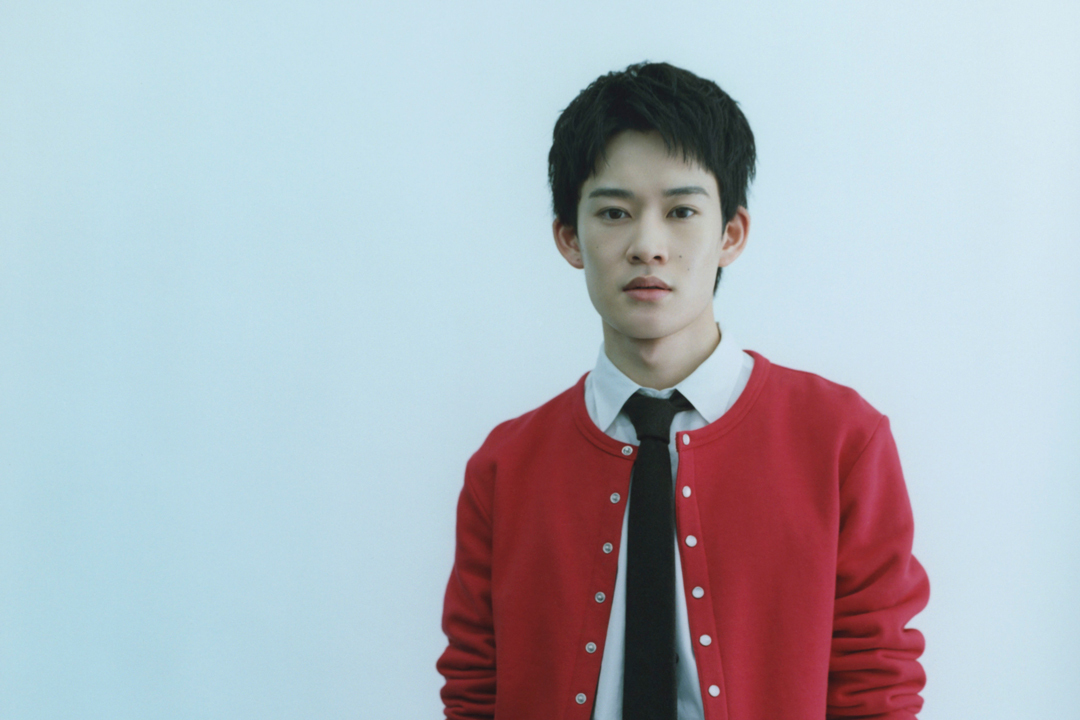
難病を抱える母親と、看病をする息子の姿を通して、ヤングケアラーが直面する問題や親子の絆を描いた映画『90メートル』。主役の母子を山時聡真と菅野美穂が演じ、監督は『か「」く「」し「」ご「」と「』などの中川駿が務めた。また主題歌「0.2mm」を大森元貴が担当している。高校生の佑を演じた山時に話を訊いた。
宮崎駿監督の10年ぶりとなる長編映画『君たちはどう生きるか』(23)。公開日までほぼ一切の内容が開示されないゼロ・プロモーションを講じた本作で主人公・眞人の声を担当し、一躍時の人となった若手俳優・山時聡真。あれから3年――。NHKの連続テレビ小説『虎に翼』(24)やテレビドラマ『ちはやふる-めぐり-』(25)といった話題作に出演し、着実に経験を積んだ彼はオーディションを制し、菅野美穂の息子役としてW主演の切符を掴んだ。それが『少女は卒業しない』(23)や『「か「」く「」し「」ご「」と「』(25)で知られる中川駿監督によるオリジナル映画『90メートル』(3月27日公開)だ。 難病を患う母・美咲(菅野美穂)の介護に追われるヤングケアラーの高校生・佑(山時聡真)。ヘルパーだけでは手が足りず、打ち込んでいたバスケ部を「家庭の事情」とだけ告げて辞め、進路について考える気力もわかないほどいっぱいいっぱいな日々を送っていた。 そんなある日、24時間介護の体制が整ったことで彼は人生の岐路に立たされる。ただ「重荷から解放された」と安堵するのではなく、母から離れる戸惑いや割り切れない心情の機微を繊細に見つめた本作。公開に先んじて行われた一般試写会では泣き腫らしている観客も数多くおり、山時と菅野のリアルな“親子芝居”が絶賛されている。本人は「菅野さんのおかげです。目が合うだけで母と接している感覚になり、自然とお芝居ができました」と謙遜するが、その根底にはロジカルな“設計”が施されていた。 「本作はセリフのない、佑の表情だけで構成されたシーンが多くあります。演じる上でその時々の佑の感情を間違えないようにしたいと思い、中川監督に都度確認するようにしていました。またこの物語は、佑が希望をもって成長していく姿がみられる作品です。表情や姿勢ひとつからでも時の流れを感じてもらうために、各々のシーンの“前後”に対する意識――1本につながったときを想像しながら演じていました」 ■空白から生まれる芝居 中川監督は台本上のセリフの一部をあえて「」と表記し、中に入るセリフを現場の皆で考えるアドリブ感のあるアプローチを採っている。ならばこそ、菅野をはじめとする共演相手の芝居やその時々に生まれる感情によって変化するライブ感は強かったことだろう。ともすれば感情が走りすぎて出力が上振れる可能性もあっただろうが、山時の言葉からは振り回され過ぎないように手綱を握っていたことがわかる。 基本的に順撮り(脚本の順番通り、ひいては時系列順に撮影すること)でスケジューリングされていた後押しはあっただろうが、劇中では美咲の発症当時は断片的にしか描かれず、疲弊状態に“慣れ切った”佑の現在がメインとして描かれる。つまり、観客は佑の姿から過去の労苦を推し量ることになるわけだ。 山時によれば事前に共有された“年表(空白期間に何があったか)”などはなかったそうで、「空白期間において監督と具体的な話はしていません。回想シーンを通して佑がどういった思いで介護に関わってきたのかを理解し、描かれていない部分においては自分の中で想像して穴埋めを行いました」とのこと。監督が脚本も手がけた“創造主”ではあれど、人物造形においては山時個人が担う部分も多かったのだ。全体を把握して逆算でその時々の演技を構築・選択する山時の取り組み方は役者としての技量の高さを感じさせるが、本人は「佑の気持ちを全部理解していると言ったらウソになります。正直、現場で“どうしよう”と悩んだり慌てていた瞬間もありましたが、その状態が結果的に佑の置かれた環境とリンクしていたのだと思います」と告白した。 正解がわからない状態は不安ではなかったか?と問うと、山時は頷きつつも「でも、それも含めてコミュニケーションであり、人との関わり方だと僕は思います」と答えた。「自分で準備してきたものはありましたが、現場で菅野さんのお芝居にどう返すか、そこで生まれたものを信じたい気持ちが強くありました。監督に選んでいただいた以上、いまの自分にしかできないことをやろうという前向きな覚悟を持って演じたんです」。予定通りにいかないからこそ面白い――。実写映画の主演は『90メートル』が2作目だが、しなやかな答えには大器の資質が宿っている。本作で得た経験をどう還元するか悩んでいる、と話す姿すら頼もしい。 ■引きの美学 「実は僕、感受性がそんなに豊かじゃないんです(笑)。あまり泣くこともないですし。でも『90メートル』では初めてというくらい大きく感情を動かされて、だからこそ新たな悩みにもぶつかりました。普段は現場に入って本番前にガラッと切り替えるタイプですが、休みの日にも役のことを考えて過ごすべきなのか、どこまで役を取り込めばいいのかは試行錯誤しているところです。また、本作では引き際というか、相手に委ねる大切さを学びました。以前ある監督に『ずる賢く生きろ。自分がどう目立つかを考えて立ち回れ』とアドバイスいただいたことがあるのですが、今回はそれを行わずに“このシーンでどの立場にいればいいか”を考えて意識的に引くようにしていました。作品や状況に合わせて最適な挑み方を出来るように、これから自分なりの正解を見つけていきたいです」 バスケットボールが好きで、普段はストリートスタイルのファッションが多いという山時。だが『90メートル』のプロモーション活動を行うなかでさまざまな衣装に袖を通し、「今はデニムジャケットやネクタイに興味が湧いています。でも“デニムの沼”にハマると散財してしまうと聞くので、気をつけないと」と笑う。いち視聴者として選ぶ作品も、恋愛リアリティーショーから『涙の女王』『復讐代行人~模範タクシー~』といった韓国ドラマまで守備範囲が広い彼がこの先何を自分の中に入れ、どう変わっていくのか。楽しみが尽きない。 ■山時聡真 2005年生まれ、東京都出身。5歳から芸能活動を始め、2016年に映画『ゆずの葉ゆれて』で俳優デビュー。宮崎駿監督のアニメ映画『君たちはどう生きるか』(23)では主人公・眞人の声を担当。主な出演作は映画『ラーゲリより愛を込めて』(22)、『蔵のある街』(25)、ドラマ『ちはやふるーめぐりー』(25)など。4月からTBS火曜ドラマ『時すでにおスシ!?』に出演する。 ■『90メートル』 3月27日(金)全国公開 ©2026 映画『90 メートル』製作委員会 配給:クロックワークス 写真・横山創大 スタイリング・西村咲喜 文・SYO 編集・遠藤加奈(GQ)
宮崎駿監督の10年ぶりとなる長編映画『君たちはどう生きるか』(23)。公開日までほぼ一切の内容が開示されないゼロ・プロモーションを講じた本作で主人公・眞人の声を担当し、一躍時の人となった若手俳優・山時聡真。あれから3年――。NHKの連続テレビ小説『虎に翼』(24)やテレビドラマ『ちはやふる-めぐり-』(25)といった話題作に出演し、着実に経験を積んだ彼はオーディションを制し、菅野美穂の息子役としてW主演の切符を掴んだ。それが『少女は卒業しない』(23)や『「か「」く「」し「」ご「」と「』(25)で知られる中川駿監督によるオリジナル映画『90メートル』(3月27日公開)だ。 難病を患う母・美咲(菅野美穂)の介護に追われるヤングケアラーの高校生・佑(山時聡真)。ヘルパーだけでは手が足りず、打ち込んでいたバスケ部を「家庭の事情」とだけ告げて辞め、進路について考える気力もわかないほどいっぱいいっぱいな日々を送っていた。 そんなある日、24時間介護の体制が整ったことで彼は人生の岐路に立たされる。ただ「重荷から解放された」と安堵するのではなく、母から離れる戸惑いや割り切れない心情の機微を繊細に見つめた本作。公開に先んじて行われた一般試写会では泣き腫らしている観客も数多くおり、山時と菅野のリアルな“親子芝居”が絶賛されている。本人は「菅野さんのおかげです。目が合うだけで母と接している感覚になり、自然とお芝居ができました」と謙遜するが、その根底にはロジカルな“設計”が施されていた。 「本作はセリフのない、佑の表情だけで構成されたシーンが多くあります。演じる上でその時々の佑の感情を間違えないようにしたいと思い、中川監督に都度確認するようにしていました。またこの物語は、佑が希望をもって成長していく姿がみられる作品です。表情や姿勢ひとつからでも時の流れを感じてもらうために、各々のシーンの“前後”に対する意識――1本につながったときを想像しながら演じていました」 ■空白から生まれる芝居 中川監督は台本上のセリフの一部をあえて「」と表記し、中に入るセリフを現場の皆で考えるアドリブ感のあるアプローチを採っている。ならばこそ、菅野をはじめとする共演相手の芝居やその時々に生まれる感情によって変化するライブ感は強かったことだろう。ともすれば感情が走りすぎて出力が上振れる可能性もあっただろうが、山時の言葉からは振り回され過ぎないように手綱を握っていたことがわかる。 基本的に順撮り(脚本の順番通り、ひいては時系列順に撮影すること)でスケジューリングされていた後押しはあっただろうが、劇中では美咲の発症当時は断片的にしか描かれず、疲弊状態に“慣れ切った”佑の現在がメインとして描かれる。つまり、観客は佑の姿から過去の労苦を推し量ることになるわけだ。 山時によれば事前に共有された“年表(空白期間に何があったか)”などはなかったそうで、「空白期間において監督と具体的な話はしていません。回想シーンを通して佑がどういった思いで介護に関わってきたのかを理解し、描かれていない部分においては自分の中で想像して穴埋めを行いました」とのこと。監督が脚本も手がけた“創造主”ではあれど、人物造形においては山時個人が担う部分も多かったのだ。全体を把握して逆算でその時々の演技を構築・選択する山時の取り組み方は役者としての技量の高さを感じさせるが、本人は「佑の気持ちを全部理解していると言ったらウソになります。正直、現場で“どうしよう”と悩んだり慌てていた瞬間もありましたが、その状態が結果的に佑の置かれた環境とリンクしていたのだと思います」と告白した。 正解がわからない状態は不安ではなかったか?と問うと、山時は頷きつつも「でも、それも含めてコミュニケーションであり、人との関わり方だと僕は思います」と答えた。「自分で準備してきたものはありましたが、現場で菅野さんのお芝居にどう返すか、そこで生まれたものを信じたい気持ちが強くありました。監督に選んでいただいた以上、いまの自分にしかできないことをやろうという前向きな覚悟を持って演じたんです」。予定通りにいかないからこそ面白い――。実写映画の主演は『90メートル』が2作目だが、しなやかな答えには大器の資質が宿っている。本作で得た経験をどう還元するか悩んでいる、と話す姿すら頼もしい。 ■引きの美学 「実は僕、感受性がそんなに豊かじゃないんです(笑)。あまり泣くこともないですし。でも『90メートル』では初めてというくらい大きく感情を動かされて、だからこそ新たな悩みにもぶつかりました。普段は現場に入って本番前にガラッと切り替えるタイプですが、休みの日にも役のことを考えて過ごすべきなのか、どこまで役を取り込めばいいのかは試行錯誤しているところです。また、本作では引き際というか、相手に委ねる大切さを学びました。以前ある監督に『ずる賢く生きろ。自分がどう目立つかを考えて立ち回れ』とアドバイスいただいたことがあるのですが、今回はそれを行わずに“このシーンでどの立場にいればいいか”を考えて意識的に引くようにしていました。作品や状況に合わせて最適な挑み方を出来るように、これから自分なりの正解を見つけていきたいです」 バスケットボールが好きで、普段はストリートスタイルのファッションが多いという山時。だが『90メートル』のプロモーション活動を行うなかでさまざまな衣装に袖を通し、「今はデニムジャケットやネクタイに興味が湧いています。でも“デニムの沼”にハマると散財してしまうと聞くので、気をつけないと」と笑う。いち視聴者として選ぶ作品も、恋愛リアリティーショーから『涙の女王』『復讐代行人~模範タクシー~』といった韓国ドラマまで守備範囲が広い彼がこの先何を自分の中に入れ、どう変わっていくのか。楽しみが尽きない。 ■山時聡真 2005年生まれ、東京都出身。5歳から芸能活動を始め、2016年に映画『ゆずの葉ゆれて』で俳優デビュー。宮崎駿監督のアニメ映画『君たちはどう生きるか』(23)では主人公・眞人の声を担当。主な出演作は映画『ラーゲリより愛を込めて』(22)、『蔵のある街』(25)、ドラマ『ちはやふるーめぐりー』(25)など。4月からTBS火曜ドラマ『時すでにおスシ!?』に出演する。 ■『90メートル』 3月27日(金)全国公開 ©2026 映画『90 メートル』製作委員会 配給:クロックワークス 写真・横山創大 スタイリング・西村咲喜 文・SYO 編集・遠藤加奈(GQ)
Vocabulary
General
Proper noun
JLPT N2
JLPT N1
| # | 言葉 | 意味 |
|---|---|---|
| 12 | 山時 | さんとき (山時) : Santoki (unclass) |
| 10 | 監督 | かんとく (監督) : 1. supervision; control; superintendence; direction 2. director; superintendent; supervisor; coach; foreman; manager; overseer; controller; boss |
| 5 | 本作 | ほんさく (本作) : this piece; this work |
| 5 | 芝居 | しばい (芝居) : play; drama |
| 4 | 姿 | すがた (姿) : 1. figure; form; shape 2. appearance; dress; guise |
| 4 | 描く | えがく (描く) : 1. to draw; to paint; to sketch 2. to depict; to describe |
| 4 | 演ずる | えんずる (演ずる) : to perform; to play |
| 4 | 中川 | なかかわ (中川) : Nakakawa (surname) |
| 4 | 菅野 | かんの (菅野) : Kanno (place; surname) |
| 4 | 感情 | かんじょう (感情) : emotion; feeling; feelings; sentiment |
| 4 | 現場 | げんば (現場) : 1. actual spot; scene; scene of the crime; site; location; setting 2. shop floor; factory floor; (on) site |
| 3 | 菅野美穂 | かんのみほ (菅野美穂) : Kanno Miho (fem; person) |
| 3 | 担当 | たんとう (担当) : being in charge (of an area of responsibility); being responsible (for a work role, etc.) |
| 3 | 生きる | いきる (生きる) : 1. to live; to exist 2. to make a living; to subsist |
| 3 | 役 | えき (役) : 1. war; campaign; battle 2. unpaid work (ritsuryo system); forced labor |
| 3 | 公開 | こうかい (公開) : opening to the public; making available to the public; putting on display; exhibiting; showing (play, movie, etc.); holding (interview, etc.); open; public |
| 3 | 介護 | かいご (介護) : nursing; care; caregiving; caring |
| 3 | 作品 | さくひん (作品) : work (e.g. book, film, composition, etc.); opus; performance; production |
| 3 | こそ | こそ : 1. it is ... that ...; precisely; in particular; definitely; for sure; only (when, after, because, etc.) 2. although; while; it is the case that ... but |
| 3 | 状態 | じょうたい (状態) : state; condition; situation; appearance; circumstances |
| 3 | 考える | かんがえる (考える) : 1. to think (about, of); to think over; to ponder; to contemplate; to reflect (on); to meditate (on) 2. to consider; to bear in mind; to allow for; to take into consideration |
| 2 | 難病 | なんびょう (難病) : incurable disease |
| 2 | 親子 | おやこ (親子) : parent and child |
| 2 | 宮崎駿 | みやざきはやお (宮崎駿) : Miyazaki Hayao (anime creator) (1941.1-) (person) |
| 2 | 君たち | きみたち (君たち) : you (plural); all of you; you all |
| 2 | はどう | はどう (波動) : 1. wave motion; undulation; surge 2. wave |
| 2 | 主人公 | しゅじんこう (主人公) : 1. protagonist; main character; hero(ine) (of a story) 2. head of household |
| 2 | 眞人 | まこと (眞人) : Makoto (given) |
| 2 | 出演 | しゅつえん (出演) : performance; appearance (in a stage, film, TV show, etc.) |
| 2 | 主演 | しゅえん (主演) : starring; playing the leading part |
| 2 | 美咲 | みき (美咲) : Miki (fem) |
| 2 | 観客 | かんきゃく (観客) : audience; spectator; spectators |
| 2 | 本人 | ほんにん (本人) : the person in question; the person themselves; said person |
| 2 | 表情 | ひょうじょう (表情) : 1. facial expression; countenance 2. look; appearance; expression (vocal, etc.) |
| 2 | 感ずる | かんずる (感ずる) : to feel; to sense |
| 2 | 想像 | そうぞう (想像) : imagination; guess |
| 2 | 相手 | あいて (相手) : 1. companion; partner; company 2. other party; addressee |
| 2 | 順 | じゅん (順) : 1. order; turn; sorting 2. obedient; docile; submissive; meek |
| 2 | 脚本 | きゃくほん (脚本) : script; screenplay; scenario |
| 2 | 通り | とおり (通り) : 1. avenue; street; way; road 2. coming and going; street traffic |
| 2 | 空白期間 | くうはくきかん (空白期間) : blank period; window period; interregnum |
| 2 | 関わる | かかわる (関わる) : 1. to be affected; to be influenced 2. to be concerned with; to have to do with |
| 2 | 理解 | りかい (理解) : understanding; comprehension; appreciation; sympathy |
| 2 | 部分 | ぶぶん (部分) : portion; section; part |
| 2 | 悩む | なやむ (悩む) : to be worried; to be troubled |
| 2 | 正解 | せいかい (正解) : correct; right; correct interpretation (answer, solution) |
| 2 | 生まれる | うまれる (生まれる) : to be born |
| 2 | 普段 | ふだん (普段) : 1. usual; normal; everyday; habitual; ordinary 2. usually; normally; generally; habitually; always |
| 2 | 活動 | かつどう (活動) : 1. activity (of a person, organization, animal, volcano, etc.); action 2. movie (esp. during the silent movie period) |
| 1 | 抱える | かかえる (抱える) : 1. to hold or carry under or in the arms 2. to have (esp. problems, debts, etc.) |
| 1 | 母親 | ははおや (母親) : mother |
| 1 | 看病 | かんびょう (看病) : nursing (a patient) |
| 1 | 直面 | ちょくめん (直面) : 1. confrontation 2. to face; to confront; to encounter |
| 1 | 絆 | きずな (絆) : 1. bonds (between people); (emotional) ties; relationship; connection; link 2. tether; fetters |
| 1 | 主役 | しゅやく (主役) : leading part; leading actor; leading actress |
| 1 | 母子 | ぼし (母子) : mother and child |
| 1 | 務める | つとめる (勤める) : 1. to work (for); to be employed (at); to serve (in) 2. to serve (as); to act (as); to fill (the position of); to play the role (of) |
| 1 | 主題歌 | しゅだいか (主題歌) : theme song |
| 1 | 大森 | おおもり (大森) : large forest |
| 1 | 元貴 | げんき (元貴) : Genki (unclass) |
| 1 | 訊く | きく (訊く) : to ask; to enquire; to query |
| 1 | ぶり | ぶり (振り) : 1. style; manner; way 2. after (period of time) again (e.g. meeting again after a year); for the first time in (period of time) |
| 1 | 長編映画 | ちょうへんえいが (長編映画) : feature film |
| 1 | 公開日 | こうかいひ (公開日) : release date; publication date; opening day; open day |
| 1 | ほぼ | ほぼ (略) : almost; roughly; approximately |
| 1 | 一切 | いっさい (一切) : 1. all; everything; entirety; the whole 2. absolutely (not); (not) at all; (none) whatsoever; without exception |
| 1 | 内容 | ないよう (内容) : contents; content; substance; matter; detail; import |
| 1 | 開示 | かいじ (開示) : release (e.g. information); disclosure (legal); show; indication; display |
| 1 | 講ずる | こうずる (講ずる) : 1. to take measures; to work out a plan 2. to lecture; to read aloud |
| 1 | 一躍 | いちやく (一躍) : 1. suddenly (rising to fame, etc.); instantly; immediately; overnight 2. one bound; one leap |
| 1 | 連続 | れんぞく (連続) : continuation; succession; series |
| 1 | 虎に翼 | とらにつばさ (虎に翼) : making the strong even stronger |
| 1 | ちはや | ちはや (襅) : thin, white ceremonial haori worn by miko |
| 1 | ふる | ふる (古) : 1. used item; secondhand item 2. old; used; previous |
| 1 | めぐり | めぐり (巡り) : 1. circumference; girth 2. tour; pilgrimage |
| 1 | 話題作 | わだいさく (話題作) : much-discussed work (book, film, etc.) |
| 1 | 着実 | ちゃくじつ (着実) : steady; sound; solid; reliable; trustworthy |
| 1 | 積む | つむ (積む) : 1. to pile up; to stack 2. to load (car, ship, etc.); to pack |
| 1 | 制する | せいする (制する) : 1. to hold back (e.g. emotions); to rein in (e.g. a horse, unruly people); to bridle 2. to get the better of |
| 1 | 掴む | つかむ (掴む) : 1. to seize; to catch; to grasp; to grip; to grab; to clutch; to hold; to catch hold of; to lay one's hands on 2. to obtain; to acquire; to get; to win; to capture |
| 1 | 少女 | しょうじょ (少女) : 1. little girl; maiden; young lady; female usually between 7 and 18 years old 2. female between 17 and 20 years old (ritsuryo period) |
| 1 | 知る | しる (知る) : 1. to be aware of; to know; to be conscious of; to cognize; to cognise 2. to notice; to feel |
| 1 | 患う | わずらう (患う) : 1. to be ill; to suffer from 2. to worry about; to be concerned about |
| 1 | 追う | おう (追う) : 1. to chase; to run after; to pursue; to follow after 2. to follow (a set order, a trend, etc.) |
| 1 | 足りる | たりる (足りる) : 1. to be sufficient; to be enough 2. to be worth doing; to be worthy of; to deserve |
| 1 | 打ち込む | うちこむ (打ち込む) : 1. to drive in (e.g. nail, stake); to hammer in 2. to hit (a ball, etc.); to drive; to smash |
| 1 | バスケ部 | バスケぶ (バスケ部) : basketball club |
| 1 | 事情 | じじょう (事情) : circumstances; conditions; situation; reasons; state of affairs |
| 1 | 告げる | つげる (告げる) : 1. to tell; to inform; to announce 2. to indicate; to signal; to mark |
| 1 | 辞める | やめる (辞める) : to resign; to retire; to quit; to leave (one's job, etc.) |
| 1 | 進路 | しんろ (進路) : 1. route; course; path 2. one's future course (e.g. after graduating high school) |
| 1 | 気力 | きりょく (気力) : willpower; energy; vitality |
| 1 | わく | わく (枠) : 1. frame; framework 2. border; box |
| 1 | 日々 | ひび (日々) : every day; daily; day after day; days (e.g. good old days) |
| 1 | 送る | おくる (送る) : 1. to send (a thing); to dispatch; to despatch; to transmit 2. to take or escort (a person somewhere); to see off (a person) |
| 1 | 体制 | たいせい (体制) : order; system; structure; set-up; organization; organisation |
| 1 | 整う | ととのう (整う) : 1. to be ready; to be prepared; to be arranged 2. to be in order; to be put in order; to be well-ordered; to be well-proportioned; to be harmonious |
| 1 | 人生 | じんせい (人生) : (human) life (i.e. conception to death) |
| 1 | 岐路 | きろ (岐路) : forked road; crossroads |
| 1 | 立たす | たたす (立たす) : to help a person stand; to get someone to their feet; to raise; to rouse |
| 1 | ただ | ただ (只) : 1. ordinary; common; usual 2. free of charge |
| 1 | 重荷 | おもに (重荷) : load; heavy burden; encumbrance; heavy freight; heavy responsibility |
| 1 | 解放 | かいほう (解放) : 1. release; unleashing; liberation; emancipation; setting free 2. deallocation (of computer memory) |
| 1 | 安堵 | あんど (安堵) : 1. relief; reassurance 2. recognition of right to land ownership (by the shogunate, a feudal lord, etc.) |
| 1 | 離れる | はなれる (離れる) : 1. to be separated; to be apart; to be distant 2. to leave; to go away |
| 1 | 戸惑い | とまどい (戸惑い) : 1. being at sea; losing one's bearings; confusion; wonderment 2. disorientation upon waking at night |
| 1 | 割り切れる | わりきれる (割り切れる) : 1. to be divisible (by); to be divided without residue (remainder) 2. to be satisfied; to be convinced |
| 1 | 心情 | しんじょう (心情) : sentiment; emotions; one's feelings; one's heart |
| 1 | 機微 | きび (機微) : 1. subtleties; niceties; fine points; inner workings; secrets 2. subtle; sensitive |
| 1 | 繊細 | せんさい (繊細) : 1. dainty; delicate (e.g. fingers); fine; slim 2. sensitive; delicate (feelings, sense, etc.); subtle |
| 1 | 見つめる | みつめる (見つめる) : to stare at; to gaze at; to look hard at; to watch intently; to fix one's eyes on |
| 1 | 先んずる | さきんずる (先んずる) : to go before; to precede; to forestall; to anticipate |
| 1 | 一般 | いっぱん (一般) : 1. general; universal 2. ordinary; average; common; non-celebrity |
| 1 | 試写会 | ししゃかい (試写会) : advance screening; preview; private showing; trade show |
| 1 | 泣き腫らす | なきはらす (泣きはらす) : to weep one's eyes out |
| 1 | 数多く | かずおおく (数多く) : in great numbers |
| 1 | 絶賛 | ぜっさん (絶賛) : high praise; great admiration; rave reviews |
| 1 | 接する | せっする (接する) : 1. to touch; to come in contact with; to border on; to adjoin; to be adjacent; to be close 2. to receive (e.g. visitor); to attend to; to serve; to take care of; to look after; to act towards; to deal with; to see |
| 1 | 感覚 | かんかく (感覚) : sense; sensation; feeling; intuition |
| 1 | 自然 | しぜん (自然) : 1. nature 2. natural; spontaneous; automatic |
| 1 | 謙遜 | けんそん (謙遜) : modesty; humility; being humble |
| 1 | 根底 | こんてい (根底) : root; basis; foundation |
| 1 | 設計 | せっけい (設計) : plan; design; layout |
| 1 | 施す | ほどこす (施す) : 1. to give (time, money, goods); to donate 2. to do; to perform; to conduct |
| 1 | 構成 | こうせい (構成) : composition; construction; formation; makeup; structure; organization; organisation |
| 1 | 演じる | えんじる (演じる) : to perform (a play); to play (a part); to act (a part); to commit (a blunder) |
| 1 | 都度 | つど (都度) : each (every) time; whenever |
| 1 | 確認 | かくにん (確認) : confirmation; verification; validation; review; check; affirmation; identification |
| 1 | 物語 | ものがたり (物語) : tale; story; legend |
| 1 | 希望 | きぼう (希望) : hope; wish; aspiration |
| 1 | 成長 | せいちょう (成長) : 1. growth; development; growing up; becoming an adult 2. growth (of a company, the economy, etc.) |
| 1 | 姿勢 | しせい (姿勢) : 1. posture; pose; position; stance; carriage (of the body) 2. attitude; approach; stance |
| 1 | 流れ | ながれ (流れ) : 1. flow (of a fluid or gas); stream; current 2. flow (of people, things); passage (of time); tide; passing; (changing) trends; tendency |
| 1 | 各々 | おのおの (各々) : 1. each 2. you (plural) |
| 1 | 前後 | ぜんご (前後) : 1. front and rear; front and back; before and behind; back and forth 2. before and after |
| 1 | 意識 | いしき (意識) : 1. consciousness 2. becoming aware (of); awareness; sense |
| 1 | つながる | つながる (繋がる) : 1. to be tied together; to be connected to; to be linked to 2. to lead to; to be related to |
| 1 | 空白 | くうはく (空白) : 1. blank space (in documents) 2. vacuum; blank; void |
| 1 | 台本 | だいほん (台本) : script; libretto; scenario |
| 1 | 一部 | いちぶ (一部) : 1. one part; one portion; one section; some 2. one copy (e.g. of a document) |
| 1 | あえて | あえて (敢えて) : 1. purposely (of something needless, unexpected or seemingly counterproductive, etc.); daringly (doing something); deliberately; intentionally 2. not necessarily; not particularly; not especially |
| 1 | 表記 | ひょうき (表記) : 1. expression in writing; written representation; notation; transcription; orthography 2. writing on the surface (e.g. an address on an envelope); inscribing on the face |
| 1 | 採る | とる (採る) : 1. to adopt (method, proposal, etc.); to take (measure, course of action, etc.); to decide on 2. to pick (e.g. flowers); to gather (e.g. mushrooms); to catch (e.g. insects) |
| 1 | 共演 | きょうえん (共演) : appearing together; co-acting; co-starring |
| 1 | 変化 | へんか (変化) : 1. change; variation; alteration; mutation; transition; transformation; transfiguration; metamorphosis 2. variety; diversity |
| 1 | 走る | はしる (走る) : 1. to run 2. to run (of a vehicle); to drive; to travel; to move; to sail |
| 1 | 出力 | しゅつりょく (出力) : output (electrical, signal, etc.) |
| 1 | 振れる | ふれる (振れる) : 1. to swing; to shake; to wave 2. to veer; to deflect; to lean towards |
| 1 | 可能性 | かのうせい (可能性) : potentiality; likelihood; possibility; availability |
| 1 | 振り回す | ふりまわす (振り回す) : 1. to wield; to brandish; to flourish; to wave (about); to swing 2. to display (one's knowledge); to show off |
| 1 | 手綱 | たづな (手綱) : 1. reins; bridle 2. control; the reins (on) |
| 1 | 握る | にぎる (握る) : 1. to clasp; to grasp; to grip; to clutch 2. to make (nigirizushi, rice ball, etc.); to form; to press into shape; to mold; to mould |
| 1 | 基本的 | きほんてき (基本的) : fundamental; basic |
| 1 | 撮る | とる (撮る) : 1. to take (a photo) 2. to record (video, audio, etc.); to make (a film) |
| 1 | 順番 | じゅんばん (順番) : turn (in line); order of things; sequential order |
| 1 | ひいては | ひいては (延いては) : not only ... but also; in addition to; consequently |
| 1 | 時系列 | じけいれつ (時系列) : chronological order; time series |
| 1 | 撮影 | さつえい (撮影) : photography (still or motion); photographing; filming; shooting; (video) recording |
| 1 | 後押し | あとおし (後押し) : 1. pushing; backing; boosting; supporting 2. pushing from behind (a cart, etc.); pusher |
| 1 | 劇中 | げきちゅう (劇中) : during a play |
| 1 | 発症 | はっしょう (発症) : outbreak of an illness; onset of an illness; appearance of symptoms |
| 1 | 当時 | とうじ (当時) : at that time; in those days |
| 1 | 断片的 | だんぺんてき (断片的) : fragmentary |
| 1 | 疲弊 | ひへい (疲弊) : 1. exhaustion; fatigue 2. impoverishment; (financial) exhaustion; ruin |
| 1 | 現在 | げんざい (現在) : now; current; present; present time; as of |
| 1 | つまり | つまり (詰まり) : 1. that is to say; that is; in other words; I mean; that (this, it) means 2. in short; in brief; to sum up; ultimately; in the end; in the long run; when all is said and done; what it all comes down to; when you get right down to it; basically |
| 1 | 過去 | かこ (過去) : 1. the past; bygone days 2. one's past (that one would prefer remained secret) |
| 1 | 労苦 | ろうく (労苦) : labor; labour; toil; hardship |
| 1 | 推し量る | おしはかる (推し量る) : to guess; to conjecture; to surmise |
| 1 | 事前 | じぜん (事前) : prior; beforehand; in advance; before the fact; ex ante |
| 1 | 共有 | きょうゆう (共有) : 1. joint ownership; co-ownership; sharing (e.g. a viewpoint) 2. sharing (files, devices on a network, posts on social media, etc.) |
| 1 | 年表 | ねんぴょう (年表) : chronological table |
| 1 | 具体的 | ぐたいてき (具体的) : concrete; definite; specific; material; substantial |
| 1 | 回想シーン | かいそうシーン (回想シーン) : flashback |
| 1 | 思い | おもい (思い) : 1. thought 2. imagination; mind; heart |
| 1 | 穴埋め | あなうめ (穴埋め) : 1. filling (up) a hole 2. filling in (for a gap, vacancy, etc.); stopgap; filler (e.g. article) |
| 1 | 手がける | てがける (手がける) : 1. to handle; to manage; to deal with; to work with; to have experience with 2. to rear; to look after |
| 1 | 創造主 | そうぞうしゅ (創造主) : Creator |
| 1 | 人物 | じんぶつ (人物) : 1. person; character; figure; personage; man; woman 2. one's character; one's personality |
| 1 | 造形 | ぞうけい (造形) : molding; moulding; shaping; modelling (i.e. plastic arts); modeling |
| 1 | 個人 | こじん (個人) : individual; private person; personal; private |
| 1 | 担う | になう (担う) : 1. to carry on one's shoulder; to shoulder; to bear 2. to bear (burden, responsibility, etc.); to take upon oneself |
| 1 | 全体 | ぜんたい (全体) : whole; entirety; whatever (is the matter) |
| 1 | 把握 | はあく (把握) : grasp; catch; understanding |
| 1 | 逆算 | ぎゃくさん (逆算) : 1. counting backwards; calculating backwards 2. inverse operation; reverse operation |
| 1 | 演技 | えんぎ (演技) : acting; performance |
| 1 | 構築 | こうちく (構築) : construction; building; putting up; erecting; creation; formulation; architecture (systems, agreement, etc.) |
| 1 | 選択 | せんたく (選択) : selection; choice; option |
| 1 | 取り組む | とりくむ (取り組む) : 1. to grapple with; to wrestle with; to engage in a bout; to be matched against 2. to tackle (e.g. a problem); to come to grips with; to work hard on |
| 1 | 役者 | やくしゃ (役者) : 1. actor; actress 2. man of wits; clever person; cunning fellow |
| 1 | 技量 | ぎりょう (技量) : ability; competency; talent; skill; capacity |
| 1 | 高さ | たかさ (高さ) : 1. height; altitude; elevation; level 2. altitude; height |
| 1 | 正直 | しょうじき (正直) : 1. honest; frank; candid; straightforward 2. honestly; frankly |
| 1 | だり | たり : 1. -ing and -ing (e.g. "coming and going") 2. doing such things as... |
| 1 | 慌てる | あわてる (慌てる) : 1. to become confused (disconcerted, disorganized, disorganised); to be flustered; to panic 2. to hurry; to rush; to hasten |
| 1 | 瞬間 | しゅんかん (瞬間) : moment; second; instant |
| 1 | 結果的 | けっかてき (結果的) : concerning the result (as opposed to the means used to achieve this result or the original goal) |
| 1 | 環境 | かんきょう (環境) : environment; circumstance |
| 1 | 告白 | こくはく (告白) : 1. confession; acknowledgement; acknowledgment 2. confession of love; professing one's feelings |
| 1 | わかる | わかる (分かる) : 1. to understand; to comprehend; to grasp; to see; to get; to follow 2. to become clear; to be known; to be discovered; to be realized; to be realised; to be found out |
| 1 | 不安 | ふあん (不安) : anxiety; uneasiness; worry; apprehension; fear; insecurity; suspense |
| 1 | 問う | とう (問う) : 1. to ask; to inquire 2. to blame (someone) for; to accuse of; to pursue (question of responsibility); to charge with |
| 1 | 頷く | うなずく (頷く) : to nod; to bow one's head in assent; to agree |
| 1 | 含める | ふくめる (含める) : 1. to include (in a group or scope) 2. to instruct; to make one understand |
| 1 | 答える | こたえる (答える) : to answer; to reply |
| 1 | 信ずる | しんずる (信ずる) : to believe; to believe in; to place trust in; to confide in; to have faith in |
| 1 | 選ぶ | えらぶ (選ぶ) : to choose; to select |
| 1 | 前向き | まえむき (前向き) : 1. front-facing 2. forward-looking; positive; constructive |
| 1 | 覚悟 | かくご (覚悟) : readiness; preparedness; resolution; resignation |
| 1 | 持つ | もつ (持つ) : 1. to hold (in one's hand); to take; to carry 2. to possess; to have; to own |
| 1 | 面白い | おもしろい (面白い) : 1. interesting; fascinating; intriguing; enthralling 2. amusing; funny; comical |
| 1 | 実写映画 | じっしゃえいが (実写映画) : 1. live-action film; movie produced without using animation 2. real-life film |
| 1 | しなやか | しなやか (嫋か) : 1. supple; flexible; elastic 2. graceful; elegant; refined |
| 1 | 答え | こたえ (答え) : answer; reply; response; solution |
| 1 | 大器 | たいき (大器) : 1. large container 2. person of great talent |
| 1 | 資質 | ししつ (資質) : nature; disposition; temperament; qualities; attributes; talents |
| 1 | 宿る | やどる (宿る) : 1. to dwell; to live; to remain 2. to stay at; to take shelter at; to stop at; to lodge at |
| 1 | 還元 | かんげん (還元) : 1. restoration; return 2. reduction; resolution; deoxidization; deoxidation |
| 1 | すら | しゅら (修羅) : 1. Asura; demigod; anti-god; titan; demigods that fight the Devas (gods) in Hindu mythology 2. fighting; carnage; conflict; strife |
| 1 | 頼もしい | たのもしい (頼もしい) : 1. reliable; trustworthy 2. hopeful; promising |
| 1 | 引き | ひき (引き) : 1. pull; patronage; influence 2. tug |
| 1 | 美学 | びがく (美学) : esthetics; aesthetics |
| 1 | 実 | じつ (実) : 1. truth; reality 2. sincerity; honesty; fidelity |
| 1 | 感受性 | かんじゅせい (感受性) : sensitivity; susceptibility |
| 1 | 豊か | ゆたか (豊か) : 1. abundant; wealthy; plentiful; rich; affluent 2. very; extremely; full of; great |
| 1 | 大きく | おおきく (大きく) : in a big way; on a grand scale |
| 1 | 動かす | うごかす (動かす) : 1. to move; to shift; to stir; to budge; to change position 2. to inspire; to rouse; to move (e.g. feeling); to influence |
| 1 | 新た | あらた (新た) : new; fresh; novel |
| 1 | 悩み | なやみ (悩み) : trouble; troubles; worry; distress; sorrows; anguish; agony; problem |
| 1 | ぶつかる | ぶつかる (打つかる) : 1. to strike against; to collide with; to bump into; to conflict 2. to encounter; to meet |
| 1 | 切り替える | きりかえる (切り替える) : to change; to exchange; to convert; to renew; to throw a switch; to replace; to switch over |
| 1 | 過ごす | すごす (過ごす) : 1. to pass (time); to spend 2. to overdo (esp. of one's alcohol consumption); to drink (alcohol) |
| 1 | 取り込む | とりこむ (取り込む) : 1. to take in; to bring in; to adopt (e.g. behaviour); to introduce 2. to capture (e.g. image); to import |
| 1 | 試行錯誤 | しこうさくご (試行錯誤) : trial and error |
| 1 | 引き際 | ひきぎわ (引き際) : moment to quit; way to quit |
| 1 | 委ねる | ゆだねる (委ねる) : 1. to entrust (a matter) to; to leave to 2. to abandon oneself to (e.g. pleasure); to yield to (e.g. anger); to devote oneself to |
| 1 | 学ぶ | まなぶ (学ぶ) : to study (in depth); to learn; to take lessons in |
| 1 | 以前 | いぜん (以前) : ago; since; before; previous |
| 1 | 目立つ | めだつ (目立つ) : to be conspicuous; to stand out |
| 1 | 立ち回る | たちまわる (立ち回る) : 1. to walk about; to walk around 2. to conduct oneself |
| 1 | 立場 | たちば (立場) : 1. position; situation 2. viewpoint; standpoint; point of view |
| 1 | 意識的 | いしきてき (意識的) : conscious; deliberate; intentional |
| 1 | 状況 | じょうきょう (状況) : state of affairs (around you); situation; circumstances |
| 1 | 合わせる | あわせる (合わせる) : 1. to match (rhythm, speed, etc.) 2. to join together; to unite; to combine; to add up |
| 1 | 最適 | さいてき (最適) : most suitable; optimum; optimal; best |
| 1 | 挑む | いどむ (挑む) : 1. to challenge to (a fight, game, etc.); to throw down the gauntlet; to contend for 2. to tackle (e.g. a problem); to attempt; to go after (a prize, record, etc.) |
| 1 | なり | なり (也) : 1. to be 2. to be (location) |
| 1 | 見つける | みつける (見つける) : 1. to discover; to find (e.g. an error in a book); to come across; to detect; to spot 2. to locate; to find (e.g. something missing); to find fault |
| 1 | 衣装 | いしょう (衣装) : clothing; costume; outfit; garment; dress |
| 1 | 袖 | そで (袖) : 1. sleeve 2. wing (of a stage, desk, gate, etc.) |
| 1 | 湧く | わく (湧く) : 1. to well (up); to gush forth (of water); to spring out; to surge 2. to appear (esp. suddenly) (sweat, tears, etc.) |
| 1 | 沼 | ぬま (沼) : 1. marsh; swamp; wetland; bog; pond 2. being hooked (on a video game, TV show, etc.) |
| 1 | ハマる | はまる (嵌まる) : 1. to fit; to get into; to go into; to be fitted with (e.g. door with a window) 2. to be fit for (a job, etc.); to be suited for; to satisfy (conditions) |
| 1 | 散財 | さんざい (散財) : extravagant spending; wasteful spending; splurging; squandering |
| 1 | 視聴者 | しちょうしゃ (視聴者) : viewer; (television) audience |
| 1 | 恋愛 | れんあい (恋愛) : love; love-making; passion; emotion; affections |
| 1 | 復讐 | ふくしゅう (復讐) : revenge |
| 1 | 模範 | もはん (模範) : exemplar; model; example; pattern |
| 1 | 韓国ドラマ | かんこくドラマ (韓国ドラマ) : Korean TV drama; K-drama |
| 1 | 守備範囲 | しゅびはんい (守備範囲) : 1. area of the field one is supposed to (or able to) defend 2. (one's) field; (one's) scope; area of expertise; range of topics one can converse about; breadth of one's interests and knowledge |
| 1 | この先 | このさき (この先) : beyond this point; from now on; after this |
| 1 | 入れる | いれる (入れる) : 1. to put in; to let in; to take in; to bring in; to insert; to install (e.g. software); to set (a jewel, etc.); to ink in (e.g. tattoo) 2. to admit; to accept; to employ; to hire |
| 1 | 変わる | かわる (変わる) : 1. to change; to be transformed; to be altered; to vary 2. to move to |
| 1 | 尽きる | つきる (尽きる) : to be used up; to be run out; to be exhausted; to be consumed; to come to an end |
| 1 | 東京都 | とうきょうと (東京都) : Tokyo Metropolis (prefecture); Tokyo metropolitan area |
| 1 | 出身 | しゅっしん (出身) : person's origin (e.g. city, country, parentage, school) |
| 1 | 芸能 | げいのう (芸能) : 1. public entertainment; performing arts 2. accomplishments; attainments |
| 1 | ゆず | ゆず (柚子) : yuzu (Citrus ichangensis x C. reticulata) |
| 1 | ゆれる | ゆれる (揺れる) : to shake; to sway; to waver |
| 1 | 俳優 | はいゆう (俳優) : actor; actress; player; performer |
| 1 | アニメ映画 | アニメえいが (アニメ映画) : animated cartoon; animated film |
| 1 | 主な | おもな (主な) : chief; main; principal; important |
| 1 | 愛 | あい (愛) : 1. love; affection; care 2. attachment; craving; desire |
| 1 | 込める | こめる (込める) : 1. to load (a gun, etc.); to charge 2. to put into (e.g. emotion, effort) |
| 1 | 蔵 | くら (蔵) : warehouse; storehouse; cellar; magazine; granary; godown; depository; treasury; elevator |
| 1 | 街 | がい (街) : ... street; ... quarter; ... district |
| 1 | ち | ち (血) : 1. blood 2. blood; ancestry; lineage; stock |
| 1 | はや | はや (鮠) : minnow; shinner |
| 1 | ふ | に (二) : two |
| 1 | る | る (流) : exile |
| 1 | めぐ | めぐ : Megu (fem) |
| 1 | り | り (利) : advantage; benefit; profit; interest |
| 1 | 火曜 | かよう (火曜) : Tuesday |
| 1 | すでに | すでに (既に) : already; too late |
| 1 | 全国 | ぜんこく (全国) : the whole country |
| 1 | 製作 | せいさく (製作) : manufacture; production |
| 1 | 委員会 | いいんかい (委員会) : committee; commission; board; panel; committee meeting |
| 1 | 配給 | はいきゅう (配給) : 1. distribution (e.g. films, rice) 2. rationing (e.g. food, gasoline) |
| 1 | 横山 | かつとし (横山) : Katsutoshi (surname) |
| 1 | 西村 | とろり (西村) : Torori (fem) |
| 1 | 咲喜 | さき (咲喜) : Saki (fem) |
| 1 | 編集 | へんしゅう (編集) : editing; compilation |
| 1 | 遠藤 | えとう (遠藤) : Etou (surname) |
| 1 | 加奈 | かな (加奈) : Kana (fem) |