「すごく“銀魂イズム”を感じました」小林親弘と潘めぐみ、メイン声優2人が語るアニメ『だんでらいおん』の魅力
Netflixシリーズの新作アニメ『だんでらいおん』の配信が4月16日に始まりました。
本作は、『銀魂』作者の空知英秋さんによる同名のデビュー作を元にしたアニメ。“天使“の「丹波鉄男(たんばてつお)」と「黒鉄美咲(くろがねみさき)」コンビが、成仏できない霊をあの世へ送る仕事に奔走するストーリーで、人情味とユーモアが炸裂する、後の『銀魂』につながるエッセンスを感じられる作品です。
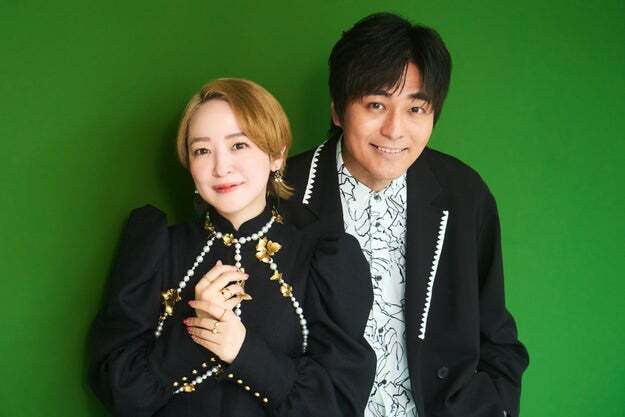
本作で主人公の丹波鉄男役を務めた声優の小林親弘(こばやし ちかひろ)さんと、黒鉄美咲役の潘めぐみ(はん めぐみ)さんに、作品の魅力や収録の舞台裏についてお話を伺いました。
Netflixシリーズの新作アニメ『だんでらいおん』の配信が4月16日に始まりました。 本作は、『銀魂』作者の空知英秋さんによる同名のデビュー作を元にしたアニメ。“天使“の「丹波鉄男(たんばてつお)」と「黒鉄美咲(くろがねみさき)」コンビが、成仏できない霊をあの世へ送る仕事に奔走するストーリーで、人情味とユーモアが炸裂する、後の『銀魂』につながるエッセンスを感じられる作品です。 本作で主人公の丹波鉄男役を務めた声優の小林親弘(こばやし ちかひろ)さんと、黒鉄美咲役の潘めぐみ(はん めぐみ)さんに、作品の魅力や収録の舞台裏についてお話を伺いました。
――原作を読んだ感想と、出演が決まった時の心境はいかがでしたか。 小林:『銀魂』のアニメには、声優になりたてくらいの時に1回だけ出たことがあって、その時に『銀魂』は読んでいたのですが、『だんでらいおん』は読んだことがありませんでした。 今回の出演にあたって初めて『だんでらいおん』を読んでみて、すごく「銀魂イズム」を感じました。描かれている哲学も『銀魂』に通じるところがあり、“『銀魂』の原風景”といいますか。空知先生はこういうお話が本当にお好きで、先生の心情がそのまま投影されているんだろうなと思える素敵な作品でした。なので、出演することができて本当に嬉しかったですね。
潘:私は中学2年生の時、『銀魂』のコミックス1巻の初版で『だんでらいおん』を読みました。 これが空知先生のデビュー作なのだと思うと、「銀魂イズム」はここから始まっていて、『銀魂』のキャラクターたちの“魂のふるさと”が『だんでらいおん』なのかな、という印象でした。 私、声優デビューした時に『銀魂』に関わっている先輩が事務所に多かったんですよ。なので、いつか『銀魂』に出演したい!と思っていたのですが、全くご縁がなくって。 なので、まさかこういう形で『だんでらいおん』がアニメ化して、しかも1話ではなく全7話でやるということで、美咲役に決まった時は死ぬほど嬉しかったです。いろいろな願いが叶って成仏しそうでした(笑)。
――鉄男と美咲を演じる上で意識したポイントはどこでしょうか。 小林:あまり「こうしようこうしなきゃ」っていうのはなかったかなと思います。あえて言うなら、ギャグと真面目なシーンのギャップが大きいので、真剣なシーンではちゃんと「何に対して怒っているか、向き合っているのか」を意識しました。 実は出演が決まる前に脚本を読んでみて「テンション上げていかないと無理だろこんなの!」と思ってオーディション用のテープを録りました。しかし、送ったあとにそれが戻ってきて「あまり銀魂っぽくない演技のほうも聞いてみたいです」と言われました。僕は「銀魂っぽくないって何!?」と思ったんですけど(笑)。 そこで真面目で落ち着いたトーンの演技も聴いていただくことになって、その後に出演が決まったんです。でも、実際に収録が始まってアフレコをやってみたら全然落ち着いてなかったですね(笑)。 でも基本は会話が面白いし、キャラクターの個性もみんな強いので、キャッチボールをしているだけでどんどん話が転がっていきました。 例えば、「たんぽぽ組」メンバーをはじめ、「日本天使連盟送迎部」のキャラクターたちとの関係性などは文章だけで読むとわからない部分も多かったのですが、現場に行って皆さんの演技を聞いてはじめて「あぁ、実際この人はこういう人なんだな」と立ち位置がわかったんです。 関係性や掛け合いの温度感などについては、現場で生まれた部分がものすごく多かった気がしています。
潘:私もオーディションのテープを送る時に悩みましたね。どんな美咲を求められているのか、ギャグのテイストも大事にしたいし、デフォルメしたほうがいいのかな?と思いながらも、ナチュラルに魅せていきたいという方向性もあるのかな?などなど。 美咲って、他のキャラクターたちの掛け合いを見ているシーンが結構多いんですよ。実際の収録では、そんな中で、自分の番が来た時にいつでも返せるように、ずっと集中して入るタイミングを伺っていました(笑)。 感覚としては、「大縄跳び」で待機している時にも似ていて「みんなで引っかからないように心を合わせて飛ぶ」みたいな。ただ実際に飛び込んでみるとすごく自由で、「あまり意識せずに、純粋にこのやり取りや空間を楽しもう」という気持ちに変わりました。 鉄男と一緒に組んでいることもあり、テツについて行けるところはついて行きつつ、逆にぐわっと強引にテツを引っ張っていくこともできるエネルギーを持てるように意識していました。
――演じる中で、キャラクターたちの見え方に変化はありましたでしょうか。 小林:見え方の変化はけっこういろんなキャラクターにあったのですが、特にメインの鉄男、美咲、そして宮野真守さん演じる京河正樹の3人については、それぞれ話が進むごとに「こんな一面もあるんだ」という発見がありました。 鉄男は割と適当で、割り切って仕事をする奴なのかと思いきや、多少わがままでもちゃんと霊の願いを聞いて付き合ってあげる面倒見の良さもあるんだな、とか。
潘:美咲についてはやっぱり4話ですごくわかることが多かったですね。美咲の背景のエピソードを知ったことで、「そうか、だから美咲ってこんなに強くて優しいんだ」という理由がわかったのがよかったです。 美咲は年齢こそ子どもですが、にしても聞き分けが良すぎますよね。自分が美咲くらいの年齢だった時はとてもそうはなれなかったので、「できた娘だなぁ」と思いました。正樹よりも余程しっかりしています。(笑)
――正樹のキャラクター像も印象が変わっていったのでしょうか? 小林:最初は正樹がツッコミ役で、割としっかり者という感じだと思っていたのですが、彼の内面が見えた時に印象が変わりました。もう純粋に、中身が中学生ぐらいで止まっていて、ちゃんと愛情を受けて育ってこなかったんだろうなっていう過去が滲んでいるような気がして。それがわかると、「コイツ、可愛いやつじゃん」となりましたね(笑)。 美咲も鉄男もわりと達観したキャラクターなので、正樹に対しては後輩というよりは、もう「子」のような温かい目で見ていました。正樹が家庭で得られなかったものをたんぽぽ組で育めたらいいな、という。『赤毛のアン』みたいな、我々は正樹の預け先です(笑)。
潘:私も、まさか正樹に対して鉄男と美咲が保護者みたいな立ち位置になるとは予想していませんでした。 鉄男も美咲も達観していると言っても不器用なところがあるから、正樹が本当にやろうとしていることに気づけなかったりもするのですが、その不器用さも込みですごく人間らしいなって思いました。 『だんでらいおん』のメインの登場人物は天使と霊ですが、全体的に「生きてる人よりも、人間らしい人たちの話」だなと感じています。みんなそれぞれ「人の痛みがわからない人じゃない」といいますか、思いやりの筋が1本通っていて、心根が優しい人たちなんですね。
――収録で印象的だったポイントを教えてください。 小林:まず、アドリブがめちゃくちゃ多かったことですかね。声優陣による自発的な“ぶっこみ”もありましたし、制作サイドからも「その会話のアドリブ、続けてください」と求められることもありました。とにかく毎話誰かしら何かアドリブをやる、というテンションでした。 潘:私もアドリブで喋ったことがほとんど全て採用されてびっくりしました(笑) 小林:「これ視聴者の方わかるのかな?」という細かいアドリブも多いです。何度も見返してもらって探してほしいです。
――アニメ『銀魂』でキャラクターを演じられた声優の皆さんも多く出演されていますね。 小林:まず『銀魂』で志村新八役だった阪口大助さんが出た時は超面白かったですね。「なんか事務所から老人役で出ろって言われてぇ……俺、老人役なんてやったことないよぉ!俺ぇ?」って言っていて(笑)。 でも実際はすごく見事に演じられていて、阪口さんこういうキャラクターもやられるんだと、とても新鮮でした。
潘:『銀魂』で坂田銀時役の杉田智和さんも出演されていますが、あのセリフであの言い回しは……もう杉田さんにしか思い浮かばないなと思いました(笑)。 だって原作に登場しているのは、たった一コマ。「この人はどういう人なのか」全然わかんないんですよ!なんとなく声は低そうだけど……くらいのイメージはありましたが、喋り方までは全く予想できなくて。 小林:収録中みんなずっと思ってたと思いますよ、「この人なんでカタコトなんだろう……?」って(笑)。演じるにあたり、制作サイドからキャラのディレクションは皆さん受けていなかったので、あれは完全に杉田さんがオリジナルで用意したものでしたね。
――最後に『だんでらいおん』はどんな作品か、一言で表すと? 小林:いやー、一言で言い表すのは難しいですね。まず、本当に「誰が見ても面白い作品」だと思います。でもって、なぜか泣ける。これがすごいとこだなと思うんですよ。『銀魂』もそうですけど、なぜか泣けるっていうのが。 疲れている時に見ても楽しめるし、キャラクターたちも愛おしいし、見どころもとてもある作品なので、ぜひ何度も見ていただければ嬉しいです。 潘:この作品は観る人のボーダーラインがなく、とても自由な作品だと思っています。 世代によって、共感する部分や分かち合えることが異なってくると思うので、今子どもの人が将来親になって、さらにおじいちゃんおばあちゃんになっても見返して楽しんでいただけるんじゃないかなと。時代が移ろい変わっても変わらないものが、そこにあるから。本当に幅広い世代に、自由に楽しんでほしいですね。
配信開始:2026年4月16日 原作:「だんでらいおん」空知 英秋(集英社ジャンプコミックス「銀魂」第1巻所収) 監督:又賀 大介 出演:小林親弘、潘めぐみ、宮野真守ほか アニメーション制作:NAZ
Netflixシリーズの新作アニメ『だんでらいおん』の配信が4月16日に始まりました。 本作は、『銀魂』作者の空知英秋さんによる同名のデビュー作を元にしたアニメ。“天使“の「丹波鉄男(たんばてつお)」と「黒鉄美咲(くろがねみさき)」コンビが、成仏できない霊をあの世へ送る仕事に奔走するストーリーで、人情味とユーモアが炸裂する、後の『銀魂』につながるエッセンスを感じられる作品です。 本作で主人公の丹波鉄男役を務めた声優の小林親弘(こばやし ちかひろ)さんと、黒鉄美咲役の潘めぐみ(はん めぐみ)さんに、作品の魅力や収録の舞台裏についてお話を伺いました。
――原作を読んだ感想と、出演が決まった時の心境はいかがでしたか。 小林:『銀魂』のアニメには、声優になりたてくらいの時に1回だけ出たことがあって、その時に『銀魂』は読んでいたのですが、『だんでらいおん』は読んだことがありませんでした。 今回の出演にあたって初めて『だんでらいおん』を読んでみて、すごく「銀魂イズム」を感じました。描かれている哲学も『銀魂』に通じるところがあり、“『銀魂』の原風景”といいますか。空知先生はこういうお話が本当にお好きで、先生の心情がそのまま投影されているんだろうなと思える素敵な作品でした。なので、出演することができて本当に嬉しかったですね。
潘:私は中学2年生の時、『銀魂』のコミックス1巻の初版で『だんでらいおん』を読みました。 これが空知先生のデビュー作なのだと思うと、「銀魂イズム」はここから始まっていて、『銀魂』のキャラクターたちの“魂のふるさと”が『だんでらいおん』なのかな、という印象でした。 私、声優デビューした時に『銀魂』に関わっている先輩が事務所に多かったんですよ。なので、いつか『銀魂』に出演したい!と思っていたのですが、全くご縁がなくって。 なので、まさかこういう形で『だんでらいおん』がアニメ化して、しかも1話ではなく全7話でやるということで、美咲役に決まった時は死ぬほど嬉しかったです。いろいろな願いが叶って成仏しそうでした(笑)。
――鉄男と美咲を演じる上で意識したポイントはどこでしょうか。 小林:あまり「こうしようこうしなきゃ」っていうのはなかったかなと思います。あえて言うなら、ギャグと真面目なシーンのギャップが大きいので、真剣なシーンではちゃんと「何に対して怒っているか、向き合っているのか」を意識しました。 実は出演が決まる前に脚本を読んでみて「テンション上げていかないと無理だろこんなの!」と思ってオーディション用のテープを録りました。しかし、送ったあとにそれが戻ってきて「あまり銀魂っぽくない演技のほうも聞いてみたいです」と言われました。僕は「銀魂っぽくないって何!?」と思ったんですけど(笑)。 そこで真面目で落ち着いたトーンの演技も聴いていただくことになって、その後に出演が決まったんです。でも、実際に収録が始まってアフレコをやってみたら全然落ち着いてなかったですね(笑)。 でも基本は会話が面白いし、キャラクターの個性もみんな強いので、キャッチボールをしているだけでどんどん話が転がっていきました。 例えば、「たんぽぽ組」メンバーをはじめ、「日本天使連盟送迎部」のキャラクターたちとの関係性などは文章だけで読むとわからない部分も多かったのですが、現場に行って皆さんの演技を聞いてはじめて「あぁ、実際この人はこういう人なんだな」と立ち位置がわかったんです。 関係性や掛け合いの温度感などについては、現場で生まれた部分がものすごく多かった気がしています。
潘:私もオーディションのテープを送る時に悩みましたね。どんな美咲を求められているのか、ギャグのテイストも大事にしたいし、デフォルメしたほうがいいのかな?と思いながらも、ナチュラルに魅せていきたいという方向性もあるのかな?などなど。 美咲って、他のキャラクターたちの掛け合いを見ているシーンが結構多いんですよ。実際の収録では、そんな中で、自分の番が来た時にいつでも返せるように、ずっと集中して入るタイミングを伺っていました(笑)。 感覚としては、「大縄跳び」で待機している時にも似ていて「みんなで引っかからないように心を合わせて飛ぶ」みたいな。ただ実際に飛び込んでみるとすごく自由で、「あまり意識せずに、純粋にこのやり取りや空間を楽しもう」という気持ちに変わりました。 鉄男と一緒に組んでいることもあり、テツについて行けるところはついて行きつつ、逆にぐわっと強引にテツを引っ張っていくこともできるエネルギーを持てるように意識していました。
――演じる中で、キャラクターたちの見え方に変化はありましたでしょうか。 小林:見え方の変化はけっこういろんなキャラクターにあったのですが、特にメインの鉄男、美咲、そして宮野真守さん演じる京河正樹の3人については、それぞれ話が進むごとに「こんな一面もあるんだ」という発見がありました。 鉄男は割と適当で、割り切って仕事をする奴なのかと思いきや、多少わがままでもちゃんと霊の願いを聞いて付き合ってあげる面倒見の良さもあるんだな、とか。
潘:美咲についてはやっぱり4話ですごくわかることが多かったですね。美咲の背景のエピソードを知ったことで、「そうか、だから美咲ってこんなに強くて優しいんだ」という理由がわかったのがよかったです。 美咲は年齢こそ子どもですが、にしても聞き分けが良すぎますよね。自分が美咲くらいの年齢だった時はとてもそうはなれなかったので、「できた娘だなぁ」と思いました。正樹よりも余程しっかりしています。(笑)
――正樹のキャラクター像も印象が変わっていったのでしょうか? 小林:最初は正樹がツッコミ役で、割としっかり者という感じだと思っていたのですが、彼の内面が見えた時に印象が変わりました。もう純粋に、中身が中学生ぐらいで止まっていて、ちゃんと愛情を受けて育ってこなかったんだろうなっていう過去が滲んでいるような気がして。それがわかると、「コイツ、可愛いやつじゃん」となりましたね(笑)。 美咲も鉄男もわりと達観したキャラクターなので、正樹に対しては後輩というよりは、もう「子」のような温かい目で見ていました。正樹が家庭で得られなかったものをたんぽぽ組で育めたらいいな、という。『赤毛のアン』みたいな、我々は正樹の預け先です(笑)。
潘:私も、まさか正樹に対して鉄男と美咲が保護者みたいな立ち位置になるとは予想していませんでした。 鉄男も美咲も達観していると言っても不器用なところがあるから、正樹が本当にやろうとしていることに気づけなかったりもするのですが、その不器用さも込みですごく人間らしいなって思いました。 『だんでらいおん』のメインの登場人物は天使と霊ですが、全体的に「生きてる人よりも、人間らしい人たちの話」だなと感じています。みんなそれぞれ「人の痛みがわからない人じゃない」といいますか、思いやりの筋が1本通っていて、心根が優しい人たちなんですね。
――収録で印象的だったポイントを教えてください。 小林:まず、アドリブがめちゃくちゃ多かったことですかね。声優陣による自発的な“ぶっこみ”もありましたし、制作サイドからも「その会話のアドリブ、続けてください」と求められることもありました。とにかく毎話誰かしら何かアドリブをやる、というテンションでした。 潘:私もアドリブで喋ったことがほとんど全て採用されてびっくりしました(笑) 小林:「これ視聴者の方わかるのかな?」という細かいアドリブも多いです。何度も見返してもらって探してほしいです。
――アニメ『銀魂』でキャラクターを演じられた声優の皆さんも多く出演されていますね。 小林:まず『銀魂』で志村新八役だった阪口大助さんが出た時は超面白かったですね。「なんか事務所から老人役で出ろって言われてぇ……俺、老人役なんてやったことないよぉ!俺ぇ?」って言っていて(笑)。 でも実際はすごく見事に演じられていて、阪口さんこういうキャラクターもやられるんだと、とても新鮮でした。
潘:『銀魂』で坂田銀時役の杉田智和さんも出演されていますが、あのセリフであの言い回しは……もう杉田さんにしか思い浮かばないなと思いました(笑)。 だって原作に登場しているのは、たった一コマ。「この人はどういう人なのか」全然わかんないんですよ!なんとなく声は低そうだけど……くらいのイメージはありましたが、喋り方までは全く予想できなくて。 小林:収録中みんなずっと思ってたと思いますよ、「この人なんでカタコトなんだろう……?」って(笑)。演じるにあたり、制作サイドからキャラのディレクションは皆さん受けていなかったので、あれは完全に杉田さんがオリジナルで用意したものでしたね。
――最後に『だんでらいおん』はどんな作品か、一言で表すと? 小林:いやー、一言で言い表すのは難しいですね。まず、本当に「誰が見ても面白い作品」だと思います。でもって、なぜか泣ける。これがすごいとこだなと思うんですよ。『銀魂』もそうですけど、なぜか泣けるっていうのが。 疲れている時に見ても楽しめるし、キャラクターたちも愛おしいし、見どころもとてもある作品なので、ぜひ何度も見ていただければ嬉しいです。 潘:この作品は観る人のボーダーラインがなく、とても自由な作品だと思っています。 世代によって、共感する部分や分かち合えることが異なってくると思うので、今子どもの人が将来親になって、さらにおじいちゃんおばあちゃんになっても見返して楽しんでいただけるんじゃないかなと。時代が移ろい変わっても変わらないものが、そこにあるから。本当に幅広い世代に、自由に楽しんでほしいですね。
配信開始:2026年4月16日 原作:「だんでらいおん」空知 英秋(集英社ジャンプコミックス「銀魂」第1巻所収) 監督:又賀 大介 出演:小林親弘、潘めぐみ、宮野真守ほか アニメーション制作:NAZ
Vocabulary
General
Proper noun
JLPT N2
JLPT N1
| # | 言葉 | 意味 |
|---|---|---|
| 17 | 美咲 | みき (美咲) : Miki (fem) |
| 12 | 小林 | おはやし (小林) : Ohayashi (place; surname) |
| 11 | 鉄男 | てつお (鉄男) : Tetsuo (given) |
| 11 | って | って : 1. you said; he said; she said; they said 2. if ... then |
| 10 | だん | だん (壇) : 1. platform; podium; rostrum; pulpit 2. (ceremonial) mound |
| 10 | らいおん | らいおん (雷音) : Raion (unclass) |
| 10 | 作品 | さくひん (作品) : work (e.g. book, film, composition, etc.); opus; performance; production |
| 10 | 役 | えき (役) : 1. war; campaign; battle 2. unpaid work (ritsuryo system); forced labor |
| 9 | 出演 | しゅつえん (出演) : performance; appearance (in a stage, film, TV show, etc.) |
| 9 | 正樹 | しょうじゅ (正樹) : Shouju (unclass) |
| 6 | 読む | よむ (読む) : 1. to read 2. to count |
| 5 | 空知 | そらち (空知) : Sorachi (place; surname) |
| 5 | 声優 | せいゆう (声優) : voice actor or actress (radio, animation, etc.) |
| 5 | 収録 | しゅうろく (収録) : 1. compilation; editing 2. recording |
| 5 | すごく | すごく (凄く) : awfully; very; immensely |
| 5 | 本当 | ほんとう (本当) : 1. truth; reality; actuality; fact 2. proper; right; correct; official |
| 5 | 実際 | じっさい (実際) : 1. reality; actuality; truth; fact; actual conditions 2. practice (as opposed to theory) |
| 5 | わかる | わかる (分かる) : 1. to understand; to comprehend; to grasp; to see; to get; to follow 2. to become clear; to be known; to be discovered; to be realized; to be realised; to be found out |
| 5 | 変わる | かわる (変わる) : 1. to change; to be transformed; to be altered; to vary 2. to move to |
| 4 | 始まる | はじまる (始まる) : 1. to begin; to start; to commence 2. to happen (again); to begin (anew) |
| 4 | 本作 | ほんさく (本作) : this piece; this work |
| 4 | 天使 | てんし (天使) : angel |
| 4 | 丹波 | たんば (丹波) : Tanba (former province located in parts of present-day Kyōto, Hyōgo and Ōsaka prefectures) |
| 4 | 黒鉄 | くろがね (黒鉄) : Kurogane (surname) |
| 4 | 霊 | れい (霊) : soul; spirit; departed soul; ghost |
| 4 | 感ずる | かんずる (感ずる) : to feel; to sense |
| 4 | 決まる | きまる (決まる) : 1. to be decided; to be settled; to be fixed; to be arranged 2. to be unchanging; to be the same (as always); to be fixed; to be set |
| 4 | 演じる | えんじる (演じる) : to perform (a play); to play (a part); to act (a part); to commit (a blunder) |
| 4 | 意識 | いしき (意識) : 1. consciousness 2. becoming aware (of); awareness; sense |
| 3 | 配信 | はいしん (配信) : distribution (of information, etc.); broadcast; delivery; transmission; streaming |
| 3 | 英秋 | えいしゅう (英秋) : Eishuu (given) |
| 3 | デビュー作 | デビューさく (デビュー作) : one's first work; debut work |
| 3 | 成仏 | じょうぶつ (成仏) : 1. attaining Buddhahood; becoming a Buddha; entering Nirvana 2. going to heaven; resting in peace; dying (peacefully) |
| 3 | 親弘 | ちかひろ (親弘) : Chikahiro (given) |
| 3 | 伺う | うかがう (伺う) : 1. to ask; to inquire; to hear; to be told 2. to implore (a god for an oracle); to seek direction (from your superior) |
| 3 | 原作 | げんさく (原作) : original work |
| 3 | 印象 | いんしょう (印象) : impression |
| 3 | ちゃんと | ちゃんと : 1. diligently; seriously; earnestly; reliably; steadily; legitimately 2. perfectly; properly; exactly; orderly; punctually; regularly |
| 3 | 演技 | えんぎ (演技) : acting; performance |
| 3 | 聞く | きく (聞く) : 1. to hear 2. to listen (e.g. to music) |
| 3 | 部分 | ぶぶん (部分) : portion; section; part |
| 3 | みたい | みたい : -like; sort of; similar to; resembling |
| 3 | 楽しむ | たのしむ (楽しむ) : to enjoy (oneself) |
| 3 | 杉田 | しぎた (杉田) : Shigita (unclass) |
| 2 | 新作 | しんさく (新作) : new work; new production |
| 2 | 作者 | さくしゃ (作者) : creator (of a work); author; writer; artist; composer; playwright; dramatist |
| 2 | 同名 | どうめい (同名) : 1. same name 2. homonym |
| 2 | たん | きも (肝) : 1. liver; innards 2. courage; spirit; pluck; guts |
| 2 | ばてる | バテる : to be exhausted; to be worn out |
| 2 | くろがね | くろがね (黒金) : iron |
| 2 | みさき | みさき (岬) : cape (on coast) |
| 2 | あの世 | あのよ (あの世) : the other world; world of the dead; netherworld |
| 2 | 奔走 | ほんそう (奔走) : running about; making every effort; being busily engaged (in something); good offices |
| 2 | 人情味 | にんじょうみ (人情味) : human interest; kindness |
| 2 | 炸裂 | さくれつ (炸裂) : violent explosion; bursting |
| 2 | つながる | つながる (繋がる) : 1. to be tied together; to be connected to; to be linked to 2. to lead to; to be related to |
| 2 | 主人公 | しゅじんこう (主人公) : 1. protagonist; main character; hero(ine) (of a story) 2. head of household |
| 2 | 務める | つとめる (勤める) : 1. to work (for); to be employed (at); to serve (in) 2. to serve (as); to act (as); to fill (the position of); to play the role (of) |
| 2 | こばやし | こばやし (古林) : Kobayashi (surname) |
| 2 | ちか | ちか (地下) : 1. basement; cellar; underground place 2. underground; below ground |
| 2 | ひろ | ひろ (尋) : fathom |
| 2 | めぐみ | めぐみ (恵み) : blessing; grace |
| 2 | 魅力 | みりょく (魅力) : charm; fascination; glamour; glamor; attraction; appeal |
| 2 | 舞台裏 | ぶたいうら (舞台裏) : offstage; backstage; behind the scenes |
| 2 | あたる | あたる (当たる) : 1. to be hit; to strike 2. to touch; to be in contact; to be affixed |
| 2 | 巻 | まき (巻) : 1. roll (e.g. of cloth) 2. winding (e.g. watch) |
| 2 | 全く | まったく (全く) : 1. really; truly; entirely; completely; wholly; perfectly 2. indeed |
| 2 | まさか | まさか (真逆) : 1. by no means; never!; well, I never!; you don't say!; certainly (not) 2. something unexpected; emergency |
| 2 | 願い | ねがい (願い) : 1. desire; wish; hope 2. request; entreaty; plea; appeal |
| 2 | 真面目 | しんめんもく (真面目) : 1. one's true character; one's true self; one's true worth 2. serious; earnest |
| 2 | 落ち着く | おちつく (落ち着く) : 1. to calm down; to compose oneself; to regain presence of mind 2. to calm down; to settle down; to die down; to become stable; to abate |
| 2 | 全然 | ぜんぜん (全然) : 1. (not) at all; (not) in the slightest 2. wholly; entirely; completely; totally |
| 2 | 面白い | おもしろい (面白い) : 1. interesting; fascinating; intriguing; enthralling 2. amusing; funny; comical |
| 2 | たんぽぽ | たんぽぽ (蒲公英) : dandelion (esp. species Taraxacum platycarpum) |
| 2 | 組 | くみ (組) : 1. set (of items) 2. group (of people); class (of students); company (esp. construction); family (i.e. mafia); team |
| 2 | 関係性 | かんけいせい (関係性) : relationship; relation |
| 2 | 現場 | げんば (現場) : 1. actual spot; scene; scene of the crime; site; location; setting 2. shop floor; factory floor; (on) site |
| 2 | 立ち位置 | たちいち (立ち位置) : 1. position (where one is standing); place where one stands 2. position; stance; standpoint; status; role |
| 2 | 掛け合い | かけあい (掛け合い) : 1. negotiations; bargaining 2. dialogue; duet |
| 2 | 求める | もとめる (求める) : 1. to want; to wish for 2. to request; to demand; to require; to ask for |
| 2 | ずっと | ずっと : 1. continuously in some state (for a long time, distance); throughout; all along; the whole time; all the way 2. much (better, etc.); by far; far and away |
| 2 | 純粋 | じゅんすい (純粋) : pure; true; genuine; unmixed |
| 2 | 変化 | へんか (変化) : 1. change; variation; alteration; mutation; transition; transformation; transfiguration; metamorphosis 2. variety; diversity |
| 2 | 宮野 | みやの (宮野) : Miyano (place; surname; fem) |
| 2 | 真守 | まさもり (真守) : Masamori (unclass) |
| 2 | 割と | わりと (割と) : relatively; comparatively |
| 2 | 年齢 | ねんれい (年齢) : age; years |
| 2 | 子ども | こども (子供) : child |
| 2 | 達観 | たっかん (達観) : 1. taking a philosophic view 2. looking at the long term; farsightedness |
| 2 | 予想 | よそう (予想) : expectation; anticipation; prediction; forecast; conjecture |
| 2 | 不器用 | ぶきよう (不器用) : 1. clumsy; awkward; unskillfulness; lack of ability 2. tactless; awkward (e.g. socially); gauche |
| 2 | 人間 | にんげん (人間) : 1. human being; human; person; man; mankind; humankind 2. character (of a person) |
| 2 | 制作 | せいさく (制作) : 1. work (film, book) 2. production; creation; turning (something) out; development |
| 2 | 喋る | しゃべる (喋る) : to talk; to chat; to chatter |
| 2 | 何度 | なんど (何度) : 1. how many times 2. how many degrees (temperature, angle, etc.) |
| 2 | 見返す | みかえす (見返す) : 1. to look (stare) back at (somebody) 2. to look at again; to re-examine |
| 2 | 演ずる | えんずる (演ずる) : to perform; to play |
| 2 | 老人 | ろうじん (老人) : old person; senior citizen; the aged; the elderly |
| 2 | 俺 | おれ (俺) : I; me |
| 2 | 一言 | ひとこと (一言) : single word; a few words; brief comment |
| 2 | 泣ける | なける (泣ける) : to shed tears; to be moved to tears |
| 2 | 世代 | せだい (世代) : generation; the world; the age |
| 1 | 感想 | かんそう (感想) : impressions; thoughts; feelings; reactions |
| 1 | 心境 | しんきょう (心境) : state of mind; mental state; mental attitude |
| 1 | 描く | えがく (描く) : 1. to draw; to paint; to sketch 2. to depict; to describe |
| 1 | 哲学 | てつがく (哲学) : philosophy |
| 1 | 通じる | つうじる (通じる) : 1. to be open (to traffic); to lead to; to communicate (with) 2. to flow (liquid, current); to pass; to get through to |
| 1 | 原風景 | げんふうけい (原風景) : indelible scene of one's childhood; earliest remembered scene |
| 1 | 心情 | しんじょう (心情) : sentiment; emotions; one's feelings; one's heart |
| 1 | そのまま | そのまま (其のまま) : 1. without change; as is 2. just like; extremely similar |
| 1 | 投影 | とうえい (投影) : projection |
| 1 | 思える | おもえる (思える) : to seem; to appear likely |
| 1 | 素敵 | すてき (素敵) : lovely; wonderful; nice; great; fantastic; superb; cool |
| 1 | 中学 | ちゅうがく (中学) : junior high school; middle school; lower secondary school |
| 1 | 年生 | ねんせい (年生) : pupil in ... year; student in ... year |
| 1 | 初版 | しょはん (初版) : first edition |
| 1 | 魂 | たましい (魂) : soul; spirit |
| 1 | ふるさと | ふるさと (故郷) : 1. home town; birthplace; native place; one's old home 2. ruins; historic remains |
| 1 | 関わる | かかわる (関わる) : 1. to be affected; to be influenced 2. to be concerned with; to have to do with |
| 1 | 縁 | ゆかり (縁) : connection (to a person, place, etc.); relation; affinity |
| 1 | アニメ化 | アニメか (アニメ化) : turning a comic, novel, etc. into an animated movie or TV series; making an animated version |
| 1 | しかも | しかも (然も) : 1. moreover; furthermore 2. nevertheless; and yet |
| 1 | 全 | ぜん (全) : 1. all; whole; entire; complete; total; pan- 2. complete (set); in total |
| 1 | 叶う | かなう (叶う) : 1. to come true (of a wish, prayer, etc.); to be realized; to be fulfilled 2. to suit (e.g. a purpose); to meet (wishes, ideals, etc.); to conform to (standards, rules, etc.); to be consistent with |
| 1 | あえて | あえて (敢えて) : 1. purposely (of something needless, unexpected or seemingly counterproductive, etc.); daringly (doing something); deliberately; intentionally 2. not necessarily; not particularly; not especially |
| 1 | 真剣 | しんけん (真剣) : 1. serious; earnest 2. real sword (as opposed to a wooden practice weapon) |
| 1 | 怒る | おこる (怒る) : 1. to get angry; to get mad 2. to tell someone off; to scold |
| 1 | 向き合う | むきあう (向き合う) : 1. to be opposite; to face each other 2. to confront (an issue); to face |
| 1 | 実 | じつ (実) : 1. truth; reality 2. sincerity; honesty; fidelity |
| 1 | 脚本 | きゃくほん (脚本) : script; screenplay; scenario |
| 1 | 録る | とる (撮る) : 1. to take (a photo) 2. to record (video, audio, etc.); to make (a film) |
| 1 | 送る | おくる (送る) : 1. to send (a thing); to dispatch; to despatch; to transmit 2. to take or escort (a person somewhere); to see off (a person) |
| 1 | 戻る | もどる (戻る) : 1. to turn back (e.g. half-way) 2. to return; to go back |
| 1 | 聴く | きく (聞く) : 1. to hear 2. to listen (e.g. to music) |
| 1 | その後 | そのあと (その後) : after that; afterwards; thereafter |
| 1 | 基本 | きほん (基本) : basics; fundamentals; basis; foundation |
| 1 | 個性 | こせい (個性) : individuality; personality; quirk; idiosyncrasy; character; individual characteristic |
| 1 | 転がる | ころがる (転がる) : 1. to roll; to tumble 2. to fall over; to roll over |
| 1 | 連盟 | れんめい (連盟) : league; federation; union; alliance |
| 1 | 送迎 | そうげい (送迎) : seeing off and meeting on return |
| 1 | あぁ | ああ (嗚呼) : 1. ah!; oh!; alas! 2. yes; indeed; that is correct |
| 1 | 生まれる | うまれる (生まれる) : to be born |
| 1 | 悩む | なやむ (悩む) : to be worried; to be troubled |
| 1 | 方向性 | ほうこうせい (方向性) : 1. trend; course of action; direction 2. directionality; directivity; orientation |
| 1 | 他 | ほか (他) : 1. other (place, thing, person); the rest 2. outside; beyond |
| 1 | 集中 | しゅうちゅう (集中) : 1. concentration; focusing; convergence; centralization; integration; gathering together 2. within a collection of works |
| 1 | 感覚 | かんかく (感覚) : sense; sensation; feeling; intuition |
| 1 | 待機 | たいき (待機) : standing by; awaiting an opportunity; being on alert |
| 1 | 似る | にる (似る) : to resemble; to look like; to be like; to be alike; to be similar; to take after |
| 1 | 引っかかる | ひっかかる (引っかかる) : 1. to be caught in; to be stuck in 2. to stop by; to drop in for a short visit; to be delayed; to take time |
| 1 | 合わせる | あわせる (合わせる) : 1. to match (rhythm, speed, etc.) 2. to join together; to unite; to combine; to add up |
| 1 | ただ | ただ (只) : 1. ordinary; common; usual 2. free of charge |
| 1 | 飛び込む | とびこむ (飛び込む) : 1. to jump in; to leap in; to plunge into; to dive 2. to burst in; to barge in |
| 1 | やり取り | やりとり (やり取り) : giving and taking; exchange (of letters); arguing back and forth; (conversational) exchange |
| 1 | 空間 | くうかん (空間) : space; room; airspace |
| 1 | 組む | くむ (組む) : 1. to cross (legs or arms); to link (arms) 2. to put together; to construct; to assemble; to produce (e.g. TV program) |
| 1 | 逆 | ぎゃく (逆) : 1. reverse; opposite 2. converse (of a hypothesis, etc.) |
| 1 | 強引 | ごういん (強引) : overbearing; coercive; pushy; forcible; high-handed |
| 1 | 引っ張る | ひっぱる (引っ張る) : 1. to pull; to draw; to pull tight 2. to string (lines); to run (cable); to stretch |
| 1 | 持てる | もてる (持てる) : 1. to be able to possess (hold, get, etc.) 2. to be well liked; to be popular; to be pampered (spoiled, doted upon, etc.); to be welcomed |
| 1 | いろんな | いろんな (色んな) : various |
| 1 | 京河 | きょうかわ (京河) : Kyoukawa (unclass) |
| 1 | ごと | ごと (毎) : each; every |
| 1 | 一面 | いちめん (一面) : 1. one face; one surface 2. the whole surface |
| 1 | 発見 | はっけん (発見) : discovery; detection; finding |
| 1 | 割り切る | わりきる (割り切る) : 1. to find a clear solution; to come to a clean decision; to give a clear explanation 2. to divide exactly (without remainder); to divide evenly |
| 1 | 奴 | やっこ (奴) : 1. servant (esp. a samurai's attendant) 2. chivalrous man (Edo period) |
| 1 | 多少 | たしょう (多少) : 1. a little; some; somewhat; slightly; to some degree; to some extent 2. amount; quantity; number |
| 1 | わがまま | わがまま (我が儘) : 1. selfish; egoist 2. self-indulgent; wilful; willful |
| 1 | 付き合う | つきあう (付き合う) : 1. to associate with; to keep company with; to go out with; to go steady with; to get on with 2. to go along with; to follow someone's lead; to accompany someone; to compromise |
| 1 | 面倒 | めんどう (面倒) : 1. trouble; bother 2. trouble; difficulty |
| 1 | 背景 | はいけい (背景) : 1. background; scenery; backdrop; setting 2. background (of an incident, situation, etc.); circumstances; context |
| 1 | 知る | しる (知る) : 1. to be aware of; to know; to be conscious of; to cognize; to cognise 2. to notice; to feel |
| 1 | こそ | こそ : 1. it is ... that ...; precisely; in particular; definitely; for sure; only (when, after, because, etc.) 2. although; while; it is the case that ... but |
| 1 | 聞き分け | ききわけ (聞き分け) : reasonableness (esp. of children); obedience |
| 1 | はなれる | はなれる (放れる) : to get free (from); to be freed; to be released |
| 1 | なぁ | なあ : hey; say; look |
| 1 | 余程 | よほど (余程) : 1. very; greatly; much; to a large extent; quite 2. just about to; almost; very nearly |
| 1 | 像 | ぞう (像) : 1. image; figure; statue; picture; portrait 2. figure; form; shape; appearance |
| 1 | しっかり者 | しっかりもの (しっかり者) : person of firm character; stable person; gutsy person |
| 1 | 感じ | かんじ (感じ) : feeling; sense; impression |
| 1 | 内面 | ないめん (内面) : inside; interior |
| 1 | 見える | みえる (見える) : 1. to be seen; to be in sight 2. to look; to seem; to appear |
| 1 | 中身 | あてみ (当て身) : blow to a vital point of a person's body; striking techniques (judo) |
| 1 | 中学生 | ちゅうがくせい (中学生) : junior high school student; middle school pupil |
| 1 | 止まる | とまる (止まる) : 1. to stop (moving); to come to a stop 2. to stop (doing, working, being supplied); to come to a halt; to cease; to be stopped; to be suspended |
| 1 | 愛情 | あいじょう (愛情) : love; affection |
| 1 | 育つ | そだつ (育つ) : to be raised (e.g. child); to be brought up; to grow (up) |
| 1 | 過去 | かこ (過去) : 1. the past; bygone days 2. one's past (that one would prefer remained secret) |
| 1 | 滲む | にじむ (滲む) : 1. to run (of liquid); to spread 2. to blur; to blot; to be blurred |
| 1 | 可愛い | かわいい (可愛い) : 1. cute; adorable; charming; lovely; pretty 2. dear; precious; darling; pet |
| 1 | やつ | やつ (奴) : 1. fellow; guy; chap 2. thing; object |
| 1 | じゃん | じゃーん : 1. ta-dah!; ta-da!; voilà! 2. clash; crash; bang |
| 1 | わりと | わりと (割と) : relatively; comparatively |
| 1 | 後輩 | こうはい (後輩) : junior (at work, school, etc.); younger people; younger student |
| 1 | 温かい | あたたかい (暖かい) : 1. warm; mild; (pleasantly) hot 2. considerate; kind; genial |
| 1 | 赤毛のアン | あかげのアン (赤毛のアン) : Anne of Green Gables (novel by L. M. Montgomery) (work) |
| 1 | 我々 | われわれ (我々) : we |
| 1 | 保護者 | ほごしゃ (保護者) : guardian; protector; patron; parent |
| 1 | 込み | こみ (込み) : 1. including; inclusive of 2. komi; extra points given to the white player as compensation for playing second (in go) |
| 1 | 登場人物 | とうじょうじんぶつ (登場人物) : character (in a play or novel); dramatis personae |
| 1 | 全体的 | ぜんたいてき (全体的) : overall; on the whole |
| 1 | 生きる | いきる (生きる) : 1. to live; to exist 2. to make a living; to subsist |
| 1 | らしい | らしい : 1. seeming ...; appearing ... 2. -ish; like a ...; typical of ...; appropriate for ...; becoming of ...; worthy of the name ... |
| 1 | 痛み | いたみ (痛み) : 1. pain; ache; soreness; grief; distress 2. damage; injury; wear; bruise; break |
| 1 | 思いやり | おもいやり (思いやり) : consideration; thoughtfulness; sympathy; compassion; feeling; kindness; understanding; regard; kindheartedness |
| 1 | 筋 | すじ (筋) : 1. muscle; tendon; sinew 2. vein; artery |
| 1 | 通る | とおる (通る) : 1. to go by; to go past; to go along; to travel along; to pass through; to use (a road); to take (a route); to go via; to go by way of 2. to run (between; of a rail service, bus route, etc.); to operate (between); to connect |
| 1 | 心根 | こころね (心根) : 1. innermost feelings; heart; motive 2. nature; disposition; spirit |
| 1 | 印象的 | いんしょうてき (印象的) : impressive; striking; memorable; impactful |
| 1 | 教える | おしえる (教える) : 1. to teach; to instruct 2. to tell; to inform |
| 1 | めちゃくちゃ | めちゃくちゃ (目茶苦茶) : 1. absurd; unreasonable; nonsensical; preposterous; incoherent 2. extreme; senseless; reckless; wanton |
| 1 | 自発的 | じはつてき (自発的) : spontaneous; voluntary |
| 1 | ぶっこむ | ぶっこむ (ぶっ込む) : 1. to hit; to strike; to smash; to hammer in; to drive in 2. to throw; to toss; to cast |
| 1 | とにかく | とにかく (兎に角) : anyhow; at any rate; anyway; somehow or other; generally speaking; in any case; at least |
| 1 | かしら | かしら : 1. I wonder 2. some kind; some stage; somehow; somewhere |
| 1 | 全て | すべて (全て) : 1. everything; all; the whole 2. entirely; completely; wholly; all |
| 1 | 採用 | さいよう (採用) : 1. use; adoption; acceptance 2. appointment; employment; engagement; recruitment |
| 1 | 視聴者 | しちょうしゃ (視聴者) : viewer; (television) audience |
| 1 | 探す | さがす (探す) : 1. to search for; to look for; to hunt for; to seek 2. to search (a house, pocket, etc.); to search through; to rummage in (e.g. a drawer); to fish around |
| 1 | 志村 | しむら (志村) : Shimura (place; surname) |
| 1 | 新八 | しんぱち (新八) : Shinpachi (surname) |
| 1 | 阪口大助 | さかぐちだいすけ (阪口大助) : Sakaguchi Daisuke (1973.10.11-) (person) |
| 1 | 超 | ちょう (超) : 1. super-; ultra-; hyper-; extreme 2. extremely; really; totally; absolutely |
| 1 | 出る | でる (出る) : 1. to leave; to exit; to go out; to come out; to get out 2. to leave (on a journey); to depart; to start out; to set out |
| 1 | なんて | なんて (何て) : 1. how ...!; what ...! 2. what?; what's that? |
| 1 | 見事 | みごと (見事) : 1. splendid; magnificent; excellent; fine; superb; beautiful; admirable 2. utter (esp. defeat); total; complete |
| 1 | 阪口 | さかくち (阪口) : Sakakuchi (surname) |
| 1 | 新鮮 | しんせん (新鮮) : fresh |
| 1 | 坂田 | さかぐち (坂田) : Sakaguchi (surname) |
| 1 | 智和 | ちわ (智和) : Chiwa (surname) |
| 1 | 言い回し | いいまわし (言い回し) : expression; phraseology |
| 1 | 思い浮かぶ | おもいうかぶ (思い浮かぶ) : to occur to; to remind of; to come to mind |
| 1 | 登場 | とうじょう (登場) : 1. entry (on stage); appearance (on screen) 2. entrance; introduction (into a market) |
| 1 | たった | たった : only; merely; but; no more than |
| 1 | どういう | どういう (どう言う) : somehow; how; in what way; why; what kind of |
| 1 | 低 | てい (低) : low (level, value, price, etc.) |
| 1 | 完全 | かんぜん (完全) : perfect; complete |
| 1 | 表す | あらわす (表す) : 1. to represent; to signify; to stand for 2. to reveal; to show; to display |
| 1 | いやー | いや : 1. why; oh 2. no!; quit it!; stop! |
| 1 | 言い表す | いいあらわす (言い表す) : 1. to express (in words) 2. to confess |
| 1 | とこ | ところ (所) : 1. place; spot; scene; site 2. address |
| 1 | 疲れる | つかれる (疲れる) : 1. to get tired; to tire; to get fatigued; to become exhausted; to grow weary 2. to become worn out (of a well-used object) |
| 1 | 楽しめる | たのしめる (楽しめる) : to be able to enjoy |
| 1 | 愛おしい | いとおしい (愛おしい) : 1. lovely; dear; beloved; darling; dearest 2. pitiable; pathetic; piteous; poor |
| 1 | 見どころ | みどころ (見どころ) : 1. point worthy of note; highlight; high point; main attraction; thing to note 2. good prospects for the future; promise |
| 1 | 嬉しい | うれしい (嬉しい) : 1. happy; glad; pleased; delighted; overjoyed 2. joyful; delightful; gratifying; pleasant |
| 1 | 共感 | きょうかん (共感) : sympathy; empathy; response |
| 1 | 異なる | ことなる (異なる) : to differ; to vary; to disagree |
| 1 | じい | じい (侍医) : court physician |
| 1 | ばあ | ばあ : boo! (as in "peak-a-boo!") |
| 1 | 移ろい | うつろい (移ろい) : 1. change; changing; vicissitudes 2. fading; waning |
| 1 | 幅広い | はばひろい (幅広い) : extensive; wide; broad |
| 1 | 開始 | かいし (開始) : start; commencement; beginning; initiation |
| 1 | 集英社 | しゅうえいしゃ (集英社) : Shueisha (publisher) (company) |
| 1 | 第 | だい (第) : prefix for forming ordinal numbers |
| 1 | 所収 | しょしゅう (所収) : included (in a publication); carried; printed |
| 1 | 監督 | かんとく (監督) : 1. supervision; control; superintendence; direction 2. director; superintendent; supervisor; coach; foreman; manager; overseer; controller; boss |
| 1 | 又賀 | またか (又賀) : Mataka (surname) |
| 1 | 大介 | おおすけ (大介) : Oosuke (unclass) |