“イラン最高指導者が革命防衛隊に意思決定を委ねる”米報道
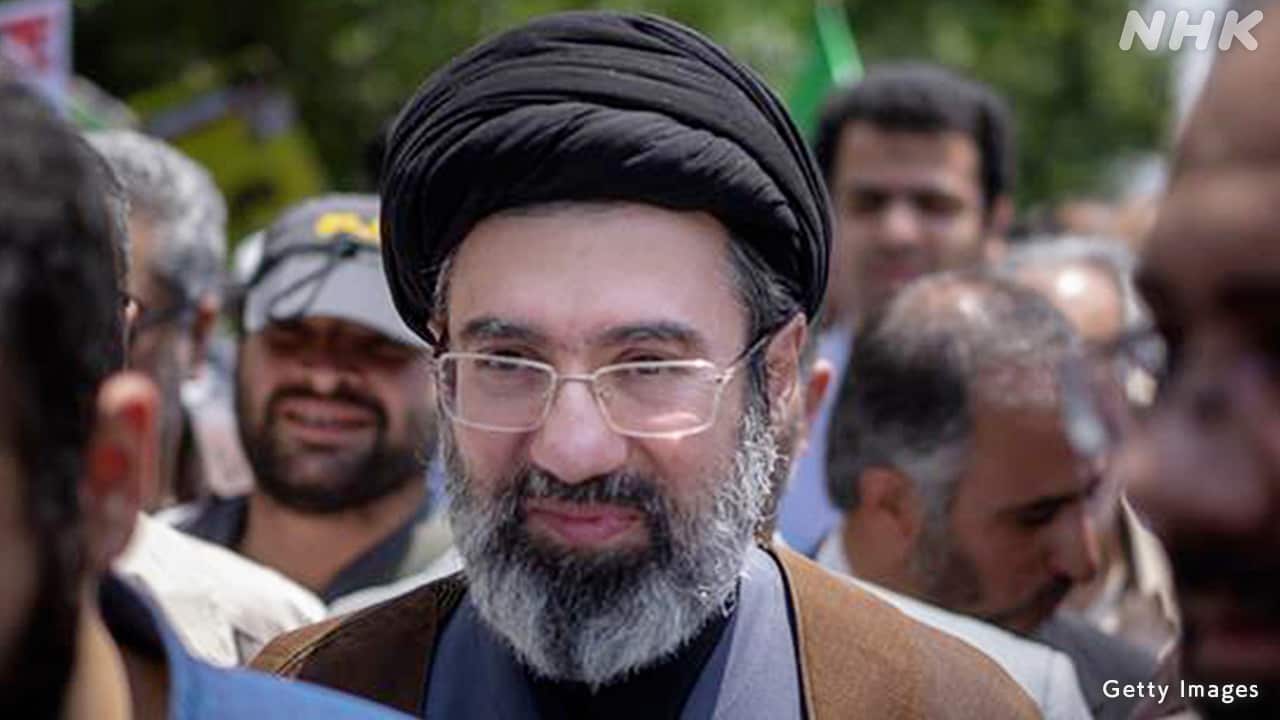
アメリカの有力紙、ニューヨーク・タイムズは23日、イランの高官など関係者20人余りへのインタビューをもとに、イランでは現在、最高指導者モジタバ・ハメネイ師が革命防衛隊に意思決定を委ねているなどと報じました。
記事ではまず、モジタバ師の健康状態について「モジタバ師は重傷を負ったものの、思考ははっきりしている。片足は3回の手術を受け、いま義足を待っている。顔と唇は重度のやけどを負い、話すことが困難な状態だ」などとしています。
最高指導者に選ばれて以降、公の場に姿を見せていないことについては「モジタバ師は、公の場での最初の演説で弱々しく見えたり聞こえたりすることを望んでいないため、映像の録画や音声の録音はしていない」ということです。
そして「身の安全への懸念、けが、そしてモジタバ師に連絡をとる大変さが重なり、少なくとも現時点では、モジタバ師は革命防衛隊の上層部に意思決定を委ねている」として、実質的な意思決定は革命防衛隊が担っているとしています。
また、イランの体制転換はすでに達成されているとのトランプ大統領の主張に否定的な見方を伝えているほか、ホルムズ海峡の封鎖やアメリカとの一時的な停戦といった戦略を主導したのは革命防衛隊だったとしたうえで「現在の集団指導体制のもとで優勢なのは革命防衛隊であり、現時点で彼らの間に混乱の兆しはみられない」としています。
アメリカとイランによる2回目の協議をめぐっては、革命防衛隊の上層部がアメリカによる海上封鎖などを理由に「協議は無意味だ」と主張したのに対し、ペゼシュキアン大統領とアラグチ外相が反対するなど意見の相違があったものの、最終的に軍部側の主張が通ったということです。
今後の先行きは見通せないとしたうえで「革命防衛隊がイランの核開発計画に関して、アメリカに対して十分な譲歩を認めるかどうかも不透明だ」と指摘しています。
記事ではまず、モジタバ師の健康状態について「モジタバ師は重傷を負ったものの、思考ははっきりしている。片足は3回の手術を受け、いま義足を待っている。顔と唇は重度のやけどを負い、話すことが困難な状態だ」などとしています。
最高指導者に選ばれて以降、公の場に姿を見せていないことについては「モジタバ師は、公の場での最初の演説で弱々しく見えたり聞こえたりすることを望んでいないため、映像の録画や音声の録音はしていない」ということです。
そして「身の安全への懸念、けが、そしてモジタバ師に連絡をとる大変さが重なり、少なくとも現時点では、モジタバ師は革命防衛隊の上層部に意思決定を委ねている」として、実質的な意思決定は革命防衛隊が担っているとしています。
また、イランの体制転換はすでに達成されているとのトランプ大統領の主張に否定的な見方を伝えているほか、ホルムズ海峡の封鎖やアメリカとの一時的な停戦といった戦略を主導したのは革命防衛隊だったとしたうえで「現在の集団指導体制のもとで優勢なのは革命防衛隊であり、現時点で彼らの間に混乱の兆しはみられない」としています。
アメリカとイランによる2回目の協議をめぐっては、革命防衛隊の上層部がアメリカによる海上封鎖などを理由に「協議は無意味だ」と主張したのに対し、ペゼシュキアン大統領とアラグチ外相が反対するなど意見の相違があったものの、最終的に軍部側の主張が通ったということです。
今後の先行きは見通せないとしたうえで「革命防衛隊がイランの核開発計画に関して、アメリカに対して十分な譲歩を認めるかどうかも不透明だ」と指摘しています。
Vocabulary
General
Proper noun
JLPT N2
JLPT N1
| # | 言葉 | 意味 |
|---|---|---|
| 7 | 革命 | かくめい (革命) : 1. revolution 2. 58th year of the sexagenary cycle (in Onmyōdō) |
| 6 | 師 | し (師) : 1. teacher; master; one's mentor 2. religious leader |
| 3 | 意思決定 | いしけってい (意思決定) : decision-making |
| 3 | 主張 | しゅちょう (主張) : claim; insistence; assertion; advocacy; emphasis; contention; opinion; tenet |
| 2 | もと | もと (元) : 1. origin; source 2. base; basis; foundation; root |
| 2 | 現在 | げんざい (現在) : now; current; present; present time; as of |
| 2 | 最高指導者 | さいこうしどうしゃ (最高指導者) : supreme leader; ultimate leader |
| 2 | 委ねる | ゆだねる (委ねる) : 1. to entrust (a matter) to; to leave to 2. to abandon oneself to (e.g. pleasure); to yield to (e.g. anger); to devote oneself to |
| 2 | 負う | おう (負う) : 1. to bear; to carry on one's back 2. to take responsibility for; to accept a duty |
| 2 | 現時点 | げんじてん (現時点) : present point (i.e. in history); at the present time |
| 2 | 上層部 | じょうそうぶ (上層部) : top brass; upper echelon; higher-ups; top management; upper reaches; top of the pile |
| 2 | 体制 | たいせい (体制) : order; system; structure; set-up; organization; organisation |
| 2 | 協議 | きょうぎ (協議) : conference; consultation; discussion; negotiation |
| 1 | 有力 | ゆうりょく (有力) : 1. influential; prominent 2. strong; likely; plausible; potent |
| 1 | 高官 | こうかん (高官) : high official |
| 1 | 関係者 | かんけいしゃ (関係者) : person concerned; people involved (in an event); those concerned; staff |
| 1 | 余り | あまり (余り) : 1. remainder; remnant; rest; balance; surplus; remains (of a meal); leftovers 2. (not) very; (not) much |
| 1 | 報ずる | ほうずる (報ずる) : to inform; to report |
| 1 | 記事 | きじ (記事) : article; news story; report; account |
| 1 | 健康状態 | けんこうじょうたい (健康状態) : (the condition of) one's health |
| 1 | 重傷 | じゅうしょう (重傷) : serious wound; serious injury |
| 1 | 思考 | しこう (思考) : thought; consideration; thinking |
| 1 | 片足 | かたあし (片足) : one leg; one-legged |
| 1 | 手術 | しゅじゅつ (手術) : 1. surgery; operation; procedure 2. skill with one's hands; sleight of hand |
| 1 | 義足 | ぎそく (義足) : artificial leg |
| 1 | 待つ | まつ (待つ) : 1. to wait 2. to await; to look forward to; to anticipate |
| 1 | 唇 | くちびる (唇) : lips |
| 1 | 重度 | じゅうど (重度) : severe (injury, handicap, etc.); serious |
| 1 | やけど | やけど (火傷) : burn; scald |
| 1 | 困難 | こんなん (困難) : 1. difficulty; hardship; trouble; distress 2. infeasibility; inability (to carry out) |
| 1 | 状態 | じょうたい (状態) : state; condition; situation; appearance; circumstances |
| 1 | 選ぶ | えらぶ (選ぶ) : to choose; to select |
| 1 | 以降 | いこう (以降) : on and after; as from; hereafter; thereafter; since |
| 1 | 姿 | すがた (姿) : 1. figure; form; shape 2. appearance; dress; guise |
| 1 | 演説 | えんぜつ (演説) : speech; address |
| 1 | 見える | みえる (見える) : 1. to be seen; to be in sight 2. to look; to seem; to appear |
| 1 | 聞こえる | きこえる (聞こえる) : 1. to be heard; to be audible 2. to be said to be; to be reputed |
| 1 | 望む | のぞむ (望む) : 1. to desire 2. to wish for; to expect |
| 1 | 映像 | えいぞう (映像) : 1. image (on a screen); picture (e.g. on a TV) 2. video; film; footage |
| 1 | 録画 | ろくが (録画) : (video) recording |
| 1 | 音声 | おんせい (音声) : 1. voice; speech; sound of a voice 2. sound (e.g. of a TV) |
| 1 | 録音 | ろくおん (録音) : (audio) recording |
| 1 | 身 | み (身) : 1. body 2. oneself |
| 1 | 懸念 | けねん (懸念) : worry; fear; anxiety; concern |
| 1 | 大変 | たいへん (大変) : 1. very; greatly; terribly; awfully 2. immense; enormous; great |
| 1 | 重なる | かさなる (重なる) : 1. to be piled up; to lie on top of one another 2. to come one after another; to happen over and over; to pile up (e.g. stress); to accumulate |
| 1 | 実質的 | じっしつてき (実質的) : substantial; real (as opposed to nominal) |
| 1 | 担う | になう (担う) : 1. to carry on one's shoulder; to shoulder; to bear 2. to bear (burden, responsibility, etc.); to take upon oneself |
| 1 | 転換 | てんかん (転換) : conversion; diversion; changeover; commutation; switchover |
| 1 | すでに | すでに (既に) : already; too late |
| 1 | 達成 | たっせい (達成) : achievement; attainment; accomplishment; realization |
| 1 | 否定的 | ひていてき (否定的) : negative; contradictory |
| 1 | 見方 | みかた (見方) : 1. viewpoint; point of view 2. way of understanding; way of appreciating; how to look at something (e.g. noh, train schedule) |
| 1 | 伝える | つたえる (伝える) : to convey; to report; to transmit; to communicate; to tell; to impart; to propagate; to teach; to bequeath |
| 1 | ホルムズ海峡 | ホルムズかいきょう (ホルムズ海峡) : Strait of Hormuz (place) |
| 1 | 封鎖 | ふうさ (封鎖) : 1. blockade; lockdown; sealing off (an area) 2. freezing (funds) |
| 1 | 一時的 | いちじてき (一時的) : temporary |
| 1 | 停戦 | ていせん (停戦) : armistice; ceasefire |
| 1 | 戦略 | せんりゃく (戦略) : strategy; tactics |
| 1 | 主導 | しゅどう (主導) : leadership; initiative; spearhead |
| 1 | 集団 | しゅうだん (集団) : group; mass |
| 1 | 指導 | しどう (指導) : 1. guidance; leadership; instruction; direction; coaching 2. shido (disciplinary action for a minor infringement of the rules of judo) |
| 1 | 優勢 | ゆうせい (優勢) : superiority; superior power; predominance; preponderance |
| 1 | 混乱 | こんらん (混乱) : disorder; chaos; confusion; mayhem |
| 1 | 兆し | きざし (兆し) : signs; omen; symptoms |
| 1 | めぐる | めぐる (巡る) : 1. to go around 2. to return |
| 1 | 海上封鎖 | かいじょうふうさ (海上封鎖) : sea blockade |
| 1 | 無意味 | むいみ (無意味) : nonsense; no meaning; meaningless |
| 1 | 大統領 | だいとうりょう (大統領) : 1. president (of a nation) 2. big man; boss; buddy; mate |
| 1 | 外相 | がいしょう (外相) : Foreign Minister |
| 1 | 相違 | そうい (相違) : difference; discrepancy; variation |
| 1 | 最終的 | さいしゅうてき (最終的) : final; eventual; ultimate |
| 1 | 軍部 | ぐんぶ (軍部) : military authorities; army circles |
| 1 | 通る | とおる (通る) : 1. to go by; to go past; to go along; to travel along; to pass through; to use (a road); to take (a route); to go via; to go by way of 2. to run (between; of a rail service, bus route, etc.); to operate (between); to connect |
| 1 | 今後 | こんご (今後) : from now on; hereafter |
| 1 | 先行き | さきゆき (先行き) : the future; future prospects |
| 1 | 関する | かんする (関する) : to concern; to be related |
| 1 | 譲歩 | じょうほ (譲歩) : concession; conciliation; compromise |
| 1 | 認める | したためる (認める) : 1. to write (e.g. a letter); to draw up (a document); to take down (e.g. notes) 2. to have (lunch, dinner, etc.); to eat |
| 1 | 不透明 | ふとうめい (不透明) : 1. opaque; obscure; murky; turbid 2. opacity; obscurity |
| 1 | 指摘 | してき (指摘) : pointing out; identification |