米中首脳 関係発展に前向き 台湾・イランでは発表に温度差も
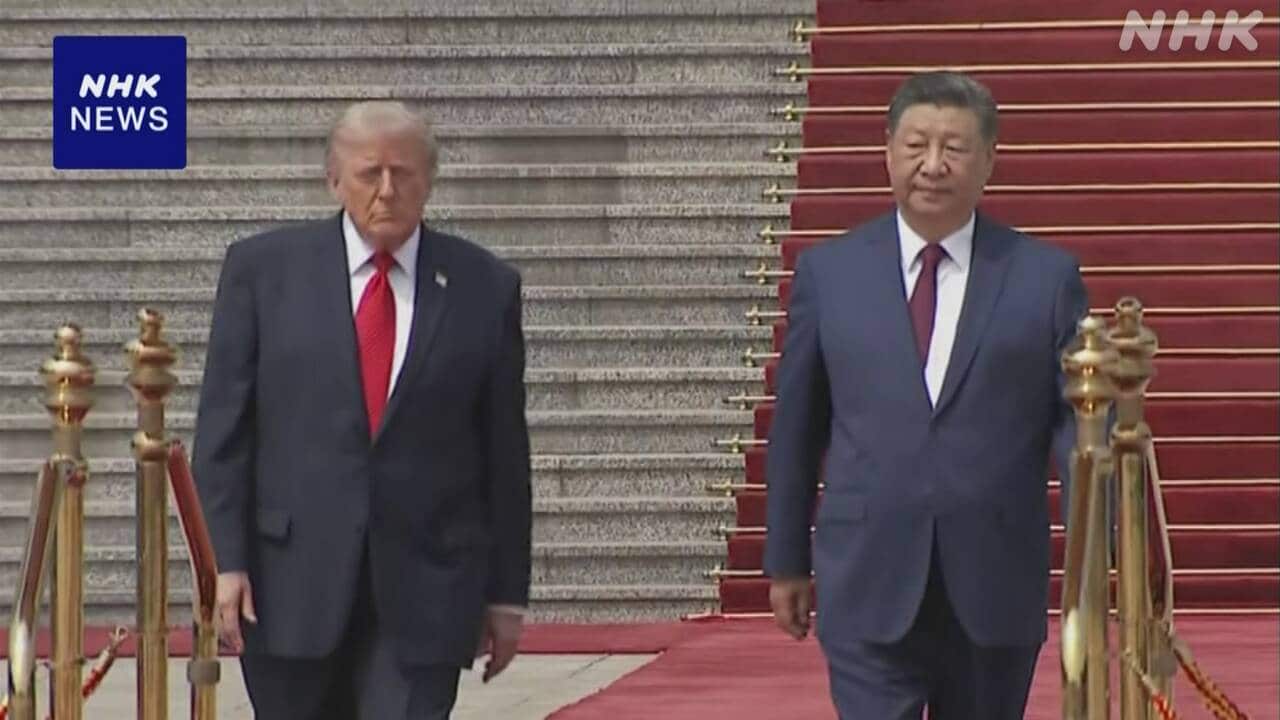
中国を訪れているアメリカのトランプ大統領と、習近平国家主席が会談し、両首脳は経済協力について協議し、関係の発展に前向きな姿勢を示しました。一方、習主席は台湾をめぐり、アメリカを強くけん制したほか、イラン情勢をめぐる議論などで両国の発表内容には温度差も見られました。
中国の北京で14日行われた米中首脳会談では、両首脳が2時間15分にわたって意見を交わしました。
経済・貿易については会談のあとホワイトハウスの当局者が、両首脳がアメリカ企業の中国市場へのアクセス拡大や、中国によるアメリカでの投資拡大など、両国の経済協力の強化について協議したと明らかにしました。
また、中国外務省によりますと、習主席は両国の貿易協議で進展があったことを明らかにしたほか、アメリカによる協力の強化を歓迎する考えを示したとしています。
イラン情勢については、アメリカ側は、「両国はイランが決して核兵器を保有してはならず、ホルムズ海峡は開放されていなければならないという認識で一致した」と明らかにしました。
さらに習主席がホルムズ海峡における軍事化や、通航料を徴収するいかなる試みにも反対の立場を明確にし、将来的にホルムズ海峡への依存を減らすため、さらなるアメリカ産の原油の購入に関心を示したとしています。
中国側は、中東情勢などについて意見を交わしたとしていますが、詳しい内容には触れていません。
一方、台湾をめぐる問題については習主席は、「中国とアメリカの関係で最も重要な問題だ。対応を誤れば両国は衝突し、非常に危険な状況に陥る」と述べ、アメリカを強くけん制しました。
会談のあと開かれた晩さん会では、習主席は両国関係の新たな枠組みとして協力しあい意見の違いを管理できるとする「建設的戦略安定関係」を構築することで一致したなどと強調しました。
これに対し、トランプ大統領は「中国の代表団と非常に前向きで実りある対話を行うことができた」と述べた上で、習主席と彭麗媛夫人をことし9月にホワイトハウスに招待する考えを明らかにしました。
今回の会談では、両首脳は関係の発展に前向きな姿勢を示した形ですが、台湾やイラン情勢をめぐる議論などで両国の発表内容には温度差も見られました。
アメリカのFOXニュースは14日に北京で行われた米中首脳会談のあとトランプ大統領にインタビューした内容の一部を公開しました。
この中でトランプ大統領は、イラン情勢をめぐる習近平国家主席とのやりとりについて、「習主席は『役に立てるなら、喜んで協力したい』と言った。あれほどの原油を購入する国なら、当然、関係があるはずだ。習主席はホルムズ海峡が開放されるのを望んでいる」と述べました。
そのうえで、「習主席は軍事装備品を提供しないと言った。これは大事な発言だ」と述べて、意義を強調しました。
さらにトランプ大統領は「たくさんのことを話したし、とてもよい会談だった。習主席が合意したことのひとつはボーイングのジェット機200機を注文するということだ」と明らかにしました。
アメリカのルビオ国務長官はNBCテレビのインタビューに応じ、米中首脳会談で習近平国家主席がトランプ大統領に台湾への武器売却を見送るよう要請したかという質問に対し、「今回の会談の主要なテーマではなかった」と述べるにとどまりました。
そして、「アメリカの議会も武器売却の過程に関わっている」とし、「議会の決定に応じて政権も対応していく」と述べました。
その上で、「台湾をめぐるアメリカの政策は今も変わらない。彼らは必ず取り上げるが、われわれは常にみずからの立場を明確にし、そのあと他の議題に移る。彼らの立場は分かっているし、彼らもわれわれの立場を理解していると思う」と述べました。
また、イラン情勢についてトランプ大統領は習主席に何かを求めたかという問いに対しては、「何も求めなかった。われわれは中国に協力を求めてはいない。彼らの助けなど必要ない。われわれがこの問題を提起したのは、われわれの立場を明確にし、中国側に理解してもらうためだ」と強調しました。
アメリカの経済チャンネルCNBCは14日、トランプ大統領とともに中国を訪問しているベッセント財務長官へのインタビュー内容を伝えました。
この中で、ホルムズ海峡をめぐり中国から協力を得る見通しがたったのか問われると、ベッセント長官は「彼らはできるかぎりのことをすると思う。中国は海峡が再び開放されることにアメリカよりはるかに大きな利害を持っている。中国はエネルギー需要のおよそ3分の1を湾岸地域から得ている」と述べました。
その上で、「イラン指導部に対して何らかの発言力を持つ者がいるかぎり、中国は水面下で働きかけを行っていくだろう」と述べ、中国の関与に期待を示しました。
一方、AI=人工知能について、「われわれは中国側とAIの安全対策について協議するだろう。中国はわれわれに後れをとってはいるものの、非常に高度なAI産業を持っている。ふたつのAI超大国が対話を始めることになる」と述べた上で、国家に属さない組織などによるAIの悪用を防ぐため、ルールづくりを進める考えを明らかにしました。
中国の北京で14日行われた米中首脳会談では、両首脳が2時間15分にわたって意見を交わしました。
経済・貿易については会談のあとホワイトハウスの当局者が、両首脳がアメリカ企業の中国市場へのアクセス拡大や、中国によるアメリカでの投資拡大など、両国の経済協力の強化について協議したと明らかにしました。
また、中国外務省によりますと、習主席は両国の貿易協議で進展があったことを明らかにしたほか、アメリカによる協力の強化を歓迎する考えを示したとしています。
イラン情勢については、アメリカ側は、「両国はイランが決して核兵器を保有してはならず、ホルムズ海峡は開放されていなければならないという認識で一致した」と明らかにしました。
さらに習主席がホルムズ海峡における軍事化や、通航料を徴収するいかなる試みにも反対の立場を明確にし、将来的にホルムズ海峡への依存を減らすため、さらなるアメリカ産の原油の購入に関心を示したとしています。
中国側は、中東情勢などについて意見を交わしたとしていますが、詳しい内容には触れていません。
一方、台湾をめぐる問題については習主席は、「中国とアメリカの関係で最も重要な問題だ。対応を誤れば両国は衝突し、非常に危険な状況に陥る」と述べ、アメリカを強くけん制しました。
会談のあと開かれた晩さん会では、習主席は両国関係の新たな枠組みとして協力しあい意見の違いを管理できるとする「建設的戦略安定関係」を構築することで一致したなどと強調しました。
これに対し、トランプ大統領は「中国の代表団と非常に前向きで実りある対話を行うことができた」と述べた上で、習主席と彭麗媛夫人をことし9月にホワイトハウスに招待する考えを明らかにしました。
今回の会談では、両首脳は関係の発展に前向きな姿勢を示した形ですが、台湾やイラン情勢をめぐる議論などで両国の発表内容には温度差も見られました。
アメリカのFOXニュースは14日に北京で行われた米中首脳会談のあとトランプ大統領にインタビューした内容の一部を公開しました。
この中でトランプ大統領は、イラン情勢をめぐる習近平国家主席とのやりとりについて、「習主席は『役に立てるなら、喜んで協力したい』と言った。あれほどの原油を購入する国なら、当然、関係があるはずだ。習主席はホルムズ海峡が開放されるのを望んでいる」と述べました。
そのうえで、「習主席は軍事装備品を提供しないと言った。これは大事な発言だ」と述べて、意義を強調しました。
さらにトランプ大統領は「たくさんのことを話したし、とてもよい会談だった。習主席が合意したことのひとつはボーイングのジェット機200機を注文するということだ」と明らかにしました。
アメリカのルビオ国務長官はNBCテレビのインタビューに応じ、米中首脳会談で習近平国家主席がトランプ大統領に台湾への武器売却を見送るよう要請したかという質問に対し、「今回の会談の主要なテーマではなかった」と述べるにとどまりました。
そして、「アメリカの議会も武器売却の過程に関わっている」とし、「議会の決定に応じて政権も対応していく」と述べました。
その上で、「台湾をめぐるアメリカの政策は今も変わらない。彼らは必ず取り上げるが、われわれは常にみずからの立場を明確にし、そのあと他の議題に移る。彼らの立場は分かっているし、彼らもわれわれの立場を理解していると思う」と述べました。
また、イラン情勢についてトランプ大統領は習主席に何かを求めたかという問いに対しては、「何も求めなかった。われわれは中国に協力を求めてはいない。彼らの助けなど必要ない。われわれがこの問題を提起したのは、われわれの立場を明確にし、中国側に理解してもらうためだ」と強調しました。
アメリカの経済チャンネルCNBCは14日、トランプ大統領とともに中国を訪問しているベッセント財務長官へのインタビュー内容を伝えました。
この中で、ホルムズ海峡をめぐり中国から協力を得る見通しがたったのか問われると、ベッセント長官は「彼らはできるかぎりのことをすると思う。中国は海峡が再び開放されることにアメリカよりはるかに大きな利害を持っている。中国はエネルギー需要のおよそ3分の1を湾岸地域から得ている」と述べました。
その上で、「イラン指導部に対して何らかの発言力を持つ者がいるかぎり、中国は水面下で働きかけを行っていくだろう」と述べ、中国の関与に期待を示しました。
一方、AI=人工知能について、「われわれは中国側とAIの安全対策について協議するだろう。中国はわれわれに後れをとってはいるものの、非常に高度なAI産業を持っている。ふたつのAI超大国が対話を始めることになる」と述べた上で、国家に属さない組織などによるAIの悪用を防ぐため、ルールづくりを進める考えを明らかにしました。
Vocabulary
General
Proper noun
JLPT N2
JLPT N1
| # | 言葉 | 意味 |
|---|---|---|
| 15 | 中国 | ちゅうごく (中国) : 1. China 2. Chūgoku region of western Honshu (incl. Okayama, Hiroshima, Shimane, Tottori and Yamaguchi prefectures) |
| 11 | 主席 | しゅせき (主席) : 1. head; chief 2. chairman; governor; president |
| 10 | 述べる | のべる (述べる) : to state; to express; to mention |
| 7 | めぐる | めぐる (巡る) : 1. to go around 2. to return |
| 7 | 両国 | りょうこく (両国) : 1. both countries 2. Ryōgoku (area of Tokyo) |
| 7 | われわれ | われわれ (我々) : we |
| 6 | 会談 | かいだん (会談) : conversation; conference (usu. between important people); discussion; interview |
| 6 | 情勢 | じょうせい (情勢) : state of things; state of affairs; condition; situation; circumstances |
| 6 | 明らか | あきらか (明らか) : 1. clear; obvious; evident; plain; definite 2. bright; light |
| 5 | 示す | しめす (示す) : 1. to (take out and) show; to demonstrate; to tell; to exemplify; to make apparent 2. to point out (finger, clock hand, needle, etc.) |
| 5 | 台湾 | たいわん (台湾) : Taiwan |
| 5 | 内容 | ないよう (内容) : contents; content; substance; matter; detail; import |
| 5 | 協力 | きょうりょく (協力) : cooperation; collaboration |
| 5 | ホルムズ海峡 | ホルムズかいきょう (ホルムズ海峡) : Strait of Hormuz (place) |
| 5 | 立場 | たちば (立場) : 1. position; situation 2. viewpoint; standpoint; point of view |
| 4 | 両 | りょう (両) : 1. both (hands, parents, sides, etc.) 2. counter for carriages (e.g. in a train); counter for vehicles |
| 4 | 首脳 | しゅのう (首脳) : 1. head; leader; top 2. important part |
| 4 | 協議 | きょうぎ (協議) : conference; consultation; discussion; negotiation |
| 3 | 習近平 | しゅうきんぺい (習近平) : Xi Jinping (person) |
| 3 | 国家主席 | こっかしゅせき (国家主席) : head of state |
| 3 | 前向き | まえむき (前向き) : 1. front-facing 2. forward-looking; positive; constructive |
| 3 | 米中 | べいちゅう (米中) : America and China; Sino-American |
| 3 | 首脳会談 | しゅのうかいだん (首脳会談) : leadership conference; summit meeting; top-level conference |
| 3 | 考え | かんがえ (考え) : 1. thinking; thought; view; opinion; concept 2. idea; notion; imagination |
| 3 | 開放 | かいほう (開放) : 1. opening (a door, window, etc.); leaving open 2. opening up (e.g. to the public); allowing (public) access |
| 3 | 明確 | めいかく (明確) : clear; precise; definite; distinct |
| 3 | 非常 | ひじょう (非常) : 1. emergency 2. extraordinary; unusual |
| 3 | 強調 | きょうちょう (強調) : emphasis; highlight; stress; stressed point |
| 3 | 求める | もとめる (求める) : 1. to want; to wish for 2. to request; to demand; to require; to ask for |
| 2 | 経済協力 | けいざいきょうりょく (経済協力) : economic cooperation |
| 2 | 発展 | はってん (発展) : 1. development; growth; expansion; extension; flourishing 2. development (of a situation, story, etc.); advancement; progression; unfolding |
| 2 | 姿勢 | しせい (姿勢) : 1. posture; pose; position; stance; carriage (of the body) 2. attitude; approach; stance |
| 2 | けん制 | けんせい (牽制) : 1. check; keeping in check; restraint; curbing; reining in; discouraging (from doing) 2. containment (of enemy forces); diversionary action; feint operation; show of force |
| 2 | 議論 | ぎろん (議論) : argument; discussion; dispute; controversy |
| 2 | 発表 | はっぴょう (発表) : announcement; publication; presenting; statement; communique; making known; breaking (news story); expressing (one's opinion); releasing; unveiling |
| 2 | 温度 | おんど (温度) : temperature |
| 2 | 差 | さ (差) : 1. difference; variation 2. difference |
| 2 | 北京 | ペキン (北京) : Beijing (China); Peking |
| 2 | 拡大 | かくだい (拡大) : magnification; enlargement; expansion; amplification |
| 2 | 強化 | きょうか (強化) : strengthening; intensifying; reinforcement; enhancement; solidification |
| 2 | 一致 | いっち (一致) : 1. coincidence; agreement; union; match 2. conformity; consistency |
| 2 | 原油 | げんゆ (原油) : crude oil |
| 2 | 購入 | こうにゅう (購入) : purchase; buy |
| 2 | 対応 | たいおう (対応) : 1. correspondence (to); equivalence 2. suitability; coordination; matching; being appropriate (for) |
| 2 | 対話 | たいわ (対話) : dialogue; discussion; conversation; interaction |
| 2 | 応ずる | おうずる (応ずる) : 1. to answer; to respond; to meet 2. to satisfy; to accept |
| 2 | 武器 | ぶき (武器) : 1. weapon; arms; ordnance 2. weapon (something used to gain an advantage); asset |
| 2 | 売却 | ばいきゃく (売却) : selling off; disposal by sale; sale |
| 2 | 議会 | ぎかい (議会) : congress; parliament; diet; legislative assembly |
| 2 | 理解 | りかい (理解) : understanding; comprehension; appreciation; sympathy |
| 2 | 長官 | ちょうかん (長官) : secretary (government); director; chief |
| 2 | かぎり | かぎり (限り) : 1. limit; limits; bounds 2. degree; extent; scope |
| 2 | 持つ | もつ (持つ) : 1. to hold (in one's hand); to take; to carry 2. to possess; to have; to own |
| 1 | 訪れる | おとずれる (訪れる) : 1. to visit; to call on 2. to arrive (season, time, situation, etc.); to come; to appear |
| 1 | 当局者 | とうきょくしゃ (当局者) : authority (person) |
| 1 | 市場 | いちば (市場) : (town) market; (street) market; marketplace |
| 1 | 投資 | とうし (投資) : investment |
| 1 | 外務省 | がいむしょう (外務省) : Ministry of Foreign Affairs |
| 1 | 進展 | しんてん (進展) : progress; development |
| 1 | 歓迎 | かんげい (歓迎) : welcome; reception |
| 1 | 核兵器 | かくへいき (核兵器) : nuclear weapon |
| 1 | 保有 | ほゆう (保有) : possession; retention; maintenance |
| 1 | 認識 | にんしき (認識) : recognition; awareness; perception; understanding; knowledge; cognition; cognizance; cognisance |
| 1 | 軍事化 | ぐんじか (軍事化) : militarization; militarisation |
| 1 | 通航 | つうこう (通航) : navigation; sailing |
| 1 | 徴収 | ちょうしゅう (徴収) : collection (of fees, taxes, etc.); levy |
| 1 | いかなる | いかなる (如何なる) : any kind of; every; whatsoever; whatever |
| 1 | 試み | こころみ (試み) : 1. attempt; trial; experiment 2. endeavour (endeavor); effort; venture; initiative |
| 1 | 将来的 | しょうらいてき (将来的) : future; possible; potential; prospective |
| 1 | 依存 | いぞん (依存) : dependence; reliance |
| 1 | 減らす | へらす (減らす) : to abate; to decrease; to diminish; to shorten |
| 1 | さらなる | さらなる (更なる) : even more; still more; further |
| 1 | 関心 | かんしん (関心) : concern; interest |
| 1 | 中東 | ちゅうとう (中東) : Middle East |
| 1 | 詳しい | くわしい (詳しい) : 1. detailed; full; minute 2. knowing very well; knowledgeable (about); well-acquainted (with); well-informed (about); familiar (with) |
| 1 | 触れる | ふれる (触れる) : 1. to touch; to feel 2. to touch (with) |
| 1 | 最も | もっとも (最も) : most; extremely |
| 1 | 重要 | じゅうよう (重要) : important; momentous; essential; principal; major |
| 1 | 誤る | あやまる (誤る) : 1. to make a mistake (in); to commit an error; to do incorrectly; to err 2. to be wrong; to be incorrect; to be false; to be mistaken |
| 1 | 衝突 | しょうとつ (衝突) : 1. collision; crash; running into 2. conflict; quarrel; clashing |
| 1 | 状況 | じょうきょう (状況) : state of affairs (around you); situation; circumstances |
| 1 | 陥る | おちいる (陥る) : 1. to fall into (e.g. a hole) 2. to fall into (chaos, depression, dilemma, illness, etc.) |
| 1 | 開く | ひらく (開く) : 1. to open; to undo; to unseal; to unpack 2. to bloom; to unfold; to spread out |
| 1 | 晩さん会 | ばんさんかい (晩餐会) : banquet; dinner party |
| 1 | 新た | あらた (新た) : new; fresh; novel |
| 1 | 枠組み | わくぐみ (枠組み) : 1. frame 2. framework; outline |
| 1 | 違い | ちがい (違い) : 1. difference; distinction; discrepancy 2. mistake; error |
| 1 | 管理 | かんり (管理) : control; management (e.g. of a business) |
| 1 | 建設的 | けんせつてき (建設的) : constructive |
| 1 | 戦略 | せんりゃく (戦略) : strategy; tactics |
| 1 | 安定 | あんてい (安定) : stability; steadiness; equilibrium |
| 1 | 構築 | こうちく (構築) : construction; building; putting up; erecting; creation; formulation; architecture (systems, agreement, etc.) |
| 1 | 代表団 | だいひょうだん (代表団) : delegation |
| 1 | 実り | みのり (実り) : 1. ripening (of a crop) 2. crop; harvest |
| 1 | 夫人 | ふじん (夫人) : 1. wife; Mrs; madam 2. wife of a nobleman (aristocrat, etc.) |
| 1 | 一部 | いちぶ (一部) : 1. one part; one portion; one section; some 2. one copy (e.g. of a document) |
| 1 | 公開 | こうかい (公開) : opening to the public; making available to the public; putting on display; exhibiting; showing (play, movie, etc.); holding (interview, etc.); open; public |
| 1 | やりとり | やりとり (やり取り) : giving and taking; exchange (of letters); arguing back and forth; (conversational) exchange |
| 1 | 役 | えき (役) : 1. war; campaign; battle 2. unpaid work (ritsuryo system); forced labor |
| 1 | 喜ぶ | よろこぶ (喜ぶ) : 1. to be delighted; to be glad; to be pleased 2. to congratulate |
| 1 | 当然 | とうぜん (当然) : 1. natural; right; proper; just; reasonable; appropriate; deserved 2. naturally; as a matter of course; rightly; deservedly; justly; of course |
| 1 | 望む | のぞむ (望む) : 1. to desire 2. to wish for; to expect |
| 1 | 軍事 | ぐんじ (軍事) : military affairs |
| 1 | 装備 | そうび (装備) : equipment |
| 1 | 提供 | ていきょう (提供) : 1. offer; tender; providing; supplying; making available; donating (blood, organs, etc.) 2. sponsoring (a TV program) |
| 1 | 発言 | はつげん (発言) : statement; remark; observation; utterance; speech; proposal |
| 1 | 意義 | いぎ (意義) : meaning; significance |
| 1 | 合意 | ごうい (合意) : (coming to an) agreement; consent; mutual understanding; accord; consensus |
| 1 | ジェット機 | ジェットき (ジェット機) : jet aeroplane; jet airplane |
| 1 | 機 | はた (機) : loom |
| 1 | 注文 | ちゅうもん (注文) : 1. order (for an item) 2. request; demand; condition |
| 1 | 国務長官 | こくむちょうかん (国務長官) : Secretary of State |
| 1 | 見送る | みおくる (見送る) : 1. to see someone off (at a station, an airport, etc.); to escort (e.g. home) 2. to follow something with one's eyes until it is out of sight |
| 1 | 要請 | ようせい (要請) : 1. appeal; call for something; request; claim; demand 2. axiom |
| 1 | 主要 | しゅよう (主要) : chief; main; principal; major |
| 1 | とどまる | とどまる (止まる) : 1. to remain; to abide; to stay (in the one place) 2. to be limited to; to be confined to; to only account for |
| 1 | 過程 | かてい (過程) : process; course; mechanism |
| 1 | 関わる | かかわる (関わる) : 1. to be affected; to be influenced 2. to be concerned with; to have to do with |
| 1 | 決定 | けってい (決定) : decision; determination |
| 1 | 政権 | せいけん (政権) : (political) administration; political power |
| 1 | 政策 | せいさく (政策) : political measures; policy |
| 1 | 変わる | かわる (変わる) : 1. to change; to be transformed; to be altered; to vary 2. to move to |
| 1 | 取り上げる | とりあげる (取り上げる) : 1. to pick up 2. to adopt (e.g. a proposal); to accept; to take up (a topic, complaint, etc.); to listen to; to deal with; to feature |
| 1 | 常 | とこ (常) : constant; unchanging; eternal |
| 1 | みずから | みずから (自ら) : 1. oneself 2. oneself; for oneself; personally; in person |
| 1 | 他 | ほか (他) : 1. other (place, thing, person); the rest 2. outside; beyond |
| 1 | 議題 | ぎだい (議題) : topic of discussion; agenda |
| 1 | 分かる | わかる (分かる) : 1. to understand; to comprehend; to grasp; to see; to get; to follow 2. to become clear; to be known; to be discovered; to be realized; to be realised; to be found out |
| 1 | 問い | とい (問い) : question; query |
| 1 | 助け | たすけ (助け) : assistance; help; aid; support; reinforcement |
| 1 | 提起 | ていき (提起) : 1. raising (a question); bringing up (a problem); instituting (a lawsuit); filing (a claim); submitting (a case) 2. lifting up |
| 1 | 訪問 | ほうもん (訪問) : call; visit |
| 1 | 財務 | ざいむ (財務) : financial affairs |
| 1 | 伝える | つたえる (伝える) : to convey; to report; to transmit; to communicate; to tell; to impart; to propagate; to teach; to bequeath |
| 1 | 見通し | みとおし (見通し) : 1. unobstructed view; perspective; visibility; vista 2. forecast; outlook; prospect; prediction |
| 1 | たつ | たつ (起つ) : to rise up; to initiate (political) action |
| 1 | 問う | とう (問う) : 1. to ask; to inquire 2. to blame (someone) for; to accuse of; to pursue (question of responsibility); to charge with |
| 1 | 海峡 | かいきょう (海峡) : channel (e.g. between two land masses); strait |
| 1 | 再び | ふたたび (再び) : again; once more; a second time |
| 1 | はるか | はるか (遥か) : far; far away; distant; remote; far off |
| 1 | 利害 | りがい (利害) : advantages and disadvantages; interests (of parties) |
| 1 | 需要 | じゅよう (需要) : demand; request |
| 1 | 湾岸 | わんがん (湾岸) : gulf coast; bay coast |
| 1 | 地域 | ちいき (地域) : area; region |
| 1 | 指導部 | しどうぶ (指導部) : leadership |
| 1 | 発言力 | はつげんりょく (発言力) : forcefulness of speech; influential voice |
| 1 | 水面下 | すいめんか (水面下) : 1. underwater 2. behind closed doors; behind the scenes; below the surface |
| 1 | 働きかけ | はたらきかけ (働きかけ) : pressure; encouragement; urging; promoting |
| 1 | 関与 | かんよ (関与) : participation; taking part in; participating in; being concerned in |
| 1 | 期待 | きたい (期待) : 1. expectation; anticipation; hope 2. promising; rising; up-and-coming |
| 1 | 人工知能 | じんこうちのう (人工知能) : artificial intelligence; AI |
| 1 | 安全対策 | あんぜんたいさく (安全対策) : safety measure |
| 1 | 後れ | おくれ (遅れ) : delay; lag; postponement; falling behind |
| 1 | 高度 | こうど (高度) : 1. altitude; height; elevation 2. high-degree; high-grade; advanced; sophisticated; strong |
| 1 | 超大国 | ちょうたいこく (超大国) : superpower; superstate |
| 1 | 国家 | こっか (国家) : state; country; nation |
| 1 | 属す | ぞくす (属す) : to belong to; to come under; to be affiliated with; to be subject to |
| 1 | 組織 | そしき (組織) : 1. organization; organisation; formation 2. structure; construction; setup; constitution |
| 1 | 悪用 | あくよう (悪用) : abuse; misuse; perversion |
| 1 | 防ぐ | ふせぐ (防ぐ) : 1. to defend against; to protect against 2. to prevent; to avert; to avoid |
| 1 | づくり | づくり (作り) : 1. making; forming; cultivating; growing 2. form; appearance |
| 1 | 進める | すすめる (進める) : 1. to advance; to move forward; to put (a clock, watch) forward 2. to carry forward (plans, work, etc.); to proceed with; to make progress in; to further; to advance; to hasten; to speed up |