「うちの子だけ遅れてる」「○○くんはできるのに」と焦る親の“致命的な勘違い”…指導歴38年のプロが明かす《脱毒親》への道
予習
この記事のキーワード — タップで意味×6
我が
わが
my; our; one's own
×3
頂上
ちょうじょう
top; summit; peak
×5
違い
ちがい
1. difference; distinction; discrepancy 2. mistake; error
×6
高さ
たかさ
1. height; altitude; elevation; level 2. altitude; height
×3
焦る
あせる
1. to be in a hurry; to be impatient; to be anxious (to do); to fret 2. to get a fright; to panic; to get flustered; to be startled
N1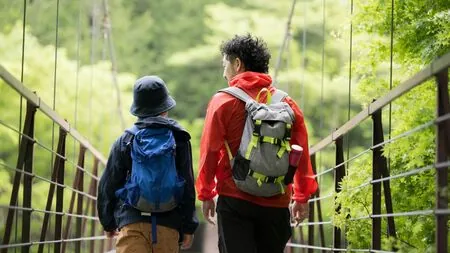
【質問】
小学3年生の息子のことで悩んでいます。同じクラスのお友だちは、分数を知っていたり、中学受験塾でたくさん勉強していたり、どんどん前に進んでいるように見えます。それに比べてうちの子は、勉強も運動も平均以下。本人もマイペースで焦る様子もありません。私だけが焦って、つい「○○くんはできているのに、どうしてあなたは……」と思ってしまい、自己嫌悪に陥ります。このままで本当に大丈夫なのでしょうか。
(40代、Mさん)
子どものことを思うあまり、つい他の子と比べてしまい、自己嫌悪に陥ってしまう。そのお気持ち、とてもよくわかります。筆者はこれまで38年間、4500人以上の子どもたちを直接指導し、Mama Café(カフェスタイル勉強会)でも累計1.8万人の親御さんたちの相談に回答してきましたが、「比べてしまう」という悩みは、最も多くいただくご相談のひとつです。このしんどさの裏には、多くの親が陥っている“ある勘違い”があります。
■親を苦しめる「同じ山を登っている」という錯覚 私たちは無意識のうちに、子どもたちが皆「同じひとつの大きな山」のふもとに並ばされ、一斉に頂上を目指して競争していると錯覚してしまっています。学校というシステムや、年齢ごとに区切られた成長の目安が、その錯覚をさらに強固にし、信念化することすらあります。「同じ年齢」というだけで「同じコース」にいると思い込んでしまうのです。 同じ山を登っていると仮定してしまうと、当然ながら「現在地の高さ」が気になり始めます。「あの子はもうあんな高いところまで登っているのに、うちの子はまだ5合目だ」「お隣の子は走って登っているのに、うちの子は座り込んで石ころをいじってばかりいる」と、視線は自然と「他の子の高さ」や「登るスピード」に向かい、我が子のペースの遅さにイライラしたり、不安になったりします。親の愛情ゆえの心配ではありますが、これが子育てのしんどさの根本的な原因なのです。
しかし、現実はまったく違います。子どもたちはそもそも、同じ山に登ってなどいないのです。 一人ひとりの子どもが持っている個性や才能、成長のペースは、それぞれが挑んでいる「山の形」そのものです。他の子と我が子では、登っている山が根本的に違うのですから、高さを比べることには何の意味もありません。それぞれの山には、次のような3つの違いがあります。 (1)「道」の違い(興味と才能の方向性の違い) ある子は、一直線に頂上を目指すような整備された階段(例えば、学校の勉強にすんなり適応できる特性)を登っているかもしれません。しかし別の子は、草をかき分け、虫を追いかけながら進む獣道(ひとつのことに強いこだわりを持つ職人気質な特性)を歩いているかもしれません。スポーツという山にいる子もいれば、芸術という山にいる子も、人間関係の機微を学ぶという見えない山にいる子もいます。道が違えば、必要な装備も、歩き方もまったく異なるのです。
(2)「傾斜」の違い(成長のペースの違い) 緩やかな坂道を一定のペースでコツコツと登っていく子もいれば、最初はなかなか進んでいるように見えないのに、ある時期から急激な崖をクライマーのように一気に駆け上がる「大器晩成型」の子もいます。 途中で大きな岩に行き当たり、しばらく足踏みをしてしまう時期もあるでしょう。傾斜はその子の山が持つ形そのものであり、親が外から無理に押し上げようとすると、バランスを崩して滑落してしまう危険すらあります。
(3)「景色」の違い(その子だけの経験と喜び) これが一番大切なことかもしれません。子どもたちは、自分の山を登りながら、そこでしか見られない景色を楽しんでいます。外から見れば「もっと早く登ればいいのに」と思うような場所でも、その子は足元に咲く小さな花々の美しさに感動しているのかもしれません。その感動や発見こそが、その子の人生を豊かにする栄養になります。 別の山の頂上からの景色と、我が子が今見ている足元の景色、どちらが優れているなどと比べることはできません。ご相談者さんのお子さんが「マイペースで焦る様子もない」というのは、もしかしたら今、そうした「自分の山の景色」をしっかり味わっている時期なのかもしれません。
■見るべきは隣の山ではなく、わが子の「足元」 「違う山を登っている」という事実を受け入れると、親の役割がガラリと変わります。 もし、自分の子どもが別の山を登っていると本気で理解できたら、もう隣の山を双眼鏡で覗き込んで「あの子はもうあんなに上にいる!」と騒ぐことはなくなるはずです。遠くの山は見えても、そこに至るまでの苦労や、その子の靴擦れまでは見えません。表面的な「高さ」だけで比較することが、どれほどナンセンスかがおわかりいただけると思います。
親が見るべきなのは、他の山の高さではなく、「我が子が、自分の山を、自分の足で一歩ずつ登っているか」です。 昨日できなかったことが、今日少しだけできるようになった。何度も転んだけれど、もう一度立ち上がって歩き始めた。新しい道を発見して、目をキラキラさせている。これらの一歩一歩の事実こそが、成長の証です。 親は、先頭を走って子どもを引っ張り上げるリーダーではなく、少し後ろから見守り、子どもが疲れたときには水筒を渡し、迷ったときには一緒に地図を広げる「伴走者」や「山岳ガイド」のような存在であるべきなのです。
子ども自身もまた、成長するにつれて「周りの子」と自分を比べて落ち込む時期が必ずやってきます。「あの子の方が足が速い」「あの子の方が頭がいい」と。 そんなとき、親が日頃から「あなたはあなたの山を登ればいいんだよ」「昨日のあなたより確実に一歩進んでいるね」と伝えていれば、子どもは不必要に劣等感を抱くことなく、自分の人生に集中することができます。 反対に、親の「○○くんはできるのに」が積み重なると、子どもは「自分はダメなんだ」と思い込むようになります。愛情から出た言葉でも、比較が口ぐせになれば、子どもの心を静かに蝕んでいくのです。
比較から生まれるのは、優越感か劣等感のどちらかだけであり、そこには本当の自己肯定感は育ちません。本当の自己肯定感とは、「自分の山は、なかなか悪くない」「自分のペースで登るこの道のりが好きだ」と思える心のことです。 ■今日からできる、「過去のその子」と比べる声かけ 最後に、今日から実践できることをお伝えします。 子どもが何かを達成したとき、「○○ちゃんより上手だね」と他者と比較して褒めるのではなく、「1カ月前はできなかったのに、毎日頑張ったからできるようになったね」と、「過去のその子」と「今のその子」を比較して認めてあげてください。
そして、目に見える進歩がないように思える日は、日常の「雑談」を通じて、子どもとの信頼関係のメンテナンスをしておくといいでしょう。何気ない会話は、子どもにとって「ちゃんと見てもらえている」という安心感になり、親子の関係を強くしてくれます。 子どもは皆、違う山に登っています。誰一人として同じルートはありません。親である私たちができる最大のサポートは、他の山の高さを気にして焦らせることではなく、我が子の歩幅を信じ、その子が自分自身の山頂に向かって踏み出す「今日の一歩」を、世界で一番近くで讃えてあげることなのです。
ご相談者さんのお子さんは、自分の山をしっかりと登っています。どうかその歩みを、信じてあげてください。
この記事の単語 (182)
×6
高さ
たかさ
1. height; altitude; elevation; level 2. altitude; height
×6
我が
わが
my; our; one's own
×5
他
ほか
1. other (place, thing, person); the rest 2. outside; beyond
×5
成長
せいちょう
1. growth; development; growing up; becoming an adult 2. growth (of a company, the economy, etc.)
×5
違い
ちがい
1. difference; distinction; discrepancy 2. mistake; error
×5
知れる
しれる
1. to become known; to come to light; to be discovered 2. to be known; to be understood
×5
比較
ひかく
comparison
×4
子供達
こどもたち
children
×4
時期
じき
time; season; period; phase; stage
×3
焦る
あせる
1. to be in a hurry; to be impatient; to be anxious (to do); to fret 2. to get a fright; to panic; to get flustered; to be startled
×3
陥る
おちいる
1. to fall into (e.g. a hole) 2. to fall into (chaos, depression, dilemma, illness, etc.)
×3
本当
ほんとう
1. truth; reality; actuality; fact 2. proper; right; correct; official
×3
錯覚
さっかく
1. optical illusion; hallucination 2. misapprehension; delusion
×3
頂上
ちょうじょう
top; summit; peak
×3
足元
あしもと
1. at one's feet; underfoot; one's step (as in "watch your step") 2. gait; pace; step
×2
様子
ようす
1. state; state of affairs; situation; circumstances 2. appearance; look; aspect
×2
自己嫌悪
じこけんお
self-hatred; self-abhorrence; self-loathing
×2
しんどい
1. tired; frazzled 2. tiresome; tiring; draining; bothersome; worrisome
×2
私達
わたしたち
we; us
×2
目指す
めざす
1. to aim at (for, to do, to become); to try for; to have an eye on 2. to go toward; to head for
×2
年齢
ねんれい
age; years
×2
すら
しゅら
1. Asura; demigod; anti-god; titan; demigods that fight the Devas (gods) in Hindu mythology 2. fighting; carnage; conflict; strife
×2
思い込む
おもいこむ
1. to be convinced (that); to be under the impression (that); to feel sure (that); to assume (that) 2. to make up one's mind; to set one's heart on; to be determined (to do); to be bent on
×2
愛情
あいじょう
love; affection
×2
根本的
こんぽんてき
fundamental; basic
×2
全く
まったく
1. really; truly; entirely; completely; wholly; perfectly 2. indeed
×2
才能
さいのう
talent; ability
×2
特性
とくせい
special characteristic; special quality; trait; idiosyncrasy; peculiarity
×2
傾斜
けいしゃ
inclination; slant; slope; bevel; list; dip; tilt; lean
×2
一番
いちばん
1. number one; first; first place 2. best; most
×2
感動
かんどう
being deeply moved emotionally; excitement; passion; inspiration; deep emotion; strong impression
×2
発見
はっけん
discovery; detection; finding
×2
こそ
1. it is ... that ...; precisely; in particular; definitely; for sure; only (when, after, because, etc.) 2. although; while; it is the case that ... but
×2
人生
じんせい
(human) life (i.e. conception to death)
×2
相談者
そうだんしゃ
person asking for advice; inquirer; consulter; consultor; counselee; querent (in tarot, astrology, etc.)
×2
お子さん
おこさん
child
×2
事実
じじつ
fact; truth; reality
×2
一歩
いっぽ
1. (a) step; one step 2. level; stage; step
×2
劣等感
れっとうかん
inferiority complex
×2
自己肯定感
じここうていかん
self-esteem; feeling of self-approval
×2
過去
かこ
1. the past; bygone days 2. one's past (that one would prefer remained secret)
×2
信じる
しんじる
to believe; to believe in; to place trust in; to confide in; to have faith in
×1
小学
しょうがく
1. elementary school; primary school; grade school 2. school for children over eight years old in ancient China
×1
悩む
なやむ
to be worried; to be troubled
×1
分数
ぶんすう
fraction
×1
中学受験
ちゅうがくじゅけん
taking a junior high-school entrance examination
×1
塾
じゅく
cram school; private tutoring school; juku
×1
平均
へいきん
1. average; mean 2. balance; equilibrium
×1
本人
ほんにん
the person in question; the person themselves; said person
×1
侭
まま
1. as it is; as one likes; because; as 2. condition; state
×1
筆者
ひっしゃ
writer; author
×1
年間
ねんかん
1. (period of) a year 2. during an era
×1
直接
ちょくせつ
direct; immediate; personal; firsthand
×1
指導
しどう
1. guidance; leadership; instruction; direction; coaching 2. shido (disciplinary action for a minor infringement of the rules of judo)
×1
café
カフェ
1. café; cafe; coffeehouse 2. hostess bar (serving western alcoholic beverages; Taisho and Showa period)
×1
勉強会
べんきょうかい
study group; study meeting
×1
累計
るいけい
cumulative total; accumulated total; total up to now
×1
回答
かいとう
reply; answer
×1
悩み
なやみ
trouble; troubles; worry; distress; sorrows; anguish; agony; problem
×1
最も
もっとも
most; extremely
×1
勘違い
かんちがい
misunderstanding; mistaken idea; wrong guess
×1
苦しめる
くるしめる
1. to torment; to pain; to inflict (physical) pain; to hurt 2. to harass; to cause (emotional) pain; to afflict; to distress; to bother; to trouble; to stump; to baffle
×1
無意識
むいしき
1. unconsciousness 2. unconscious; involuntary; automatic; mechanical; unintentional; spontaneous
×1
麓
ふもと
foot (of a mountain or hill); bottom; base
×1
一斉
いっせい
simultaneous; all at once
×1
区切る
くぎる
1. to demarcate; to delimit; to divide (an area); to mark off; to cut off 2. to punctuate; to put an end to (e.g. a sentence); to insert pauses or breaks (e.g. when reading aloud)
×1
目安
めやす
1. criterion; standard; yardstick; reference; aim 2. rough estimate; approximation
×1
強固
きょうこ
firm; strong; solid; stable
×1
信念
しんねん
belief; faith; conviction
×1
仮定
かてい
assumption; supposition; hypothesis
×1
当然
とうぜん
1. natural; right; proper; just; reasonable; appropriate; deserved 2. naturally; as a matter of course; rightly; deservedly; justly; of course
×1
現在地
げんざいち
present location; current location; "you are here" (on map)
×1
合
ごう
1. gō; traditional unit of volume, approx. 0.1804 litres 2. gō; traditional unit of area, approx 0.33 metres square
×1
座り込む
すわりこむ
to sit down (and refuse to move); to sit-in (in protest)
×1
石ころ
いしころ
stone; rock; pebble
×1
弄る
いじる
1. to finger; to touch; to play with; to fiddle with; to toy with 2. to make changes to; to tinker with; to tamper with
×1
視線
しせん
one's line of sight; one's gaze; one's eyes (looking); glance; gaze; look
×1
自然
しぜん
1. nature 2. natural; spontaneous; automatic
×1
不安
ふあん
anxiety; uneasiness; worry; apprehension; fear; insecurity; suspense
×1
故
ゆえ
reason; cause; circumstances
×1
子育て
こそだて
child rearing; child raising; raising children; parenting
×1
現実
げんじつ
reality; actuality; hard fact
×1
抑
そもそも
1. in the first place; to begin with; from the start; originally; ab initio 2. after all; anyway; actually; well, ...; ... on earth (e.g. "what on earth?"); ... in the world (e.g. "why in the world?")
×1
一人一人
ひとりひとり
each (person); individually; one by one; one at a time; in turn
×1
個性
こせい
individuality; personality; quirk; idiosyncrasy; character; individual characteristic
×1
挑む
いどむ
1. to challenge to (a fight, game, etc.); to throw down the gauntlet; to contend for 2. to tackle (e.g. a problem); to attempt; to go after (a prize, record, etc.)
×1
方向性
ほうこうせい
1. trend; course of action; direction 2. directionality; directivity; orientation
×1
一直線
いっちょくせん
straight line
×1
整備
せいび
1. maintenance; servicing 2. putting in place; establishment; development; preparation; provision; outfitting
×1
すんなり
1. slim; slender; lithe; supple 2. smoothly; without resistance; without trouble; without difficulty; without dissent; easily; readily
×1
適応
てきおう
adaptation; accommodation; conformity
×1
掻き分ける
かきわける
to push aside; to push one's way through
×1
追い掛ける
おいかける
to chase; to run after; to pursue
×1
獣道
けものみち
animal trail; game trail
×1
こだわり
1. obsession; fixation; hangup; determination; fastidiousness; pickiness about (trait, style, etc.) 2. complaining; criticizing
×1
職人
しょくにん
craftsman; artisan; tradesman; worker; workman
×1
気質
きしつ
disposition; temperament; nature; mentality; spirit; character; trait; turn of mind
×1
芸術
げいじゅつ
(fine) art; the arts
×1
人間関係
にんげんかんけい
human relations; personal relationships
×1
機微
きび
1. subtleties; niceties; fine points; inner workings; secrets 2. subtle; sensitive
×1
学ぶ
まなぶ
to study (in depth); to learn; to take lessons in
×1
装備
そうび
equipment
×1
異なる
ことなる
to differ; to vary; to disagree
×1
緩やか
ゆるやか
1. loose; slack 2. gentle (slope, curve); slow (speed)
×1
坂道
さかみち
hill road
×1
一定
いってい
fixed; settled; constant; definite; uniform; regularized; regularised; defined; standardized; standardised; certain; prescribed
×1
急激
きゅうげき
sudden; abrupt; rapid; sharp; drastic; radical
×1
崖
がけ
1. cliff; precipice 2. precipice; brink of a dangerous situation
×1
一気
いっき
1. one breath 2. chug!; drink!
×1
駆け上がる
かけあがる
to run up (a hill, stairs etc.); to dash up; to rush up
×1
大器晩成
たいきばんせい
great talents mature late
×1
岩
いわ
1. rock; boulder 2. crag; cliff
×1
行き当たり
いきあたり
end of a road; end of a street
×1
足踏み
あしぶみ
1. stepping (in place); stamping (up and down); stomping; marking time (for a soldier) 2. standstill; stalemate
×1
押し上げる
おしあげる
to boost; to force up; to push up
×1
崩す
くずす
1. to destroy; to demolish; to pull down; to tear down; to level 2. to disturb; to put into disorder; to throw off balance; to make shaky
×1
滑落
かつらく
slipping down; avalanche
×1
喜び
よろこび
joy; delight; rapture; pleasure; gratification; rejoicing; congratulations; felicitations
×1
楽しむ
たのしむ
to enjoy (oneself)
×1
花々
はなばな
1. flowers 2. beautiful; spectacular
×1
豊か
ゆたか
1. abundant; wealthy; plentiful; rich; affluent 2. very; extremely; full of; great
×1
栄養
えいよう
nutrition; nourishment
×1
優れる
すぐれる
to surpass; to outstrip; to excel
×1
味わう
あじわう
1. to taste; to savor; to savour; to relish 2. to appreciate; to enjoy; to relish; to digest
×1
受け入れる
うけいれる
to accept; to receive; to agree
×1
役割
やくわり
part; assigning (allotment of) parts; role; duties
×1
本気
ほんき
seriousness; earnestness; truth; sanctity
×1
理解
りかい
understanding; comprehension; appreciation; sympathy
×1
双眼鏡
そうがんきょう
binoculars; field glasses
×1
覗き込む
のぞきこむ
to look into; to peer in
×1
至る
いたる
1. to arrive at (e.g. a decision); to reach (a stage); to attain 2. to lead to (a place); to get to
×1
苦労
くろう
1. trouble; hardship; difficulty; labour; labor; toil; pains 2. anxiety; worry; concern; cares
×1
靴擦れ
くつずれ
shoe sore; foot blister (caused by shoes)
×1
表面的
ひょうめんてき
superficial; apparent; seeming; surface; cosmetic
×1
何度
なんど
1. how many times 2. how many degrees (temperature, angle, etc.)
×1
転ぶ
ころぶ
1. to fall down; to fall over 2. to turn out; to play out
×1
立ち上がる
たちあがる
1. to stand up; to get up 2. to rise
×1
証
あかし
1. proof; evidence; sign; testimony; vindication 2. certificate; license; membership card
×1
先頭
せんとう
head; lead; vanguard; first
×1
引っ張る
ひっぱる
1. to pull; to draw; to pull tight 2. to string (lines); to run (cable); to stretch
×1
見守る
みまもる
to watch over; to watch attentively
×1
水筒
すいとう
canteen; flask; water bottle; thermos
×1
迷う
まよう
1. to lose one's way; to get lost 2. to waver; to hesitate; to be of two minds over; to be puzzled; to be perplexed
×1
広げる
ひろげる
1. to spread; to extend; to expand; to enlarge; to widen; to broaden 2. to unfold; to open; to unroll; to unwrap
×1
山岳
さんがく
mountains
×1
存在
そんざい
existence; being
×1
自身
じしん
(one's) self; oneself
×1
落ち込む
おちこむ
1. to feel down; to feel sad; to be depressed; to be in low spirits 2. to be in a slump (business, economy, etc.); to be in an unfavourable condition
×1
日頃
ひごろ
normally; habitually
×1
確実
かくじつ
certain; sure; definite; reliable; sound; solid; safe; secure
×1
不必要
ふひつよう
unnecessary; needless
×1
抱く
いだく
1. to hold in one's arms (e.g. a baby); to embrace; to hug 2. to have (a thought or feeling); to hold; to harbour (suspicion, doubt, etc.); to harbor; to bear (a grudge, ill will, etc.); to entertain (hope, illusions, etc.); to cherish (e.g. an ambition)
×1
集中
しゅうちゅう
1. concentration; focusing; convergence; centralization; integration; gathering together 2. within a collection of works
×1
積み重なる
つみかさなる
to pile up; to stack up; to accumulate
×1
口癖
くちぐせ
1. pet saying; favorite phrase (favorite); stock phrase 2. manner of talking
×1
蝕む
むしばむ
1. to be worm-eaten; to be eaten by worms 2. to affect adversely; to spoil; to ruin; to undermine; to gnaw at (one's heart, body, etc.); to eat into; to destroy
×1
優越感
ゆうえつかん
superiority complex; sense of superiority
×1
育つ
そだつ
to be raised (e.g. child); to be brought up; to grow (up)
×1
道程
みちのり
1. distance; journey; itinerary 2. path (e.g. to one's goal); way; process; route; road
×1
声掛け
こえかけ
saying something (to someone); greeting; approaching (someone)
×1
実践
じっせん
1. practice; putting into practice; implementation 2. praxis (philosophy)
×1
達成
たっせい
achievement; attainment; accomplishment; realization
×1
他者
たしゃ
another person; others
×1
褒める
ほめる
to praise; to commend; to compliment; to speak well of; to speak highly of
×1
箇月
かげつ
months (period of)
×1
頑張る
がんばる
1. to persevere; to persist; to keep at it; to hang on; to hold out; to do one's best 2. to insist that; to stick to (one's opinion)
×1
認める
したためる
1. to write (e.g. a letter); to draw up (a document); to take down (e.g. notes) 2. to have (lunch, dinner, etc.); to eat
×1
進歩
しんぽ
progress; advance; improvement; development
×1
日常
にちじょう
everyday; daily; ordinary; usual; routine; regular
×1
雑談
ざつだん
chatting; idle talk
×1
通じる
つうじる
1. to be open (to traffic); to lead to; to communicate (with) 2. to flow (liquid, current); to pass; to get through to
×1
信頼関係
しんらいかんけい
relationship of mutual trust; fiduciary relation
×1
ちゃんと
1. diligently; seriously; earnestly; reliably; steadily; legitimately 2. perfectly; properly; exactly; orderly; punctually; regularly
×1
安心感
あんしんかん
sense of security
×1
親子
おやこ
parent and child
×1
最大
さいだい
biggest; greatest; largest; maximum
×1
歩幅
ほはば
step; pace; stride
×1
自分自身
じぶんじしん
oneself; myself
×1
山頂
さんちょう
summit (of a mountain)
×1
踏み出す
ふみだす
1. to step forward; to step forth; to advance 2. to start; to embark on; to set forth on; to take steps toward
×1
称える
たたえる
to extol; to give praise
×1
歩み
あゆみ
1. walking 2. pace; step