チョコプラ長田「人生初の…」体調不良に心配の声「マジで洒落にならない」「体が心配」「お大事に」
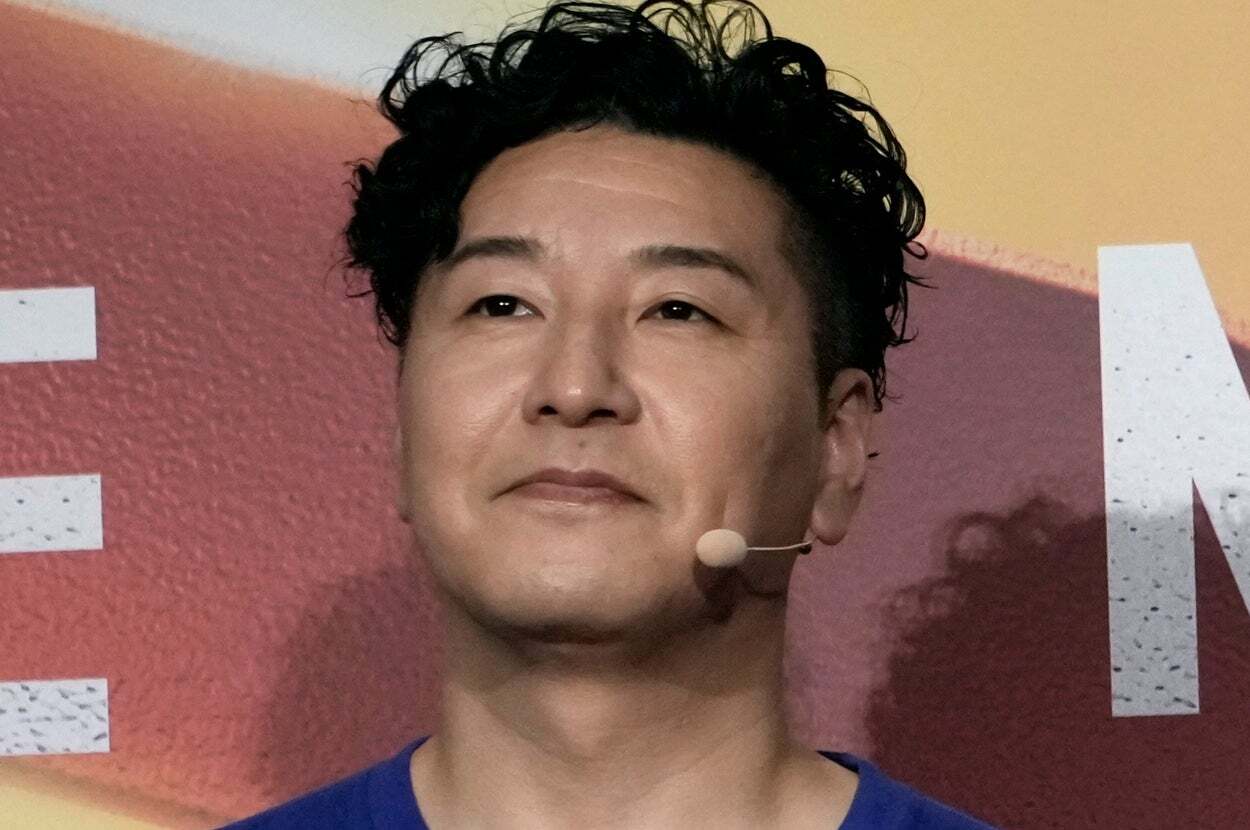
お笑いコンビ「チョコレートプラネット」が3月25日にYouTubeのサブチャンネルを更新。長田庄平さんが自身の不調を明かす様子を公開しました。
「本当にあの、初めてぎっくり腰になりました」 「長田、人生初のぎっくり腰」と題した動画の冒頭、神妙な面持ちで報告した長田さん。相方の松尾駿さんは何回かぎっくり腰を経験していることを明かし「1回もなったことなかったの?」と問いかけます。
長田さんは松尾さんの問いに応じ、経緯を説明しました。 「ジム行って……『ベンチを片付けようかな』って、フッと持った瞬間、『ピキィ!』ってなって、『ああっ!』って」 そのまま、声をあげて痛みに耐えたという長田さん。苦しげな表情を再現し「深夜の誰もいないジムで、ずっと10分くらい座って」と状況を告白すると、松尾さんからも「最悪じゃん……」と共感の声があがります。 続けて経験者の松尾さんに解決策は「時間」だと諭され、長田さんは「うわ、嫌だよ本当に……」とうなだれるのでした。 腰の状況については「多分、軽度だった」とも語る長田さん。「怖いよな、マジで。(これまで)案外“大病”は避けてこれたから。本当に急に来た、マジで」と急な不調に慄くように真剣な表情を見せており、松尾さんも「本当気をつけないと」と頷いています。
視聴者からは 「ぎっくり腰はマジで洒落にならない」 「体が心配です」 「本当きついですよね。腰ってこんな大事だったんだって改めて感じます」 「長田さん腰大丈夫かな? 心配なので仕事は無理しないでください」 「お大事にして下さい!!」 など、気遣う声が相次いで寄せられました。
「本当にあの、初めてぎっくり腰になりました」 「長田、人生初のぎっくり腰」と題した動画の冒頭、神妙な面持ちで報告した長田さん。相方の松尾駿さんは何回かぎっくり腰を経験していることを明かし「1回もなったことなかったの?」と問いかけます。
長田さんは松尾さんの問いに応じ、経緯を説明しました。 「ジム行って……『ベンチを片付けようかな』って、フッと持った瞬間、『ピキィ!』ってなって、『ああっ!』って」 そのまま、声をあげて痛みに耐えたという長田さん。苦しげな表情を再現し「深夜の誰もいないジムで、ずっと10分くらい座って」と状況を告白すると、松尾さんからも「最悪じゃん……」と共感の声があがります。 続けて経験者の松尾さんに解決策は「時間」だと諭され、長田さんは「うわ、嫌だよ本当に……」とうなだれるのでした。 腰の状況については「多分、軽度だった」とも語る長田さん。「怖いよな、マジで。(これまで)案外“大病”は避けてこれたから。本当に急に来た、マジで」と急な不調に慄くように真剣な表情を見せており、松尾さんも「本当気をつけないと」と頷いています。
視聴者からは 「ぎっくり腰はマジで洒落にならない」 「体が心配です」 「本当きついですよね。腰ってこんな大事だったんだって改めて感じます」 「長田さん腰大丈夫かな? 心配なので仕事は無理しないでください」 「お大事にして下さい!!」 など、気遣う声が相次いで寄せられました。
Vocabulary
General
Proper noun
JLPT N2
JLPT N1
| # | 言葉 | 意味 |
|---|---|---|
| 8 | 長田 | おさた (長田) : Osata (unclass) |
| 5 | 本当 | ほんとう (本当) : 1. truth; reality; actuality; fact 2. proper; right; correct; official |
| 5 | 松尾 | まつお (松尾) : Matsuo (place; surname) |
| 5 | って | って : 1. you said; he said; she said; they said 2. if ... then |
| 4 | ぎっくり腰 | ぎっくりごし (ぎっくり腰) : strained back; slipped disk; lumbosacral strain |
| 3 | 腰 | こし (腰) : 1. lower back; waist; hips; lumbar region 2. body (of hair, noodle, paper, etc.); resilience; spring |
| 2 | 不調 | ふちょう (不調) : bad condition; not to work out (i.e. a deal); disagreement; break-off; disorder; slump; out of form |
| 2 | 明かす | あかす (明かす) : 1. to pass (the night); to spend 2. to reveal; to divulge; to disclose; to expose |
| 2 | 表情 | ひょうじょう (表情) : 1. facial expression; countenance 2. look; appearance; expression (vocal, etc.) |
| 2 | 状況 | じょうきょう (状況) : state of affairs (around you); situation; circumstances |
| 1 | お笑い | おわらい (お笑い) : 1. comical (story, song); comic 2. the comedy business (rakugo, manzai, etc.) |
| 1 | 更新 | こうしん (更新) : renewal; update; innovation; improvement |
| 1 | 庄平 | しょうへい (庄平) : Shouhei (given) |
| 1 | 自身 | じしん (自身) : (one's) self; oneself |
| 1 | 様子 | ようす (様子) : 1. state; state of affairs; situation; circumstances 2. appearance; look; aspect |
| 1 | 公開 | こうかい (公開) : opening to the public; making available to the public; putting on display; exhibiting; showing (play, movie, etc.); holding (interview, etc.); open; public |
| 1 | 人生 | じんせい (人生) : (human) life (i.e. conception to death) |
| 1 | 初 | はつ (初) : first; new |
| 1 | 題する | だいする (題する) : to be titled (e.g. a book); to be named |
| 1 | 動画 | どうが (動画) : 1. video; movie; moving picture 2. animation; animated cartoon |
| 1 | 冒頭 | ぼうとう (冒頭) : beginning; start; outset |
| 1 | 神妙 | しんみょう (神妙) : 1. meek; quiet; docile; humble; faithful; obedient 2. mysterious; marvelous; marvellous |
| 1 | 面持ち | おももち (面持ち) : expression; look; countenance; face |
| 1 | 報告 | ほうこく (報告) : report; information |
| 1 | 相方 | あいかた (相方) : 1. partner (esp. in manzai); companion 2. partner for the night (e.g. at a brothel) |
| 1 | 何回 | なんかい (何回) : how many times? |
| 1 | 問いかける | といかける (問いかける) : 1. to ask a question 2. to begin to ask a question |
| 1 | 問い | とい (問い) : question; query |
| 1 | 応ずる | おうずる (応ずる) : 1. to answer; to respond; to meet 2. to satisfy; to accept |
| 1 | 経緯 | いきさつ (経緯) : 1. details; particulars; whole story; sequence of events; chronology; circumstances; how it started; how things got this way 2. longitude and latitude |
| 1 | 片付ける | かたづける (片付ける) : 1. to tidy up; to put in order; to straighten up; to put away 2. to settle (problem); to clear (dispute) |
| 1 | 持つ | もつ (持つ) : 1. to hold (in one's hand); to take; to carry 2. to possess; to have; to own |
| 1 | 瞬間 | しゅんかん (瞬間) : moment; second; instant |
| 1 | そのまま | そのまま (其のまま) : 1. without change; as is 2. just like; extremely similar |
| 1 | 痛み | いたみ (痛み) : 1. pain; ache; soreness; grief; distress 2. damage; injury; wear; bruise; break |
| 1 | 耐える | たえる (耐える) : 1. to bear; to stand; to endure; to put up with 2. to support; to withstand; to resist; to brave |
| 1 | げ | げ (気) : seeming; giving the appearance of; giving one the feeling of |
| 1 | 再現 | さいげん (再現) : 1. reappearance; reemergence; return; revival 2. reproduction; reenactment; recreation |
| 1 | 深夜 | しんや (深夜) : late at night |
| 1 | ずっと | ずっと : 1. continuously in some state (for a long time, distance); throughout; all along; the whole time; all the way 2. much (better, etc.); by far; far and away |
| 1 | 座る | すわる (座る) : 1. to sit; to squat 2. to assume (a position) |
| 1 | 告白 | こくはく (告白) : 1. confession; acknowledgement; acknowledgment 2. confession of love; professing one's feelings |
| 1 | 最悪 | さいあく (最悪) : 1. worst 2. horrible; horrid; awful; terrible |
| 1 | じゃん | じゃーん : 1. ta-dah!; ta-da!; voilà! 2. clash; crash; bang |
| 1 | 共感 | きょうかん (共感) : sympathy; empathy; response |
| 1 | あがる | あがる (上がる) : 1. to rise; to go up; to come up; to ascend; to be raised 2. to enter (esp. from outdoors); to come in; to go in |
| 1 | 経験者 | けいけんしゃ (経験者) : experienced person; person who has had a particular experience |
| 1 | 解決策 | かいけつさく (解決策) : solution; solution strategy |
| 1 | 諭す | さとす (諭す) : to admonish; to persuade; to warn; to remonstrate |
| 1 | うわ | うわ (上) : upper; upward; outer; surface; top |
| 1 | うなだれる | うなだれる (項垂れる) : to hang one's head; to droop one's head |
| 1 | 多分 | たぶん (多分) : 1. perhaps; probably 2. generous; many; much; great |
| 1 | 軽度 | けいど (軽度) : slight (degree); light |
| 1 | 語る | かたる (語る) : 1. to talk about; to speak of; to tell; to narrate 2. to recite; to chant |
| 1 | 案外 | あんがい (案外) : 1. unexpectedly; surprisingly 2. unexpected; unanticipated; unforeseen; surprising |
| 1 | 大病 | たいびょう (大病) : serious illness; dangerous disease |
| 1 | 避ける | さける (避ける) : 1. to avoid (physical contact with) 2. to avoid (situation) |
| 1 | 慄く | おののく (戦く) : to shake (from fear, cold, excitement, etc.); to shudder; to tremble |
| 1 | 真剣 | しんけん (真剣) : 1. serious; earnest 2. real sword (as opposed to a wooden practice weapon) |
| 1 | 頷く | うなずく (頷く) : to nod; to bow one's head in assent; to agree |
| 1 | 視聴者 | しちょうしゃ (視聴者) : viewer; (television) audience |
| 1 | 洒落 | しゃらく (洒落) : free and easy; open-hearted; relaxed; not fussy; frank |
| 1 | きつい | きつい : 1. tough; hard; severe; demanding; harsh 2. determined; strong-minded; forceful; formidable; fierce |
| 1 | 改めて | あらためて (改めて) : 1. another time; again; over again; once again; anew 2. formally; especially; intentionally; deliberately |
| 1 | 感ずる | かんずる (感ずる) : to feel; to sense |
| 1 | 気遣う | きづかう (気遣う) : to worry about (someone's welfare or comfort); to feel anxious about; to have apprehensions of |
| 1 | 相 | さが (性) : 1. one's nature; one's destiny 2. custom; tradition; habit; convention |
| 1 | 次ぐ | つぐ (次ぐ) : to rank next to; to come after |
| 1 | 寄せる | よせる (寄せる) : 1. to come near; to let someone approach 2. to bring near; to bring together; to collect; to gather |