“納屋”で生活を続ける女性 | NHKニュース
予習
この記事のキーワード — タップで意味×25
避難
ひなん
taking refuge; finding shelter; evacuation; escape; seeking safe haven
N1×5
納屋
なや
shed; barn; outhouse
×8
世帯
せたい
household; home; family; housekeeping
N1×11
自宅
じたく
one's home; one's house
N2×6
把握
はあく
grasp; catch; understanding
N1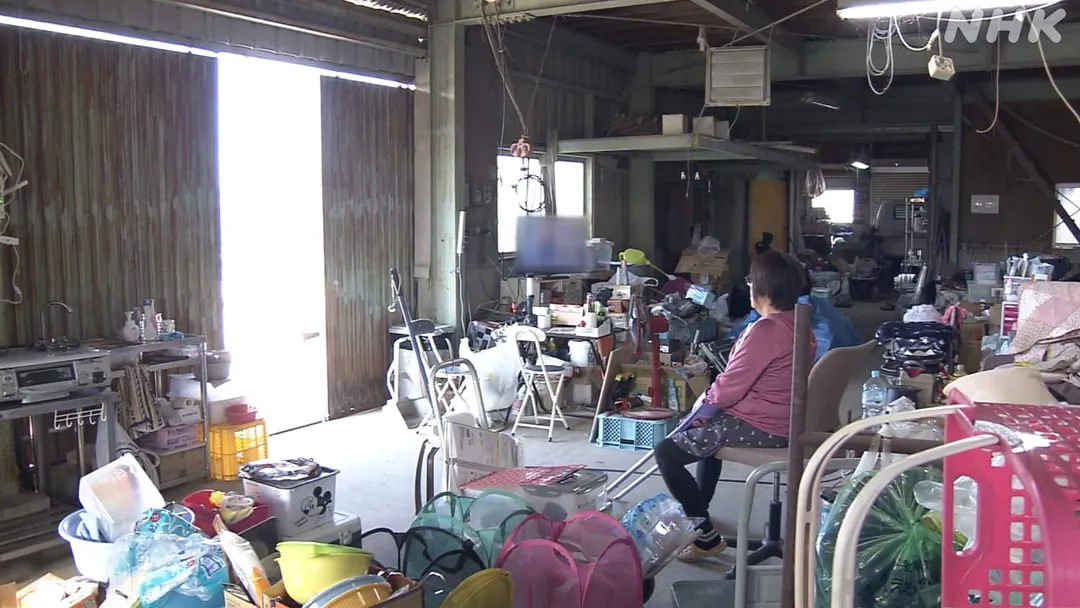
今、被災地では、さまざまな事情を抱え、壊れた自宅など避難所以外の場所で、避難生活をおくっている人が数多くいます。
熊本県八代市のいぐさ農家の松山真由美さん(66)は、7月の熊本地震で自宅が全壊しました。
現在は解体工事が進んでいて、今は自宅の横にある「納屋」で、夫とともに生活しています。
地震前、納屋は農機具を置く場所として利用していましたが、生活するために、ベッドや冷蔵庫、電子レンジをそろえました。
機械を常に電源につないでおく必要があるため、避難所に行くと、ひとりで電源を使い続けることになると負い目を感じ、納屋での生活を続けています。
松山さん「心臓の除細動器を入れていて、モニターで心臓の状況を見るためにコードがいるので、避難所で自分だけが電源を使い続けるのも、ちょっと気が引けるなと思って。ここは物置だったけど、片づければどうにか住めるかなと思って。『寒いから避難所に来たら?』という話もあったんですけど、これがあるから行けないって言ったんです」
「一戸建ての空き家があるので『そこはどうね?』となったけど私はここから離れるわけにもいかんですね。一軒家なので、やっぱり誰かおらんといかんかなって。そうしないと、何かあっても誰も気づかないですもんね。うちだけじゃなくて、知り合いも倉庫で暮らしていますからね」
松山さんが暮らす地域は、干拓地で風が抜けやすく、日中は気温が上がりますが、朝晩は10度台前半の日もあります。
納屋には断熱材はなく、床もコンクリートで、本格的な冬を迎えることに不安を感じています。
松山さん「息子たちもいて仮設住宅は手狭なので、ことしの冬は納屋で過ごすことになると思います。体を動かさないで座っていると足もとから冷えてきます。あまり考えすぎないようにしています。考えたらきりがないです。なるようにしかならんと思っています」
池田昭さんは、当初は避難所で生活していましたが、今は、90歳の母親のスミ子さんと2人で、地震で半壊した八代市の自宅で生活しています。
玄関の柱は大きくずれ動き、室内もいたるところに亀裂が入っていますが、母親の体調のことを考えて決断したといいます。
ひざが悪いスミ子さんは、避難所では1人でトイレまで移動するのが難しく、なるべくトイレに行かずに済むように、水分を控えていたといいます。
池田さん「避難所にはちょうど1か月くらいいました。クーラーもあったし、食事も水もあって感謝していますが、だんだん腰が痛くなり、眠れなくなってストレスがたまっていきました。母は夜中に3回くらいトイレに行くんです。ただ、体育館だったので、トイレまでは20~30メートルあって、つえをついて歩く母にとって結構な距離でした」
朝は基本的にパンとスープで、最初は2~3個食べていたスミ子さんも、だんだん食べられなくなり、1個食べるのが精いっぱいになりました。
その後、避難所で新型コロナウイルスの感染が広がったことをきっかけに、自宅に戻ることを決めたといいます。
現在、池田さん親子は、仮設住宅への入居を希望していますが、9月の抽せんに外れたため、年内は、半壊の自宅での生活を続ける予定です。
池田さん「もちろん避難所には精いっぱい対応していただいたんですけど、足りないものがありました。そして、風邪がはやってきて、夜中もコンコンコンコンとせきの音が聞こえてきました。母も風邪をひいたので、『では、もう帰ろうか』と」
「今回の地震では、自分よりも母のほうがショックを受けていました。『真面目に今まで頑張ってきたのに、なんでこんな目に遭うんだろうか』と。母も高齢で急に環境が変わるのは心配なので、何もなければ、ここが一番いいんですけどね」
八代市では、市内を保健師が巡回して、食料や水などの支援物資を受け取ることができるカードを配っています。
市によりますと、このうちおよそ2800世帯が、屋根や壁が壊れた建物や、水道が使えない建物など、被災した自宅で生活していたということです。
また、およそ400世帯は、親戚や知人の家に身を寄せたり、車中泊をしたりしていました。
八代市では、10月23日の時点で、県内では最も多い357世帯が避難所で避難生活をおくっていますが、その7倍余りの世帯が、壊れた自宅などで避難生活を送っていることになります。
【9月下旬からの1か月で約1100世帯増】カードを配布したのは、9月下旬の時点ではおよそ2000世帯ですが、市が把握を進めた結果、1か月でおよそ1100世帯増えています。
市は、農業を営んでいるために、自宅を離れられない人が多いと見ていて、支援物資を届けるとともに、健康を守るための見守り活動を続ける方針です。
八代市危機管理課「在宅避難を続ける人には、避難所で生活する人よりも支援についての情報が届きにくい。生活再建に向けた情報を提供するためにも、引き続き、把握を進めていきたい」
災害関連死を防ぐには、避難所以外の場所で生活している人たちの状況を把握し、継続的に支援することが重要です。
熊本県は、厚生労働省の「被災高齢者等把握事業」を活用して、特にリスクの高い高齢者世帯を対象に、生活状況などの調査を各地で進めています。
地震の1週間後には、高齢者だけで暮らす市内の5400人あまりをリストアップし、1軒1軒訪問しています。
健康状態や困りごとがないか聞き取りを行って、必要があれば、医療や介護の支援につなげてきました。
ただ、この取り組みは、八代市では11月9日までで、それ以降は、市町村が委託する「地域支え合いセンター」が支援を継続します。
居場所を確認するのは簡単ではなく、訪問活動を2巡しても、まだ700人あまりの暮らしぶりがつかめていませんでした。
取材したこの日も不在の住宅を繰り返し訪問し、何か情報がないか近所の人にも声をかけます。
この日は、近所の人に親族を紹介してもらって、不在が続いていた高齢の女性と電話がつながり、知人の家に身を寄せていることがわかりました。
こうした訪問で得た情報は、一元的に管理できるようにタブレットに入力し、八代市に引き継ぐ予定です。
熊本県介護支援専門員協会 中満重明副会長「きょう会えた方の中には、歩くのが大変そうな人もいて、支援を受けてもらえればと思いますが、『ほかの人も大変だから』という意識の人が多いと感じます。なかには、社会とつながっていない方もいると感じていて、そういう人たちを取りこぼさないように、ぜひ継続して支援を行ってほしいです」
被災者支援に詳しい大阪公立大学の菅野拓准教授は、災害関連死を防ぐためにも、避難所以外で生活する人たちを把握して、支援することが重要だと指摘します。
「避難所以外の避難者は、過去の災害でもいましたが、これまでの日本の災害対応は、『避難所の運営』に重点が置かれていたので、しっかり見えていなかったのだと思います。ただ、最近は在宅避難など避難所以外にいる避難者にも支援や情報を届ける必要があるという認識が広がってきています」
菅野准教授によりますと、在宅避難をしている人の中には、環境が非常に悪い中で生活している人や、避難所での生活環境があわずに自宅に戻った障害のある人などもいるため、支援を行わないと、災害関連死のリスクが高まるということです。
「自治体の避難所は『行かなければならない場所』ではありません。被災した人は、最も過ごしやすい場所を避難先に選ぶことが大事で、それが自宅なのであれば、そこでどう支えていくかを考える必要があります。ただ、避難所以外の避難者を把握して支援を届けることは、市町村だけではできません。民間事業者やNPO、社会福祉関係者との連携が必要なので、いざという時の体制を事前に考えておくことが大切だと思います」
この記事の単語 (210)
×25
避難
ひなん
taking refuge; finding shelter; evacuation; escape; seeking safe haven
×12
支援
しえん
support; backing; aid; assistance
×11
自宅
じたく
one's home; one's house
×8
世帯
せたい
household; home; family; housekeeping
×6
八代市
やつしろし
Yatsushiro (city) (place)
×6
把握
はあく
grasp; catch; understanding
×5
納屋
なや
shed; barn; outhouse
×5
情報
じょうほう
1. information; news; intelligence; advices 2. information; data contained in characters, signals, code, etc.
×4
松山
まつやま
Matsuyama (city in Ehime)
×4
感じる
かんじる
to feel; to sense; to experience
×4
池田
いけた
Iketa (surname)
×4
唯
ただ
1. ordinary; common; usual 2. free of charge
×4
訪問
ほうもん
call; visit
×3
熊本県
くまもとけん
Kumamoto prefecture (Kyushu)
×3
電源
でんげん
1. source of electricity; electrical power 2. power (button on TV, etc.)
×3
状況
じょうきょう
state of affairs (around you); situation; circumstances
×3
暮らす
くらす
1. to live; to get along 2. to spend (time)
×3
スミ子
スミこ
Sumiko (fem)
×3
被災
ひさい
being a victim of (some disaster); suffering from
×3
進める
すすめる
1. to advance; to move forward; to put (a clock, watch) forward 2. to carry forward (plans, work, etc.); to proceed with; to make progress in; to further; to advance; to hasten; to speed up
×3
在宅
ざいたく
being in; being at home
×3
災害関連死
さいがいかんれんし
disaster-related death; catastrophe-related death
×3
高齢者
こうれいしゃ
old person; old people
×3
避難者
ひなんしゃ
evacuee
×2
現在
げんざい
now; current; present; present time; as of
×2
心臓
しんぞう
1. heart 2. guts; nerve; cheek; gall; spine
×2
って
1. you said; he said; she said; they said 2. if ... then
×2
離れる
はなれる
1. to be separated; to be apart; to be distant 2. to leave; to go away
×2
地域
ちいき
area; region
×2
仮設住宅
かせつじゅうたく
temporary dwelling; temporary housing
×2
過ごす
すごす
1. to pass (time); to spend 2. to overdo (esp. of one's alcohol consumption); to drink (alcohol)
×2
母親
ははおや
mother
×2
半壊
はんかい
partial destruction
×2
夜中
よなか
middle of the night; dead of night
×2
精一杯
せいいっぱい
1. the best one can do; one's best effort 2. with all one's might; to the best of one's ability
×2
広がる
ひろがる
to spread (out); to extend; to stretch; to reach to; to get around; to fill (e.g. a space)
×2
対応
たいおう
1. correspondence (to); equivalence 2. suitability; coordination; matching; being appropriate (for)
×2
高齢
こうれい
advanced age; old age
×2
環境
かんきょう
environment; circumstance
×2
物資
ぶっし
goods; materials; commodities; resources; supplies
×2
知人
ちじん
friend; acquaintance
×2
身
み
1. body 2. oneself
×2
寄せる
よせる
1. to come near; to let someone approach 2. to bring near; to bring together; to collect; to gather
×2
時点
じてん
point in time; occasion
×2
最も
もっとも
most; extremely
×2
下旬
げじゅん
last third of a month; 21st to the last day of a month
×2
活動
かつどう
1. activity (of a person, organization, animal, volcano, etc.); action 2. movie (esp. during the silent movie period)
×2
防ぐ
ふせぐ
1. to defend against; to protect against 2. to prevent; to avert; to avoid
×2
重要
じゅうよう
important; momentous; essential; principal; major
×2
市町村
しちょうそん
cities, towns and villages; municipalities
×2
継続
けいぞく
continuation
×2
不在
ふざい
1. absence 2. disregard; indifference
×2
繋がる
つながる
1. to be tied together; to be connected to; to be linked to 2. to lead to; to be related to
×2
大変
たいへん
1. very; greatly; terribly; awfully 2. immense; enormous; great
×2
菅野
かんの
Kanno (place; surname)
×2
准教授
じゅんきょうじゅ
associate professor
×2
災害
さいがい
calamity; disaster; misfortune
×1
被災地
ひさいち
area struck (by some disaster); location of a disaster
×1
事情
じじょう
circumstances; conditions; situation; reasons; state of affairs
×1
抱える
かかえる
1. to hold or carry under or in the arms 2. to have (esp. problems, debts, etc.)
×1
数多く
かずおおく
in great numbers
×1
藺草
いぐさ
soft rush (Juncus effusus var. decipiens); common rush
×1
農家
のうか
1. farmer; farming family 2. farmhouse
×1
真由美
まゆみ
Mayumi (fem)
×1
熊本
くまもと
Kumamoto (city, prefecture)
×1
全壊
ぜんかい
complete destruction
×1
解体
かいたい
1. demolition; taking down; dismantling; disassembly; taking apart 2. dissolution (of an organization, company, etc.); breaking up
×1
工事
こうじ
construction work
×1
農機具
のうきぐ
agricultural machinery and equipment
×1
電子レンジ
でんしレンジ
microwave oven
×1
揃える
そろえる
1. to collect; to gather; to get together; to complete (a collection) 2. to arrange; to put in order; to prepare; to get ready
×1
機械
きかい
1. machine; mechanism 2. instrument; appliance; apparatus
×1
常
つね
usual state of things
×1
繋ぐ
つなぐ
1. to connect; to link together 2. to tie; to fasten; to restrain
×1
負い目
おいめ
(feeling of) indebtedness; feeling obliged
×1
除細動器
じょさいどうき
defibrillator
×1
物置
ものおき
storage room; storeroom; lumber room
×1
一戸建て
いっこだて
detached house; stand-alone house; single-family home
×1
空き家
あきや
vacant house; unoccupied house
×1
一軒家
いっけんや
1. detached house; single house; single building 2. isolated house; house in isolated location
×1
気付く
きづく
to notice; to recognize; to recognise; to become aware of; to perceive; to realize; to realise
×1
知り合い
しりあい
acquaintance
×1
倉庫
そうこ
storehouse; warehouse; godown
×1
干拓地
かんたくち
reclaimed land
×1
日中
にっちゅう
1. daytime; during the day 2. Japan and China
×1
気温
きおん
air temperature
×1
上がる
あがる
1. to rise; to go up; to come up; to ascend; to be raised 2. to enter (esp. from outdoors); to come in; to go in
×1
朝晩
あさばん
morning and evening
×1
前半
ぜんはん
first half
×1
断熱材
だんねつざい
heat insulating material
×1
床
ゆか
1. floor 2. stage (for the narrator and the shamisen player)
×1
本格的
ほんかくてき
1. genuine; real; regular; normal; typical; standard; orthodox 2. full-scale; full-blown; all-out
×1
不安
ふあん
anxiety; uneasiness; worry; apprehension; fear; insecurity; suspense
×1
手狭
てぜま
narrow; small; cramped
×1
動かす
うごかす
1. to move; to shift; to stir; to budge; to change position 2. to inspire; to rouse; to move (e.g. feeling); to influence
×1
足元
あしもと
1. at one's feet; underfoot; one's step (as in "watch your step") 2. gait; pace; step
×1
きり
paulownia (Paulownia tomentosa); empress tree; foxglove tree
×1
当初
とうしょ
1. beginning; start; outset 2. at first; at the beginning; initially; originally
×1
柱
はしら
1. pillar; post 2. support; prop; mainstay
×1
室内
しつない
indoor; inside the room
×1
至る
いたる
1. to arrive at (e.g. a decision); to reach (a stage); to attain 2. to lead to (a place); to get to
×1
亀裂
きれつ
crack; crevice; fissure; chap; rift
×1
体調
たいちょう
physical condition; state of health
×1
決断
けつだん
decision; determination
×1
膝
ひざ
1. knee 2. lap; knee and thigh (while sitting)
×1
移動
いどう
1. movement; transfer; migration; removal; travel 2. mobile; moving; traveling; travelling; roving
×1
水分
すいぶん
water; liquid; fluid; moisture; humidity; sap; juice
×1
控える
ひかえる
1. to be temperate in; to refrain; to abstain; to hold back; to restrain oneself from excessive ... 2. to make notes; to jot down (e.g. phone number)
×1
感謝
かんしゃ
thanks; gratitude
×1
腰
こし
1. lower back; waist; hips; lumbar region 2. body (of hair, noodle, paper, etc.); resilience; spring
×1
たまる
to collect; to gather; to save; to accumulate; to pile up
×1
体育館
たいいくかん
gymnasium
×1
杖
つえ
cane; walking stick; staff; wand
×1
距離
きょり
distance; range
×1
基本的
きほんてき
fundamental; basic
×1
新型コロナウイルス
しんがたコロナウイルス
novel coronavirus (esp. SARS-CoV-2)
×1
感染
かんせん
infection; contagion; becoming infected
×1
切っ掛け
きっかけ
chance; start; cue; excuse; motive; impetus; occasion
×1
親子
おやこ
parent and child
×1
入居
にゅうきょ
moving into (house)
×1
希望
きぼう
hope; wish; aspiration
×1
抽選
ちゅうせん
lottery; raffle; drawing (of lots)
×1
外れる
はずれる
1. to be disconnected; to get out of place; to be off; to be out (e.g. of gear) 2. to miss the mark; to get it wrong (e.g. guess, expectation); to draw a blank (e.g. lottery)
×1
年内
ねんない
by the end of the year
×1
はやる
1. to be popular; to come into fashion 2. to be prevalent; to spread widely (e.g. disease); to be endemic
×1
真面目
まじめ
serious; honest; sober; grave; earnest; steady
×1
今迄
いままで
until now; so far; up to the present
×1
頑張る
がんばる
1. to persevere; to persist; to keep at it; to hang on; to hold out; to do one's best 2. to insist that; to stick to (one's opinion)
×1
一番
いちばん
1. number one; first; first place 2. best; most
×1
市内
しない
(within a) city; local
×1
保健師
ほけんし
public health nurse
×1
巡回
じゅんかい
going around; patrol; round; tour
×1
食料
しょくりょう
food
×1
受け取る
うけとる
1. to receive; to get; to accept 2. to take; to interpret; to understand
×1
配る
くばる
1. to distribute; to hand out; to deliver; to deal out; to serve out 2. to allot; to allocate; to place (staff, soldiers, etc.); to station
×1
屋根
やね
roof
×1
親戚
しんせき
relative; relation; kin
×1
車中泊
しゃちゅうはく
spending the night in a car, train, bus, etc.
×1
県
けん
prefecture (Japan); county (China, Taiwan, Norway, etc.); department (France); province (Italy, Spain, etc.)
×1
余り
あまり
1. remainder; remnant; rest; balance; surplus; remains (of a meal); leftovers 2. (not) very; (not) much
×1
増
ぞう
increase
×1
配布
はいふ
distribution
×1
結果
けっか
1. result; consequence; outcome; effect 2. coming to fruition; bearing fruit
×1
農業
のうぎょう
agriculture
×1
営む
いとなむ
1. to run (a business); to operate; to conduct; to practice (law, medicine, etc.) 2. to carry out; to perform; to lead (a life)
×1
健康
けんこう
1. health 2. healthy; sound; fit; wholesome
×1
守る
まもる
1. to protect; to guard; to defend 2. to keep (i.e. a promise); to abide (by the rules); to observe; to obey; to follow
×1
見守る
みまもる
to watch over; to watch attentively
×1
方針
ほうしん
1. policy; course; plan (of action); principle 2. magnetic needle
×1
危機
きき
crisis; critical situation; emergency; pinch
×1
届く
とどく
1. to reach; to touch; to get to; to carry (of sound) 2. to be delivered; to arrive
×1
再建
さいけん
1. rebuilding; reconstruction; rehabilitation 2. protoform reconstruction
×1
提供
ていきょう
1. offer; tender; providing; supplying; making available; donating (blood, organs, etc.) 2. sponsoring (a TV program)
×1
引き続く
ひきつづく
to continue (for a long time); to occur in succession; to come next (e.g. on TV)
×1
継続的
けいぞくてき
continuous
×1
厚生労働省
こうせいろうどうしょう
Ministry of Health, Labour and Welfare
×1
事業
じぎょう
1. project; enterprise; business; industry; operations; venture; service 2. act; deed; conduct
×1
活用
かつよう
1. practical use; application 2. conjugation; inflection
×1
対象
たいしょう
target; object (of worship, study, etc.); subject (of taxation, etc.)
×1
調査
ちょうさ
investigation; examination; inquiry; enquiry; survey
×1
各地
かくち
every place; various places
×1
健康状態
けんこうじょうたい
(the condition of) one's health
×1
困り事
こまりごと
problem; trouble; worry
×1
聞き取り
ききとり
1. listening comprehension; aural comprehension 2. hearing what others say; gathering information, opinions, etc.; public hearing
×1
医療
いりょう
medical care; medical treatment
×1
介護
かいご
nursing; care; caregiving; caring
×1
繋げる
つなげる
1. to connect 2. to tie; to fasten
×1
取り組み
とりくみ
1. bout (in sports, etc.); match 2. effort; initiative; dealing with; grappling with; wrestling with
×1
以降
いこう
on and after; as from; hereafter; thereafter; since
×1
委託
いたく
entrusting (something to a person); consignment (of goods); putting in someone's charge; trust; commission
×1
居場所
いばしょ
1. whereabouts; place; location 2. place where one belongs; where one fits in; place where one can be oneself
×1
確認
かくにん
confirmation; verification; validation; review; check; affirmation; identification
×1
暮らし
くらし
life; living; livelihood; life circumstances
×1
掴む
つかむ
1. to seize; to catch; to grasp; to grip; to grab; to clutch; to hold; to catch hold of; to lay one's hands on 2. to obtain; to acquire; to get; to win; to capture
×1
取材
しゅざい
1. news coverage; collecting data (e.g. for an article); covering (something for media) 2. interview
×1
住宅
じゅうたく
residence; housing; residential building
×1
繰り返す
くりかえす
to repeat; to do something over again
×1
親族
しんぞく
relative; relation
×1
一元的
いちげんてき
monistic; unitary; unified; centralized; centralised
×1
管理
かんり
control; management (e.g. of a business)
×1
入力
にゅうりょく
input; (data) entry
×1
引き継ぐ
ひきつぐ
to take over; to hand over
×1
協会
きょうかい
association; society; organization; organisation
×1
中満
ちゅうまん
Chuuman (surname)
×1
重明
あつはる
Atsuharu (unclass)
×1
副会長
ふくかいちょう
vice president (of a club or organization, organisation)
×1
意識
いしき
1. consciousness 2. becoming aware (of); awareness; sense
×1
取り零す
とりこぼす
1. to lose an easy game; to suffer an unexpected defeat 2. to lose information
×1
被災者支援
ひさいしゃしえん
disaster relief; monetary assistance to disaster victims
×1
詳しい
くわしい
1. detailed; full; minute 2. knowing very well; knowledgeable (about); well-acquainted (with); well-informed (about); familiar (with)
×1
大阪
おおさか
1. Osaka (city, prefecture) 2. large hill
×1
公立大学
こうりつだいがく
public university
×1
指摘
してき
pointing out; identification
×1
過去
かこ
1. the past; bygone days 2. one's past (that one would prefer remained secret)
×1
運営
うんえい
management; administration; operation
×1
重点
じゅうてん
1. important point; emphasis; stress; importance; priority 2. iteration mark
×1
認識
にんしき
recognition; awareness; perception; understanding; knowledge; cognition; cognizance; cognisance
×1
非常
ひじょう
1. emergency 2. extraordinary; unusual
×1
生活環境
せいかつかんきょう
one's (living) environment
×1
障害
しょうがい
1. obstacle; impediment; hindrance; difficulty; barrier 2. handicap; impairment; disability; disorder; malfunction
×1
高まる
たかまる
to rise; to swell; to be promoted
×1
自治体
じちたい
municipality; local government; self-governing body; autonomous body
×1
避難先
ひなんさき
place of refuge; refugee destination
×1
支える
ささえる
1. to support; to prop; to sustain; to underlay; to hold up; to defend 2. to hold at bay; to stem; to check
×1
社会福祉
しゃかいふくし
social welfare
×1
関係者
かんけいしゃ
person concerned; people involved (in an event); those concerned; staff
×1
連携
れんけい
cooperation; coordination; link
×1
いざという時
いざというとき
at the critical moment; when the time comes; when it's most important; when necessary; in an emergency; when push comes to shove
×1
体制
たいせい
order; system; structure; set-up; organization; organisation
×1
事前
じぜん
prior; beforehand; in advance; before the fact; ex ante