レバノン イラン支援組織とイスラエルの戦闘続く 人道状況悪化
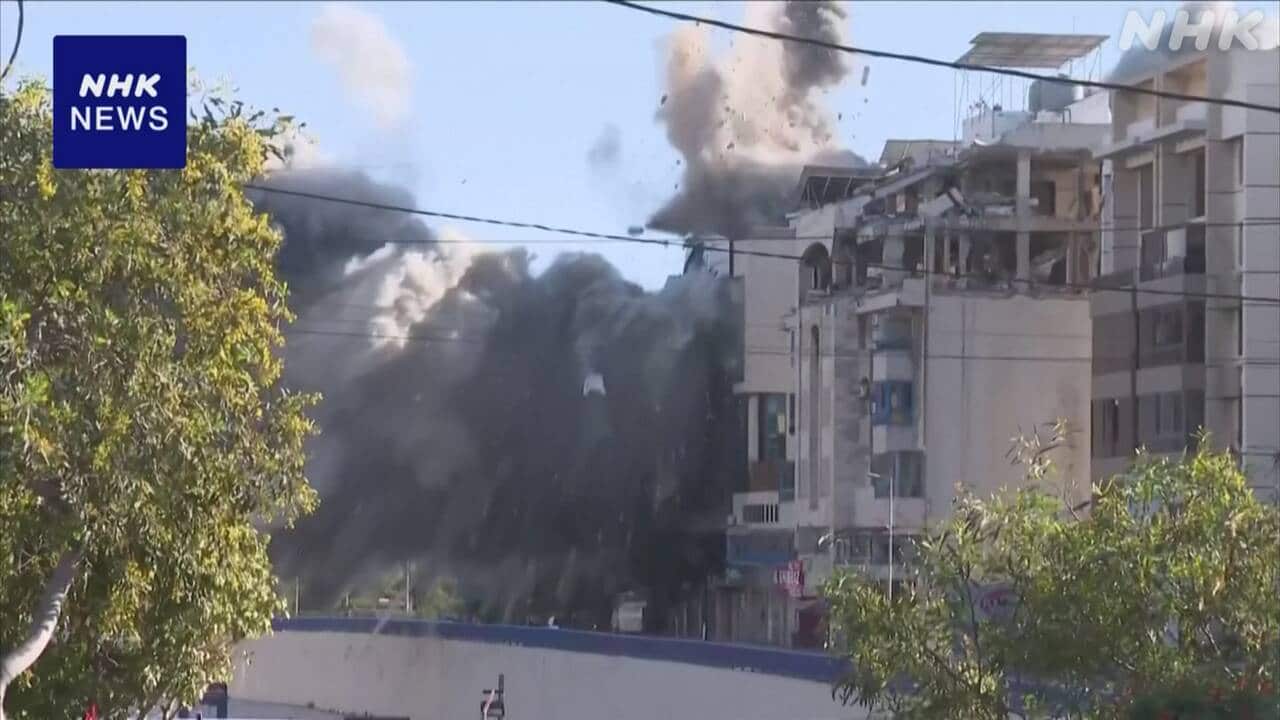
中東レバノンでは、イランが支援する組織とイスラエルが戦闘を続けていてこれまでに1300人以上が死亡、100万人を超える人が住まいを追われ、人道危機が深刻化しています。
レバノンのイスラム教シーア派組織ヒズボラは、イランの支援を受けて、隣国イスラエルとの間で戦闘を繰り返してきました。
イランの最高指導者ハメネイ師が殺害されると、先月2日から報復として国境を接するイスラエルの北部を攻撃し、これをきっかけに新たな戦闘が始まりました。
イスラエルは、ヒズボラの拠点を中心にレバノン各地を空爆しているほか、レバノンの南部に地上部隊を展開するなど攻勢を強めていてレバノン政府によりますと、これまでに1345人が死亡し、4040人がけがをしたということです。
先月末、NHK取材班が入った首都ベイルート中心部では、路上などに廃材やシートで簡易なテントを張り、避難生活を続ける多くの市民の姿が見られました。
ベイルート南部の自宅や店舗が攻撃で破壊されたため、家族でテント暮らしを続けるフセイン・ハムドさんは「幼い子どもは強い風が吹くたびに爆撃ではないかとおびえています。この戦争が終わったとしても何をすべきか分かりません」と途方に暮れた様子で話していました。
また、レバノン南部から避難してきたアリ・ラッカさんは、避難所となっている小学校の教室に子ども4人を含む一家6人で身を寄せています。
この2年半の間に避難するのは2回目だということで、子どもたちは、大きな音を怖がるなど精神的に不安定な状態になっているといいます。
アリさんは「子どもたちに普通の生活をさせてあげたいです。子どもたちのために頑張ろうと思っても、攻撃でいつも振り出しに戻ってしまいます。平和と心の安寧を求めています」と訴えていました。
レバノンのイスラム教シーア派組織ヒズボラは、イランの支援を受けて、隣国イスラエルとの間で戦闘を繰り返してきました。
イランの最高指導者ハメネイ師が殺害されると、先月2日から報復として国境を接するイスラエルの北部を攻撃し、これをきっかけに新たな戦闘が始まりました。
イスラエルは、ヒズボラの拠点を中心にレバノン各地を空爆しているほか、レバノンの南部に地上部隊を展開するなど攻勢を強めていてレバノン政府によりますと、これまでに1345人が死亡し、4040人がけがをしたということです。
先月末、NHK取材班が入った首都ベイルート中心部では、路上などに廃材やシートで簡易なテントを張り、避難生活を続ける多くの市民の姿が見られました。
ベイルート南部の自宅や店舗が攻撃で破壊されたため、家族でテント暮らしを続けるフセイン・ハムドさんは「幼い子どもは強い風が吹くたびに爆撃ではないかとおびえています。この戦争が終わったとしても何をすべきか分かりません」と途方に暮れた様子で話していました。
また、レバノン南部から避難してきたアリ・ラッカさんは、避難所となっている小学校の教室に子ども4人を含む一家6人で身を寄せています。
この2年半の間に避難するのは2回目だということで、子どもたちは、大きな音を怖がるなど精神的に不安定な状態になっているといいます。
アリさんは「子どもたちに普通の生活をさせてあげたいです。子どもたちのために頑張ろうと思っても、攻撃でいつも振り出しに戻ってしまいます。平和と心の安寧を求めています」と訴えていました。
Vocabulary
General
Proper noun
JLPT N2
JLPT N1
| # | 言葉 | 意味 |
|---|---|---|
| 4 | 避難 | ひなん (避難) : taking refuge; finding shelter; evacuation; escape; seeking safe haven |
| 3 | 戦闘 | せんとう (戦闘) : battle; fight; combat |
| 3 | 攻撃 | こうげき (攻撃) : 1. attack; assault; raid; onslaught; offensive 2. criticism; censure; denunciation; condemnation |
| 3 | 南部 | なんぶ (南部) : southern part; the south (of a region) |
| 3 | 子どもたち | こどもたち (子供たち) : children |
| 2 | 支援 | しえん (支援) : support; backing; aid; assistance |
| 2 | 組織 | そしき (組織) : 1. organization; organisation; formation 2. structure; construction; setup; constitution |
| 2 | 死亡 | しぼう (死亡) : 1. death; mortality 2. to die; to pass away |
| 2 | 子ども | こども (子供) : child |
| 1 | 中東 | ちゅうとう (中東) : Middle East |
| 1 | 超える | こえる (越える) : 1. to cross over; to cross; to pass through; to pass over (out of); to go beyond; to go past 2. to exceed; to surpass; to be more (than) |
| 1 | 住まい | すまい (住まい) : 1. dwelling; house; residence; address 2. living; life |
| 1 | 追う | おう (追う) : 1. to chase; to run after; to pursue; to follow after 2. to follow (a set order, a trend, etc.) |
| 1 | 人道 | じんどう (人道) : 1. humanity 2. sidewalk; footpath |
| 1 | 危機 | きき (危機) : crisis; critical situation; emergency; pinch |
| 1 | 深刻化 | しんこくか (深刻化) : becoming more serious or severe; aggravation; intensification |
| 1 | イスラム教 | イスラムきょう (イスラム教) : Islam |
| 1 | シーア派 | シーアは (シーア派) : Shia (Islam) |
| 1 | 隣国 | りんごく (隣国) : neighbouring country; neighboring country; adjacent country |
| 1 | 繰り返す | くりかえす (繰り返す) : to repeat; to do something over again |
| 1 | 師 | し (師) : 1. teacher; master; one's mentor 2. religious leader |
| 1 | 殺害 | さつがい (殺害) : killing; murder |
| 1 | 報復 | ほうふく (報復) : 1. retaliation; revenge; reprisal; retribution 2. retorsion; retortion |
| 1 | 国境 | こっきょう (国境) : national border; provincial border |
| 1 | 接する | せっする (接する) : 1. to touch; to come in contact with; to border on; to adjoin; to be adjacent; to be close 2. to receive (e.g. visitor); to attend to; to serve; to take care of; to look after; to act towards; to deal with; to see |
| 1 | 北部 | ほくぶ (北部) : northern part; the north (of a region) |
| 1 | きっかけ | きっかけ (切っ掛け) : chance; start; cue; excuse; motive; impetus; occasion |
| 1 | 新た | あらた (新た) : new; fresh; novel |
| 1 | 始まる | はじまる (始まる) : 1. to begin; to start; to commence 2. to happen (again); to begin (anew) |
| 1 | 拠点 | きょてん (拠点) : position; location; base; point; site |
| 1 | 中心 | ちゅうしん (中心) : 1. center; centre; middle; heart; core; focus; pivot; emphasis; balance 2. -centered; -centred; -focused; -oriented; centered on; focused on |
| 1 | 各地 | かくち (各地) : every place; various places |
| 1 | 空爆 | くうばく (空爆) : aerial bombing |
| 1 | 地上 | ちじょう (地上) : 1. above ground; surface; overground 2. earth; world |
| 1 | 部隊 | ぶたい (部隊) : force; unit; corps; squad; troops; party |
| 1 | 展開 | てんかい (展開) : 1. development; evolution; progression; unfolding; (plot) twist 2. expansion; spreading out; extending; deployment; building up |
| 1 | 攻勢 | こうせい (攻勢) : offensive (movement); aggression |
| 1 | 強める | つよめる (強める) : to strengthen; to emphasize; to emphasise |
| 1 | 政府 | せいふ (政府) : government; administration |
| 1 | 取材班 | しゅざいはん (取材班) : data collecting party; news crew |
| 1 | 首都 | しゅと (首都) : capital city; metropolis |
| 1 | 中心部 | ちゅうしんぶ (中心部) : central part; heart (of a city) |
| 1 | 路上 | ろじょう (路上) : 1. on the road; on the street; in the street 2. on the way |
| 1 | 廃材 | はいざい (廃材) : 1. scrap wood; waste wood 2. waste; waste material; scrap material |
| 1 | 簡易 | かんい (簡易) : simplicity; convenience; easiness; quasi- |
| 1 | 張る | はる (張る) : 1. to stick; to paste; to affix 2. to stretch; to spread; to strain; to tighten; to put up (tent) |
| 1 | 姿 | すがた (姿) : 1. figure; form; shape 2. appearance; dress; guise |
| 1 | 自宅 | じたく (自宅) : one's home; one's house |
| 1 | 店舗 | てんぽ (店舗) : shop; store |
| 1 | 破壊 | はかい (破壊) : 1. destruction; disruption 2. (application) crash |
| 1 | 暮らし | くらし (暮らし) : life; living; livelihood; life circumstances |
| 1 | 幼い | おさない (幼い) : 1. very young; little 2. childish; immature |
| 1 | たび | たび (足袋) : tabi; Japanese socks (with split toe) |
| 1 | 爆撃 | ばくげき (爆撃) : bombing (raid) |
| 1 | おびえる | おびえる (怯える) : to become frightened; to be frightened (of); to be scared (of) |
| 1 | 分かる | わかる (分かる) : 1. to understand; to comprehend; to grasp; to see; to get; to follow 2. to become clear; to be known; to be discovered; to be realized; to be realised; to be found out |
| 1 | 途方 | とほう (途方) : way; destination; reason |
| 1 | 暮れる | くれる (暮れる) : 1. to get dark; to grow dark 2. to end (of a day, year, season, etc.); to come to an end; to close |
| 1 | 様子 | ようす (様子) : 1. state; state of affairs; situation; circumstances 2. appearance; look; aspect |
| 1 | 含む | ふくむ (含む) : 1. to contain; to comprise; to have; to hold; to include; to embrace 2. to hold in the mouth |
| 1 | 一家 | いっか (一家) : 1. a family; a household; a home; one's family; whole family 2. (one's own) style; school |
| 1 | 身 | み (身) : 1. body 2. oneself |
| 1 | 寄せる | よせる (寄せる) : 1. to come near; to let someone approach 2. to bring near; to bring together; to collect; to gather |
| 1 | 怖 | こわ (怖) : frightening; terrifying |
| 1 | 精神的 | せいしんてき (精神的) : mental; spiritual; emotional |
| 1 | 不安定 | ふあんてい (不安定) : instability; insecurity; crankiness |
| 1 | 状態 | じょうたい (状態) : state; condition; situation; appearance; circumstances |
| 1 | 頑張る | がんばる (頑張る) : 1. to persevere; to persist; to keep at it; to hang on; to hold out; to do one's best 2. to insist that; to stick to (one's opinion) |
| 1 | 振り出し | ふりだし (振り出し) : 1. shaking (something) out 2. starting point; beginning; outset |
| 1 | 戻る | もどる (戻る) : 1. to turn back (e.g. half-way) 2. to return; to go back |
| 1 | 平和 | へいわ (平和) : peace; harmony |
| 1 | 安寧 | あんねい (安寧) : (public) peace; stability; tranquillity |
| 1 | 求める | もとめる (求める) : 1. to want; to wish for 2. to request; to demand; to require; to ask for |
| 1 | 訴える | うったえる (訴える) : 1. to raise; to bring to (someone's attention) 2. to appeal to (reason, emotions, etc.); to work on (one's emotions); to play on (one's sympathies) |