東武鉄道、自動運転対応車両導入 大師線で本格検証
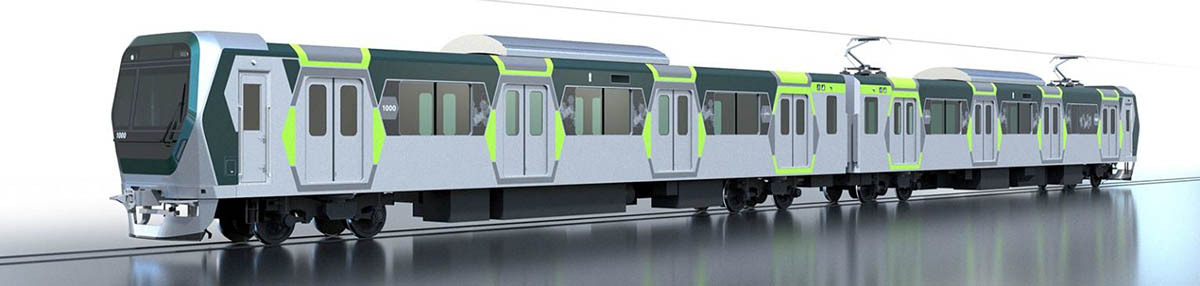
東武鉄道は2027年以降順次、亀戸・大師線向けの新型車両として自動運転対応車両1000系を導入。2028年以降、大師線における自動運転の本格検証を開始する。
東武鉄道ではこれまでも自動運転に関する様々な検証を進めてきた。導入する車両は、これまでの検証結果を踏まえ、自動運転に対応した保安装置や各種センサ等を搭載する。また、最新の省エネ機器を搭載することで、環境負荷低減、快適な室内空間提供を図る。
車両コンセプトは「SMART & GATEWAY ~未来に向けた入口~」。自動運転という近未来への目標に挑戦していく姿勢を表現しており、SMARTは「smart operation」「smart driving technology」「smart mobility」の意味を、GATEWAYは近未来に向けた入口の意味を示している。
デザインについて前面形状は、自然界で最も安定した形状とされる六角形をモチーフとし、先進性を追求しつつも“安全”を最優先する姿勢を視覚的に示す形状とした。
カラーリングは、沿線風景との親和性に配慮しつつ、沿線の歴史的資源や人々の粋な心をイメージし、伝統色の“千歳緑(せんざいみどり)”をベースカラーに採用した。
乗降口周囲には未来への入口を印象付ける六角形を配置。規則的に配置された六角形が安定感と存在感を出すエクステリアデザインとした。インテリアは左右・上下で対になった色彩を採用し、未来に向かって光が駆け抜けるイメージを表現している。
設備については、自動運転に対応した保安装置や障害物衝撃検知装置、脱線検知装置、前方障害物検知装置を搭載。自動運転の実現に向けた検証を推進する。一部編成には、施設モニタリング装置(みまモニ)を搭載。営業走行時等に施設状態を常時検測しながら、精緻に把握・管理することで安全性・効率性向上につなげる。
環境面においては、最新省エネ機器(フルSiC VVVF制御装置、高効率IM、LED照明)を搭載している。
導入両数は6編成12両。導入路線は亀戸線・大師線。施設モニタリング装置を搭載する一部の編成については本線全線を運行予定。大師線における自動運転の検証の具体的な内容については改めて発表する。
東武鉄道は2027年以降順次、亀戸・大師線向けの新型車両として自動運転対応車両1000系を導入。2028年以降、大師線における自動運転の本格検証を開始する。 東武鉄道ではこれまでも自動運転に関する様々な検証を進めてきた。導入する車両は、これまでの検証結果を踏まえ、自動運転に対応した保安装置や各種センサ等を搭載する。また、最新の省エネ機器を搭載することで、環境負荷低減、快適な室内空間提供を図る。 車両コンセプトは「SMART & GATEWAY ~未来に向けた入口~」。自動運転という近未来への目標に挑戦していく姿勢を表現しており、SMARTは「smart operation」「smart driving technology」「smart mobility」の意味を、GATEWAYは近未来に向けた入口の意味を示している。 デザインについて前面形状は、自然界で最も安定した形状とされる六角形をモチーフとし、先進性を追求しつつも“安全”を最優先する姿勢を視覚的に示す形状とした。 カラーリングは、沿線風景との親和性に配慮しつつ、沿線の歴史的資源や人々の粋な心をイメージし、伝統色の“千歳緑(せんざいみどり)”をベースカラーに採用した。 乗降口周囲には未来への入口を印象付ける六角形を配置。規則的に配置された六角形が安定感と存在感を出すエクステリアデザインとした。インテリアは左右・上下で対になった色彩を採用し、未来に向かって光が駆け抜けるイメージを表現している。 設備については、自動運転に対応した保安装置や障害物衝撃検知装置、脱線検知装置、前方障害物検知装置を搭載。自動運転の実現に向けた検証を推進する。一部編成には、施設モニタリング装置(みまモニ)を搭載。営業走行時等に施設状態を常時検測しながら、精緻に把握・管理することで安全性・効率性向上につなげる。 環境面においては、最新省エネ機器(フルSiC VVVF制御装置、高効率IM、LED照明)を搭載している。 導入両数は6編成12両。導入路線は亀戸線・大師線。施設モニタリング装置を搭載する一部の編成については本線全線を運行予定。大師線における自動運転の検証の具体的な内容については改めて発表する。
東武鉄道は2027年以降順次、亀戸・大師線向けの新型車両として自動運転対応車両1000系を導入。2028年以降、大師線における自動運転の本格検証を開始する。 東武鉄道ではこれまでも自動運転に関する様々な検証を進めてきた。導入する車両は、これまでの検証結果を踏まえ、自動運転に対応した保安装置や各種センサ等を搭載する。また、最新の省エネ機器を搭載することで、環境負荷低減、快適な室内空間提供を図る。 車両コンセプトは「SMART & GATEWAY ~未来に向けた入口~」。自動運転という近未来への目標に挑戦していく姿勢を表現しており、SMARTは「smart operation」「smart driving technology」「smart mobility」の意味を、GATEWAYは近未来に向けた入口の意味を示している。 デザインについて前面形状は、自然界で最も安定した形状とされる六角形をモチーフとし、先進性を追求しつつも“安全”を最優先する姿勢を視覚的に示す形状とした。 カラーリングは、沿線風景との親和性に配慮しつつ、沿線の歴史的資源や人々の粋な心をイメージし、伝統色の“千歳緑(せんざいみどり)”をベースカラーに採用した。 乗降口周囲には未来への入口を印象付ける六角形を配置。規則的に配置された六角形が安定感と存在感を出すエクステリアデザインとした。インテリアは左右・上下で対になった色彩を採用し、未来に向かって光が駆け抜けるイメージを表現している。 設備については、自動運転に対応した保安装置や障害物衝撃検知装置、脱線検知装置、前方障害物検知装置を搭載。自動運転の実現に向けた検証を推進する。一部編成には、施設モニタリング装置(みまモニ)を搭載。営業走行時等に施設状態を常時検測しながら、精緻に把握・管理することで安全性・効率性向上につなげる。 環境面においては、最新省エネ機器(フルSiC VVVF制御装置、高効率IM、LED照明)を搭載している。 導入両数は6編成12両。導入路線は亀戸線・大師線。施設モニタリング装置を搭載する一部の編成については本線全線を運行予定。大師線における自動運転の検証の具体的な内容については改めて発表する。
Vocabulary
General
Proper noun
JLPT N2
JLPT N1
| # | 言葉 | 意味 |
|---|---|---|
| 16 | 自動運転 | じどううんてん (自動運転) : automatic operation (machine); automatic driving (vehicle) |
| 12 | 装置 | そうち (装置) : 1. equipment; device; installation; apparatus 2. stage setting |
| 12 | 搭載 | とうさい (搭載) : 1. loading (on board); equipping 2. equipped (with); built-in |
| 10 | 検証 | けんしょう (検証) : verification; inspection |
| 8 | 大師線 | だいしせん (大師線) : Daishisen (unclass) |
| 8 | 車両 | しゃりょう (車両) : rolling stock; railroad cars; wheeled vehicles |
| 8 | 導入 | どうにゅう (導入) : introduction; bringing in; leading in; installation |
| 6 | 対応 | たいおう (対応) : 1. correspondence (to); equivalence 2. suitability; coordination; matching; being appropriate (for) |
| 6 | 未来 | みらい (未来) : 1. the future (usually distant) 2. future tense |
| 6 | 形状 | けいじょう (形状) : shape; form |
| 6 | 角形 | かくがた (角形) : square shape; oblong; rectangle |
| 6 | 検知 | けんち (検知) : detection |
| 6 | 編成 | へんせい (編成) : composition; formation; organization; organisation; compilation |
| 6 | 施設 | しせつ (施設) : 1. institution; establishment; facility 2. home (for elderly, orphans, etc.) |
| 4 | 東武 | とうぶ (東武) : Toubu (place) |
| 4 | 鉄道 | てつどう (鉄道) : railroad; railway; rail transport |
| 4 | 以降 | いこう (以降) : on and after; as from; hereafter; thereafter; since |
| 4 | 保安 | ほあん (保安) : 1. peace preservation; security 2. safety |
| 4 | 等 | など (等) : 1. et cetera; etc.; and the like; and so forth 2. or something |
| 4 | 最新 | さいしん (最新) : latest; newest; late-breaking (news) |
| 4 | 機器 | きき (機器) : device; equipment; machinery; apparatus |
| 4 | 近未来 | きんみらい (近未来) : near future |
| 4 | 姿勢 | しせい (姿勢) : 1. posture; pose; position; stance; carriage (of the body) 2. attitude; approach; stance |
| 4 | 表現 | ひょうげん (表現) : 1. expression; presentation 2. representation; notation |
| 4 | 示す | しめす (示す) : 1. to (take out and) show; to demonstrate; to tell; to exemplify; to make apparent 2. to point out (finger, clock hand, needle, etc.) |
| 4 | 沿線 | えんせん (沿線) : alongside a railway line, bus route, major thoroughfare, etc. |
| 4 | 採用 | さいよう (採用) : 1. use; adoption; acceptance 2. appointment; employment; engagement; recruitment |
| 4 | 配置 | はいち (配置) : arrangement (of resources); deployment; stationing; posting; disposition; configuration; layout |
| 4 | 障害物 | しょうがいぶつ (障害物) : obstacle; hurdle |
| 4 | 一部 | いちぶ (一部) : 1. one part; one portion; one section; some 2. one copy (e.g. of a document) |
| 4 | 両 | りょう (両) : 1. both (hands, parents, sides, etc.) 2. counter for carriages (e.g. in a train); counter for vehicles |
| 2 | 順次 | じゅんじ (順次) : in order; sequential; seriatim |
| 2 | 亀戸 | かめいど (亀戸) : Kameido (place; surname) |
| 2 | 向け | むけ (向け) : intended for ...; oriented towards ...; aimed at ... |
| 2 | 新型 | しんがた (新型) : new type; new style; new model; new strain (e.g. infectious disease) |
| 2 | 系 | けい (系) : 1. system; lineage; group 2. corollary |
| 2 | 本格 | ほんかく (本格) : 1. original method or procedure 2. serious; orthodox; classical; genuine |
| 2 | 開始 | かいし (開始) : start; commencement; beginning; initiation |
| 2 | 関する | かんする (関する) : to concern; to be related |
| 2 | 様々 | さまざま (様々) : various; varied; diverse; all sorts of |
| 2 | 進める | すすめる (進める) : 1. to advance; to move forward; to put (a clock, watch) forward 2. to carry forward (plans, work, etc.); to proceed with; to make progress in; to further; to advance; to hasten; to speed up |
| 2 | 結果 | けっか (結果) : 1. result; consequence; outcome; effect 2. coming to fruition; bearing fruit |
| 2 | 踏まえる | ふまえる (踏まえる) : 1. to be based on; to take into account; to build upon; to have origin in 2. to have one's feet firmly planted on; to plant oneself on |
| 2 | 各種 | かくしゅ (各種) : every kind; all sorts |
| 2 | 省エネ | しょうエネ (省エネ) : energy conservation; economical use of energy |
| 2 | 環境負荷 | かんきょうふか (環境負荷) : environmental burden; environmental load |
| 2 | 低減 | ていげん (低減) : decrease; reduction; fall; depreciation; mitigation |
| 2 | 快適 | かいてき (快適) : pleasant; agreeable; comfortable |
| 2 | 提供 | ていきょう (提供) : 1. offer; tender; providing; supplying; making available; donating (blood, organs, etc.) 2. sponsoring (a TV program) |
| 2 | 図る | はかる (図る) : 1. to plan; to attempt; to devise 2. to plot; to conspire; to scheme |
| 2 | 目標 | めじるし (目印) : 1. mark (for quick identification or recognition); sign 2. landmark; guide |
| 2 | 挑戦 | ちょうせん (挑戦) : challenge; defiance; dare; attempt; try |
| 2 | 前面 | ぜんめん (前面) : 1. front part; frontage; facade 2. initial pledge (e.g. election); opening slogan |
| 2 | 自然界 | しぜんかい (自然界) : nature; the natural world; realm of nature |
| 2 | 最も | もっとも (最も) : most; extremely |
| 2 | 安定 | あんてい (安定) : stability; steadiness; equilibrium |
| 2 | 先進 | せんしん (先進) : 1. advanced; developed 2. seniority; senior; superior; elder |
| 2 | 追求 | ついきゅう (追求) : pursuit (of a goal, ideal, etc.); search; chase; seeking after |
| 2 | 最優先 | さいゆうせん (最優先) : maximum preference; maximum priority; priority handling |
| 2 | 視覚的 | しかくてき (視覚的) : visual |
| 2 | 風景 | ふうけい (風景) : 1. scenery; scene; landscape; view; sight 2. scene (e.g. of a crime) |
| 2 | 親和性 | しんわせい (親和性) : affinity |
| 2 | 配慮 | はいりょ (配慮) : consideration; concern; attention; thoughtfulness; making arrangements; care; trouble |
| 2 | 歴史的 | れきしてき (歴史的) : historic; historical; traditional |
| 2 | 資源 | しげん (資源) : resources |
| 2 | 人々 | ひとびと (人々) : 1. people; men and women 2. each person; everybody |
| 2 | 粋 | いき (粋) : 1. chic; smart; stylish; tasteful; refined; sophisticated 2. familiar with worldly pleasures and subtleties of human nature (esp. sexual relations, geisha districts and red-light districts) |
| 2 | 千歳 | せんねん (千年) : millennium; one thousand years; long time |
| 2 | せんざい | せんざい (先在) : pre-existence |
| 2 | 乗降 | じょうこう (乗降) : getting on and off; embarking and disembarking |
| 2 | 周囲 | しゅうい (周囲) : 1. surroundings; environs 2. circumference |
| 2 | 印象 | いんしょう (印象) : impression |
| 2 | 規則的 | きそくてき (規則的) : systematic; regular; routine |
| 2 | 安定感 | あんていかん (安定感) : sense of stability |
| 2 | 存在感 | そんざいかん (存在感) : presence (impressive quality) |
| 2 | 左右 | さゆう (左右) : 1. left and right; right and left 2. (asserting) control; influence; domination |
| 2 | 上下 | うえした (上下) : 1. top and bottom; up and down; high and low; above and below; upper and lower ends 2. upside-down |
| 2 | 対 | たい (対) : 1. opposite; opposition 2. versus; vs.; v. |
| 2 | 色彩 | しきさい (色彩) : colour; color; hue; tints |
| 2 | 向かう | むかう (向かう) : 1. to face 2. to go towards; to head towards |
| 2 | 駆け抜ける | かけぬける (駆け抜ける) : to run past from behind; to run through (e.g. gate, one's mind) |
| 2 | 設備 | せつび (設備) : equipment; facilities; installation; accommodations; conveniences; arrangements |
| 2 | 衝撃 | しょうげき (衝撃) : shock; impact; crash |
| 2 | 脱線 | だっせん (脱線) : 1. derailment 2. digression; deviation |
| 2 | 前方 | ぜんぽう (前方) : 1. forward; frontward; ahead 2. rectangular front |
| 2 | 実現 | じつげん (実現) : implementation (e.g. of a system); materialization; materialisation; realization; realisation; actualization; actualisation |
| 2 | 推進 | すいしん (推進) : 1. propulsion; drive 2. promotion (e.g. of a government policy); furtherance; implementation |
| 2 | 営業 | えいぎょう (営業) : 1. business; trade; operations 2. sales |
| 2 | 走行 | そうこう (走行) : 1. running (of a car, bus, etc.); traveling; travelling 2. running (of a program) |
| 2 | 状態 | じょうたい (状態) : state; condition; situation; appearance; circumstances |
| 2 | 常時 | じょうじ (常時) : 1. usually; ordinarily; always 2. continuous; 24-hour (operation, care, etc.); constant; always on |
| 2 | 精緻 | せいち (精緻) : delicate; minute; fine; detailed; subtle |
| 2 | 把握 | はあく (把握) : grasp; catch; understanding |
| 2 | 管理 | かんり (管理) : control; management (e.g. of a business) |
| 2 | 安全性 | あんぜんせい (安全性) : safety; security |
| 2 | 効率性 | こうりつせい (効率性) : efficiency |
| 2 | 向上 | こうじょう (向上) : elevation; rise; improvement; advancement; progress |
| 2 | つなげる | つなげる (繋げる) : 1. to connect 2. to tie; to fasten |
| 2 | 環境 | かんきょう (環境) : environment; circumstance |
| 2 | 面 | おもて (面) : 1. face 2. surface |
| 2 | 省 | しょう (省) : 1. ministry; department 2. province (of China) |
| 2 | 制御装置 | せいぎょそうち (制御装置) : controller; control unit |
| 2 | 効率 | こうりつ (効率) : efficiency |
| 2 | LED | はっこうダイオド (発光ダイオド) : light emitting diode; LED |
| 2 | 照明 | しょうめい (照明) : illumination; lighting |
| 2 | 数 | しばしば (屡々) : often; again and again; frequently; repeatedly |
| 2 | 路線 | ろせん (路線) : 1. route (bus, train, air, etc.); line 2. line (taken by a group, organization, etc.); policy; course |
| 2 | 亀戸線 | かめいどせん (亀戸線) : Kameidosen (unclass) |
| 2 | 本線 | ほんせん (本線) : main line; trunk line |
| 2 | 全線 | ぜんせん (全線) : the whole line; all lines; the whole ship |
| 2 | 運行 | うんこう (運行) : 1. service (bus, train); operation 2. motion; revolution; movement |
| 2 | 具体的 | ぐたいてき (具体的) : concrete; definite; specific; material; substantial |
| 2 | 内容 | ないよう (内容) : contents; content; substance; matter; detail; import |
| 2 | 改めて | あらためて (改めて) : 1. another time; again; over again; once again; anew 2. formally; especially; intentionally; deliberately |
| 2 | 発表 | はっぴょう (発表) : announcement; publication; presenting; statement; communique; making known; breaking (news story); expressing (one's opinion); releasing; unveiling |