「さにあらず」が通じない…なぜ今の子は古文・漢文でつまずくのか? 現場の先生の嘆きと「大河・歴史漫画」の効能
予習
この記事のキーワード — タップで意味×13
古文
こぶん
1. ancient writing (i.e. Edo-period or older); classical literature 2. ancient Chinese character (pre-Qin period)
×11
漢文
かんぶん
1. Chinese classical writing; Chinese classics 2. writing composed entirely of kanji
×8
時代劇
じだいげき
historical play; period drama
×7
大河ドラマ
たいがドラマ
large-scale, long-running TV series (esp. of period pieces produced by NHK)
×4
如何
どう
how; in what way; how about
N1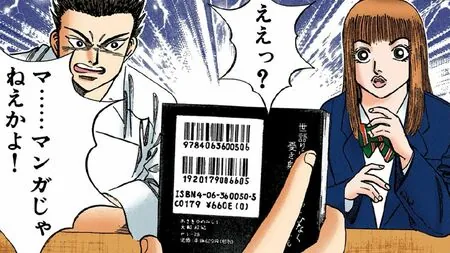
「頭がいい」といわれる人の特徴になるような能力というのは、先天的に決められている部分があると考える人が多いのではないでしょうか。東大生が勉強に目覚めるきっかけとなった“神”授業を紹介する書籍『勉強が面白くなった瞬間』を上梓した東大カルペ・ディエムの西岡壱誠氏はその考えを否定します。
漫画『ドラゴン桜2』(講談社)編集担当も務めた西岡氏が、後天的に身につけられる「東大に合格できるくらい頭をよくするテクニック」を伝授するこの連載。第260回は古文や漢文が苦手な子が多くなったという現場からの声についてお話しします。
「頭がいい」といわれる人の特徴になるような能力というのは、先天的に決められている部分があると考える人が多いのではないでしょうか。東大生が勉強に目覚めるきっかけとなった“神”授業を紹介する書籍『勉強が面白くなった瞬間』を上梓した東大カルペ・ディエムの西岡壱誠氏はその考えを否定します。 漫画『ドラゴン桜2』(講談社)編集担当も務めた西岡氏が、後天的に身につけられる「東大に合格できるくらい頭をよくするテクニック」を伝授するこの連載。第260回は古文や漢文が苦手な子が多くなったという現場からの声についてお話しします。
「今の子は、昔の子より古文や漢文が苦手になった」 学校の先生方とお話ししていると、こんな声を聞くことが結構あります。確かに実感としても、昔よりも古文・漢文の成績が伸び悩む受験生を見かけることが増えたような気がします。その理由は一体なんなのでしょうか? 僕は、教科書や教え方の違いではなく、ある一つの習慣の欠如から、一つの差が生まれているのではないかと思っています。それは、「時代劇を見なくなったから」という差です。僕自身、この変化を日々痛感しています。学生と話していても、時代劇や大河ドラマはもちろん、時代小説や歴史漫画に触れている人も稀です。彼らの生活の中から、「昔の言葉」に触れる機会そのものが消えつつあると感じています。
例えば、次の言葉を見てください。 「こはいかに」 「だまらっしゃい」 「さにあらず」 「〜にあらずや?」 正確に文法を説明できなくても、「これはどうしたことか」「黙れ」「そうではない」「〜ではないか?」と、なんとなく意味が浮かぶ人もいるでしょう。 では、その意味を、いつ覚えたのでしょうか。 古文の授業だったという人もいるはずです。でも、時代劇や大河ドラマ、時代小説などで、いつの間にか知っていた人もいるのではないでしょうか。
首を振りながら「さにあらず」と言う人物を見れば、「ああ、否定しているんだな」とわかる。単語帳を開かなくても、物語の中で言葉と意味が結びついていたわけです。 大人が「それくらい、なんとなくわかるでしょう」と思う言葉。その「なんとなく」は、生まれつき備わっていたものではありません。 ■授業が「答え合わせ」になる子、「初対面」になる子 例えば、漢文に出てくる「如何せん」。「いかんせん」と読み、「どうしようか」「どうしたらよいだろうか」という意味を表します。
困った登場人物が「さて、いかんせん」とつぶやく。そんな場面に触れたことがあれば、細かい説明を受ける前から、言葉の雰囲気はつかめます。 その子が授業で「如何せん」を習えば、「あの言葉は、こう書くのか」となる。すでに持っている感覚に、読み方や意味を結びつければいいのです。 一方、初めて出合う子は、読み方も意味も、使う場面も、一から覚えなければなりません。 同じ教室で同じ説明を聞いていても、一方には「答え合わせ」で、もう一方には「初対面」。必要な手間が違います。
古文や漢文が苦手だという子の中には、この「初対面の言葉」が多い子もいるのではないでしょうか。 かつて家族が見ている時代劇や大河ドラマを一緒に見ていた人にとって、昔の言葉は日常の娯楽の一部だったかもしれません。一方、そうした作品に触れずに育てば、古い言い回しを知らないまま授業で出合うことになります。これこそが、おそらくは古文・漢文が苦手な子が増えた要因なのではないかと僕は考えています。 ちなみに、今の大河ドラマと昔の大河ドラマを見比べると、昔はかなり古めかしい言い方をしていたのに対して、今の大河ドラマ(例えば今放送中の「豊臣兄弟!」など)ではかなり今風というか、あまり古めかしい言い方をしていない場合があることに気付かされます。大河ドラマの表現が今風になっているのもまた、子どもの古文・漢文の「前提」を奪ってしまっている面があるかもしれません。
■大人の「常識」が、子どものつまずきになる この差は、教える側からは見えにくいものです。 先生が「ここは相手に『さにあらず』と言っているわけですね」と説明する。その表現を知っている生徒なら、「そうじゃない、と反論しているのか」と理解できます。 でも、知らない生徒には、その説明自体が新たな謎になります。「さにあらずって、何ですか?」と。 教える側はわかりやすく言い換えたつもりでも、生徒には知らない言葉が一つ増えただけ。そんなすれ違いも起こり得ます。
自然に覚えた言葉ほど、大人は「どうやって覚えたか」を忘れています。だからこそ、「今の子は、そんな言葉も知らないのか」と驚いてしまうのでしょう。 でも、出合っていない言葉を知らないのは、当然です。 「覚えなさい」と言う前に、言葉に出合う機会をつくれないか。そこで僕が勧めたいのが、時代劇でも漫画でもなんでもいいので、古文に触れる機会を得るということです。 教科書に「こはいかに」と書かれていても、初めて読む子には文字の並びでしかありません。
でも、登場人物が目を見開き、思わず立ち上がって「こはいかに」と言えばどうでしょう。「何か予想外のことが起きたんだな」と見当がつきます。 相手をにらんで「だまらっしゃい」と怒鳴る。首を振って「さにあらず」と答える。映像では、言葉に表情や声、状況がついています。 意味を知らなくても、場面が理解を助けてくれるのです。 何度か出合えば、「こういうときに使う言葉か」という感覚が生まれる。その後、授業で同じ表現を見たときに、登場人物の顔や声が浮かぶかもしれません。
「知らない言葉を暗記する」から、「聞いたことのある言葉を確かめる」へ。この違いは、入り口のハードルを下げるうえで、小さくないと思います。 もちろん、時代劇のせりふが、そのまま学校で習う古文になっているわけではありません。ドラマだけで助動詞や漢文の句法が身につくわけでもありません。 それでも、「これ、聞いたことがある」と思える言葉を増やすことはできます。好きな映画で聞いた英語が教科書に出てくると、少しうれしくなる。あの感覚を、古文や漢文でもつくるということです。
ドラゴン桜の中でも、古文を漫画で勉強しようというシーンがあります。 ■古典攻略の第一段階は漫画だ さて、とはいえ時代劇を家族で見るときに、「今のせりふはどういう意味?」「これ、テストに出るから覚えておいて」とか毎回言われたら、せっかくの物語が勉強になってしまいます。リビングまで教室にする必要はありません。 子どもが「今、なんて言ったの?」と聞いたら、「そうじゃない、って言っているんだよ」と答える。「なんで怒っているの?」と聞かれたら、一緒に場面を振り返る。それくらいで十分です。
まずは、好きな登場人物ができること。続きが気になること。その中で、普段は使わない言葉にも出合えればいいのです。 ■歴史漫画や昔話でもOK 時代劇が合わなければ、歴史漫画や昔話でも構いません。中高生なら、授業で習った表現を作品の中で見つける、という逆の順番もあるでしょう。 「今の子は古文や漢文が苦手になった」という先生たちの実感。その背景には、勉強時間だけでは測れない、言葉との接点の違いもあるのかもしれません。
大人の「なんとなくわかる」は、それまでに何度も出合ってきた結果です。子どもにも、その出合いをつくってあげたいと思います。 昔の言葉との最初の出合いが、「テストに出るから覚えなさい」でなくてもいい。好きな登場人物の、忘れられないせりふから始まってもいいのです。
この記事の単語 (156)
×13
古文
こぶん
1. ancient writing (i.e. Edo-period or older); classical literature 2. ancient Chinese character (pre-Qin period)
×11
漢文
かんぶん
1. Chinese classical writing; Chinese classics 2. writing composed entirely of kanji
×8
時代劇
じだいげき
historical play; period drama
×7
大河ドラマ
たいがドラマ
large-scale, long-running TV series (esp. of period pieces produced by NHK)
×7
出会う
であう
1. to meet (by chance); to come across; to run across; to encounter; to happen upon 2. to meet (e.g. of rivers, highways, etc.)
×6
東大
とうだい
(abbr) Tokyo University (organization)
×6
苦手
にがて
1. poor (at); weak (in); not very good (at) 2. not one's cup of tea; not one's favorite
×5
触れる
ふれる
1. to touch; to feel 2. to touch (with)
×5
登場人物
とうじょうじんぶつ
character (in a play or novel); dramatis personae
×4
西岡
にしおか
Nishioka (place; surname)
×4
如何
どう
how; in what way; how about
×4
場面
ばめん
1. scene; setting; place (where something happens); scenario; case 2. scene (in a movie, play); shot
×4
知れる
しれる
1. to become known; to come to light; to be discovered 2. to be known; to be understood
×4
表現
ひょうげん
1. expression; presentation 2. representation; notation
×3
否定
ひてい
1. denial; negation; repudiation; disavowal 2. negation (logic)
×3
桜
さくら
1. cherry tree; cherry blossom 2. fake buyer; paid audience; shill; seat filler
×3
身
み
1. body 2. oneself
×3
第
だい
prefix for forming ordinal numbers
×3
教科書
きょうかしょ
textbook; coursebook; schoolbook
×3
違い
ちがい
1. difference; distinction; discrepancy 2. mistake; error
×3
差
さ
1. difference; variation 2. difference
×3
如何に
いかに
1. how; in what way 2. how (much); to what extent
×3
初対面
しょたいめん
first meeting; first interview with
×3
感覚
かんかく
sense; sensation; feeling; intuition
×3
台詞
せりふ
speech; words; one's lines; remarks
×2
特徴
とくちょう
feature; trait; characteristic; peculiarity; distinction
×2
能力
のうりょく
ability; faculty
×2
先天的
せんてんてき
1. inborn; innate; inherent; congenital; hereditary 2. a priori
×2
部分
ぶぶん
portion; section; part
×2
目覚める
めざめる
1. to wake up; to awake 2. to awaken to (instinct, ability, perception, etc.); to become aware of; to become conscious of; to realize
×2
切っ掛け
きっかけ
chance; start; cue; excuse; motive; impetus; occasion
×2
神
かみ
1. god; deity; divinity; spirit; kami 2. incredible; fantastic; amazing
×2
書籍
しょせき
book; publication
×2
面白い
おもしろい
1. interesting; fascinating; intriguing; enthralling 2. amusing; funny; comical
×2
瞬間
しゅんかん
moment; second; instant
×2
上梓
じょうし
1. wood-block printing 2. publication
×2
考え
かんがえ
1. thinking; thought; view; opinion; concept 2. idea; notion; imagination
×2
講談社
こうだんしゃ
Kodansha (publisher) (company)
×2
編集
へんしゅう
editing; compilation
×2
担当
たんとう
being in charge (of an area of responsibility); being responsible (for a work role, etc.)
×2
務める
つとめる
1. to work (for); to be employed (at); to serve (in) 2. to serve (as); to act (as); to fill (the position of); to play the role (of)
×2
後天的
こうてんてき
a posteriori; acquired
×2
合格
ごうかく
success; passing (e.g. exam); eligibility
×2
伝授
でんじゅ
(giving) instruction; initiation
×2
連載
れんさい
serialization; serialisation; serial story
×2
現場
げんば
1. actual spot; scene; scene of the crime; site; location; setting 2. shop floor; factory floor; (on) site
×2
実感
じっかん
1. real feeling; actual feeling 2. to actually feel; to have a real feeling (that ...); to experience personally
×2
時代小説
じだいしょうせつ
historical novel
×2
だま
ダマ
lump (of flour, etc.); clump (of ground meat, etc.)
×2
浮かぶ
うかぶ
1. to float; to be suspended 2. to rise to the surface; to appear; to emerge; to show up; to loom (up)
×2
振る
ふる
1. to wave; to shake; to swing 2. to sprinkle; to throw (dice)
×2
物語
ものがたり
tale; story; legend
×2
答え合わせ
こたえあわせ
checking answers (e.g. to homework problems); verifying one's answers
×2
扠
さて
well; now; then
×2
読み方
よみかた
1. pronunciation; reading (e.g. of a kanji) 2. way of reading (out loud)
×2
作品
さくひん
work (e.g. book, film, composition, etc.); opus; performance; production
×2
こそ
1. it is ... that ...; precisely; in particular; definitely; for sure; only (when, after, because, etc.) 2. although; while; it is the case that ... but
×2
可成
かなり
considerably; fairly; quite
×2
古めかしい
ふるめかしい
old-fashioned; ancient-looking; time-worn
×2
言い方
いいかた
way of saying (something); way of putting it; wording; phrasing; language; expression
×2
相手
あいて
1. companion; partner; company 2. other party; addressee
×2
理解
りかい
understanding; comprehension; appreciation; sympathy
×2
って
1. you said; he said; she said; they said 2. if ... then
×2
何度
なんど
1. how many times 2. how many degrees (temperature, angle, etc.)
×2
昔話
むかしばなし
1. old tale; folk tale; legend 2. reminiscence
×2
出会い
であい
1. meeting; rendezvous; encounter 2. confluence
×1
成績
せいせき
results; record; grades; marks
×1
伸び悩む
のびなやむ
to be sluggish (business); to make little progress; to not grow as much as expected
×1
受験生
じゅけんせい
student preparing for or taking examinations (usu. entrance exams); test-taker
×1
見掛ける
みかける
to (happen to) see; to notice; to catch sight of
×1
一体
いったい
1. (what) the heck; (why) in the world; (who) on earth 2. one object; one body; unity
×1
欠如
けつじょ
lack; absence; shortage; deficiency; privation
×1
変化
へんか
1. change; variation; alteration; mutation; transition; transformation; transfiguration; metamorphosis 2. variety; diversity
×1
日々
ひび
every day; daily; day after day; days (e.g. good old days)
×1
痛感
つうかん
feeling keenly; fully realizing
×1
稀
まれ
rare; seldom
×1
感じる
かんじる
to feel; to sense; to experience
×1
正確
せいかく
accurate; correct; precise; exact
×1
黙る
だまる
to be silent; to say nothing
×1
人物
じんぶつ
1. person; character; figure; personage; man; woman 2. one's character; one's personality
×1
単語帳
たんごちょう
vocabulary notebook; ring of vocabulary flash cards
×1
結び付く
むすびつく
1. to be related; to be connected; to be joined together 2. to result in; to lead to; to bring about
×1
生まれ付き
うまれつき
by nature; by birth; naturally; natural; innate
×1
備わる
そなわる
1. to be furnished with; to be provided with; to be equipped with 2. to be possessed of; to be endowed with; to be gifted with
×1
表す
あらわす
1. to represent; to signify; to stand for 2. to reveal; to show; to display
×1
呟く
つぶやく
1. to mutter; to murmur; to grumble 2. to tweet (Twitter)
×1
雰囲気
ふんいき
1. atmosphere; mood; ambience; ambiance; aura; feel 2. a certain air; presence; special aura; something (about someone)
×1
掴む
つかむ
1. to seize; to catch; to grasp; to grip; to grab; to clutch; to hold; to catch hold of; to lay one's hands on 2. to obtain; to acquire; to get; to win; to capture
×1
既に
すでに
already; too late
×1
結び付ける
むすびつける
to combine; to join; to tie on; to attach with a knot; to bind (e.g. an address)
×1
手間
てま
time; labour; labor
×1
嘗て
かつて
1. once; before; formerly; ever; former; ex- 2. never yet; never before; first time; still not happened
×1
日常
にちじょう
everyday; daily; ordinary; usual; routine; regular
×1
娯楽
ごらく
pleasure; amusement
×1
一部
いちぶ
1. one part; one portion; one section; some 2. one copy (e.g. of a document)
×1
育つ
そだつ
to be raised (e.g. child); to be brought up; to grow (up)
×1
言い回し
いいまわし
expression; phraseology
×1
侭
まま
1. as it is; as one likes; because; as 2. condition; state
×1
恐らく
おそらく
perhaps; likely; probably; I dare say
×1
要因
よういん
main cause; primary factor
×1
因み
ちなみ
1. association; link; connection 2. pledge (esp. for marriage); promise
×1
見比べる
みくらべる
to compare with the eye
×1
豊臣
とよおみ
Toyoomi (given)
×1
前提
ぜんてい
1. condition; assumption; prerequisite; hypothesis 2. intention; intent; aim; goal
×1
奪う
うばう
to snatch away; to dispossess; to steal
×1
面
めん
1. face 2. mask; face guard
×1
常識
じょうしき
common sense; good sense; common knowledge; general knowledge; common practice; accepted practice; social etiquette
×1
躓き
つまずき
1. stumbling 2. failure; misstep
×1
反論
はんろん
objection; refutation; rebuttal; counterargument
×1
自体
じたい
1. itself 2. one's own body; oneself
×1
新た
あらた
new; fresh; novel
×1
謎
なぞ
1. riddle; puzzle; enigma; mystery 2. enigmatic; mysterious
×1
言い替える
いいかえる
to say in other words; to put another way; to express in different words; to reword; to rephrase
×1
擦れ違い
すれちがい
1. passing each other 2. crossing paths without meeting
×1
起こる
おこる
to occur; to happen
×1
自然
しぜん
1. nature 2. natural; spontaneous; automatic
×1
当然
とうぜん
1. natural; right; proper; just; reasonable; appropriate; deserved 2. naturally; as a matter of course; rightly; deservedly; justly; of course
×1
勧める
すすめる
1. to recommend (someone to do); to advise; to encourage; to urge 2. to recommend (a book, someone for a position, etc.); to suggest
×1
文字
もじ
1. letter (of alphabet); character 2. writing
×1
並び
ならび
line; row; rank; list
×1
見開く
みひらく
to open one's eyes wide
×1
立ち上がる
たちあがる
1. to stand up; to get up 2. to rise
×1
予想外
よそうがい
unexpected; unforeseen; strange
×1
見当
けんとう
1. estimate; guess; conjecture; aim 2. direction; bearings
×1
睨む
にらむ
1. to glare at; to scowl at; to glower at 2. to stare intensely at; to examine carefully
×1
怒鳴る
どなる
to shout (in anger); to yell
×1
映像
えいぞう
1. image (on a screen); picture (e.g. on a TV) 2. video; film; footage
×1
表情
ひょうじょう
1. facial expression; countenance 2. look; appearance; expression (vocal, etc.)
×1
状況
じょうきょう
state of affairs (around you); situation; circumstances
×1
助ける
たすける
1. to save; to rescue 2. to help; to assist
×1
暗記
あんき
memorization; memorisation; learning by heart
×1
確かめる
たしかめる
to ascertain; to check; to make sure
×1
入り口
いりぐち
entrance; entry; gate; approach; mouth
×1
そのまま
1. without change; as is 2. just like; extremely similar
×1
助動詞
じょどうし
1. inflecting dependent word (in Japanese); bound auxiliary 2. auxiliary verb (in languages other than Japanese)
×1
句法
くほう
1. conventions to be followed in composing Japanese poetry; phraseology; diction 2. rules of grammar and syntax when reading kanbun in Japanese
×1
増やす
ふやす
to increase; to add to; to augment
×1
嬉しい
うれしい
1. happy; glad; pleased; delighted; overjoyed 2. joyful; delightful; gratifying; pleasant
×1
古典
こてん
classic (work, esp. book); the classics
×1
攻略
こうりゃく
1. capture (of enemy territory); taking (by storm); conquest; attack; assault 2. defeating (an opponent)
×1
段階
だんかい
grade; level; stage; class; phase; steps; order; gradation
×1
どういう
somehow; how; in what way; why; what kind of
×1
毎回
まいかい
every time; each round
×1
折角
せっかく
1. with trouble; at great pains 2. rare; valuable; precious; long-awaited
×1
なんて
1. how ...!; what ...! 2. what?; what's that?
×1
振り返る
ふりかえる
1. to turn one's head; to look over one's shoulder; to turn around; to look back 2. to think back (on); to reminisce; to look back (on); to reflect (on)
×1
続き
つづき
1. continuation; rest (of the story, work, etc.); next instalment; sequel 2. flow (e.g. of a piece of writing); pacing (of a story)
×1
普段
ふだん
1. usual; normal; everyday; habitual; ordinary 2. usually; normally; generally; habitually; always
×1
構う
かまう
1. to mind; to care about; to be concerned about; to have a regard for 2. to be an issue; to matter; to create inconvenience
×1
中高生
ちゅうこうせい
middle and high-school students
×1
逆
ぎゃく
1. reverse; opposite 2. converse (of a hypothesis, etc.)
×1
順番
じゅんばん
turn (in line); order of things; sequential order
×1
背景
はいけい
1. background; scenery; backdrop; setting 2. background (of an incident, situation, etc.); circumstances; context
×1
測る
はかる
1. to measure; to weigh; to survey; to time (sound, gauge, estimate) 2. to conjecture; to infer; to surmise
×1
接点
せってん
1. tangent point; point of contact 2. contact (electrical, etc.)
×1
結果
けっか
1. result; consequence; outcome; effect 2. coming to fruition; bearing fruit