トランプ大統領 台湾総統と協議の意向 中国が「断固反対」
予習
この記事のキーワード — タップで意味×5
総統
そうとう
1. supreme ruler; generalissimo 2. president (of Taiwan)
×5
中国
ちゅうごく
1. China 2. Chūgoku region of western Honshu (incl. Okayama, Hiroshima, Shimane, Tottori and Yamaguchi prefectures)
×3
売却
ばいきゃく
selling off; disposal by sale; sale
×3
武器
ぶき
1. weapon; arms; ordnance 2. weapon (something used to gain an advantage); asset
×2
公的
こうてき
public; official
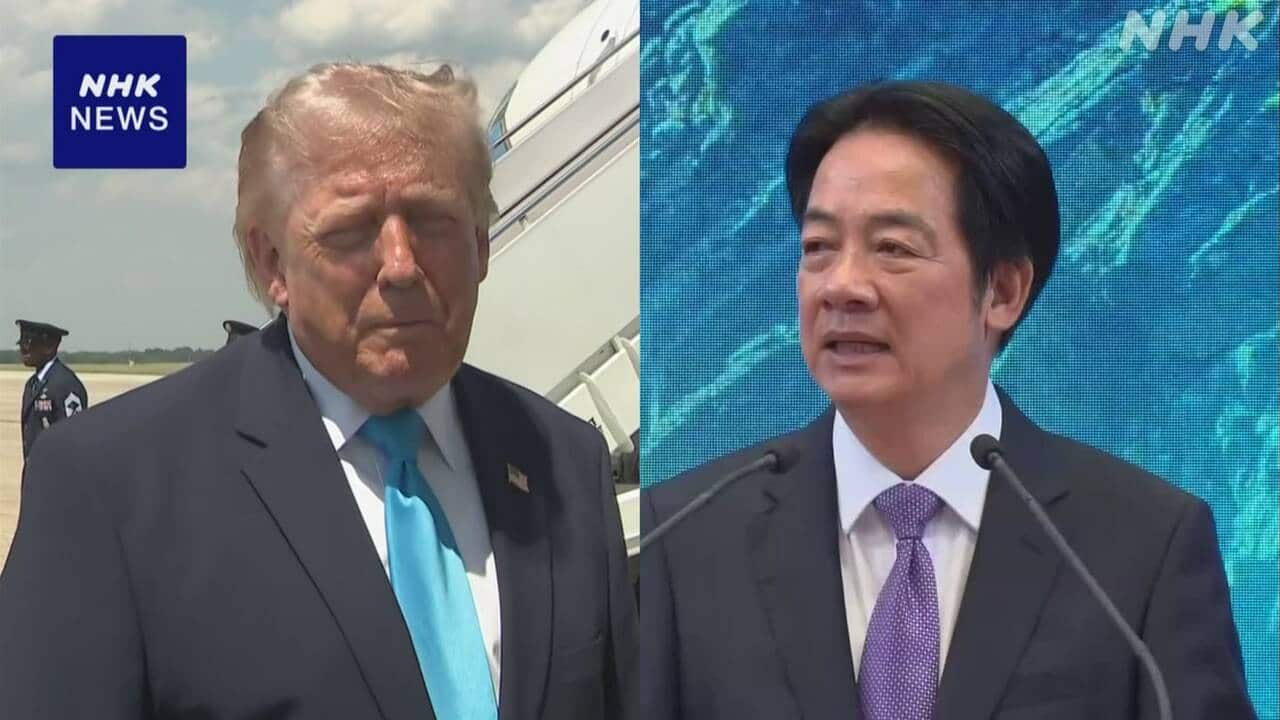
アメリカのトランプ大統領が台湾への武器売却をめぐり、台湾の頼清徳総統と協議する意向を示したことについて、中国外務省の報道官は会見で「アメリカと台湾地区が公的なやり取りをすることに断固反対する」と述べて、強くけん制しました。
トランプ大統領は20日、ワシントン近郊で記者団から「台湾への武器の売却を決定する前に頼清徳総統に電話する予定はあるか」と問われると、「彼と話をするだろう。私は誰とでも話す」と述べ、協議する意向を示しました。
これについて中国外務省の郭嘉昆報道官は21日の会見で、「中国はアメリカと台湾地区が公的なやり取りをすることと、アメリカが武器を売却することに断固反対する」と述べました。
そのうえで「中国はアメリカに、首脳会談の重要な共通認識を着実に実行し、『台湾独立』の分裂勢力に誤ったシグナルを送るのをやめ、実際の行動でもって台湾海峡の平和と安定、それに両国関係の安定した発展の勢いを維持するよう求める」と述べて、強くけん制しました。
一方、台湾総統府の潘孟安秘書長は21日、議会にあたる立法院の審議で、頼総統とトランプ大統領の電話会談はこれまでのところ行われていないと明らかにしました。
そのうえで、トランプ大統領を招待した場合のもてなしについて問われると、笑いながら「タピオカミルクティーでも臭豆腐でもごちそうできる」と述べ、歓迎する考えを示しました。
ロイター通信によりますと、現職のアメリカ大統領と台湾の総統の直接対話が行われれば、1979年にアメリカが中国と国交を樹立し、台湾と断交して以来、初めてです。
トランプ大統領は20日、ワシントン近郊で記者団から「台湾への武器の売却を決定する前に頼清徳総統に電話する予定はあるか」と問われると、「彼と話をするだろう。私は誰とでも話す」と述べ、協議する意向を示しました。
これについて中国外務省の郭嘉昆報道官は21日の会見で、「中国はアメリカと台湾地区が公的なやり取りをすることと、アメリカが武器を売却することに断固反対する」と述べました。
そのうえで「中国はアメリカに、首脳会談の重要な共通認識を着実に実行し、『台湾独立』の分裂勢力に誤ったシグナルを送るのをやめ、実際の行動でもって台湾海峡の平和と安定、それに両国関係の安定した発展の勢いを維持するよう求める」と述べて、強くけん制しました。
一方、台湾総統府の潘孟安秘書長は21日、議会にあたる立法院の審議で、頼総統とトランプ大統領の電話会談はこれまでのところ行われていないと明らかにしました。
そのうえで、トランプ大統領を招待した場合のもてなしについて問われると、笑いながら「タピオカミルクティーでも臭豆腐でもごちそうできる」と述べ、歓迎する考えを示しました。
ロイター通信によりますと、現職のアメリカ大統領と台湾の総統の直接対話が行われれば、1979年にアメリカが中国と国交を樹立し、台湾と断交して以来、初めてです。
この記事の単語 (63)
×9
台湾
たいわん
Taiwan
×5
総統
そうとう
1. supreme ruler; generalissimo 2. president (of Taiwan)
×5
中国
ちゅうごく
1. China 2. Chūgoku region of western Honshu (incl. Okayama, Hiroshima, Shimane, Tottori and Yamaguchi prefectures)
×5
述べる
のべる
to state; to express; to mention
×3
武器
ぶき
1. weapon; arms; ordnance 2. weapon (something used to gain an advantage); asset
×3
売却
ばいきゃく
selling off; disposal by sale; sale
×3
示す
しめす
1. to (take out and) show; to demonstrate; to tell; to exemplify; to make apparent 2. to point out (finger, clock hand, needle, etc.)
×2
頼清
よりきよ
Yorikiyo (unclass)
×2
協議
きょうぎ
conference; consultation; discussion; negotiation
×2
意向
いこう
intention; idea; inclination; wish
×2
外務省
がいむしょう
Ministry of Foreign Affairs
×2
報道官
ほうどうかん
press officer; press secretary
×2
会見
かいけん
interview; audience; meeting; (viewing) party
×2
地区
ちく
district; section; sector
×2
公的
こうてき
public; official
×2
遣り取り
やりとり
giving and taking; exchange (of letters); arguing back and forth; (conversational) exchange
×2
断固
だんこ
firm; determined; resolute; conclusive
×2
強い
つよい
1. strong; potent; competent; domineering; tough 2. strong; brawny; powerful; healthy; rugged
×2
牽制
けんせい
1. check; keeping in check; restraint; curbing; reining in; discouraging (from doing) 2. containment (of enemy forces); diversionary action; feint operation; show of force
×2
問う
とう
1. to ask; to inquire 2. to blame (someone) for; to accuse of; to pursue (question of responsibility); to charge with
×2
安定
あんてい
stability; steadiness; equilibrium
×1
巡る
めぐる
1. to go around 2. to return
×1
近郊
きんこう
outskirts; environs (of a city); surrounding area; surroundings
×1
記者団
きしゃだん
press group; press corps; group of reporters; press organization; press organisation
×1
決定
けってい
decision; determination
×1
郭嘉
かくか
Guo Jia (2nd century CE Chinese commander) (person)
×1
首脳会談
しゅのうかいだん
leadership conference; summit meeting; top-level conference
×1
重要
じゅうよう
important; momentous; essential; principal; major
×1
共通認識
きょうつうにんしき
common sense; common knowledge; common understanding
×1
着実
ちゃくじつ
steady; sound; solid; reliable; trustworthy
×1
実行
じっこう
execution (e.g. of a plan); carrying out; practice; action; implementation; fulfillment; realization
×1
独立
どくりつ
1. independence; self-reliance; supporting oneself; being on one's own 2. independence (e.g. of a nation); freedom
×1
分裂
ぶんれつ
split; division; break up
×1
勢力
せいりょく
influence; power; might; strength; potency; force; energy
×1
誤る
あやまる
1. to make a mistake (in); to commit an error; to do incorrectly; to err 2. to be wrong; to be incorrect; to be false; to be mistaken
×1
やめる
1. to stop (an activity); to cease; to discontinue; to end; to quit 2. to cancel; to abandon; to give up; to abolish; to abstain; to refrain
×1
実際
じっさい
1. reality; actuality; truth; fact; actual conditions 2. practice (as opposed to theory)
×1
行動
こうどう
action; conduct; behaviour; behavior; mobilization; mobilisation
×1
台湾海峡
たいわんかいきょう
Straits of Taiwan
×1
平和
へいわ
peace; harmony
×1
両国
りょうこく
1. both countries 2. Ryōgoku (area of Tokyo)
×1
発展
はってん
1. development; growth; expansion; extension; flourishing 2. development (of a situation, story, etc.); advancement; progression; unfolding
×1
勢い
いきおい
1. force; vigor; vigour; energy; spirit; life 2. influence; authority; power; might
×1
維持
いじ
maintenance; preservation; improvement
×1
求める
もとめる
1. to want; to wish for 2. to request; to demand; to require; to ask for
×1
議会
ぎかい
congress; parliament; diet; legislative assembly
×1
当たる
あたる
1. to be hit; to strike 2. to touch; to be in contact; to be affixed
×1
立法院
りっぽういん
legislature; legislative body
×1
審議
しんぎ
deliberation
×1
明らか
あきらか
1. clear; obvious; evident; plain; definite 2. bright; light
×1
持て成し
もてなし
1. hospitality; reception; treatment; service; entertainment 2. (light) refreshment; entertaining with food and drink; treat
×1
笑う
わらう
1. to laugh 2. to smile
×1
臭豆腐
しゅうどうふ
fermented tofu; stinky tofu; smelly tofu
×1
歓迎
かんげい
welcome; reception
×1
考え
かんがえ
1. thinking; thought; view; opinion; concept 2. idea; notion; imagination
×1
通信
つうしん
correspondence; communication; transmission; news; signal; telecommunications
×1
現職
げんしょく
present post; current office; (an) incumbent
×1
直接
ちょくせつ
direct; immediate; personal; firsthand
×1
対話
たいわ
dialogue; discussion; conversation; interaction
×1
国交
こっこう
diplomatic relations
×1
樹立
じゅりつ
establishment; founding; setting (a record)
×1
断交
だんこう
breaking off relations (esp. between countries)
×1
以来
いらい
since; henceforth