なぜモンゴル帝国はあれほど強かったのか?何頭もの馬を乗り換える遊牧社会が最強の軍隊を生み出した組織構造
予習
この記事のキーワード — タップで意味×36
馬
うま
1. horse 2. horse racing
×10
騎兵
きへい
cavalry; cavalryman; trooper
×10
軍隊
ぐんたい
armed forces; military; troops
×7
モンゴル帝国
モンゴルていこく
Mongol Empire
×6
鐙
あぶみ
stirrup
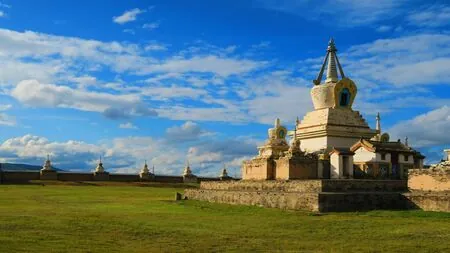
なぜモンゴル帝国は、ユーラシア大陸を制するほどの強さを誇ったのか。書籍『勉強が面白くなった瞬間』を9月に上梓し「学びの楽しさ」を説く東大カルペ・ディエムの代表・西岡壱誠氏が、教科書の文字からは見えてこない、モンゴル帝国のリアルな歴史背景を考える。
世界史を勉強していると、どこかで「この国、強すぎない?」とツッコミたくなる瞬間があります。
その筆頭が、おそらくモンゴル帝国でしょう。
13世紀、モンゴル帝国は中国から中央アジア、イラン、ロシア・東欧に至るまで、ユーラシア大陸を東西にまたぐ広大な領域を支配しました。最盛期の面積は約2400万平方キロメートル。地球上の陸地のおよそ6分の1にあたり、ひと続きの領土を持つ帝国としては史上最大とされています。
■“強すぎる”帝国の秘密を掘り下げる では、なぜ彼らはそれほど強かったのでしょうか。 教科書には「高い機動力を持っていた」「騎馬戦術に優れていた」と書かれています。 もちろん、それは間違いではありません。しかし、これだけでは「強かったのは、強い軍隊だったからだ」と言っているようなもので、肝心の仕組みが見えてきません。 その強さを根元までたどっていくと、一頭の動物に行き着きます。 それが、馬です。もちろん、単に「馬に乗れたから強かった」という話ではありません。
正確に言えばモンゴル帝国は、馬を移動手段や武器として使っただけでなく、馬を中心に軍隊そのものを組み立てたから強かったのです。 馬と人類との付き合いは、非常に古いものです。 かつては、現在のカザフスタン北部にあったボタイ文化の人々が、紀元前3500年ごろに馬を家畜化し、その馬が現代の家畜馬につながったと考えられていました。 ボタイ遺跡からは、馬を囲い込んで飼っていた可能性や、馬乳を利用していたことを示す痕跡が見つかっていたからです。
ところが、古代DNAの研究によって、この見方は大きく変わりました。 ■「家畜馬のルーツ」は、いまも書き換わっている 2021年と2024年に『Nature』に発表された大規模なゲノム研究によると、現在の家畜馬につながる系統は、ユーラシア西部の草原地帯、とくに黒海・カスピ海北方の下ヴォルガ・ドン地域を故郷とし、紀元前2200年ごろから急速に各地へ広がっていったと考えられています。 一方、ボタイの人々も馬を飼養していた形跡はあるものの、その馬は現代の家畜馬とは別の系統でした。つまり、馬の家畜化は「ある場所で一度だけ起こり、そこからすべてが始まった」という単純な物語ではなかったのです。
人類は各地で馬との関係を試行錯誤し、そのなかの一つの系統が、のちに世界へ爆発的に広がった——。 研究が進むにつれて、教科書の前提そのものが書き換わっているわけです。 馬が歴史を大きく動かした使い方には、主に2つあります。 一つは、戦車を引かせることです。 紀元前2000年ごろになると、軽いスポーク車輪を備えた戦車が現れます。その後、ヒッタイトや古代エジプトなどでは、馬に引かせた戦車が戦場の主役になっていきました。
人間が走るよりはるかに速く移動し、高い位置から弓を射る。現代でたとえるなら、それまで徒歩中心だった戦場に、突然、高速で動く車両が投入されたようなものです。 もう一つが、馬に直接乗ることです。 いまの僕たちは「騎兵」と聞くと、馬上で槍や刀を自在に振るう姿を思い浮かべます。しかし、それは決して簡単なことではありません。 馬は揺れます。しかも、走ればさらに激しく揺れます。その上で手綱を操り、周囲を見渡し、武器を扱わなければならない。乗っているだけでも技術が必要なのに、そこで戦うとなれば、要求される熟練度は一気に上がります。
■鎧によって騎兵は進化した その難しさをよく示しているのが、鐙です。 考古学的に確かな初期の鐙は、4世紀ごろの東アジアで確認されています。ヨーロッパに広く伝わるのは、さらに後の6〜7世紀ごろでした。 もちろん、鐙がなければ騎兵が存在できなかったわけではありません。古代にも強力な騎兵はいました。 ただ、鐙によって乗り手の姿勢が安定し、上半身をより自由に使えるようになったことで、重い武器を扱ったり、強い打撃を加えたりすることは格段に容易になりました。
言い換えれば、騎兵とは、馬さえ用意すれば完成する兵種ではありません。馬、馬具、そして長い訓練がそろって初めて成立する、非常に高度な「技術」だったのです。 ■近づこうとすると逃げられ、追えば矢が飛んでくる 鐙がまだ普及していなかった時代、その高度な騎乗技術を象徴したのが「パルティアン・ショット」です。 これは、馬で敵から離れるように走りながら、上半身を後ろにひねり、追ってくる相手へ矢を放つ戦法です。
単に振り返って射るだけではありません。退却すると見せかけて敵の陣形を崩し、追撃してきたところを射抜き、場合によっては反転して襲いかかる。 逃走と攻撃が一体になった戦術でした。 文章にすると簡単そうですが、実際にやるとなれば大変です。走る馬の上で姿勢を保ち、進行方向とは逆を向き、狙いを定めて矢を放つ。しかも、敵に追われている最中です。 この技がパルティア人の名とともに歴史に残ったのは、それだけ騎馬で弓を扱うことが難しく、同時に強力だったからでしょう。
歩兵からすれば、近づこうとすると逃げられ、追えば矢が飛んでくる。ようやく追いつけると思った瞬間には、相手が反転して襲いかかってくる。 これほど戦いにくい敵はいません。 農耕国家が騎兵を育てようとすれば、まず兵士を集め、馬を確保し、騎乗を教え、そのうえで弓や槍の扱いを訓練しなければなりません。 時間もお金もかかりますし、馬を維持する場所や飼料も必要です。 ところが遊牧社会では、事情がまったく違います。
家畜とともに季節ごとに移動する生活のなかで、馬は日常の交通手段です。子どものころから馬に親しみ、長距離を移動し、狩りを通して弓を扱う。もちろん、遊牧民なら誰もがそのまま一流の兵士になれるわけではありません。 それでも、農耕国家なら莫大な費用をかけて教えなければならない基礎技能を、社会全体が日常生活のなかで育てていたのです。 言ってみれば、普通の国が「騎兵を一からつくる」のに対して、草原の遊牧社会には「騎兵になり得る人材」が大量に存在していた。日常生活そのものが、巨大な騎兵養成システムになっていたわけです。
そしてチンギス・ハンとその後継者たちは、この遊牧社会の強みを、軍事システムとして徹底的に組織化しました。 ■モンゴルは予備馬を用意していた ここで重要なのは、モンゴル軍を「一人の兵士が一頭の馬に乗る軍隊」だと思わないことです。騎兵はそれぞれ複数の予備馬を連れ、疲れた馬を休ませながら次々と乗り換えました。 車でいえば、走りながらエンジンを交換しているようなものです。一頭を限界まで走らせる軍隊より、はるかに速く、長い距離を移動できます。敵が「さすがに今日はここまでだろう」と考える距離を、モンゴル軍は越えてくる。その速度自体が、強力な武器になりました。
しかも、強さの理由は速さだけではありません。 兵士を10人、100人、1000人、1万人という単位でまとめる軍制。厳しい規律。偵察と情報収集。合図を使った統率。偽装退却。精度の高い騎射。そして征服した地域から技術者を取り込み、攻城戦に活用する柔軟さ。 馬は、こうした仕組みを動かす土台でした。命令をすばやく伝え、敵より早く集まり、敵が備える前に攻め、危なくなれば離脱する。モンゴル軍は、馬の速さを「個人の乗馬技術」で終わらせず、組織全体の速さへと変えたのです。
さらに、馬や家畜は兵站にも大きな影響を与えました。 一般に、大軍を動かすには大量の食料が必要です。兵士の食料だけではありません。軍馬に与える飼料も要ります。それらを荷車で運べば、今度は荷車を引く動物や護衛が必要になり、軍隊はどんどん重く、遅くなっていきます。 一方、草原を進むモンゴル軍は、馬を放牧しながら移動し、家畜から乳や肉を得ることができました。羊などの家畜は、食料であると同時に、自分の足で軍隊についてきます。
少し乱暴に言えば、「お弁当に足が生えている」ようなものです。 もちろん、本当に補給が不要だったわけではありません。何万頭もの馬を動かすには、膨大な草と水が必要です。遠征が長期化すれば、人間の食料も装備も必要になる。モンゴル軍も現地調達や略奪、補給拠点に頼っていました。 それでも、巨大な輜重隊(しちょうたい)に全面的に依存する軍隊と比べれば、補給線を軽くし、より速く、より遠くへ動けたことは大きな優位でした。
「補給が要らない軍隊」だったのではなく、「補給の一部を自分たちと一緒に移動させられる軍隊」だったのです。 ■最大の強みは、弱点でもあった ただし、この仕組みには限界もありました。 馬はエンジンであると同時に、草と水を大量に消費する「生きた兵站」でもあります。広い草原では圧倒的な機動力を発揮できても、湿地や深い森林、山岳地帯、十分な放牧地のない地域では、同じ速度を保てません。 モンゴル帝国が西欧のさらに奥深くまで恒常的に支配を広げなかった理由を、草原の有無だけで説明することはできません。後継者争いなどの政治事情、各地の抵抗、地形や気候など、複数の要因があり、研究者の間でも議論が続いています。
それでも、「馬を養える環境が、モンゴル軍の行動範囲を左右した」という視点は重要です。 モンゴル軍の強さは、馬という動物だけから生まれたのではありません。馬を育てる草原、騎乗を日常にする社会、複数の馬を運用する仕組み、そしてそれらを統率する軍制が一体となって、初めて生まれたものだったのです。 「なぜモンゴル帝国は、あれほど強かったのか?」 この素朴な疑問を掘り下げていくと、馬のDNA、鐙の発明、遊牧社会の暮らし、軍隊の組織、さらには草原の環境史にまで話が広がっていきます。
しかも、馬の家畜化をめぐる定説のように、歴史の前提は新しい研究によって今も更新されています。 世界史は、すでに決まった答えを暗記するだけの科目ではありません。 「なぜ?」を一つ投げかけるだけで、別々に見えていた知識がつながり、人類の歩んできた道筋が立体的に見えてくる。 暗記の海に見えた世界史は、そこから急に、壮大な謎解きへと変わるのです。
この記事の単語 (365)
×36
馬
うま
1. horse 2. horse racing
×10
軍隊
ぐんたい
armed forces; military; troops
×10
騎兵
きへい
cavalry; cavalryman; trooper
×8
家畜
かちく
domestic animals; livestock; cattle
×7
モンゴル帝国
モンゴルていこく
Mongol Empire
×7
草原
そうげん
1. grassy field; grassland; meadow 2. grass-covered plain; savannah; prairie; steppe
×7
敵
てき
1. opponent; rival; adversary 2. menace; danger; threat; enemy
×6
移動
いどう
1. movement; transfer; migration; removal; travel 2. mobile; moving; traveling; travelling; roving
×6
鐙
あぶみ
stirrup
×5
兵士
へいし
soldier
×4
強さ
つよさ
strength; power
×4
仕組み
しくみ
1. structure; construction; arrangement; contrivance; mechanism; workings 2. plan; plot; contrivance
×4
武器
ぶき
1. weapon; arms; ordnance 2. weapon (something used to gain an advantage); asset
×4
動かす
うごかす
1. to move; to shift; to stir; to budge; to change position 2. to inspire; to rouse; to move (e.g. feeling); to influence
×4
弓
ゆみ
1. bow (weapon) 2. archery
×4
然も
しかも
1. moreover; furthermore 2. nevertheless; and yet
×4
扱う
あつかう
1. to deal with (a person); to treat; to handle; to take care of; to entertain 2. to deal with (a problem); to handle; to manage
×4
追う
おう
1. to chase; to run after; to pursue; to follow after 2. to follow (a set order, a trend, etc.)
×4
矢
や
1. arrow 2. wedge; chock
×4
遊牧
ゆうぼく
nomadism
×4
食料
しょくりょう
food
×4
補給
ほきゅう
supply; supplying; replenishment
×3
瞬間
しゅんかん
moment; second; instant
×3
教科書
きょうかしょ
textbook; coursebook; schoolbook
×3
世界史
せかいし
world history; international history
×3
世紀
せいき
1. century 2. era
×3
人類
じんるい
mankind; humanity
×3
紀元前
きげんぜん
pre-era; BC; BCE
×3
現代
げんだい
nowadays; modern era; modern times; present-day
×3
繋がる
つながる
1. to be tied together; to be connected to; to be linked to 2. to lead to; to be related to
×3
系統
けいとう
1. system 2. lineage; ancestry; family line
×3
地域
ちいき
area; region
×3
各地
かくち
every place; various places
×3
広がる
ひろがる
to spread (out); to extend; to stretch; to reach to; to get around; to fill (e.g. a space)
×3
戦車
せんしゃ
1. tank (military vehicle) 2. chariot
×3
強力
きょうりょく
powerful; strong
×3
騎乗
きじょう
riding (on horseback); mounting (a horse)
×3
同時
どうじ
simultaneous; concurrent; same time; synchronous; together
×3
大量
たいりょう
large quantity; massive (quantity); mass (e.g. mass production, mass transit, mass destruction)
×3
複数
ふくすう
plural; multiple; several
×3
速さ
はやさ
1. speed; velocity; quickness; rapidity 2. earliness
×2
ユーラシア大陸
ユーラシアたいりく
Eurasian continent; Eurasia
×2
支配
しはい
1. domination; rule; control 2. direction; management; guidance
×2
帝国
ていこく
1. empire 2. imperial
×2
掘り下げる
ほりさげる
1. to dig down 2. to dig into (a matter); to delve into; to probe into; to investigate; to get to the bottom of
×2
機動力
きどうりょく
mobility
×2
騎馬
きば
horse riding; horseback riding; horseback rider
×2
戦術
せんじゅつ
tactics
×2
単に
たんに
simply; merely; only; solely
×2
中心
ちゅうしん
1. center; centre; middle; heart; core; focus; pivot; emphasis; balance 2. -centered; -centred; -focused; -oriented; centered on; focused on
×2
非常
ひじょう
1. emergency 2. extraordinary; unusual
×2
現在
げんざい
now; current; present; present time; as of
×2
人々
ひとびと
1. people; men and women 2. each person; everybody
×2
示す
しめす
1. to (take out and) show; to demonstrate; to tell; to exemplify; to make apparent 2. to point out (finger, clock hand, needle, etc.)
×2
古代
こだい
ancient times
×2
前提
ぜんてい
1. condition; assumption; prerequisite; hypothesis 2. intention; intent; aim; goal
×2
備える
そなえる
1. to furnish with; to equip with; to provide; to install 2. to prepare for; to make preparations for; to make provision for
×2
戦場
せんじょう
battlefield; battleground
×2
人間
にんげん
1. human being; human; person; man; mankind; humankind 2. character (of a person)
×2
遥か
はるか
far; far away; distant; remote; far off
×2
射る
いる
to shoot (arrow, bolt, dart)
×2
槍
やり
1. spear; lance 2. javelin
×2
戦う
たたかう
1. to make war (on); to wage war (against); to go to war (with); to fight (with); to do battle (against) 2. to compete (against)
×2
存在
そんざい
existence; being
×2
姿勢
しせい
1. posture; pose; position; stance; carriage (of the body) 2. attitude; approach; stance
×2
上半身
じょうはんしん
upper half of the body; upper body
×2
訓練
くんれん
training; drill; practice; discipline
×2
高度
こうど
1. altitude; height; elevation 2. high-degree; high-grade; advanced; sophisticated; strong
×2
近付く
ちかづく
1. to approach; to draw near; to get close 2. to get acquainted with; to get closer to; to get to know
×2
相手
あいて
1. companion; partner; company 2. other party; addressee
×2
放つ
はなつ
1. to fire (gun, arrow, questions, etc.); to shoot; to hit (e.g. baseball); to break wind 2. to set free; to release; to let loose
×2
退却
たいきゃく
retreat; withdrawal; retirement
×2
反転
はんてん
1. rolling over; turning over 2. turning around (the other way); reversal (of direction, course, etc.); inversion; flipping
×2
襲い掛かる
おそいかかる
to rush on; to attack; to swoop down on
×2
一体
いったい
1. (what) the heck; (why) in the world; (who) on earth 2. one object; one body; unity
×2
保つ
たもつ
1. to keep; to preserve; to hold; to retain; to maintain; to sustain 2. to last; to endure; to keep well (food); to wear well; to be durable
×2
農耕
のうこう
farming; agriculture; cultivation
×2
国家
こっか
state; country; nation
×2
飼料
しりょう
fodder; feed
×2
事情
じじょう
circumstances; conditions; situation; reasons; state of affairs
×2
日常
にちじょう
everyday; daily; ordinary; usual; routine; regular
×2
全体
ぜんたい
whole; entirety; whatever (is the matter)
×2
日常生活
にちじょうせいかつ
everyday life; daily life
×2
巨大
きょだい
huge; gigantic; enormous
×2
後継者
こうけいしゃ
successor
×2
強み
つよみ
forte; strong point
×2
予備
よび
1. reserve; spare 2. preparation; preliminaries
×2
重要
じゅうよう
important; momentous; essential; principal; major
×2
限界
げんかい
limit; bound
×2
距離
きょり
distance; range
×2
速度
そくど
1. speed; velocity; pace; rate 2. velocity
×2
軍制
ぐんせい
military system; military organization; military organisation
×2
統率
とうそつ
command; lead; generalship; leadership
×2
組織
そしき
1. organization; organisation; formation 2. structure; construction; setup; constitution
×2
兵站
へいたん
supply train; communications; logistics
×2
与える
あたえる
1. to give (esp. to someone of lower status); to bestow; to grant; to confer; to present; to award 2. to provide; to afford; to offer; to supply
×2
荷車
にぐるま
cart; wagon
×2
放牧
ほうぼく
pasturage; grazing
×2
環境
かんきょう
environment; circumstance
×2
暗記
あんき
memorization; memorisation; learning by heart
×1
制する
せいする
1. to hold back (e.g. emotions); to rein in (e.g. a horse, unruly people); to bridle 2. to get the better of
×1
誇る
ほこる
to boast of; to be proud of; to take pride in
×1
書籍
しょせき
book; publication
×1
面白い
おもしろい
1. interesting; fascinating; intriguing; enthralling 2. amusing; funny; comical
×1
上梓
じょうし
1. wood-block printing 2. publication
×1
学び
まなび
learning; study
×1
説く
とく
to explain; to advocate; to preach; to persuade
×1
東大
とうだい
(abbr) Tokyo University (organization)
×1
代表
だいひょう
1. representative; representation; delegation; type; example; model 2. switchboard number; main number
×1
西岡
にしおか
Nishioka (place; surname)
×1
文字
もじ
1. letter (of alphabet); character 2. writing
×1
背景
はいけい
1. background; scenery; backdrop; setting 2. background (of an incident, situation, etc.); circumstances; context
×1
筆頭
ひっとう
1. brush tip 2. first on a list
×1
恐らく
おそらく
perhaps; likely; probably; I dare say
×1
中国
ちゅうごく
1. China 2. Chūgoku region of western Honshu (incl. Okayama, Hiroshima, Shimane, Tottori and Yamaguchi prefectures)
×1
中央アジア
ちゅうおうアジア
central Asia
×1
東欧
とうおう
Eastern Europe
×1
至る
いたる
1. to arrive at (e.g. a decision); to reach (a stage); to attain 2. to lead to (a place); to get to
×1
東西
とうざい
1. east and west 2. Orient and Occident; East and West
×1
跨ぐ
またぐ
1. to step over; to step across; to stride over; to stride across; to cross 2. to stretch over; to span; to bridge; to saddle; to straddle
×1
広大
こうだい
vast; extensive; immense; huge; large; grand; magnificent
×1
領域
りょういき
area; domain; territory; field; range; region; regime
×1
最盛期
さいせいき
1. golden age; prime; heyday; height of prosperity 2. season (for fruit, vegetables, etc.); best time
×1
面積
めんせき
square measure; size (e.g. of land); area; surface
×1
平方キロメートル
へいほうキロメートル
square kilometer; square kilometre
×1
地球
ちきゅう
Earth; the globe
×1
陸地
りくち
land
×1
当たる
あたる
1. to be hit; to strike 2. to touch; to be in contact; to be affixed
×1
一続き
ひとつづき
chain (of); series (of); sequence; suite (e.g. of rooms)
×1
領土
りょうど
dominion; territory; possession
×1
史上最大
しじょうさいだい
greatest ... in history
×1
秘密
ひみつ
1. secret; secrecy; confidentiality; privacy 2. mystery
×1
優れる
すぐれる
to surpass; to outstrip; to excel
×1
間違い
まちがい
1. mistake; error; blunder 2. accident; mishap; trouble
×1
肝心
かんじん
essential; important; crucial; vital; main
×1
根元
ねもと
1. base (of a plant, tree, pillar, etc.); (part near the) root; roots (of one's hair) 2. root (e.g. of a problem); source
×1
辿る
たどる
to follow (road); to pursue (course); to follow up; to follow (hyperlink)
×1
行き着く
ゆきつく
to arrive at; to end up
×1
正確
せいかく
accurate; correct; precise; exact
×1
移動手段
いどうしゅだん
means of transportation; transport service
×1
組み立てる
くみたてる
to assemble; to set up; to construct
×1
付き合い
つきあい
association; socializing; socialising; fellowship
×1
嘗て
かつて
1. once; before; formerly; ever; former; ex- 2. never yet; never before; first time; still not happened
×1
北部
ほくぶ
northern part; the north (of a region)
×1
家畜化
かちくか
domestication
×1
遺跡
いせき
historic ruins (remains, relics); archeological site
×1
囲い込む
かこいこむ
to enclose; to impound; to cut off; to corral
×1
飼う
かう
to keep (a pet or other animal); to have; to own; to raise; to rear; to feed
×1
可能性
かのうせい
potentiality; likelihood; possibility; availability
×1
痕跡
こんせき
trace; vestige; mark; sign; evidence
×1
見方
みかた
1. viewpoint; point of view 2. way of understanding; way of appreciating; how to look at something (e.g. noh, train schedule)
×1
発表
はっぴょう
announcement; publication; presenting; statement; communique; making known; breaking (news story); expressing (one's opinion); releasing; unveiling
×1
大規模
だいきぼ
large-scale
×1
西部
せいぶ
1. western part; the west (of a region) 2. the West (United States)
×1
地帯
ちたい
area; zone; belt (of land)
×1
黒海
こっかい
Black Sea
×1
カスピ海
カスピかい
Caspian Sea
×1
北方
ほっぽう
1. the north; northward; northern direction 2. northern part (e.g. of a country); northern district
×1
故郷
ふるさと
1. home town; birthplace; native place; one's old home 2. ruins; historic remains
×1
急速
きゅうそく
rapid (e.g. progress)
×1
飼養
しよう
breeding; raising
×1
形跡
けいせき
traces; evidence
×1
詰まり
つまり
1. that is to say; that is; in other words; I mean; that (this, it) means 2. in short; in brief; to sum up; ultimately; in the end; in the long run; when all is said and done; what it all comes down to; when you get right down to it; basically
×1
起こる
おこる
to occur; to happen
×1
単純
たんじゅん
simple; plain; uncomplicated; straightforward
×1
物語
ものがたり
tale; story; legend
×1
試行錯誤
しこうさくご
trial and error
×1
爆発的
ばくはつてき
1. explosive 2. sudden and dramatic (of an increase in sales, popularity, etc.); explosive; rapid; abrupt; tremendous
×1
使い方
つかいかた
way to use something; treatment; management (of help)
×1
主に
おもに
mainly; primarily
×1
車輪
しゃりん
(vehicle) wheel
×1
現れる
あらわれる
1. to appear; to come in sight; to become visible; to come out; to embody; to materialize; to materialise 2. to be expressed (e.g. emotions); to become apparent (e.g. trends, effects)
×1
古代エジプト
こだいエジプト
ancient Egypt
×1
主役
しゅやく
leading part; leading actor; leading actress
×1
位置
いち
place; situation; position; location
×1
例える
たとえる
to compare (something) to; to liken; to speak figuratively; to use a simile; to use a metaphor
×1
徒歩
とほ
walking; going on foot
×1
突然
とつぜん
abrupt; sudden; unexpected
×1
高速
こうそく
1. high-speed; rapid; express 2. highway; freeway; expressway; motorway
×1
車両
しゃりょう
rolling stock; railroad cars; wheeled vehicles
×1
投入
とうにゅう
1. throwing in; inserting; depositing (e.g. a ballot) 2. investment; commitment (of funds, personnel, etc.); injection; infusion
×1
直接
ちょくせつ
direct; immediate; personal; firsthand
×1
僕達
ぼくたち
we
×1
馬上
ばじょう
horseback; riding
×1
刀
かたな
1. sword (esp. Japanese single-edged); katana 2. scalpel
×1
自在
じざい
1. being able to do as one pleases; doing at will 2. pothook
×1
振るう
ふるう
1. to swing; to wield (physically); to exert 2. to exercise (e.g. power, ability); to exhibit; to display; to wield (metaphorically)
×1
姿
すがた
1. figure; form; shape 2. appearance; dress; guise
×1
思い浮かべる
おもいうかべる
to be reminded of; to call to mind
×1
激しい
はげしい
1. violent; furious; tempestuous 2. extreme; intense; fierce; strong
×1
手綱
たづな
1. reins; bridle 2. control; the reins (on)
×1
操る
あやつる
1. to operate (e.g. a machine); to handle; to manage; to control; to maneuver; to steer 2. to have a good command of (a language); to play proficiently (of a musical instrument)
×1
周囲
しゅうい
1. surroundings; environs 2. circumference
×1
見渡す
みわたす
to look out over; to survey (scene); to take an extensive view of
×1
要求
ようきゅう
demand; firm request; requisition; requirement; desire
×1
熟練
じゅくれん
skill; dexterity; proficiency
×1
一気
いっき
1. one breath 2. chug!; drink!
×1
上がる
あがる
1. to rise; to go up; to come up; to ascend; to be raised 2. to enter (esp. from outdoors); to come in; to go in
×1
鎧
よろい
armor; armour
×1
進化
しんか
evolution; progress
×1
難しさ
むずかしさ
(degree of) difficulty
×1
考古学
こうこがく
archaeology; archeology
×1
初期
しょき
1. early (days); initial stage 2. initial
×1
東アジア
ひがしアジア
East Asia
×1
確認
かくにん
confirmation; verification; validation; review; check; affirmation; identification
×1
伝わる
つたわる
to be handed down; to be introduced; to be transmitted; to be circulated; to go along; to walk along
×1
唯
ただ
1. ordinary; common; usual 2. free of charge
×1
乗り手
のりて
passenger; rider; good rider
×1
安定
あんてい
stability; steadiness; equilibrium
×1
打撃
だげき
1. blow; shock; strike; damage 2. batting
×1
格段
かくだん
1. dramatic (improvement); remarkable (difference); marked; noticeable 2. (far) better; exceptional
×1
容易
ようい
easy; simple; plain
×1
言い替える
いいかえる
to say in other words; to put another way; to express in different words; to reword; to rephrase
×1
さえ
1. even 2. (if) only; just; as long as
×1
完成
かんせい
1. complete; completion 2. perfection; accomplishment
×1
兵種
へいしゅ
branch of an army
×1
馬具
ばぐ
horse tack; horse gear; harness
×1
揃う
そろう
1. to be complete; to be all present; to make a full set; to be satisfied (of conditions) 2. to be equal; to be uniform; to be even; to match; to agree
×1
成立
せいりつ
1. formation; establishment; materialization; coming into existence 2. conclusion (e.g. of a deal); reaching (e.g. an agreement); approval; completion; closing; enacting; arrangement
×1
普及
ふきゅう
diffusion; spread; popularization; promulgation; familiarization
×1
象徴
しょうちょう
(abstract) symbol; emblem; representation
×1
離れる
はなれる
1. to be separated; to be apart; to be distant 2. to leave; to go away
×1
捻る
ひねる
1. to twist; to wrench; to turn (a switch on or off, etc.); to wring (a neck) 2. to puzzle over
×1
戦法
せんぽう
tactics; strategy
×1
振り返る
ふりかえる
1. to turn one's head; to look over one's shoulder; to turn around; to look back 2. to think back (on); to reminisce; to look back (on); to reflect (on)
×1
見せ掛ける
みせかける
to pretend; to feign
×1
陣形
じんけい
battle formation; military formation
×1
崩す
くずす
1. to destroy; to demolish; to pull down; to tear down; to level 2. to disturb; to put into disorder; to throw off balance; to make shaky
×1
追撃
ついげき
pursuit (of a fleeing enemy); chase
×1
射貫く
いぬく
to shoot through something (wall, body, etc.); to pierce (e.g. with an arrow or a look)
×1
逃走
とうそう
flight; desertion; escape
×1
攻撃
こうげき
1. attack; assault; raid; onslaught; offensive 2. criticism; censure; denunciation; condemnation
×1
実際
じっさい
1. reality; actuality; truth; fact; actual conditions 2. practice (as opposed to theory)
×1
大変
たいへん
1. very; greatly; terribly; awfully 2. immense; enormous; great
×1
進行
しんこう
1. moving forward (e.g. vehicle); onward movement 2. advance (work, procedure, etc.); advancement; progress
×1
方向
ほうこう
1. direction; orientation; bearing; way 2. course (e.g. of action)
×1
逆
ぎゃく
1. reverse; opposite 2. converse (of a hypothesis, etc.)
×1
向く
むく
1. to turn toward; to look (up, down, etc.) 2. to face (e.g. east); to look out on
×1
狙い
ねらい
aim
×1
定める
さだめる
1. to decide; to determine 2. to establish; to lay down; to prescribe; to provide; to stipulate
×1
最中
さいちゅう
(in) the middle of; (in) the midst of; (in) the course of; (at) the height of
×1
技
わざ
technique; art; skill; move
×1
歩兵
ふひょう
pawn
×1
漸く
ようやく
1. finally; at last 2. barely; narrowly; hardly; only just
×1
追い付く
おいつく
1. to catch up (with); to draw level; to pull even; to reach 2. to be compensated; to make up for one's losses
×1
確保
かくほ
1. securing; obtaining; ensuring; guarantee; maintaining 2. belay; belaying
×1
扱い
あつかい
treatment; service
×1
維持
いじ
maintenance; preservation; improvement
×1
全く
まったく
1. really; truly; entirely; completely; wholly; perfectly 2. indeed
×1
交通手段
こうつうしゅだん
means of transportation; transportation system; way of getting around
×1
親しむ
したしむ
to be intimate with; to befriend
×1
長距離
ちょうきょり
long distance; long haul
×1
狩り
かり
1. hunting 2. harvesting (e.g. berries, fruit); picking; gathering
×1
遊牧民
ゆうぼくみん
nomad
×1
そのまま
1. without change; as is 2. just like; extremely similar
×1
一流
いちりゅう
1. first-class; top grade; foremost; top-notch; leading 2. characteristic; peculiar; unique
×1
莫大
ばくだい
1. vast; huge; immense; enormous; colossal 2. malva nut (Sterculia lychnophora)
×1
費用
ひよう
cost; expense
×1
基礎
きそ
foundation; basis
×1
技能
ぎのう
technical skill; ability; capacity
×1
人材
じんざい
1. capable person; talented person 2. human resources; personnel
×1
養成
ようせい
training; education; development; cultivation
×1
軍事
ぐんじ
military affairs
×1
徹底的
てっていてき
thorough; exhaustive; complete
×1
組織化
そしきか
organization; organisation; systematization; systematisation
×1
次々
つぎつぎ
in succession; one by one
×1
交換
こうかん
exchange; interchange; switching; reciprocity; barter; substitution; replacement; clearing (of checks, cheques)
×1
流石
さすが
1. as one would expect; just as you'd expect (from); just like (someone) 2. still; all the same; after all
×1
越える
こえる
1. to cross over; to cross; to pass through; to pass over (out of); to go beyond; to go past 2. to exceed; to surpass; to be more (than)
×1
自体
じたい
1. itself 2. one's own body; oneself
×1
単位
たんい
1. unit; denomination 2. credit (in school)
×1
纏める
まとめる
1. to collect; to put (it all) together; to integrate; to consolidate; to unify 2. to summarize; to aggregate
×1
規律
きりつ
1. order; observance; discipline 2. rules; law; regulations
×1
偵察
ていさつ
scouting; reconnaissance
×1
情報
じょうほう
1. information; news; intelligence; advices 2. information; data contained in characters, signals, code, etc.
×1
収集
しゅうしゅう
1. collecting; accumulating; gathering 2. collection (of art, stamps, insects, etc.)
×1
合図
あいず
sign; signal; cue
×1
擬装
ぎそう
1. camouflage; disguise 2. pretense; feigning; masquerade
×1
精度
せいど
precision; accuracy
×1
騎射
きしゃ
shooting on horseback; equestrian archery
×1
征服
せいふく
conquest; subjugation; overcoming
×1
技術者
ぎじゅつしゃ
engineer; technical expert; technician; craftsperson
×1
取り込む
とりこむ
1. to take in; to bring in; to adopt (e.g. behaviour); to introduce 2. to capture (e.g. image); to import
×1
活用
かつよう
1. practical use; application 2. conjugation; inflection
×1
柔軟
じゅうなん
flexible; lithe; soft; pliable
×1
土台
どだい
1. foundation; base; basis 2. from the beginning; from the outset; by nature
×1
命令
めいれい
1. order; command; decree; directive 2. (software) instruction; statement
×1
素早い
すばやい
1. quick; swift; nimble; agile 2. quick (understanding, judgement, etc.); alert; prompt
×1
集まる
あつまる
to gather; to collect; to assemble
×1
攻める
せめる
to attack; to assault; to assail
×1
離脱
りだつ
withdrawal; secession; separation; breakaway
×1
個人
こじん
individual; private person; personal; private
×1
乗馬
じょうば
1. horse riding; mounting a horse 2. mount; riding horse; saddle horse; horse one is riding
×1
影響
えいきょう
1. influence; effect 2. to influence; to affect; to have an influence on; to impact; to have an effect on
×1
一般
いっぱん
1. general; universal 2. ordinary; average; common; non-celebrity
×1
大軍
たいぐん
large army
×1
軍馬
ぐんば
warhorse; army horse
×1
護衛
ごえい
guard; convoy; escort
×1
乳
ちち
1. milk 2. breast
×1
羊
ひつじ
sheep (Ovis aries)
×1
乱暴
らんぼう
1. violence; assault; running riot 2. rough (e.g. handling); reckless; careless; coarse; rude; unreasonable (e.g. demand); wild (e.g. argument)
×1
弁当
べんとう
bento; Japanese box lunch
×1
生える
はえる
1. to grow; to spring up; to sprout 2. to cut (teeth)
×1
本当
ほんとう
1. truth; reality; actuality; fact 2. proper; right; correct; official
×1
不要
ふよう
unnecessary; unneeded
×1
膨大
ぼうだい
1. huge; vast; enormous; colossal; extensive; large 2. swelling; expansion
×1
遠征
えんせい
1. expedition; (military) campaign 2. tour (by a sports team, performer, etc.); visit
×1
長期化
ちょうきか
lengthening
×1
装備
そうび
equipment
×1
現地調達
げんちちょうたつ
local procurement; local content; sourcing locally
×1
略奪
りゃくだつ
pillage; plunder; looting; robbery
×1
拠点
きょてん
position; location; base; point; site
×1
頼る
たよる
to rely on; to depend on; to count on; to turn to (for help)
×1
視聴
しちょう
1. looking and listening; (television) viewing 2. attention; interest
×1
全面的
ぜんめんてき
total; complete; all-out; general; extensive; full-scale
×1
依存
いぞん
dependence; reliance
×1
補給線
ほきゅうせん
supply line
×1
優位
ゆうい
predominance; superiority; ascendancy; advantage; supremacy
×1
一部
いちぶ
1. one part; one portion; one section; some 2. one copy (e.g. of a document)
×1
最大
さいだい
biggest; greatest; largest; maximum
×1
弱点
じゃくてん
weak point; weakness; shortcoming; defect; flaw; sore spot; tender spot
×1
但し
ただし
but; however; provided that
×1
消費
しょうひ
consumption; expenditure
×1
圧倒的
あっとうてき
overwhelming
×1
発揮
はっき
show (of power, ability, etc.); exhibition; demonstration; display; manifestation
×1
湿地
しっち
damp ground; wetland; bog; marsh
×1
森林
しんりん
forest; woods
×1
山岳地帯
さんがくちたい
mountain district
×1
西欧
せいおう
1. Western Europe 2. the West; the Occident; Europe
×1
奥深い
おくふかい
1. profound; deep 2. deep (of a cave, etc.); innermost; interior
×1
恒常的
こうじょうてき
constant; invariable; chronic; everlasting
×1
広げる
ひろげる
1. to spread; to extend; to expand; to enlarge; to widen; to broaden 2. to unfold; to open; to unroll; to unwrap
×1
有無
うむ
1. existence or nonexistence; presence or absence 2. consent or refusal; yes or no
×1
争い
あらそい
dispute; strife; quarrel; dissension; conflict; rivalry; contest
×1
抵抗
ていこう
1. resistance; opposition; standing up to 2. reluctance; repulsion; repugnance
×1
地形
ちけい
terrain; geographical features; topography
×1
気候
きこう
climate
×1
要因
よういん
main cause; primary factor
×1
研究者
けんきゅうしゃ
researcher
×1
議論
ぎろん
argument; discussion; dispute; controversy
×1
養う
やしなう
1. to support; to maintain; to provide for 2. to bring up; to raise; to rear; to feed
×1
行動
こうどう
action; conduct; behaviour; behavior; mobilization; mobilisation
×1
範囲
はんい
extent; scope; sphere; range; span
×1
左右
さゆう
1. left and right; right and left 2. (asserting) control; influence; domination
×1
視点
してん
opinion; point of view; visual point
×1
運用
うんよう
1. making use of; application; practical use; effective management (e.g. of funds) 2. operation; handling; steering (esp. a boat)
×1
素朴
そぼく
simple; artless; naive; unsophisticated
×1
疑問
ぎもん
doubt; question; suspicion; dubiousness
×1
発明
はつめい
1. invention 2. intelligent; clever; smart
×1
暮らす
くらす
1. to live; to get along 2. to spend (time)
×1
巡る
めぐる
1. to go around 2. to return
×1
定説
ていせつ
established theory; accepted opinion; accepted explanation
×1
更新
こうしん
renewal; update; innovation; improvement
×1
既に
すでに
already; too late
×1
決まる
きまる
1. to be decided; to be settled; to be fixed; to be arranged 2. to be unchanging; to be the same (as always); to be fixed; to be set
×1
答え
こたえ
answer; reply; response; solution
×1
科目
かもく
(school) subject; curriculum; course
×1
投げ掛ける
なげかける
to throw at; to turn; to raise
×1
別々
べつべつ
separate; respective
×1
知識
ちしき
knowledge; information
×1
歩む
あゆむ
1. to walk; to go on foot 2. to tread (a figurative path); to follow; to lead (a life); to experience
×1
道筋
みちすじ
path; route; itinerary
×1
立体的
りったいてき
three-dimensional
×1
壮大
そうだい
magnificent; grand; majestic; splendid
×1
謎解き
なぞとき
solution of a riddle