東京大空襲から81年 海老名香葉子さんの遺志継いで 平和の集い
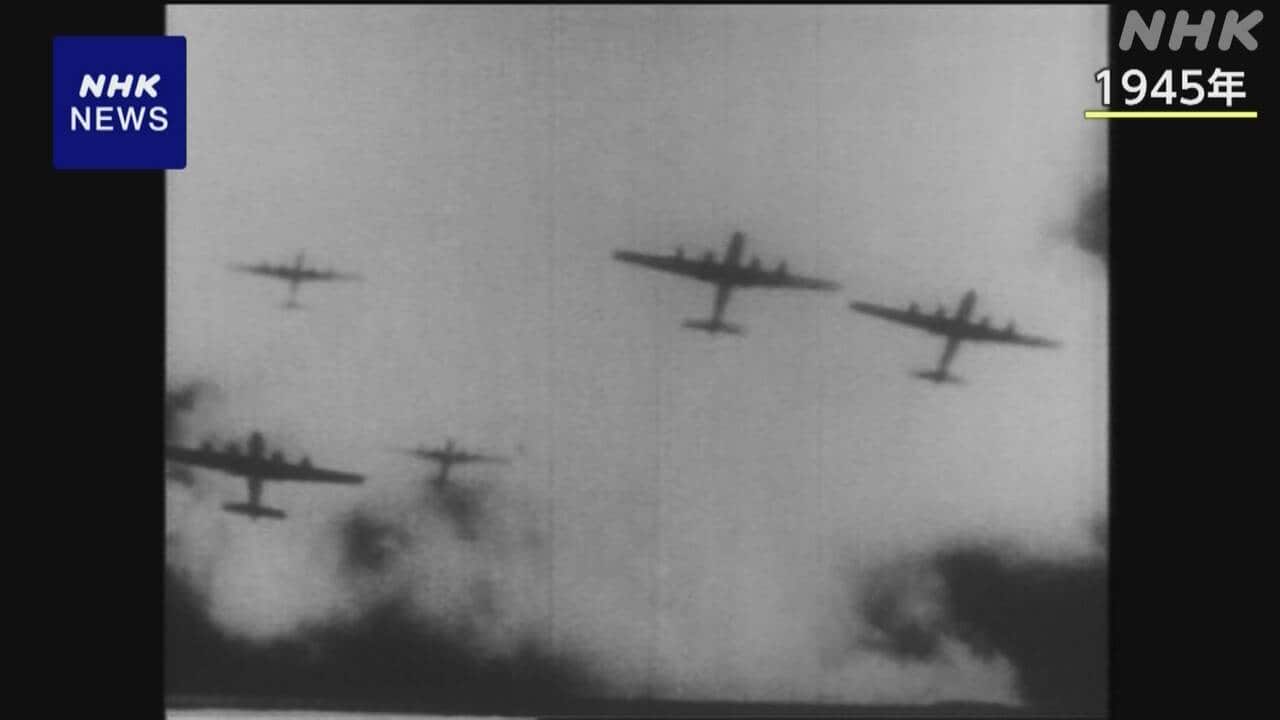
10万人が犠牲となった東京大空襲から3月10日で81年です。都内では9日、平和を祈る集いが開かれ、みずからも空襲で家族を亡くしたエッセイストの故・海老名香葉子さんの遺志を継いだ人たちが犠牲者を悼みました。
落語家の初代、林家三平さんの妻で、エッセイストの海老名香葉子さんは、1945年3月10日の東京大空襲で両親など家族6人を亡くしたことから、東京・台東区の寛永寺で平和を祈る集いを毎年開いてきました。
その海老名さんが去年12月に亡くなったことから、ことしは林家一門が海老名さんの遺志を継いで集いを開きました。寺の境内にある海老名さんが建立した慰霊碑の前で法要が執り行われ、集まったおよそ150人が空襲の犠牲者や亡くなった海老名さんを思い手を合わせました。
そして、一門を代表して海老名さんの長男で落語家の林家正蔵さんが「母はぜいたくをせず、毎年この日が終わるとまた来年の集いはどうしようと考えていた人でした。微力ながら私たち家族と一門で平和への願いをバトンタッチできるよう続けていきたい」と述べました。
4歳で東京大空襲を経験し、父親を亡くした女性(85)は「父の遺体は見つからずお墓もないままでしたが、海老名さんが慰霊碑を立ててくださったおかげでお参りできる場所ができ感謝しかありません。集いを続けていただける間は自分も来続けたいです」と話していました。
戦争孤児の海老名さんは、東京大空襲で家族を失った戦争体験をもとにしたエッセーを手がけ、平和を訴える活動にも長年取り組みましたが、去年12月92歳で亡くなりました。亡くなる1年前にNHKの取材に応じた海老名さんは、今も遺体が見つかっていない両親ら6人の家族を探し歩いた当時の状況を明かしました。
海老名さんは疎開先から戻ってきて、隅田川や公園などで家族の名前を大きな声で呼んで回ったことに触れ、「もう運動靴が破れて手拭いを細く切って足に縛りつけ、それでも歩いて探しましたが、見つかりませんでした。名前も分からないほど焼けてしまったんだろうと思います。焼け跡に行っては泣いてばかりいました」と振り返りました。
そして、後世に伝え残したいと始めた集いについて「大勢の人に知ってもらうために通りがかりの人も気軽に立ち止まって聞いてくれるよう、誰でも参加できるようにしましたが、参加者が年々少なくなるのは悲しいことです」と述べ、「体験者が少なくなり、集まる人も若い世代へと変わってきたが、難しい言葉で言わないで、こんなに戦争ってむごい、悲しいんだよ、苦しいんだよということ伝え続けたい」と心境を語っていました。
先の大戦で空襲の被害に遭った人などは国による補償の対象となっておらず、被害者たちは救済する法律の早期成立を求め、今も活動を続けています。
1945年3月10日、アメリカ軍による爆撃で東京の下町を中心に壊滅的な被害を受けた東京大空襲では、10万人が亡くなったほか、100万人が何らかの被害を受けたとされています。
戦時中、空襲などに巻き込まれた民間の戦争被害者は、軍人や軍属とは異なり国による補償の対象になっておらず、被害者や遺族が中心となって現在も救済を求め、活動を続けています。
東京大空襲で母親と2人の弟を亡くした「全国空襲被害者連絡協議会」の河合節子事務局次長(86)は「世界中に戦火が広がる中、過去の被害者だけではなく、未来にもつながる問題だと知ってほしい。声を上げてきた人たちが高齢となり活動が難しくなっているが、当事者がいる間になんとか解決できるようやれるところまでやりたい」と話しています。
一方、世田谷区は被害者へのいたわりの意を示すとともに、国による救済の議論を後押ししようと、都内で初めての取り組みとして、空襲などの被害で障害が残った人を対象に3万円の見舞金を支給することを決め、ことし1月から申請の受け付けを始めました。
終戦から80年以上過ぎる中、民間の戦争被害者を取り巻く環境が変わるのか、行方が注目されています。
落語家の初代、林家三平さんの妻で、エッセイストの海老名香葉子さんは、1945年3月10日の東京大空襲で両親など家族6人を亡くしたことから、東京・台東区の寛永寺で平和を祈る集いを毎年開いてきました。
その海老名さんが去年12月に亡くなったことから、ことしは林家一門が海老名さんの遺志を継いで集いを開きました。寺の境内にある海老名さんが建立した慰霊碑の前で法要が執り行われ、集まったおよそ150人が空襲の犠牲者や亡くなった海老名さんを思い手を合わせました。
そして、一門を代表して海老名さんの長男で落語家の林家正蔵さんが「母はぜいたくをせず、毎年この日が終わるとまた来年の集いはどうしようと考えていた人でした。微力ながら私たち家族と一門で平和への願いをバトンタッチできるよう続けていきたい」と述べました。
4歳で東京大空襲を経験し、父親を亡くした女性(85)は「父の遺体は見つからずお墓もないままでしたが、海老名さんが慰霊碑を立ててくださったおかげでお参りできる場所ができ感謝しかありません。集いを続けていただける間は自分も来続けたいです」と話していました。
戦争孤児の海老名さんは、東京大空襲で家族を失った戦争体験をもとにしたエッセーを手がけ、平和を訴える活動にも長年取り組みましたが、去年12月92歳で亡くなりました。亡くなる1年前にNHKの取材に応じた海老名さんは、今も遺体が見つかっていない両親ら6人の家族を探し歩いた当時の状況を明かしました。
海老名さんは疎開先から戻ってきて、隅田川や公園などで家族の名前を大きな声で呼んで回ったことに触れ、「もう運動靴が破れて手拭いを細く切って足に縛りつけ、それでも歩いて探しましたが、見つかりませんでした。名前も分からないほど焼けてしまったんだろうと思います。焼け跡に行っては泣いてばかりいました」と振り返りました。
そして、後世に伝え残したいと始めた集いについて「大勢の人に知ってもらうために通りがかりの人も気軽に立ち止まって聞いてくれるよう、誰でも参加できるようにしましたが、参加者が年々少なくなるのは悲しいことです」と述べ、「体験者が少なくなり、集まる人も若い世代へと変わってきたが、難しい言葉で言わないで、こんなに戦争ってむごい、悲しいんだよ、苦しいんだよということ伝え続けたい」と心境を語っていました。
先の大戦で空襲の被害に遭った人などは国による補償の対象となっておらず、被害者たちは救済する法律の早期成立を求め、今も活動を続けています。
1945年3月10日、アメリカ軍による爆撃で東京の下町を中心に壊滅的な被害を受けた東京大空襲では、10万人が亡くなったほか、100万人が何らかの被害を受けたとされています。
戦時中、空襲などに巻き込まれた民間の戦争被害者は、軍人や軍属とは異なり国による補償の対象になっておらず、被害者や遺族が中心となって現在も救済を求め、活動を続けています。
東京大空襲で母親と2人の弟を亡くした「全国空襲被害者連絡協議会」の河合節子事務局次長(86)は「世界中に戦火が広がる中、過去の被害者だけではなく、未来にもつながる問題だと知ってほしい。声を上げてきた人たちが高齢となり活動が難しくなっているが、当事者がいる間になんとか解決できるようやれるところまでやりたい」と話しています。
一方、世田谷区は被害者へのいたわりの意を示すとともに、国による救済の議論を後押ししようと、都内で初めての取り組みとして、空襲などの被害で障害が残った人を対象に3万円の見舞金を支給することを決め、ことし1月から申請の受け付けを始めました。
終戦から80年以上過ぎる中、民間の戦争被害者を取り巻く環境が変わるのか、行方が注目されています。
Vocabulary
General
Proper noun
JLPT N2
JLPT N1
| # | 言葉 | 意味 |
|---|---|---|
| 12 | 空襲 | くうしゅう (空襲) : air-raid |
| 9 | 海老名 | えびな (海老名) : Ebina (place; surname) |
| 8 | 東京 | とうきょう (東京) : Tokyo |
| 7 | 被害者 | ひがいしゃ (被害者) : victim; injured party; sufferer |
| 6 | 集い | つどい (集い) : meeting; get-together (e.g. among friends) |
| 4 | 平和 | へいわ (平和) : peace; harmony |
| 4 | 亡くす | なくす (亡くす) : to lose (through death) (e.g. wife, child) |
| 4 | 亡くなる | なくなる (亡くなる) : to die |
| 4 | 活動 | かつどう (活動) : 1. activity (of a person, organization, animal, volcano, etc.); action 2. movie (esp. during the silent movie period) |
| 4 | 被害 | ひがい (被害) : (suffering) damage; injury; harm |
| 3 | 開く | ひらく (開く) : 1. to open; to undo; to unseal; to unpack 2. to bloom; to unfold; to spread out |
| 3 | 一門 | いちもん (一門) : 1. family; clan; kin 2. sect; school; adherents; followers; disciples |
| 3 | 見つかる | みつかる (見つかる) : to be found; to be discovered |
| 3 | 対象 | たいしょう (対象) : target; object (of worship, study, etc.); subject (of taxation, etc.) |
| 3 | 救済 | きゅうさい (救済) : 1. relief; aid; help; rescue 2. (religious) salvation; (Christian) grace |
| 2 | 都内 | とない (都内) : (within) the (Tokyo) metropolitan area |
| 2 | 海老名香葉子 | えびなかよこ (海老名香葉子) : Ebina Kayoko (1933.10.6-) (person) |
| 2 | 遺志 | いし (遺志) : wishes of a deceased person; dying wish |
| 2 | 継ぐ | つぐ (継ぐ) : 1. to succeed (a person, to a position, etc.); to inherit; to take over; to follow 2. to patch (clothes); to mend; to repair |
| 2 | 犠牲者 | ぎせいしゃ (犠牲者) : victim |
| 2 | 落語家 | らくごか (落語家) : rakugo story teller; comic story teller |
| 2 | 慰霊碑 | いれいひ (慰霊碑) : cenotaph; memorial monument |
| 2 | 集まる | あつまる (集まる) : to gather; to collect; to assemble |
| 2 | 述べる | のべる (述べる) : to state; to express; to mention |
| 2 | 遺体 | いたい (遺体) : corpse; remains |
| 2 | 知る | しる (知る) : 1. to be aware of; to know; to be conscious of; to cognize; to cognise 2. to notice; to feel |
| 2 | 補償 | ほしょう (補償) : compensation; reparation |
| 2 | 求める | もとめる (求める) : 1. to want; to wish for 2. to request; to demand; to require; to ask for |
| 2 | 中心 | ちゅうしん (中心) : 1. center; centre; middle; heart; core; focus; pivot; emphasis; balance 2. -centered; -centred; -focused; -oriented; centered on; focused on |
| 2 | 民間 | みんかん (民間) : 1. private; non-governmental; non-official; civilian; civil 2. folk; popular |
| 1 | 犠牲 | ぎせい (犠牲) : 1. sacrifice; victim; scapegoat 2. sacrifice (to the gods) |
| 1 | みずから | みずから (自ら) : 1. oneself 2. oneself; for oneself; personally; in person |
| 1 | 故 | ふる (古) : 1. used item; secondhand item 2. old; used; previous |
| 1 | 悼む | いたむ (悼む) : to grieve over; to mourn; to lament |
| 1 | 初代 | しょだい (初代) : first generation; founder |
| 1 | 林家三平 | はやしやさんぺい (林家三平) : Hayashiya Sanpei (1925.11.30-1980.9.20) (person) |
| 1 | 台東区 | たいとうく (台東区) : Taitō Ward (place) |
| 1 | 寛永寺 | かんえいじ (寛永寺) : Kan'eiji (unclass) |
| 1 | 林家 | りんか (林家) : family working in the forest industry; forestry family |
| 1 | 境内 | けいだい (境内) : grounds (esp. of shrines and temples); compound; churchyard; precincts |
| 1 | 建立 | こんりゅう (建立) : (act of) building (temple, monument, etc.); erection |
| 1 | 法要 | ほうよう (法要) : Buddhist memorial service |
| 1 | 執り行う | とりおこなう (執り行う) : to hold a ceremony |
| 1 | 合わせる | あわせる (合わせる) : 1. to match (rhythm, speed, etc.) 2. to join together; to unite; to combine; to add up |
| 1 | 代表 | だいひょう (代表) : 1. representative; representation; delegation; type; example; model 2. switchboard number; main number |
| 1 | 長男 | ちょうなん (長男) : eldest son (may be the only son); first-born son |
| 1 | 林家正蔵 | はやしやしょうぞう (林家正蔵) : Hayashiya Shouzou (1894.3.31-1949.10.26) (1962.12.1-) (person) |
| 1 | ぜいたく | ぜいたく (贅沢) : 1. luxury; extravagance 2. to live in luxury; to indulge oneself |
| 1 | 考える | かんがえる (考える) : 1. to think (about, of); to think over; to ponder; to contemplate; to reflect (on); to meditate (on) 2. to consider; to bear in mind; to allow for; to take into consideration |
| 1 | 微力 | びりょく (微力) : 1. little power; little influence 2. (one's) poor ability; limited ability; what little one can do |
| 1 | 私たち | わたしたち (私たち) : we; us |
| 1 | 願い | ねがい (願い) : 1. desire; wish; hope 2. request; entreaty; plea; appeal |
| 1 | 父親 | ちちおや (父親) : father |
| 1 | 墓 | はか (墓) : gravesite; tomb |
| 1 | まま | うば (乳母) : wet nurse; nursing mother |
| 1 | 立てる | たてる (立てる) : 1. to stand up; to put up; to set up; to erect; to raise 2. to thrust into; to bury into; to dig into |
| 1 | お参り | おまいり (お参り) : visit (to a shrine, grave, etc.); worship |
| 1 | 感謝 | かんしゃ (感謝) : thanks; gratitude |
| 1 | 孤児 | こじ (孤児) : 1. orphan 2. person without friends |
| 1 | 失う | うしなう (失う) : 1. to lose 2. to miss (a change, opportunity) |
| 1 | 体験 | たいけん (体験) : (practical) experience; personal experience; hands-on experience; first-hand experience |
| 1 | もと | もと (元) : 1. origin; source 2. base; basis; foundation; root |
| 1 | 手がける | てがける (手がける) : 1. to handle; to manage; to deal with; to work with; to have experience with 2. to rear; to look after |
| 1 | 訴える | うったえる (訴える) : 1. to raise; to bring to (someone's attention) 2. to appeal to (reason, emotions, etc.); to work on (one's emotions); to play on (one's sympathies) |
| 1 | 長年 | ながねん (長年) : long time; many years |
| 1 | 取り組む | とりくむ (取り組む) : 1. to grapple with; to wrestle with; to engage in a bout; to be matched against 2. to tackle (e.g. a problem); to come to grips with; to work hard on |
| 1 | 取材 | しゅざい (取材) : 1. news coverage; collecting data (e.g. for an article); covering (something for media) 2. interview |
| 1 | 応ずる | おうずる (応ずる) : 1. to answer; to respond; to meet 2. to satisfy; to accept |
| 1 | 当時 | とうじ (当時) : at that time; in those days |
| 1 | 状況 | じょうきょう (状況) : state of affairs (around you); situation; circumstances |
| 1 | 明かす | あかす (明かす) : 1. to pass (the night); to spend 2. to reveal; to divulge; to disclose; to expose |
| 1 | 戻る | もどる (戻る) : 1. to turn back (e.g. half-way) 2. to return; to go back |
| 1 | 隅田川 | すみだがわ (隅田川) : 1. Sumida River (in Tokyo) (place) 2. Sumidagawa (surname) |
| 1 | 呼ぶ | よぶ (呼ぶ) : 1. to call out (to); to call; to invoke 2. to summon (a doctor, etc.) |
| 1 | 触れる | ふれる (触れる) : 1. to touch; to feel 2. to touch (with) |
| 1 | 運動靴 | うんどうぐつ (運動靴) : sports shoes; sneakers |
| 1 | 破れる | われる (割れる) : 1. to break; to be smashed 2. to split; to crack; to fissure; to be torn |
| 1 | 手拭い | てぬぐい (手ぬぐい) : (hand) towel |
| 1 | 縛りつける | しばりつける (縛り付ける) : to tie; to restrain; to confine; to bind; to fasten |
| 1 | 歩く | あるく (歩く) : to walk |
| 1 | 探す | さがす (探す) : 1. to search for; to look for; to hunt for; to seek 2. to search (a house, pocket, etc.); to search through; to rummage in (e.g. a drawer); to fish around |
| 1 | 分かる | わかる (分かる) : 1. to understand; to comprehend; to grasp; to see; to get; to follow 2. to become clear; to be known; to be discovered; to be realized; to be realised; to be found out |
| 1 | 焼ける | やける (焼ける) : 1. to burn; to be roasted; to be heated; to be sunburnt; to fade (in the sun); to glow red (i.e. of the sky at sunset) 2. to be jealous; to be envious |
| 1 | 焼け跡 | やけあと (焼け跡) : ruins of a fire; fire-devastated area |
| 1 | 泣く | なく (泣く) : to cry; to weep; to sob; to howl |
| 1 | 振り返る | ふりかえる (振り返る) : 1. to turn one's head; to look over one's shoulder; to turn around; to look back 2. to think back (on); to reminisce; to look back (on); to reflect (on) |
| 1 | 後世 | こうせい (後世) : posterity; future life; life to come |
| 1 | 通りがかり | とおりがかり (通りがかり) : passing (along the way) |
| 1 | 気軽 | きがる (気軽) : 1. carefree; buoyant; lighthearted; sprightly 2. ease |
| 1 | 立ち止まる | たちどまる (立ち止まる) : to stop (in one's tracks); to come to a stop; to halt; to pause; to stand still |
| 1 | 聞く | きく (聞く) : 1. to hear 2. to listen (e.g. to music) |
| 1 | 参加 | さんか (参加) : participation; joining; entry; adherence |
| 1 | 参加者 | さんかしゃ (参加者) : participant; entrant |
| 1 | 年々 | ねんねん (年々) : year by year; annually; every year; from year to year |
| 1 | 体験者 | たいけんしゃ (体験者) : experient; person who has experienced something |
| 1 | 若い | わかい (若い) : 1. young; youthful 2. immature; green |
| 1 | 世代 | せだい (世代) : generation; the world; the age |
| 1 | 変わる | かわる (変わる) : 1. to change; to be transformed; to be altered; to vary 2. to move to |
| 1 | って | って : 1. you said; he said; she said; they said 2. if ... then |
| 1 | むごい | むごい (惨い) : 1. cruel; merciless; pitiless; brutal; atrocious; inhuman 2. tragic; horrible; terrible; dreadful; miserable; ugly; horrifying |
| 1 | 苦しい | くるしい (苦しい) : 1. painful; difficult; tough; hard 2. distressing; (psychologically) difficult; stressful; awkward (e.g. position) |
| 1 | 伝える | つたえる (伝える) : to convey; to report; to transmit; to communicate; to tell; to impart; to propagate; to teach; to bequeath |
| 1 | 心境 | しんきょう (心境) : state of mind; mental state; mental attitude |
| 1 | 語る | かたる (語る) : 1. to talk about; to speak of; to tell; to narrate 2. to recite; to chant |
| 1 | 遭う | あう (会う) : 1. to meet; to encounter; to see 2. to have an accident; to have a bad experience |
| 1 | 早期 | そうき (早期) : early stage |
| 1 | 成立 | せいりつ (成立) : 1. formation; establishment; materialization; coming into existence 2. conclusion (e.g. of a deal); reaching (e.g. an agreement); approval; completion; closing; enacting; arrangement |
| 1 | アメリカ軍 | アメリカぐん (アメリカ軍) : U.S. forces; American military |
| 1 | 爆撃 | ばくげき (爆撃) : bombing (raid) |
| 1 | 下町 | したまち (下町) : 1. low-lying part of a city (usu. containing shops, factories, etc.) 2. Shitamachi (low-lying area of eastern Tokyo near Tokyo Bay, incl. Asakusa, Shitaya, Kanda, Fukugawa, Honjo, Nihonbashi, Kyobashi and surrounds) |
| 1 | 壊滅 | かいめつ (壊滅) : destruction; annihilation; devastation; catastrophe |
| 1 | 戦時 | せんじ (戦時) : wartime |
| 1 | 巻き込む | まきこむ (巻き込む) : 1. to roll up; to enfold; to swallow up 2. to involve; to drag into |
| 1 | 軍人 | ぐんじん (軍人) : military personnel; soldier |
| 1 | 軍属 | ぐんぞく (軍属) : civilian in military employ |
| 1 | 異なり | けなり (異なり) : unlike; unique; unusual |
| 1 | 遺族 | いぞく (遺族) : bereaved family; surviving family; family of the deceased |
| 1 | 現在 | げんざい (現在) : now; current; present; present time; as of |
| 1 | 母親 | ははおや (母親) : mother |
| 1 | 全国 | ぜんこく (全国) : the whole country |
| 1 | 協議会 | きょうぎかい (協議会) : conference; council; convention |
| 1 | 河合 | かあい (河合) : Kaai (surname) |
| 1 | 節子 | ことこ (節子) : Kotoko (fem) |
| 1 | 事務 | じむ (事務) : office work; clerical work; administration; business; affairs |
| 1 | 世界中 | せかいじゅう (世界中) : around the world; throughout the world |
| 1 | 戦火 | せんか (戦火) : 1. wartime fire 2. war; wartime destruction; horrors of war |
| 1 | 広がる | ひろがる (広がる) : to spread (out); to extend; to stretch; to reach to; to get around; to fill (e.g. a space) |
| 1 | 過去 | かこ (過去) : 1. the past; bygone days 2. one's past (that one would prefer remained secret) |
| 1 | 未来 | みらい (未来) : 1. the future (usually distant) 2. future tense |
| 1 | つながる | つながる (繋がる) : 1. to be tied together; to be connected to; to be linked to 2. to lead to; to be related to |
| 1 | 高齢 | こうれい (高齢) : advanced age; old age |
| 1 | 当事者 | とうじしゃ (当事者) : person concerned; interested party; related party |
| 1 | 解決 | かいけつ (解決) : settlement; solution; resolution |
| 1 | 世田谷区 | せたがやく (世田谷区) : Setagayaku (place) |
| 1 | いたわり | いたわり (労り) : 1. sympathy; consideration; carefulness; attention 2. service; labor; labour; trouble; meritorious deed |
| 1 | 示す | しめす (示す) : 1. to (take out and) show; to demonstrate; to tell; to exemplify; to make apparent 2. to point out (finger, clock hand, needle, etc.) |
| 1 | 議論 | ぎろん (議論) : argument; discussion; dispute; controversy |
| 1 | 後押し | あとおし (後押し) : 1. pushing; backing; boosting; supporting 2. pushing from behind (a cart, etc.); pusher |
| 1 | 取り組み | とりくみ (取り組み) : 1. bout (in sports, etc.); match 2. effort; initiative; dealing with; grappling with; wrestling with |
| 1 | 障害 | しょうがい (障害) : 1. obstacle; impediment; hindrance; difficulty; barrier 2. handicap; impairment; disability; disorder; malfunction |
| 1 | 残る | のこる (残る) : to remain; to be left |
| 1 | 見舞金 | みまいきん (見舞金) : (monetary) present to a person in distress; condolence money; gift of money in token of one's sympathy; solatium |
| 1 | 支給 | しきゅう (支給) : provision; supply; payment; allowance; grant |
| 1 | 決める | きめる (決める) : 1. to decide; to choose; to determine; to make up one's mind; to resolve; to set one's heart on; to settle; to arrange; to set; to appoint; to fix 2. to clinch (a victory); to decide (the outcome of a match) |
| 1 | 申請 | しんせい (申請) : application; request; petition |
| 1 | 受け付け | うけつけ (受付) : 1. reception (desk); information desk 2. receipt; acceptance |
| 1 | 終戦 | しゅうせん (終戦) : end of war; cessation of hostilities |
| 1 | 取り巻く | とりまく (取り巻く) : to surround; to encircle; to enclose |
| 1 | 環境 | かんきょう (環境) : environment; circumstance |
| 1 | 行方 | ゆくえ (行方) : 1. (one's) whereabouts 2. outcome |
| 1 | 注目 | ちゅうもく (注目) : notice; attention; observation |