住宅強盗3人死傷事件 当日のうちに埼玉県に車で逃走か 栃木
予習
この記事のキーワード — タップで意味×9
事件
じけん
event; affair; incident; case; plot; trouble; scandal
×7
人物
じんぶつ
1. person; character; figure; personage; man; woman 2. one's character; one's personality
×4
逃走
とうそう
flight; desertion; escape
N1×6
住宅
じゅうたく
residence; housing; residential building
×4
保護者
ほごしゃ
guardian; protector; patron; parent
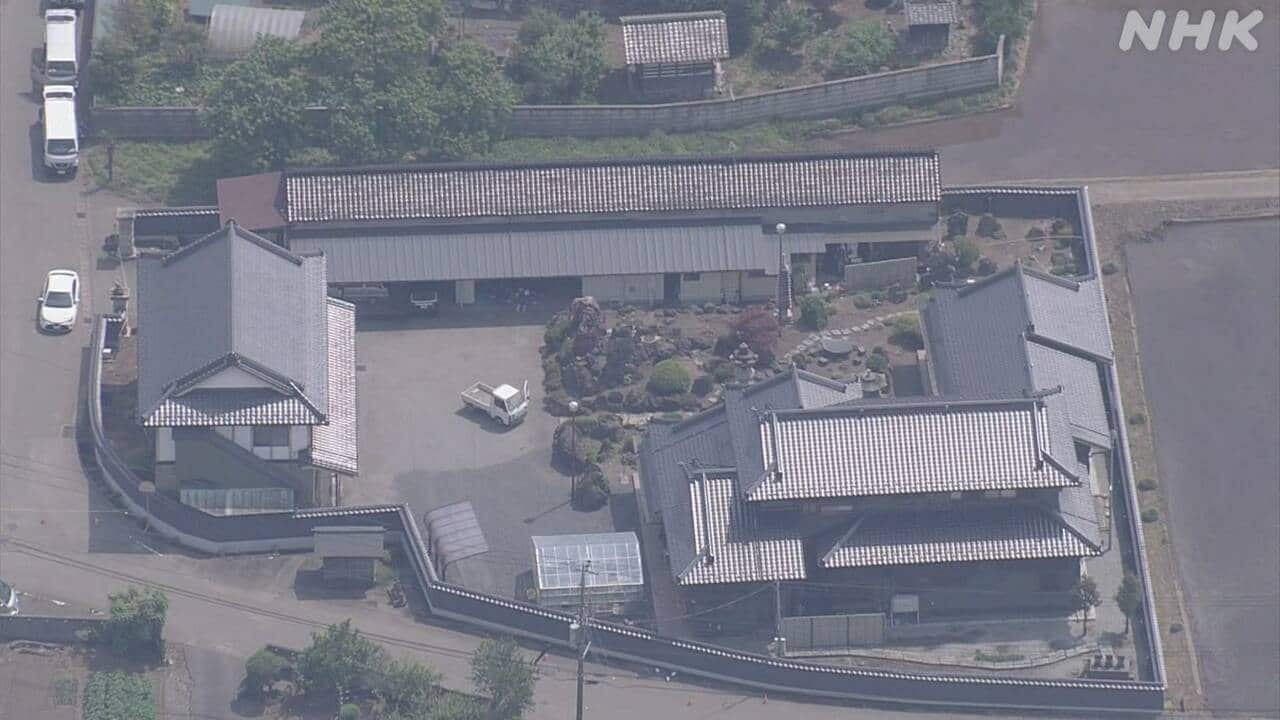
14日、栃木県上三川町の住宅で親子3人が強盗に襲われ死傷した事件で、通行記録などから逃走に使われた車が事件のあと栃木県を出て埼玉県内に入ったことが捜査関係者への取材でわかりました。
14日、栃木県上三川町の住宅で親子3人が押し入ってきた複数の人物にバールのようなもので襲われるなどして、母親で会社役員の富山英子さん(69)が胸などを刺されたことによる出血性ショックで死亡し、息子2人もけがをしました。
警察は、直後に現場付近の路上にいた相模原市に住む16歳の男子高校生が事件に関わっているとして14日夜、強盗殺人の疑いで逮捕しました。
捜査関係者によりますと、調べに対して「同じ学年の1人に誘われてやった。事件のあと、自分以外は車で逃げた」という内容の供述をしているということで、逃走を図ったものの車に乗り遅れたとみられています。
警察は、すでに登録が抹消された「宇都宮」ナンバーの高級外車が逃走に使われたとして道路の通行記録などを調べ、この車が14日のうちに栃木県から埼玉県内に入ったことが確認されたということです。
警察は逮捕された1人の供述などから、闇バイトなどを実行役にした匿名・流動型犯罪グループの可能性があるとして、いまも逃走している人物の行方を捜査しています。
事件の前、ふだん見かけない人物や車などの不審な動きが相次いで確認されていた現場の周辺では新たな証言が出てきています。
近所に住む20代の男性は先月中旬、現場の住宅から30メートルほど離れた場所に黒いスクータータイプのバイクを止めて座ったままの人物を目撃したということです。
目撃したのは午前10時ごろで、黒いジャンパーにフードをかぶった服装でスクーターのハンドル部分に足をかけた状態で座っていて、ナンバープレートは折れ曲がり、読み取れなかったということです。
その翌日以降、特徴が似た黒いバイクが近くを通過する様子を日を分けて3回ほど目撃していて、ふだんは見かけなかったことから不審に感じていたということです。
男性は「変な人だなと思っていました。若そうではありましたがフードを深くかぶっていて顔がよく見えませんでした。こんな事件が起きるなんて怖いです」と話していました。
逮捕された自称16歳の男子高校生が身柄を確保されたのは、現場の住宅から西におよそ800メートル、歩いて10分ほど離れた畑に囲まれた細い道です。
この近くに住む70代の男性によりますと、14日の午前10時前ごろ、周辺にパトカーなどが数台止まり、慌ただしい様子を目撃したということです。
男性は「ふだん人が通らないようなこんなに静かなところで事件が起き、しかも捕まったのが高校生だと聞いて驚きました」と話していました。
栃木県上三川町の住宅で押し入ってきた複数の人物に親子3人が襲われ死傷した事件を受けて、15日朝、現場近くの小学校では、警察が警戒に当たる中、児童たちが保護者に付き添われながら登校しました。
栃木県上三川町では14日、住宅に押し入ってきた複数の人物に親子3人がバールのようなもので襲われるなどして死傷し、警察は、自称、相模原市に住む16歳の男子高校生を強盗殺人の疑いで逮捕し、逃げたほかの複数の人物の行方を捜査しています。
事件を受けて、現場近くの小学校の周辺では、15日朝早くからパトカーや警察車両が周囲を巡回して警戒に当たっていました。
学校では職員が校門の前に出て見守る中、児童たちは車で保護者に送られたり、付き添われたりしながら登校していました。
車で児童を送った保護者の女性は、「心配です。早く捕まってほしいです」と話していました。
町の教育委員会は、子どもたちの間に不安が広がらないよう、当面、登下校は保護者の付き添いのもとで行うほか、小学校に15日朝からスクールカウンセラーを派遣して児童の心のケアに当たっているということです。
14日、栃木県上三川町の住宅で親子3人が押し入ってきた複数の人物にバールのようなもので襲われるなどして、母親で会社役員の富山英子さん(69)が胸などを刺されたことによる出血性ショックで死亡し、息子2人もけがをしました。
警察は、直後に現場付近の路上にいた相模原市に住む16歳の男子高校生が事件に関わっているとして14日夜、強盗殺人の疑いで逮捕しました。
捜査関係者によりますと、調べに対して「同じ学年の1人に誘われてやった。事件のあと、自分以外は車で逃げた」という内容の供述をしているということで、逃走を図ったものの車に乗り遅れたとみられています。
警察は、すでに登録が抹消された「宇都宮」ナンバーの高級外車が逃走に使われたとして道路の通行記録などを調べ、この車が14日のうちに栃木県から埼玉県内に入ったことが確認されたということです。
警察は逮捕された1人の供述などから、闇バイトなどを実行役にした匿名・流動型犯罪グループの可能性があるとして、いまも逃走している人物の行方を捜査しています。
事件の前、ふだん見かけない人物や車などの不審な動きが相次いで確認されていた現場の周辺では新たな証言が出てきています。
近所に住む20代の男性は先月中旬、現場の住宅から30メートルほど離れた場所に黒いスクータータイプのバイクを止めて座ったままの人物を目撃したということです。
目撃したのは午前10時ごろで、黒いジャンパーにフードをかぶった服装でスクーターのハンドル部分に足をかけた状態で座っていて、ナンバープレートは折れ曲がり、読み取れなかったということです。
その翌日以降、特徴が似た黒いバイクが近くを通過する様子を日を分けて3回ほど目撃していて、ふだんは見かけなかったことから不審に感じていたということです。
男性は「変な人だなと思っていました。若そうではありましたがフードを深くかぶっていて顔がよく見えませんでした。こんな事件が起きるなんて怖いです」と話していました。
逮捕された自称16歳の男子高校生が身柄を確保されたのは、現場の住宅から西におよそ800メートル、歩いて10分ほど離れた畑に囲まれた細い道です。
この近くに住む70代の男性によりますと、14日の午前10時前ごろ、周辺にパトカーなどが数台止まり、慌ただしい様子を目撃したということです。
男性は「ふだん人が通らないようなこんなに静かなところで事件が起き、しかも捕まったのが高校生だと聞いて驚きました」と話していました。
栃木県上三川町の住宅で押し入ってきた複数の人物に親子3人が襲われ死傷した事件を受けて、15日朝、現場近くの小学校では、警察が警戒に当たる中、児童たちが保護者に付き添われながら登校しました。
栃木県上三川町では14日、住宅に押し入ってきた複数の人物に親子3人がバールのようなもので襲われるなどして死傷し、警察は、自称、相模原市に住む16歳の男子高校生を強盗殺人の疑いで逮捕し、逃げたほかの複数の人物の行方を捜査しています。
事件を受けて、現場近くの小学校の周辺では、15日朝早くからパトカーや警察車両が周囲を巡回して警戒に当たっていました。
学校では職員が校門の前に出て見守る中、児童たちは車で保護者に送られたり、付き添われたりしながら登校していました。
車で児童を送った保護者の女性は、「心配です。早く捕まってほしいです」と話していました。
町の教育委員会は、子どもたちの間に不安が広がらないよう、当面、登下校は保護者の付き添いのもとで行うほか、小学校に15日朝からスクールカウンセラーを派遣して児童の心のケアに当たっているということです。
この記事の単語 (131)
×9
事件
じけん
event; affair; incident; case; plot; trouble; scandal
×7
人物
じんぶつ
1. person; character; figure; personage; man; woman 2. one's character; one's personality
×6
栃木県
とちぎけん
Tochigi prefecture (Kanto area)
×6
住宅
じゅうたく
residence; housing; residential building
×6
現場
げんば
1. actual spot; scene; scene of the crime; site; location; setting 2. shop floor; factory floor; (on) site
×4
上三川町
かみのかわまち
Kaminokawamachi (place)
×4
親子
おやこ
parent and child
×4
襲う
おそう
1. to attack; to assail; to make an assault; to strike; to hunt down 2. to succeed (someone in a post, role, etc.)
×4
逃走
とうそう
flight; desertion; escape
×4
複数
ふくすう
plural; multiple; several
×4
逮捕
たいほ
arrest; apprehension; capture
×4
目撃
もくげき
witnessing; observing; sighting
×4
児童
じどう
children; juvenile
×4
保護者
ほごしゃ
guardian; protector; patron; parent
×3
強盗
ごうとう
1. robber; mugger 2. robbery; burglary
×3
死傷
ししょう
casualties; injuries and deaths
×3
押し入る
おしいる
to push in; to force into; to break in (e.g. into a house); to intrude
×3
男子
だんし
youth; young man
×3
普段
ふだん
1. usual; normal; everyday; habitual; ordinary 2. usually; normally; generally; habitually; always
×3
周辺
しゅうへん
1. circumference; outskirts; environs; around; in the area of; in the vicinity of 2. (computer) peripheral
×3
当たる
あたる
1. to be hit; to strike 2. to touch; to be in contact; to be affixed
×2
通行
つうこう
1. passage (of people, traffic); passing 2. common usage
×2
記録
きろく
1. record; minutes; document 2. record (e.g. in sports); results; score
×2
埼玉県
さいたまけん
Saitama prefecture (Kanto area)
×2
相模原市
さがみはらし
Sagamihara (city) (place)
×2
殺人
さつじん
murder; homicide; manslaughter
×2
疑い
うたがい
doubt; question; uncertainty; skepticism; scepticism; suspicion; distrust
×2
一人
ひとり
1. one person 2. being alone; being by oneself
×2
逃げる
にげる
to escape; to run away
×2
供述
きょうじゅつ
affidavit; deposition; testimony
×2
確認
かくにん
confirmation; verification; validation; review; check; affirmation; identification
×2
行方
ゆくえ
1. (one's) whereabouts 2. outcome
×2
捜査
そうさ
search (esp. in criminal investigations); investigation; inquiry; enquiry
×2
見掛ける
みかける
to (happen to) see; to notice; to catch sight of
×2
不審
ふしん
incomplete understanding; doubt; question; distrust; suspicion; strangeness; infidelity
×2
離れる
はなれる
1. to be separated; to be apart; to be distant 2. to leave; to go away
×2
座る
すわる
1. to sit; to squat 2. to assume (a position)
×2
被る
かぶる
1. to put on (one's head); to wear; to have on; to pull over (one's head); to crown (oneself) 2. to be covered with (dust, snow, etc.); to pour (water, etc.) on oneself; to dash on oneself; to ship water
×2
様子
ようす
1. state; state of affairs; situation; circumstances 2. appearance; look; aspect
×2
自称
じしょう
1. self-proclaimed; self-professed; self-styled; would-be 2. professing oneself to be; calling oneself; describing oneself as
×2
捕まる
つかまる
1. to be caught; to be arrested 2. to hold on to; to grasp
×2
近く
ちかく
1. near; neighbourhood; neighborhood; vicinity 2. nearly (e.g. "it took nearly one year"); close to
×2
警戒
けいかい
vigilance; caution; alertness; precaution; being on guard
×2
付き添う
つきそう
to attend on; to wait on; to accompany; to escort; to chaperone
×2
登校
とうこう
attendance (at school); going to school
×2
早く
はやく
1. early; soon 2. quickly; swiftly; rapidly; fast
×2
送る
おくる
1. to send (a thing); to dispatch; to despatch; to transmit 2. to take or escort (a person somewhere); to see off (a person)
×1
取材
しゅざい
1. news coverage; collecting data (e.g. for an article); covering (something for media) 2. interview
×1
分かる
わかる
1. to understand; to comprehend; to grasp; to see; to get; to follow 2. to become clear; to be known; to be discovered; to be realized; to be realised; to be found out
×1
母親
ははおや
mother
×1
富山
とやま
Toyama (city, prefecture)
×1
英子
あきこ
Akiko (fem)
×1
胸
むね
1. chest; breast 2. breasts; bosom; bust
×1
刺す
さす
1. to pierce; to stab; to prick; to stick; to thrust 2. to sting; to bite
×1
出血性ショック
しゅっけつせいショック
hemorrhagic shock; haemorrhagic shock
×1
死亡
しぼう
1. death; mortality 2. to die; to pass away
×1
二人
ふたり
two persons; two people; pair; couple
×1
直後
ちょくご
immediately following
×1
付近
ふきん
1. neighborhood; vicinity; environs; district 2. approaching
×1
路上
ろじょう
1. on the road; on the street; in the street 2. on the way
×1
関わる
かかわる
1. to be affected; to be influenced 2. to be concerned with; to have to do with
×1
調べ
しらべ
1. investigation; inspection; examination 2. tune; note; melody
×1
学年
がくねん
1. academic year; school year 2. year in school; grade in school
×1
誘う
さそう
1. to invite; to ask (someone to do); to call (for); to take (someone) along 2. to tempt; to lure; to entice; to seduce
×1
内容
ないよう
contents; content; substance; matter; detail; import
×1
図る
はかる
1. to plan; to attempt; to devise 2. to plot; to conspire; to scheme
×1
乗る
のる
1. to get on (train, plane, bus, ship, etc.); to get in; to board; to take; to embark 2. to get on (e.g. a footstool); to step on; to jump on; to sit on; to mount
×1
既に
すでに
already; too late
×1
登録
とうろく
registration; accession; register; entry; record
×1
抹消
まっしょう
erasure; striking off; crossing out; cancellation; deletion
×1
宇都宮
うつのみや
Utsunomiya (city in Tochigi)
×1
高級
こうきゅう
1. high class; high grade 2. high rank; seniority
×1
外車
がいしゃ
1. foreign-made car; imported car 2. paddle wheel
×1
道路
どうろ
road; highway
×1
調べる
しらべる
to examine; to look up; to investigate; to check up; to sense; to study; to inquire; to search
×1
実行
じっこう
execution (e.g. of a plan); carrying out; practice; action; implementation; fulfillment; realization
×1
役
やく
1. role; assignment; responsibility; duty; function; job; service 2. position (of responsibility); post; office
×1
可能性
かのうせい
potentiality; likelihood; possibility; availability
×1
動き
うごき
1. movement; move; motion 2. trend; development; change; fluctuation
×1
相
あい
together; mutually; fellow
×1
次ぐ
つぐ
to rank next to; to come after
×1
新た
あらた
new; fresh; novel
×1
証言
しょうげん
testimony; (verbal) evidence
×1
中旬
ちゅうじゅん
middle of a month; second third of a month; 11th to 20th day of a month
×1
止める
とめる
1. to stop; to turn off 2. to park
×1
侭
まま
1. as it is; as one likes; because; as 2. condition; state
×1
服装
ふくそう
garments; attire
×1
部分
ぶぶん
portion; section; part
×1
状態
じょうたい
state; condition; situation; appearance; circumstances
×1
折れ曲がる
おれまがる
to bend; to wind; to twist; to zig-zag
×1
読み取る
よみとる
1. to read and understand; to take in 2. to sense from external cues; to read (someone's) mind
×1
翌日
よくじつ
next day
×1
以降
いこう
on and after; as from; hereafter; thereafter; since
×1
特徴
とくちょう
feature; trait; characteristic; peculiarity; distinction
×1
似る
にる
to resemble; to look like; to be like; to be alike; to be similar; to take after
×1
通過
つうか
1. passing through (a tunnel, station, town, etc.); passing by (e.g. of a typhoon); transit 2. passage (of a bill, e.g. through parliament); carriage
×1
分ける
わける
1. to divide (into); to split (into); to part; to separate; to divide up; to classify; to sort out; to divide out 2. to share; to distribute; to deal out; to dish out
×1
感じる
かんじる
to feel; to sense; to experience
×1
若い
わかい
1. young; youthful 2. immature; green
×1
深い
ふかい
1. deep 2. profound
×1
見える
みえる
1. to be seen; to be in sight 2. to look; to seem; to appear
×1
なんて
1. how ...!; what ...! 2. what?; what's that?
×1
身柄
みがら
one's person
×1
確保
かくほ
1. securing; obtaining; ensuring; guarantee; maintaining 2. belay; belaying
×1
歩く
あるく
to walk
×1
畑
はたけ
1. field (for fruits, vegetables, etc.); cultivated land; vegetable plot; kitchen garden; plantation 2. field (of specialization); sphere; area
×1
囲む
かこむ
1. to surround; to encircle; to enclose; to fence; to wall in 2. to besiege; to lay siege to
×1
止まる
とまる
1. to stop (moving); to come to a stop 2. to stop (doing, working, being supplied); to come to a halt; to cease; to be stopped; to be suspended
×1
慌ただしい
あわただしい
busy; hurried; confused; flurried
×1
通る
とおる
1. to go by; to go past; to go along; to travel along; to pass through; to use (a road); to take (a route); to go via; to go by way of 2. to run (between; of a rail service, bus route, etc.); to operate (between); to connect
×1
起きる
おきる
1. to get up; to rise; to blaze up (fire) 2. to wake up; to be awake; to stay awake
×1
然も
しかも
1. moreover; furthermore 2. nevertheless; and yet
×1
聞く
きく
1. to hear 2. to listen (e.g. to music)
×1
驚く
おどろく
to be surprised; to be astonished
×1
警察
けいさつ
1. police 2. police officer
×1
車両
しゃりょう
rolling stock; railroad cars; wheeled vehicles
×1
周囲
しゅうい
1. surroundings; environs 2. circumference
×1
巡回
じゅんかい
going around; patrol; round; tour
×1
職員
しょくいん
staff member; personnel
×1
校門
こうもん
school gate
×1
見守る
みまもる
to watch over; to watch attentively
×1
教育委員会
きょういくいいんかい
Board of Education
×1
子供達
こどもたち
children
×1
不安
ふあん
anxiety; uneasiness; worry; apprehension; fear; insecurity; suspense
×1
広がる
ひろがる
to spread (out); to extend; to stretch; to reach to; to get around; to fill (e.g. a space)
×1
当面
とうめん
1. current; urgent; pressing; impending 2. to confront (an issue); to face (up to something)
×1
登下校
とうげこう
going to and from school
×1
付き添い
つきそい
1. attendance (on); chaperonage 2. attendant; escort; entourage; chaperon; retinue
×1
下
もと
1. under (guidance, supervision, rules, the law, etc.) 2. under (a flag, the sun, etc.); beneath
×1
派遣
はけん
1. dispatch; despatch; deployment 2. temporary employee (esp. from an agency); temporary worker; agency temp
×1
心のケア
こころのケア
emotional care; emotional support; caring for somebody's mental well-being