人材確保に必要な賃上げ “大胆戦略”で原資を確保する企業
3月中旬に集中回答日を迎える春闘。連合は3年連続で5%以上の賃上げを目指しています。そして、会社の規模や雇用形態の違いによる賃金格差の是正を目指して、中小企業については6%以上、アルバイトなどの非正規雇用で働く人については7%を目安に賃上げを求めています。
こうしたなか、中小企業の間では業績が上がらなくとも、人材をつなぎとめるためのいわば「防衛的な賃上げ」をせざるをえないという状況が生まれています。また、非正規雇用で働く人は日本の雇用労働者の36%を占めていますが、なかにはさまざまな業務を担ってもらう「多能工化」を進めることで、賃上げの環境を整える動きも出ています。
長崎県でアパレル店などを経営する会社は、賃上げの人件費を確保するため、店舗1か所を閉じる決断をしました。そこで働いていた従業員を新たに立ち上げた部署に配置するなど、経営資源の集中を進めています。
長崎県島原市に本社を置く「いろはや」は、1858年から続く老舗の小売会社で、県内でアパレル店や土産物店など6店舗を経営しています。
アルバイトについては、去年12月に県内の最低賃金が78円引き上げられたタイミングに合わせて時給を上げました。正社員には定期昇給がなく個別に対応してきましたが、ことしはベースアップを計画しています。
背景にあるのが人手不足です。会社は採用難で、この2年で採用できた正社員は2人のみでした。
新たな人材を獲得して現状のメンバーとともに長く働き続けてもらうため、賃上げが欠かせないと考えています。
中山実津男社長「今後、会社とスタッフを守っていくには、ただ賃上げをすればいいというわけではなく、時には痛い思いをしながらでも会社の体質を変えつつ、成果として賃上げをしていくのが私たち中小企業のあるべき姿かなと思っています」
物価高のなか、商品の値上げに踏み切ることはできず、会社が人件費を確保するために取り組むのが、資金や人材などの経営資源の「選択と集中」です。
その一環で実施したのが、消費者とじかに接する場として守ってきた店舗の閉鎖です。長崎市内のショッピングモール内にあった店舗は、利益が少なかったことから1月に閉じて、テナント料や光熱費などを人件費にまわすことにしたのです。
中山社長は「苦渋の決断ではあったが、会社の成長領域にリソースを割くことができる体質作りのための決断だった」と話します。
一度あげた給与水準を維持するためには、従業員一人ひとりの利益を増やしていく必要があります。
そこで、ネット販売の売り上げ向上を目指して、1月に新たに立ち上げたのがインターネット戦略の部署です。
会社では経営する店ごとにSNSを運用しています。このうち、アパレル店のSNSでは地元の人の中に従業員のファンができていて、この取り組みを全社に拡大するのがねらいです。
11人しかいない正社員のうちひとりを専従のマネージャーに任命しました。就任したのは、これまで販売員だった平山ひかりさんです。
平山さんがアパレル店のSNSを分析したところ、従業員が実際に洋服を着てみる動画や、商品の紹介とともにネットショップにもアクセスできる動画が購買につながりやすかったということです。
そこで今後、この会社の土産物店にノウハウを共有し、効果的なPR動画の制作やネットショップでの販売力の強化を目指したいと考えています。
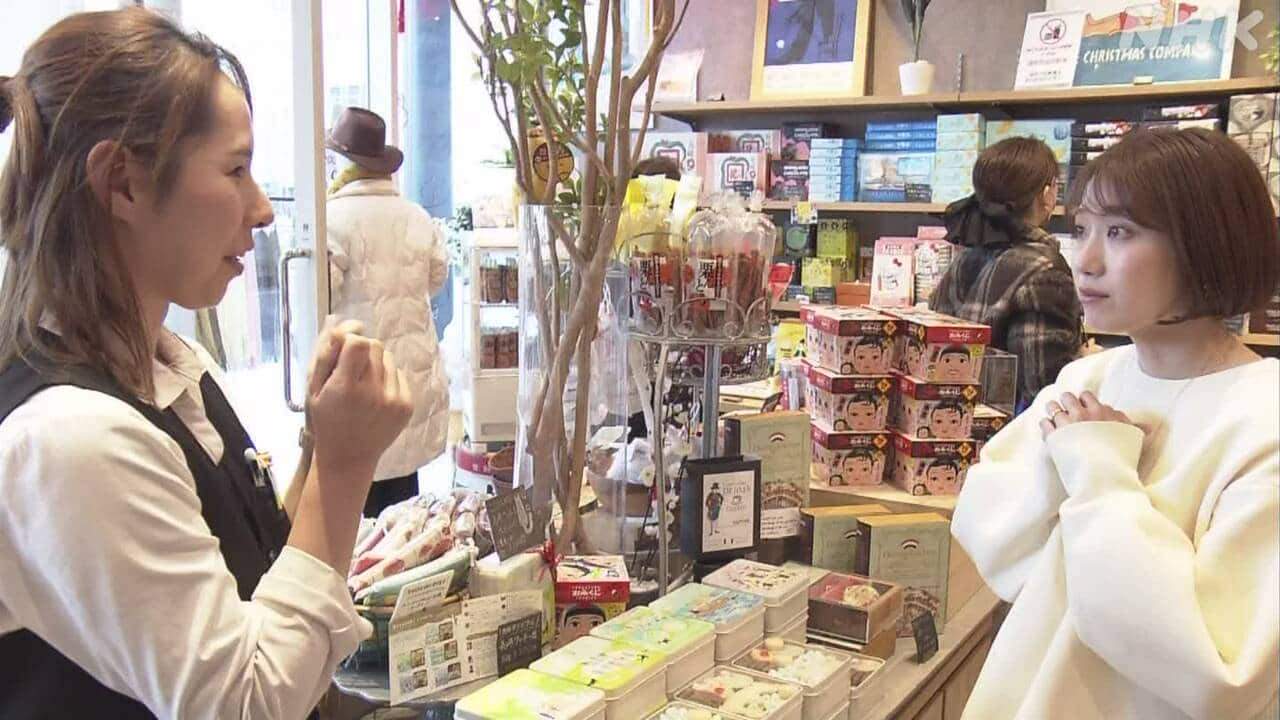
長崎市内の土産物店では、「大浦天主堂」や「出島」など長崎の観光名所をかたどったクッキーの販売に力を入れています。
このクッキーを入れている缶は、それぞれの観光名所のイラストがプリントされています。
この缶をどう撮影すれば「映える」動画になるか考えた平山さん。クッキーのモチーフとなっている場所に行き、実際の観光スポットとともに商品を紹介することにしました。
平山さん「これまでと違う業務になるので不安はあります。店頭に立っている方が売り上げに貢献できるかもと思ってしまうこともありますが、新しいことに挑戦することは嫌いじゃないので、楽しみながら取り組みたいです」
中山社長「私たち小売業というのは人がすべてだと思っています。従業員は家族も同然なので、対話をすることでお互いに理解を深めながら進めていきたいと思います」
飲食チェーンの運営には多くのパートやアルバイトの力が必要です。こうした非正規雇用で働く人たちの働き方を抜本的に見直すことで、8年かけて仕事のやりがいを高めるとともに、徐々に賃上げを実現してきた会社があります。
千葉県を中心に関東で90店舗以上を展開する「銚子丸」は、従業員の8割以上がパートやアルバイトで、店の業務の多くを担っています。
かつて、この会社では、すしの職人は「握り」の技術だけを磨き、接客スタッフはホールでの業務のみといった縦割りで仕事を進めてきました。
なかでも、すしを握るノウハウは門外不出としていました。10年ぐらい前まではマニュアルが本社にしかなかったため、見ることができる人が限られ、握りの技術は、店舗で先輩の職人の背中を見て学ぶのを基本としていたということです。
こうした昔ながらのやり方は、時代とともに若いスタッフには敬遠されるように。そのため、育てては辞めていくの繰り返しだったといいます。
このままでは人手不足に陥ってしまうと会社が始めたのが、1人が複数の業務をこなす「多能工化」の推進です。
業務の縦割りをやめて、パートやアルバイトの人がすしの握りやホールでの業務、調理作業を1人でこなせるようにしました。
あらゆる業務のマニュアルを動画化して、すべての従業員が視聴できるよう環境を整備し、さらに、技術を取得すればそれを時給に反映する仕組みも導入しました。
仕事に誇りを持ち頑張れば、時給もアップしてさらなるやる気も生まれる。そうした「多能工化」で活躍しているひとりが、東京・練馬区の店舗でパートとして働く加藤ほしさんです。16年前からすしの握りの担当として働き始めました。
会社での「多能工化」の取り組みが始まったことで、従来の握りに加えて、天ぷらなどのキッチンでの調理作業、ホールでの接客もこなし、今では魚もさばけるようになりました。
加藤さんは「魚をさばくのは難しいですが、回数を重ねて覚えていきました」と話します。
会社が時給アップの対象としている技術は、すべてあわせると101項目に上ります。例えば、ぶりやサーモンなどの中型の魚がさばければ、その習熟度に応じて5円から15円プラスされます。
卵焼きの調理は10円プラスなどとなっていて、すべてマスターすれば300円ほどの加算となります。
「スキルの向上にあわせて時給が加算されると、1つ1つの作業が大事になります。技術を覚えることで給料が上がるのは魅力的なところです」と話す加藤さん。自分の努力が店の売り上げにつながる感覚を持つことができ、以前よりやりがいを感じる場面が増えたと振り返ります。
スタッフの間でも、どうしたら店舗の売り上げやよりよい接客につながるか話す機会が増え、出し合ったアイデアを試してみるなど仕事への向き合い方が変わったということです。
「多能工化」を導入したあと、会社では営業時間を1時間短縮しましたが、生産性は上がり以前よりも少ない人数で店舗の運営ができるようになって徐々に営業利益が増えました。
その結果、パートやアルバイトの時給を8年間で25%上げることができたということです。
加藤さんは、自身の希望でパート社員として働き続けていますが、会社では、正社員への登用も進めていて、その数はおよそ100人に上っています。
経営戦略室の三浦正嗣副室長「多能工化でシフトが組みやすくなり、急な熱などで欠勤が出た時もほかの人がすぐにカバーができるなど、お互いにフォローするよい文化も生まれています。賃金については、これからもベースに沿って上げて、会社の成長につなげていきたいと思います」
こうしたなか、中小企業の間では業績が上がらなくとも、人材をつなぎとめるためのいわば「防衛的な賃上げ」をせざるをえないという状況が生まれています。また、非正規雇用で働く人は日本の雇用労働者の36%を占めていますが、なかにはさまざまな業務を担ってもらう「多能工化」を進めることで、賃上げの環境を整える動きも出ています。
長崎県でアパレル店などを経営する会社は、賃上げの人件費を確保するため、店舗1か所を閉じる決断をしました。そこで働いていた従業員を新たに立ち上げた部署に配置するなど、経営資源の集中を進めています。
長崎県島原市に本社を置く「いろはや」は、1858年から続く老舗の小売会社で、県内でアパレル店や土産物店など6店舗を経営しています。
アルバイトについては、去年12月に県内の最低賃金が78円引き上げられたタイミングに合わせて時給を上げました。正社員には定期昇給がなく個別に対応してきましたが、ことしはベースアップを計画しています。
背景にあるのが人手不足です。会社は採用難で、この2年で採用できた正社員は2人のみでした。
新たな人材を獲得して現状のメンバーとともに長く働き続けてもらうため、賃上げが欠かせないと考えています。
中山実津男社長「今後、会社とスタッフを守っていくには、ただ賃上げをすればいいというわけではなく、時には痛い思いをしながらでも会社の体質を変えつつ、成果として賃上げをしていくのが私たち中小企業のあるべき姿かなと思っています」
物価高のなか、商品の値上げに踏み切ることはできず、会社が人件費を確保するために取り組むのが、資金や人材などの経営資源の「選択と集中」です。
その一環で実施したのが、消費者とじかに接する場として守ってきた店舗の閉鎖です。長崎市内のショッピングモール内にあった店舗は、利益が少なかったことから1月に閉じて、テナント料や光熱費などを人件費にまわすことにしたのです。
中山社長は「苦渋の決断ではあったが、会社の成長領域にリソースを割くことができる体質作りのための決断だった」と話します。
一度あげた給与水準を維持するためには、従業員一人ひとりの利益を増やしていく必要があります。
そこで、ネット販売の売り上げ向上を目指して、1月に新たに立ち上げたのがインターネット戦略の部署です。
会社では経営する店ごとにSNSを運用しています。このうち、アパレル店のSNSでは地元の人の中に従業員のファンができていて、この取り組みを全社に拡大するのがねらいです。
11人しかいない正社員のうちひとりを専従のマネージャーに任命しました。就任したのは、これまで販売員だった平山ひかりさんです。
平山さんがアパレル店のSNSを分析したところ、従業員が実際に洋服を着てみる動画や、商品の紹介とともにネットショップにもアクセスできる動画が購買につながりやすかったということです。
そこで今後、この会社の土産物店にノウハウを共有し、効果的なPR動画の制作やネットショップでの販売力の強化を目指したいと考えています。
長崎市内の土産物店では、「大浦天主堂」や「出島」など長崎の観光名所をかたどったクッキーの販売に力を入れています。
このクッキーを入れている缶は、それぞれの観光名所のイラストがプリントされています。
この缶をどう撮影すれば「映える」動画になるか考えた平山さん。クッキーのモチーフとなっている場所に行き、実際の観光スポットとともに商品を紹介することにしました。
平山さん「これまでと違う業務になるので不安はあります。店頭に立っている方が売り上げに貢献できるかもと思ってしまうこともありますが、新しいことに挑戦することは嫌いじゃないので、楽しみながら取り組みたいです」
中山社長「私たち小売業というのは人がすべてだと思っています。従業員は家族も同然なので、対話をすることでお互いに理解を深めながら進めていきたいと思います」
飲食チェーンの運営には多くのパートやアルバイトの力が必要です。こうした非正規雇用で働く人たちの働き方を抜本的に見直すことで、8年かけて仕事のやりがいを高めるとともに、徐々に賃上げを実現してきた会社があります。
千葉県を中心に関東で90店舗以上を展開する「銚子丸」は、従業員の8割以上がパートやアルバイトで、店の業務の多くを担っています。
かつて、この会社では、すしの職人は「握り」の技術だけを磨き、接客スタッフはホールでの業務のみといった縦割りで仕事を進めてきました。
なかでも、すしを握るノウハウは門外不出としていました。10年ぐらい前まではマニュアルが本社にしかなかったため、見ることができる人が限られ、握りの技術は、店舗で先輩の職人の背中を見て学ぶのを基本としていたということです。
こうした昔ながらのやり方は、時代とともに若いスタッフには敬遠されるように。そのため、育てては辞めていくの繰り返しだったといいます。
このままでは人手不足に陥ってしまうと会社が始めたのが、1人が複数の業務をこなす「多能工化」の推進です。
業務の縦割りをやめて、パートやアルバイトの人がすしの握りやホールでの業務、調理作業を1人でこなせるようにしました。
あらゆる業務のマニュアルを動画化して、すべての従業員が視聴できるよう環境を整備し、さらに、技術を取得すればそれを時給に反映する仕組みも導入しました。
仕事に誇りを持ち頑張れば、時給もアップしてさらなるやる気も生まれる。そうした「多能工化」で活躍しているひとりが、東京・練馬区の店舗でパートとして働く加藤ほしさんです。16年前からすしの握りの担当として働き始めました。
会社での「多能工化」の取り組みが始まったことで、従来の握りに加えて、天ぷらなどのキッチンでの調理作業、ホールでの接客もこなし、今では魚もさばけるようになりました。
加藤さんは「魚をさばくのは難しいですが、回数を重ねて覚えていきました」と話します。
会社が時給アップの対象としている技術は、すべてあわせると101項目に上ります。例えば、ぶりやサーモンなどの中型の魚がさばければ、その習熟度に応じて5円から15円プラスされます。
卵焼きの調理は10円プラスなどとなっていて、すべてマスターすれば300円ほどの加算となります。
「スキルの向上にあわせて時給が加算されると、1つ1つの作業が大事になります。技術を覚えることで給料が上がるのは魅力的なところです」と話す加藤さん。自分の努力が店の売り上げにつながる感覚を持つことができ、以前よりやりがいを感じる場面が増えたと振り返ります。
スタッフの間でも、どうしたら店舗の売り上げやよりよい接客につながるか話す機会が増え、出し合ったアイデアを試してみるなど仕事への向き合い方が変わったということです。
「多能工化」を導入したあと、会社では営業時間を1時間短縮しましたが、生産性は上がり以前よりも少ない人数で店舗の運営ができるようになって徐々に営業利益が増えました。
その結果、パートやアルバイトの時給を8年間で25%上げることができたということです。
加藤さんは、自身の希望でパート社員として働き続けていますが、会社では、正社員への登用も進めていて、その数はおよそ100人に上っています。
経営戦略室の三浦正嗣副室長「多能工化でシフトが組みやすくなり、急な熱などで欠勤が出た時もほかの人がすぐにカバーができるなど、お互いにフォローするよい文化も生まれています。賃金については、これからもベースに沿って上げて、会社の成長につなげていきたいと思います」
Vocabulary
General
Proper noun
JLPT N2
JLPT N1
| # | 言葉 | 意味 |
|---|---|---|
| 9 | 賃上げ | ちんあげ (賃上げ) : wage increase; pay rise |
| 9 | 店舗 | てんぽ (店舗) : shop; store |
| 8 | 業務 | ぎょうむ (業務) : business; affairs; duties; work; procedure; task; action; function; (business) operations; operational |
| 7 | 化 | か (化) : action of making something; -ification |
| 7 | 従業員 | じゅうぎょういん (従業員) : employee; worker |
| 6 | 多能工 | たのうこう (多能工) : multi-skilled worker; cross-trained worker |
| 6 | 時給 | じきゅう (時給) : hourly pay; hourly wage |
| 5 | 進める | すすめる (進める) : 1. to advance; to move forward; to put (a clock, watch) forward 2. to carry forward (plans, work, etc.); to proceed with; to make progress in; to further; to advance; to hasten; to speed up |
| 5 | 動画 | どうが (動画) : 1. video; movie; moving picture 2. animation; animated cartoon |
| 5 | 握り | にぎり (握り) : 1. grasping; gripping; grasp; grip; clutch 2. handful; fistful |
| 4 | 目指す | めざす (目指す) : 1. to aim at (for, to do, to become); to try for; to have an eye on 2. to go toward; to head for |
| 4 | 働く | はたらく (働く) : 1. to work; to labor; to labour 2. to function; to operate; to be effective; to work (i.e. ... works); to come into play |
| 4 | 正社員 | せいしゃいん (正社員) : regular employee; permanent employee; full-time employee |
| 4 | 売り上げ | うりあげ (売り上げ) : amount sold; sales; proceeds; takings; turnover |
| 4 | 平山 | たいらやま (平山) : Tairayama (place) |
| 4 | すし | すし (寿司) : sushi; anything made with vinegared rice (may also contain vegetables, spices, fish, or other delicacies) |
| 4 | 加藤 | かいう (加藤) : Kaiu (surname) |
| 3 | 中小企業 | ちゅうしょうきぎょう (中小企業) : small and medium-sized enterprises; small and medium-sized businesses |
| 3 | 非正規雇用 | ひせいきこよう (非正規雇用) : irregular employment; atypical employment |
| 3 | 上がる | あがる (上がる) : 1. to rise; to go up; to come up; to ascend; to be raised 2. to enter (esp. from outdoors); to come in; to go in |
| 3 | 人材 | じんざい (人材) : 1. capable person; talented person 2. human resources; personnel |
| 3 | 経営 | けいえい (経営) : management; administration; operation; running (business); conducting |
| 3 | 人件費 | じんけんひ (人件費) : 1. personnel expenses; labor cost; labour cost 2. indirect labour costs; indirect labor costs |
| 3 | 決断 | けつだん (決断) : decision; determination |
| 3 | 新た | あらた (新た) : new; fresh; novel |
| 3 | 考える | かんがえる (考える) : 1. to think (about, of); to think over; to ponder; to contemplate; to reflect (on); to meditate (on) 2. to consider; to bear in mind; to allow for; to take into consideration |
| 3 | 中山 | うちやま (中山) : Uchiyama (unclass) |
| 3 | 商品 | しょうひん (商品) : commodity; article of commerce; goods; stock; merchandise |
| 3 | つながる | つながる (繋がる) : 1. to be tied together; to be connected to; to be linked to 2. to lead to; to be related to |
| 3 | 接客 | せっきゃく (接客) : serving customers; looking after visitors; reception |
| 3 | 調理 | ちょうり (調理) : cooking; food preparation |
| 3 | 作業 | さぎょう (作業) : work; operation; manufacturing; fatigue duty |
| 3 | 増える | ふえる (増える) : to increase; to multiply |
| 2 | 集中 | しゅうちゅう (集中) : 1. concentration; focusing; convergence; centralization; integration; gathering together 2. within a collection of works |
| 2 | 生まれる | うまれる (生まれる) : to be born |
| 2 | 担う | になう (担う) : 1. to carry on one's shoulder; to shoulder; to bear 2. to bear (burden, responsibility, etc.); to take upon oneself |
| 2 | 環境 | かんきょう (環境) : environment; circumstance |
| 2 | 長崎県 | ながさきけん (長崎県) : Nagasaki prefecture (Kyushu) |
| 2 | 確保 | かくほ (確保) : 1. securing; obtaining; ensuring; guarantee; maintaining 2. belay; belaying |
| 2 | 閉じる | とじる (閉じる) : to close (e.g. book, eyes, meeting, etc.); to shut |
| 2 | 立ち上げる | たちあげる (立ち上げる) : to start (something); to start up; to boot (a computer); to launch (a business) |
| 2 | 部署 | ぶしょ (部署) : one's post; one's station; department; bureau; section |
| 2 | 経営資源 | けいえいしげん (経営資源) : management resource; management resources |
| 2 | 本社 | ほんしゃ (本社) : 1. head office; main office; headquarters; parent company 2. main shrine |
| 2 | 県 | けん (県) : prefecture (Japan); county (China, Taiwan, Norway, etc.); department (France); province (Italy, Spain, etc.) |
| 2 | 人手不足 | ひとでぶそく (人手不足) : labour shortage; labor shortage; shortage of workers; shortage of hands |
| 2 | 採用 | さいよう (採用) : 1. use; adoption; acceptance 2. appointment; employment; engagement; recruitment |
| 2 | のみ | のみ : only; nothing but |
| 2 | 今後 | こんご (今後) : from now on; hereafter |
| 2 | 守る | まもる (守る) : 1. to protect; to guard; to defend 2. to keep (i.e. a promise); to abide (by the rules); to observe; to obey; to follow |
| 2 | 体質 | たいしつ (体質) : 1. constitution (physical); physical make-up; predisposition (to disease); disposition; tendency 2. character (of a group, organization, etc.); innate characteristics; make-up; nature; culture |
| 2 | 私たち | わたしたち (私たち) : we; us |
| 2 | 取り組む | とりくむ (取り組む) : 1. to grapple with; to wrestle with; to engage in a bout; to be matched against 2. to tackle (e.g. a problem); to come to grips with; to work hard on |
| 2 | 長崎市 | ながさきし (長崎市) : Nagasaki (city) (place) |
| 2 | 利益 | りえき (利益) : 1. profit; gains 2. benefit; advantage; interest (of the public, etc.) |
| 2 | 成長 | せいちょう (成長) : 1. growth; development; growing up; becoming an adult 2. growth (of a company, the economy, etc.) |
| 2 | 販売 | はんばい (販売) : sales; selling; marketing |
| 2 | 向上 | こうじょう (向上) : elevation; rise; improvement; advancement; progress |
| 2 | 取り組み | とりくみ (取り組み) : 1. bout (in sports, etc.); match 2. effort; initiative; dealing with; grappling with; wrestling with |
| 2 | 実際 | じっさい (実際) : 1. reality; actuality; truth; fact; actual conditions 2. practice (as opposed to theory) |
| 2 | 観光名所 | かんこうめいしょ (観光名所) : sightseeing spot; tourist attraction |
| 2 | 入れる | いれる (入れる) : 1. to put in; to let in; to take in; to bring in; to insert; to install (e.g. software); to set (a jewel, etc.); to ink in (e.g. tattoo) 2. to admit; to accept; to employ; to hire |
| 2 | 缶 | かん (缶) : 1. can; tin 2. canned food |
| 2 | 互い | たがい (互い) : each other; one another |
| 2 | 運営 | うんえい (運営) : management; administration; operation |
| 2 | やりがい | やりがい (やり甲斐) : being worth doing |
| 2 | 徐々 | じょじょ (徐々) : 1. slow; gradual; steady 2. calm; composed; relaxed |
| 2 | 職人 | しょくにん (職人) : craftsman; artisan; tradesman; worker; workman |
| 2 | 縦割り | たてわり (縦割り) : dividing vertically; vertical split; top-to-bottom sectioning; division into sections; splitting lengthwise |
| 2 | 導入 | どうにゅう (導入) : introduction; bringing in; leading in; installation |
| 2 | さばける | さばける (捌ける) : 1. to sell well; to sell out 2. to be worldly and understanding; to be sensible; to be straightforward; to be frank |
| 2 | あわせる | あわせる (会わせる) : 1. to make (someone) to meet; to let (someone) meet 2. to expose to; to subject to |
| 2 | 上る | あがる (上がる) : 1. to rise; to go up; to come up; to ascend; to be raised 2. to enter (esp. from outdoors); to come in; to go in |
| 2 | 加算 | かさん (加算) : addition; adding; supplement |
| 2 | 以前 | いぜん (以前) : ago; since; before; previous |
| 1 | 中旬 | ちゅうじゅん (中旬) : middle of a month; second third of a month; 11th to 20th day of a month |
| 1 | 回答 | かいとう (回答) : reply; answer |
| 1 | 春闘 | しゅんとう (春闘) : spring labor offensive; annual spring wage bargaining round |
| 1 | 連合 | れんごう (連合) : 1. union; alliance; combination 2. RENGO (Japanese Trade Union Confederation) |
| 1 | 連続 | れんぞく (連続) : continuation; succession; series |
| 1 | 規模 | きぼ (規模) : scale; scope; plan; structure |
| 1 | 雇用形態 | こようけいたい (雇用形態) : employment system; employment pattern |
| 1 | 違い | ちがい (違い) : 1. difference; distinction; discrepancy 2. mistake; error |
| 1 | 賃金格差 | ちんぎんかくさ (賃金格差) : wage differential |
| 1 | 是正 | ぜせい (是正) : correction; revision; redressing; rectifying |
| 1 | 目安 | めやす (目安) : 1. criterion; standard; yardstick; reference; aim 2. rough estimate; approximation |
| 1 | 求める | もとめる (求める) : 1. to want; to wish for 2. to request; to demand; to require; to ask for |
| 1 | 業績 | ぎょうせき (業績) : achievement; performance; results; work; contribution |
| 1 | つなぎとめる | つなぎとめる (繋ぎ止める) : 1. to tie; to fasten; to hitch 2. to secure (trust, patronage of customers, etc.); to keep (an employee, someone's interest, etc.); to save (someone's life) |
| 1 | いわば | いわば (言わば) : so to speak; so to call it; as it were |
| 1 | 防衛 | ぼうえい (防衛) : defense; defence; protection |
| 1 | 状況 | じょうきょう (状況) : state of affairs (around you); situation; circumstances |
| 1 | 雇用 | こよう (雇用) : employment (long term); hire |
| 1 | 労働者 | ろうどうしゃ (労働者) : 1. employee; worker 2. laborer (labourer); blue-collar worker |
| 1 | 占める | しめる (占める) : 1. to occupy; to hold 2. to account for; to make up; to take up |
| 1 | 整える | ととのえる (整える) : 1. to put in order; to arrange; to tidy up; to straighten; to adjust; to fix 2. to get ready; to prepare; to arrange; to supply; to assemble; to buy |
| 1 | 動き | うごき (動き) : 1. movement; move; motion 2. trend; development; change; fluctuation |
| 1 | か所 | かしょ (箇所) : 1. place; point; part; spot; area; passage; portion 2. counter for places, parts, passages, etc. |
| 1 | 配置 | はいち (配置) : arrangement (of resources); deployment; stationing; posting; disposition; configuration; layout |
| 1 | 島原市 | しまばらし (島原市) : Shimabara (city) (place) |
| 1 | いろは | いろは (伊呂波) : 1. traditional ordering of the Japanese syllabary 2. fundamentals; the ABCs of ... |
| 1 | 老舗 | しにせ (老舗) : long-established shop; shop of long standing; old shop |
| 1 | 小売 | こうり (小売) : retail |
| 1 | 最低賃金 | さいていちんぎん (最低賃金) : minimum wage |
| 1 | 引き上げる | ひきあげる (引き上げる) : 1. to pull up; to drag up; to lift up 2. to increase; to raise (e.g. taxes) |
| 1 | 合わせる | あわせる (合わせる) : 1. to match (rhythm, speed, etc.) 2. to join together; to unite; to combine; to add up |
| 1 | 定期昇給 | ていきしょうきゅう (定期昇給) : regular (annual) pay raise |
| 1 | 個別 | こべつ (個別) : individual; separate; personal; case-by-case |
| 1 | 対応 | たいおう (対応) : 1. correspondence (to); equivalence 2. suitability; coordination; matching; being appropriate (for) |
| 1 | 背景 | はいけい (背景) : 1. background; scenery; backdrop; setting 2. background (of an incident, situation, etc.); circumstances; context |
| 1 | 難 | なん (難) : 1. difficulty; trouble; hardship 2. accident; disaster; danger |
| 1 | 獲得 | かくとく (獲得) : acquisition; possession |
| 1 | 現状 | げんじょう (現状) : present condition; existing state; status quo; current state |
| 1 | 実 | じつ (実) : 1. truth; reality 2. sincerity; honesty; fidelity |
| 1 | ただ | ただ (只) : 1. ordinary; common; usual 2. free of charge |
| 1 | 思い | おもい (思い) : 1. thought 2. imagination; mind; heart |
| 1 | 変える | かえる (変える) : 1. to change; to alter; to transform; to convert; to turn; to vary 2. to reform; to revise; to amend |
| 1 | 成果 | せいか (成果) : (good) result; outcome; fruits (of one's labors); product; accomplishment |
| 1 | 姿 | すがた (姿) : 1. figure; form; shape 2. appearance; dress; guise |
| 1 | 物価高 | ぶっかだか (物価高) : high prices of commodities |
| 1 | 値上げ | ねあげ (値上げ) : price hike; mark-up |
| 1 | 踏み切る | ふみきる (踏み切る) : 1. to take off; to jump; to leap 2. to take the plunge; to decide; to embark on; to venture into; to launch out into |
| 1 | 資金 | しきん (資金) : funds; capital |
| 1 | 選択 | せんたく (選択) : selection; choice; option |
| 1 | 一環 | いっかん (一環) : 1. link (e.g. in a chain of events); part (of a plan, campaign, activities, etc.) 2. monocyclic |
| 1 | 実施 | じっし (実施) : enforcement; implementation; putting into practice; carrying out; operation; working (e.g. working parameters); enactment |
| 1 | 消費者 | しょうひしゃ (消費者) : consumer |
| 1 | じか | じか (時下) : nowadays |
| 1 | 接する | せっする (接する) : 1. to touch; to come in contact with; to border on; to adjoin; to be adjacent; to be close 2. to receive (e.g. visitor); to attend to; to serve; to take care of; to look after; to act towards; to deal with; to see |
| 1 | 閉鎖 | へいさ (閉鎖) : closing; closure; shutdown; lockout |
| 1 | 光熱費 | こうねつひ (光熱費) : cost of fuel and lighting; cost of heat and electricity; energy bill; utility cost |
| 1 | まわす | まわす (回す) : 1. to turn; to rotate; to spin; to twist; to gyrate 2. to pass around; to send around; to hand around; to circulate |
| 1 | 苦渋 | くじゅう (苦渋) : 1. bitterness; distress; pain; anguish; affliction 2. bitterness and astringency |
| 1 | 領域 | りょういき (領域) : area; domain; territory; field; range; region; regime |
| 1 | 割く | さく (裂く) : 1. to tear; to rip up 2. to cut up; to cleave; to cut open (esp. the abdomen) |
| 1 | 作り | つくり (作り) : 1. making; producing; manufacturing; building; construction; make; structure 2. appearance (attire, make-up, etc.) |
| 1 | 給与水準 | きゅうよすいじゅん (給与水準) : pay level; pay scale |
| 1 | 維持 | いじ (維持) : maintenance; preservation; improvement |
| 1 | 一人ひとり | ひとりひとり (一人一人) : each (person); individually; one by one; one at a time; in turn |
| 1 | 増やす | ふやす (増やす) : to increase; to add to; to augment |
| 1 | 戦略 | せんりゃく (戦略) : strategy; tactics |
| 1 | ごと | ごと (毎) : each; every |
| 1 | 運用 | うんよう (運用) : 1. making use of; application; practical use; effective management (e.g. of funds) 2. operation; handling; steering (esp. a boat) |
| 1 | 地元 | じもと (地元) : 1. home area; home town 2. local |
| 1 | 全社 | ぜんしゃ (全社) : whole company; all the companies |
| 1 | 拡大 | かくだい (拡大) : magnification; enlargement; expansion; amplification |
| 1 | ねらい | ねらい (狙い) : aim |
| 1 | 専従 | せんじゅう (専従) : working exclusively for; working full-time (for) |
| 1 | 任命 | にんめい (任命) : appointment; nomination; ordination; commission; designation |
| 1 | 就任 | しゅうにん (就任) : assumption (of office); taking up (a post); inauguration; installation |
| 1 | 販売員 | はんばいいん (販売員) : sales staff; salesperson |
| 1 | 分析 | ぶんせき (分析) : analysis |
| 1 | 購買 | こうばい (購買) : 1. procurement; purchase; buying 2. school store; co-op; school canteen; tuck shop |
| 1 | 共有 | きょうゆう (共有) : 1. joint ownership; co-ownership; sharing (e.g. a viewpoint) 2. sharing (files, devices on a network, posts on social media, etc.) |
| 1 | 効果的 | こうかてき (効果的) : effective; successful |
| 1 | 制作 | せいさく (制作) : 1. work (film, book) 2. production; creation; turning (something) out; development |
| 1 | 強化 | きょうか (強化) : strengthening; intensifying; reinforcement; enhancement; solidification |
| 1 | 大浦天主堂 | おおうらてんしゅどう (大浦天主堂) : Ōura Church (place) |
| 1 | 出島 | いずしま (出島) : Izushima (place) |
| 1 | 長崎 | ながさき (長崎) : Nagasaki (city, prefecture) |
| 1 | かたどる | かたどる (象る) : 1. to model on; to make in the shape of; to represent; to pattern after; to imitate 2. to symbolise |
| 1 | 撮影 | さつえい (撮影) : photography (still or motion); photographing; filming; shooting; (video) recording |
| 1 | 映える | はえる (映える) : 1. to shine; to glow 2. to look attractive; to look nice; to be set off (by) |
| 1 | 観光スポット | かんこうスポット (観光スポット) : tourist attraction; sight-seeing area |
| 1 | 不安 | ふあん (不安) : anxiety; uneasiness; worry; apprehension; fear; insecurity; suspense |
| 1 | 店頭 | てんとう (店頭) : 1. shopfront; storefront; shopwindow; (near the) shop entrance 2. over-the-counter |
| 1 | 立つ | たつ (立つ) : 1. to stand; to rise; to stand up 2. to find oneself (e.g. in a difficult position) |
| 1 | 貢献 | こうけん (貢献) : contribution (furthering a goal or cause); services (to a cause) |
| 1 | 挑戦 | ちょうせん (挑戦) : challenge; defiance; dare; attempt; try |
| 1 | 小売業 | こうりぎょう (小売業) : retail trade; retailing |
| 1 | 同然 | どうぜん (同然) : similar to; same; right; proper; just; natural |
| 1 | 対話 | たいわ (対話) : dialogue; discussion; conversation; interaction |
| 1 | 理解 | りかい (理解) : understanding; comprehension; appreciation; sympathy |
| 1 | 深める | ふかめる (深める) : to deepen; to heighten; to intensify |
| 1 | 飲食 | いんしょく (飲食) : food and drink; eating and drinking |
| 1 | 働き方 | はたらきかた (働き方) : work style; way of working |
| 1 | 抜本的 | ばっぽんてき (抜本的) : drastic; radical |
| 1 | 見直す | みなおす (見直す) : 1. to look at again 2. to re-examine (policy, estimate, plan, etc.); to review |
| 1 | 高める | たかめる (高める) : to raise; to lift; to boost; to enhance |
| 1 | 実現 | じつげん (実現) : implementation (e.g. of a system); materialization; materialisation; realization; realisation; actualization; actualisation |
| 1 | 千葉県 | ちばけん (千葉県) : Chiba prefecture (Kanto area) |
| 1 | 中心 | ちゅうしん (中心) : 1. center; centre; middle; heart; core; focus; pivot; emphasis; balance 2. -centered; -centred; -focused; -oriented; centered on; focused on |
| 1 | 関東 | かんとう (関東) : 1. Kanto; region consisting of Tokyo and surrounding prefectures 2. Kanto; north-eastern half of Japan (during the feudal era) |
| 1 | 展開 | てんかい (展開) : 1. development; evolution; progression; unfolding; (plot) twist 2. expansion; spreading out; extending; deployment; building up |
| 1 | 銚子 | ちょうし (銚子) : (sake) decanter |
| 1 | 割 | わり (割り) : 1. rate; ratio; proportion; percentage 2. profit |
| 1 | かつて | かつて (嘗て) : 1. once; before; formerly; ever; former; ex- 2. never yet; never before; first time; still not happened |
| 1 | 磨く | みがく (磨く) : 1. to polish; to shine; to brush (e.g. teeth); to grind (e.g. lens) 2. to refine (e.g. a skill); to improve; to cultivate |
| 1 | 握る | にぎる (握る) : 1. to clasp; to grasp; to grip; to clutch 2. to make (nigirizushi, rice ball, etc.); to form; to press into shape; to mold; to mould |
| 1 | 門外不出 | もんがいふしゅつ (門外不出) : (treasuring something by) never taking (it) off the premises |
| 1 | 限る | かぎる (限る) : 1. to restrict; to limit; to confine 2. to be restricted to; to be limited to; to be confined to |
| 1 | 学ぶ | まなぶ (学ぶ) : to study (in depth); to learn; to take lessons in |
| 1 | 基本 | きほん (基本) : basics; fundamentals; basis; foundation |
| 1 | 昔ながら | むかしながら (昔ながら) : the same as it was long ago; unchanged; traditional |
| 1 | やり方 | やりかた (やり方) : way (of doing); manner; method; means |
| 1 | 敬遠 | けいえん (敬遠) : 1. pretending to respect someone while in fact staying distant; keeping at arm's length; giving a wide berth 2. avoiding (something unpleasant); shying away from |
| 1 | 育てる | そだてる (育てる) : 1. to raise; to rear; to bring up 2. to train; to teach; to educate |
| 1 | 辞める | やめる (辞める) : to resign; to retire; to quit; to leave (one's job, etc.) |
| 1 | 繰り返し | くりかえし (繰り返し) : 1. repetition; repeat; reiteration; iteration; refrain; cycle 2. repeatedly |
| 1 | まま | うば (乳母) : wet nurse; nursing mother |
| 1 | 陥る | おちいる (陥る) : 1. to fall into (e.g. a hole) 2. to fall into (chaos, depression, dilemma, illness, etc.) |
| 1 | 複数 | ふくすう (複数) : plural; multiple; several |
| 1 | 推進 | すいしん (推進) : 1. propulsion; drive 2. promotion (e.g. of a government policy); furtherance; implementation |
| 1 | やめる | やめる (止める) : 1. to stop (an activity); to cease; to discontinue; to end; to quit 2. to cancel; to abandon; to give up; to abolish; to abstain; to refrain |
| 1 | あらゆる | あらゆる (有らゆる) : all; every |
| 1 | 視聴 | しちょう (視聴) : 1. looking and listening; (television) viewing 2. attention; interest |
| 1 | 整備 | せいび (整備) : 1. maintenance; servicing 2. putting in place; establishment; development; preparation; provision; outfitting |
| 1 | 取得 | とりえ (取り柄) : worth; merit; value; good point; redeeming feature; saving grace |
| 1 | 反映 | はんえい (反映) : 1. reflection (light, image, situation, attitude, etc.); reflecting 2. influence; application (e.g. of an update) |
| 1 | 仕組み | しくみ (仕組み) : 1. structure; construction; arrangement; contrivance; mechanism; workings 2. plan; plot; contrivance |
| 1 | 誇り | ほこり (誇り) : pride; boast; credit (to) |
| 1 | 持つ | もつ (持つ) : 1. to hold (in one's hand); to take; to carry 2. to possess; to have; to own |
| 1 | 頑張る | がんばる (頑張る) : 1. to persevere; to persist; to keep at it; to hang on; to hold out; to do one's best 2. to insist that; to stick to (one's opinion) |
| 1 | さらなる | さらなる (更なる) : even more; still more; further |
| 1 | やる気 | やるき (やる気) : willingness (e.g. to do something); eagerness; motivation; inspiration; determination; high aspirations |
| 1 | 活躍 | かつやく (活躍) : 1. activity (esp. energetic); great efforts; conspicuous service 2. to flourish; to participate actively; to play an active role |
| 1 | 東京 | とうきょう (東京) : Tokyo |
| 1 | 練馬区 | ねりまく (練馬区) : Nerimaku (place) |
| 1 | 担当 | たんとう (担当) : being in charge (of an area of responsibility); being responsible (for a work role, etc.) |
| 1 | 始まる | はじまる (始まる) : 1. to begin; to start; to commence 2. to happen (again); to begin (anew) |
| 1 | 従来 | じゅうらい (従来) : 1. up to now; so far 2. traditional; conventional; usual; existing |
| 1 | 天ぷら | てんぷら (天ぷら) : tempura; deep-fried fish and vegetables in a light batter |
| 1 | さばく | さばく (佐幕) : adherence to the shogunate |
| 1 | 回数 | かいすう (回数) : number of times; frequency; count |
| 1 | 重ねる | かさねる (重ねる) : 1. to pile up; to heap up; to stack up; to put on top of another 2. to repeat many times over; to go through repeatedly; to accumulate |
| 1 | 覚える | おぼえる (覚える) : 1. to memorize; to memorise; to commit to memory; to learn by heart; to bear in mind; to remember 2. to learn; to pick up; to acquire |
| 1 | 対象 | たいしょう (対象) : target; object (of worship, study, etc.); subject (of taxation, etc.) |
| 1 | 項目 | こうもく (項目) : 1. item; heading; category; clause 2. headword (in a dictionary, encyclopedia, etc.); entry |
| 1 | ぶり | ぶり (振り) : 1. style; manner; way 2. after (period of time) again (e.g. meeting again after a year); for the first time in (period of time) |
| 1 | 中型 | ちゅうがた (中型) : medium size |
| 1 | 習熟度 | しゅうじゅくど (習熟度) : proficiency level; degree of skill; learning level |
| 1 | 応ずる | おうずる (応ずる) : 1. to answer; to respond; to meet 2. to satisfy; to accept |
| 1 | 卵焼き | たまごやき (卵焼き) : 1. rolled egg; rolled omelette (omelet) 2. fried egg |
| 1 | 給料 | きゅうりょう (給料) : salary; wages; pay |
| 1 | 魅力的 | みりょくてき (魅力的) : charming; fascinating; attractive |
| 1 | 努力 | どりょく (努力) : effort; exertion; endeavour; endeavor; hard work; striving |
| 1 | 感覚 | かんかく (感覚) : sense; sensation; feeling; intuition |
| 1 | 感じる | かんじる (感じる) : to feel; to sense; to experience |
| 1 | 場面 | ばめん (場面) : 1. scene; setting; place (where something happens); scenario; case 2. scene (in a movie, play); shot |
| 1 | 振り返る | ふりかえる (振り返る) : 1. to turn one's head; to look over one's shoulder; to turn around; to look back 2. to think back (on); to reminisce; to look back (on); to reflect (on) |
| 1 | 出し合う | だしあう (出し合う) : to contribute jointly |
| 1 | 試す | ためす (試す) : to attempt; to test; to try out |
| 1 | 向き合う | むきあう (向き合う) : 1. to be opposite; to face each other 2. to confront (an issue); to face |
| 1 | 変わる | かわる (変わる) : 1. to change; to be transformed; to be altered; to vary 2. to move to |
| 1 | 営業時間 | えいぎょうじかん (営業時間) : business hours; opening hours; office hours |
| 1 | 生産性 | せいさんせい (生産性) : productivity |
| 1 | 人数 | にんずう (人数) : 1. the number of people 2. many people; a large number of people |
| 1 | 営業利益 | えいぎょうりえき (営業利益) : operating profit |
| 1 | 結果 | けっか (結果) : 1. result; consequence; outcome; effect 2. coming to fruition; bearing fruit |
| 1 | 年間 | ねんかん (年間) : 1. (period of) a year 2. during an era |
| 1 | 自身 | じしん (自身) : (one's) self; oneself |
| 1 | 希望 | きぼう (希望) : hope; wish; aspiration |
| 1 | 登用 | とうよう (登用) : appointment; assignment; promotion |
| 1 | 数 | しばしば (屡々) : often; again and again; frequently; repeatedly |
| 1 | 経営戦略 | けいえいせんりゃく (経営戦略) : management strategy |
| 1 | 三浦 | みうら (三浦) : Miura (place; surname) |
| 1 | 正嗣 | しょうじ (正嗣) : Shouji (given) |
| 1 | 組む | くむ (組む) : 1. to cross (legs or arms); to link (arms) 2. to put together; to construct; to assemble; to produce (e.g. TV program) |
| 1 | やすく | やすく (安く) : inexpensively |
| 1 | 欠勤 | けっきん (欠勤) : absence (from work) |
| 1 | 賃金 | ちんぎん (賃金) : 1. wages; pay 2. rental payment |
| 1 | 沿う | そう (沿う) : 1. to run along; to run beside; to stick to (a line) 2. to follow (a policy, plan, etc.); to act in accordance with; to align with |
| 1 | つなげる | つなげる (繋げる) : 1. to connect 2. to tie; to fasten |