モバイルバッテリー 4月24日から航空機内での使用禁止に 原因と疑われる火災は年々増加
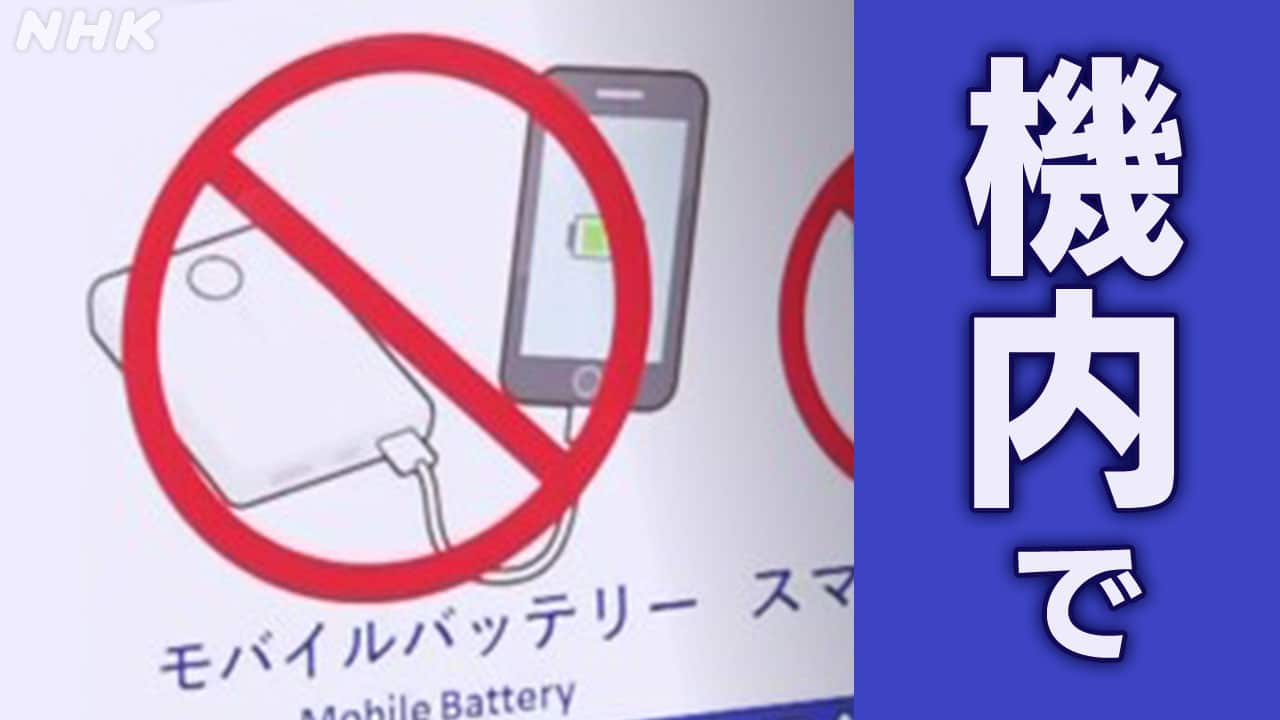
国土交通省は24日から航空機の機内でモバイルバッテリーの使用を禁止し、航空各社が注意を呼びかけています。
リチウムイオン電池を使ったモバイルバッテリーから火や煙が出る事例が相次いでいることを受けて、国土交通省は、24日から日本国内を発着する航空機内での使用を禁止しています。
【具体的には…】▽モバイルバッテリーを使ったスマートフォンなどの充電を禁止▽モバイルバッテリー自体を充電することも禁止▽機内への持ち込みについては、1人2個までに制限
このうちモバイルバッテリー自体を機内で充電したり、持ち込み個数の制限に違反したりした場合は、2年以下の拘禁刑か100万円以下の罰金が科される可能性があります。
羽田空港では、航空各社がチェックインカウンターにモバイルバッテリーの取り扱いについてまとめた案内を掲示するなどして、注意を呼びかけていました。
50代 会社員女性「移動中に充電できないのは不便ですが、火災も起きているので仕方がないと思います」
モバイルバッテリーでスマートフォンを充電していた会社員の男性「出張に向かう際は機内で充電していましたが、きょうは乗る前にしています」
リチウムイオン電池を使ったモバイルバッテリーを巡っては、ICAO=国際民間航空機関も先月、国際基準を改訂して機内での使用を禁止しています。
環境省によりますと、ごみ処理施設などで発生したリチウムイオン電池が原因と疑われる火災は年々増加し、2024年度は1万件近くにのぼりました。発煙や発火を含めると2万3000件近くに上っています。
リチウムイオン電池が原因と見られる火災や発煙・発火の発生品目は▽モバイルバッテリーが172件▽加熱式たばこが117件▽コードレス掃除機が92件▽電気かみそりが41件▽携帯型扇風機が39件のほか、スマホやタブレット、電動工具、ワイヤレスイヤホン、パソコン、ロボット掃除機、小型ファン付き作業服、カメラ、電動おもちゃ、電動歯ブラシ、電動自動車などとなっています。
また、火災や発煙・発火が発生した場所を見ると、ごみの破砕や選別などを行う再資源化施設が2万件余りと大部分を占めていました。
リチウムイオン電池の廃棄物が増えるとともに火災などの事故が増えているとして、環境省は去年、全国の自治体に対してリチウムイオン電池の処理について通知を出し、ごみ集積所などでの分別収集を基本とした上で、地域の拠点施設などに回収ボックスを設置することを推奨しています。
また、使用済みリチウムイオン電池のリサイクルの促進を進めるため、資源有効利用促進法の政令を改正し、モバイルバッテリーや加熱式たばこ、スマートフォンなどの携帯電話の3品目については、メーカーや輸入販売業者が回収とリサイクルを行うよう4月から義務づけました。
リチウムイオン電池が適切に分別されずに捨てられたことで、ごみの破砕や圧縮などを行う再資源化施設では年間2万件余りの火災や発煙・発火が起き、中には、数か月にわたり稼働ができなくなるなど、大きな影響が出ています。
東京 江東区にある23区で唯一の粗大ごみ破砕処理施設には、家庭から出たたんすや布団などの粗大ごみが1日に200トン余り運び込まれ、細かく砕いて資源として回収できる鉄と燃えるごみに分けるなどの中間処理を行っています。
この施設では2023年11月にごみを運ぶコンベヤーや鉄を選別する機器などが焼ける火事が発生しました。
東京消防庁の調査で、焼け跡から複数のリチウムイオン電池が見つかり、電池の発火が火事の原因の1つとみられています。
この火事の影響で、施設の稼働はおよそ3か月間停止し、一時、処分できない粗大ごみの量がごみ収集車700台分にあたるおよそ800トン程度にまで膨れ上がったといいます。
また火事で焼けたコンベヤーなどの特注設備の復旧に加え、ごみの高温を感知する感知器や、コンベヤー上に常時散水ができる消火設備を新たに設置するなど、再発防止策とあわせておよそ3億円がかかりました。
この施設では出火が近年増加していて、昨年度は148件の火事が確認され、2023年度に比べておよそ1.8倍になっています。
施設ではリチウムイオン電池が分別されずに紛れ込んでいることが火災の増加に影響しているのではないかと考えています。
そのため、紛れ込んだリチウムイオン電池を探すために運搬車から下ろされたばかりのごみの山を作業員が目視で確認し、コードレス掃除機に付いたままのリチウムイオン電池などを手作業で分別しています。
この際、リサイクルできるリチウムイオン電池は、1缶100キロほど入るドラム缶に分別していきますが、数日でドラム缶は満杯になるということで取材した際は、3か月程度でたまったドラム缶およそ40本が並んでいました。
一方、発火のおそれがあるなどしてリサイクルできないリチウムイオン電池については塩水を入れたドラム缶に2週間つけて放電させてから処分しているということです。
中防処理施設管理事務所 牧野信之副所長「最近では電動自転車やロボット掃除機などの中にリチウムイオン電池が紛れ込んでいるケースをよく見かける。この施設は23区で唯一の機能を持つ粗大ごみの処理施設で、一度火災が発生して機能を停止すると多くの人の生活に影響が出てしまうのでごみを捨てるときには自治体のルールにそった正しい処分の方法をとってもらいたい」
モバイルバッテリーの発火による火災や旅客機での使用が禁止される中、異常や危険を感じたあとも使用を継続したり、分別せずに廃棄したりしたことがある人が一定数いることが民間会社の調査でも明らかになっています。
調査は保険会社の「Mysurance」が先月、インターネットで行い、全国の男女1000人から回答を得ました。
それによりますと、モバイルバッテリーを現在▽1個以上持っていると回答した人は全体の6割近く58.8%に上り▽このうち1個が40.6%▽2個が11.6%などとなっていて、5個以上と回答した人も1.5%いました。
持っている人のうち、置き場所を忘れたモバイルバッテリーが自宅にあるかを尋ねたところ「あると思う」と「わからない」と回答した人があわせて26.5%とおよそ4人に1人を占めました。
また、モバイルバッテリーで異常や危険を感じた経験があるか尋ねたところ、膨張や異常に熱くなったなどの異常を感じたと回答した人が28.4%を占めたほか、煙が出た、発火したと回答した人が6.3%いました。
さらに異常や危険を感じた経験があると回答した人のうち、そのまま▽「今も使用している」と回答した人は9.8%▽「危険を感じつつもしばらく使用を続けた」と回答した人は29.5%で、あわせて39.3%、およそ3人に1人がリスクを認識しながら使用を続けていたことがわかりました。
また、モバイルバッテリーを処分した経験があるのは202人で、このうちの18.3%が正しく分別せずに「通常の家庭ごみとして処分した」と回答しました。
リチウムイオン電池を使ったモバイルバッテリーから火や煙が出る事例が相次いでいることを受けて、国土交通省は、24日から日本国内を発着する航空機内での使用を禁止しています。
【具体的には…】▽モバイルバッテリーを使ったスマートフォンなどの充電を禁止▽モバイルバッテリー自体を充電することも禁止▽機内への持ち込みについては、1人2個までに制限
このうちモバイルバッテリー自体を機内で充電したり、持ち込み個数の制限に違反したりした場合は、2年以下の拘禁刑か100万円以下の罰金が科される可能性があります。
羽田空港では、航空各社がチェックインカウンターにモバイルバッテリーの取り扱いについてまとめた案内を掲示するなどして、注意を呼びかけていました。
50代 会社員女性「移動中に充電できないのは不便ですが、火災も起きているので仕方がないと思います」
モバイルバッテリーでスマートフォンを充電していた会社員の男性「出張に向かう際は機内で充電していましたが、きょうは乗る前にしています」
リチウムイオン電池を使ったモバイルバッテリーを巡っては、ICAO=国際民間航空機関も先月、国際基準を改訂して機内での使用を禁止しています。
環境省によりますと、ごみ処理施設などで発生したリチウムイオン電池が原因と疑われる火災は年々増加し、2024年度は1万件近くにのぼりました。発煙や発火を含めると2万3000件近くに上っています。
リチウムイオン電池が原因と見られる火災や発煙・発火の発生品目は▽モバイルバッテリーが172件▽加熱式たばこが117件▽コードレス掃除機が92件▽電気かみそりが41件▽携帯型扇風機が39件のほか、スマホやタブレット、電動工具、ワイヤレスイヤホン、パソコン、ロボット掃除機、小型ファン付き作業服、カメラ、電動おもちゃ、電動歯ブラシ、電動自動車などとなっています。
また、火災や発煙・発火が発生した場所を見ると、ごみの破砕や選別などを行う再資源化施設が2万件余りと大部分を占めていました。
リチウムイオン電池の廃棄物が増えるとともに火災などの事故が増えているとして、環境省は去年、全国の自治体に対してリチウムイオン電池の処理について通知を出し、ごみ集積所などでの分別収集を基本とした上で、地域の拠点施設などに回収ボックスを設置することを推奨しています。
また、使用済みリチウムイオン電池のリサイクルの促進を進めるため、資源有効利用促進法の政令を改正し、モバイルバッテリーや加熱式たばこ、スマートフォンなどの携帯電話の3品目については、メーカーや輸入販売業者が回収とリサイクルを行うよう4月から義務づけました。
リチウムイオン電池が適切に分別されずに捨てられたことで、ごみの破砕や圧縮などを行う再資源化施設では年間2万件余りの火災や発煙・発火が起き、中には、数か月にわたり稼働ができなくなるなど、大きな影響が出ています。
東京 江東区にある23区で唯一の粗大ごみ破砕処理施設には、家庭から出たたんすや布団などの粗大ごみが1日に200トン余り運び込まれ、細かく砕いて資源として回収できる鉄と燃えるごみに分けるなどの中間処理を行っています。
この施設では2023年11月にごみを運ぶコンベヤーや鉄を選別する機器などが焼ける火事が発生しました。
東京消防庁の調査で、焼け跡から複数のリチウムイオン電池が見つかり、電池の発火が火事の原因の1つとみられています。
この火事の影響で、施設の稼働はおよそ3か月間停止し、一時、処分できない粗大ごみの量がごみ収集車700台分にあたるおよそ800トン程度にまで膨れ上がったといいます。
また火事で焼けたコンベヤーなどの特注設備の復旧に加え、ごみの高温を感知する感知器や、コンベヤー上に常時散水ができる消火設備を新たに設置するなど、再発防止策とあわせておよそ3億円がかかりました。
この施設では出火が近年増加していて、昨年度は148件の火事が確認され、2023年度に比べておよそ1.8倍になっています。
施設ではリチウムイオン電池が分別されずに紛れ込んでいることが火災の増加に影響しているのではないかと考えています。
そのため、紛れ込んだリチウムイオン電池を探すために運搬車から下ろされたばかりのごみの山を作業員が目視で確認し、コードレス掃除機に付いたままのリチウムイオン電池などを手作業で分別しています。
この際、リサイクルできるリチウムイオン電池は、1缶100キロほど入るドラム缶に分別していきますが、数日でドラム缶は満杯になるということで取材した際は、3か月程度でたまったドラム缶およそ40本が並んでいました。
一方、発火のおそれがあるなどしてリサイクルできないリチウムイオン電池については塩水を入れたドラム缶に2週間つけて放電させてから処分しているということです。
中防処理施設管理事務所 牧野信之副所長「最近では電動自転車やロボット掃除機などの中にリチウムイオン電池が紛れ込んでいるケースをよく見かける。この施設は23区で唯一の機能を持つ粗大ごみの処理施設で、一度火災が発生して機能を停止すると多くの人の生活に影響が出てしまうのでごみを捨てるときには自治体のルールにそった正しい処分の方法をとってもらいたい」
モバイルバッテリーの発火による火災や旅客機での使用が禁止される中、異常や危険を感じたあとも使用を継続したり、分別せずに廃棄したりしたことがある人が一定数いることが民間会社の調査でも明らかになっています。
調査は保険会社の「Mysurance」が先月、インターネットで行い、全国の男女1000人から回答を得ました。
それによりますと、モバイルバッテリーを現在▽1個以上持っていると回答した人は全体の6割近く58.8%に上り▽このうち1個が40.6%▽2個が11.6%などとなっていて、5個以上と回答した人も1.5%いました。
持っている人のうち、置き場所を忘れたモバイルバッテリーが自宅にあるかを尋ねたところ「あると思う」と「わからない」と回答した人があわせて26.5%とおよそ4人に1人を占めました。
また、モバイルバッテリーで異常や危険を感じた経験があるか尋ねたところ、膨張や異常に熱くなったなどの異常を感じたと回答した人が28.4%を占めたほか、煙が出た、発火したと回答した人が6.3%いました。
さらに異常や危険を感じた経験があると回答した人のうち、そのまま▽「今も使用している」と回答した人は9.8%▽「危険を感じつつもしばらく使用を続けた」と回答した人は29.5%で、あわせて39.3%、およそ3人に1人がリスクを認識しながら使用を続けていたことがわかりました。
また、モバイルバッテリーを処分した経験があるのは202人で、このうちの18.3%が正しく分別せずに「通常の家庭ごみとして処分した」と回答しました。
Vocabulary
General
Proper noun
JLPT N2
JLPT N1
| # | 言葉 | 意味 |
|---|---|---|
| 15 | リチウムイオン電池 | リチウムイオンでんち (リチウムイオン電池) : lithium-ion battery |
| 12 | 施設 | しせつ (施設) : 1. institution; establishment; facility 2. home (for elderly, orphans, etc.) |
| 10 | 件 | くだん (件) : 1. the aforementioned; the said; (man, incident, etc.) in question; the above-mentioned; the aforesaid 2. the usual |
| 10 | 回答 | かいとう (回答) : reply; answer |
| 9 | 火災 | かさい (火災) : conflagration; fire |
| 8 | 使用 | しよう (使用) : use; application; employment; utilization; utilisation |
| 8 | 発火 | はっか (発火) : 1. ignition; catching fire 2. firing (e.g. gun); discharging |
| 6 | 禁止 | きんし (禁止) : prohibition; inhibition; ban |
| 6 | 充電 | じゅうでん (充電) : 1. charging (electrically) 2. electrification |
| 6 | 処理 | しょり (処理) : processing; dealing with; treatment; disposition; disposal |
| 6 | 分別 | ふんべつ (分別) : discretion; prudence; good sense; judgement; judgment; wisdom; discernment |
| 5 | 発生 | はっせい (発生) : 1. outbreak; spring forth; occurrence; incidence 2. generation (e.g. of power or heat); genesis; origin |
| 5 | 処分 | しょぶん (処分) : 1. disposal; throwing away; selling off 2. dealing with (a problem); measure |
| 5 | 異常 | いじょう (異常) : strangeness; abnormality; disorder |
| 5 | 感ずる | かんずる (感ずる) : to feel; to sense |
| 4 | 機内 | きない (機内) : inside a plane; in-flight |
| 4 | 発煙 | はつえん (発煙) : emitting smoke; fuming |
| 4 | 影響 | えいきょう (影響) : 1. influence; effect 2. to influence; to affect; to have an influence on; to impact; to have an effect on |
| 4 | 粗大ごみ | そだいごみ (粗大ごみ) : 1. large-size refuse (e.g. furniture, electrical goods); oversized garbage; bulky rubbish 2. useless man about the house; husband who is retired and considered a nuisance |
| 4 | ドラム缶 | ドラムかん (ドラム缶) : drum (e.g. oil, gasoline); metal barrel |
| 3 | 際 | きわ (際) : 1. edge; brink; verge; side 2. time; moment of |
| 3 | 増加 | ぞうか (増加) : increase; rise; growth; addition; increment |
| 3 | 破砕 | はさい (破砕) : crushing (into pieces); smashing; cracking; breaking up |
| 3 | 余り | あまり (余り) : 1. remainder; remnant; rest; balance; surplus; remains (of a meal); leftovers 2. (not) very; (not) much |
| 3 | 占める | しめる (占める) : 1. to occupy; to hold 2. to account for; to make up; to take up |
| 3 | 回収 | かいしゅう (回収) : collection; recovery; withdrawal; retrieval |
| 3 | 調査 | ちょうさ (調査) : investigation; examination; inquiry; enquiry; survey |
| 3 | あわせる | あわせる (会わせる) : 1. to make (someone) to meet; to let (someone) meet 2. to expose to; to subject to |
| 3 | 紛れ込む | まぎれこむ (紛れ込む) : to disappear into; to slip into; to be lost in; to be mixed up with |
| 2 | 国土交通省 | こくどこうつうしょう (国土交通省) : Ministry of Land, Infrastructure, Transport and Tourism |
| 2 | 航空 | こうくう (航空) : aviation; flying |
| 2 | 各社 | かくしゃ (各社) : all companies; each company |
| 2 | 呼びかける | よびかける (呼びかける) : 1. to call out to; to hail; to address 2. to appeal |
| 2 | 煙 | けむり (煙) : smoke; fumes |
| 2 | 自体 | じたい (自体) : 1. itself 2. one's own body; oneself |
| 2 | 制限 | せいげん (制限) : restriction; restraint; limitation; limit |
| 2 | 会社員 | かいしゃいん (会社員) : company employee; office worker; white-collar worker |
| 2 | 起きる | おきる (起きる) : 1. to get up; to rise; to blaze up (fire) 2. to wake up; to be awake; to stay awake |
| 2 | 国際 | こくさい (国際) : 1. international 2. diplomatic intercourse |
| 2 | 環境省 | かんきょうしょう (環境省) : Ministry of the Environment |
| 2 | 年度 | ねんど (年度) : 1. fiscal year (usu. April 1 to March 31 in Japan); financial year 2. academic year; school year |
| 2 | 上る | あがる (上がる) : 1. to rise; to go up; to come up; to ascend; to be raised 2. to enter (esp. from outdoors); to come in; to go in |
| 2 | 品目 | ひんもく (品目) : item; commodity; list of articles |
| 2 | 加熱式たばこ | かねつしきタバコ (加熱式タバコ) : heated tobacco product; heat-not-burn tobacco product; electrically heated smoking |
| 2 | 掃除機 | そうじき (掃除機) : 1. vacuum cleaner; vacuum; hoover 2. cleaning device |
| 2 | 電動 | でんどう (電動) : electric |
| 2 | 選別 | せんべつ (選別) : selection; classification; sorting; screening; triage |
| 2 | 再資源化 | さいしげんか (再資源化) : recycling; resource recovery |
| 2 | 全国 | ぜんこく (全国) : the whole country |
| 2 | 自治体 | じちたい (自治体) : municipality; local government; self-governing body; autonomous body |
| 2 | 設置 | せっち (設置) : 1. establishment; institution 2. installation (of a machine or equipment) |
| 2 | 促進 | そくしん (促進) : promotion; acceleration; encouragement; facilitation; spurring on |
| 2 | 資源 | しげん (資源) : resources |
| 2 | 稼働 | かどう (稼働) : operation (of machine); operating; running; working |
| 2 | 区 | く (区) : 1. ward; borough; city (in Tokyo) 2. district (e.g. electoral); section; zone (e.g. postal) |
| 2 | 唯一 | ゆいいつ (唯一) : only; sole; unique |
| 2 | 鉄 | かね (金) : 1. money 2. metal |
| 2 | 停止 | ていし (停止) : 1. stoppage; coming to a stop; halt; standstill 2. ceasing (movement, activity, etc.); suspension (of operations); interruption (e.g. of electricity supply); cutting off |
| 2 | 程度 | ていど (程度) : degree; amount; grade; standard; of the order of (following a number); about; approximately |
| 2 | 設備 | せつび (設備) : equipment; facilities; installation; accommodations; conveniences; arrangements |
| 2 | 確認 | かくにん (確認) : confirmation; verification; validation; review; check; affirmation; identification |
| 2 | 機能 | きのう (機能) : function; facility; faculty; feature |
| 2 | 持つ | もつ (持つ) : 1. to hold (in one's hand); to take; to carry 2. to possess; to have; to own |
| 2 | 尋ねる | たずねる (尋ねる) : 1. to ask; to enquire; to inquire 2. to search; to look for; to look into; to investigate |
| 2 | わかる | わかる (分かる) : 1. to understand; to comprehend; to grasp; to see; to get; to follow 2. to become clear; to be known; to be discovered; to be realized; to be realised; to be found out |
| 1 | 航空機 | こうくうき (航空機) : aircraft |
| 1 | 事例 | じれい (事例) : example; precedent; case |
| 1 | 相 | さが (性) : 1. one's nature; one's destiny 2. custom; tradition; habit; convention |
| 1 | 次ぐ | つぐ (次ぐ) : to rank next to; to come after |
| 1 | 日本国内 | にほんこくない (日本国内) : Japanese domestic |
| 1 | 発着 | はっちゃく (発着) : arrival and departure |
| 1 | 具体的 | ぐたいてき (具体的) : concrete; definite; specific; material; substantial |
| 1 | 機 | はた (機) : loom |
| 1 | 持ち込み | もちこみ (持ち込み) : bring-your-own (e.g. food and drink); carry-on (e.g. luggage) |
| 1 | 持ち込む | もちこむ (持ち込む) : 1. to take something into ...; to bring in; to carry in 2. to lodge (a complaint); to file (a plan); to bring (a proposal); to commence negotiations |
| 1 | 個数 | こすう (個数) : number of articles; quantity |
| 1 | 違反 | いはん (違反) : violation; offense; offence; breach; transgression; infringement; contravention |
| 1 | 罰金 | ばっきん (罰金) : fine; penalty |
| 1 | 科す | かす (科す) : to inflict; to impose (a fine, etc.) |
| 1 | 可能性 | かのうせい (可能性) : potentiality; likelihood; possibility; availability |
| 1 | 羽田空港 | はねだくうこう (羽田空港) : Haneda Airport (place) |
| 1 | 取り扱い | とりあつかい (取り扱い) : treatment; service; handling; management |
| 1 | まとめる | まとめる (纏める) : 1. to collect; to put (it all) together; to integrate; to consolidate; to unify 2. to summarize; to aggregate |
| 1 | 掲示 | けいじ (掲示) : notice; bulletin; post; posting; placard |
| 1 | 移動中 | いどうちゅう (移動中) : while moving; on the move |
| 1 | 出張 | しゅっちょう (出張) : business trip; official trip |
| 1 | 巡る | めぐる (巡る) : 1. to go around 2. to return |
| 1 | 民間航空機 | みんかんこうくうき (民間航空機) : private aircraft |
| 1 | 基準 | きじゅん (基準) : standard; basis; criterion; norm; reference; datum |
| 1 | 改訂 | かいてい (改訂) : revision (of text); alteration; change |
| 1 | 疑う | うたがう (疑う) : to doubt; to distrust; to be suspicious of; to suspect |
| 1 | 年々 | ねんねん (年々) : year by year; annually; every year; from year to year |
| 1 | のぼる | のぼる (上る) : 1. to ascend; to go up; to climb 2. to ascend (as a natural process, e.g. the Sun); to rise |
| 1 | 含める | ふくめる (含める) : 1. to include (in a group or scope) 2. to instruct; to make one understand |
| 1 | 電気かみそり | でんきカミソリ (電気カミソリ) : electric razor |
| 1 | 携帯 | けいたい (携帯) : 1. carrying (on one's person or in the hand) 2. mobile phone; cell phone |
| 1 | 扇風機 | せんぷうき (扇風機) : electric fan |
| 1 | 小型 | こがた (小型) : small; small-sized; small-scale; miniature |
| 1 | 付き | つき (付き) : 1. furnished with; including 2. attached to |
| 1 | 作業服 | さぎょうふく (作業服) : work clothes; workwear; boilersuit; overalls |
| 1 | 電動歯ブラシ | でんどうはブラシ (電動歯ブラシ) : electric toothbrush |
| 1 | 大部分 | だいぶぶん (大部分) : most part; greater part; majority |
| 1 | 廃棄物 | はいきぶつ (廃棄物) : waste matter; waste; garbage; trash |
| 1 | 増える | ふえる (増える) : to increase; to multiply |
| 1 | 通知 | つうち (通知) : notice; notification; report; posting |
| 1 | 集積 | しゅうせき (集積) : accumulation |
| 1 | 基本 | きほん (基本) : basics; fundamentals; basis; foundation |
| 1 | 地域 | ちいき (地域) : area; region |
| 1 | 拠点 | きょてん (拠点) : position; location; base; point; site |
| 1 | 推奨 | すいしょう (推奨) : recommendation; endorsement |
| 1 | 使用済み | しようずみ (使用済み) : used (ticket, stamp, etc.); spent (fuel, battery, etc.) |
| 1 | 進める | すすめる (進める) : 1. to advance; to move forward; to put (a clock, watch) forward 2. to carry forward (plans, work, etc.); to proceed with; to make progress in; to further; to advance; to hasten; to speed up |
| 1 | 有効 | ゆうこう (有効) : 1. valid; effective 2. yuko (judo) |
| 1 | 利用 | りよう (利用) : use; utilization; utilisation; application |
| 1 | 政令 | せいれい (政令) : government ordinance; cabinet order |
| 1 | 改正 | かいせい (改正) : revision; amendment; alteration |
| 1 | 携帯電話 | けいたいでんわ (携帯電話) : mobile telephone; cellular telephone |
| 1 | 販売業者 | はんばいぎょうしゃ (販売業者) : dealer; distributor |
| 1 | 義務 | ぎむ (義務) : duty; obligation; responsibility |
| 1 | 適切 | てきせつ (適切) : appropriate; suitable; fitting; apt; proper; right; pertinent; relevant |
| 1 | 捨てる | すてる (捨てる) : 1. to throw away; to cast away; to dump; to discard 2. to abandon; to desert; to leave |
| 1 | 圧縮 | あっしゅく (圧縮) : compression; condensation; constriction; compaction |
| 1 | 年間 | ねんかん (年間) : 1. (period of) a year 2. during an era |
| 1 | 数か月 | すうかげつ (数ヶ月) : several months |
| 1 | 東京 | とうきょう (東京) : Tokyo |
| 1 | 江東区 | こうとうく (江東区) : Koutouku (place) |
| 1 | たんす | たんす (箪笥) : chest of drawers; bureau; cabinet; tansu; dresser |
| 1 | 運び込む | はこびこむ (運び込む) : to carry in; to bring in |
| 1 | 細かく | こまかく (細かく) : minutely; finely |
| 1 | 砕く | くだく (砕く) : to break; to smash |
| 1 | 燃える | もえる (燃える) : to burn; to get fired up |
| 1 | 分ける | わける (分ける) : 1. to divide (into); to split (into); to part; to separate; to divide up; to classify; to sort out; to divide out 2. to share; to distribute; to deal out; to dish out |
| 1 | 中間 | ちゅうかん (中間) : 1. middle; midway; halfway; centre; center 2. middle position; moderate position; neutral position; middle-of-the-road position |
| 1 | 機器 | きき (機器) : device; equipment; machinery; apparatus |
| 1 | 東京消防庁 | とうきょうしょうぼうちょう (東京消防庁) : Tokyo Fire Department (organization) |
| 1 | 焼け跡 | やけあと (焼け跡) : ruins of a fire; fire-devastated area |
| 1 | 複数 | ふくすう (複数) : plural; multiple; several |
| 1 | 見つかる | みつかる (見つかる) : to be found; to be discovered |
| 1 | 電池 | でんち (電池) : battery; cell |
| 1 | 一時 | ひととき (ひと時) : 1. a (short) time; a while; moment 2. one time (in the past); a period; former times |
| 1 | 量 | りょう (量) : 1. quantity; amount; volume; capacity; portion (of food) 2. generosity; magnanimity; tolerance |
| 1 | ごみ収集車 | ゴミしゅうしゅうしゃ (ゴミ収集車) : waste collection vehicle; dustcart; garbage truck |
| 1 | あたる | あたる (当たる) : 1. to be hit; to strike 2. to touch; to be in contact; to be affixed |
| 1 | 膨れ上がる | ふくれあがる (膨れ上がる) : to swell up |
| 1 | 焼ける | やける (焼ける) : 1. to burn; to be roasted; to be heated; to be sunburnt; to fade (in the sun); to glow red (i.e. of the sky at sunset) 2. to be jealous; to be envious |
| 1 | 特注 | とくちゅう (特注) : special order (goods); custom (made); bespoke |
| 1 | 復旧 | ふっきゅう (復旧) : restoration; restitution; rehabilitation |
| 1 | 高温 | こうおん (高温) : high temperature |
| 1 | 感知 | かんち (感知) : perception; sensing; noticing |
| 1 | 感知器 | かんちき (感知器) : sensor |
| 1 | 常時 | じょうじ (常時) : 1. usually; ordinarily; always 2. continuous; 24-hour (operation, care, etc.); constant; always on |
| 1 | 散水 | さんすい (散水) : sprinkling water over; irrigating |
| 1 | 消火 | しょうか (消火) : fire fighting; extinguishing a fire |
| 1 | 新た | あらた (新た) : new; fresh; novel |
| 1 | 出火 | しゅっか (出火) : outbreak of fire |
| 1 | 近年 | きんねん (近年) : recent years |
| 1 | 昨年度 | さくねんど (昨年度) : previous year (fiscal, academic, etc.) |
| 1 | 比べる | くらべる (比べる) : 1. to compare; to make a comparison 2. to compete; to vie |
| 1 | 考える | かんがえる (考える) : 1. to think (about, of); to think over; to ponder; to contemplate; to reflect (on); to meditate (on) 2. to consider; to bear in mind; to allow for; to take into consideration |
| 1 | 下ろす | おろす (下ろす) : 1. to take down; to bring down; to lower (a hand, flag, shutter, etc.); to drop (an anchor, curtain, etc.); to let down (hair); to launch (a boat) 2. to drop off (a passenger); to let off; to unload (goods, a truck, etc.); to offload; to discharge |
| 1 | 作業員 | さぎょういん (作業員) : laborer; labourer; blue-collar worker |
| 1 | 目視 | もくし (目視) : eyesight; seeing |
| 1 | まま | うば (乳母) : wet nurse; nursing mother |
| 1 | 手作業 | てさぎょう (手作業) : manual labor; manual labour; manual procedures |
| 1 | 缶 | かん (缶) : 1. can; tin 2. canned food |
| 1 | 満杯 | まんぱい (満杯) : full |
| 1 | 取材 | しゅざい (取材) : 1. news coverage; collecting data (e.g. for an article); covering (something for media) 2. interview |
| 1 | たまる | たまる (溜まる) : to collect; to gather; to save; to accumulate; to pile up |
| 1 | 並ぶ | ならぶ (並ぶ) : 1. to line up; to stand in a line 2. to rival; to match; to equal |
| 1 | おそれ | おそれ (恐れ) : fear; horror; anxiety; concern; uneasiness; reverence |
| 1 | 塩水 | しおみず (塩水) : salt water; brine |
| 1 | 入れる | いれる (入れる) : 1. to put in; to let in; to take in; to bring in; to insert; to install (e.g. software); to set (a jewel, etc.); to ink in (e.g. tattoo) 2. to admit; to accept; to employ; to hire |
| 1 | 放電 | ほうでん (放電) : electrical discharge |
| 1 | 中防 | なかぼう (中防) : Nakabou (surname) |
| 1 | 管理 | かんり (管理) : control; management (e.g. of a business) |
| 1 | 牧野 | ぼくや (牧野) : pasture land; ranch |
| 1 | 信之 | しんし (信之) : Shinshi (given) |
| 1 | 見かける | みかける (見かける) : to (happen to) see; to notice; to catch sight of |
| 1 | そう | そう : appearing that; seeming that; looking like; having the appearance of |
| 1 | 方法 | ほうほう (方法) : method; process; manner; way; means; technique |
| 1 | 旅客機 | りょかくき (旅客機) : passenger plane |
| 1 | 継続 | けいぞく (継続) : continuation |
| 1 | 廃棄 | はいき (廃棄) : 1. disposal; abandonment; scrapping; discarding; abolition 2. annulment; cancellation; abrogation; repeal |
| 1 | 一定 | いってい (一定) : fixed; settled; constant; definite; uniform; regularized; regularised; defined; standardized; standardised; certain; prescribed |
| 1 | 数 | しばしば (屡々) : often; again and again; frequently; repeatedly |
| 1 | 民間 | みんかん (民間) : 1. private; non-governmental; non-official; civilian; civil 2. folk; popular |
| 1 | 明らか | あきらか (明らか) : 1. clear; obvious; evident; plain; definite 2. bright; light |
| 1 | 保険会社 | ほけんがいしゃ (保険会社) : insurance company |
| 1 | 男女 | だんじょ (男女) : men and women; man and woman; both sexes; both genders |
| 1 | 現在 | げんざい (現在) : now; current; present; present time; as of |
| 1 | 全体 | ぜんたい (全体) : whole; entirety; whatever (is the matter) |
| 1 | 割 | わり (割り) : 1. rate; ratio; proportion; percentage 2. profit |
| 1 | 自宅 | じたく (自宅) : one's home; one's house |
| 1 | 膨張 | ぼうちょう (膨張) : expansion; swelling; increase; growth |
| 1 | そのまま | そのまま (其のまま) : 1. without change; as is 2. just like; extremely similar |
| 1 | 認識 | にんしき (認識) : recognition; awareness; perception; understanding; knowledge; cognition; cognizance; cognisance |
| 1 | 正しく | まさしく (正しく) : 1. certainly; surely; undoubtedly; evidently; really; truly 2. just; precisely; exactly |
| 1 | 通常 | つうじょう (通常) : usual; ordinary; normal; regular; general; common |