「運動会ではタトゥーを隠すべき」“おでんツンツン男”の行動に賛否も…《自分の常識》を他人に押し付ける人の盲点
予習
この記事のキーワード — タップで意味×22
隠す
かくす
to hide; to conceal
×10
運動会
うんどうかい
athletic meet (esp. at school); sports day
×12
保護者
ほごしゃ
guardian; protector; patron; parent
×7
偏見
へんけん
prejudice; bias; distorted view
N1×7
偏る
かたよる
1. to lean (to one side); to incline 2. to be unbalanced (e.g. diet); to be unduly weighted towards; to be concentrated on
N1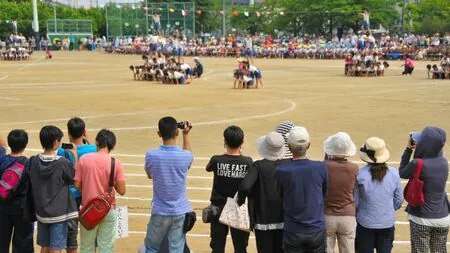
「おでんツンツン男」として知られるYouTuberで経営者の豊嶋悠輔さんが、10月20日にX(旧Twitter)に投稿した内容が波紋を呼んでいる。娘の運動会に半袖半ズボンで参加したところ、タトゥーが見えていたことについて、インスタグラムのダイレクトメッセージで多数の批判が届いたというのだ。
《タトゥーが入ってる親って、子供の運動会でも隠さなきゃいけないの? 》
豊嶋さんは2016年、コンビニのおでんを指でつつく動画をSNSに投稿して全国的な批判を浴び、威力業務妨害の疑いで逮捕された(その後、不起訴処分)。現在はスケートボードショップを営み、子どもたちへの指導や講演活動を行っている。23年にはABEMAの「しくじり先生」に出演し、動画を投稿する前に周囲への影響を考えるよう、呼びかけていた。
「おでんツンツン男」として知られるYouTuberで経営者の豊嶋悠輔さんが、10月20日にX(旧Twitter)に投稿した内容が波紋を呼んでいる。娘の運動会に半袖半ズボンで参加したところ、タトゥーが見えていたことについて、インスタグラムのダイレクトメッセージで多数の批判が届いたというのだ。 《タトゥーが入ってる親って、子供の運動会でも隠さなきゃいけないの? 》 豊嶋さんは2016年、コンビニのおでんを指でつつく動画をSNSに投稿して全国的な批判を浴び、威力業務妨害の疑いで逮捕された(その後、不起訴処分)。現在はスケートボードショップを営み、子どもたちへの指導や講演活動を行っている。23年にはABEMAの「しくじり先生」に出演し、動画を投稿する前に周囲への影響を考えるよう、呼びかけていた。
■「タトゥーを隠さなくてはいけない」というルールはない? 今回の投稿は28日時点で240万回以上表示され、ネット上では「絶対に隠すべき」という声と、「娘が気にしないなら問題ない」という声に分かれている。 豊嶋さんは翌21日、不快に感じた人へ謝罪する文章をXに投稿。自分らしさと同じくらい、場所や状況に応じて周囲に配慮することも大切だとつづる一方、タトゥーそのものを否定するつもりはないとも記している。
もっとも、寄せられた批判の中には、タトゥーではなく過去の騒動を持ち出すものも交じる。確かにそれが反応を大きくした面はあるだろう。ただ、論争はすぐに個人を離れ、「タトゥーのある親は、運動会で隠すべきなのか」という一般的な問いへと広がっていった。 集英社オンラインの記事によると、東京都教育委員会の担当者は、保護者のタトゥーに関する指導について「基本的に(保護者のタトゥーに関する指導等は)ないかなと思います」と答えている。学校行事での保護者への対応については、「保護者の対応も各学校の校長が責任を持って行うという形です」と説明したという。
また、大阪市教育委員会も、学校行事での保護者のタトゥーについて、方針を示したり、聞いたりしたことはないと回答したそうだ。 少なくとも、取材を受けた2つの教育委員会は、明確な方針を示していない。それなのに、なぜ「隠すのは当たり前」と非難する人と、「隠す必要などない」と擁護する人に、これほどはっきりと分かれるのか。 本稿では、タトゥーの是非は判断しない。この論争の「構造」を見ていきたい。 ■「隠すべき」派も「自由」派も、同じ思い込みの中にいる
「批判している人は、タトゥーへの偏見が強いだけ」「擁護している人は、周りへの配慮が足りないだけ」と思うかもしれない。 しかし筆者は、どちらの側にも同じように、ある心理が働いている可能性があると考えている。心理学で「ナイーブ・リアリズム(素朴実在論)」と呼ばれる現象だ。 自分は物事をありのままに見ているが、自分と違う意見の人は、先入観や個人の都合で歪んで見ている――そう思い込んでしまう傾向のことである。
たとえば、バイアス(偏った見方)に関する研究では、多くの人が「自分は平均的な人よりも、偏った判断をしにくい人間」だと評価した。また、自分に都合のよい説明をしている点では同じでも、他人がすれば偏りだと見なし、自分の場合は偏りではないと考えた(※1)。意見が対立する場面では、「自分は客観的で、相手は偏っている」と、お互いが思いやすくなると考えられる。 これを今回の騒動に当てはめてみよう。 「隠すべきだ」と考える人は、自分の感覚を、偏見ではなく常識だと捉えている。そのため、隠さなくてよいと言う人は、常識がわかっていない、偏った人に見えるだろう。
一方、「隠す必要はない」と考える人は、タトゥーを単に身体の一部だと捉えている。そのため、隠せと言う人は、気にしすぎの、偏った見方をする人に見えるだろう。 どちらも「自分はありのままに見ている」と思い、相手を「偏っている」と見る。そうした構図になっている可能性がある。 ■「日本人として普通の常識」と言うが… 実際、この件を報じたデイリースポーツの記事が転載されたYahoo! ニュースのコメント欄には、28日朝8時の時点で2700件を超えるコメントが寄せられている。
筆者が確認したところ、タトゥーを入れること自体は「個人の自由」と認めたうえで、「隠すべきだ」「配慮が必要だ」と続ける声が目立った。「偏見ではなく配慮の問題だ」という論じ方に近い。また、自分の感覚を「常識」や「多数派」のものとして語る声も目立つ。 《日本人として普通の常識を持てばタトゥーも入れないと思う》 《今の日本ではタトゥーに否定的な人の方が圧倒的に多い、自分も完全に否定派だけど》 これらの声が正しいかどうかは、ここでは問わない。注目したいのは、この2件では、その常識が「普通であること」や「多数派であること」をどうやって確かめたのかが書かれていないことだ。
もちろん、擁護する側にも同じことが言える。「娘が気にしないなら問題ない」という見立ては、当の子ども本人の気持ちについては語れても、周囲の保護者や子どもたちがどう受け止めるかまでは保証しない。「自分の周りでは普通」が、そのまま「どこでも普通」になるとは限らないからだ。 ■「入れ墨(タトゥー)のある人」の入浴を断っているのは約56% 同じタトゥーでも、場所によって受け止められ方が変わる。 少し古いデータになるが、観光庁が15年に公表した調査によると、宿泊施設のうち、入れ墨(タトゥー)のある人の入浴を断っているのは約56%。一方、約31%は断らず、約13%はシールで隠すなどの条件つきで認めていた(回答した581施設)。
同じ「入れ墨」でも、入浴を断る施設もあれば、認める施設もある。観光庁は、日本では入れ墨が暴力団と結びつけて受け止められてきたため、旅館が入浴を断ってきた経緯があると説明している。 ただし、旅館や温泉は、「入浴をお断りします」「シールで隠してください」と、施設ごとにルールを決めて伝えることができる。決める主体がはっきりしている。 しかし運動会は違う。先に見たとおり、少なくとも2つの教育委員会は、保護者のタトゥーについて明確な方針を示していない。誰かが「隠してください」と決めたわけでもなければ、「隠さなくてよい」と決めたわけでもない。
それでも、先の集英社オンラインの取材によると、都内の公立小学校でPTA副会長を務める保護者は、学校は保護者にそういうことは言えないが、仮にタトゥーを堂々と見せる保護者がいたら、「うまく対応してほしい」という“圧”が雑談レベルで出るだろう、と見通していた。明文のルールがないのに、雑談で空気がつくられているのだ。 こうした「学校行事ではこうするもの」という共有された期待を、ここでは「場の規範」と呼ぼう。厄介なのは、規範が必ずしも誰かの決定によって生まれるわけではないことだ。
■「暗黙のルール」は誰が決めたのか アメリカのプリンストン大学の学生を対象にした興味深い研究がある。同大学では飲酒が日常的な習慣として根づいていて、その雰囲気を学生がどう感じているかを調べたものだ。 学生たちは、「自分は学内の飲酒の習慣に居心地の悪さを感じているが、ほかの学生は平気なのだろう」と思っていた。ところが、実際には、ほかの学生も、居心地の悪さを感じていた。「自分だけが違う」という思いは、錯覚だったのだ。それなのに、お互いに本音を言わないため、みんなが「平気なふり」をする状態になっていたと考えられる。こうした状態を「多元的無知」と呼ぶ(※2)。
もちろん、大学内での飲酒と運動会でのタトゥーは状況が違うし、タトゥーについて直接調べた研究は、筆者が確認した範囲では見当たらない。以下は、あくまで筆者の仮説である。 内心では「別に気にならない」「隠さなくてよい」と思っている保護者でも、「周りの保護者は嫌がるはずだ」と考えて、その本音を口にしない。「浮くのが怖い」と、長袖を着る人もいるだろう。そうして、みんなが隠している様子を見て、「やはりタトゥーが見えると嫌がられるのだ」という思い込みが強まる。
そして「運動会ではタトゥーを隠すもの」という、誰も決めていないルールを、全員が「みんなが望んでいること」として守ることになる。声の大きい意見が、いつの間にか「みんなの意見」に見えてしまう。 学校行事の暗黙のルールは、「誰が決めたのか」と問うても、答えが見つからない。お互いの推測の積み重ねでできている部分がある、と筆者は考える。 ■問われているのは、「ある」ことではなく「見える」こと ここで、「見た目の科学」の視点を加えたい。
この論争で問題にされているのは、タトゥーを「入れているか」ではない。「見えたか」である。発端となった投稿も、半袖半ズボンで参加したらタトゥーが見えていた、という話だった。長袖であれば、おそらく論争にはなっていない。 運動会は、親もラフな格好で参加することが多く、半袖や短パンなど肌の出る服装が増えやすい行事だ。「ある」ものが「見える」ようになる条件がそろう場である。 人は、目に入ったものを次々と無意識のうちに自動的に評価している(※3、※4)。その材料になるのが、過去の経験や、文化の中で身についた連想だ。たとえば、結婚式で黒いネクタイが目に入ると、「黒=弔事」という連想が、考える前に自動的に浮かぶ。
タトゥーも同じである。目に入った瞬間、人によって、さまざまな連想が浮かぶ。暴力団と結びつけて受け止める見方の中で育った人は、怖さや不安を感じるかもしれない。一方、ファッションや自己表現として見慣れている人は、何も感じないだろう。同じ「見える」でも、そこから立ち上がるものは、見る人の経験によって違う。 ここで強調したいのは、規範が発動するスイッチが、その人の人柄や行動ではなく、「どう見えるか」という見た目の情報に置かれているように見えることだ。
つまり「隠すべきか」という問いは、その場にいる人たちが共有する期待に、見た目をどう合わせるかという問いだと言える。その人の人格を裁く問いではない。そして、その「期待」が人によって違う以上、双方が「自分の期待が普通」と信じて譲らなければ、議論はかみ合わない。 ■「子どもを守るため」の善意が、子どもに線を引く ネット上では、親のタトゥーが子どもにおよぼす影響を考えるべきだという声のほか、「子どもさんがどんなにいい子でも距離を置かれる可能性があることはご承知くださいね」といった、心ない声もあった。
自分の子どもを守りたい気持ちは自然なものだ。ただ、ここに1つの逆説がある。 「自分の子を守るために、タトゥーが入った親の子どもとは距離を置く」という判断は、親の見た目だけで、落ち度のない子どもを「線の向こう側」に置くことになる。つまり、差別や偏見を正当化するということだ。 心理学には、立場の違う人同士が実際に接する機会を持つと、偏見が減りやすいという考え方がある。500を超える研究をまとめた分析でも、接触は多くの種類の偏見を一般に減らすことが確かめられている。理由の1つは、接することで相手への不安が下がることだという(※5)。
もちろん、これはタトゥーのある親子を対象にした研究ではなく、筆者の仮説ではあるが、子どもを近づけないという選択は、こうした「接する機会」を減らし、見慣れなさや不安をそのまま残してしまうのかもしれない。 なお、先に触れた「子どもへの影響を考えて、隠したほうがいい」という助言は、子どもを思ってのもので、偏見とは言えない。問題は、そうした助言が必要になるほど、親の見た目で子どもまで遠ざけようとする人が、実際にいることだ。
だとすれば、問われているのは、親のタトゥーではなく、その線を引く私たちの側なのかもしれない。 ■いちばん居心地が悪いのは、子どもたち この論争から見えてきたのは、次の3点である。 第1に、自分の「普通」は、他の人の「普通」と同じとは限らない。違う意見の人を「偏っている」と思ったとき、相手も同じことを思っている可能性がある。 第2に、暗黙のルールは、誰かが決めたものとは限らない。「みんな嫌がるはず」と思う前に、実際はどう感じている人が多いのかを、確かめる余地がある。
第3に、子どもを守るつもりの判断が、子どもを分ける線になっていないか、立ち止まる価値がある。 運動会の主役は、子どもたちだ。大人が自分の「普通」を信じて譲り合わないとき、いちばん居心地が悪いのは、その子どもたちかもしれない。 【参考・引用文献】 ※1:Pronin, E., D. Y. Lin & L. Ross (2002) The bias blind spot: Perceptions of bias in self versus others, Personality and Social Psychology Bulletin
, 28(3), 369-381. ※2:Prentice, D. A. & D. T. Miller (1993) Pluralistic ignorance and alcohol use on campus: Some consequences of misperceiving the social norm, Journal of Personality and Social Psychology
, 64(2), 243-256. ※3:Bargh, J. A. & T. L. Chartrand (1999) The unbearable automaticity of being, American Psychologist , 54(7), 462-479. ※4:Herring, D. R., K. R. White, L. N. Jabeen, M. Hinojos, G. Terrazas, S. M. Reyes, J. H. Taylor & S. L. Crites (2013) On the automatic activation of attitudes: A quarter century of evaluative priming research, Psychological Bulletin
, 139(5), 1062-1089. ※5:Pettigrew, T. F. & L. R. Tropp (2008) How does intergroup contact reduce prejudice? Meta-analytic tests of three mediators, European Journal of Social Psychology , 38(6), 922-934.
この記事の単語 (300)
×22
隠す
かくす
to hide; to conceal
×12
保護者
ほごしゃ
guardian; protector; patron; parent
×10
運動会
うんどうかい
athletic meet (esp. at school); sports day
×9
投稿
とうこう
contribution (to a newspaper, magazine, etc.); submission; post (on a blog, social media, etc.)
×7
感じる
かんじる
to feel; to sense; to experience
×7
偏見
へんけん
prejudice; bias; distorted view
×7
偏る
かたよる
1. to lean (to one side); to incline 2. to be unbalanced (e.g. diet); to be unduly weighted towards; to be concentrated on
×6
批判
ひはん
criticism; judgement; judgment; comment
×6
子供達
こどもたち
children
×6
筆者
ひっしゃ
writer; author
×6
常識
じょうしき
common sense; good sense; common knowledge; general knowledge; common practice; accepted practice; social etiquette
×6
断る
ことわる
1. to refuse; to reject; to dismiss; to turn down; to decline 2. to inform; to give notice; to tell in advance
×5
豊嶋
てしま
Teshima (surname)
×5
論争
ろんそう
dispute; controversy
×5
知れる
しれる
1. to become known; to come to light; to be discovered 2. to be known; to be understood
×5
実際
じっさい
1. reality; actuality; truth; fact; actual conditions 2. practice (as opposed to theory)
×5
入浴
にゅうよく
1. bathing 2. to bathe; to take a bath; to enter a bath
×5
守る
まもる
1. to protect; to guard; to defend 2. to keep (i.e. a promise); to abide (by the rules); to observe; to obey; to follow
×5
見た目
みため
appearance; (outward) looks; exterior appearance
×4
おでん
oden; dish of various ingredients, e.g. egg, daikon, potato, chikuwa, konnyaku, etc. stewed in soy-flavored dashi
×4
半袖
はんそで
short sleeves
×4
参加
さんか
participation; joining; entry; adherence
×4
動画
どうが
1. video; movie; moving picture 2. animation; animated cartoon
×4
指導
しどう
1. guidance; leadership; instruction; direction; coaching 2. shido (disciplinary action for a minor infringement of the rules of judo)
×4
周囲
しゅうい
1. surroundings; environs 2. circumference
×4
影響
えいきょう
1. influence; effect 2. to influence; to affect; to have an influence on; to impact; to have an effect on
×4
配慮
はいりょ
consideration; concern; attention; thoughtfulness; making arrangements; care; trouble
×4
問い
とい
question; query
×4
教育委員会
きょういくいいんかい
Board of Education
×4
学校行事
がっこうぎょうじ
school event
×4
判断
はんだん
1. judgment; judgement; decision; conclusion; adjudication 2. divination
×4
可能性
かのうせい
potentiality; likelihood; possibility; availability
×4
相手
あいて
1. companion; partner; company 2. other party; addressee
×4
問う
とう
1. to ask; to inquire 2. to blame (someone) for; to accuse of; to pursue (question of responsibility); to charge with
×4
受け止める
うけとめる
1. to catch; to stop the blow 2. to react to; to take (advice, etc.); to accept; to come to grips with
×4
入れ墨
いれずみ
tattoo (esp. a traditional Japanese one); tattooing
×4
施設
しせつ
1. institution; establishment; facility 2. home (for elderly, orphans, etc.)
×4
期待
きたい
1. expectation; anticipation; hope 2. promising; rising; up-and-coming
×4
居心地
いごこち
comfort
×3
半ズボン
はんズボン
short pants; shorts; breeches; knickerbockers
×3
個人
こじん
individual; private person; personal; private
×3
関する
かんする
to concern; to be related
×3
対応
たいおう
1. correspondence (to); equivalence 2. suitability; coordination; matching; being appropriate (for)
×3
方針
ほうしん
1. policy; course; plan (of action); principle 2. magnetic needle
×3
示す
しめす
1. to (take out and) show; to demonstrate; to tell; to exemplify; to make apparent 2. to point out (finger, clock hand, needle, etc.)
×3
擁護
ようご
1. protection; advocacy; support; defence; championship; vindication 2. to protect (e.g. rights, etc.); to advocate (e.g. free trade, etc.); to support
×3
見方
みかた
1. viewpoint; point of view 2. way of understanding; way of appreciating; how to look at something (e.g. noh, train schedule)
×3
互い
たがい
each other; one another
×3
件
けん
1. matter; affair; case; item; subject 2. counter for (received) emails, text messages, voicemail messages, etc.
×3
認める
したためる
1. to write (e.g. a letter); to draw up (a document); to take down (e.g. notes) 2. to have (lunch, dinner, etc.); to eat
×3
確かめる
たしかめる
to ascertain; to check; to make sure
×3
限る
かぎる
1. to restrict; to limit; to confine 2. to be restricted to; to be limited to; to be confined to
×3
規範
きはん
model; standard; pattern; norm; criterion; example
×3
暗黙
あんもく
tacit; unspoken; implicit
×3
飲酒
いんしゅ
drinking alcohol (sake)
×3
連想
れんそう
association (of ideas); being reminded (of something); suggestion
×3
不安
ふあん
anxiety; uneasiness; worry; apprehension; fear; insecurity; suspense
×3
接する
せっする
1. to touch; to come in contact with; to border on; to adjoin; to be adjacent; to be close 2. to receive (e.g. visitor); to attend to; to serve; to take care of; to look after; to act towards; to deal with; to see
×3
第
だい
prefix for forming ordinal numbers
×2
経営者
けいえいしゃ
manager; proprietor
×2
悠輔
ゆうすけ
Yuusuke (given)
×2
旧
きゅう
1. old; former; ex- 2. the old; old things; old customs
×2
内容
ないよう
contents; content; substance; matter; detail; import
×2
波紋
はもん
1. ripple; ring on the water 2. repercussions
×2
多数
たすう
1. large number (of); many 2. majority
×2
届く
とどく
1. to reach; to touch; to get to; to carry (of sound) 2. to be delivered; to arrive
×2
って
1. you said; he said; she said; they said 2. if ... then
×2
突く
つつく
1. to poke (repeatedly, lightly); to nudge 2. to peck at (one's food); to pick at
×2
全国的
ぜんこくてき
nationwide; countrywide; national; throughout the country
×2
浴びる
あびる
1. to dash over oneself (e.g. water); to take (e.g. shower); to bask in (e.g. the sun); to bathe in; to be flooded with (e.g. light); to be covered in 2. to suffer (e.g. an attack); to draw (e.g. criticism, attention, praise); to have heaped upon; to be showered with
×2
威力業務妨害
いりょくぎょうむぼうがい
forcible obstruction of business; obstructing business by force
×2
疑い
うたがい
doubt; question; uncertainty; skepticism; scepticism; suspicion; distrust
×2
逮捕
たいほ
arrest; apprehension; capture
×2
不起訴
ふきそ
nonprosecution; nonindictment
×2
処分
しょぶん
1. disposal; throwing away; selling off 2. dealing with (a problem); measure
×2
現在
げんざい
now; current; present; present time; as of
×2
営む
いとなむ
1. to run (a business); to operate; to conduct; to practice (law, medicine, etc.) 2. to carry out; to perform; to lead (a life)
×2
講演
こうえん
lecture; address; speech
×2
活動
かつどう
1. activity (of a person, organization, animal, volcano, etc.); action 2. movie (esp. during the silent movie period)
×2
しくじり
failure
×2
出演
しゅつえん
performance; appearance (in a stage, film, TV show, etc.)
×2
呼び掛ける
よびかける
1. to call out to; to hail; to address 2. to appeal
×2
時点
じてん
point in time; occasion
×2
ネット上
ネットじょう
(on the) net; (on the) Internet; (on the) Web
×2
分かれる
わかれる
1. to branch; to fork; to diverge 2. to separate; to split; to divide
×2
状況
じょうきょう
state of affairs (around you); situation; circumstances
×2
否定
ひてい
1. denial; negation; repudiation; disavowal 2. negation (logic)
×2
寄せる
よせる
1. to come near; to let someone approach 2. to bring near; to bring together; to collect; to gather
×2
過去
かこ
1. the past; bygone days 2. one's past (that one would prefer remained secret)
×2
騒動
そうどう
1. strife; riot; rebellion; turmoil 2. (media) uproar; brouhaha; (public) outcry; scandal; controversy
×2
唯
ただ
1. ordinary; common; usual 2. free of charge
×2
集英社
しゅうえいしゃ
Shueisha (publisher) (company)
×2
記事
きじ
article; news story; report; account
×2
回答
かいとう
reply; answer
×2
取材
しゅざい
1. news coverage; collecting data (e.g. for an article); covering (something for media) 2. interview
×2
明確
めいかく
clear; precise; definite; distinct
×2
思い込み
おもいこみ
wrong impression; subjective impression; assumption; prejudice
×2
心理学
しんりがく
psychology
×2
ありのまま
the truth; fact; as it is; as you are; frank; bare plain
×2
評価
ひょうか
1. valuation; appraisal; evaluation; assessment; estimation; rating; judging 2. appreciation; recognition; acknowledgement; rating highly; praising
×2
偏り
かたより
1. deviation; inclination; offset; bias; prejudice 2. polarization; polarisation
×2
感覚
かんかく
sense; sensation; feeling; intuition
×2
捉える
とらえる
1. to catch; to capture; to seize; to arrest; to grab; to catch hold of 2. to grasp (e.g. meaning); to perceive; to capture (e.g. features)
×2
日本人
にほんじん
Japanese person; Japanese people
×2
越える
こえる
1. to cross over; to cross; to pass through; to pass over (out of); to go beyond; to go past 2. to exceed; to surpass; to be more (than)
×2
確認
かくにん
confirmation; verification; validation; review; check; affirmation; identification
×2
目立つ
めだつ
to be conspicuous; to stand out
×2
多数派
たすうは
majority group (party, faction)
×2
語る
かたる
1. to talk about; to speak of; to tell; to narrate 2. to recite; to chant
×2
そのまま
1. without change; as is 2. just like; extremely similar
×2
観光庁
かんこうちょう
Japan Tourism Agency (organization)
×2
条件
じょうけん
condition; term; requirement; qualification; prerequisite
×2
暴力団
ぼうりょくだん
bōryokudan; gangster organization (organisation); crime syndicate; yakuza
×2
結び付ける
むすびつける
to combine; to join; to tie on; to attach with a knot; to bind (e.g. an address)
×2
雑談
ざつだん
chatting; idle talk
×2
共有
きょうゆう
1. joint ownership; co-ownership; sharing (e.g. a viewpoint) 2. sharing (files, devices on a network, posts on social media, etc.)
×2
対象
たいしょう
target; object (of worship, study, etc.); subject (of taxation, etc.)
×2
平気
へいき
1. coolness; calmness; composure; unconcern 2. all right; fine; OK; okay
×2
本音
ほんね
real intention; motive; true opinion; what one really thinks
×2
状態
じょうたい
state; condition; situation; appearance; circumstances
×2
仮説
かせつ
hypothesis; supposition; assumption; tentative theory
×2
長袖
ながそで
long sleeves
×2
自動的
じどうてき
automatic
×2
浮かぶ
うかぶ
1. to float; to be suspended 2. to rise to the surface; to appear; to emerge; to show up; to loom (up)
×2
詰まり
つまり
1. that is to say; that is; in other words; I mean; that (this, it) means 2. in short; in brief; to sum up; ultimately; in the end; in the long run; when all is said and done; what it all comes down to; when you get right down to it; basically
×2
信じる
しんじる
to believe; to believe in; to place trust in; to confide in; to have faith in
×2
距離
きょり
distance; range
×2
減らす
へらす
to abate; to decrease; to diminish; to shorten
×2
助言
じょげん
advice; counsel; suggestion; tip; hint
×1
表示
ひょうじ
1. indication; expression; showing; manifestation; demonstration 2. display; displaying
×1
絶対
ぜったい
1. definitely; absolutely; unconditionally 2. absolute; unconditional; unmistakable
×1
翌
よく
the following; next
×1
不快
ふかい
1. displeasure; discomfort; unpleasantness 2. indisposition; ailment
×1
謝罪
しゃざい
apology
×1
自分らしさ
じぶんらしさ
individuality; personality; sense of oneself
×1
応じる
おうじる
to respond; to satisfy; to accept; to comply with; to apply for
×1
綴る
つづる
1. to spell 2. to write; to compose; to frame
×1
記す
しるす
1. to write down; to note; to jot down 2. to remember
×1
持ち出す
もちだす
1. to take out; to carry out; to bring out from where it belongs 2. to mention something; to broach a topic; to bring up (a subject); to raise (an issue); to mention
×1
交じる
まじる
1. to be mixed; to be blended with; to be combined 2. to associate with; to mingle with; to interest; to join
×1
反応
はんのう
reaction; response
×1
面
めん
1. face 2. mask; face guard
×1
離れる
はなれる
1. to be separated; to be apart; to be distant 2. to leave; to go away
×1
一般的
いっぱんてき
general; popular; common; typical
×1
広がる
ひろがる
to spread (out); to extend; to stretch; to reach to; to get around; to fill (e.g. a space)
×1
東京都
とうきょうと
Tokyo Metropolis (prefecture); Tokyo metropolitan area
×1
担当者
たんとうしゃ
person in charge (of an area of work); person responsible; contact (person)
×1
基本的
きほんてき
fundamental; basic
×1
各
かく
each; every; all
×1
責任
せきにん
1. duty; responsibility (incl. supervision of staff) 2. liability; onus
×1
大阪市
おおさかし
Osaka city
×1
当たり前
あたりまえ
1. natural; reasonable; obvious 2. usual; common; ordinary; commonplace; the norm
×1
非難
ひなん
criticism; blame; censure; attack; reproach
×1
本稿
ほんこう
this manuscript
×1
是非
ぜひ
1. certainly; without fail 2. right and wrong; pros and cons
×1
構造
こうぞう
structure; construction; makeup; framework; organization; pattern
×1
心理
しんり
state of mind; mentality; psychology
×1
素朴実在論
そぼくじつざいろん
naive realism
×1
現象
げんしょう
phenomenon
×1
物事
ものごと
things; everything
×1
先入観
せんにゅうかん
preconception; preconceived notion; prejudice
×1
歪む
ゆがむ
1. to warp; to bend; to contort 2. to be perverted; to be warped (of a view, mind, etc.); to be distorted; to be cross-grained
×1
思い込む
おもいこむ
1. to be convinced (that); to be under the impression (that); to feel sure (that); to assume (that) 2. to make up one's mind; to set one's heart on; to be determined (to do); to be bent on
×1
傾向
けいこう
tendency; trend; inclination
×1
平均的
へいきんてき
average
×1
人間
にんげん
1. human being; human; person; man; mankind; humankind 2. character (of a person)
×1
他人
たにん
1. another person; other people; others 2. unrelated person (i.e. not related by blood)
×1
見なす
みなす
to consider as; to regard (as equivalent); to deem (as); to equate
×1
対立
たいりつ
confrontation; opposition; antagonism
×1
場面
ばめん
1. scene; setting; place (where something happens); scenario; case 2. scene (in a movie, play); shot
×1
客観的
きゃっかんてき
objective
×1
当て嵌める
あてはめる
to apply; to adapt
×1
単に
たんに
simply; merely; only; solely
×1
身体
からだ
1. body 2. torso; trunk
×1
一部
いちぶ
1. one part; one portion; one section; some 2. one copy (e.g. of a document)
×1
構図
こうず
composition
×1
報じる
ほうじる
to inform; to report
×1
転載
てんさい
reprinting; reproduction
×1
ヤフー
Yahoo! (company)
×1
コメント欄
コメントらん
comments section (on a blog, website, application, etc.); comment field
×1
自体
じたい
1. itself 2. one's own body; oneself
×1
論じる
ろんじる
1. to discuss; to talk about; to deal with (a topic) 2. to argue; to dispute
×1
否定的
ひていてき
negative; contradictory
×1
圧倒的
あっとうてき
overwhelming
×1
完全
かんぜん
perfect; complete
×1
注目
ちゅうもく
notice; attention; observation
×1
見立
みたち
Mitachi (place)
×1
当
とう
1. this; our; the ... in question; the said ... 2. right; justice; fairness
×1
本人
ほんにん
the person in question; the person themselves; said person
×1
保証
ほしょう
guarantee; security; assurance; pledge; warranty
×1
公表
こうひょう
official announcement; proclamation
×1
調査
ちょうさ
investigation; examination; inquiry; enquiry; survey
×1
宿泊施設
しゅくはくしせつ
accommodation facility (e.g. hotel); lodging facility; boarding house
×1
経緯
いきさつ
1. details; particulars; whole story; sequence of events; chronology; circumstances; how it started; how things got this way 2. longitude and latitude
×1
但し
ただし
but; however; provided that
×1
温泉
おんせん
1. hot spring 2. onsen; hot spring resort; hot spring spa
×1
主体
しゅたい
1. main constituent; core; nucleus 2. subject (philosophical); protagonist
×1
通り
とおり
1. avenue; street; way; road 2. coming and going; street traffic
×1
都内
とない
(within) the (Tokyo) metropolitan area
×1
副会長
ふくかいちょう
vice president (of a club or organization, organisation)
×1
務める
つとめる
1. to work (for); to be employed (at); to serve (in) 2. to serve (as); to act (as); to fill (the position of); to play the role (of)
×1
仮
かり
1. temporary; provisional; interim 2. fictitious; assumed (name); alias
×1
堂々
どうどう
1. magnificent; grand; impressive; dignified; majestic; imposing; stately 2. fair; square; open; unashamed; brazen
×1
旨い
うまい
1. skillful; skilful; clever; expert; wise; successful 2. delicious; appetizing; appetising; tasty
×1
圧
あつ
pressure; force
×1
見通す
みとおす
1. to see without obstruction; to see through 2. to forecast; to predict; to anticipate
×1
明文
めいぶん
explicit statement (e.g. law); express provision
×1
厄介
やっかい
1. trouble; burden; nuisance; bother; worry 2. care; dependence; support; kindness; obligation; staying (with a person)
×1
しも
1. frost 2. white hair; grey hair; gray hair
×1
決定
けってい
decision; determination
×1
プリンストン大学
プリンストンだいがく
Princeton University (organization)
×1
日常的
にちじょうてき
mundane; routine; everyday; unremarkable; common; day-to-day
×1
根付く
ねづく
to take root; to strike
×1
雰囲気
ふんいき
1. atmosphere; mood; ambience; ambiance; aura; feel 2. a certain air; presence; special aura; something (about someone)
×1
学内
がくない
within the school
×1
思い
おもい
1. thought 2. imagination; mind; heart
×1
錯覚
さっかく
1. optical illusion; hallucination 2. misapprehension; delusion
×1
振り
ふり
1. swing; shake; wave; swinging 2. appearance; behaviour
×1
多元的
たげんてき
pluralistic; plural
×1
無知
むち
ignorance; innocence; stupidity
×1
直接
ちょくせつ
direct; immediate; personal; firsthand
×1
範囲
はんい
extent; scope; sphere; range; span
×1
見当たる
みあたる
to be found
×1
飽くまで
あくまで
1. to the end; to the bitter end; to the last; stubbornly; persistently; consistently; to the utmost 2. after all; it must be remembered; only; purely; simply
×1
内心
ないしん
1. inner thoughts; real intention; inmost heart; one's mind 2. at heart; deep down; on the inside
×1
浮く
うく
1. to float 2. to become merry; to be cheerful
×1
様子
ようす
1. state; state of affairs; situation; circumstances 2. appearance; look; aspect
×1
強まる
つよまる
to get strong; to gain strength
×1
全員
ぜんいん
all members; all hands; everyone; everybody; whole crew
×1
望む
のぞむ
1. to desire 2. to wish for; to expect
×1
答え
こたえ
answer; reply; response; solution
×1
推測
すいそく
guess; conjecture
×1
積み重ね
つみかさね
pile; accumulation
×1
部分
ぶぶん
portion; section; part
×1
視点
してん
opinion; point of view; visual point
×1
発端
ほったん
origin; genesis; opening; start; beginning
×1
恐らく
おそらく
perhaps; likely; probably; I dare say
×1
格好
かっこう
1. shape; form; figure; posture; pose 2. appearance
×1
短パン
たんパン
shorts; short pants
×1
肌
はだ
1. skin 2. body (in the context of intimate bodily contact)
×1
服装
ふくそう
garments; attire
×1
行事
ぎょうじ
event; function
×1
揃う
そろう
1. to be complete; to be all present; to make a full set; to be satisfied (of conditions) 2. to be equal; to be uniform; to be even; to match; to agree
×1
次々
つぎつぎ
in succession; one by one
×1
無意識
むいしき
1. unconsciousness 2. unconscious; involuntary; automatic; mechanical; unintentional; spontaneous
×1
材料
ざいりょう
1. ingredients; material 2. material (for a novel, experiment, etc.); subject matter; data
×1
身
み
1. body 2. oneself
×1
結婚式
けっこんしき
marriage ceremony; wedding; nuptials
×1
弔事
ちょうじ
unhappy event (e.g. death); funeral
×1
瞬間
しゅんかん
moment; second; instant
×1
育つ
そだつ
to be raised (e.g. child); to be brought up; to grow (up)
×1
自己
じこ
self; oneself
×1
表現
ひょうげん
1. expression; presentation 2. representation; notation
×1
立ち上がる
たちあがる
1. to stand up; to get up 2. to rise
×1
強調
きょうちょう
emphasis; highlight; stress; stressed point
×1
発動
はつどう
1. putting into operation 2. invocation
×1
人柄
ひとがら
personality; character; personal appearance; gentility
×1
行動
こうどう
action; conduct; behaviour; behavior; mobilization; mobilisation
×1
情報
じょうほう
1. information; news; intelligence; advices 2. information; data contained in characters, signals, code, etc.
×1
合わせる
あわせる
1. to match (rhythm, speed, etc.) 2. to join together; to unite; to combine; to add up
×1
人格
じんかく
personality; character; individuality; personhood
×1
裁く
さばく
to judge; to decide; to sit in judgement; to try
×1
双方
そうほう
both parties; both sides
×1
譲る
ゆずる
1. to hand over; to transfer; to turn over; to assign; to convey; to bequeath 2. to give up (e.g. one's seat); to give way
×1
議論
ぎろん
argument; discussion; dispute; controversy
×1
噛み合う
かみあう
1. to gear (engage) with; to be in gear (mesh) 2. to bite each other
×1
善意
ぜんい
1. virtuous mind 2. good intentions; good will
×1
及ぼす
およぼす
to exert (influence); to exercise; to cause (e.g. damage); to do (e.g. harm); to bring about (e.g. benefits); to extend; to have an effect (on)
×1
心無い
こころない
thoughtless; inconsiderate; tasteless; cruel
×1
自然
しぜん
1. nature 2. natural; spontaneous; automatic
×1
逆説
ぎゃくせつ
paradox
×1
落ち度
おちど
mistake; error; fault; slip; blunder; omission; oversight; lapse
×1
向こう側
むこうがわ
other side; opposite side; other party
×1
差別
さべつ
1. distinction; differentiation; discrimination 2. discrimination (against people)
×1
正当化
せいとうか
justification; warrant
×1
立場
たちば
1. position; situation 2. viewpoint; standpoint; point of view
×1
減る
へる
to decrease (in size or number); to diminish; to abate
×1
考え方
かんがえかた
way of thinking
×1
纏める
まとめる
1. to collect; to put (it all) together; to integrate; to consolidate; to unify 2. to summarize; to aggregate
×1
分析
ぶんせき
analysis
×1
接触
せっしょく
touch; contact
×1
種類
しゅるい
1. variety; kind; type; category 2. counter for kinds, species, etc.
×1
一般
いっぱん
1. general; universal 2. ordinary; average; common; non-celebrity
×1
下がる
さがる
1. to come down; to go down; to fall; to drop; to sink; to get lower 2. to hang; to dangle
×1
親子
おやこ
parent and child
×1
近付ける
ちかづける
1. to bring near; to bring close; to let go near 2. to associate with; to bring (people) together; to let come near (of a person)
×1
選択
せんたく
selection; choice; option
×1
残す
のこす
1. to leave (behind) 2. to leave (undone); to not finish
×1
猶
なお
1. still; yet 2. more; still more; greater; further
×1
触れる
ふれる
1. to touch; to feel 2. to touch (with)
×1
遠ざける
とおざける
to keep away; to keep at a distance
×1
私達
わたしたち
we; us
×1
他
た
other (esp. people and abstract matters)
×1
余地
よち
place; room; margin; scope
×1
分ける
わける
1. to divide (into); to split (into); to part; to separate; to divide up; to classify; to sort out; to divide out 2. to share; to distribute; to deal out; to dish out
×1
立ち止まる
たちどまる
to stop (in one's tracks); to come to a stop; to halt; to pause; to stand still
×1
価値
かち
value; worth; merit
×1
主役
しゅやく
leading part; leading actor; leading actress
×1
譲り合う
ゆずりあう
to give and take; to make mutual concessions; to compromise
×1
参考
さんこう
reference; consultation