OpenAI、GPT-5.5を公開 「任せる」知性を大幅向上
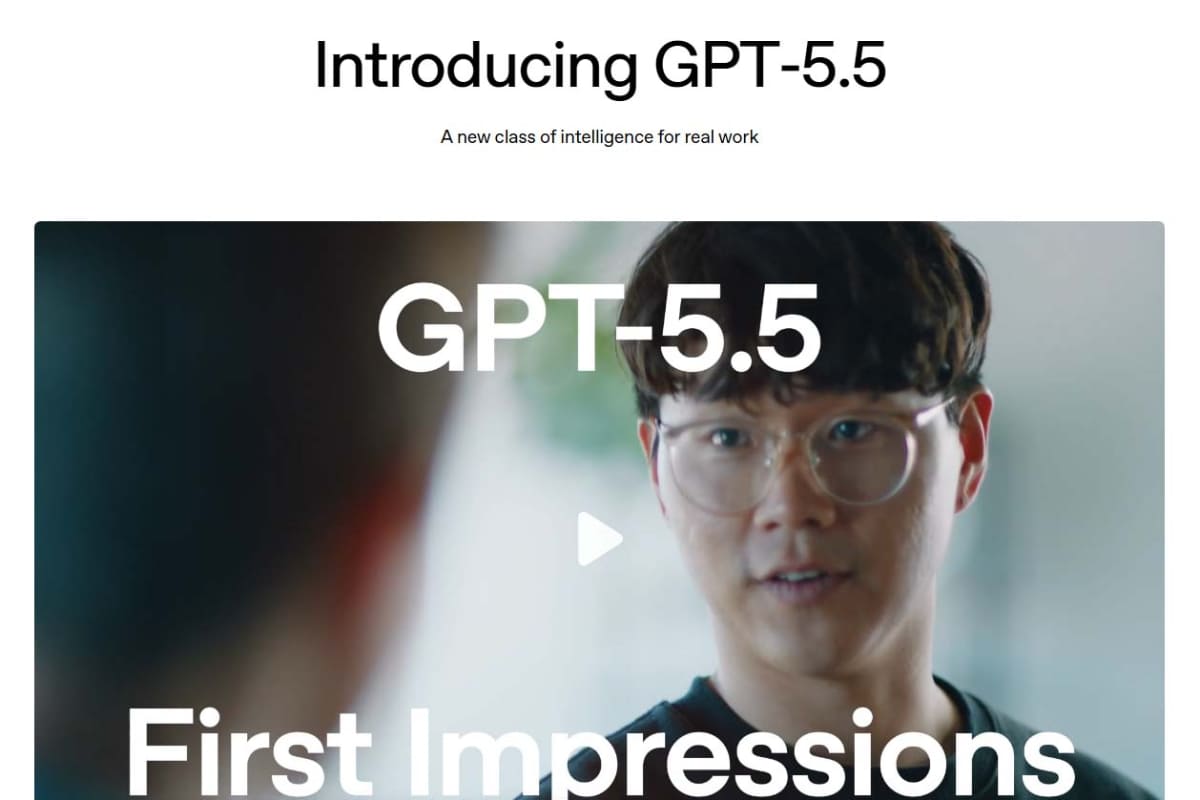
OpenAIは23日(米国時間)、最新のAIモデル「GPT-5.5」を提供開始した。「ユーザーが何をしようとしているか」を素早く理解し、作業の多くを自律的にこなせる点が新たな特徴で、コーディングやデバッグ、オンライン調査、データ分析、ドキュメントやスプレッドシートの作成、ソフトウェアの操作、タスクが完了するまでツールを切り替えて作業を進めるといった能力を高めている。
ChatGPTと、CodexのPlus、Pro、Business、Enterpriseユーザー向けに提供を開始。また、ChatGPTのPro、Business、Enterpriseでは上位モデルのGPT-5.5 Proが、ChatGPTのPlus、Pro、Business、Enterpriseでは推論モデルのGPT-5.5 Thinkingが利用可能になる。なお、APIの展開には異なる安全対策が必要なため準備中で、まもなく対応予定としている。
全てのステップを細かく管理すること無く、GPT-5.5にタスクを任せて、計画立案からツール利用、作業の確認などを経て実行。エージェント型コーディングやコンピュータ操作、ナレッジワークなどで高い能力を発揮するという。
また、前バージョンのGPT-5.4に対し、はるかに高いレベルのインテリジェンスを発揮しながら、同じCodexタスクを完了するために必要なトークン数が大幅に削減され、効率性も向上した。GPT-5.5では、「競合する最先端のコーディングモデルの半分のコスト」で、最先端のインテリジェンスを提供できるとしている。
ベンチマークでは、コマンドラインワークフローをテストする「Terminal-Bench 2.0」が82.7%。GPT-5.4(75.1%)、Claude Opus 4.7(69.4%)を大きく上回る。GitHubイシュー解決を評価する「SWE-Bench Pro」は58.6%で、GPT-5.4を引き離している。
特に、大規模なシステム全体でのコンテキストの保持、曖昧な障害の推論、ツールによる仮定の検証、周辺のコードベースへの変更の反映など、実際のエンジニアリング業務に不可欠な領域において、より優れた性能を発揮するという。
ナレッジワークにおいても、ドキュメント、スプレッドシート、スライドの生成において、GPT-5.4を上回っているほか、Codexのコンピュータ操作スキルと組み合わせることで、GPT-5.5は、モデルが実際にユーザーと共にコンピュータを操作しているかのような感覚で活用できるとする。
推論能力を高めた「GPT-5.5 Thinking」や上位モデルの「GPT-5.5 Pro」も展開する。
GPT-5.5 Thinkingは、コーディング、調査、情報の統合・分析、文書を多用するタスクといった専門的な業務に優れ、特にプラグインを使用する際に効果が高いという。
GPT-5.5 Proは、レイテンシの改善により、負荷の高いタスクでも実用性が向上。GPT-5.4 Proと比較し、ビジネス、法務、教育、データサイエンスの分野で、より包括的、構造化され、正確、関連性が高く、有用であると評価された。
一方で、サイバーセキュリティへの対策を強化。次世代のサイバー防衛に向け、GPT-5.2以降から潜在的なサイバー悪用を防ぐためのセーフガードを導入しているが、GPT-5.5ではより厳格な分類器(classifiers)を導入。リスクの高い活動や機密性の高いサイバーリクエストに対する管理を強化し、繰り返される悪用に対する保護機能を追加している。
また、重要インフラの防御を担う組織など、一部の認証済みユーザーに限定して、GPT-5.5の高度なサイバーセキュリティ機能へのアクセス制限を緩和して提供する。この利用には厳格なセキュリティ要件の遵守が必要となる。
OpenAIは23日(米国時間)、最新のAIモデル「GPT-5.5」を提供開始した。「ユーザーが何をしようとしているか」を素早く理解し、作業の多くを自律的にこなせる点が新たな特徴で、コーディングやデバッグ、オンライン調査、データ分析、ドキュメントやスプレッドシートの作成、ソフトウェアの操作、タスクが完了するまでツールを切り替えて作業を進めるといった能力を高めている。 ChatGPTと、CodexのPlus、Pro、Business、Enterpriseユーザー向けに提供を開始。また、ChatGPTのPro、Business、Enterpriseでは上位モデルのGPT-5.5 Proが、ChatGPTのPlus、Pro、Business、Enterpriseでは推論モデルのGPT-5.5 Thinkingが利用可能になる。なお、APIの展開には異なる安全対策が必要なため準備中で、まもなく対応予定としている。 全てのステップを細かく管理すること無く、GPT-5.5にタスクを任せて、計画立案からツール利用、作業の確認などを経て実行。エージェント型コーディングやコンピュータ操作、ナレッジワークなどで高い能力を発揮するという。 また、前バージョンのGPT-5.4に対し、はるかに高いレベルのインテリジェンスを発揮しながら、同じCodexタスクを完了するために必要なトークン数が大幅に削減され、効率性も向上した。GPT-5.5では、「競合する最先端のコーディングモデルの半分のコスト」で、最先端のインテリジェンスを提供できるとしている。 ベンチマークでは、コマンドラインワークフローをテストする「Terminal-Bench 2.0」が82.7%。GPT-5.4(75.1%)、Claude Opus 4.7(69.4%)を大きく上回る。GitHubイシュー解決を評価する「SWE-Bench Pro」は58.6%で、GPT-5.4を引き離している。 特に、大規模なシステム全体でのコンテキストの保持、曖昧な障害の推論、ツールによる仮定の検証、周辺のコードベースへの変更の反映など、実際のエンジニアリング業務に不可欠な領域において、より優れた性能を発揮するという。 ナレッジワークにおいても、ドキュメント、スプレッドシート、スライドの生成において、GPT-5.4を上回っているほか、Codexのコンピュータ操作スキルと組み合わせることで、GPT-5.5は、モデルが実際にユーザーと共にコンピュータを操作しているかのような感覚で活用できるとする。 推論能力を高めた「GPT-5.5 Thinking」や上位モデルの「GPT-5.5 Pro」も展開する。 GPT-5.5 Thinkingは、コーディング、調査、情報の統合・分析、文書を多用するタスクといった専門的な業務に優れ、特にプラグインを使用する際に効果が高いという。 GPT-5.5 Proは、レイテンシの改善により、負荷の高いタスクでも実用性が向上。GPT-5.4 Proと比較し、ビジネス、法務、教育、データサイエンスの分野で、より包括的、構造化され、正確、関連性が高く、有用であると評価された。 一方で、サイバーセキュリティへの対策を強化。次世代のサイバー防衛に向け、GPT-5.2以降から潜在的なサイバー悪用を防ぐためのセーフガードを導入しているが、GPT-5.5ではより厳格な分類器(classifiers)を導入。リスクの高い活動や機密性の高いサイバーリクエストに対する管理を強化し、繰り返される悪用に対する保護機能を追加している。 また、重要インフラの防御を担う組織など、一部の認証済みユーザーに限定して、GPT-5.5の高度なサイバーセキュリティ機能へのアクセス制限を緩和して提供する。この利用には厳格なセキュリティ要件の遵守が必要となる。
OpenAIは23日(米国時間)、最新のAIモデル「GPT-5.5」を提供開始した。「ユーザーが何をしようとしているか」を素早く理解し、作業の多くを自律的にこなせる点が新たな特徴で、コーディングやデバッグ、オンライン調査、データ分析、ドキュメントやスプレッドシートの作成、ソフトウェアの操作、タスクが完了するまでツールを切り替えて作業を進めるといった能力を高めている。 ChatGPTと、CodexのPlus、Pro、Business、Enterpriseユーザー向けに提供を開始。また、ChatGPTのPro、Business、Enterpriseでは上位モデルのGPT-5.5 Proが、ChatGPTのPlus、Pro、Business、Enterpriseでは推論モデルのGPT-5.5 Thinkingが利用可能になる。なお、APIの展開には異なる安全対策が必要なため準備中で、まもなく対応予定としている。 全てのステップを細かく管理すること無く、GPT-5.5にタスクを任せて、計画立案からツール利用、作業の確認などを経て実行。エージェント型コーディングやコンピュータ操作、ナレッジワークなどで高い能力を発揮するという。 また、前バージョンのGPT-5.4に対し、はるかに高いレベルのインテリジェンスを発揮しながら、同じCodexタスクを完了するために必要なトークン数が大幅に削減され、効率性も向上した。GPT-5.5では、「競合する最先端のコーディングモデルの半分のコスト」で、最先端のインテリジェンスを提供できるとしている。 ベンチマークでは、コマンドラインワークフローをテストする「Terminal-Bench 2.0」が82.7%。GPT-5.4(75.1%)、Claude Opus 4.7(69.4%)を大きく上回る。GitHubイシュー解決を評価する「SWE-Bench Pro」は58.6%で、GPT-5.4を引き離している。 特に、大規模なシステム全体でのコンテキストの保持、曖昧な障害の推論、ツールによる仮定の検証、周辺のコードベースへの変更の反映など、実際のエンジニアリング業務に不可欠な領域において、より優れた性能を発揮するという。 ナレッジワークにおいても、ドキュメント、スプレッドシート、スライドの生成において、GPT-5.4を上回っているほか、Codexのコンピュータ操作スキルと組み合わせることで、GPT-5.5は、モデルが実際にユーザーと共にコンピュータを操作しているかのような感覚で活用できるとする。 推論能力を高めた「GPT-5.5 Thinking」や上位モデルの「GPT-5.5 Pro」も展開する。 GPT-5.5 Thinkingは、コーディング、調査、情報の統合・分析、文書を多用するタスクといった専門的な業務に優れ、特にプラグインを使用する際に効果が高いという。 GPT-5.5 Proは、レイテンシの改善により、負荷の高いタスクでも実用性が向上。GPT-5.4 Proと比較し、ビジネス、法務、教育、データサイエンスの分野で、より包括的、構造化され、正確、関連性が高く、有用であると評価された。 一方で、サイバーセキュリティへの対策を強化。次世代のサイバー防衛に向け、GPT-5.2以降から潜在的なサイバー悪用を防ぐためのセーフガードを導入しているが、GPT-5.5ではより厳格な分類器(classifiers)を導入。リスクの高い活動や機密性の高いサイバーリクエストに対する管理を強化し、繰り返される悪用に対する保護機能を追加している。 また、重要インフラの防御を担う組織など、一部の認証済みユーザーに限定して、GPT-5.5の高度なサイバーセキュリティ機能へのアクセス制限を緩和して提供する。この利用には厳格なセキュリティ要件の遵守が必要となる。
Vocabulary
General
Proper noun
JLPT N2
JLPT N1
| # | 言葉 | 意味 |
|---|---|---|
| 8 | 提供 | ていきょう (提供) : 1. offer; tender; providing; supplying; making available; donating (blood, organs, etc.) 2. sponsoring (a TV program) |
| 8 | 操作 | そうさ (操作) : 1. operation; management; handling 2. manipulating (to one's benefit); manipulation; influencing |
| 6 | 作業 | さぎょう (作業) : work; operation; manufacturing; fatigue duty |
| 6 | 能力 | のうりょく (能力) : ability; faculty |
| 6 | 推論 | すいろん (推論) : inference; deduction; induction; reasoning |
| 6 | 発揮 | はっき (発揮) : show (of power, ability, etc.); exhibition; demonstration; display; manifestation |
| 4 | 開始 | かいし (開始) : start; commencement; beginning; initiation |
| 4 | 調査 | ちょうさ (調査) : investigation; examination; inquiry; enquiry; survey |
| 4 | 完了 | かんりょう (完了) : 1. completion; conclusion 2. perfect (tense, form, aspect) |
| 4 | 高める | たかめる (高める) : to raise; to lift; to boost; to enhance |
| 4 | 上位 | じょうい (上位) : 1. superior (in rank); top; ranking 2. higher order (e.g. byte) |
| 4 | 展開 | てんかい (展開) : 1. development; evolution; progression; unfolding; (plot) twist 2. expansion; spreading out; extending; deployment; building up |
| 4 | 管理 | かんり (管理) : control; management (e.g. of a business) |
| 4 | 向上 | こうじょう (向上) : elevation; rise; improvement; advancement; progress |
| 4 | 最先端 | さいせんたん (最先端) : 1. cutting edge; leading edge; forefront; state of the art 2. tip; end |
| 4 | 上回る | うわまわる (上回る) : to exceed (esp. figures: profits, unemployment rate, etc.); to surpass; to be more than; to be better than |
| 4 | 評価 | ひょうか (評価) : 1. valuation; appraisal; evaluation; assessment; estimation; rating; judging 2. appreciation; recognition; acknowledgement; rating highly; praising |
| 4 | 実際 | じっさい (実際) : 1. reality; actuality; truth; fact; actual conditions 2. practice (as opposed to theory) |
| 4 | 業務 | ぎょうむ (業務) : business; affairs; duties; work; procedure; task; action; function; (business) operations; operational |
| 4 | 優れる | すぐれる (優れる) : to surpass; to outstrip; to excel |
| 4 | 強化 | きょうか (強化) : strengthening; intensifying; reinforcement; enhancement; solidification |
| 4 | 悪用 | あくよう (悪用) : abuse; misuse; perversion |
| 4 | 導入 | どうにゅう (導入) : introduction; bringing in; leading in; installation |
| 4 | 厳格 | げんかく (厳格) : strict; severe; stern; rigid; rigorous; tough |
| 4 | 機能 | きのう (機能) : function; facility; faculty; feature |
| 2 | 米国 | べいこく (米国) : (United States of) America; USA; US |
| 2 | 時間 | じかん (時間) : 1. time 2. hour |
| 2 | 最新 | さいしん (最新) : latest; newest; late-breaking (news) |
| 2 | 理解 | りかい (理解) : understanding; comprehension; appreciation; sympathy |
| 2 | 自律的 | じりつてき (自律的) : autonomous; autonomic; self-sustaining; self-directed |
| 2 | 新た | あらた (新た) : new; fresh; novel |
| 2 | 特徴 | とくちょう (特徴) : feature; trait; characteristic; peculiarity; distinction |
| 2 | データ分析 | データぶんせき (データ分析) : data analysis |
| 2 | 作成 | さくせい (作成) : drawing up (e.g. legal document, contract, will, etc.); preparing; writing; framing; making; producing; creating; creation |
| 2 | 切り替える | きりかえる (切り替える) : to change; to exchange; to convert; to renew; to throw a switch; to replace; to switch over |
| 2 | 進める | すすめる (進める) : 1. to advance; to move forward; to put (a clock, watch) forward 2. to carry forward (plans, work, etc.); to proceed with; to make progress in; to further; to advance; to hasten; to speed up |
| 2 | 向け | むけ (向け) : intended for ...; oriented towards ...; aimed at ... |
| 2 | 利用可能 | りようかのう (利用可能) : available; usable (e.g. bandwidth) |
| 2 | なお | なお (尚) : 1. still; yet 2. more; still more; greater; further |
| 2 | 異なる | ことなる (異なる) : to differ; to vary; to disagree |
| 2 | 安全対策 | あんぜんたいさく (安全対策) : safety measure |
| 2 | 準備中 | じゅんびちゅう (準備中) : in preparation; (shop) not yet open for business |
| 2 | ま | まあ : 1. just (e.g. "just wait here"); come now; now, now 2. tolerably; passably; moderately; reasonably; fairly; rather; somewhat |
| 2 | 対応 | たいおう (対応) : 1. correspondence (to); equivalence 2. suitability; coordination; matching; being appropriate (for) |
| 2 | 全て | すべて (全て) : 1. everything; all; the whole 2. entirely; completely; wholly; all |
| 2 | 細かく | こまかく (細かく) : minutely; finely |
| 2 | 任せる | まかせる (任せる) : 1. to entrust (e.g. a task) to another; to leave to 2. to passively leave to someone else's facilities |
| 2 | 確認 | かくにん (確認) : confirmation; verification; validation; review; check; affirmation; identification |
| 2 | 経る | へる (経る) : 1. to pass; to elapse; to go by 2. to pass through; to go through |
| 2 | 実行 | じっこう (実行) : execution (e.g. of a plan); carrying out; practice; action; implementation; fulfillment; realization |
| 2 | はるか | はるか (遥か) : far; far away; distant; remote; far off |
| 2 | 数 | しばしば (屡々) : often; again and again; frequently; repeatedly |
| 2 | 大幅 | おおはば (大幅) : 1. big; large; drastic; substantial 2. full-width cloth (approx. 72 cm wide for traditional Japanese clothing; approx. 140 cm wide for Western clothing) |
| 2 | 削減 | さくげん (削減) : cut; reduction; curtailment |
| 2 | 効率性 | こうりつせい (効率性) : efficiency |
| 2 | 競合 | きょうごう (競合) : contention; competition; rivalry; quarrel |
| 2 | 大きく | おおきく (大きく) : in a big way; on a grand scale |
| 2 | 解決 | かいけつ (解決) : settlement; solution; resolution |
| 2 | 引き離す | ひきはなす (引き離す) : 1. to pull apart; to separate 2. to have a lead over; to pull ahead of; to outdistance |
| 2 | 大規模 | だいきぼ (大規模) : large-scale |
| 2 | 全体 | ぜんたい (全体) : whole; entirety; whatever (is the matter) |
| 2 | 保持 | ほじ (保持) : retention; maintenance; preservation |
| 2 | 曖昧 | あいまい (曖昧) : 1. vague; ambiguous; unclear 2. shady; disreputable |
| 2 | 障害 | しょうがい (障害) : 1. obstacle; impediment; hindrance; difficulty; barrier 2. handicap; impairment; disability; disorder; malfunction |
| 2 | 仮定 | かてい (仮定) : assumption; supposition; hypothesis |
| 2 | 検証 | けんしょう (検証) : verification; inspection |
| 2 | 周辺 | しゅうへん (周辺) : 1. circumference; outskirts; environs; around; in the area of; in the vicinity of 2. (computer) peripheral |
| 2 | 変更 | へんこう (変更) : change; modification; alteration; revision; amendment |
| 2 | 反映 | はんえい (反映) : 1. reflection (light, image, situation, attitude, etc.); reflecting 2. influence; application (e.g. of an update) |
| 2 | 不可欠 | ふかけつ (不可欠) : indispensable; essential |
| 2 | 領域 | りょういき (領域) : area; domain; territory; field; range; region; regime |
| 2 | 性能 | せいのう (性能) : ability; performance; efficiency |
| 2 | 生成 | せいせい (生成) : creation; generation; formation; derivation |
| 2 | 組み合わせる | くみあわせる (組み合わせる) : to join together; to combine; to join up |
| 2 | 共 | ども (共) : 1. first-person plural (or singular) 2. second or third person plural (implies speaker is of higher status than those referred to) |
| 2 | 感覚 | かんかく (感覚) : sense; sensation; feeling; intuition |
| 2 | 活用 | かつよう (活用) : 1. practical use; application 2. conjugation; inflection |
| 2 | 情報 | じょうほう (情報) : 1. information; news; intelligence; advices 2. information; data contained in characters, signals, code, etc. |
| 2 | 統合 | とうごう (統合) : integration; unification; unity; combination; consolidation; synthesis |
| 2 | 分析 | ぶんせき (分析) : analysis |
| 2 | 文書 | ぶんしょ (文書) : 1. document; writing; letter; papers; notes; records; archives 2. document addressed to someone |
| 2 | 多用 | たよう (多用) : 1. busyness; a lot of things to do 2. frequent use; heavy use (of); many uses |
| 2 | 専門的 | せんもんてき (専門的) : technical (e.g. discussion); exclusive; professional |
| 2 | 使用 | しよう (使用) : use; application; employment; utilization; utilisation |
| 2 | 際 | きわ (際) : 1. edge; brink; verge; side 2. time; moment of |
| 2 | 効果 | こうか (効果) : 1. effect; effectiveness; efficacy; result 2. effects (e.g. sound effects, visual effects, special effects) |
| 2 | 改善 | かいぜん (改善) : 1. betterment; improvement 2. kaizen (Japanese business philosophy of continuous improvement) |
| 2 | 負荷 | ふか (負荷) : burden; load (e.g. CPU time, electricity, etc.) |
| 2 | 実用性 | じつようせい (実用性) : practicality; utility; usefulness |
| 2 | 比較 | ひかく (比較) : comparison |
| 2 | 法務 | ほうむ (法務) : 1. judicial affairs 2. clerical duty (in a temple) |
| 2 | 分野 | ぶんや (分野) : field; sphere; realm; division; branch |
| 2 | 包括的 | ほうかつてき (包括的) : comprehensive; inclusive; encompassing |
| 2 | 構造化 | こうぞうか (構造化) : structuralization |
| 2 | 正確 | せいかく (正確) : accurate; correct; precise; exact |
| 2 | 関連性 | かんれんせい (関連性) : relatedness; associativity; relation; relationship; relevance |
| 2 | 有用 | ゆうよう (有用) : useful; helpful |
| 2 | 対策 | たいさく (対策) : measure; step; countermeasure; counterplan; countermove; strategy; preparation (e.g. for a test) |
| 2 | 次世代 | じせだい (次世代) : next generation; future generation |
| 2 | 防衛 | ぼうえい (防衛) : defense; defence; protection |
| 2 | 以降 | いこう (以降) : on and after; as from; hereafter; thereafter; since |
| 2 | 潜在的 | せんざいてき (潜在的) : latent; potential |
| 2 | 防ぐ | ふせぐ (防ぐ) : 1. to defend against; to protect against 2. to prevent; to avert; to avoid |
| 2 | 分類 | ぶんるい (分類) : classification; categorization; sorting |
| 2 | 器 | うつわ (器) : 1. bowl; vessel; container 2. ability; capacity; calibre; caliber |
| 2 | 活動 | かつどう (活動) : 1. activity (of a person, organization, animal, volcano, etc.); action 2. movie (esp. during the silent movie period) |
| 2 | 機密性 | きみつせい (機密性) : confidentiality |
| 2 | 繰り返す | くりかえす (繰り返す) : to repeat; to do something over again |
| 2 | 保護 | ほご (保護) : 1. protection; safeguard; guardianship; custody; patronage 2. preservation; conservation |
| 2 | 追加 | ついか (追加) : addition; supplement; appending; appendix |
| 2 | 重要 | じゅうよう (重要) : important; momentous; essential; principal; major |
| 2 | 防御 | ぼうぎょ (防御) : defense; defence; safeguard; protection |
| 2 | 担う | になう (担う) : 1. to carry on one's shoulder; to shoulder; to bear 2. to bear (burden, responsibility, etc.); to take upon oneself |
| 2 | 組織 | そしき (組織) : 1. organization; organisation; formation 2. structure; construction; setup; constitution |
| 2 | 一部 | いちぶ (一部) : 1. one part; one portion; one section; some 2. one copy (e.g. of a document) |
| 2 | 認証 | にんしょう (認証) : 1. certification; attestation; authentication; confirmation 2. Imperial attestation |
| 2 | 済み | ずみ (済み) : arranged; taken care of; settled; completed; finished |
| 2 | 限定 | げんてい (限定) : limit; restriction |
| 2 | 高度 | こうど (高度) : 1. altitude; height; elevation 2. high-degree; high-grade; advanced; sophisticated; strong |
| 2 | 制限 | せいげん (制限) : restriction; restraint; limitation; limit |
| 2 | 緩和 | かんわ (緩和) : relief; mitigation; alleviation; relaxation (of restrictions, tensions, etc.); easing; softening |
| 2 | 要件 | ようけん (要件) : 1. important matter 2. requirement; requisite; necessary condition; sine qua non |
| 2 | 遵守 | じゅんしゅ (遵守) : observance (of laws, rules, etc.); adherence; obeying; following; abiding by; compliance |