集団移転の復興団地 10戸未満が3割 コミュニティー維持が課題
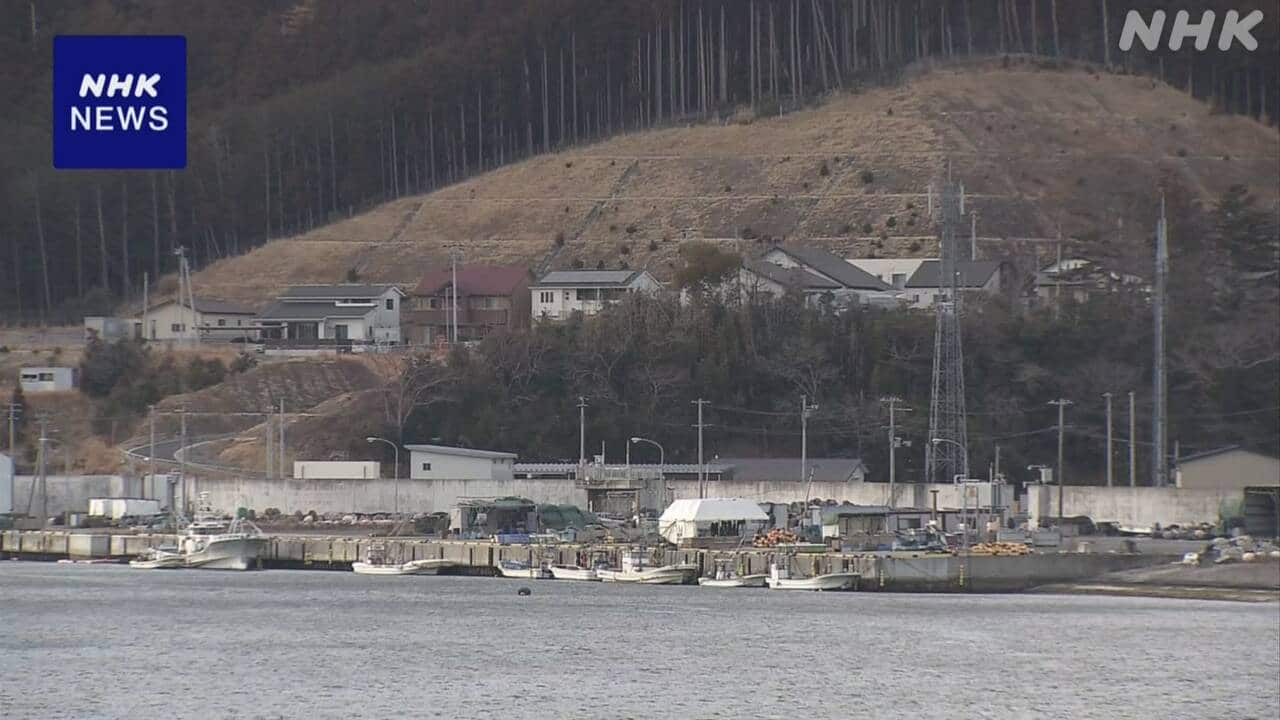
15年前に発生した東日本大震災で津波の被害を受けた沿岸部では、高台などにまとまって移り住む防災集団移転が行われ、岩手・宮城・福島・茨城の4県で324か所の復興団地が整備されました。一方で、高齢化や人口減少が進み、住宅が10戸に満たない小規模な団地が全体のおよそ3割を占めるようになっていて、コミュニティーの維持が課題になっています。
東日本大震災の被災地では、自治体が津波の被害を受けて住めなくなった土地を買い取り、高台などに整備した復興団地に住民に移住してもらう防災集団移転が進められてきました。
国土交通省によりますと、これまでに岩手、宮城、福島、茨城の4県であわせて324か所の復興団地の整備が完了し、2025年3月末の時点では、住民がいる住宅は1万2312戸にのぼります。
しかし復興団地のうち、住宅の数が10戸に満たない小規模な団地が100か所あり、全体のおよそ31%を占めています。
団地ができたあと高齢化が進み、住民が亡くなったり介護施設に移ったりしたほか、便利な場所を求めて転居するなどして住民が減っているとみられます。
このうち被災地で最も多い54か所の団地が整備された宮城県石巻市では、複数の集落をまとめることで住宅の数が370戸以上の大規模な団地がある一方で、5戸以下の小規模な団地も35か所あります。
防災集団移転にあたって国は当初、復興団地の規模の条件を10戸以上としていましたが、東日本大震災の被災地では住民合意をとりやすくするため、特例として5戸以上も認められました。
このため、結果として、4県全体で震災前に295あった集落が324か所の復興団地に細分化する形となりました。
こうした小規模な復興団地では、人口減少が進むことで近所どうしの支え合いや行事の継続といったコミュニティーの維持が難しくなり、暮らしへの不安が広がっています。
東日本大震災で大きな被害を受けた宮城県石巻市では、防災集団移転による復興団地が高台などに54か所、点在しています。
石巻市は、中心部に近い海沿いや北上川の流域、牡鹿半島などの広い範囲が津波に襲われ、住宅2000棟余りが全壊するなど甚大な被害が出ました。
その1つ、牡鹿半島にある佐須地区では、震災前、漁港近くの集落に43世帯が住んでいました。
津波で多くの住宅が流されたため、震災の6年後には漁港のすぐ上の高台に20億円以上を投じた復興団地が造成されました。
当初の計画では15世帯の移転が予定されていましたが、実際に移転した地元の住民は6世帯で、ほかの地域から移り住んだ住民を合わせても9世帯にとどまっていて、団地には空き地が目立ちます。
漁師の本間文雄さんは仕事場の漁港に近く、震災前と同じ暮らしができると思って復興団地への移転を決め、住宅を再建しました。
本間さんも今シーズンで引退することにしていて、このままでは地区が衰退する一方だと考えています。
とりわけ本間さんが氏子総代を務める地区の神社では、住民がいなくなったことから毎年恒例の「例大祭」が開けなくなり、寂しさを感じています。
復興団地に空き地が目立つ現状について、本間さんは「税金を払ってくれた人たちに申し訳ないと思っている。私も将来的に、ここが空き地だらけになった状態を見たくない。でも、その可能性がないわけでもないと思っている」と話しています。
石巻市の半島沿岸部の高台には復興団地が点在していて、コミュニティーの維持が難しくなっているところもあります。
石巻市建設部の職員の大壁勇彦さんは、震災の直後から高台への移転について集落ごとに説明会を開き、住民の意見の取りまとめを行ってきました。
市では当初、この先の人口減少を見据え、複数の集落をまとめて高台に移転するプランを考えていました。
大壁さんもコミュニティーの維持には最低でも20戸以上でまとまる必要があると考え、隣り合う集落はできるだけ同じ場所に移転できないか住民を説得したと言います。
しかし、市が震災発生の2か月後に実施した住民の意向調査では、自宅を「もといた地域で再建したい」とした人が6割以上にのぼりました。
さらに漁師の多くが、高台に移転するのなら自分たちの船があり長年使っていた港の近くがいいと、集約に難色を示しました。
こうした中で国が方針を転換し、住民移転には「10戸以上」がまとまる必要があるとしていた条件を「5戸以上」に緩和します。住民の合意をとりやすくし、移転を早く進めるための措置でした。
当時の心境について大壁さんは「当時は被災した住民への早期の住宅供給しか考えていなかった。それでも小さな集落の住民には10戸以上でまとまりましょうとたくさん説明していたので、本当にいいのかなと思った。5戸だけで山を切りひらいていいのかと、抵抗したい気持ちがあったのも確かです」と話しています。
結果としてコミュニティーの維持が難しくなっている現状については「こういうふうにならないよういろいろ考えてやったつもりですが、思い通りにはなりませんでした。被災した住民と自治体としての考え方は必ずしもイコールではないので、難しい仕事でした」と苦しい胸の内を明かしました。
震災の発生当時、宮城県土木部の幹部として沿岸部の復興計画を策定した遠藤信哉さんは、震災翌月の4月には県内全域で集落を集約させる計画を作っていたと言います。
遠藤さんは、仙台市を除く県内173の集落を59か所の復興団地に集約し、1つの団地は50世帯以上とする計画を立てていました。
当時、遠藤さんが作成した資料を見ると、例えば被災地で津波による住宅の被害が最も多かった石巻市では、牡鹿半島などの沿岸部で小さな浜ごとにあった43の集落を離れた内陸の高台など15か所に集約する計画になっています。
集落を持続可能な形で維持し行政サービスを提供し続けるためで、この案は沿岸の市長や町長などに直接、説明していたと言います。
しかし結局、多くの自治体で集約は実現せず、石巻市の牡鹿半島などでは50世帯以上に集約された復興団地は4か所にとどまり、高台に小規模な団地が49か所点在するかたちとなりました。
遠藤さんは「集落を維持し行政サービスをしていくためには、ある程度の規模が必要だと思っていた。もう少し集約できていればという思いはあるが、果たしてどうすればよかったのかというのは、判断が難しかった」と話していました。
宮城県の村井知事は震災から15年となるのを前にインタビューに応じ、防災集団移転を行った当時の市町村の判断についての考えを述べました。
村井知事は「正直、こうなるだろうなというのは当然、予見できた。ただ、沿岸部の方々が家族や財産、船を失い、仕事も失って絶望の淵にいる中で、将来、限界集落にしたくはないので別の場所に移ってくれと、市町村長は言えなかったと思う」と話しています。
そのうえで集団移転ができる条件が「10戸以上」から「5戸以上」に緩和されたことについては、当時、市町村長からの要望を受けて県として国に要望したと説明しました。
その理由として「沿岸部の住民は漁業で生計を立てている方が非常に多い。海の近くから離れたくない、職場と住宅が近接していたほうがいい、という考え方もあったのかもしれない」と話し住民の意向とそれを優先した市町村に理解を示していました。
被災地のまちづくりに詳しい東北大学災害科学国際研究所の姥浦道生教授は、小規模な復興団地でコミュニティーの維持が課題となっている現状について次のように話しています。
姥浦教授は「防災集団移転によってできた高台の集落は安全性が確保されていて、漁業を中心とした三陸の港やなりわいの継続を考えれば、小規模のまま維持するのも選択肢の一つだ。最終的にどうするべきだったのかという判断は、まだできる状況ではない」と話しています。
一方で「これから人口が減っていけば、どんどん『限界集落』に近づいていき、いろいろな行事をしたり、地域の見守りや社会サービスを受けたりすることも難しくなる。今後のコミュニティーや集落の持続可能性がどれだけあるのかは、懸念されるところだ」と指摘しています。
そのうえで姥浦教授は「震災が起きてから冷静に物事を判断するのは難しい。事前に災害時の産業のあり方を含め地域でどうするのか意思決定のプロセスを確認しておく必要がある。集落をどこにするのかなど、具体的なところまで平時から考えておくことが重要だ」と話していました。
東日本大震災の被災地では、自治体が津波の被害を受けて住めなくなった土地を買い取り、高台などに整備した復興団地に住民に移住してもらう防災集団移転が進められてきました。
国土交通省によりますと、これまでに岩手、宮城、福島、茨城の4県であわせて324か所の復興団地の整備が完了し、2025年3月末の時点では、住民がいる住宅は1万2312戸にのぼります。
しかし復興団地のうち、住宅の数が10戸に満たない小規模な団地が100か所あり、全体のおよそ31%を占めています。
団地ができたあと高齢化が進み、住民が亡くなったり介護施設に移ったりしたほか、便利な場所を求めて転居するなどして住民が減っているとみられます。
このうち被災地で最も多い54か所の団地が整備された宮城県石巻市では、複数の集落をまとめることで住宅の数が370戸以上の大規模な団地がある一方で、5戸以下の小規模な団地も35か所あります。
防災集団移転にあたって国は当初、復興団地の規模の条件を10戸以上としていましたが、東日本大震災の被災地では住民合意をとりやすくするため、特例として5戸以上も認められました。
このため、結果として、4県全体で震災前に295あった集落が324か所の復興団地に細分化する形となりました。
こうした小規模な復興団地では、人口減少が進むことで近所どうしの支え合いや行事の継続といったコミュニティーの維持が難しくなり、暮らしへの不安が広がっています。
東日本大震災で大きな被害を受けた宮城県石巻市では、防災集団移転による復興団地が高台などに54か所、点在しています。
石巻市は、中心部に近い海沿いや北上川の流域、牡鹿半島などの広い範囲が津波に襲われ、住宅2000棟余りが全壊するなど甚大な被害が出ました。
その1つ、牡鹿半島にある佐須地区では、震災前、漁港近くの集落に43世帯が住んでいました。
津波で多くの住宅が流されたため、震災の6年後には漁港のすぐ上の高台に20億円以上を投じた復興団地が造成されました。
当初の計画では15世帯の移転が予定されていましたが、実際に移転した地元の住民は6世帯で、ほかの地域から移り住んだ住民を合わせても9世帯にとどまっていて、団地には空き地が目立ちます。
漁師の本間文雄さんは仕事場の漁港に近く、震災前と同じ暮らしができると思って復興団地への移転を決め、住宅を再建しました。
本間さんも今シーズンで引退することにしていて、このままでは地区が衰退する一方だと考えています。
とりわけ本間さんが氏子総代を務める地区の神社では、住民がいなくなったことから毎年恒例の「例大祭」が開けなくなり、寂しさを感じています。
復興団地に空き地が目立つ現状について、本間さんは「税金を払ってくれた人たちに申し訳ないと思っている。私も将来的に、ここが空き地だらけになった状態を見たくない。でも、その可能性がないわけでもないと思っている」と話しています。
石巻市の半島沿岸部の高台には復興団地が点在していて、コミュニティーの維持が難しくなっているところもあります。
石巻市建設部の職員の大壁勇彦さんは、震災の直後から高台への移転について集落ごとに説明会を開き、住民の意見の取りまとめを行ってきました。
市では当初、この先の人口減少を見据え、複数の集落をまとめて高台に移転するプランを考えていました。
大壁さんもコミュニティーの維持には最低でも20戸以上でまとまる必要があると考え、隣り合う集落はできるだけ同じ場所に移転できないか住民を説得したと言います。
しかし、市が震災発生の2か月後に実施した住民の意向調査では、自宅を「もといた地域で再建したい」とした人が6割以上にのぼりました。
さらに漁師の多くが、高台に移転するのなら自分たちの船があり長年使っていた港の近くがいいと、集約に難色を示しました。
こうした中で国が方針を転換し、住民移転には「10戸以上」がまとまる必要があるとしていた条件を「5戸以上」に緩和します。住民の合意をとりやすくし、移転を早く進めるための措置でした。
当時の心境について大壁さんは「当時は被災した住民への早期の住宅供給しか考えていなかった。それでも小さな集落の住民には10戸以上でまとまりましょうとたくさん説明していたので、本当にいいのかなと思った。5戸だけで山を切りひらいていいのかと、抵抗したい気持ちがあったのも確かです」と話しています。
結果としてコミュニティーの維持が難しくなっている現状については「こういうふうにならないよういろいろ考えてやったつもりですが、思い通りにはなりませんでした。被災した住民と自治体としての考え方は必ずしもイコールではないので、難しい仕事でした」と苦しい胸の内を明かしました。
震災の発生当時、宮城県土木部の幹部として沿岸部の復興計画を策定した遠藤信哉さんは、震災翌月の4月には県内全域で集落を集約させる計画を作っていたと言います。
遠藤さんは、仙台市を除く県内173の集落を59か所の復興団地に集約し、1つの団地は50世帯以上とする計画を立てていました。
当時、遠藤さんが作成した資料を見ると、例えば被災地で津波による住宅の被害が最も多かった石巻市では、牡鹿半島などの沿岸部で小さな浜ごとにあった43の集落を離れた内陸の高台など15か所に集約する計画になっています。
集落を持続可能な形で維持し行政サービスを提供し続けるためで、この案は沿岸の市長や町長などに直接、説明していたと言います。
しかし結局、多くの自治体で集約は実現せず、石巻市の牡鹿半島などでは50世帯以上に集約された復興団地は4か所にとどまり、高台に小規模な団地が49か所点在するかたちとなりました。
遠藤さんは「集落を維持し行政サービスをしていくためには、ある程度の規模が必要だと思っていた。もう少し集約できていればという思いはあるが、果たしてどうすればよかったのかというのは、判断が難しかった」と話していました。
宮城県の村井知事は震災から15年となるのを前にインタビューに応じ、防災集団移転を行った当時の市町村の判断についての考えを述べました。
村井知事は「正直、こうなるだろうなというのは当然、予見できた。ただ、沿岸部の方々が家族や財産、船を失い、仕事も失って絶望の淵にいる中で、将来、限界集落にしたくはないので別の場所に移ってくれと、市町村長は言えなかったと思う」と話しています。
そのうえで集団移転ができる条件が「10戸以上」から「5戸以上」に緩和されたことについては、当時、市町村長からの要望を受けて県として国に要望したと説明しました。
その理由として「沿岸部の住民は漁業で生計を立てている方が非常に多い。海の近くから離れたくない、職場と住宅が近接していたほうがいい、という考え方もあったのかもしれない」と話し住民の意向とそれを優先した市町村に理解を示していました。
被災地のまちづくりに詳しい東北大学災害科学国際研究所の姥浦道生教授は、小規模な復興団地でコミュニティーの維持が課題となっている現状について次のように話しています。
姥浦教授は「防災集団移転によってできた高台の集落は安全性が確保されていて、漁業を中心とした三陸の港やなりわいの継続を考えれば、小規模のまま維持するのも選択肢の一つだ。最終的にどうするべきだったのかという判断は、まだできる状況ではない」と話しています。
一方で「これから人口が減っていけば、どんどん『限界集落』に近づいていき、いろいろな行事をしたり、地域の見守りや社会サービスを受けたりすることも難しくなる。今後のコミュニティーや集落の持続可能性がどれだけあるのかは、懸念されるところだ」と指摘しています。
そのうえで姥浦教授は「震災が起きてから冷静に物事を判断するのは難しい。事前に災害時の産業のあり方を含め地域でどうするのか意思決定のプロセスを確認しておく必要がある。集落をどこにするのかなど、具体的なところまで平時から考えておくことが重要だ」と話していました。
Vocabulary
General
Proper noun
JLPT N2
JLPT N1
| # | 言葉 | 意味 |
|---|---|---|
| 24 | 団地 | だんち (団地) : multi-unit apartments; apartment complex |
| 18 | 住民 | じゅうみん (住民) : inhabitant; resident; citizen; population |
| 15 | 復興 | ふっこう (復興) : revival; reconstruction; restoration; rebuilding; recovery; renaissance |
| 15 | 集落 | しゅうらく (集落) : 1. settlement; village; community; town 2. (bacterial) colony |
| 11 | 高台 | たかだい (高台) : elevation; high ground |
| 11 | か所 | かしょ (箇所) : 1. place; point; part; spot; area; passage; portion 2. counter for places, parts, passages, etc. |
| 10 | 住宅 | じゅうたく (住宅) : residence; housing; residential building |
| 9 | 維持 | いじ (維持) : maintenance; preservation; improvement |
| 9 | 移転 | いてん (移転) : 1. moving; relocation; change of address 2. transfer (of deeds, property, etc.); demise |
| 7 | 小規模 | しょうきぼ (小規模) : small scale |
| 7 | 石巻市 | いしのまきし (石巻市) : Ishinomaki (city) (place) |
| 7 | 震災 | しんさい (震災) : 1. earthquake disaster 2. Great Kanto Earthquake (1923) |
| 7 | 考える | かんがえる (考える) : 1. to think (about, of); to think over; to ponder; to contemplate; to reflect (on); to meditate (on) 2. to consider; to bear in mind; to allow for; to take into consideration |
| 7 | 集約 | しゅうやく (集約) : 1. intensiveness 2. collecting; summarizing; putting together; aggregating; integrating |
| 6 | 防災 | ぼうさい (防災) : disaster preparedness; prevention of damage resulting from a natural disaster; protection against disaster |
| 6 | 世帯 | せたい (世帯) : household; home; family; housekeeping |
| 6 | 当時 | とうじ (当時) : at that time; in those days |
| 5 | 津波 | つなみ (津波) : tsunami; tidal wave |
| 5 | 被害 | ひがい (被害) : (suffering) damage; injury; harm |
| 5 | 被災地 | ひさいち (被災地) : area struck (by some disaster); location of a disaster |
| 4 | 東日本大震災 | ひがしにほんだいしんさい (東日本大震災) : Great East Japan earthquake (March 11, 2011); Tōhoku earthquake; Tohoku earthquake; Sendai earthquake |
| 4 | まとまる | まとまる (纏まる) : 1. to find resolution; to be settled; to be agreed on; to be completed 2. to be collected; to be assembled; to be brought together |
| 4 | 県 | けん (県) : prefecture (Japan); county (China, Taiwan, Norway, etc.); department (France); province (Italy, Spain, etc.) |
| 4 | 整備 | せいび (整備) : 1. maintenance; servicing 2. putting in place; establishment; development; preparation; provision; outfitting |
| 4 | 宮城県 | みやぎけん (宮城県) : Miyagi prefecture (Tōhoku area) |
| 4 | 牡鹿半島 | おしかはんとう (牡鹿半島) : Oshika Peninsula (place) |
| 4 | 地域 | ちいき (地域) : area; region |
| 4 | 本間 | ほんま (本真) : truth; reality |
| 4 | 遠藤 | えとう (遠藤) : Etou (surname) |
| 4 | 判断 | はんだん (判断) : 1. judgment; judgement; decision; conclusion; adjudication 2. divination |
| 3 | 発生 | はっせい (発生) : 1. outbreak; spring forth; occurrence; incidence 2. generation (e.g. of power or heat); genesis; origin |
| 3 | 人口減少 | じんこうげんしょう (人口減少) : depopulation; falling population; decrease in population; population decline |
| 3 | 全体 | ぜんたい (全体) : whole; entirety; whatever (is the matter) |
| 3 | 自治体 | じちたい (自治体) : municipality; local government; self-governing body; autonomous body |
| 3 | 当初 | とうしょ (当初) : 1. beginning; start; outset 2. at first; at the beginning; initially; originally |
| 3 | 条件 | じょうけん (条件) : condition; term; requirement; qualification; prerequisite |
| 3 | 点在 | てんざい (点在) : being dotted with; being scattered |
| 3 | 地区 | ちく (地区) : district; section; sector |
| 3 | 漁港 | ぎょこう (漁港) : fishing harbour; fishing harbor |
| 3 | 空き地 | あきち (空き地) : vacant land; unoccupied ground; empty lot |
| 3 | 現状 | げんじょう (現状) : present condition; existing state; status quo; current state |
| 3 | 大壁 | おおかべ (大壁) : wall bearing no exposed pillars |
| 3 | 姥浦 | うばうら (姥浦) : Ubaura (surname) |
| 3 | 教授 | きょうじゅ (教授) : 1. professor 2. teaching; instruction |
| 2 | 移り住む | うつりすむ (移り住む) : to change one's place of residence; to migrate; to move |
| 2 | 岩手 | いわて (岩手) : Iwate (prefecture) |
| 2 | 宮城 | きゅうじょう (宮城) : Imperial Palace (esp. from 1888 to 1946) |
| 2 | 福島 | ふくしま (福島) : Fukushima (city, prefecture) |
| 2 | 茨城 | いばらき (茨城) : Ibaraki (prefecture) |
| 2 | 高齢化 | こうれいか (高齢化) : population ageing (aging) |
| 2 | 進む | すすむ (進む) : 1. to advance; to go forward 2. to precede; to go ahead (of) |
| 2 | 満つ | みつ (満つ) : 1. to be full 2. to wax (e.g. moon) |
| 2 | 割 | わり (割り) : 1. rate; ratio; proportion; percentage 2. profit |
| 2 | 占める | しめる (占める) : 1. to occupy; to hold 2. to account for; to make up; to take up |
| 2 | 課題 | かだい (課題) : 1. subject; theme; issue; matter 2. homework; assignment |
| 2 | 進める | すすめる (進める) : 1. to advance; to move forward; to put (a clock, watch) forward 2. to carry forward (plans, work, etc.); to proceed with; to make progress in; to further; to advance; to hasten; to speed up |
| 2 | のぼる | のぼる (上る) : 1. to ascend; to go up; to climb 2. to ascend (as a natural process, e.g. the Sun); to rise |
| 2 | 数 | しばしば (屡々) : often; again and again; frequently; repeatedly |
| 2 | 移る | うつる (移る) : 1. to move (house); to transfer (department) 2. to change the target of interest or concern |
| 2 | 減る | へる (減る) : to decrease (in size or number); to diminish; to abate |
| 2 | 最も | もっとも (最も) : most; extremely |
| 2 | 複数 | ふくすう (複数) : plural; multiple; several |
| 2 | まとめる | まとめる (纏める) : 1. to collect; to put (it all) together; to integrate; to consolidate; to unify 2. to summarize; to aggregate |
| 2 | 規模 | きぼ (規模) : scale; scope; plan; structure |
| 2 | 合意 | ごうい (合意) : (coming to an) agreement; consent; mutual understanding; accord; consensus |
| 2 | やすく | やすく (安く) : inexpensively |
| 2 | 結果 | けっか (結果) : 1. result; consequence; outcome; effect 2. coming to fruition; bearing fruit |
| 2 | 行事 | ぎょうじ (行事) : event; function |
| 2 | 継続 | けいぞく (継続) : continuation |
| 2 | 暮らし | くらし (暮らし) : life; living; livelihood; life circumstances |
| 2 | とどまる | とどまる (止まる) : 1. to remain; to abide; to stay (in the one place) 2. to be limited to; to be confined to; to only account for |
| 2 | 目立つ | めだつ (目立つ) : to be conspicuous; to stand out |
| 2 | 漁師 | りょうし (漁師) : fisherman |
| 2 | 再建 | さいけん (再建) : 1. rebuilding; reconstruction; rehabilitation 2. protoform reconstruction |
| 2 | まま | うば (乳母) : wet nurse; nursing mother |
| 2 | ごと | ごと (毎) : each; every |
| 2 | 船 | ふね (船) : 1. ship; boat; watercraft; vessel; seaplane 2. tank; tub; vat; trough |
| 2 | 示す | しめす (示す) : 1. to (take out and) show; to demonstrate; to tell; to exemplify; to make apparent 2. to point out (finger, clock hand, needle, etc.) |
| 2 | 緩和 | かんわ (緩和) : relief; mitigation; alleviation; relaxation (of restrictions, tensions, etc.); easing; softening |
| 2 | 被災 | ひさい (被災) : being a victim of (some disaster); suffering from |
| 2 | 思い | おもい (思い) : 1. thought 2. imagination; mind; heart |
| 2 | 考え方 | かんがえかた (考え方) : way of thinking |
| 2 | 県内 | けんない (県内) : within the prefecture |
| 2 | 立てる | たてる (立てる) : 1. to stand up; to put up; to set up; to erect; to raise 2. to thrust into; to bury into; to dig into |
| 2 | 離れる | はなれる (離れる) : 1. to be separated; to be apart; to be distant 2. to leave; to go away |
| 2 | 行政 | ぎょうせい (行政) : administration; governance; the authorities; authority |
| 2 | 村井 | むらい (村井) : Murai (place; surname) |
| 2 | 知事 | ちじ (知事) : prefectural governor |
| 2 | 市町村 | しちょうそん (市町村) : cities, towns and villages; municipalities |
| 2 | 失う | うしなう (失う) : 1. to lose 2. to miss (a change, opportunity) |
| 2 | 限界集落 | げんかいしゅうらく (限界集落) : marginal village; depopulated village where most inhabitants are senior citizens |
| 2 | 要望 | ようぼう (要望) : demand for; request |
| 2 | 漁業 | ぎょぎょう (漁業) : fishing (industry) |
| 1 | 土地 | とち (土地) : 1. plot of land; lot; soil 2. locality; region; place |
| 1 | 買い取る | かいとる (買い取る) : to buy; to purchase |
| 1 | 移住 | いじゅう (移住) : migration; immigration |
| 1 | 国土交通省 | こくどこうつうしょう (国土交通省) : Ministry of Land, Infrastructure, Transport and Tourism |
| 1 | あわせる | あわせる (会わせる) : 1. to make (someone) to meet; to let (someone) meet 2. to expose to; to subject to |
| 1 | 完了 | かんりょう (完了) : 1. completion; conclusion 2. perfect (tense, form, aspect) |
| 1 | 末 | うら (末) : top end; tip |
| 1 | 時点 | じてん (時点) : point in time; occasion |
| 1 | 亡くなる | なくなる (亡くなる) : to die |
| 1 | 介護施設 | かいごしせつ (介護施設) : nursing home; rest home |
| 1 | 求める | もとめる (求める) : 1. to want; to wish for 2. to request; to demand; to require; to ask for |
| 1 | 転居 | てんきょ (転居) : moving; changing residence; change of address |
| 1 | 大規模 | だいきぼ (大規模) : large-scale |
| 1 | あたる | あたる (当たる) : 1. to be hit; to strike 2. to touch; to be in contact; to be affixed |
| 1 | 特例 | とくれい (特例) : special case; exception |
| 1 | 認める | したためる (認める) : 1. to write (e.g. a letter); to draw up (a document); to take down (e.g. notes) 2. to have (lunch, dinner, etc.); to eat |
| 1 | 細分化 | さいぶんか (細分化) : subdivision; segmentation; fractionalization; fragmentation |
| 1 | どうし | どうし (動詞) : verb |
| 1 | 不安 | ふあん (不安) : anxiety; uneasiness; worry; apprehension; fear; insecurity; suspense |
| 1 | 広がる | ひろがる (広がる) : to spread (out); to extend; to stretch; to reach to; to get around; to fill (e.g. a space) |
| 1 | 中心部 | ちゅうしんぶ (中心部) : central part; heart (of a city) |
| 1 | 海沿い | うみぞい (海沿い) : seaside; seashore; coast; coastland |
| 1 | 北上 | ほくじょう (北上) : going north |
| 1 | 流域 | りゅういき (流域) : drainage basin; catchment basin; river basin; watershed; valley |
| 1 | 範囲 | はんい (範囲) : extent; scope; sphere; range; span |
| 1 | 襲う | おそう (襲う) : 1. to attack; to assail; to make an assault; to strike; to hunt down 2. to succeed (someone in a post, role, etc.) |
| 1 | 棟 | とう (棟) : 1. large building; building with a long roof 2. counter for buildings, apartments, etc. |
| 1 | 余り | あまり (余り) : 1. remainder; remnant; rest; balance; surplus; remains (of a meal); leftovers 2. (not) very; (not) much |
| 1 | 全壊 | ぜんかい (全壊) : complete destruction |
| 1 | 甚大 | じんだい (甚大) : very great; enormous; serious |
| 1 | 佐須 | さす (佐須) : Sasu (place; surname) |
| 1 | 住む | すむ (住む) : to live (of humans); to reside; to inhabit; to dwell; to abide |
| 1 | 流す | ながす (流す) : 1. to drain; to pour; to spill; to shed (blood, tears) 2. to wash away |
| 1 | 投ずる | とうずる (投ずる) : 1. to throw; to cast (e.g. vote, light, shadow) 2. to devote oneself (e.g. to a cause) |
| 1 | 造成 | ぞうせい (造成) : development (of land); preparation (e.g. of ground for housing); reclamation; creation |
| 1 | 実際 | じっさい (実際) : 1. reality; actuality; truth; fact; actual conditions 2. practice (as opposed to theory) |
| 1 | 地元 | じもと (地元) : 1. home area; home town 2. local |
| 1 | 合わせる | あわせる (合わせる) : 1. to match (rhythm, speed, etc.) 2. to join together; to unite; to combine; to add up |
| 1 | 文雄 | あやお (文雄) : Ayao (given) |
| 1 | 仕事場 | しごとば (仕事場) : place where one works; construction site; working area |
| 1 | 決める | きめる (決める) : 1. to decide; to choose; to determine; to make up one's mind; to resolve; to set one's heart on; to settle; to arrange; to set; to appoint; to fix 2. to clinch (a victory); to decide (the outcome of a match) |
| 1 | 引退 | いんたい (引退) : retirement |
| 1 | 衰退 | すいたい (衰退) : decline; degeneration; decay; waning; ebbing |
| 1 | とりわけ | とりわけ (取り分け) : 1. especially; above all 2. inter alia; among others |
| 1 | 氏子 | うじこ (氏子) : shrine parishioner |
| 1 | 総代 | そうだい (総代) : representative |
| 1 | 務める | つとめる (勤める) : 1. to work (for); to be employed (at); to serve (in) 2. to serve (as); to act (as); to fill (the position of); to play the role (of) |
| 1 | 恒例 | こうれい (恒例) : established practice; custom |
| 1 | 例大祭 | れいたいさい (例大祭) : regularly held festival |
| 1 | 開ける | あける (開ける) : 1. to open (a door, etc.); to unwrap (e.g. parcel, package); to unlock 2. to open (for business, etc.) |
| 1 | 感ずる | かんずる (感ずる) : to feel; to sense |
| 1 | 税金 | ぜいきん (税金) : tax; duty |
| 1 | 払う | はらう (払う) : 1. to pay (e.g. money, bill) 2. to brush off; to wipe away; to clear away; to dust off; to cut off (e.g. branches) |
| 1 | 申し訳 | もうしわけ (申し訳) : apology; excuse |
| 1 | 将来的 | しょうらいてき (将来的) : future; possible; potential; prospective |
| 1 | だらけ | だらけ : 1. full of (e.g. mistakes); riddled with 2. covered all over with (blood, mud, etc.) |
| 1 | 状態 | じょうたい (状態) : state; condition; situation; appearance; circumstances |
| 1 | 可能性 | かのうせい (可能性) : potentiality; likelihood; possibility; availability |
| 1 | 半島 | はんとう (半島) : 1. peninsula 2. Korea |
| 1 | 建設 | けんせつ (建設) : construction; establishment |
| 1 | 職員 | しょくいん (職員) : staff member; personnel |
| 1 | 直後 | ちょくご (直後) : immediately following |
| 1 | 説明会 | せつめいかい (説明会) : information session; briefing; explanatory meeting |
| 1 | 開く | ひらく (開く) : 1. to open; to undo; to unseal; to unpack 2. to bloom; to unfold; to spread out |
| 1 | 取りまとめ | とりまとめ (取り纏め) : collecting; collection; collation; gathering; arrangement; coordination |
| 1 | この先 | このさき (この先) : beyond this point; from now on; after this |
| 1 | 見据える | みすえる (見据える) : 1. to stare fixedly at; to fix one's gaze on 2. to make sure of; to set one's eyes on (e.g. the future); to focus on |
| 1 | 最低 | さいてい (最低) : 1. least; lowest; minimum 2. worst |
| 1 | 隣り合う | となりあう (隣り合う) : to adjoin each other; to sit side by side |
| 1 | 説得 | せっとく (説得) : persuasion |
| 1 | 実施 | じっし (実施) : enforcement; implementation; putting into practice; carrying out; operation; working (e.g. working parameters); enactment |
| 1 | 意向調査 | いこうちょうさ (意向調査) : survey; poll |
| 1 | 自宅 | じたく (自宅) : one's home; one's house |
| 1 | もと | もと (元) : 1. origin; source 2. base; basis; foundation; root |
| 1 | 自分 | じぶん (自分) : 1. myself; yourself; oneself; himself; herself 2. I; me |
| 1 | たち | やかた (館) : 1. mansion; palace; manor house; castle 2. nobleman; noblewoman; dignitary |
| 1 | 長年 | ながねん (長年) : long time; many years |
| 1 | 難色 | なんしょく (難色) : disapproval |
| 1 | 方針 | ほうしん (方針) : 1. policy; course; plan (of action); principle 2. magnetic needle |
| 1 | 転換 | てんかん (転換) : conversion; diversion; changeover; commutation; switchover |
| 1 | 早く | はやく (早く) : 1. early; soon 2. quickly; swiftly; rapidly; fast |
| 1 | 措置 | そち (措置) : measure; step; action |
| 1 | 心境 | しんきょう (心境) : state of mind; mental state; mental attitude |
| 1 | 早期 | そうき (早期) : early stage |
| 1 | 供給 | きょうきゅう (供給) : supply; provision |
| 1 | 本当 | ほんとう (本当) : 1. truth; reality; actuality; fact 2. proper; right; correct; official |
| 1 | 抵抗 | ていこう (抵抗) : 1. resistance; opposition; standing up to 2. reluctance; repulsion; repugnance |
| 1 | ふう | に (二) : two |
| 1 | 通り | とおり (通り) : 1. avenue; street; way; road 2. coming and going; street traffic |
| 1 | しも | しも (霜) : 1. frost 2. white hair; grey hair; gray hair |
| 1 | 苦しい | くるしい (苦しい) : 1. painful; difficult; tough; hard 2. distressing; (psychologically) difficult; stressful; awkward (e.g. position) |
| 1 | 胸 | むね (胸) : 1. chest; breast 2. breasts; bosom; bust |
| 1 | 明かす | あかす (明かす) : 1. to pass (the night); to spend 2. to reveal; to divulge; to disclose; to expose |
| 1 | 土木 | どぼく (土木) : engineering works; civil engineering; public works |
| 1 | 幹部 | かんぶ (幹部) : management; (executive) staff; leaders; leadership; top brass; upper echelons |
| 1 | 策定 | さくてい (策定) : formulation (of a plan, policy, etc.); decision; settling on |
| 1 | 信哉 | しんや (信哉) : Shin'ya (given) |
| 1 | 翌月 | よくげつ (翌月) : following month |
| 1 | 全域 | ぜんいき (全域) : the whole area |
| 1 | 作る | つくる (作る) : 1. to make; to produce; to manufacture; to build; to construct 2. to prepare (food); to brew (alcohol) |
| 1 | 仙台市 | せんだいし (仙台市) : Sendai (city) (place) |
| 1 | 除く | のぞく (除く) : 1. to remove; to eliminate; to eradicate 2. to exclude; to except |
| 1 | 作成 | さくせい (作成) : drawing up (e.g. legal document, contract, will, etc.); preparing; writing; framing; making; producing; creating; creation |
| 1 | 資料 | しりょう (資料) : materials; data; document |
| 1 | 浜 | はま (浜) : 1. beach; seashore 2. captured pieces (in the game of go); captured stones |
| 1 | 内陸 | ないりく (内陸) : inland |
| 1 | 持続可能 | じぞくかのう (持続可能) : sustainable |
| 1 | 提供 | ていきょう (提供) : 1. offer; tender; providing; supplying; making available; donating (blood, organs, etc.) 2. sponsoring (a TV program) |
| 1 | 案 | あん (案) : 1. idea; plan; proposal; suggestion; (government) bill 2. draft; rough copy |
| 1 | 沿岸 | えんがん (沿岸) : coast; shore; littoral |
| 1 | 町長 | ちょうちょう (町長) : town mayor |
| 1 | 直接 | ちょくせつ (直接) : direct; immediate; personal; firsthand |
| 1 | 結局 | けっきょく (結局) : 1. after all; in the end; ultimately; eventually 2. conclusion; end |
| 1 | 実現 | じつげん (実現) : implementation (e.g. of a system); materialization; materialisation; realization; realisation; actualization; actualisation |
| 1 | 程度 | ていど (程度) : degree; amount; grade; standard; of the order of (following a number); about; approximately |
| 1 | もう少し | もうすこし (もう少し) : a bit more; a bit longer |
| 1 | 果たして | はたして (果たして) : 1. as was expected; just as one thought; sure enough 2. really; actually; ever |
| 1 | 応ずる | おうずる (応ずる) : 1. to answer; to respond; to meet 2. to satisfy; to accept |
| 1 | 考え | かんがえ (考え) : 1. thinking; thought; view; opinion; concept 2. idea; notion; imagination |
| 1 | 述べる | のべる (述べる) : to state; to express; to mention |
| 1 | 正直 | しょうじき (正直) : 1. honest; frank; candid; straightforward 2. honestly; frankly |
| 1 | 当然 | とうぜん (当然) : 1. natural; right; proper; just; reasonable; appropriate; deserved 2. naturally; as a matter of course; rightly; deservedly; justly; of course |
| 1 | 予見 | よけん (予見) : foresight; foreknowledge; divination |
| 1 | ただ | ただ (只) : 1. ordinary; common; usual 2. free of charge |
| 1 | 方々 | かたがた (方々) : 1. people; (all) persons; everyone; ladies and gentlemen 2. you (usu. plural) |
| 1 | 財産 | ざいさん (財産) : property; fortune; assets |
| 1 | 絶望 | ぜつぼう (絶望) : despair; hopelessness |
| 1 | 淵 | ふち (淵) : 1. deep pool; deep water; abyss 2. depths (e.g. of despair, etc.); grip (e.g. of death) |
| 1 | 言える | いえる (言える) : 1. to be possible to say; to be able to say 2. said; have said |
| 1 | 生計 | せいけい (生計) : livelihood; living |
| 1 | 非常 | ひじょう (非常) : 1. emergency 2. extraordinary; unusual |
| 1 | 職場 | しょくば (職場) : one's post; place of work; workplace |
| 1 | 近接 | きんせつ (近接) : 1. proximity; nearness; being nearby; being adjacent 2. approaching; drawing near; coming close |
| 1 | しれる | しれる (知れる) : 1. to become known; to come to light; to be discovered 2. to be known; to be understood |
| 1 | 意向 | いこう (意向) : intention; idea; inclination; wish |
| 1 | 優先 | ゆうせん (優先) : preference; priority; precedence |
| 1 | 理解 | りかい (理解) : understanding; comprehension; appreciation; sympathy |
| 1 | まちづくり | まちづくり (街づくり) : town planning; urban development; community development; creating a community |
| 1 | 詳しい | くわしい (詳しい) : 1. detailed; full; minute 2. knowing very well; knowledgeable (about); well-acquainted (with); well-informed (about); familiar (with) |
| 1 | 東北大学 | とうほくだいがく (東北大学) : Tohoku University (organization) |
| 1 | 災害 | さいがい (災害) : calamity; disaster; misfortune |
| 1 | 研究所 | けんきゅうしょ (研究所) : research establishment; research institute; laboratory |
| 1 | 道生 | どうしょう (道生) : Doushou (place) |
| 1 | 安全性 | あんぜんせい (安全性) : safety; security |
| 1 | 確保 | かくほ (確保) : 1. securing; obtaining; ensuring; guarantee; maintaining 2. belay; belaying |
| 1 | 中心 | ちゅうしん (中心) : 1. center; centre; middle; heart; core; focus; pivot; emphasis; balance 2. -centered; -centred; -focused; -oriented; centered on; focused on |
| 1 | 三陸 | さんりく (三陸) : Sanriku (the three former provinces of Rikuzen, Rikuchū and Rikuō) |
| 1 | なりわい | なりわい (生業) : 1. occupation; calling 2. livelihood |
| 1 | 選択肢 | せんたくし (選択肢) : choices; alternatives; options |
| 1 | 最終的 | さいしゅうてき (最終的) : final; eventual; ultimate |
| 1 | 状況 | じょうきょう (状況) : state of affairs (around you); situation; circumstances |
| 1 | 近づく | ちかづく (近づく) : 1. to approach; to draw near; to get close 2. to get acquainted with; to get closer to; to get to know |
| 1 | 見守る | みまもる (見守る) : to watch over; to watch attentively |
| 1 | 今後 | こんご (今後) : from now on; hereafter |
| 1 | 持続可能性 | じぞくかのうせい (持続可能性) : sustainability |
| 1 | 懸念 | けねん (懸念) : worry; fear; anxiety; concern |
| 1 | 指摘 | してき (指摘) : pointing out; identification |
| 1 | 起きる | おきる (起きる) : 1. to get up; to rise; to blaze up (fire) 2. to wake up; to be awake; to stay awake |
| 1 | 冷静 | れいせい (冷静) : calmness; composure; coolness; serenity; presence of mind |
| 1 | 物事 | ものごと (物事) : things; everything |
| 1 | 事前 | じぜん (事前) : prior; beforehand; in advance; before the fact; ex ante |
| 1 | あり方 | ありかた (あり方) : 1. the way something ought to be 2. the (current) state of things; how things are |
| 1 | 含める | ふくめる (含める) : 1. to include (in a group or scope) 2. to instruct; to make one understand |
| 1 | 意思決定 | いしけってい (意思決定) : decision-making |
| 1 | 確認 | かくにん (確認) : confirmation; verification; validation; review; check; affirmation; identification |
| 1 | 具体的 | ぐたいてき (具体的) : concrete; definite; specific; material; substantial |
| 1 | 平時 | へいじ (平時) : 1. peacetime; time of peace 2. ordinary times; normal times |
| 1 | 重要 | じゅうよう (重要) : important; momentous; essential; principal; major |