「ChatGPTに任せよう」 新生活シーズンに使える活用術をOpenAIが紹介
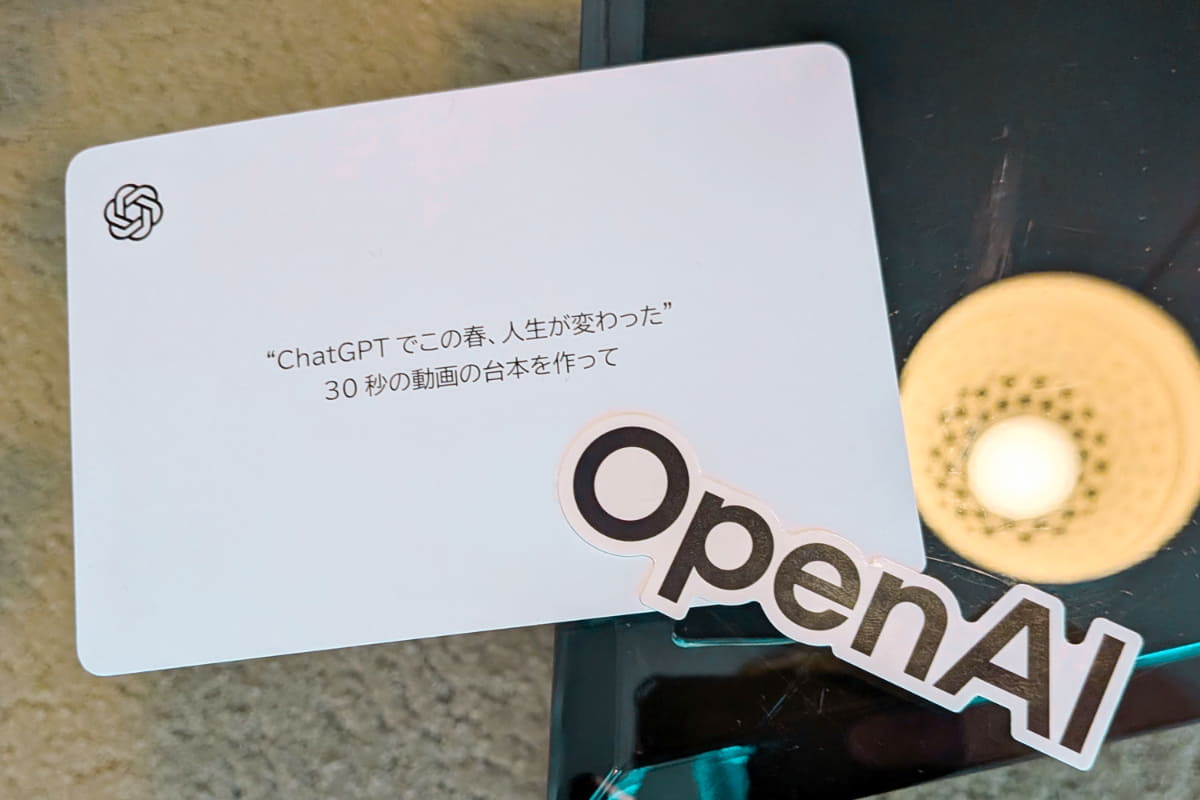
OpenAI Japanは9日、新生活シーズンに向けたChatGPTの活用方法を紹介する報道関係者向け説明会を実施した。仕事や日常のさまざまな場面で、生産性や効率の向上に役立つ使い方を提案し、ChatGPTを実用的に取り入れる方法を紹介した。
■ メモリ機能による自己紹介スライド作成
説明会では、ChatGPTとの過去の対話内容を踏まえた、自己紹介用のスライドを作成する方法が紹介された。ChatGPTには、会話をもとにユーザーの人物像や好みを記憶する「メモリ」機能が備わっており、特別な指示をしていなくても過去の対話から特徴やアピールポイントを抽出し、自己紹介などの作成に活用できる。
メモリ機能は、普段の会話の中から自然に情報を蓄積していく一方で、「これは覚えてほしい」と明示して伝えることで、重要な情報として定着しやすくなるという。こうした記憶は文章だけでなく、画像生成などの出力にも反映できる。
自己紹介スライドの作成では、顔写真などのプロフィール情報をアップロードしたうえで、「関西人なので、ChatGPTとの漫才風な自己紹介にしてください。また、衣装もユーモラスにしてください」といった指示を与えることで、ユーモアのあるビジュアルや文章、スライド構成を生成できる。
■ エージェント機能による宿探し
エージェント機能では、AIが背後で仮想的なデスクトップ環境を立ち上げ、ユーザーに代わって作業を進める。たとえば「4月13日に大阪へ1泊出張するので宿を探してほしい」と指示すると、AIがブラウザを操作し、複数の宿泊予約サイトを横断して検索しながら、日付の選択や空き状況の確認といった条件に合う候補を調べていく。
作業後には、候補となる宿泊先のリンクや閲覧したページのスクリーンショットを含むレポートが提示され、ユーザーはその内容を確認しながら判断できる。エージェント機能は、個人向けではPlus以上のプランで提供されており、プランごとに1カ月間の使用回数に制限がある。
■ Gmailやカレンダーと連携し業務を効率化
ChatGPTでは、外部のアプリケーションと連携することで、日常業務の効率化につなげられる。たとえば、Gmailと接続すれば、大量のメールの中から必要な情報を読み取って要約したり、スケジュールから予定を抽出してタスクをリスト化したりできる。
また、Googleカレンダーなどと組み合わせることで、予定の把握やタスク整理もChatGPTから横断的に進められる。なお、外部アプリとの連携は「アプリ」欄から行なえる。
■ 出力スタイルを整えるパーソナライズ設定
設定画面から「パーソナライズ」を通じて、回答のトーンや文章の熱量、見出しの有無、絵文字の使い方などを自分向けに最適化できる。これにより、自分の用途や好みに合った出力を得やすくなる。
また、想定読者や求めるアウトプットの基準も指定することで、細かな指示を繰り返さなくても、目的に沿った回答を受け取りやすくなる。
■ 日常利用にも便利な「グループチャット」や「プロジェクト」
ChatGPTでは、会話のリンクを共有して他のユーザーを招待し、最大20人まで参加できるグループチャットを作成できる。異なる料金プランのユーザー同士でも同じチャットに参加して共同作業を行なうことが可能であり、たとえば複数人で旅行の計画を立てる際などに活用できる。
また、説明会では「プロジェクト」機能を利用して、用途ごとにチャットや情報を分ける使い方も紹介された。投資やライティング、インテリア、家電探しなど、テーマごとにチャットを整理することで、それぞれのコンテキストが混ざることなく管理が容易になる。
また、プロジェクトごとに参照する情報源や連携アプリを整理しておくことで、より精度の高い作業を効率的に進めることができる。
■ 毎週9億人が利用するChatGPT
説明会ではこのほか、ChatGPTに関する利用動向や、AI活用の方向性についても紹介された。ChatGPTは、2022年の公開以降、利用拡大を続けており、世界では毎週9億人が利用し、日本でも週間利用者数が前年比4倍で成長している。
こうした普及を背景に、AIの役割は「対話して答える」段階から、「仕事を丸ごと任せて実行し、結果を報告する」段階へ移行しつつあるとした。
OpenAI Japanは9日、新生活シーズンに向けたChatGPTの活用方法を紹介する報道関係者向け説明会を実施した。仕事や日常のさまざまな場面で、生産性や効率の向上に役立つ使い方を提案し、ChatGPTを実用的に取り入れる方法を紹介した。 ■ メモリ機能による自己紹介スライド作成 説明会では、ChatGPTとの過去の対話内容を踏まえた、自己紹介用のスライドを作成する方法が紹介された。ChatGPTには、会話をもとにユーザーの人物像や好みを記憶する「メモリ」機能が備わっており、特別な指示をしていなくても過去の対話から特徴やアピールポイントを抽出し、自己紹介などの作成に活用できる。 メモリ機能は、普段の会話の中から自然に情報を蓄積していく一方で、「これは覚えてほしい」と明示して伝えることで、重要な情報として定着しやすくなるという。こうした記憶は文章だけでなく、画像生成などの出力にも反映できる。 自己紹介スライドの作成では、顔写真などのプロフィール情報をアップロードしたうえで、「関西人なので、ChatGPTとの漫才風な自己紹介にしてください。また、衣装もユーモラスにしてください」といった指示を与えることで、ユーモアのあるビジュアルや文章、スライド構成を生成できる。 ■ エージェント機能による宿探し エージェント機能では、AIが背後で仮想的なデスクトップ環境を立ち上げ、ユーザーに代わって作業を進める。たとえば「4月13日に大阪へ1泊出張するので宿を探してほしい」と指示すると、AIがブラウザを操作し、複数の宿泊予約サイトを横断して検索しながら、日付の選択や空き状況の確認といった条件に合う候補を調べていく。 作業後には、候補となる宿泊先のリンクや閲覧したページのスクリーンショットを含むレポートが提示され、ユーザーはその内容を確認しながら判断できる。エージェント機能は、個人向けではPlus以上のプランで提供されており、プランごとに1カ月間の使用回数に制限がある。 ■ Gmailやカレンダーと連携し業務を効率化 ChatGPTでは、外部のアプリケーションと連携することで、日常業務の効率化につなげられる。たとえば、Gmailと接続すれば、大量のメールの中から必要な情報を読み取って要約したり、スケジュールから予定を抽出してタスクをリスト化したりできる。 また、Googleカレンダーなどと組み合わせることで、予定の把握やタスク整理もChatGPTから横断的に進められる。なお、外部アプリとの連携は「アプリ」欄から行なえる。 ■ 出力スタイルを整えるパーソナライズ設定 設定画面から「パーソナライズ」を通じて、回答のトーンや文章の熱量、見出しの有無、絵文字の使い方などを自分向けに最適化できる。これにより、自分の用途や好みに合った出力を得やすくなる。 また、想定読者や求めるアウトプットの基準も指定することで、細かな指示を繰り返さなくても、目的に沿った回答を受け取りやすくなる。 ■ 日常利用にも便利な「グループチャット」や「プロジェクト」 ChatGPTでは、会話のリンクを共有して他のユーザーを招待し、最大20人まで参加できるグループチャットを作成できる。異なる料金プランのユーザー同士でも同じチャットに参加して共同作業を行なうことが可能であり、たとえば複数人で旅行の計画を立てる際などに活用できる。 また、説明会では「プロジェクト」機能を利用して、用途ごとにチャットや情報を分ける使い方も紹介された。投資やライティング、インテリア、家電探しなど、テーマごとにチャットを整理することで、それぞれのコンテキストが混ざることなく管理が容易になる。 また、プロジェクトごとに参照する情報源や連携アプリを整理しておくことで、より精度の高い作業を効率的に進めることができる。 ■ 毎週9億人が利用するChatGPT 説明会ではこのほか、ChatGPTに関する利用動向や、AI活用の方向性についても紹介された。ChatGPTは、2022年の公開以降、利用拡大を続けており、世界では毎週9億人が利用し、日本でも週間利用者数が前年比4倍で成長している。 こうした普及を背景に、AIの役割は「対話して答える」段階から、「仕事を丸ごと任せて実行し、結果を報告する」段階へ移行しつつあるとした。
OpenAI Japanは9日、新生活シーズンに向けたChatGPTの活用方法を紹介する報道関係者向け説明会を実施した。仕事や日常のさまざまな場面で、生産性や効率の向上に役立つ使い方を提案し、ChatGPTを実用的に取り入れる方法を紹介した。 ■ メモリ機能による自己紹介スライド作成 説明会では、ChatGPTとの過去の対話内容を踏まえた、自己紹介用のスライドを作成する方法が紹介された。ChatGPTには、会話をもとにユーザーの人物像や好みを記憶する「メモリ」機能が備わっており、特別な指示をしていなくても過去の対話から特徴やアピールポイントを抽出し、自己紹介などの作成に活用できる。 メモリ機能は、普段の会話の中から自然に情報を蓄積していく一方で、「これは覚えてほしい」と明示して伝えることで、重要な情報として定着しやすくなるという。こうした記憶は文章だけでなく、画像生成などの出力にも反映できる。 自己紹介スライドの作成では、顔写真などのプロフィール情報をアップロードしたうえで、「関西人なので、ChatGPTとの漫才風な自己紹介にしてください。また、衣装もユーモラスにしてください」といった指示を与えることで、ユーモアのあるビジュアルや文章、スライド構成を生成できる。 ■ エージェント機能による宿探し エージェント機能では、AIが背後で仮想的なデスクトップ環境を立ち上げ、ユーザーに代わって作業を進める。たとえば「4月13日に大阪へ1泊出張するので宿を探してほしい」と指示すると、AIがブラウザを操作し、複数の宿泊予約サイトを横断して検索しながら、日付の選択や空き状況の確認といった条件に合う候補を調べていく。 作業後には、候補となる宿泊先のリンクや閲覧したページのスクリーンショットを含むレポートが提示され、ユーザーはその内容を確認しながら判断できる。エージェント機能は、個人向けではPlus以上のプランで提供されており、プランごとに1カ月間の使用回数に制限がある。 ■ Gmailやカレンダーと連携し業務を効率化 ChatGPTでは、外部のアプリケーションと連携することで、日常業務の効率化につなげられる。たとえば、Gmailと接続すれば、大量のメールの中から必要な情報を読み取って要約したり、スケジュールから予定を抽出してタスクをリスト化したりできる。 また、Googleカレンダーなどと組み合わせることで、予定の把握やタスク整理もChatGPTから横断的に進められる。なお、外部アプリとの連携は「アプリ」欄から行なえる。 ■ 出力スタイルを整えるパーソナライズ設定 設定画面から「パーソナライズ」を通じて、回答のトーンや文章の熱量、見出しの有無、絵文字の使い方などを自分向けに最適化できる。これにより、自分の用途や好みに合った出力を得やすくなる。 また、想定読者や求めるアウトプットの基準も指定することで、細かな指示を繰り返さなくても、目的に沿った回答を受け取りやすくなる。 ■ 日常利用にも便利な「グループチャット」や「プロジェクト」 ChatGPTでは、会話のリンクを共有して他のユーザーを招待し、最大20人まで参加できるグループチャットを作成できる。異なる料金プランのユーザー同士でも同じチャットに参加して共同作業を行なうことが可能であり、たとえば複数人で旅行の計画を立てる際などに活用できる。 また、説明会では「プロジェクト」機能を利用して、用途ごとにチャットや情報を分ける使い方も紹介された。投資やライティング、インテリア、家電探しなど、テーマごとにチャットを整理することで、それぞれのコンテキストが混ざることなく管理が容易になる。 また、プロジェクトごとに参照する情報源や連携アプリを整理しておくことで、より精度の高い作業を効率的に進めることができる。 ■ 毎週9億人が利用するChatGPT 説明会ではこのほか、ChatGPTに関する利用動向や、AI活用の方向性についても紹介された。ChatGPTは、2022年の公開以降、利用拡大を続けており、世界では毎週9億人が利用し、日本でも週間利用者数が前年比4倍で成長している。 こうした普及を背景に、AIの役割は「対話して答える」段階から、「仕事を丸ごと任せて実行し、結果を報告する」段階へ移行しつつあるとした。
Vocabulary
General
Proper noun
JLPT N2
JLPT N1
| # | 言葉 | 意味 |
|---|---|---|
| 14 | 機能 | きのう (機能) : function; facility; faculty; feature |
| 10 | 自己紹介 | じこしょうかい (自己紹介) : self-introduction |
| 10 | 作成 | さくせい (作成) : drawing up (e.g. legal document, contract, will, etc.); preparing; writing; framing; making; producing; creating; creation |
| 10 | 情報 | じょうほう (情報) : 1. information; news; intelligence; advices 2. information; data contained in characters, signals, code, etc. |
| 10 | ごと | ごと (毎) : each; every |
| 8 | 活用 | かつよう (活用) : 1. practical use; application 2. conjugation; inflection |
| 8 | 説明会 | せつめいかい (説明会) : information session; briefing; explanatory meeting |
| 8 | 指示 | しじ (指示) : 1. indication; denotation; designation 2. instructions; directions |
| 8 | 作業 | さぎょう (作業) : work; operation; manufacturing; fatigue duty |
| 8 | 連携 | れんけい (連携) : cooperation; coordination; link |
| 6 | 方法 | ほうほう (方法) : method; process; manner; way; means; technique |
| 6 | 使い方 | つかいかた (使い方) : way to use something; treatment; management (of help) |
| 6 | 対話 | たいわ (対話) : dialogue; discussion; conversation; interaction |
| 6 | やすく | やすく (安く) : inexpensively |
| 6 | 出力 | しゅつりょく (出力) : output (electrical, signal, etc.) |
| 6 | 進める | すすめる (進める) : 1. to advance; to move forward; to put (a clock, watch) forward 2. to carry forward (plans, work, etc.); to proceed with; to make progress in; to further; to advance; to hasten; to speed up |
| 6 | 整理 | せいり (整理) : 1. sorting; arrangement; organization; putting in order; adjustment; regulation 2. liquidation; settlement; consolidation; clearance (e.g. debt); paying off |
| 4 | 向け | むけ (向け) : intended for ...; oriented towards ...; aimed at ... |
| 4 | 日常 | にちじょう (日常) : everyday; daily; ordinary; usual; routine; regular |
| 4 | 過去 | かこ (過去) : 1. the past; bygone days 2. one's past (that one would prefer remained secret) |
| 4 | 内容 | ないよう (内容) : contents; content; substance; matter; detail; import |
| 4 | 好み | このみ (好み) : liking; taste; choice |
| 4 | 記憶 | きおく (記憶) : 1. memory; recollection; remembrance 2. storage |
| 4 | 抽出 | ちゅうしゅつ (抽出) : 1. extraction; abstraction 2. selection (from a group); sampling |
| 4 | 生成 | せいせい (生成) : creation; generation; formation; derivation |
| 4 | 横断 | おうだん (横断) : 1. crossing; traversing 2. traversing horizontally; passing west to east (or east to west) |
| 4 | 確認 | かくにん (確認) : confirmation; verification; validation; review; check; affirmation; identification |
| 4 | 候補 | こうほ (候補) : 1. candidate; contender; prospect; pick; choice; list 2. candidacy; candidature; nomination |
| 4 | 効率化 | こうりつか (効率化) : making efficient; optimization |
| 4 | 外部 | がいぶ (外部) : 1. outside (e.g. of a building); exterior 2. outside (of a group, company, etc.); outside world |
| 4 | 設定 | せってい (設定) : 1. establishment; creation; posing (a problem); setting (movie, novel, etc.); scene 2. options setting; preference settings; configuration; setup |
| 4 | 回答 | かいとう (回答) : reply; answer |
| 4 | 用途 | ようと (用途) : use; service; purpose |
| 4 | 参加 | さんか (参加) : participation; joining; entry; adherence |
| 4 | 段階 | だんかい (段階) : grade; level; stage; class; phase; steps; order; gradation |
| 2 | 新生活 | しんせいかつ (新生活) : new life |
| 2 | 報道関係者 | ほうどうかんけいしゃ (報道関係者) : news media; news organization; newspeople; people in the press |
| 2 | 実施 | じっし (実施) : enforcement; implementation; putting into practice; carrying out; operation; working (e.g. working parameters); enactment |
| 2 | 場面 | ばめん (場面) : 1. scene; setting; place (where something happens); scenario; case 2. scene (in a movie, play); shot |
| 2 | 生産性 | せいさんせい (生産性) : productivity |
| 2 | 効率 | こうりつ (効率) : efficiency |
| 2 | 向上 | こうじょう (向上) : elevation; rise; improvement; advancement; progress |
| 2 | 役立つ | やくだつ (役立つ) : to be useful; to be helpful; to serve the purpose |
| 2 | 提案 | ていあん (提案) : proposal; proposition; suggestion |
| 2 | 実用的 | じつようてき (実用的) : practical; useful; utilitarian; pragmatic |
| 2 | 取り入れる | とりいれる (取り入れる) : 1. to harvest; to reap 2. to take in; to gather in |
| 2 | 踏まえる | ふまえる (踏まえる) : 1. to be based on; to take into account; to build upon; to have origin in 2. to have one's feet firmly planted on; to plant oneself on |
| 2 | もと | もと (元) : 1. origin; source 2. base; basis; foundation; root |
| 2 | 人物像 | じんぶつぞう (人物像) : statue; picture; picture revealing character |
| 2 | 備わる | そなわる (備わる) : 1. to be furnished with; to be provided with; to be equipped with 2. to be possessed of; to be endowed with; to be gifted with |
| 2 | 特徴 | とくちょう (特徴) : feature; trait; characteristic; peculiarity; distinction |
| 2 | 普段 | ふだん (普段) : 1. usual; normal; everyday; habitual; ordinary 2. usually; normally; generally; habitually; always |
| 2 | 自然 | しぜん (自然) : 1. nature 2. natural; spontaneous; automatic |
| 2 | 蓄積 | ちくせき (蓄積) : accumulation; accumulate; store |
| 2 | 覚える | おぼえる (覚える) : 1. to memorize; to memorise; to commit to memory; to learn by heart; to bear in mind; to remember 2. to learn; to pick up; to acquire |
| 2 | 明示 | めいじ (明示) : elucidation; explicit statement; specification |
| 2 | 重要 | じゅうよう (重要) : important; momentous; essential; principal; major |
| 2 | 定着 | ていちゃく (定着) : 1. sticking (in one place, position, etc.); settling; fixing; adherence 2. becoming established (of a custom, system, etc.); taking hold; taking root |
| 2 | 画像 | がぞう (画像) : image; picture; portrait |
| 2 | 反映 | はんえい (反映) : 1. reflection (light, image, situation, attitude, etc.); reflecting 2. influence; application (e.g. of an update) |
| 2 | 顔写真 | かおじゃしん (顔写真) : portrait photo; mug shot; face shot; photograph of a person's face |
| 2 | 関西 | かんさい (関西) : 1. Kansai; region consisting of Osaka, Kobe, Kyoto and surrounding prefectures 2. Kansai; south-western half of Japan (during the feudal era) |
| 2 | 漫才 | まんざい (漫才) : manzai; comic dialogue; two-person comedy act (usu. presented as a fast-paced dialogue, occ. presented as a skit) |
| 2 | 衣装 | いしょう (衣装) : clothing; costume; outfit; garment; dress |
| 2 | 与える | あたえる (与える) : 1. to give (esp. to someone of lower status); to bestow; to grant; to confer; to present; to award 2. to provide; to afford; to offer; to supply |
| 2 | 構成 | こうせい (構成) : composition; construction; formation; makeup; structure; organization; organisation |
| 2 | 背後 | はいご (背後) : 1. back; rear 2. background; behind the scenes |
| 2 | 仮想的 | かそうてき (仮想的) : virtual |
| 2 | デスクトップ環境 | デスクトップかんきょう (デスクトップ環境) : desktop environment |
| 2 | 立ち上げる | たちあげる (立ち上げる) : to start (something); to start up; to boot (a computer); to launch (a business) |
| 2 | 代わる | かわる (替わる) : 1. to succeed; to relieve; to replace 2. to take the place of; to substitute for; to take over for; to represent; to hand over (telephone) |
| 2 | 大阪 | おおさか (大阪) : 1. Osaka (city, prefecture) 2. large hill |
| 2 | 泊 | はく (泊) : 1. counter for nights of a stay 2. overnight stay; lodging |
| 2 | 出張 | しゅっちょう (出張) : business trip; official trip |
| 2 | 宿 | しゅく (夙) : outcasts common around the Kyoto region from the Kamakura period to the Edo period |
| 2 | 探す | さがす (探す) : 1. to search for; to look for; to hunt for; to seek 2. to search (a house, pocket, etc.); to search through; to rummage in (e.g. a drawer); to fish around |
| 2 | 操作 | そうさ (操作) : 1. operation; management; handling 2. manipulating (to one's benefit); manipulation; influencing |
| 2 | 複数 | ふくすう (複数) : plural; multiple; several |
| 2 | 宿泊 | しゅくはく (宿泊) : accommodation; lodging |
| 2 | 検索 | けんさく (検索) : looking up (e.g. a word in a dictionary); retrieval (e.g. data); searching for; referring to |
| 2 | 日付 | ひづけ (日付) : date; dating |
| 2 | 選択 | せんたく (選択) : selection; choice; option |
| 2 | 空く | すく (空く) : 1. to become less crowded; to thin out; to get empty 2. to be hungry |
| 2 | 状況 | じょうきょう (状況) : state of affairs (around you); situation; circumstances |
| 2 | 条件 | じょうけん (条件) : condition; term; requirement; qualification; prerequisite |
| 2 | 調べる | しらべる (調べる) : to examine; to look up; to investigate; to check up; to sense; to study; to inquire; to search |
| 2 | 宿泊先 | しゅくはくさき (宿泊先) : lodging host; lodging place |
| 2 | 閲覧 | えつらん (閲覧) : 1. inspection; reading; perusal 2. browsing (the web) |
| 2 | 含む | ふくむ (含む) : 1. to contain; to comprise; to have; to hold; to include; to embrace 2. to hold in the mouth |
| 2 | 提示 | ていじ (提示) : presentation; exhibit; suggest; citation |
| 2 | 判断 | はんだん (判断) : 1. judgment; judgement; decision; conclusion; adjudication 2. divination |
| 2 | 個人向け | こじんむけ (個人向け) : targeted at individuals |
| 2 | 提供 | ていきょう (提供) : 1. offer; tender; providing; supplying; making available; donating (blood, organs, etc.) 2. sponsoring (a TV program) |
| 2 | カ月 | かげつ (ヶ月) : months (period of) |
| 2 | 使用 | しよう (使用) : use; application; employment; utilization; utilisation |
| 2 | 回数 | かいすう (回数) : number of times; frequency; count |
| 2 | 制限 | せいげん (制限) : restriction; restraint; limitation; limit |
| 2 | 業務 | ぎょうむ (業務) : business; affairs; duties; work; procedure; task; action; function; (business) operations; operational |
| 2 | つなげる | つなげる (繋げる) : 1. to connect 2. to tie; to fasten |
| 2 | 接続 | せつぞく (接続) : 1. connection; attachment; union; join; joint; link 2. changing trains |
| 2 | 大量 | たいりょう (大量) : large quantity; massive (quantity); mass (e.g. mass production, mass transit, mass destruction) |
| 2 | 読み取る | よみとる (読み取る) : 1. to read and understand; to take in 2. to sense from external cues; to read (someone's) mind |
| 2 | 要約 | ようやく (要約) : summary; digest |
| 2 | グーグル (Google) : Google | |
| 2 | 組み合わせる | くみあわせる (組み合わせる) : to join together; to combine; to join up |
| 2 | 把握 | はあく (把握) : grasp; catch; understanding |
| 2 | なお | なお (尚) : 1. still; yet 2. more; still more; greater; further |
| 2 | 欄 | らん (欄) : 1. section (e.g. in a newspaper); column; page 2. field (in a form, web page, etc.); blank |
| 2 | 整える | ととのえる (整える) : 1. to put in order; to arrange; to tidy up; to straighten; to adjust; to fix 2. to get ready; to prepare; to arrange; to supply; to assemble; to buy |
| 2 | 画面 | がめん (画面) : 1. screen (of a TV, computer, etc.) 2. image (on a screen); picture; scene |
| 2 | 通ずる | つうずる (通ずる) : 1. to be open (to traffic); to lead to; to communicate (with) 2. to flow (liquid, current); to pass; to get through to |
| 2 | 熱量 | ねつりょう (熱量) : 1. quantity of heat; heat value; calorific value; calories 2. (degree of) enthusiasm; zeal; passion |
| 2 | 見出し | みだし (見出し) : 1. heading; headline; title; caption 2. index |
| 2 | 有無 | うむ (有無) : 1. existence or nonexistence; presence or absence 2. consent or refusal; yes or no |
| 2 | 絵文字 | えもじ (絵文字) : 1. emoji 2. pictorial symbol; pictograph; pictogram |
| 2 | 最適化 | さいてきか (最適化) : optimization; optimisation |
| 2 | 想定 | そうてい (想定) : hypothesis; supposition; assumption |
| 2 | 読者 | どくしゃ (読者) : reader |
| 2 | 求める | もとめる (求める) : 1. to want; to wish for 2. to request; to demand; to require; to ask for |
| 2 | 基準 | きじゅん (基準) : standard; basis; criterion; norm; reference; datum |
| 2 | 指定 | してい (指定) : designation; specification; assignment; appointment; pointing at |
| 2 | 細か | こまか (細か) : small; fine; detailed; stingy |
| 2 | 繰り返す | くりかえす (繰り返す) : to repeat; to do something over again |
| 2 | 目的 | もくてき (目的) : purpose; goal; aim; objective; intention |
| 2 | 沿う | そう (沿う) : 1. to run along; to run beside; to stick to (a line) 2. to follow (a policy, plan, etc.); to act in accordance with; to align with |
| 2 | 受け取る | うけとる (受け取る) : 1. to receive; to get; to accept 2. to take; to interpret; to understand |
| 2 | 共有 | きょうゆう (共有) : 1. joint ownership; co-ownership; sharing (e.g. a viewpoint) 2. sharing (files, devices on a network, posts on social media, etc.) |
| 2 | 他 | ほか (他) : 1. other (place, thing, person); the rest 2. outside; beyond |
| 2 | 最大 | さいだい (最大) : biggest; greatest; largest; maximum |
| 2 | 異なる | ことなる (異なる) : to differ; to vary; to disagree |
| 2 | 料金 | りょうきん (料金) : fee; charge; fare |
| 2 | 同士 | どうし (同士) : fellow; mutual; companion; comrade |
| 2 | 共同 | きょうどう (共同) : doing together (as equals); sharing; common (land, etc.); joint (statement, etc.); cooperation; co-operation; collaboration; association |
| 2 | 行なう | おこなう (行う) : to perform; to do; to conduct oneself; to carry out |
| 2 | 可能 | かのう (可能) : possible; potential; practicable; feasible |
| 2 | 際 | きわ (際) : 1. edge; brink; verge; side 2. time; moment of |
| 2 | 分ける | わける (分ける) : 1. to divide (into); to split (into); to part; to separate; to divide up; to classify; to sort out; to divide out 2. to share; to distribute; to deal out; to dish out |
| 2 | 投資 | とうし (投資) : investment |
| 2 | 家電 | かでん (家電) : household (electrical) appliances; home appliances; consumer electronics |
| 2 | 混ざる | まざる (混ざる) : to be mixed; to be blended with; to associate with; to mingle with; to join |
| 2 | 管理 | かんり (管理) : control; management (e.g. of a business) |
| 2 | 容易 | ようい (容易) : easy; simple; plain |
| 2 | 参照 | さんしょう (参照) : reference; bibliographical reference; consultation; browsing (e.g. when selecting a file to upload on a computer); checking out |
| 2 | 情報源 | じょうほうげん (情報源) : 1. source of information; intelligence source 2. message source |
| 2 | 精度 | せいど (精度) : precision; accuracy |
| 2 | 効率的 | こうりつてき (効率的) : efficient |
| 2 | 関する | かんする (関する) : to concern; to be related |
| 2 | 動向 | どうこう (動向) : trend; tendency; movement; attitude |
| 2 | 方向性 | ほうこうせい (方向性) : 1. trend; course of action; direction 2. directionality; directivity; orientation |
| 2 | 公開 | こうかい (公開) : opening to the public; making available to the public; putting on display; exhibiting; showing (play, movie, etc.); holding (interview, etc.); open; public |
| 2 | 以降 | いこう (以降) : on and after; as from; hereafter; thereafter; since |
| 2 | 拡大 | かくだい (拡大) : magnification; enlargement; expansion; amplification |
| 2 | 利用者 | りようしゃ (利用者) : user; end-user; consumer |
| 2 | 数 | しばしば (屡々) : often; again and again; frequently; repeatedly |
| 2 | 前年比 | ぜんねんひ (前年比) : year on year; on the previous year |
| 2 | 成長 | せいちょう (成長) : 1. growth; development; growing up; becoming an adult 2. growth (of a company, the economy, etc.) |
| 2 | 普及 | ふきゅう (普及) : diffusion; spread; popularization; promulgation; familiarization |
| 2 | 背景 | はいけい (背景) : 1. background; scenery; backdrop; setting 2. background (of an incident, situation, etc.); circumstances; context |
| 2 | 役割 | やくわり (役割) : part; assigning (allotment of) parts; role; duties |
| 2 | 丸 | まる (丸) : 1. circle 2. entirety; whole; full; complete |
| 2 | 任せる | まかせる (任せる) : 1. to entrust (e.g. a task) to another; to leave to 2. to passively leave to someone else's facilities |
| 2 | 実行 | じっこう (実行) : execution (e.g. of a plan); carrying out; practice; action; implementation; fulfillment; realization |
| 2 | 結果 | けっか (結果) : 1. result; consequence; outcome; effect 2. coming to fruition; bearing fruit |
| 2 | 報告 | ほうこく (報告) : report; information |
| 2 | 移行 | いこう (移行) : switching over to; migration; transition |