パラリンピック2026 IPCパーソンズ会長【一問一答】パラリンピックでどんなメッセージ?ミラノ・コルティナ
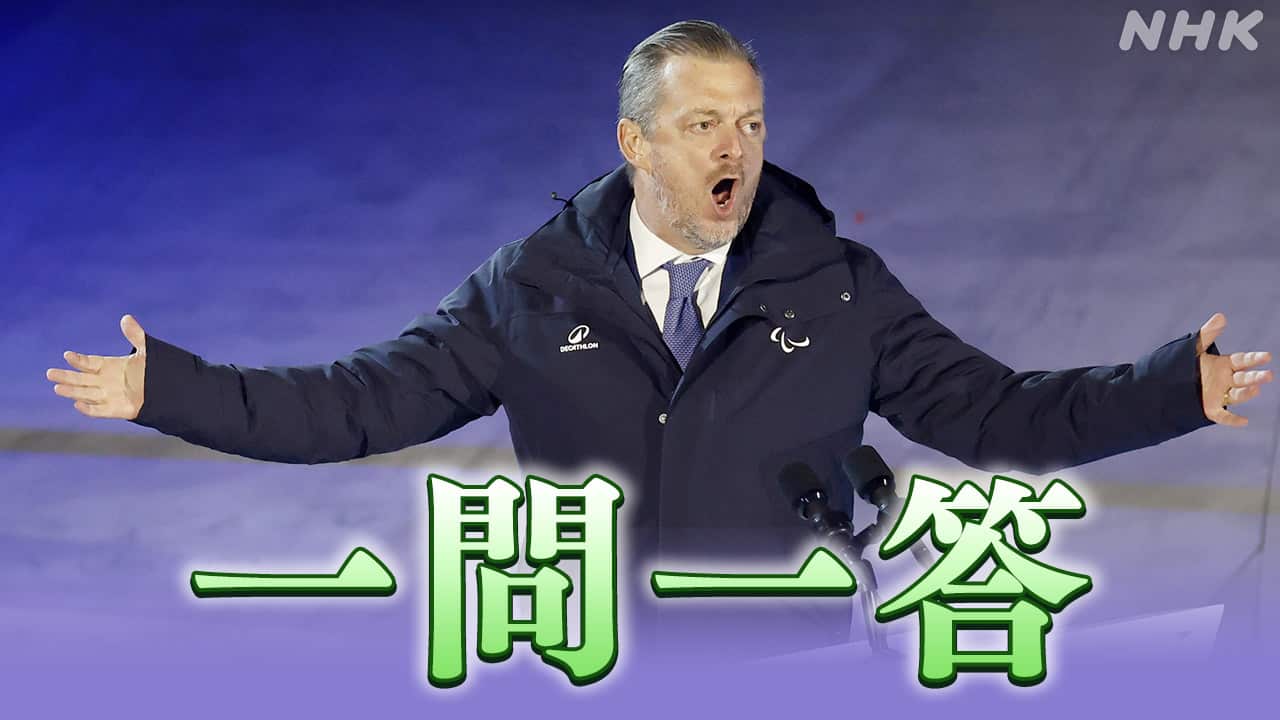
IPC=国際パラリンピック委員会のパーソンズ会長は5日、ミラノ・コルティナ大会についてNHKのインタビューに応じ、ウクライナへの軍事侵攻を続けるロシアとベラルーシの選手が国旗や国歌を使用する国の代表として出場することに反発した複数の国の開会式不参加の動きや前回に続いて国際情勢が緊迫化するなかで開幕する大会で主催者として、どんなメッセージを発信するのかなどについて語りました。
ミラノ・コルティナパラリンピックの日程・結果、最新ニュース、特集記事をお伝えしています
【パーソンズ会長】パラリンピック・ムーブメントの役割は、世界に対して包摂と多様性の強いメッセージを発信することです。つまり、違いの中に強さがあるということです。違いの中に強さがあると言うとき、受容と寛容が非常に重要になります。
戦争や紛争を見ると、スポーツは衝突ではなく別の方法で違いを解決できることを示してくれると私たちは信じています。21世紀になってもなお、国家間の問題を戦争や攻撃、人が命を落とすことによって解決しようとしているのを見るのは残念です。
パラリンピック・ムーブメントの役割は、社会を前に進める別の道があることを示すことです。異なる意見、ジェンダー、政治的立場、障害のある人々を受け入れる社会です。それがパラリンピック・ムーブメントの役割だと思います。
まず第一に、アスリートには競技に集中し、ここで最高の時間を過ごしてほしいと思います。フェアプレーの精神で、楽しみながら、友人を作りながら競ってほしい。もちろん、彼らは競うためにここに来ています。
私からのメッセージは、この機会を最大限に活かし、楽しんでほしいということです。多くの人が長年準備を重ね、アスリートが最高の環境で競技できるようインフラやサービスを整えてきました。
Q.去年9月のIPC総会でロシアとベラルーシのパラリンピック委員会に対する資格停止が完全に解除されたが、その背景には何があると思うか?
【パーソンズ会長】その決定の背景については、資格停止解除に賛成した91のメンバーに聞く必要があります。私は総会では投票せず、議長として会議を進行する立場です。ですので、私にできるのは推測だけです。
しかし、これは91の異なる人物・組織がそれぞれの立場で判断を下した決定だということです。1つの理由として考えられるのは、世界で多くの紛争が起きていることです。
そしてまた、2023年にロシアとベラルーシのNPCが資格停止となった理由は、彼らがIPC憲章に違反したことにあります。つまり、大会やパラリンピック・ムーブメント、そして両国のパラリンピック選手を利用して、ウクライナ侵攻を正当化・推進するための宣伝に使ったということです。
そして、その証拠は総会に提示されました。2025年の時点では、それがIPC憲章に違反していると断定できるほど、証拠はそれほど強いものではありませんでした。たとえ両国が依然として戦争状態にあったとしてもです。
断言するのは難しいですが、世界各地で複数の紛争が起きているという事実が、これらすべてのメンバーが投票する際の意思決定の過程に影響を与えた可能性はあります。
繰り返しになりますが、それを確実に言うのは難しいと思います。というのも、今回の決定は91の異なる組織がそれぞれの意見や見解に基づいて下したものだからです。しかし、私たちは非常に分断された世界に生きています。
また、世界の指導者の意思決定の過程において、寛容さが日常的に見られるわけではない世界に生きています。ですから、現在の世界情勢がこれらの代表の投票に何らかの形で影響を与えた可能性はあると私は思います。というのも、資格停止の解除に賛成した人たちもいれば、解除に反対して投票した人たちもいるからです。
ある意味で、スポーツというものは真空の中で行われているわけではありません。私たちはこの世界の中に生きており、周囲で起きている出来事の影響も受けます。
しかし私たちが心がけているのは、スポーツに焦点を当て続けること、つまりスポーツに集中することです。同時に、人々が外部の要因の影響を受ける可能性があるということも理解しています。
Q.ロシアとベラルーシの選手が国の代表として出場することに反発して開会式に参加しないと表明している国が複数いることについて、どう考えるか?
【パーソンズ会長】7つのナショナル・パラリンピック委員会(NPC)が、政治的な立場を理由に参加しないと決めたことには失望しています。ただ、アスリートが翌日に競技を控えているため、NPCが開会式に出席しないという判断については理解できます。
しかし同時に、スポーツよりも政治を優先するというのは残念なことです。パラリンピックは、障害のある人々を世界の舞台の中心に据える唯一の国際的なイベントだからです。この機会は、世界のパラリンピックアスリート、そしてそれぞれの国のパラリンピックアスリートにとって、2年に一度しかありません。
私自身は、違う決断をしていたと思います。私は長年、ナショナル・パラリンピック委員会(NPC)の会長を務めていました。もし私だったら、別の決断をしていたと思います。
しかし、繰り返しになりますが、彼らの決定は尊重します。私たちは失望しています。私はそれを好ましく思っていません。しかし、それは彼らが決めるべきことであり、彼らはその決定をしたのです。
Q.国際情勢が緊迫化するなかで“平和の祭典”としての大会の意義が改めて問われている。主催者のトップとして、どんなメッセージを世界に発信したいか?
【パーソンズ会長】それについては、開会式まで待っていただく必要があります。しかし、4年が経っても状況が改善していないのは、本当に残念なことだと思います。むしろ状況は悪化しています。
そして、繰り返しになりますが、1人の人間として、私は人類、そして世界の指導者に対して失望を感じざるを得ません。政治であれ、貿易であれ、どのような問題であっても、私たちはその違いを平和的な方法で解決することができていないからです。
これ以上詳しくはお話しできません。というのも、開会式でのスピーチを聞いて驚くようなことにはならないと思いますが、そのメッセージは開会式で伝えたいからです。
ただ、その内容はインクルージョンについてのものです。基本的にはスポーツについてのメッセージです。しかし、それだけでなく平和についてのものでもあります。そしてもちろん、イタリアについてもです。
ミラノ・コルティナパラリンピックの日程・結果、最新ニュース、特集記事をお伝えしています
【パーソンズ会長】パラリンピック・ムーブメントの役割は、世界に対して包摂と多様性の強いメッセージを発信することです。つまり、違いの中に強さがあるということです。違いの中に強さがあると言うとき、受容と寛容が非常に重要になります。
戦争や紛争を見ると、スポーツは衝突ではなく別の方法で違いを解決できることを示してくれると私たちは信じています。21世紀になってもなお、国家間の問題を戦争や攻撃、人が命を落とすことによって解決しようとしているのを見るのは残念です。
パラリンピック・ムーブメントの役割は、社会を前に進める別の道があることを示すことです。異なる意見、ジェンダー、政治的立場、障害のある人々を受け入れる社会です。それがパラリンピック・ムーブメントの役割だと思います。
まず第一に、アスリートには競技に集中し、ここで最高の時間を過ごしてほしいと思います。フェアプレーの精神で、楽しみながら、友人を作りながら競ってほしい。もちろん、彼らは競うためにここに来ています。
私からのメッセージは、この機会を最大限に活かし、楽しんでほしいということです。多くの人が長年準備を重ね、アスリートが最高の環境で競技できるようインフラやサービスを整えてきました。
Q.去年9月のIPC総会でロシアとベラルーシのパラリンピック委員会に対する資格停止が完全に解除されたが、その背景には何があると思うか?
【パーソンズ会長】その決定の背景については、資格停止解除に賛成した91のメンバーに聞く必要があります。私は総会では投票せず、議長として会議を進行する立場です。ですので、私にできるのは推測だけです。
しかし、これは91の異なる人物・組織がそれぞれの立場で判断を下した決定だということです。1つの理由として考えられるのは、世界で多くの紛争が起きていることです。
そしてまた、2023年にロシアとベラルーシのNPCが資格停止となった理由は、彼らがIPC憲章に違反したことにあります。つまり、大会やパラリンピック・ムーブメント、そして両国のパラリンピック選手を利用して、ウクライナ侵攻を正当化・推進するための宣伝に使ったということです。
そして、その証拠は総会に提示されました。2025年の時点では、それがIPC憲章に違反していると断定できるほど、証拠はそれほど強いものではありませんでした。たとえ両国が依然として戦争状態にあったとしてもです。
断言するのは難しいですが、世界各地で複数の紛争が起きているという事実が、これらすべてのメンバーが投票する際の意思決定の過程に影響を与えた可能性はあります。
繰り返しになりますが、それを確実に言うのは難しいと思います。というのも、今回の決定は91の異なる組織がそれぞれの意見や見解に基づいて下したものだからです。しかし、私たちは非常に分断された世界に生きています。
また、世界の指導者の意思決定の過程において、寛容さが日常的に見られるわけではない世界に生きています。ですから、現在の世界情勢がこれらの代表の投票に何らかの形で影響を与えた可能性はあると私は思います。というのも、資格停止の解除に賛成した人たちもいれば、解除に反対して投票した人たちもいるからです。
ある意味で、スポーツというものは真空の中で行われているわけではありません。私たちはこの世界の中に生きており、周囲で起きている出来事の影響も受けます。
しかし私たちが心がけているのは、スポーツに焦点を当て続けること、つまりスポーツに集中することです。同時に、人々が外部の要因の影響を受ける可能性があるということも理解しています。
Q.ロシアとベラルーシの選手が国の代表として出場することに反発して開会式に参加しないと表明している国が複数いることについて、どう考えるか?
【パーソンズ会長】7つのナショナル・パラリンピック委員会(NPC)が、政治的な立場を理由に参加しないと決めたことには失望しています。ただ、アスリートが翌日に競技を控えているため、NPCが開会式に出席しないという判断については理解できます。
しかし同時に、スポーツよりも政治を優先するというのは残念なことです。パラリンピックは、障害のある人々を世界の舞台の中心に据える唯一の国際的なイベントだからです。この機会は、世界のパラリンピックアスリート、そしてそれぞれの国のパラリンピックアスリートにとって、2年に一度しかありません。
私自身は、違う決断をしていたと思います。私は長年、ナショナル・パラリンピック委員会(NPC)の会長を務めていました。もし私だったら、別の決断をしていたと思います。
しかし、繰り返しになりますが、彼らの決定は尊重します。私たちは失望しています。私はそれを好ましく思っていません。しかし、それは彼らが決めるべきことであり、彼らはその決定をしたのです。
Q.国際情勢が緊迫化するなかで“平和の祭典”としての大会の意義が改めて問われている。主催者のトップとして、どんなメッセージを世界に発信したいか?
【パーソンズ会長】それについては、開会式まで待っていただく必要があります。しかし、4年が経っても状況が改善していないのは、本当に残念なことだと思います。むしろ状況は悪化しています。
そして、繰り返しになりますが、1人の人間として、私は人類、そして世界の指導者に対して失望を感じざるを得ません。政治であれ、貿易であれ、どのような問題であっても、私たちはその違いを平和的な方法で解決することができていないからです。
これ以上詳しくはお話しできません。というのも、開会式でのスピーチを聞いて驚くようなことにはならないと思いますが、そのメッセージは開会式で伝えたいからです。
ただ、その内容はインクルージョンについてのものです。基本的にはスポーツについてのメッセージです。しかし、それだけでなく平和についてのものでもあります。そしてもちろん、イタリアについてもです。
Vocabulary
General
Proper noun
JLPT N2
JLPT N1
| # | 言葉 | 意味 |
|---|---|---|
| 6 | 会長 | かいちょう (会長) : president (of a society); chairman |
| 6 | 開会式 | かいかいしき (開会式) : opening ceremony |
| 6 | 私たち | わたしたち (私たち) : we; us |
| 5 | 決定 | けってい (決定) : decision; determination |
| 4 | 大会 | たいかい (大会) : 1. mass meeting; convention; rally; conference; assembly; gathering 2. tournament; competition; contest; meet |
| 4 | 違い | ちがい (違い) : 1. difference; distinction; discrepancy 2. mistake; error |
| 4 | 立場 | たちば (立場) : 1. position; situation 2. viewpoint; standpoint; point of view |
| 4 | 資格 | しかく (資格) : qualifications; requirements; capabilities |
| 4 | 停止 | ていし (停止) : 1. stoppage; coming to a stop; halt; standstill 2. ceasing (movement, activity, etc.); suspension (of operations); interruption (e.g. of electricity supply); cutting off |
| 4 | 解除 | かいじょ (解除) : cancellation; rescinding; release; calling off; lifting (sanctions); delisting |
| 4 | 投票 | とうひょう (投票) : voting; poll |
| 4 | 影響 | えいきょう (影響) : 1. influence; effect 2. to influence; to affect; to have an influence on; to impact; to have an effect on |
| 3 | 選手 | せんしゅ (選手) : player (sports); athlete; team member |
| 3 | 代表 | だいひょう (代表) : 1. representative; representation; delegation; type; example; model 2. switchboard number; main number |
| 3 | 複数 | ふくすう (複数) : plural; multiple; several |
| 3 | 発信 | はっしん (発信) : 1. dispatch; despatch; transmission; submission 2. informing (e.g. of opinion); sharing (thoughts, etc.); telling |
| 3 | 役割 | やくわり (役割) : part; assigning (allotment of) parts; role; duties |
| 3 | つまり | つまり (詰まり) : 1. that is to say; that is; in other words; I mean; that (this, it) means 2. in short; in brief; to sum up; ultimately; in the end; in the long run; when all is said and done; what it all comes down to; when you get right down to it; basically |
| 3 | 紛争 | ふんそう (紛争) : dispute; conflict; trouble; strife |
| 3 | 解決 | かいけつ (解決) : settlement; solution; resolution |
| 3 | 異なる | ことなる (異なる) : to differ; to vary; to disagree |
| 3 | 人々 | ひとびと (人々) : 1. people; men and women 2. each person; everybody |
| 3 | 競技 | きょうぎ (競技) : game; match; contest |
| 3 | 総会 | そうかい (総会) : general meeting |
| 3 | 委員会 | いいんかい (委員会) : committee; commission; board; panel; committee meeting |
| 3 | 起きる | おきる (起きる) : 1. to get up; to rise; to blaze up (fire) 2. to wake up; to be awake; to stay awake |
| 3 | 可能性 | かのうせい (可能性) : potentiality; likelihood; possibility; availability |
| 3 | 繰り返し | くりかえし (繰り返し) : 1. repetition; repeat; reiteration; iteration; refrain; cycle 2. repeatedly |
| 3 | 生きる | いきる (生きる) : 1. to live; to exist 2. to make a living; to subsist |
| 3 | 失望 | しつぼう (失望) : disappointment; despair |
| 2 | 出場 | しゅつじょう (出場) : 1. (stage) appearance; performance 2. participation (e.g. in a tournament) |
| 2 | 反発 | はんぱつ (反発) : 1. opposition; rebellion; revolt; resistance; backlash; refusal 2. rebounding; recoiling; repulsion |
| 2 | 情勢 | じょうせい (情勢) : state of things; state of affairs; condition; situation; circumstances |
| 2 | 緊迫 | きんぱく (緊迫) : tension; strain |
| 2 | 化 | か (化) : action of making something; -ification |
| 2 | 主催者 | しゅさいしゃ (主催者) : sponsor; promoter; impresario; organizer; organiser |
| 2 | 伝える | つたえる (伝える) : to convey; to report; to transmit; to communicate; to tell; to impart; to propagate; to teach; to bequeath |
| 2 | 強さ | つよさ (強さ) : strength; power |
| 2 | 寛容 | かんよう (寛容) : tolerance; open-mindedness; forbearance; generosity; magnanimity |
| 2 | 非常 | ひじょう (非常) : 1. emergency 2. extraordinary; unusual |
| 2 | 方法 | ほうほう (方法) : method; process; manner; way; means; technique |
| 2 | 示す | しめす (示す) : 1. to (take out and) show; to demonstrate; to tell; to exemplify; to make apparent 2. to point out (finger, clock hand, needle, etc.) |
| 2 | 政治的 | せいじてき (政治的) : political |
| 2 | 障害 | しょうがい (障害) : 1. obstacle; impediment; hindrance; difficulty; barrier 2. handicap; impairment; disability; disorder; malfunction |
| 2 | 集中 | しゅうちゅう (集中) : 1. concentration; focusing; convergence; centralization; integration; gathering together 2. within a collection of works |
| 2 | 最高 | さいこう (最高) : 1. most; highest; maximum; uppermost; supreme 2. best; wonderful; finest |
| 2 | 競う | きそう (競う) : to compete; to contend; to vie; to contest |
| 2 | 長年 | ながねん (長年) : long time; many years |
| 2 | 背景 | はいけい (背景) : 1. background; scenery; backdrop; setting 2. background (of an incident, situation, etc.); circumstances; context |
| 2 | 賛成 | さんせい (賛成) : approval; agreement; support; favour; favor |
| 2 | 組織 | そしき (組織) : 1. organization; organisation; formation 2. structure; construction; setup; constitution |
| 2 | 判断 | はんだん (判断) : 1. judgment; judgement; decision; conclusion; adjudication 2. divination |
| 2 | 下す | くだす (下す) : 1. to make a decision; to draw a conclusion 2. to give a judgement; to hand down a verdict; to pass a sentence; to give an order |
| 2 | 憲章 | けんしょう (憲章) : charter |
| 2 | 違反 | いはん (違反) : violation; offense; offence; breach; transgression; infringement; contravention |
| 2 | 両国 | りょうこく (両国) : 1. both countries 2. Ryōgoku (area of Tokyo) |
| 2 | 証拠 | しょうこ (証拠) : evidence; proof |
| 2 | 意思決定 | いしけってい (意思決定) : decision-making |
| 2 | 過程 | かてい (過程) : process; course; mechanism |
| 2 | 与える | あたえる (与える) : 1. to give (esp. to someone of lower status); to bestow; to grant; to confer; to present; to award 2. to provide; to afford; to offer; to supply |
| 2 | 指導者 | しどうしゃ (指導者) : leader; guide; mentor; coach |
| 2 | 同時 | どうじ (同時) : simultaneous; concurrent; same time; synchronous; together |
| 2 | 理解 | りかい (理解) : understanding; comprehension; appreciation; sympathy |
| 2 | 参加 | さんか (参加) : participation; joining; entry; adherence |
| 2 | ただ | ただ (只) : 1. ordinary; common; usual 2. free of charge |
| 2 | 決断 | けつだん (決断) : decision; determination |
| 2 | 平和 | へいわ (平和) : peace; harmony |
| 2 | 状況 | じょうきょう (状況) : state of affairs (around you); situation; circumstances |
| 1 | 国際 | こくさい (国際) : 1. international 2. diplomatic intercourse |
| 1 | 応ずる | おうずる (応ずる) : 1. to answer; to respond; to meet 2. to satisfy; to accept |
| 1 | 国旗 | こっき (国旗) : national flag |
| 1 | 国歌 | こっか (国歌) : national anthem |
| 1 | 使用 | しよう (使用) : use; application; employment; utilization; utilisation |
| 1 | 不参加 | ふさんか (不参加) : abstention; nonparticipation |
| 1 | 動き | うごき (動き) : 1. movement; move; motion 2. trend; development; change; fluctuation |
| 1 | 前回 | ぜんかい (前回) : previous time; last time; previous installment; previous instalment; previous session |
| 1 | 開幕 | かいまく (開幕) : 1. raising the curtain 2. opening (of an event); start of a season |
| 1 | 語る | かたる (語る) : 1. to talk about; to speak of; to tell; to narrate 2. to recite; to chant |
| 1 | 日程 | にってい (日程) : schedule; program; programme; agenda |
| 1 | 結果 | けっか (結果) : 1. result; consequence; outcome; effect 2. coming to fruition; bearing fruit |
| 1 | 最新 | さいしん (最新) : latest; newest; late-breaking (news) |
| 1 | 特集記事 | とくしゅうきじ (特集記事) : special feature article |
| 1 | 包摂 | ほうせつ (包摂) : subsumption; connotation; inclusion; encompassing |
| 1 | 多様性 | たようせい (多様性) : diversity; variety |
| 1 | 受容 | じゅよう (受容) : reception |
| 1 | 重要 | じゅうよう (重要) : important; momentous; essential; principal; major |
| 1 | 衝突 | しょうとつ (衝突) : 1. collision; crash; running into 2. conflict; quarrel; clashing |
| 1 | 信ずる | しんずる (信ずる) : to believe; to believe in; to place trust in; to confide in; to have faith in |
| 1 | 世紀 | せいき (世紀) : 1. century 2. era |
| 1 | なお | なお (尚) : 1. still; yet 2. more; still more; greater; further |
| 1 | 国家間 | こっかかん (国家間) : cross-national |
| 1 | 攻撃 | こうげき (攻撃) : 1. attack; assault; raid; onslaught; offensive 2. criticism; censure; denunciation; condemnation |
| 1 | 命 | いのち (命) : 1. life; life force 2. lifetime; lifespan |
| 1 | 落とす | おとす (落とす) : 1. to drop; to lose; to let fall; to shed (light); to cast (one's gaze); to pour in (liquid); to leave behind 2. to clean off (dirt, makeup, paint, etc.); to remove (e.g. stains or facial hair); to lose; to spend money at a certain place; to omit; to leave out; to secretly let escape |
| 1 | 進める | すすめる (進める) : 1. to advance; to move forward; to put (a clock, watch) forward 2. to carry forward (plans, work, etc.); to proceed with; to make progress in; to further; to advance; to hasten; to speed up |
| 1 | 受け入れる | うけいれる (受け入れる) : to accept; to receive; to agree |
| 1 | 第 | だい (第) : prefix for forming ordinal numbers |
| 1 | 過ごす | すごす (過ごす) : 1. to pass (time); to spend 2. to overdo (esp. of one's alcohol consumption); to drink (alcohol) |
| 1 | 精神 | せいしん (精神) : 1. mind; spirit; soul; heart; ethos 2. attitude; mentality; will; intention |
| 1 | 友人 | ゆうじん (友人) : friend |
| 1 | 作る | つくる (作る) : 1. to make; to produce; to manufacture; to build; to construct 2. to prepare (food); to brew (alcohol) |
| 1 | 最大限 | さいだいげん (最大限) : 1. maximum 2. to the maximum degree; to the full |
| 1 | 活かす | いかす (生かす) : 1. to make (the best) use of; to put to good use; to leverage (skills, attributes, experience, etc.); to capitalise on (experience, etc.) 2. to let live; to keep alive |
| 1 | 楽しむ | たのしむ (楽しむ) : to enjoy (oneself) |
| 1 | 重ねる | かさねる (重ねる) : 1. to pile up; to heap up; to stack up; to put on top of another 2. to repeat many times over; to go through repeatedly; to accumulate |
| 1 | 環境 | かんきょう (環境) : environment; circumstance |
| 1 | 整える | ととのえる (整える) : 1. to put in order; to arrange; to tidy up; to straighten; to adjust; to fix 2. to get ready; to prepare; to arrange; to supply; to assemble; to buy |
| 1 | 完全 | かんぜん (完全) : perfect; complete |
| 1 | 議長 | ぎちょう (議長) : chair; chairman; chairperson; speaker (of an assembly); president (of a council, senate, etc.) |
| 1 | 進行 | しんこう (進行) : 1. moving forward (e.g. vehicle); onward movement 2. advance (work, procedure, etc.); advancement; progress |
| 1 | 推測 | すいそく (推測) : guess; conjecture |
| 1 | 人物 | じんぶつ (人物) : 1. person; character; figure; personage; man; woman 2. one's character; one's personality |
| 1 | 考える | かんがえる (考える) : 1. to think (about, of); to think over; to ponder; to contemplate; to reflect (on); to meditate (on) 2. to consider; to bear in mind; to allow for; to take into consideration |
| 1 | 侵攻 | しんこう (侵攻) : invasion |
| 1 | 正当化 | せいとうか (正当化) : justification; warrant |
| 1 | 推進 | すいしん (推進) : 1. propulsion; drive 2. promotion (e.g. of a government policy); furtherance; implementation |
| 1 | 宣伝 | せんでん (宣伝) : publicity; advertisement; advertising; propaganda |
| 1 | 提示 | ていじ (提示) : presentation; exhibit; suggest; citation |
| 1 | 時点 | じてん (時点) : point in time; occasion |
| 1 | 断定 | だんてい (断定) : 1. conclusion; decision; judgement; declaration 2. affirmative |
| 1 | たとえ | たとえ (例え) : 1. example 2. simile; metaphor; allegory; fable; parable |
| 1 | 依然 | いぜん (依然) : still; as yet; as it has been |
| 1 | 戦争状態 | せんそうじょうたい (戦争状態) : (enter into, be in) a state of war |
| 1 | 断言 | だんげん (断言) : assertion; declaration; affirmation |
| 1 | 世界各地 | せかいかくち (世界各地) : every part of the world; all over the world; the four corners of the world |
| 1 | 事実 | じじつ (事実) : fact; truth; reality |
| 1 | 際 | きわ (際) : 1. edge; brink; verge; side 2. time; moment of |
| 1 | 確実 | かくじつ (確実) : certain; sure; definite; reliable; sound; solid; safe; secure |
| 1 | 見解 | けんかい (見解) : opinion; point of view |
| 1 | 基づく | もとづく (基づく) : to be grounded on; to be based on; to be due to; to originate from |
| 1 | 分断 | ぶんだん (分断) : dividing into parts |
| 1 | 日常的 | にちじょうてき (日常的) : mundane; routine; everyday; unremarkable; common; day-to-day |
| 1 | 現在 | げんざい (現在) : now; current; present; present time; as of |
| 1 | 世界情勢 | せかいじょうせい (世界情勢) : world situation; world affairs |
| 1 | 真空 | しんくう (真空) : vacuum; hollow; empty |
| 1 | 周囲 | しゅうい (周囲) : 1. surroundings; environs 2. circumference |
| 1 | 出来事 | できごと (出来事) : incident; affair; happening; event |
| 1 | 心がける | こころがける (心がける) : to keep in mind; to bear in mind; to try; to aim to do; to endeavor; to endeavour |
| 1 | 焦点 | しょうてん (焦点) : focus (e.g. photographic); focal point |
| 1 | 当てる | あてる (当てる) : 1. to hit 2. to expose |
| 1 | 外部 | がいぶ (外部) : 1. outside (e.g. of a building); exterior 2. outside (of a group, company, etc.); outside world |
| 1 | 要因 | よういん (要因) : main cause; primary factor |
| 1 | 表明 | ひょうめい (表明) : declaration; indication; representation; manifestation; demonstration; expression; announcement; assertion |
| 1 | 決める | きめる (決める) : 1. to decide; to choose; to determine; to make up one's mind; to resolve; to set one's heart on; to settle; to arrange; to set; to appoint; to fix 2. to clinch (a victory); to decide (the outcome of a match) |
| 1 | 翌日 | よくじつ (翌日) : next day |
| 1 | 控える | ひかえる (控える) : 1. to be temperate in; to refrain; to abstain; to hold back; to restrain oneself from excessive ... 2. to make notes; to jot down (e.g. phone number) |
| 1 | 優先 | ゆうせん (優先) : preference; priority; precedence |
| 1 | 舞台 | ぶたい (舞台) : 1. stage (theatre, theater) 2. scene or setting (e.g. of novel, play, etc.) |
| 1 | 中心 | ちゅうしん (中心) : 1. center; centre; middle; heart; core; focus; pivot; emphasis; balance 2. -centered; -centred; -focused; -oriented; centered on; focused on |
| 1 | 据える | すえる (据える) : 1. to place (in position); to fix; to set (e.g. table); to lay (foundation) 2. to install; to seat (someone) |
| 1 | 唯一 | ゆいいつ (唯一) : only; sole; unique |
| 1 | 国際的 | こくさいてき (国際的) : international |
| 1 | 私自身 | わたしじしん (私自身) : myself |
| 1 | 務める | つとめる (勤める) : 1. to work (for); to be employed (at); to serve (in) 2. to serve (as); to act (as); to fill (the position of); to play the role (of) |
| 1 | 尊重 | そんちょう (尊重) : respect; esteem; regard |
| 1 | 祭典 | さいてん (祭典) : festival |
| 1 | 意義 | いぎ (意義) : meaning; significance |
| 1 | 改めて | あらためて (改めて) : 1. another time; again; over again; once again; anew 2. formally; especially; intentionally; deliberately |
| 1 | 問う | とう (問う) : 1. to ask; to inquire 2. to blame (someone) for; to accuse of; to pursue (question of responsibility); to charge with |
| 1 | 待つ | まつ (待つ) : 1. to wait 2. to await; to look forward to; to anticipate |
| 1 | 経つ | たつ (経つ) : to pass (of time); to elapse |
| 1 | 改善 | かいぜん (改善) : 1. betterment; improvement 2. kaizen (Japanese business philosophy of continuous improvement) |
| 1 | 本当 | ほんとう (本当) : 1. truth; reality; actuality; fact 2. proper; right; correct; official |
| 1 | むしろ | むしろ (寧ろ) : rather; better; instead; if anything |
| 1 | 悪化 | あっか (悪化) : (suffer) deterioration; growing worse; aggravation; degeneration; corruption |
| 1 | 人間 | にんげん (人間) : 1. human being; human; person; man; mankind; humankind 2. character (of a person) |
| 1 | 人類 | じんるい (人類) : mankind; humanity |
| 1 | 感ずる | かんずる (感ずる) : to feel; to sense |
| 1 | 平和的 | へいわてき (平和的) : peaceful |
| 1 | 詳しく | くわしく (詳しく) : in detail; fully; minutely; at length |
| 1 | 聞く | きく (聞く) : 1. to hear 2. to listen (e.g. to music) |
| 1 | 内容 | ないよう (内容) : contents; content; substance; matter; detail; import |
| 1 | 基本的 | きほんてき (基本的) : fundamental; basic |