新入社員の給料が年々上昇 既存社員の待遇改善も新たな課題に
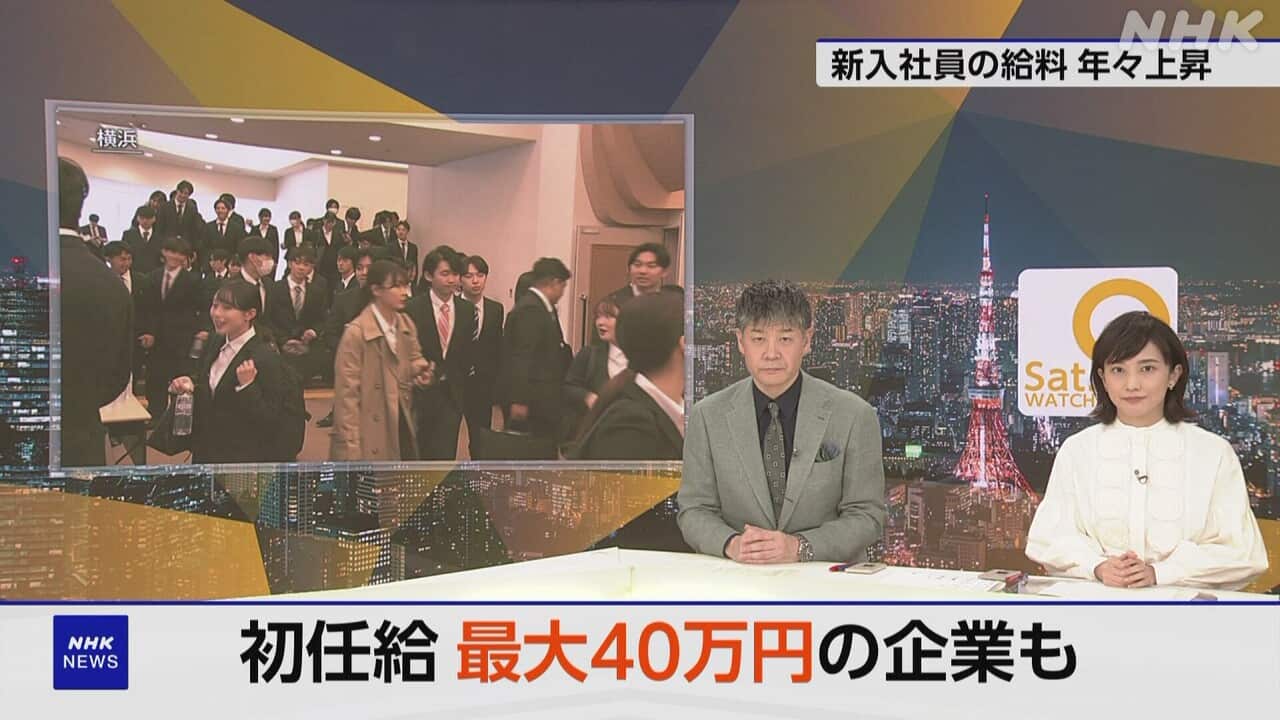
新年度を迎え今週、多くの企業が入社式を行いました。その主役の新入社員の給料は人手不足などを背景に年々上昇。初任給を最大で月40万円に引き上げた企業もあります。
東京 港区に本社がある家電量販店大手の「ノジマ」は、優秀な人を確保しようと、この春、「出る杭入社」と呼ぶ新たな制度を始めました。
この制度の対象となることしの新入社員は、学生時代にこの会社で1年以上アルバイトをし、現場責任者を務めるなどの店舗運営の経験や取り扱う商品の知識が豊富なことなどが条件です。
一般の新入社員の初任給が34万4000円なのに対して、「出る杭入社」の対象者は能力に応じて加算され、最大で40万円が支給されます。
このうち25人が「出る杭入社」で採用され、初任給が月40万円の人が4人いるということです。
この4人のうちの1人、田中翔馬さん(24)は、学生時代の4年間、アルバイトをしてきました。
店舗で週5日働き、エアコンやテレビなど季節商品を販売する責任者として7人の部下の指導や管理を任されていた田中さん。
この日、担当外の冷蔵庫についてお客さんから尋ねられると、どのような性能のものを求めているかなど丁寧に聞き取り、各メーカーの商品を比較し、それぞれの良さを説明しながら、商品を勧めていました。
田中さんは自分の担当だけでなくそのほかのものを含めて、新しい商品が入荷すれば接客の合間などに機能や使い方を覚えるようにしているということです。
会社によりますと、田中さんの接客を受けたお客さんの中には、再び来店したときに「田中さんの説明を聞いて買いたい」と指名する人が少なくないということです。
この会社では、店舗で扱うすべてのメーカーの商品を公平に扱おうと、メーカーの販売員に頼らずに、自社の従業員が商品を説明して販売するというスタイルを取っています。
そのため、優秀な学生アルバイトが同業他社に就職しないようつなぎ止めて、自社の社員としてさらに活躍してもらいたいと「出る杭入社」の制度を始めたということです。
田中さんは「これまでやってきたことが認められたと感じて素直にうれしい一方、責任もあると思っています。誰が見ても『この人は努力して頑張っているよね』と思ってもらえる、周りからそう評価される社会人になりたいです」と話していました。
会社の広報担当の高橋実奈さんは「良い人材や努力や挑戦ができる人材には会社としても報いたいという思いで今回、初任給を引き上げました。店舗数も増えてきているので、良い人材にはたくさん入っていただき貢献してもらいたいです」と話していました。
厚生労働省の「賃金構造基本統計調査」によりますと、大学を卒業した新入社員の給料は、去年は平均で月額26万2300円でした。
現在の方法で統計を取り始めた2020年と去年を比べると3万6300円増えていて、最も高い金額になりました。
こうした背景について厚生労働省は「売り手市場で企業側の採用意欲が高い状態が続いている」としています。
そのうえで「学生を採用できないという中小企業の声も聞いていて、厚生労働省としてもハローワークを通じて人手不足対策に引き続き取り組んでいきたい」としています。
厚生労働省の「賃金構造基本統計調査」をもとに69歳以下の一般労働者の給料について、去年とその5年前の2020年を比べました。
具体的には19歳以下が16%、20歳から24歳が14.5%、25歳から29歳が14.2%、30歳から34歳が13.8%、35歳から39歳が11.6%、40歳から44歳が10.5%、45歳から49歳が8.8%、50歳から54歳が5.7%、55歳から59歳が7.5%、60歳から64歳が13.8%、65歳から69歳が10.8%となりました。
こうした状況について、第一ライフ資産運用経済研究所の新家義貴シニアエグゼクティブエコノミストは、「若い世代の人手不足が最大の要因で、給与を上げなければ、良い人材が入ってこない、あるいは既存社員がほかの企業に流出してしまうのが現状だ。50代の社員は転職する人も少ないことから、企業としては限られた原資を若手に割かざるをえない状況が如実に出ている結果だ」としています。
そのうえで「50代は住宅ローンの支払いがまだ残っている人が多く、子どもがいる家庭はまだ教育費もかかることから生活は大変だ。年代で差が広がらないよう国全体で考えていかなければならない」と話していました。
初任給を引き上げる動きがある一方で、すでに働いている社員たちの待遇改善が新たな課題となっています。
こうしたなか、箸を製造する熊本県の会社は、社員が希望する給料を伝えて社長と話し合う制度を取り入れました。
人手不足のなか、ほかの会社に人材の獲得競争で負けないよう、地域の水準にあわせて去年までの5年間で初任給をおよそ4万5000円引き上げて19万円ほどにしました。
その結果、入社4年目の社員の給料と同じ水準となってしまい、山崎彰悟社長は、職場からやるせなさを感じるという声が出たり、会社を支える人材が流出したりするのではと危機感を抱いたといいます。
しかし、初任給に応じてほかの社員の給料を上げ続けるといつか限界がくることや、全員が給料をアップした分の成果を出すとは限らないことも考えられました。
この制度は、社員が希望する給料の額とともにこれからの仕事の目標や大切にしたい価値観など専用のシートに記入したうえで、社長と2回面談します。
面談では、目標と金額が見合っているか話し合い、社長は期待したい仕事や役割を伝えます。
社員の1人で入社13年目の雪野真理子さん(43)は、夫と子ども3人、それに夫の両親とあわせて7人で暮らしています。
物価高の影響で日々の生活にかかるお金が増え、給料を少し上げてほしいと考えて、面談に臨みました。
具体的にはできあがった箸の素材となる竹にシミがないかチェックし、完成したものを1本ずつ見て、色合いが同じものを2本そろえてシールで巻いて1膳にしています。
不良品を見極める力や相性のよい2本を選び出す技の習得には時間がかかり、一人前になるまで4年から5年かかるということです。
それに対して、山崎社長から「出荷までの体制を改善できないだろうか」と相談され、雪野さんは「自分が責任を持って取り組みます」と約束すると、それならばリーダーとして頑張ってほしいと満額回答を得ました。
これまで、注文が入ってから検品を行っていたため発送までに時間がかかり、新規の注文を断るケースがあったのです。
そこで、あらかじめ検品まで終わらせて在庫を準備しておく仕組みにすればと提案しました。
報告を受けた山崎社長は、会社にとっては在庫を抱えることになるものの、売り上げアップにつながると判断し、この提案を受け入れました。
雪野さんは「自分で『いくらほしいです』と言った分、責任を持った行動をしないといけないと感じます。申告した額に見合う働き方、恥ずかしくない働き方をして会社に貢献し、その結果、給料が上がるのは家族のため、自分のためでもあるので、そこは頑張りたいなと思います」と話していました。
今回の制度の導入で、会社の人件費は年間およそ1100万円増える見込みですが、雪野さんのようにみずから主体的に考えて行動する社員が増えたといいます。
社員の提案で先月には隣の福岡県大牟田市のハンドメイド作家などを招き、会社の知名度アップと新たな顧客を開拓するイベントを開きました。
社員の中にはこうした取り組みを通じて感じたことや行動した結果を同僚たちにフィードバックする人もいて、社内の雰囲気も徐々に変わってきているということです。
そして、面談では給料のアップではなく「扶養の範囲内で働きたい」とか「親の介護を両立したいので、働く時間を減らしたい」と話をして月給制から時給制に変えた人や勤務日を減らした人もいて、社員の多様な働き方の実現にもつながっているといいます。
「ヤマチク」の山崎社長は、「会社が給与を決める以上、不安や不満はなくならないと思い、制度の導入を決めました。自分で申告した額を会社が払えない場合は離職してしまうリスクを抱えますが、働く側も雇う側も覚悟の交換をし、信頼関係のもと、これから貢献するであろう約束に会社として投資をしたという考え方で、この1年長い目で見守っていきたいと思います」と話していました。
東京 港区に本社がある家電量販店大手の「ノジマ」は、優秀な人を確保しようと、この春、「出る杭入社」と呼ぶ新たな制度を始めました。
この制度の対象となることしの新入社員は、学生時代にこの会社で1年以上アルバイトをし、現場責任者を務めるなどの店舗運営の経験や取り扱う商品の知識が豊富なことなどが条件です。
一般の新入社員の初任給が34万4000円なのに対して、「出る杭入社」の対象者は能力に応じて加算され、最大で40万円が支給されます。
このうち25人が「出る杭入社」で採用され、初任給が月40万円の人が4人いるということです。
この4人のうちの1人、田中翔馬さん(24)は、学生時代の4年間、アルバイトをしてきました。
店舗で週5日働き、エアコンやテレビなど季節商品を販売する責任者として7人の部下の指導や管理を任されていた田中さん。
この日、担当外の冷蔵庫についてお客さんから尋ねられると、どのような性能のものを求めているかなど丁寧に聞き取り、各メーカーの商品を比較し、それぞれの良さを説明しながら、商品を勧めていました。
田中さんは自分の担当だけでなくそのほかのものを含めて、新しい商品が入荷すれば接客の合間などに機能や使い方を覚えるようにしているということです。
会社によりますと、田中さんの接客を受けたお客さんの中には、再び来店したときに「田中さんの説明を聞いて買いたい」と指名する人が少なくないということです。
この会社では、店舗で扱うすべてのメーカーの商品を公平に扱おうと、メーカーの販売員に頼らずに、自社の従業員が商品を説明して販売するというスタイルを取っています。
そのため、優秀な学生アルバイトが同業他社に就職しないようつなぎ止めて、自社の社員としてさらに活躍してもらいたいと「出る杭入社」の制度を始めたということです。
田中さんは「これまでやってきたことが認められたと感じて素直にうれしい一方、責任もあると思っています。誰が見ても『この人は努力して頑張っているよね』と思ってもらえる、周りからそう評価される社会人になりたいです」と話していました。
会社の広報担当の高橋実奈さんは「良い人材や努力や挑戦ができる人材には会社としても報いたいという思いで今回、初任給を引き上げました。店舗数も増えてきているので、良い人材にはたくさん入っていただき貢献してもらいたいです」と話していました。
厚生労働省の「賃金構造基本統計調査」によりますと、大学を卒業した新入社員の給料は、去年は平均で月額26万2300円でした。
現在の方法で統計を取り始めた2020年と去年を比べると3万6300円増えていて、最も高い金額になりました。
こうした背景について厚生労働省は「売り手市場で企業側の採用意欲が高い状態が続いている」としています。
そのうえで「学生を採用できないという中小企業の声も聞いていて、厚生労働省としてもハローワークを通じて人手不足対策に引き続き取り組んでいきたい」としています。
厚生労働省の「賃金構造基本統計調査」をもとに69歳以下の一般労働者の給料について、去年とその5年前の2020年を比べました。
具体的には19歳以下が16%、20歳から24歳が14.5%、25歳から29歳が14.2%、30歳から34歳が13.8%、35歳から39歳が11.6%、40歳から44歳が10.5%、45歳から49歳が8.8%、50歳から54歳が5.7%、55歳から59歳が7.5%、60歳から64歳が13.8%、65歳から69歳が10.8%となりました。
こうした状況について、第一ライフ資産運用経済研究所の新家義貴シニアエグゼクティブエコノミストは、「若い世代の人手不足が最大の要因で、給与を上げなければ、良い人材が入ってこない、あるいは既存社員がほかの企業に流出してしまうのが現状だ。50代の社員は転職する人も少ないことから、企業としては限られた原資を若手に割かざるをえない状況が如実に出ている結果だ」としています。
そのうえで「50代は住宅ローンの支払いがまだ残っている人が多く、子どもがいる家庭はまだ教育費もかかることから生活は大変だ。年代で差が広がらないよう国全体で考えていかなければならない」と話していました。
初任給を引き上げる動きがある一方で、すでに働いている社員たちの待遇改善が新たな課題となっています。
こうしたなか、箸を製造する熊本県の会社は、社員が希望する給料を伝えて社長と話し合う制度を取り入れました。
人手不足のなか、ほかの会社に人材の獲得競争で負けないよう、地域の水準にあわせて去年までの5年間で初任給をおよそ4万5000円引き上げて19万円ほどにしました。
その結果、入社4年目の社員の給料と同じ水準となってしまい、山崎彰悟社長は、職場からやるせなさを感じるという声が出たり、会社を支える人材が流出したりするのではと危機感を抱いたといいます。
しかし、初任給に応じてほかの社員の給料を上げ続けるといつか限界がくることや、全員が給料をアップした分の成果を出すとは限らないことも考えられました。
この制度は、社員が希望する給料の額とともにこれからの仕事の目標や大切にしたい価値観など専用のシートに記入したうえで、社長と2回面談します。
面談では、目標と金額が見合っているか話し合い、社長は期待したい仕事や役割を伝えます。
社員の1人で入社13年目の雪野真理子さん(43)は、夫と子ども3人、それに夫の両親とあわせて7人で暮らしています。
物価高の影響で日々の生活にかかるお金が増え、給料を少し上げてほしいと考えて、面談に臨みました。
具体的にはできあがった箸の素材となる竹にシミがないかチェックし、完成したものを1本ずつ見て、色合いが同じものを2本そろえてシールで巻いて1膳にしています。
不良品を見極める力や相性のよい2本を選び出す技の習得には時間がかかり、一人前になるまで4年から5年かかるということです。
それに対して、山崎社長から「出荷までの体制を改善できないだろうか」と相談され、雪野さんは「自分が責任を持って取り組みます」と約束すると、それならばリーダーとして頑張ってほしいと満額回答を得ました。
これまで、注文が入ってから検品を行っていたため発送までに時間がかかり、新規の注文を断るケースがあったのです。
そこで、あらかじめ検品まで終わらせて在庫を準備しておく仕組みにすればと提案しました。
報告を受けた山崎社長は、会社にとっては在庫を抱えることになるものの、売り上げアップにつながると判断し、この提案を受け入れました。
雪野さんは「自分で『いくらほしいです』と言った分、責任を持った行動をしないといけないと感じます。申告した額に見合う働き方、恥ずかしくない働き方をして会社に貢献し、その結果、給料が上がるのは家族のため、自分のためでもあるので、そこは頑張りたいなと思います」と話していました。
今回の制度の導入で、会社の人件費は年間およそ1100万円増える見込みですが、雪野さんのようにみずから主体的に考えて行動する社員が増えたといいます。
社員の提案で先月には隣の福岡県大牟田市のハンドメイド作家などを招き、会社の知名度アップと新たな顧客を開拓するイベントを開きました。
社員の中にはこうした取り組みを通じて感じたことや行動した結果を同僚たちにフィードバックする人もいて、社内の雰囲気も徐々に変わってきているということです。
そして、面談では給料のアップではなく「扶養の範囲内で働きたい」とか「親の介護を両立したいので、働く時間を減らしたい」と話をして月給制から時給制に変えた人や勤務日を減らした人もいて、社員の多様な働き方の実現にもつながっているといいます。
「ヤマチク」の山崎社長は、「会社が給与を決める以上、不安や不満はなくならないと思い、制度の導入を決めました。自分で申告した額を会社が払えない場合は離職してしまうリスクを抱えますが、働く側も雇う側も覚悟の交換をし、信頼関係のもと、これから貢献するであろう約束に会社として投資をしたという考え方で、この1年長い目で見守っていきたいと思います」と話していました。
Vocabulary
General
Proper noun
JLPT N2
JLPT N1
| # | 言葉 | 意味 |
|---|---|---|
| 13 | 社員 | しゃいん (社員) : 1. company employee 2. member of a corporation; company stockholder (esp. in legal contexts) |
| 11 | 給料 | きゅうりょう (給料) : salary; wages; pay |
| 7 | 初任給 | しょにんきゅう (初任給) : initial salary |
| 7 | 制度 | せいど (制度) : system; institution; organization; organisation |
| 6 | 入社 | にゅうしゃ (入社) : joining a company; getting a job with a company; entering a company |
| 6 | 商品 | しょうひん (商品) : commodity; article of commerce; goods; stock; merchandise |
| 6 | 田中 | たなか (田中) : Tanaka (place; surname; fem) |
| 6 | 人材 | じんざい (人材) : 1. capable person; talented person 2. human resources; personnel |
| 5 | 企業 | きぎょう (企業) : enterprise; business; company; corporation |
| 5 | さん | さん : 1. Mr.; Mrs.; Miss; Ms.; -san 2. politeness marker |
| 4 | 新入社員 | しんにゅうしゃいん (新入社員) : new employee; freshman employee; new hire |
| 4 | 人手不足 | ひとでぶそく (人手不足) : labour shortage; labor shortage; shortage of workers; shortage of hands |
| 4 | 引き上げる | ひきあげる (引き上げる) : 1. to pull up; to drag up; to lift up 2. to increase; to raise (e.g. taxes) |
| 4 | 杭 | くい (杭) : 1. stake; post; pile; picket 2. stump |
| 4 | 店舗 | てんぽ (店舗) : shop; store |
| 4 | 増える | ふえる (増える) : to increase; to multiply |
| 4 | 厚生労働省 | こうせいろうどうしょう (厚生労働省) : Ministry of Health, Labour and Welfare |
| 4 | 結果 | けっか (結果) : 1. result; consequence; outcome; effect 2. coming to fruition; bearing fruit |
| 4 | 考える | かんがえる (考える) : 1. to think (about, of); to think over; to ponder; to contemplate; to reflect (on); to meditate (on) 2. to consider; to bear in mind; to allow for; to take into consideration |
| 4 | 山崎 | やまさ (山崎) : Yamasa (surname) |
| 4 | 面談 | めんだん (面談) : interview |
| 4 | 雪野 | ゆきの (雪野) : Yukino (place; surname; fem) |
| 3 | 最大 | さいだい (最大) : biggest; greatest; largest; maximum |
| 3 | 新た | あらた (新た) : new; fresh; novel |
| 3 | 採用 | さいよう (採用) : 1. use; adoption; acceptance 2. appointment; employment; engagement; recruitment |
| 3 | 年間 | ねんかん (年間) : 1. (period of) a year 2. during an era |
| 3 | 働く | はたらく (働く) : 1. to work; to labor; to labour 2. to function; to operate; to be effective; to work (i.e. ... works); to come into play |
| 3 | 担当 | たんとう (担当) : being in charge (of an area of responsibility); being responsible (for a work role, etc.) |
| 3 | 感ずる | かんずる (感ずる) : to feel; to sense |
| 3 | 責任 | せきにん (責任) : 1. duty; responsibility (incl. supervision of staff) 2. liability; onus |
| 3 | 頑張る | がんばる (頑張る) : 1. to persevere; to persist; to keep at it; to hang on; to hold out; to do one's best 2. to insist that; to stick to (one's opinion) |
| 3 | 貢献 | こうけん (貢献) : contribution (furthering a goal or cause); services (to a cause) |
| 3 | 統計 | とうけい (統計) : statistics |
| 3 | 額 | がく (額) : 1. (picture) frame; framed picture 2. amount (esp. of money); sum |
| 3 | 提案 | ていあん (提案) : proposal; proposition; suggestion |
| 3 | 行動 | こうどう (行動) : action; conduct; behaviour; behavior; mobilization; mobilisation |
| 3 | 働き方 | はたらきかた (働き方) : work style; way of working |
| 2 | 背景 | はいけい (背景) : 1. background; scenery; backdrop; setting 2. background (of an incident, situation, etc.); circumstances; context |
| 2 | 優秀 | ゆうしゅう (優秀) : superior; excellent; brilliant; outstanding |
| 2 | 学生時代 | がくせいじだい (学生時代) : student days |
| 2 | 責任者 | せきにんしゃ (責任者) : person in charge (including a supervisory role for other staff); person responsible for ...; responsible party; supervisor; manager |
| 2 | 応ずる | おうずる (応ずる) : 1. to answer; to respond; to meet 2. to satisfy; to accept |
| 2 | 販売 | はんばい (販売) : sales; selling; marketing |
| 2 | お客さん | おきゃくさん (お客さん) : 1. guest; visitor 2. customer; client; shopper; spectator; audience; tourist; sightseer; passenger |
| 2 | 接客 | せっきゃく (接客) : serving customers; looking after visitors; reception |
| 2 | 聞く | きく (聞く) : 1. to hear 2. to listen (e.g. to music) |
| 2 | 扱う | あつかう (扱う) : 1. to deal with (a person); to treat; to handle; to take care of; to entertain 2. to deal with (a problem); to handle; to manage |
| 2 | 自社 | じしゃ (自社) : 1. one's company; company one works for 2. in-house; belonging to the company |
| 2 | 取る | とる (取る) : 1. to take; to pick up; to grab; to catch 2. to pass; to hand; to give |
| 2 | 努力 | どりょく (努力) : effort; exertion; endeavour; endeavor; hard work; striving |
| 2 | 賃金 | ちんぎん (賃金) : 1. wages; pay 2. rental payment |
| 2 | 構造 | こうぞう (構造) : structure; construction; makeup; framework; organization; pattern |
| 2 | 基本 | きほん (基本) : basics; fundamentals; basis; foundation |
| 2 | 調査 | ちょうさ (調査) : investigation; examination; inquiry; enquiry; survey |
| 2 | 金額 | きんがく (金額) : amount of money; sum of money |
| 2 | 通ずる | つうずる (通ずる) : 1. to be open (to traffic); to lead to; to communicate (with) 2. to flow (liquid, current); to pass; to get through to |
| 2 | 取り組む | とりくむ (取り組む) : 1. to grapple with; to wrestle with; to engage in a bout; to be matched against 2. to tackle (e.g. a problem); to come to grips with; to work hard on |
| 2 | もと | もと (元) : 1. origin; source 2. base; basis; foundation; root |
| 2 | 具体的 | ぐたいてき (具体的) : concrete; definite; specific; material; substantial |
| 2 | 状況 | じょうきょう (状況) : state of affairs (around you); situation; circumstances |
| 2 | 給与 | きゅうよ (給与) : 1. pay; salary; wages 2. allowance; grant; supply; providing with |
| 2 | 流出 | りゅうしゅつ (流出) : 1. discharge; outward flow; efflux; effluence; haemorrhage; hemorrhage; bleeding (e.g. ink into paper) 2. leak of (private) information or pictures |
| 2 | 限る | かぎる (限る) : 1. to restrict; to limit; to confine 2. to be restricted to; to be limited to; to be confined to |
| 2 | 子ども | こども (子供) : child |
| 2 | 箸 | はし (箸) : chopsticks |
| 2 | 希望 | きぼう (希望) : hope; wish; aspiration |
| 2 | 伝える | つたえる (伝える) : to convey; to report; to transmit; to communicate; to tell; to impart; to propagate; to teach; to bequeath |
| 2 | 話し合う | はなしあう (話し合う) : to discuss; to talk together |
| 2 | 水準 | すいじゅん (水準) : 1. level; standard 2. water level |
| 2 | あわせる | あわせる (会わせる) : 1. to make (someone) to meet; to let (someone) meet 2. to expose to; to subject to |
| 2 | 目標 | めじるし (目印) : 1. mark (for quick identification or recognition); sign 2. landmark; guide |
| 2 | 見合う | みあう (見合う) : 1. to exchange glances 2. to correspond; to counterbalance |
| 2 | 持つ | もつ (持つ) : 1. to hold (in one's hand); to take; to carry 2. to possess; to have; to own |
| 2 | 注文 | ちゅうもん (注文) : 1. order (for an item) 2. request; demand; condition |
| 2 | 検品 | けんぴん (検品) : inspection; checking (goods, products) |
| 2 | 在庫 | ざいこ (在庫) : inventory; stock; stockpile |
| 2 | 抱える | かかえる (抱える) : 1. to hold or carry under or in the arms 2. to have (esp. problems, debts, etc.) |
| 2 | つながる | つながる (繋がる) : 1. to be tied together; to be connected to; to be linked to 2. to lead to; to be related to |
| 2 | 申告 | しんこく (申告) : report; return (e.g. tax); statement; declaration; notification; filing |
| 2 | 導入 | どうにゅう (導入) : introduction; bringing in; leading in; installation |
| 2 | 減らす | へらす (減らす) : to abate; to decrease; to diminish; to shorten |
| 1 | 迎える | むかえる (迎える) : 1. to go out to meet 2. to receive; to welcome; to greet; to salute; to hail; to reach; to approach; to enter (a phase, era, etc.) |
| 1 | 入社式 | にゅうしゃしき (入社式) : (company's) initiation or welcoming ceremony |
| 1 | 主役 | しゅやく (主役) : leading part; leading actor; leading actress |
| 1 | 年々 | ねんねん (年々) : year by year; annually; every year; from year to year |
| 1 | 上昇 | じょうしょう (上昇) : rising; ascending; climbing |
| 1 | 東京 | とうきょう (東京) : Tokyo |
| 1 | 港区 | みなとく (港区) : Harbour Ward (e.g. in Tokyo) |
| 1 | 本社 | ほんしゃ (本社) : 1. head office; main office; headquarters; parent company 2. main shrine |
| 1 | 家電量販店 | かでんりょうはんてん (家電量販店) : volume-sales electronics retailer; electronics retail store |
| 1 | 大手 | おおて (大手) : 1. major company; big company 2. front castle gate |
| 1 | 確保 | かくほ (確保) : 1. securing; obtaining; ensuring; guarantee; maintaining 2. belay; belaying |
| 1 | 対象 | たいしょう (対象) : target; object (of worship, study, etc.); subject (of taxation, etc.) |
| 1 | 現場 | げんば (現場) : 1. actual spot; scene; scene of the crime; site; location; setting 2. shop floor; factory floor; (on) site |
| 1 | 務める | つとめる (勤める) : 1. to work (for); to be employed (at); to serve (in) 2. to serve (as); to act (as); to fill (the position of); to play the role (of) |
| 1 | 運営 | うんえい (運営) : management; administration; operation |
| 1 | 取り扱う | とりあつかう (取り扱う) : 1. to handle; to operate (a machine, etc.); to use 2. to deal with (an issue); to manage |
| 1 | 知識 | ちしき (知識) : knowledge; information |
| 1 | 豊富 | ほうふ (豊富) : abundant; plentiful; rich; ample |
| 1 | 条件 | じょうけん (条件) : condition; term; requirement; qualification; prerequisite |
| 1 | 一般 | いっぱん (一般) : 1. general; universal 2. ordinary; average; common; non-celebrity |
| 1 | 対象者 | たいしょうしゃ (対象者) : target group; target persons |
| 1 | 能力 | のうりょく (能力) : ability; faculty |
| 1 | 加算 | かさん (加算) : addition; adding; supplement |
| 1 | 支給 | しきゅう (支給) : provision; supply; payment; allowance; grant |
| 1 | 翔馬 | しょうま (翔馬) : Shouma (unclass) |
| 1 | 部下 | ぶか (部下) : subordinate person |
| 1 | 指導 | しどう (指導) : 1. guidance; leadership; instruction; direction; coaching 2. shido (disciplinary action for a minor infringement of the rules of judo) |
| 1 | 管理 | かんり (管理) : control; management (e.g. of a business) |
| 1 | 任す | まかす (任す) : to entrust; to leave to a person |
| 1 | 尋ねる | たずねる (尋ねる) : 1. to ask; to enquire; to inquire 2. to search; to look for; to look into; to investigate |
| 1 | 性能 | せいのう (性能) : ability; performance; efficiency |
| 1 | 求める | もとめる (求める) : 1. to want; to wish for 2. to request; to demand; to require; to ask for |
| 1 | 聞き取る | ききとる (聞き取る) : 1. to catch (someone's words); to make out; to follow; to understand 2. to ask about (a situation, circumstances, etc.); to inquire |
| 1 | 各 | かく (各) : each; every; all |
| 1 | 比較 | ひかく (比較) : comparison |
| 1 | 勧める | すすめる (勧める) : 1. to recommend (someone to do); to advise; to encourage; to urge 2. to recommend (a book, someone for a position, etc.); to suggest |
| 1 | 含める | ふくめる (含める) : 1. to include (in a group or scope) 2. to instruct; to make one understand |
| 1 | 入荷 | にゅうか (入荷) : arrival of goods; goods received |
| 1 | 合間 | あいま (合間) : interval; break; pause; spare moment |
| 1 | 機能 | きのう (機能) : function; facility; faculty; feature |
| 1 | 使い方 | つかいかた (使い方) : way to use something; treatment; management (of help) |
| 1 | 再び | ふたたび (再び) : again; once more; a second time |
| 1 | 来店 | らいてん (来店) : coming to a store (restaurant, bar, shop, etc.) |
| 1 | 買う | かう (買う) : 1. to buy; to purchase 2. to value; to have a high opinion |
| 1 | 指名 | しめい (指名) : 1. naming; nominating; designating 2. calling on; asking for; requesting |
| 1 | 公平 | きんぴら (金平) : chopped burdock root (and sometimes carrot) cooked in sugar and soy sauce |
| 1 | 販売員 | はんばいいん (販売員) : sales staff; salesperson |
| 1 | 頼る | たよる (頼る) : to rely on; to depend on; to count on; to turn to (for help) |
| 1 | 従業員 | じゅうぎょういん (従業員) : employee; worker |
| 1 | 同業他社 | どうぎょうたしゃ (同業他社) : other companies in the same business; rival firms |
| 1 | 就職 | しゅうしょく (就職) : finding employment; getting a job |
| 1 | つなぎ止める | つなぎとめる (繋ぎ止める) : 1. to tie; to fasten; to hitch 2. to secure (trust, patronage of customers, etc.); to keep (an employee, someone's interest, etc.); to save (someone's life) |
| 1 | 活躍 | かつやく (活躍) : 1. activity (esp. energetic); great efforts; conspicuous service 2. to flourish; to participate actively; to play an active role |
| 1 | 認める | したためる (認める) : 1. to write (e.g. a letter); to draw up (a document); to take down (e.g. notes) 2. to have (lunch, dinner, etc.); to eat |
| 1 | 素直 | すなお (素直) : 1. obedient; meek; docile; unaffected 2. honest; frank; upfront (about one's feelings) |
| 1 | 評価 | ひょうか (評価) : 1. valuation; appraisal; evaluation; assessment; estimation; rating; judging 2. appreciation; recognition; acknowledgement; rating highly; praising |
| 1 | 社会人 | しゃかいじん (社会人) : working adult; full-fledged member of society |
| 1 | 広報 | こうほう (広報) : 1. public relations; PR; publicity; public information 2. publicizing |
| 1 | 高橋 | かかはし (高橋) : Kakahashi (surname) |
| 1 | 実奈 | みな (実奈) : Mina (fem) |
| 1 | 挑戦 | ちょうせん (挑戦) : challenge; defiance; dare; attempt; try |
| 1 | 報う | むくう (報う) : 1. to reward; to recompense; to repay 2. to retaliate; to get revenge |
| 1 | 思い | おもい (思い) : 1. thought 2. imagination; mind; heart |
| 1 | 数 | しばしば (屡々) : often; again and again; frequently; repeatedly |
| 1 | 平均 | へいきん (平均) : 1. average; mean 2. balance; equilibrium |
| 1 | 月額 | げつがく (月額) : monthly amount (sum) |
| 1 | 現在 | げんざい (現在) : now; current; present; present time; as of |
| 1 | 方法 | ほうほう (方法) : method; process; manner; way; means; technique |
| 1 | 最も | もっとも (最も) : most; extremely |
| 1 | 売り手市場 | うりてしじょう (売り手市場) : seller's market |
| 1 | 意欲 | いよく (意欲) : will; desire; ambition; urge (e.g. creative urge) |
| 1 | 状態 | じょうたい (状態) : state; condition; situation; appearance; circumstances |
| 1 | 中小企業 | ちゅうしょうきぎょう (中小企業) : small and medium-sized enterprises; small and medium-sized businesses |
| 1 | 対策 | たいさく (対策) : measure; step; countermeasure; counterplan; countermove; strategy; preparation (e.g. for a test) |
| 1 | 引き続く | ひきつづく (引き続く) : to continue (for a long time); to occur in succession; to come next (e.g. on TV) |
| 1 | 比べる | くらべる (比べる) : 1. to compare; to make a comparison 2. to compete; to vie |
| 1 | 第 | だい (第) : prefix for forming ordinal numbers |
| 1 | 資産運用 | しさんうんよう (資産運用) : asset management |
| 1 | 研究所 | けんきゅうしょ (研究所) : research establishment; research institute; laboratory |
| 1 | 新家 | あらいえ (新家) : Araie (surname) |
| 1 | 義貴 | よしき (義貴) : Yoshiki (given) |
| 1 | 若い | わかい (若い) : 1. young; youthful 2. immature; green |
| 1 | 世代 | せだい (世代) : generation; the world; the age |
| 1 | 要因 | よういん (要因) : main cause; primary factor |
| 1 | あるいは | あるいは (或いは) : 1. or; either ... or 2. maybe; perhaps; possibly |
| 1 | 既存 | きそん (既存) : existing |
| 1 | 現状 | げんじょう (現状) : present condition; existing state; status quo; current state |
| 1 | 転職 | てんしょく (転職) : change of occupation; career change |
| 1 | 原資 | げんし (原資) : capital; principal |
| 1 | 若手 | わかて (若手) : young person |
| 1 | 割く | さく (裂く) : 1. to tear; to rip up 2. to cut up; to cleave; to cut open (esp. the abdomen) |
| 1 | 如実 | にょじつ (如実) : 1. reality; actuality; actual conditions; true situation; faithful representation; vivid depiction 2. ultimate reality; absolute truth |
| 1 | 住宅ローン | じゅうたくローン (住宅ローン) : housing loan; mortgage |
| 1 | 支払い | しはらい (支払い) : payment |
| 1 | 残る | のこる (残る) : to remain; to be left |
| 1 | 教育費 | きょういくひ (教育費) : education or school expenses |
| 1 | 大変 | たいへん (大変) : 1. very; greatly; terribly; awfully 2. immense; enormous; great |
| 1 | 年代 | ねんだい (年代) : age; era; period; date |
| 1 | 差 | さ (差) : 1. difference; variation 2. difference |
| 1 | 広がる | ひろがる (広がる) : to spread (out); to extend; to stretch; to reach to; to get around; to fill (e.g. a space) |
| 1 | 全体 | ぜんたい (全体) : whole; entirety; whatever (is the matter) |
| 1 | 動き | うごき (動き) : 1. movement; move; motion 2. trend; development; change; fluctuation |
| 1 | すでに | すでに (既に) : already; too late |
| 1 | 待遇改善 | たいぐうかいぜん (待遇改善) : improvement of labor conditions (labour) |
| 1 | 課題 | かだい (課題) : 1. subject; theme; issue; matter 2. homework; assignment |
| 1 | 製造 | せいぞう (製造) : manufacture; production |
| 1 | 熊本県 | くまもとけん (熊本県) : Kumamoto prefecture (Kyushu) |
| 1 | 取り入れる | とりいれる (取り入れる) : 1. to harvest; to reap 2. to take in; to gather in |
| 1 | 獲得 | かくとく (獲得) : acquisition; possession |
| 1 | 負ける | まける (負ける) : 1. to lose; to be defeated 2. to succumb; to give in; to surrender; to yield |
| 1 | 地域 | ちいき (地域) : area; region |
| 1 | 彰悟 | しょうご (彰悟) : Shougo (unclass) |
| 1 | 職場 | しょくば (職場) : one's post; place of work; workplace |
| 1 | 感じる | かんじる (感じる) : to feel; to sense; to experience |
| 1 | 支える | ささえる (支える) : 1. to support; to prop; to sustain; to underlay; to hold up; to defend 2. to hold at bay; to stem; to check |
| 1 | 危機感 | ききかん (危機感) : sense of impending crisis; sense of danger |
| 1 | 抱く | いだく (抱く) : 1. to hold in one's arms (e.g. a baby); to embrace; to hug 2. to have (a thought or feeling); to hold; to harbour (suspicion, doubt, etc.); to harbor; to bear (a grudge, ill will, etc.); to entertain (hope, illusions, etc.); to cherish (e.g. an ambition) |
| 1 | 限界 | げんかい (限界) : limit; bound |
| 1 | 全員 | ぜんいん (全員) : all members; all hands; everyone; everybody; whole crew |
| 1 | 成果 | せいか (成果) : (good) result; outcome; fruits (of one's labors); product; accomplishment |
| 1 | 価値観 | かちかん (価値観) : sense of values; values; value system |
| 1 | 専用 | せんよう (専用) : 1. (one's) exclusive use; private use; personal use 2. dedicated use; use for a particular purpose |
| 1 | 記入 | きにゅう (記入) : entry (in a form, register, diary, etc.); filling in; filling out |
| 1 | 期待 | きたい (期待) : 1. expectation; anticipation; hope 2. promising; rising; up-and-coming |
| 1 | 役割 | やくわり (役割) : part; assigning (allotment of) parts; role; duties |
| 1 | 真理子 | のりこ (真理子) : Noriko (fem) |
| 1 | 暮らす | くらす (暮らす) : 1. to live; to get along 2. to spend (time) |
| 1 | 物価高 | ぶっかだか (物価高) : high prices of commodities |
| 1 | 影響 | えいきょう (影響) : 1. influence; effect 2. to influence; to affect; to have an influence on; to impact; to have an effect on |
| 1 | 日々 | ひび (日々) : every day; daily; day after day; days (e.g. good old days) |
| 1 | 臨む | のぞむ (臨む) : 1. to look out on; to overlook; to front onto 2. to face (a situation, crisis, etc.); to meet (e.g. death); to be confronted by |
| 1 | できあがる | できあがる (出来上がる) : 1. to be completed; to be finished; to be ready (e.g. to serve or eat) 2. to be very drunk |
| 1 | 素材 | そざい (素材) : 1. ingredient; (raw) material; resource 2. unprocessed timber; raw timber |
| 1 | 竹 | たけ (竹) : 1. bamboo (any grass of subfamily Bambusoideae) 2. middle (of a three-tier ranking system) |
| 1 | 完成 | かんせい (完成) : 1. complete; completion 2. perfection; accomplishment |
| 1 | 色合い | いろあい (色合い) : 1. colouring; coloring; shade (of colour); hue; tone; tinge; tint 2. flavour; nuance; feel; sense; look |
| 1 | そろえる | そろえる (揃える) : 1. to collect; to gather; to get together; to complete (a collection) 2. to arrange; to put in order; to prepare; to get ready |
| 1 | 巻く | まく (巻く) : 1. to wind; to coil; to roll; to wear (e.g. turban, scarf) 2. to envelope; to shroud |
| 1 | 膳 | ぜん (膳) : 1. small dining table (usu. for a single person); serving tray (with legs) 2. meal; food; serving |
| 1 | 不良品 | ふりょうひん (不良品) : inferior goods; defective product; defective goods |
| 1 | 見極める | みきわめる (見極める) : to ascertain; to make sure of; to determine; to probe; to get to the bottom (of something) |
| 1 | 相性 | あいしょう (相性) : affinity; compatibility; chemistry (between people) |
| 1 | 選び出す | えらびだす (選び出す) : to select; to pick out |
| 1 | 技 | わざ (技) : technique; art; skill; move |
| 1 | 習得 | しゅうとく (習得) : learning; acquisition (of a skill, knowledge, etc.) |
| 1 | 一人前 | いちにんまえ (一人前) : 1. one portion; one serving; one person 2. adult; grown-up; person who has come of age |
| 1 | 出荷 | しゅっか (出荷) : shipping; shipment; forwarding |
| 1 | 体制 | たいせい (体制) : order; system; structure; set-up; organization; organisation |
| 1 | 改善 | かいぜん (改善) : 1. betterment; improvement 2. kaizen (Japanese business philosophy of continuous improvement) |
| 1 | 満額 | まんがく (満額) : full amount |
| 1 | 回答 | かいとう (回答) : reply; answer |
| 1 | 発送 | はっそう (発送) : sending; forwarding; shipping |
| 1 | 新規 | しんき (新規) : 1. new; fresh 2. new item (e.g. customer, regulation); newly created object |
| 1 | 断る | ことわる (断る) : 1. to refuse; to reject; to dismiss; to turn down; to decline 2. to inform; to give notice; to tell in advance |
| 1 | あらかじめ | あらかじめ (予め) : beforehand; in advance; previously |
| 1 | 仕組み | しくみ (仕組み) : 1. structure; construction; arrangement; contrivance; mechanism; workings 2. plan; plot; contrivance |
| 1 | 報告 | ほうこく (報告) : report; information |
| 1 | 売り上げ | うりあげ (売り上げ) : amount sold; sales; proceeds; takings; turnover |
| 1 | 判断 | はんだん (判断) : 1. judgment; judgement; decision; conclusion; adjudication 2. divination |
| 1 | 受け入れる | うけいれる (受け入れる) : to accept; to receive; to agree |
| 1 | 上がる | あがる (上がる) : 1. to rise; to go up; to come up; to ascend; to be raised 2. to enter (esp. from outdoors); to come in; to go in |
| 1 | 人件費 | じんけんひ (人件費) : 1. personnel expenses; labor cost; labour cost 2. indirect labour costs; indirect labor costs |
| 1 | 見込み | みこみ (見込み) : 1. hope; promise; possibility; chance; probability; likelihood 2. expectation; anticipation; forecast; estimate |
| 1 | みずから | みずから (自ら) : 1. oneself 2. oneself; for oneself; personally; in person |
| 1 | 主体的 | しゅたいてき (主体的) : 1. independent; responsible; active; proactive 2. subjective |
| 1 | 福岡県 | ふくおかけん (福岡県) : Fukuoka prefecture (Kyushu) |
| 1 | 大牟田市 | おおむたし (大牟田市) : Oomuta (city) (place) |
| 1 | 作家 | さっか (作家) : author; writer; novelist; artist |
| 1 | 招く | まねく (招く) : 1. to invite; to ask 2. to beckon; to wave someone in; to gesture to |
| 1 | 知名度 | ちめいど (知名度) : degree of familiarity; popularity |
| 1 | 顧客 | こきゃく (顧客) : customer; client; patron |
| 1 | 開拓 | かいたく (開拓) : 1. reclamation (e.g. wasteland); cultivation; development 2. pioneering; opening up (e.g. new market); breaking new ground; trailblazing |
| 1 | 開く | ひらく (開く) : 1. to open; to undo; to unseal; to unpack 2. to bloom; to unfold; to spread out |
| 1 | 取り組み | とりくみ (取り組み) : 1. bout (in sports, etc.); match 2. effort; initiative; dealing with; grappling with; wrestling with |
| 1 | 同僚 | どうりょう (同僚) : coworker; co-worker; colleague; associate |
| 1 | 社内 | しゃない (社内) : 1. within a company; in-house 2. within a shrine; shrine precincts |
| 1 | 雰囲気 | ふんいき (雰囲気) : 1. atmosphere; mood; ambience; ambiance; aura; feel 2. a certain air; presence; special aura; something (about someone) |
| 1 | 徐々 | じょじょ (徐々) : 1. slow; gradual; steady 2. calm; composed; relaxed |
| 1 | 変わる | かわる (変わる) : 1. to change; to be transformed; to be altered; to vary 2. to move to |
| 1 | 扶養 | ふよう (扶養) : support (e.g. of one's dependents); maintenance |
| 1 | 範囲 | はんい (範囲) : extent; scope; sphere; range; span |
| 1 | 介護 | かいご (介護) : nursing; care; caregiving; caring |
| 1 | 両立 | りょうりつ (両立) : compatibility; coexistence; standing together |
| 1 | 月給 | げっきゅう (月給) : monthly salary |
| 1 | 制 | せい (制) : system; organization; organisation; imperial command; laws; regulation; control; government; suppression; restraint; holding back; establishment |
| 1 | 変える | かえる (変える) : 1. to change; to alter; to transform; to convert; to turn; to vary 2. to reform; to revise; to amend |
| 1 | 勤務 | きんむ (勤務) : service; duty; work |
| 1 | 多様 | たよう (多様) : diverse; varied |
| 1 | 実現 | じつげん (実現) : implementation (e.g. of a system); materialization; materialisation; realization; realisation; actualization; actualisation |
| 1 | 不安 | ふあん (不安) : anxiety; uneasiness; worry; apprehension; fear; insecurity; suspense |
| 1 | 不満 | ふまん (不満) : dissatisfaction; discontent; displeasure; complaint; unhappiness |
| 1 | なくなる | なくなる (亡くなる) : to die |
| 1 | 決める | きめる (決める) : 1. to decide; to choose; to determine; to make up one's mind; to resolve; to set one's heart on; to settle; to arrange; to set; to appoint; to fix 2. to clinch (a victory); to decide (the outcome of a match) |
| 1 | 離職 | りしょく (離職) : employment separation; leaving one's job; losing one's job |
| 1 | 雇う | やとう (雇う) : 1. to employ 2. to hire; to charter |
| 1 | 覚悟 | かくご (覚悟) : readiness; preparedness; resolution; resignation |
| 1 | 交換 | こうかん (交換) : exchange; interchange; switching; reciprocity; barter; substitution; replacement; clearing (of checks, cheques) |
| 1 | 信頼関係 | しんらいかんけい (信頼関係) : relationship of mutual trust; fiduciary relation |
| 1 | 投資 | とうし (投資) : investment |
| 1 | 考え方 | かんがえかた (考え方) : way of thinking |
| 1 | 見守る | みまもる (見守る) : to watch over; to watch attentively |