北海道新幹線 26日で開業から10年 札幌への延伸計画 大幅に遅れる
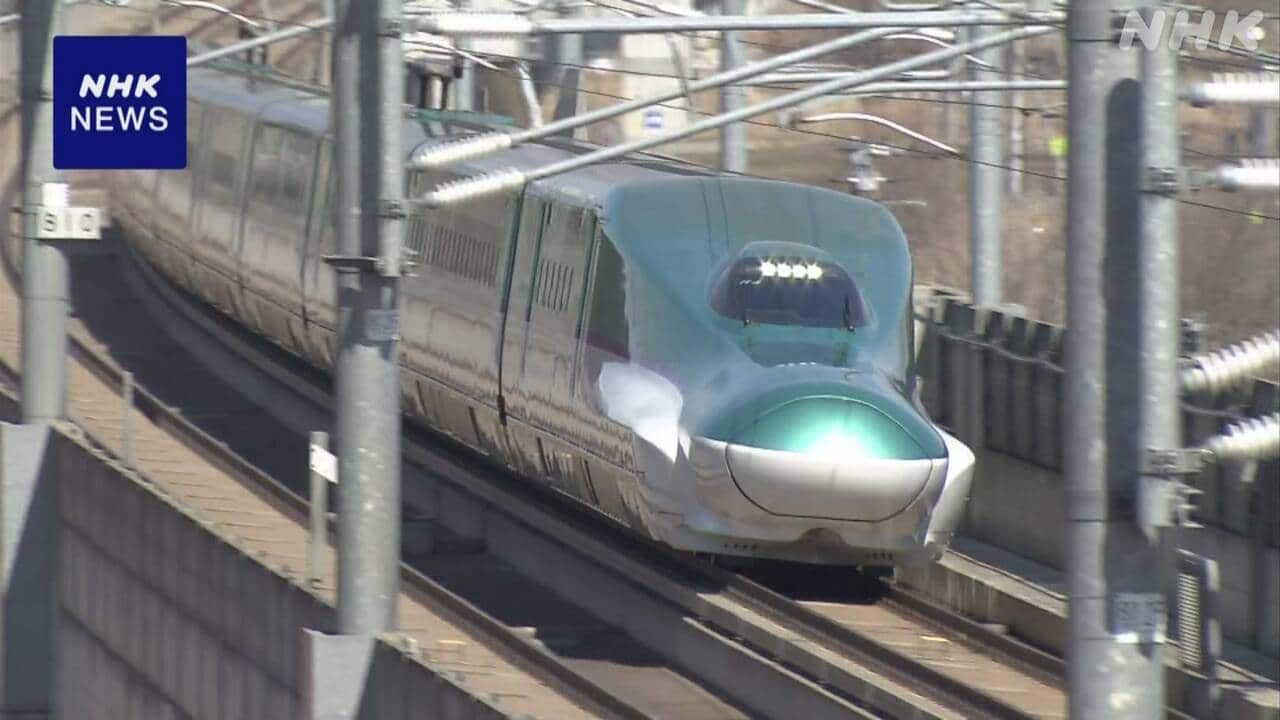
26日、北海道新幹線は開業から10年となります。札幌までの延伸計画が大幅に遅れるなか、新駅が建設される札幌市など5つの市と町では駅周辺のまちづくりにすでに58億円余りを支出し、計画の遅れによって今後さらに増える見込みとなっていることが、各自治体への取材で分かりました。
北海道新幹線は、開業から10年を迎えましたが、今も札幌までの212キロの区間で延伸工事が進められています。
しかし、トンネル工事が難航し、完成時期が2030年度末から2038年度末以降へと大幅に遅れる見込みです。
こうした中、新たに新幹線の駅が建設される札幌市など5つの市と町にNHKがアンケートを行ったところ、すでに駅周辺のまちづくりにかけた費用は、▽札幌市が50億4000万円余り▽長万部町が5億2300万円余り▽小樽市が1億5900万円余り▽倶知安町が4900万円余り▽八雲町が3500万円余りでした。5つの自治体であわせて58億円余りとなっています。
工事が大幅に遅れたことで、支出はさらに増える見込みで、札幌市は今後、283億円の支出が見込まれると回答しました。
ほかの4つの自治体は「費用がどこまで膨らむか、現時点では分からない」としています。
これらの自治体は、新幹線の事業費の一部も負担する必要があることから、財政への影響を懸念する声があがっています。
建設主体の鉄道・運輸機構は「北海道新幹線は札幌まで開業して初めて大きな効果が生じると思って取り組んでいるが、大幅に開業が遅れるということは大変重く受け止めている。費用についても丁寧に説明をしながら、関係する方々に理解をいただきたいと思っている」としています。
鉄道・運輸機構は、工事が大幅に遅れている理由について、約212キロある新函館北斗と札幌間のうち約8割を占めるトンネル区間に難工事が多いことをあげています。
トンネルの掘削は全体の9割が完了し、残る16キロ余りの区間で作業が続けられていますが、掘削機が対応できないサイズの岩の塊があったり、著しく地質が不良で、補強作業に時間がかかったりして、通常の2倍以上の時間がかかっているということです。
札幌までの延伸計画の大幅な遅れは、すでに開業している駅周辺の開発にも影響を及ぼしています。
新函館北斗駅がある北斗市は、開業時に28億円をかけて、駅前の土地で再開発を行いましたが、商業用地のおよそ8万平方メートルのうちおよそ4分の1が空き地のままで活用されていないことが、NHKの取材でわかりました。
駅周辺の地価は、この10年間下落傾向が続いていて、北斗市によりますと、札幌延伸の大幅な遅れで、企業誘致が難しくなったことが大きな要因だとしています。
この土地の一部を購入したものの、予定していたホテルの着工を今も見送っているという、東京の不動産開発会社は「札幌延伸がいつになるかもわからない段階では、収支も見通せない。民間だけの投資には限界がある」と話しています。
青森大学社会学部の櫛引素夫教授は「整備新幹線の仕組み自体が日本が好調な時代にできたが、日本は今、そうではない。新幹線をつくり続けるということは、どれくらいの負荷をもたらすのか、もう少し議論し、情報の透明性を高めて対処していく。そういう仕組みを作らないといけないのではないか」と話しています。
北海道新幹線は、開業から10年を迎えましたが、今も札幌までの212キロの区間で延伸工事が進められています。
しかし、トンネル工事が難航し、完成時期が2030年度末から2038年度末以降へと大幅に遅れる見込みです。
こうした中、新たに新幹線の駅が建設される札幌市など5つの市と町にNHKがアンケートを行ったところ、すでに駅周辺のまちづくりにかけた費用は、▽札幌市が50億4000万円余り▽長万部町が5億2300万円余り▽小樽市が1億5900万円余り▽倶知安町が4900万円余り▽八雲町が3500万円余りでした。5つの自治体であわせて58億円余りとなっています。
工事が大幅に遅れたことで、支出はさらに増える見込みで、札幌市は今後、283億円の支出が見込まれると回答しました。
ほかの4つの自治体は「費用がどこまで膨らむか、現時点では分からない」としています。
これらの自治体は、新幹線の事業費の一部も負担する必要があることから、財政への影響を懸念する声があがっています。
建設主体の鉄道・運輸機構は「北海道新幹線は札幌まで開業して初めて大きな効果が生じると思って取り組んでいるが、大幅に開業が遅れるということは大変重く受け止めている。費用についても丁寧に説明をしながら、関係する方々に理解をいただきたいと思っている」としています。
鉄道・運輸機構は、工事が大幅に遅れている理由について、約212キロある新函館北斗と札幌間のうち約8割を占めるトンネル区間に難工事が多いことをあげています。
トンネルの掘削は全体の9割が完了し、残る16キロ余りの区間で作業が続けられていますが、掘削機が対応できないサイズの岩の塊があったり、著しく地質が不良で、補強作業に時間がかかったりして、通常の2倍以上の時間がかかっているということです。
札幌までの延伸計画の大幅な遅れは、すでに開業している駅周辺の開発にも影響を及ぼしています。
新函館北斗駅がある北斗市は、開業時に28億円をかけて、駅前の土地で再開発を行いましたが、商業用地のおよそ8万平方メートルのうちおよそ4分の1が空き地のままで活用されていないことが、NHKの取材でわかりました。
駅周辺の地価は、この10年間下落傾向が続いていて、北斗市によりますと、札幌延伸の大幅な遅れで、企業誘致が難しくなったことが大きな要因だとしています。
この土地の一部を購入したものの、予定していたホテルの着工を今も見送っているという、東京の不動産開発会社は「札幌延伸がいつになるかもわからない段階では、収支も見通せない。民間だけの投資には限界がある」と話しています。
青森大学社会学部の櫛引素夫教授は「整備新幹線の仕組み自体が日本が好調な時代にできたが、日本は今、そうではない。新幹線をつくり続けるということは、どれくらいの負荷をもたらすのか、もう少し議論し、情報の透明性を高めて対処していく。そういう仕組みを作らないといけないのではないか」と話しています。
Vocabulary
General
Proper noun
JLPT N2
JLPT N1
| # | 言葉 | 意味 |
|---|---|---|
| 8 | 余り | あまり (余り) : 1. remainder; remnant; rest; balance; surplus; remains (of a meal); leftovers 2. (not) very; (not) much |
| 7 | 新幹線 | しんかんせん (新幹線) : Shinkansen; bullet train |
| 7 | 札幌 | さっぽろ (札幌) : Sapporo (city in Hokkaido) |
| 7 | 大幅 | おおはば (大幅) : 1. big; large; drastic; substantial 2. full-width cloth (approx. 72 cm wide for traditional Japanese clothing; approx. 140 cm wide for Western clothing) |
| 6 | 開業 | かいぎょう (開業) : opening a business; opening a practice |
| 5 | 延伸 | えんしん (延伸) : stretching; extension; elongation |
| 5 | 工事 | こうじ (工事) : construction work |
| 4 | 札幌市 | さっぽろし (札幌市) : Sapporo (city) (place) |
| 4 | 周辺 | しゅうへん (周辺) : 1. circumference; outskirts; environs; around; in the area of; in the vicinity of 2. (computer) peripheral |
| 4 | 自治体 | じちたい (自治体) : municipality; local government; self-governing body; autonomous body |
| 4 | 北斗 | ほくと (北斗) : the Big Dipper (asterism); the Plough; the Plow |
| 3 | 北海道 | ほっかいどう (北海道) : Hokkaido (island, prefectural-level administrative unit) |
| 3 | 建設 | けんせつ (建設) : construction; establishment |
| 3 | すでに | すでに (既に) : already; too late |
| 3 | 支出 | ししゅつ (支出) : expenditure; disbursement; expenses |
| 3 | 遅れ | おくれ (遅れ) : delay; lag; postponement; falling behind |
| 3 | 見込み | みこみ (見込み) : 1. hope; promise; possibility; chance; probability; likelihood 2. expectation; anticipation; forecast; estimate |
| 3 | 区間 | くかん (区間) : 1. section (of track, etc.); segment; dimension 2. interval |
| 3 | 費用 | ひよう (費用) : cost; expense |
| 2 | 計画 | けいかく (計画) : plan; project; schedule; scheme; program; programme |
| 2 | まちづくり | まちづくり (街づくり) : town planning; urban development; community development; creating a community |
| 2 | 今後 | こんご (今後) : from now on; hereafter |
| 2 | 取材 | しゅざい (取材) : 1. news coverage; collecting data (e.g. for an article); covering (something for media) 2. interview |
| 2 | 分かる | わかる (分かる) : 1. to understand; to comprehend; to grasp; to see; to get; to follow 2. to become clear; to be known; to be discovered; to be realized; to be realised; to be found out |
| 2 | 年度末 | ねんどまつ (年度末) : end of the fiscal year; end of the school year |
| 2 | 一部 | いちぶ (一部) : 1. one part; one portion; one section; some 2. one copy (e.g. of a document) |
| 2 | 影響 | えいきょう (影響) : 1. influence; effect 2. to influence; to affect; to have an influence on; to impact; to have an effect on |
| 2 | 鉄道 | てつどう (鉄道) : railroad; railway; rail transport |
| 2 | 運輸 | うんゆ (運輸) : transportation |
| 2 | 機構 | きこう (機構) : mechanism; organization; organisation |
| 2 | 割 | わり (割り) : 1. rate; ratio; proportion; percentage 2. profit |
| 2 | 作業 | さぎょう (作業) : work; operation; manufacturing; fatigue duty |
| 2 | 土地 | とち (土地) : 1. plot of land; lot; soil 2. locality; region; place |
| 2 | わかる | わかる (分かる) : 1. to understand; to comprehend; to grasp; to see; to get; to follow 2. to become clear; to be known; to be discovered; to be realized; to be realised; to be found out |
| 2 | 仕組み | しくみ (仕組み) : 1. structure; construction; arrangement; contrivance; mechanism; workings 2. plan; plot; contrivance |
| 1 | 新駅 | しんえき (新駅) : new (train) station |
| 1 | 各 | かく (各) : each; every; all |
| 1 | 迎える | むかえる (迎える) : 1. to go out to meet 2. to receive; to welcome; to greet; to salute; to hail; to reach; to approach; to enter (a phase, era, etc.) |
| 1 | 進める | すすめる (進める) : 1. to advance; to move forward; to put (a clock, watch) forward 2. to carry forward (plans, work, etc.); to proceed with; to make progress in; to further; to advance; to hasten; to speed up |
| 1 | 難航 | なんこう (難航) : 1. difficult voyage; hard flight 2. rough going; rough passage; running into trouble; stormy passage |
| 1 | 完成 | かんせい (完成) : 1. complete; completion 2. perfection; accomplishment |
| 1 | 時期 | じき (時期) : time; season; period; phase; stage |
| 1 | 以降 | いこう (以降) : on and after; as from; hereafter; thereafter; since |
| 1 | 新た | あらた (新た) : new; fresh; novel |
| 1 | 長万部町 | おしゃまんべちょう (長万部町) : Oshamanbechō (place) |
| 1 | 小樽市 | おたるし (小樽市) : Otaru (city) (place) |
| 1 | 倶知安町 | くっちゃんちょう (倶知安町) : Kucchanchō (place) |
| 1 | 八雲町 | やくもちょう (八雲町) : Yakumochō (place) |
| 1 | あわせる | あわせる (会わせる) : 1. to make (someone) to meet; to let (someone) meet 2. to expose to; to subject to |
| 1 | 見込む | みこむ (見込む) : 1. to anticipate; to expect; to estimate; to count on; to allow for; to take into account 2. to place confidence in; to put trust in; to trust |
| 1 | 回答 | かいとう (回答) : reply; answer |
| 1 | 膨らむ | ふくらむ (膨らむ) : to expand; to swell (out); to get big; to become inflated |
| 1 | 現時点 | げんじてん (現時点) : present point (i.e. in history); at the present time |
| 1 | 負担 | ふたん (負担) : 1. burden; load; responsibility 2. bearing (a cost, responsibility, etc.); shouldering |
| 1 | 財政 | ざいせい (財政) : 1. public finance 2. financial affairs; financial situation |
| 1 | 懸念 | けねん (懸念) : worry; fear; anxiety; concern |
| 1 | あがる | あがる (上がる) : 1. to rise; to go up; to come up; to ascend; to be raised 2. to enter (esp. from outdoors); to come in; to go in |
| 1 | 主体 | しゅたい (主体) : 1. main constituent; core; nucleus 2. subject (philosophical); protagonist |
| 1 | 効果 | こうか (効果) : 1. effect; effectiveness; efficacy; result 2. effects (e.g. sound effects, visual effects, special effects) |
| 1 | 生じる | しょうじる (生じる) : 1. to produce; to yield; to cause 2. to result from; to arise; to be generated |
| 1 | 取り組む | とりくむ (取り組む) : 1. to grapple with; to wrestle with; to engage in a bout; to be matched against 2. to tackle (e.g. a problem); to come to grips with; to work hard on |
| 1 | 大変 | たいへん (大変) : 1. very; greatly; terribly; awfully 2. immense; enormous; great |
| 1 | 受け止める | うけとめる (受け止める) : 1. to catch; to stop the blow 2. to react to; to take (advice, etc.); to accept; to come to grips with |
| 1 | 方々 | かたがた (方々) : 1. people; (all) persons; everyone; ladies and gentlemen 2. you (usu. plural) |
| 1 | 理解 | りかい (理解) : understanding; comprehension; appreciation; sympathy |
| 1 | 占める | しめる (占める) : 1. to occupy; to hold 2. to account for; to make up; to take up |
| 1 | 難 | なん (難) : 1. difficulty; trouble; hardship 2. accident; disaster; danger |
| 1 | 掘削 | くっさく (掘削) : digging out; excavation |
| 1 | 全体 | ぜんたい (全体) : whole; entirety; whatever (is the matter) |
| 1 | 完了 | かんりょう (完了) : 1. completion; conclusion 2. perfect (tense, form, aspect) |
| 1 | 掘削機 | くっさくき (掘削機) : excavator |
| 1 | 対応 | たいおう (対応) : 1. correspondence (to); equivalence 2. suitability; coordination; matching; being appropriate (for) |
| 1 | 岩 | いわ (岩) : 1. rock; boulder 2. crag; cliff |
| 1 | 塊 | かたまり (塊) : 1. lump; mass; bundle; clump; clod; cluster 2. group; crowd |
| 1 | 著しく | いちじるしく (著しく) : considerably; remarkably; strikingly |
| 1 | 地質 | ちしつ (地質) : geological features |
| 1 | 不良 | ふりょう (不良) : 1. bad; poor; inferior 2. delinquent; hoodlum; hooligan |
| 1 | 補強 | ほきょう (補強) : reinforcement; strengthening |
| 1 | 通常 | つうじょう (通常) : usual; ordinary; normal; regular; general; common |
| 1 | 開発 | かいはつ (開発) : development; exploitation |
| 1 | 及ぼす | およぼす (及ぼす) : to exert (influence); to exercise; to cause (e.g. damage); to do (e.g. harm); to bring about (e.g. benefits); to extend; to have an effect (on) |
| 1 | 駅前 | えきまえ (駅前) : in front of a station |
| 1 | 再開発 | さいかいはつ (再開発) : redevelopment |
| 1 | 商業 | しょうぎょう (商業) : commerce; trade; business |
| 1 | 平方メートル | へいほうメートル (平方メートル) : square metre; square meter |
| 1 | 空き地 | あきち (空き地) : vacant land; unoccupied ground; empty lot |
| 1 | まま | うば (乳母) : wet nurse; nursing mother |
| 1 | 活用 | かつよう (活用) : 1. practical use; application 2. conjugation; inflection |
| 1 | 地価 | ちか (地価) : the price of land |
| 1 | 年間 | ねんかん (年間) : 1. (period of) a year 2. during an era |
| 1 | 下落 | げらく (下落) : depreciation; decline; fall; slump |
| 1 | 傾向 | けいこう (傾向) : tendency; trend; inclination |
| 1 | 要因 | よういん (要因) : main cause; primary factor |
| 1 | 購入 | こうにゅう (購入) : purchase; buy |
| 1 | 着工 | ちゃっこう (着工) : starting (construction) work |
| 1 | 見送る | みおくる (見送る) : 1. to see someone off (at a station, an airport, etc.); to escort (e.g. home) 2. to follow something with one's eyes until it is out of sight |
| 1 | 東京 | とうきょう (東京) : Tokyo |
| 1 | 段階 | だんかい (段階) : grade; level; stage; class; phase; steps; order; gradation |
| 1 | 収支 | しゅうし (収支) : income and expenditure |
| 1 | 民間 | みんかん (民間) : 1. private; non-governmental; non-official; civilian; civil 2. folk; popular |
| 1 | 投資 | とうし (投資) : investment |
| 1 | 限界 | げんかい (限界) : limit; bound |
| 1 | 青森大学 | あおもりだいがく (青森大学) : Aomori University (organization) |
| 1 | 櫛引 | くきびき (櫛引) : Kukibiki (surname) |
| 1 | 素夫 | もとお (素夫) : Motoo (given) |
| 1 | 教授 | きょうじゅ (教授) : 1. professor 2. teaching; instruction |
| 1 | 整備 | せいび (整備) : 1. maintenance; servicing 2. putting in place; establishment; development; preparation; provision; outfitting |
| 1 | 自体 | じたい (自体) : 1. itself 2. one's own body; oneself |
| 1 | 好調 | こうちょう (好調) : favourable; favorable; promising; satisfactory; in good shape |
| 1 | つくる | つくる (作る) : 1. to make; to produce; to manufacture; to build; to construct 2. to prepare (food); to brew (alcohol) |
| 1 | 負荷 | ふか (負荷) : burden; load (e.g. CPU time, electricity, etc.) |
| 1 | もたらす | もたらす (齎す) : to bring; to take; to bring about |
| 1 | もう少し | もうすこし (もう少し) : a bit more; a bit longer |
| 1 | 議論 | ぎろん (議論) : argument; discussion; dispute; controversy |
| 1 | 情報 | じょうほう (情報) : 1. information; news; intelligence; advices 2. information; data contained in characters, signals, code, etc. |
| 1 | 透明性 | とうめいせい (透明性) : transparency |
| 1 | 高める | たかめる (高める) : to raise; to lift; to boost; to enhance |
| 1 | 対処 | たいしょ (対処) : dealing with; coping with |
| 1 | 作る | つくる (作る) : 1. to make; to produce; to manufacture; to build; to construct 2. to prepare (food); to brew (alcohol) |