「バゲットをライフルに見立て……」若者はなぜ広場を“解放区”にできたのか? SNSと普通の人々が起こした中東の奇跡「アラブの春」の真実
予習
この記事のキーワード — タップで意味×21
政権
せいけん
(political) administration; political power
N1×8
アラブの春
アラブのはる
Arab Spring (revolutionary wave in the Arab world, 2010-2011)
×9
民主化
みんしゅか
democratization; democratisation
×5
民衆
みんしゅう
people; populace; masses
×4
焼身自殺
しょうしんじさつ
self-immolation; burning oneself to death; suicide by fire
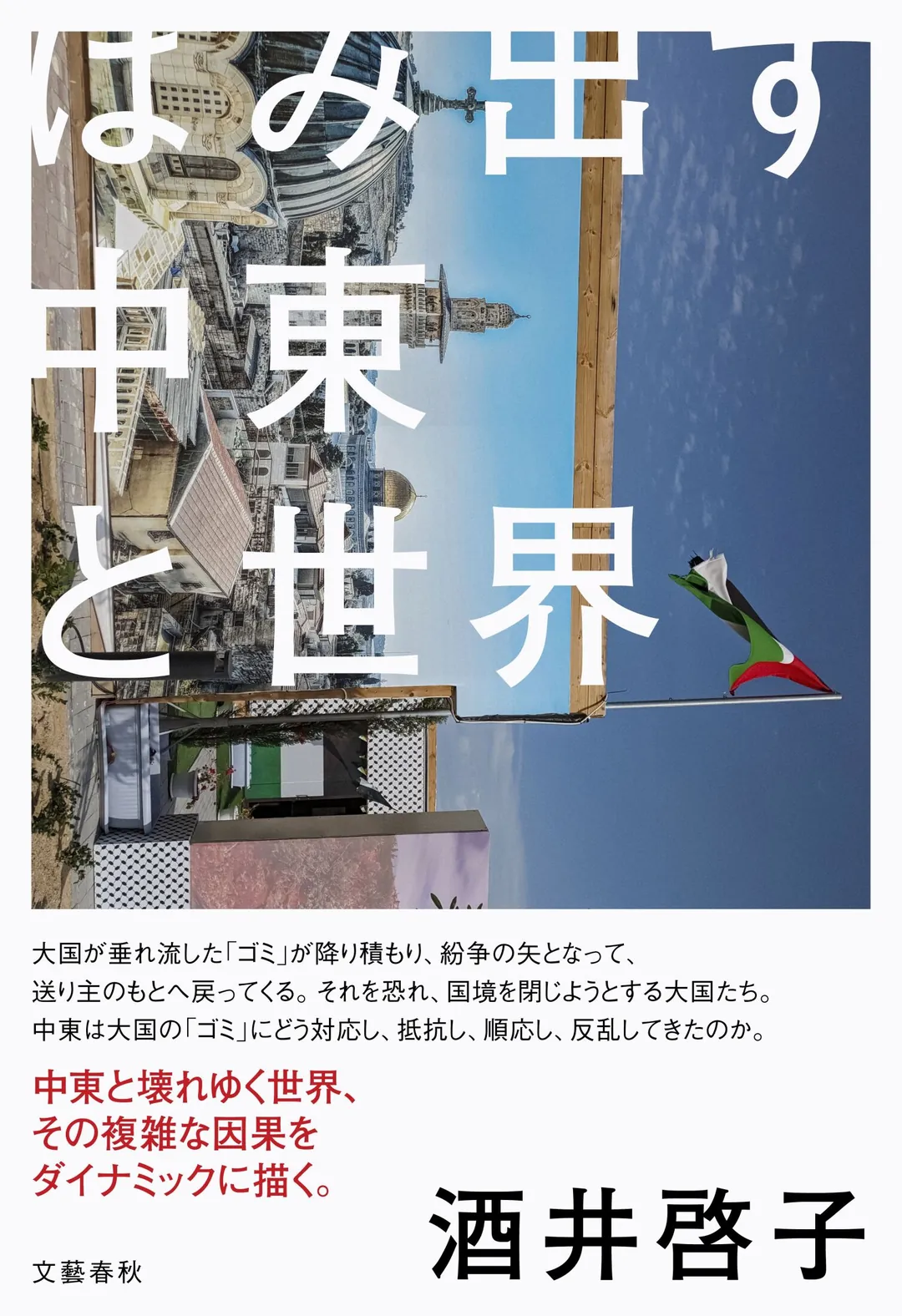
攻撃を恐れ「民主化のふり」をした中東の独裁者たち。しかし一人の青年の焼身自殺が彼らの運命を狂わせる。SNSと日常の連帯。無名の「ふつうの人々」が次々と政権を打倒した「アラブの春」の深層とは――中東の現在地を理解するために避けては通れない民主化運動を、中東研究第一人者の酒井啓子さんが分析。 『はみ出す中東と世界』 より一部抜粋してお届けする。(第2回)
◆◆◆
攻撃を恐れ「民主化のふり」をした中東の独裁者たち。しかし一人の青年の焼身自殺が彼らの運命を狂わせる。SNSと日常の連帯。無名の「ふつうの人々」が次々と政権を打倒した「アラブの春」の深層とは――中東の現在地を理解するために避けては通れない民主化運動を、中東研究第一人者の酒井啓子さんが分析。 『はみ出す中東と世界』 より一部抜粋してお届けする。(第2回) ◆◆◆
21世紀最初の10年間に荒れ狂った「対テロ戦争」が、中東の人々にとってなにか良いことをもたらしたことがあったとすれば、それは「政府が専横的、非民主的だとアメリカの軍事攻撃の標的となるかもしれない」という危機意識が芽生えたことだろう。非民主的さでいえば、湾岸のアラブ君主国もまた例外ではない。9・11の犯人の多くがサウジアラビア出身だったことで、米国内には「サウジのような議会も憲法もない国を同盟国としてよいのか」といった声が上がった。 こうした批判を回避するためか、湾岸アラブの君主制の国々の間で、「多少の」民主化への試みがなされた。最初に湾岸君主国が非民主性批判に晒されたのは、1991年の湾岸戦争の後だった――「戦争をしてまで非民主的なクウェイトを救う意味があるのか」という疑問が呈された――が、そのクウェイトでは、主権回復後、6年間解散され機能停止していた国民議会が再開され、国会選挙が1992年に実施された。選挙制度もない他の君主制国では、バハレーン、サウジアラビアで、任命制ではあるものの諮問評議会が1991〜93年の間に開設された。 9・11後も同様に、いずれの国も「民主的」な正式を整えようと模索する。バハレーンでは2001年に立憲王政に道を開く国民憲章が制定され、2002年に地方議会選挙が45年ぶりに実施された。サウジアラビアでは1993年に設立された諮問評議会の定数が2001年には当初から倍となったほか、2009年には地方議会が設置される計画が発表され、そこでは半数の議員が選挙で選ばれるものとされた。 「非民主的」という、脛(すね)に傷を持つ国といえば、君主制諸国だけではない。アラブ・ナショナリストに率いられた長期権威主義政権は、いずれも欧米から「ならず者」視されて「対テロ戦争」の対象になってもおかしくない。親米同盟国だが20年以上政権を維持してきたエジプトのフスニー・ムバーラクもまた、その長期権威主義体制を批判されてきた。そのイメージを回避するため、2005年末に実施されたエジプト人民議会選挙は、制約付きながら複数政党制の導入を謳い、「民主化」の衣をかぶった。 ところが、「見た目の民主化」ですら、政権の安泰を脅かしかねない結果となった。与党は引き続き7割以上の議席を確保したものの、無所属で立候補したムスリム同胞団員が2割弱を獲得したのである。この結果、5年後の2010年に実施された選挙では、政権による激しい介入と衝突、野党のボイコットなどで荒れ、結果同胞団はほとんどの議席を失い、与党は議席の8割を獲得した。 このときには、ムバーラク政権はまだ、2か月後に自分がどういう運命を辿るのか、知る由もない。「対テロ攻撃」を恐れて少々民主化の振りをする、程度では避けられない、大激震が中東諸国一帯を襲うのである。
それは、チュニジア中部の小都市、スィーディー・ブーザイドで起きた。12月17日、無認可で露店商を営んでいた26歳の青年が、その違法行為を警察に咎(とが)められ、ハラスメントを受け、店を接収されて活計を失った。その足で県知事に訴えたが、耳を傾けてもらえず、世を儚(はかな)んで知事庁舎の前で焼身自殺を遂げた。 ただの若者の失業、ただの警察の横暴であれば、世界中にある数多くの不幸のひとつでしかなかっただろう。だが、青年――ムハンマド・ブーアズィーズィー――の場合、その後に起きたことが違っていた。自殺、しかも体を傷つけての死がイスラームで厳に禁じられているにもかかわらず、焼身自殺を選んだことは、それだけ絶望が深かったことを意味している。そのことに、似たような境遇にある数多の、老若男女のチュニジア人が強く同情、共感した。彼らは自然に街路に繰り出し、抗議のデモを始めた。デモは各地に広がり、10日もすれば首都チュニスに、そして全国に広がった。 デモは自殺した青年への連帯、警察への抗議から始まり、労働組合を巻き込んで、生活苦、失業問題など経済政策への批判へと発展した。当時チュニジアだけでなく中東地域では、気候変動の影響もあって、食糧不足、食糧価格の急騰が深刻だった。デモ隊には、フランスパンを抱えて訴える「バケットおじさん」が出現し、ときにバケットをライフルに見立てて警官隊と対峙した。 要求は政治批判、政権批判へと発展し、翌年の年頭には当時の大統領ゼイン・アービディーン・ビン・アリー(ベンアリー)の辞任を求めるスローガンが掲げられるようになった。連日の民衆による抗議デモが内務省など政治中枢にまで及ぶに至って、1月14日、ベンアリーはサウジアラビアに亡命した。ここに23年の長きにわたるベンアリー政権が、そして1957年以来チュニジアで続いてきた世俗的ナショナリスト政権が、終わりを告げたのである。政変は、チュニジア革命、あるいは欧米諸国からは「ジャスミン革命」と呼ばれた。ちょうど数年前に、東欧、中央アジア諸国で花の名を冠した民主化革命が続いていたので、それをもじったものである。 こうした一連の展開は、誰も予想しなかった。逆に、アフガニスタン戦争やイラク戦争でもない限り、中東の権威主義体制は頑強で簡単には倒れない、という見解が定着していたところだ。アジアやアフリカ、最近では冷戦後の東欧諸国が次々に「民主化の波」に覆われて行ったのに、中東だけには「民主化」や「市民革命」は訪れない。欧米のオリエンタリストたちがいう、「中東例外論」である。アラブ世界では50〜60年代には頻繁に政権が代わっていたが、それはもっぱら軍によるクーデタによるものだった。民衆の手によって政権が代わる、というのは、建国以来、あるいは植民地支配から脱却して以来、初めての出来事だったといっても過言ではなかろう。 アラブ諸国の長期権威主義体制の安泰が、北アフリカの小国チュニジアで、その一角が崩れたのであった。
チュニジア革命は、瞬く間に全アラブ諸国に衝撃となって伝わった。とりわけ、同じ北アフリカのエジプトは、その波が到達するのが早かった。30年にわたるムバーラク政権の権力独占には、民衆の不満が募っていた。特に、2010年6月に若きブロガー、ハーリド・サイードが警察に連行され、拷問のうえ殺害された事件は、チュニジアでのブーアズィーズィーの自殺と同様に、エジプト人、特に青年層の間で衝撃と共感を生んでいた。人民議会選挙で与党が大勝したことも、民衆の閉塞感を強めただろう。 沸点に達しつつあったエジプト社会に、チュニジア革命の成功は、吉兆と映った。首都カイロのタハリール広場には、何万もの民衆が集まり、ムバーラクの退陣を迫った。なかでも1月25日の「怒りの日」デモは最大規模の集会で、これを排除しようとした治安警察と衝突したが、鎮圧行動に屈しない人々は広場に座り込み、以降タハリール広場は抗議運動グループの「解放区」と化した。ここを拠点として、デモ隊は連日各都市の街路に繰り出し、特に金曜日には金曜礼拝に参加したふつうの人々がデモに合流するという、自然なサイクルができたのである。 この繰り返される波に、ムバーラクはとうとう2月11日に辞任を余儀なくされた。ムバーラクを支えていた軍が、抗議運動を抑えられない大統領を見捨てたのだと言われている。 エジプト、チュニジアと「革命」が続いたことで、欧米メディアはこれを「アラブの春」と呼んだ。冷戦期、チェコで短期間進められた自由化、民主化運動「プラハの春」をもじったものである。冷戦期の東欧での自由化運動がドミノ倒しのように共産党体制を倒していったように、「アラブの春」も、それぞれの革命は個別の事情を抱えていたとはいえ、アラビア語、アラブ民族、アラブ文化といった要素を多く共有する国々の間で「革命」が連鎖することは、ある意味当然の成り行きだったろう。 当時広がりつつあったSNSで人々は国境を越えて連絡をとりあい、動画で流されるデモ参加者からの実況中継を受け、抗議する人々は、どこに逃げるか、どう動くか、臨機応変に対応した。このようにして、アラブ諸国22か国のうち、カタールとUAEを除くすべての国で、「アラブの春」が広がったのである。 紅海をはさんだイエメンでは、エジプトでの展開をほぼなぞるように、路上抗議運動が広がっていった。政権内の調整や部族対立などが絡んで抵抗は長期化し、衝突も絶えなかったが、2012年2月にようやくアリー・アブドゥッラー・サーリフ大統領が退陣し、アブドラッボ・マンスール・ハーディー副大統領に権限が委譲された。この時民主化運動を手動した女性、タワックル・カルマンが、2011年のノーベル平和賞を受賞した。
イエメン同様に政権転覆に時間がかかったのは、リビアである。リビアでは、1969年に王国を打倒して権力を握ったムアンマル・カッザーフィが、42年の長きにわたって国家の長についていたが、エジプトでの政権転覆を契機に反政府蜂起の動きが全国に広がった。激しい内戦の末、10月、カッザーフィは出身地のスルトで反政府派に拘束され、「処刑」された。 だが、エジプト、チュニジアの例とリビアの例が決定的に違っていたのは、国際機関、グローバル大国など外国の介入の有無である。リビアはフランス、イタリアへの主要石油輸出国でもあり、西欧諸国と経済的に密接な関係を持つ。EU、国連やNATOは早い段階で介入を決定、特にNATOの空爆が内戦を反政府側に有利に導いた。 対照的に、エジプト、チュニジアの反政府運動が徹していたのは、日常生活上の不満から政権を批判、退陣を求める、というプロセスだった。それは、自国の政権を相手に、国民が自らの運動によって政権に圧力をかけるものであって、そこには大国との関係や国際政治上の駆け引きといったものは、見られなかった。アルカーイダの前身のムジャーヒディーンが東西冷戦の駆け引きを利用したような、イラクのフセイン政権がアメリカの反イラン姿勢を利用したような、あるいはPLOがアメリカの湾岸戦争の負い目を利用して和平にたどり着いたような、現状打開のために大国の関与を求めるこれまでの「中東の現状変更勢力」とは、決定的に異なるのである。 エジプトやチュニジアで見られる「アラブの春」の自国完結性は、その運動形態にも表れている。「アラブの春」の最大の特徴は、「ふつうの人々」が日常性のなかで行動したことだった。広場で座り込んだ若者に、周囲の大人たちが食料を差し入れる。催涙弾で目が見えなくなったデモ隊に、雑貨屋の主人がただでミネラルウォーターを配る。 デモ隊が座り込んでいると、そこにはギターを持ち込む者が現れる。売れない歌手が唄を歌い、売れない詩人が詩を吟じる。ある者は広場近くの壁に風刺画を描き、ある者はビデオカメラを回して映画を撮る。政権批判の封印を解くとともに、権威主義体制下で閉じ込めていた自らの自由な精神、才能を解放したのが、「アラブの春」だった。
この記事の単語 (446)
×21
政権
せいけん
(political) administration; political power
×14
中東
ちゅうとう
Middle East
×9
民主化
みんしゅか
democratization; democratisation
×8
人々
ひとびと
1. people; men and women 2. each person; everybody
×8
アラブの春
アラブのはる
Arab Spring (revolutionary wave in the Arab world, 2010-2011)
×8
批判
ひはん
criticism; judgement; judgment; comment
×7
抗議
こうぎ
protest; objection
×7
革命
かくめい
1. revolution 2. 58th year of the sexagenary cycle (in Onmyōdō)
×6
青年
せいねん
youth; young man
×6
広がる
ひろがる
to spread (out); to extend; to stretch; to reach to; to get around; to fill (e.g. a space)
×5
権威主義
けんいしゅぎ
authoritarianism
×5
体制
たいせい
order; system; structure; set-up; organization; organisation
×5
民衆
みんしゅう
people; populace; masses
×4
焼身自殺
しょうしんじさつ
self-immolation; burning oneself to death; suicide by fire
×4
民主化運動
みんしゅかうんどう
democratic movement; movement towards democracy
×4
実施
じっし
enforcement; implementation; putting into practice; carrying out; operation; working (e.g. working parameters); enactment
×4
諸国
しょこく
various countries; various regions; various provinces
×4
欧米
おうべい
Europe and America; the West
×4
デモ隊
デモたい
demonstrators
×3
恐れる
おそれる
to fear; to be afraid of
×3
振り
ふり
1. swing; shake; wave; swinging 2. appearance; behaviour
×3
運命
うんめい
fate; destiny; lot
×3
日常
にちじょう
everyday; daily; ordinary; usual; routine; regular
×3
連帯
れんたい
1. solidarity 2. joint; collective
×3
次々
つぎつぎ
in succession; one by one
×3
打倒
だとう
knockdown (e.g. in boxing); overthrow; defeat
×3
避ける
さける
1. to avoid (physical contact with) 2. to avoid (situation)
×3
湾岸
わんがん
gulf coast; bay coast
×3
君主制
くんしゅせい
monarchy
×3
選挙
せんきょ
election
×3
同様
どうよう
same; similar; (just) like; equal
×3
議会選挙
ぎかいせんきょ
parliamentary election
×3
長期
ちょうき
long-term
×3
結果
けっか
1. result; consequence; outcome; effect 2. coming to fruition; bearing fruit
×3
与党
よとう
ruling party; government party; party in power; government
×3
割
わり
1. rate; ratio; proportion; percentage 2. profit
×3
議席
ぎせき
parliamentary seat
×3
介入
かいにゅう
intervention
×3
衝突
しょうとつ
1. collision; crash; running into 2. conflict; quarrel; clashing
×3
只
ただ
1. ordinary; common; usual 2. free of charge
×3
自殺
じさつ
suicide
×3
当時
とうじ
at that time; in those days
×3
大統領
だいとうりょう
1. president (of a nation) 2. big man; boss; buddy; mate
×3
求める
もとめる
1. to want; to wish for 2. to request; to demand; to require; to ask for
×3
以来
いらい
since; henceforth
×3
或いは
あるいは
1. or; either ... or 2. maybe; perhaps; possibly
×3
東欧
とうおう
Eastern Europe
×3
波
なみ
1. wave 2. ups and downs
×3
アラブ諸国
アラブしょこく
Arab countries; Arab states
×3
退陣
たいじん
1. resignation; stepping down; retirement 2. retreat; decamping; withdrawal
×3
広場
ひろば
1. public square; square; plaza; piazza; forum 2. open space; clearing
×3
座り込む
すわりこむ
to sit down (and refuse to move); to sit-in (in protest)
×3
冷戦
れいせん
cold war
×3
反政府
はんせいふ
antigovernment
×3
大国
たいこく
1. large country; major nation; great power 2. province of the highest rank (ritsuryo system)
×2
攻撃
こうげき
1. attack; assault; raid; onslaught; offensive 2. criticism; censure; denunciation; condemnation
×2
独裁者
どくさいしゃ
dictator; despot
×2
狂う
くるう
1. to go mad; to lose one's mind; to go crazy; to go insane 2. to get out of order; to go amiss; to malfunction; to become imprecise
×2
無名
むめい
1. nameless; unnamed; anonymous; unsigned 2. obscure; unknown; not famous
×2
深層
しんそう
depths; deep level
×2
現在地
げんざいち
present location; current location; "you are here" (on map)
×2
理解
りかい
understanding; comprehension; appreciation; sympathy
×2
第一人者
だいいちにんしゃ
leading person; foremost figure
×2
酒井啓子
さかいけいこ
Sakai Keiko (person)
×2
分析
ぶんせき
analysis
×2
食み出す
はみだす
1. to protrude; to stick out; to jut out; to hang out; to bulge out 2. to be forced out; to be pushed out; to be crowded out
×2
一部
いちぶ
1. one part; one portion; one section; some 2. one copy (e.g. of a document)
×2
抜粋
ばっすい
extract; excerpt; selection
×2
第
だい
prefix for forming ordinal numbers
×2
年間
ねんかん
1. (period of) a year 2. during an era
×2
対テロ戦争
たいテロせんそう
War on Terror
×2
君主国
くんしゅこく
monarchy
×2
例外
れいがい
exception
×2
同盟国
どうめいこく
ally (of another nation)
×2
回避
かいひ
evasion; avoidance
×2
国々
くにぐに
countries
×2
湾岸戦争
わんがんせんそう
the Gulf War
×2
諮問
しもん
consultation; question; enquiry; inquiry
×2
評議会
ひょうぎかい
council (consultatory, advisory); board of trustees
×2
いずれ
1. where; which; who 2. anyway; anyhow; at any rate
×2
国民
こくみん
people (of a country); nation; citizen; national
×2
人民
じんみん
the people; citizens; the populace
×2
安泰
あんたい
peace; security; tranquility; tranquillity
×2
獲得
かくとく
acquisition; possession
×2
激しい
はげしい
1. violent; furious; tempestuous 2. extreme; intense; fierce; strong
×2
失う
うしなう
1. to lose 2. to miss (a change, opportunity)
×2
都市
とし
town; city; municipal; urban
×2
訴える
うったえる
1. to raise; to bring to (someone's attention) 2. to appeal to (reason, emotions, etc.); to work on (one's emotions); to play on (one's sympathies)
×2
若者
わかもの
young man; young woman; young people; youth; youngsters
×2
共感
きょうかん
sympathy; empathy; response
×2
自然
しぜん
1. nature 2. natural; spontaneous; automatic
×2
街路
がいろ
road; street; avenue
×2
繰り出す
くりだす
1. to draw (a thread); to let out (e.g. a rope) 2. to head out as a group; to set out in large numbers; to flock; to sally forth
×2
首都
しゅと
capital city; metropolis
×2
全国
ぜんこく
the whole country
×2
発展
はってん
1. development; growth; expansion; extension; flourishing 2. development (of a situation, story, etc.); advancement; progression; unfolding
×2
食糧
しょくりょう
food (esp. staple food such as rice or wheat); provisions; rations; food supply
×2
抱える
かかえる
1. to hold or carry under or in the arms 2. to have (esp. problems, debts, etc.)
×2
辞任
じにん
resignation (from a position)
×2
連日
れんじつ
day after day; every day
×2
捩る
ねじる
1. to screw; to twist 2. to distort; to parody; to make a pun
×2
展開
てんかい
1. development; evolution; progression; unfolding; (plot) twist 2. expansion; spreading out; extending; deployment; building up
×2
代わる
かわる
1. to succeed; to relieve; to replace 2. to take the place of; to substitute for; to take over for; to represent; to hand over (telephone)
×2
軍
ぐん
1. army; armed forces; troops 2. military authorities
×2
北ア
きたあ
Kitaa (unclass)
×2
衝撃
しょうげき
shock; impact; crash
×2
権力
けんりょく
(political) power; authority; influence
×2
不満
ふまん
dissatisfaction; discontent; displeasure; complaint; unhappiness
×2
行動
こうどう
action; conduct; behaviour; behavior; mobilization; mobilisation
×2
期
き
1. period; time 2. opportunity; chance; occasion
×2
自由化
じゆうか
liberalization; liberalisation; freeing
×2
転覆
てんぷく
1. overturning; capsizing 2. overthrow (e.g. of a government)
×2
内戦
ないせん
civil war
×2
例
れい
1. custom; practice; habit; usual 2. said; aforementioned
×2
決定的
けっていてき
definite; final; decisive; conclusive
×2
自国
じこく
one's own country
×2
自ら
みずから
1. oneself 2. oneself; for oneself; personally; in person
×2
駆け引き
かけひき
1. bargaining; haggling 2. tactics; strategy
×2
現状
げんじょう
present condition; existing state; status quo; current state
×2
売れる
うれる
1. to sell (well) 2. to be well known; to be popular; to be famous
×1
世紀
せいき
1. century 2. era
×1
荒れ狂う
あれくるう
1. to rampage; to run wild; to go berserk; to run amok 2. to be violent (waves, wind, etc.); to be rough
×1
齎す
もたらす
to bring; to take; to bring about
×1
政府
せいふ
government; administration
×1
専横
せんおう
arbitrariness; despotism; high-handedness; tyranny
×1
軍事攻撃
ぐんじこうげき
military attack; military strike
×1
標的
ひょうてき
target
×1
知れる
しれる
1. to become known; to come to light; to be discovered 2. to be known; to be understood
×1
危機意識
ききいしき
crisis awareness; sense of impending crisis
×1
芽生える
めばえる
to bud; to sprout
×1
犯人
はんにん
offender; criminal; culprit
×1
出身
しゅっしん
person's origin (e.g. city, country, parentage, school)
×1
米国
べいこく
(United States of) America; USA; US
×1
議会
ぎかい
congress; parliament; diet; legislative assembly
×1
憲法
けんぽう
1. constitution 2. rules; regulation
×1
上がる
あがる
1. to rise; to go up; to come up; to ascend; to be raised 2. to enter (esp. from outdoors); to come in; to go in
×1
多少
たしょう
1. a little; some; somewhat; slightly; to some degree; to some extent 2. amount; quantity; number
×1
試み
こころみ
1. attempt; trial; experiment 2. endeavour (endeavor); effort; venture; initiative
×1
成す
なす
1. to build up; to establish 2. to form; to become (a state)
×1
非
ひ
1. fault; error; mistake 2. going poorly; being disadvantageous; being unfavorable
×1
民主
みんしゅ
1. democracy; popular sovereignty 2. Democratic Party (esp. DPJ)
×1
晒す
さらす
1. to expose (to the sun, public, danger, etc.) 2. to bleach; to refine
×1
救う
すくう
to rescue from; to help out of; to save
×1
疑問
ぎもん
doubt; question; suspicion; dubiousness
×1
呈する
ていする
1. to present; to offer 2. to show; to display; to exhibit
×1
主権
しゅけん
sovereignty; supremacy; dominion
×1
回復
かいふく
1. restoration; rehabilitation; recovery; return; replevin; improvement 2. recovery (from an illness); recuperation; convalescence
×1
解散
かいさん
1. breaking up (e.g. meeting); dispersing (e.g. crowd) 2. dissolving (company, organization, etc.); liquidating; disbanding
×1
機能
きのう
function; facility; faculty; feature
×1
停止
ていし
1. stoppage; coming to a stop; halt; standstill 2. ceasing (movement, activity, etc.); suspension (of operations); interruption (e.g. of electricity supply); cutting off
×1
国民議会
こくみんぎかい
national assembly (esp. France)
×1
再開
さいかい
reopening; resumption; restarting
×1
国会
こっかい
1. National Diet; legislative assembly of Japan (1947-) 2. Imperial Diet; legislative assembly of Japan (1889-1947)
×1
選挙制度
せんきょせいど
electoral system
×1
他
ほか
1. other (place, thing, person); the rest 2. outside; beyond
×1
任命
にんめい
appointment; nomination; ordination; commission; designation
×1
開設
かいせつ
establishment; opening; setting up; inauguration
×1
民主的
みんしゅてき
democratic
×1
正式
せいしき
due form; official; formality
×1
整える
ととのえる
1. to put in order; to arrange; to tidy up; to straighten; to adjust; to fix 2. to get ready; to prepare; to arrange; to supply; to assemble; to buy
×1
模索
もさく
groping (for); fumbling around (for); searching (for an answer, solution, etc.); trying to find
×1
立憲王政
りっけんおうせい
constitutional monarchy
×1
憲章
けんしょう
charter
×1
制定
せいてい
enactment; establishment; creation
×1
地方
ちほう
1. district; region; area; locality 2. the country; countryside; the provinces; rural area
×1
設立
せつりつ
1. establishment; founding 2. incorporation (of a business)
×1
定数
ていすう
1. fixed number; quorum (for an assembly) 2. constant; invariable
×1
当初
とうしょ
1. beginning; start; outset 2. at first; at the beginning; initially; originally
×1
地方議会
ちほうぎかい
local assembly
×1
設置
せっち
1. establishment; institution 2. installation (of a machine or equipment)
×1
発表
はっぴょう
announcement; publication; presenting; statement; communique; making known; breaking (news story); expressing (one's opinion); releasing; unveiling
×1
半数
はんすう
1. half the number 2. haploid
×1
議員
ぎいん
member of an assembly; member of the Diet; member of parliament; member of Congress
×1
脛
すね
shin; shank; lower leg
×1
傷
きず
1. wound; injury; cut; gash; bruise; scratch; scrape; scar 2. chip; crack; scratch; nick
×1
率いる
ひきいる
to lead; to spearhead (a group); to command (troops)
×1
ならず者
ならずもの
ruffian; scoundrel; rogue; rascal; villain; hoodlum; thug
×1
対象
たいしょう
target; object (of worship, study, etc.); subject (of taxation, etc.)
×1
可笑しい
おかしい
1. funny; amusing; comical; laughable; ridiculous 2. strange; odd; funny; peculiar; weird; unusual; eccentric
×1
親米
しんべい
pro-American
×1
維持
いじ
maintenance; preservation; improvement
×1
制約
せいやく
limitation; restriction; condition; constraints
×1
導入
どうにゅう
introduction; bringing in; leading in; installation
×1
衣
ころも
1. clothes; garment 2. gown; robe
×1
見た目
みため
appearance; (outward) looks; exterior appearance
×1
すら
しゅら
1. Asura; demigod; anti-god; titan; demigods that fight the Devas (gods) in Hindu mythology 2. fighting; carnage; conflict; strife
×1
脅かす
おどかす
1. to threaten; to menace; to intimidate 2. to startle; to frighten; to scare
×1
引き続く
ひきつづく
to continue (for a long time); to occur in succession; to come next (e.g. on TV)
×1
確保
かくほ
1. securing; obtaining; ensuring; guarantee; maintaining 2. belay; belaying
×1
無所属
むしょぞく
independent (esp. in politics); non-partisan
×1
立候補
りっこうほ
candidacy; standing as a candidate; bidding (to host an event, e.g. the Olympics)
×1
野党
やとう
opposition party; political opposition; opposition
×1
荒れる
あれる
1. to be stormy; to be rough 2. to be rough (of skin); to be chapped
×1
同胞
どうほう
brethren; brothers; fellow countrymen; fellowman; compatriot
×1
どういう
somehow; how; in what way; why; what kind of
×1
辿る
たどる
to follow (road); to pursue (course); to follow up; to follow (hyperlink)
×1
由
よし
1. reason; significance; cause 2. piece of information that one has heard; I hear that ...; it is said that ...
×1
対
たい
1. opposite; opposition 2. versus; vs.; v.
×1
テロ攻撃
テロこうげき
terrorist attack
×1
少々
しょうしょう
just a minute; small quantity
×1
程度
ていど
degree; amount; grade; standard; of the order of (following a number); about; approximately
×1
激震
げきしん
severe earthquake; violent tremor
×1
中東諸国
ちゅうとうしょこく
Middle East countries
×1
一帯
いったい
1. whole area; whole region 2. stretch (of land); tract; belt; zone
×1
襲う
おそう
1. to attack; to assail; to make an assault; to strike; to hunt down 2. to succeed (someone in a post, role, etc.)
×1
中部
ちゅうぶ
1. center; centre; middle; heart 2. Chūbu region (incl. Aichi, Nagano, Shizuoka, Niigata, Toyama, Ishikawa, Fukui, Yamanashi and Gifu prefectures)
×1
無認可
むにんか
unapproved; lack of approval
×1
営む
いとなむ
1. to run (a business); to operate; to conduct; to practice (law, medicine, etc.) 2. to carry out; to perform; to lead (a life)
×1
違法行為
いほうこうい
illegal act
×1
咎める
とがめる
1. to blame; to reproach; to censure; to rebuke; to reprove; to find fault; to take to task; to criticize; to criticise 2. to question (a suspect); to challenge
×1
接収
せっしゅう
requisition; requisitioning; seizure; confiscation; impounding; retaining (e.g. deposit)
×1
活計
かっけい
livelihood
×1
県知事
けんちじ
prefectural governor
×1
傾ける
かたむける
1. to incline; to lean; to tip; to tilt; to slant; to bend; to list 2. to devote oneself to; to concentrate on; to pour one's energy into
×1
儚む
はかなむ
to despair of; to see the vanity of
×1
知事
ちじ
prefectural governor
×1
庁舎
ちょうしゃ
government office building
×1
遂げる
とげる
1. to accomplish; to achieve; to carry out 2. to arrive at (a certain outcome); to come to; to end with
×1
失業
しつぎょう
1. unemployment 2. losing one's job; becoming unemployed
×1
横暴
おうぼう
violence; oppression; high-handedness; tyranny; despotism
×1
世界中
せかいじゅう
around the world; throughout the world
×1
数多く
かずおおく
in great numbers
×1
不幸
ふこう
1. unhappiness; sorrow; misfortune; disaster; accident 2. death (usu. of a relative); bereavement
×1
その後
そのあと
after that; afterwards; thereafter
×1
然も
しかも
1. moreover; furthermore 2. nevertheless; and yet
×1
傷付ける
きずつける
1. to wound; to injure 2. to hurt someone's feelings (pride, etc.)
×1
厳に
げんに
strictly; severely; rigidly
×1
禁じる
きんじる
to prohibit
×1
関わる
かかわる
1. to be affected; to be influenced 2. to be concerned with; to have to do with
×1
絶望
ぜつぼう
despair; hopelessness
×1
境遇
きょうぐう
one's circumstances; environment; situation (in life)
×1
数多
あまた
many; a lot; much; multitude
×1
老若男女
ろうにゃくなんにょ
men and women of all ages
×1
同情
どうじょう
sympathy; compassion; pity
×1
各地
かくち
every place; various places
×1
労働組合
ろうどうくみあい
labor union; labour union; trade union
×1
巻き込む
まきこむ
1. to roll up; to enfold; to swallow up 2. to involve; to drag into
×1
生活苦
せいかつく
life's struggles
×1
経済政策
けいざいせいさく
economic policy
×1
地域
ちいき
area; region
×1
気候変動
きこうへんどう
climate change
×1
影響
えいきょう
1. influence; effect 2. to influence; to affect; to have an influence on; to impact; to have an effect on
×1
不足
ふそく
1. insufficiency; deficiency; shortage; lack; scarcity; deficit 2. dissatisfaction; discontent; complaint
×1
価格
かかく
price; value; cost
×1
急騰
きゅうとう
sudden rise (in price); sharp rise; jump; surge
×1
深刻
しんこく
serious; severe; grave; acute
×1
おじ
そふ
1. grandfather 2. old man
×1
出現
しゅつげん
appearance; arrival; make one's appearance
×1
見立てる
みたてる
1. to select; to choose 2. to diagnose (an illness); to judge
×1
警官隊
けいかんたい
(squad of) police; police force
×1
対峙
たいじ
1. standing facing each other (e.g. mountains, buildings); standing opposite each other 2. confrontation; squaring off against (adversaries, armies, forces); standing off against; holding one's own with
×1
要求
ようきゅう
demand; firm request; requisition; requirement; desire
×1
翌年
よくねん
following year
×1
年頭
ねんとう
1. beginning of the year 2. the oldest person
×1
掲げる
かかげる
1. to put up (a notice, sign, etc.); to hang out (e.g. a banner); to fly (e.g. a flag); to hoist; to raise; to display 2. to hold up high; to raise overhead
×1
内務省
ないむしょう
Home Ministry; Department of the Interior (US, etc.); Home Office (UK); Ministry of Home Affairs (Japan, pre-1947)
×1
中枢
ちゅうすう
centre; center; pivot; mainstay; nucleus; backbone; central figure; pillar; key man
×1
及ぶ
およぶ
1. to reach; to amount to; to befall; to happen to; to extend; to go on (for, until) 2. to be up to the task; to come up to
×1
至る
いたる
1. to arrive at (e.g. a decision); to reach (a stage); to attain 2. to lead to (a place); to get to
×1
亡命
ぼうめい
flight from one's country; seeking asylum; defection; emigration (for political reasons); (going into) exile; becoming a (political) refugee
×1
世俗
せぞく
1. wordly things; common customs; ordinary life; popular taste 2. the world; the (common) people; the masses
×1
告げる
つげる
1. to tell; to inform; to announce 2. to indicate; to signal; to mark
×1
政変
せいへん
political disturbance; political change; change of government; political upheaval; overthrowing of a government; coup d'état; coup; revolution
×1
ジャスミン革命
ジャスミンかくめい
Jasmine Revolution (2010-2011)
×1
中央
ちゅうおう
1. centre; center; middle; heart 2. metropolis; capital city; central government
×1
アジア諸国
アジアしょこく
Asian countries; Asian nations
×1
冠する
かんする
1. to crown; to cap 2. to prefix with; to start with; to begin with
×1
一連
いちれん
1. series; chain; sequence 2. two reams (i.e. 1000 sheets of paper)
×1
予想
よそう
expectation; anticipation; prediction; forecast; conjecture
×1
逆
ぎゃく
1. reverse; opposite 2. converse (of a hypothesis, etc.)
×1
イラク戦争
イラクせんそう
Iraq War (2003-2011)
×1
限り
かぎり
1. limit; limits; bounds 2. degree; extent; scope
×1
頑強
がんきょう
1. stubborn; dogged; persistent; tenacious 2. tough; sturdy; hardy; strong
×1
見解
けんかい
opinion; point of view
×1
定着
ていちゃく
1. sticking (in one place, position, etc.); settling; fixing; adherence 2. becoming established (of a custom, system, etc.); taking hold; taking root
×1
覆う
おおう
to cover; to hide; to conceal; to wrap; to disguise
×1
市民革命
しみんかくめい
people's revolution; popular revolution
×1
訪れる
おとずれる
1. to visit; to call on 2. to arrive (season, time, situation, etc.); to come; to appear
×1
論
ろん
1. argument; discussion; dispute; controversy; discourse; debate 2. theory (e.g. of evolution); doctrine
×1
頻繁
ひんぱん
frequent; incessant
×1
専ら
もっぱら
1. wholly; solely; entirely; exclusively; devotedly; fixedly 2. principally; mostly; chiefly; mainly
×1
建国
けんこく
founding of a nation
×1
植民地支配
しょくみんちしはい
colonial rule
×1
脱却
だっきゃく
ridding oneself; freeing oneself of; growing out of; overcoming; outgrowing
×1
出来事
できごと
incident; affair; happening; event
×1
過言
かごん
1. exaggeration; overstatement; saying too much 2. misstatement; slip of the tongue; gaffe
×1
小国
しょうこく
small country
×1
一角
いっかく
1. corner; section; point; part 2. one horn
×1
崩れる
くずれる
1. to collapse; to crumble 2. to get out of shape; to lose one's shape; to become disorganized; to become untidy
×1
瞬く
しばたたく
to blink (one's eyes); to wink; to bat
×1
全
ぜん
1. all; whole; entire; complete; total; pan- 2. complete (set); in total
×1
伝わる
つたわる
to be handed down; to be introduced; to be transmitted; to be circulated; to go along; to walk along
×1
取り分け
とりわけ
1. especially; above all 2. inter alia; among others
×1
到達
とうたつ
reaching; attaining; arrival
×1
独占
どくせん
1. monopoly; monopolization; exclusivity 2. hogging; keeping to oneself
×1
募る
つのる
1. to become stronger; to grow in intensity; to grow violent; to become worse 2. to invite contributions, etc.; to solicit help, participation, etc.; to recruit (e.g. soldiers)
×1
連行
れんこう
taking (a suspect to the police); dragging (someone) away
×1
拷問
ごうもん
torture
×1
殺害
さつがい
killing; murder
×1
事件
じけん
event; affair; incident; case; plot; trouble; scandal
×1
層
そう
1. layer; stratum; seam; bed 2. class; stratum; bracket; group
×1
生む
うむ
1. to give birth; to bear (child); to lay (eggs) 2. to produce; to yield; to give rise to; to deliver
×1
大勝
たいしょう
great victory; crushing victory
×1
閉塞感
へいそくかん
locked up feeling; cooped up feeling; feeling of entrapment; feeling of hopelessness; being in a bind
×1
強める
つよめる
to strengthen; to emphasize; to emphasise
×1
沸点
ふってん
boiling point
×1
達する
たっする
to reach; to get to; to arrive at
×1
成功
せいこう
success; hit
×1
吉兆
きっちょう
lucky omen; good omen
×1
映る
うつる
to be reflected; to harmonize with (harmonise); to come out (photo); to be projected; to be displayed (on a screen)
×1
集まる
あつまる
to gather; to collect; to assemble
×1
迫る
せまる
1. to approach; to draw near; to be imminent 2. to press (someone for something); to urge; to compel
×1
怒り
いかり
anger; rage; fury; wrath; indignation
×1
最大規模
さいだいきぼ
biggest; largest scale
×1
集会
しゅうかい
meeting; assembly; gathering; congregation; convention; rally
×1
排除
はいじょ
exclusion; removal; rejection; elimination; abatement; lifting (sanctions, etc.)
×1
治安
ちあん
public order
×1
鎮圧
ちんあつ
suppression; subjugation
×1
屈する
くっする
1. to yield; to give in; to be daunted; to shrink 2. to bend (knee, etc.)
×1
以降
いこう
on and after; as from; hereafter; thereafter; since
×1
解放区
かいほうく
liberated area or zone
×1
化する
かする
to change into; to convert into; to transform; to be reduced; to influence; to improve (someone)
×1
拠点
きょてん
position; location; base; point; site
×1
各
かく
each; every; all
×1
金曜
きんよう
Friday
×1
礼拝
れいはい
1. worship (esp. Christian); adoration; divine service 2. worship (esp. Buddhist and Shinto)
×1
参加
さんか
participation; joining; entry; adherence
×1
合流
ごうりゅう
1. confluence (of rivers); merge (of traffic); conflux; junction; joining 2. union (e.g. of forces); linking up; merging; coming together
×1
繰り返す
くりかえす
to repeat; to do something over again
×1
余儀
よぎ
another method; another problem
×1
支える
ささえる
1. to support; to prop; to sustain; to underlay; to hold up; to defend 2. to hold at bay; to stem; to check
×1
押さえる
おさえる
1. to pin down; to hold down; to press down 2. to cover (esp. a part of one's body with one's hand); to clutch (a body part in pain); to press (a body part)
×1
見捨てる
みすてる
to abandon; to fail; to desert; to forsake
×1
短期間
たんきかん
short term; short time
×1
進める
すすめる
1. to advance; to move forward; to put (a clock, watch) forward 2. to carry forward (plans, work, etc.); to proceed with; to make progress in; to further; to advance; to hasten; to speed up
×1
プラハの春
プラハのはる
Prague Spring (1968 reform movement in Czechoslovakia)
×1
ドミノ倒し
ドミノたおし
domino toppling
×1
共産党
きょうさんとう
Communist Party
×1
倒す
たおす
1. to throw down; to bring down; to blow down; to fell; to knock down; to set (something) down on its side; to turn (something) on its side; to recline (e.g. a seat) 2. to kill; to defeat; to beat
×1
個別
こべつ
individual; separate; personal; case-by-case
×1
事情
じじょう
circumstances; conditions; situation; reasons; state of affairs
×1
アラビア語
アラビアご
Arabic (language)
×1
民族
みんぞく
people; race; nation; ethnic group; ethnos
×1
要素
ようそ
1. component; factor; item (e.g. in list) 2. element (e.g. in array); member (e.g. data structure)
×1
共有
きょうゆう
1. joint ownership; co-ownership; sharing (e.g. a viewpoint) 2. sharing (files, devices on a network, posts on social media, etc.)
×1
連鎖
れんさ
1. chain; chaining; connection 2. (genetic) linkage
×1
当然
とうぜん
1. natural; right; proper; just; reasonable; appropriate; deserved 2. naturally; as a matter of course; rightly; deservedly; justly; of course
×1
成り行き
なりゆき
1. course (of events); development; progress; outcome; result 2. market order; order without limit
×1
国境
こっきょう
national border; provincial border
×1
越える
こえる
1. to cross over; to cross; to pass through; to pass over (out of); to go beyond; to go past 2. to exceed; to surpass; to be more (than)
×1
取り合う
とりあう
1. to join (hands); to take (each other's hands) 2. to scramble for; to struggle for; to fight for
×1
動画
どうが
1. video; movie; moving picture 2. animation; animated cartoon
×1
流す
ながす
1. to drain; to pour; to spill; to shed (blood, tears) 2. to wash away
×1
デモ参加者
デモさんかしゃ
demonstrator; marcher; picketer
×1
実況中継
じっきょうちゅうけい
live coverage; on-the-spot telecast
×1
臨機応変
りんきおうへん
adapting oneself to the requirements of the moment; playing by ear; ad hoc approach
×1
対応
たいおう
1. correspondence (to); equivalence 2. suitability; coordination; matching; being appropriate (for)
×1
箇国
かこく
counter for countries
×1
除く
のぞく
1. to remove; to eliminate; to eradicate 2. to exclude; to except
×1
紅海
こうかい
Red Sea
×1
挟む
はさむ
1. to hold between (e.g. one's fingers, chopsticks); to grip (from both sides) 2. to put between; to sandwich between; to insert; to interpose
×1
ほぼ
almost; roughly; approximately
×1
なぞる
1. to trace (drawing); to follow 2. to imitate; to copy; to reproduce
×1
路上
ろじょう
1. on the road; on the street; in the street 2. on the way
×1
調整
ちょうせい
adjustment; regulation; coordination; reconciliation; tuning; fixing; tailoring
×1
部族
ぶぞく
tribe; clan; house
×1
対立
たいりつ
confrontation; opposition; antagonism
×1
絡む
からむ
1. to entangle; to entwine 2. to pick a quarrel; to find fault
×1
抵抗
ていこう
1. resistance; opposition; standing up to 2. reluctance; repulsion; repugnance
×1
長期化
ちょうきか
lengthening
×1
絶える
たえる
1. to die out; to peter out; to become extinct 2. to cease; to be stopped; to be discontinued; to be cut off
×1
漸く
ようやく
1. finally; at last 2. barely; narrowly; hardly; only just
×1
副大統領
ふくだいとうりょう
vice president (of a country)
×1
権限
けんげん
power; authority; jurisdiction
×1
委譲
いじょう
transfer; assignment
×1
手動
しゅどう
manual (operation)
×1
ノーベル平和賞
ノーベルへいわしょう
Nobel Peace Prize
×1
受賞
じゅしょう
winning (a prize)
×1
王国
おうこく
kingdom; monarchy
×1
握る
にぎる
1. to clasp; to grasp; to grip; to clutch 2. to make (nigirizushi, rice ball, etc.); to form; to press into shape; to mold; to mould
×1
国家
こっか
state; country; nation
×1
契機
けいき
1. opportunity; chance 2. trigger; cause
×1
蜂起
ほうき
uprising; revolt
×1
動き
うごき
1. movement; move; motion 2. trend; development; change; fluctuation
×1
末
すえ
1. end; tip; top 2. end (of the year, month, etc.); close
×1
出身地
しゅっしんち
birthplace; native place
×1
拘束
こうそく
restriction; restraint; binding; constraint
×1
処刑
しょけい
execution
×1
国際機関
こくさいきかん
international organization; international organisation
×1
有無
うむ
1. existence or nonexistence; presence or absence 2. consent or refusal; yes or no
×1
主要
しゅよう
chief; main; principal; major
×1
石油
せきゆ
1. oil; petroleum 2. kerosene; paraffin
×1
輸出国
ゆしゅつこく
exporting country
×1
西欧
せいおう
1. Western Europe 2. the West; the Occident; Europe
×1
経済的
けいざいてき
economic; economical; financial
×1
密接
みっせつ
1. close (relationship, connection, etc.); intimate; near 2. close (together)
×1
国連
こくれん
United Nations; UN
×1
段階
だんかい
grade; level; stage; class; phase; steps; order; gradation
×1
決定
けってい
decision; determination
×1
空爆
くうばく
aerial bombing
×1
有利
ゆうり
1. advantageous; favourable; better; stronger 2. profitable; lucrative; gainful; paying
×1
導く
みちびく
1. to guide; to lead; to show the way; to conduct 2. to derive; to deduce
×1
対照的
たいしょうてき
contrastive
×1
徹する
てっする
1. to penetrate; to sink in 2. to devote oneself (to); to do intently and exclusively
×1
日常生活
にちじょうせいかつ
everyday life; daily life
×1
相手
あいて
1. companion; partner; company 2. other party; addressee
×1
圧力
あつりょく
1. pressure; stress 2. pressure (e.g. political); coercion; arm-twisting
×1
前身
ぜんしん
antecedents; ancestor; previous position; previous existence; predecessor organization; predecessor organisation
×1
東西
とうざい
1. east and west 2. Orient and Occident; East and West
×1
反
はん
1. anti- 2. antithesis
×1
姿勢
しせい
1. posture; pose; position; stance; carriage (of the body) 2. attitude; approach; stance
×1
負い目
おいめ
(feeling of) indebtedness; feeling obliged
×1
和平
わへい
peace
×1
辿り着く
たどりつく
to arrive at (after a struggle); to finally reach; to find one's way to; to finally hit on (e.g. an idea)
×1
打開
だかい
break in the deadlock
×1
関与
かんよ
participation; taking part in; participating in; being concerned in
×1
変更
へんこう
change; modification; alteration; revision; amendment
×1
勢力
せいりょく
influence; power; might; strength; potency; force; energy
×1
異なる
ことなる
to differ; to vary; to disagree
×1
完結
かんけつ
conclusion; completion
×1
形態
けいたい
form; shape; figure
×1
表れる
あらわれる
1. to appear; to come in sight; to become visible; to come out; to embody; to materialize; to materialise 2. to be expressed (e.g. emotions); to become apparent (e.g. trends, effects)
×1
最大
さいだい
biggest; greatest; largest; maximum
×1
特徴
とくちょう
feature; trait; characteristic; peculiarity; distinction
×1
周囲
しゅうい
1. surroundings; environs 2. circumference
×1
食料
しょくりょう
food
×1
差し入れる
さしいれる
1. to insert; to put in 2. to send in (to a prisoner; e.g. clothes, books)
×1
催涙弾
さいるいだん
tear-gas bomb
×1
雑貨屋
ざっかや
general store
×1
主人
しゅじん
1. head (of a household); proprietor (of a store); proprietress; landlord; landlady 2. one's husband
×1
配る
くばる
1. to distribute; to hand out; to deliver; to deal out; to serve out 2. to allot; to allocate; to place (staff, soldiers, etc.); to station
×1
持ち込む
もちこむ
1. to take something into ...; to bring in; to carry in 2. to lodge (a complaint); to file (a plan); to bring (a proposal); to commence negotiations
×1
現れる
あらわれる
1. to appear; to come in sight; to become visible; to come out; to embody; to materialize; to materialise 2. to be expressed (e.g. emotions); to become apparent (e.g. trends, effects)
×1
歌手
かしゅ
singer
×1
詩人
しじん
poet
×1
詩
し
poem; verse of poetry
×1
吟ずる
ぎんずる
1. to chant; to recite; to sing 2. to write (a poem); to compose
×1
風刺画
ふうしが
caricature
×1
描く
えがく
1. to draw; to paint; to sketch 2. to depict; to describe
×1
回す
まわす
1. to turn; to rotate; to spin; to twist; to gyrate 2. to pass around; to send around; to hand around; to circulate
×1
封印
ふういん
1. seal 2. to seal (e.g. a letter); to affix a seal; to seal up
×1
解く
とく
1. to untie; to unfasten; to unwrap; to undo; to unbind; to unpack 2. to unsew; to unstitch
×1
閉じ込める
とじこめる
to lock up; to shut up; to imprison
×1
精神
せいしん
1. mind; spirit; soul; heart; ethos 2. attitude; mentality; will; intention
×1
才能
さいのう
talent; ability
×1
解放
かいほう
1. release; unleashing; liberation; emancipation; setting free 2. deallocation (of computer memory)