小学校の「算数」の教科名「数学」に変更する案 中教審で議論
予習
この記事のキーワード — タップで意味×11
算数
さんすう
arithmetic
N2×6
教科
きょうか
subject; curriculum
N1×6
文部科学省
もんぶかがくしょう
Ministry of Education, Culture, Sports, Science and Technology; MEXT
×4
算術
さんじゅつ
arithmetic
×3
部会
ぶかい
section meeting
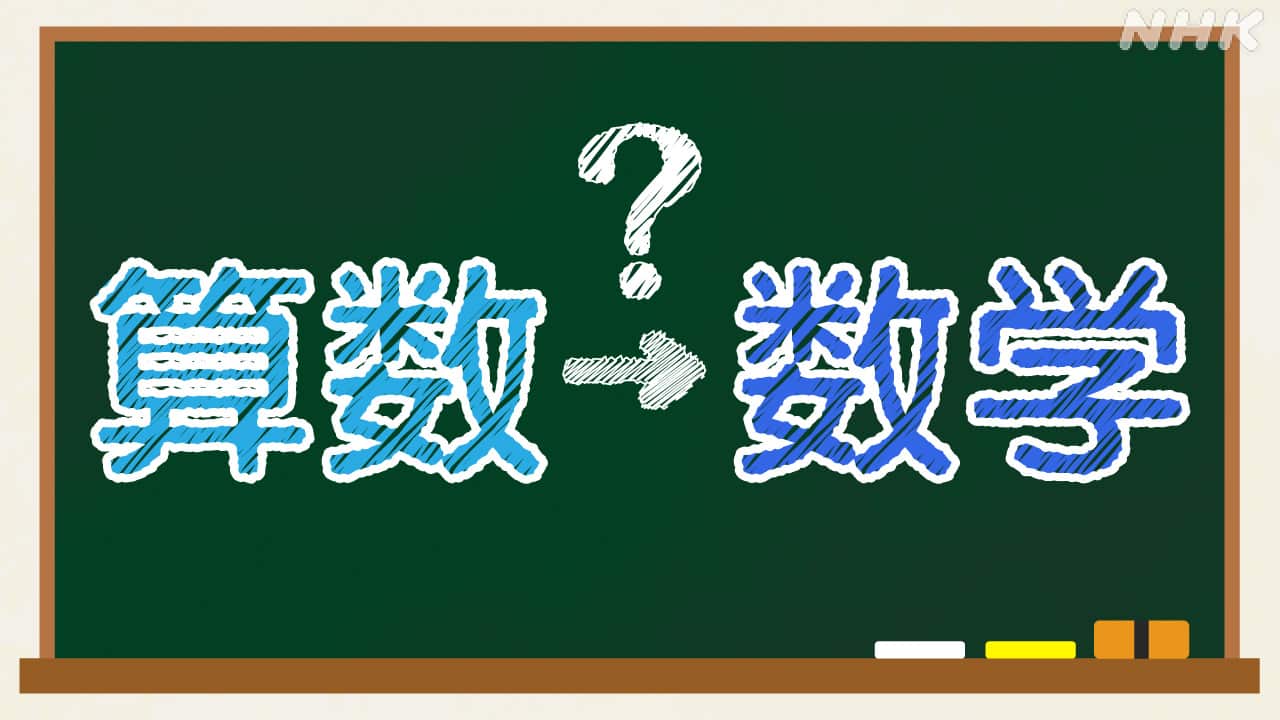
小学校の「算数」の教科名を「数学」に変更する案が文部科学省の審議会で議論されています。小学校から高校まで教科名や目標に一貫性を持たせて子どもの数学への苦手意識を減らすことが目的ですが、専門家からは「かえって距離感を感じるのではないか」と慎重な意見も出ています。
中教審=中央教育審議会は学習指導要領の改訂を進めていて、このうち算数・数学の専門部会では、小学校の「算数」の教科名を、中学校・高校と統一して「数学」とする案や、新たな教科名を作成する案が議論されています。
文部科学省によりますと、「算数」は1941年にそれまでの「算術」から変更されて以降、80年以上小学校で使われ続けているということです。
算数・数学をめぐっては、小学校では具体的な物事を通して計算などを学ぶ一方、中学校以降は方程式など抽象的な内容になるため、数学に苦手意識を感じて理系を避けるといった課題が指摘されています。
文部科学省は、小学校から高校まで教科名や目標に一貫性を持たせて学びの内容を整理することで子どもの数学への苦手意識を減らしたいとしています。
一方、専門部会の委員からは「児童がかえって距離感を感じるのではないか」とか、「算数は日本の独自のもので維持すべきだ」などと変更に慎重な意見も出ています。
文部科学省は、中教審の議論を踏まえて、年度内をめどに教科名を変更するか方向性を決めたいとしています。
文部科学省によりますと、明治初期から小学校段階では「算術」や「幾何」などの名称が使われてきましたが、1941年、昭和16年に国民学校令で「算数」に変更されました。
しかし、審議会のメンバーの1人だった当時の文部省の行政官、下村市郎氏がその一端を知る内容を書き残していました。
『算術なる名称は、現在の算術には全くあてはまらないのであり、それかといって、数学では余りに学問的名称であるところから、算数としたのである』(引用:『文部省 国民学校教則案説明要領及解説』)
現在の学習指導要領の解説、「算数編」でも、小学校では「具体物を使って素朴に学ぶ」とする一方、中学校では「抽象的・論理的に整理して学習し直す」として、算数と数学に分けているとしています。
文部科学省によりますと、欧米や中国、韓国など多くの国々では学年を問わず「数学」が統一的に使われていて日本のような運用は極めて珍しいということです。
今回、議論を進めている専門部会の委員からも「国際的な観点から数学への変更が妥当」とする意見が出される一方で、「算数は日本独自のもので、国際的に評価されている」と慎重な声も根強く意見が分かれています。
中教審=中央教育審議会は学習指導要領の改訂を進めていて、このうち算数・数学の専門部会では、小学校の「算数」の教科名を、中学校・高校と統一して「数学」とする案や、新たな教科名を作成する案が議論されています。
文部科学省によりますと、「算数」は1941年にそれまでの「算術」から変更されて以降、80年以上小学校で使われ続けているということです。
算数・数学をめぐっては、小学校では具体的な物事を通して計算などを学ぶ一方、中学校以降は方程式など抽象的な内容になるため、数学に苦手意識を感じて理系を避けるといった課題が指摘されています。
文部科学省は、小学校から高校まで教科名や目標に一貫性を持たせて学びの内容を整理することで子どもの数学への苦手意識を減らしたいとしています。
一方、専門部会の委員からは「児童がかえって距離感を感じるのではないか」とか、「算数は日本の独自のもので維持すべきだ」などと変更に慎重な意見も出ています。
文部科学省は、中教審の議論を踏まえて、年度内をめどに教科名を変更するか方向性を決めたいとしています。
文部科学省によりますと、明治初期から小学校段階では「算術」や「幾何」などの名称が使われてきましたが、1941年、昭和16年に国民学校令で「算数」に変更されました。
しかし、審議会のメンバーの1人だった当時の文部省の行政官、下村市郎氏がその一端を知る内容を書き残していました。
『算術なる名称は、現在の算術には全くあてはまらないのであり、それかといって、数学では余りに学問的名称であるところから、算数としたのである』(引用:『文部省 国民学校教則案説明要領及解説』)
現在の学習指導要領の解説、「算数編」でも、小学校では「具体物を使って素朴に学ぶ」とする一方、中学校では「抽象的・論理的に整理して学習し直す」として、算数と数学に分けているとしています。
文部科学省によりますと、欧米や中国、韓国など多くの国々では学年を問わず「数学」が統一的に使われていて日本のような運用は極めて珍しいということです。
今回、議論を進めている専門部会の委員からも「国際的な観点から数学への変更が妥当」とする意見が出される一方で、「算数は日本独自のもので、国際的に評価されている」と慎重な声も根強く意見が分かれています。
この記事の単語 (99)
×11
算数
さんすう
arithmetic
×6
教科
きょうか
subject; curriculum
×6
変更
へんこう
change; modification; alteration; revision; amendment
×6
文部科学省
もんぶかがくしょう
Ministry of Education, Culture, Sports, Science and Technology; MEXT
×4
案
あん
1. idea; plan; proposal; suggestion; (government) bill 2. draft; rough copy
×4
議論
ぎろん
argument; discussion; dispute; controversy
×4
算術
さんじゅつ
arithmetic
×3
苦手
にがて
1. poor (at); weak (in); not very good (at) 2. not one's cup of tea; not one's favorite
×3
意識
いしき
1. consciousness 2. becoming aware (of); awareness; sense
×3
感じる
かんじる
to feel; to sense; to experience
×3
慎重
しんちょう
careful; cautious; prudent; discreet; deliberate
×3
専門
せんもん
speciality; specialty; subject of study; expert; area of expertise
×3
部会
ぶかい
section meeting
×3
内容
ないよう
contents; content; substance; matter; detail; import
×3
名称
めいしょう
name; title
×2
審議会
しんぎかい
council (deliberative, consultative); commission of inquiry (enquiry)
×2
目標
もくひょう
1. goal; target; aim; objective 2. mark; sign; landmark
×2
一貫性
いっかんせい
consistency
×2
持つ
もつ
1. to hold (in one's hand); to take; to carry 2. to possess; to have; to own
×2
子供
こども
child
×2
減らす
へらす
to abate; to decrease; to diminish; to shorten
×2
却って
かえって
on the contrary; rather; all the more; instead
×2
距離感
きょりかん
sense of distance (physical or emotional); feeling of distance
×2
中教審
ちゅうきょうしん
(abbr) Central Council for Education (organization)
×2
学習指導要領
がくしゅうしどうようりょう
government course (curriculum) guidelines
×2
進める
すすめる
1. to advance; to move forward; to put (a clock, watch) forward 2. to carry forward (plans, work, etc.); to proceed with; to make progress in; to further; to advance; to hasten; to speed up
×2
統一
とういつ
unity; consolidation; uniformity; unification; compatible
×2
以降
いこう
on and after; as from; hereafter; thereafter; since
×2
学ぶ
まなぶ
to study (in depth); to learn; to take lessons in
×2
抽象的
ちゅうしょうてき
abstract
×2
整理
せいり
1. sorting; arrangement; organization; putting in order; adjustment; regulation 2. liquidation; settlement; consolidation; clearance (e.g. debt); paying off
×2
委員
いいん
committee member
×2
独自
どくじ
1. original; unique; distinctive; characteristic; peculiar 2. independent; one's own; personal
×2
国民学校
こくみんがっこう
elementary school (in an educational system operated in Japan between 1941 and 1947)
×2
文部省
もんぶしょう
Ministry of Education, Science and Culture (1871-2001)
×2
現在
げんざい
now; current; present; present time; as of
×2
解説
かいせつ
explanation; commentary; exposition; elucidation
×2
国際的
こくさいてき
international
×1
目的
もくてき
purpose; goal; aim; objective; intention
×1
専門家
せんもんか
specialist; expert; professional; authority; pundit
×1
中央教育審議会
ちゅうおうきょういくしんぎかい
Central Council for Education; Central Education Council (organization)
×1
改訂
かいてい
revision (of text); alteration; change
×1
新た
あらた
new; fresh; novel
×1
作成
さくせい
drawing up (e.g. legal document, contract, will, etc.); preparing; writing; framing; making; producing; creating; creation
×1
巡る
めぐる
1. to go around 2. to return
×1
具体的
ぐたいてき
concrete; definite; specific; material; substantial
×1
物事
ものごと
things; everything
×1
計算
けいさん
1. calculation; reckoning; count 2. forecast
×1
方程式
ほうていしき
1. equation; formula 2. method for solving a problem; set way of achieving a particular result
×1
理系
りけい
science
×1
避ける
さける
1. to avoid (physical contact with) 2. to avoid (situation)
×1
課題
かだい
1. subject; theme; issue; matter 2. homework; assignment
×1
指摘
してき
pointing out; identification
×1
学び
まなび
learning; study
×1
児童
じどう
children; juvenile
×1
維持
いじ
maintenance; preservation; improvement
×1
踏まえる
ふまえる
1. to be based on; to take into account; to build upon; to have origin in 2. to have one's feet firmly planted on; to plant oneself on
×1
目処
めど
1. aim; goal 2. prospect; outlook
×1
方向性
ほうこうせい
1. trend; course of action; direction 2. directionality; directivity; orientation
×1
決める
きめる
1. to decide; to choose; to determine; to make up one's mind; to resolve; to set one's heart on; to settle; to arrange; to set; to appoint; to fix 2. to clinch (a victory); to decide (the outcome of a match)
×1
明治
めいじ
Meiji era (1868.9.8-1912.7.30)
×1
初期
しょき
1. early (days); initial stage 2. initial
×1
段階
だんかい
grade; level; stage; class; phase; steps; order; gradation
×1
幾何
きか
geometry
×1
昭和
しょうわ
1. Shōwa era (1926.12.25-1989.1.7) 2. reminiscent of the Shōwa era; Shōwa-nostalgic; old-fashioned; quaint; old-school
×1
一人
ひとり
1. one person 2. being alone; being by oneself
×1
当時
とうじ
at that time; in those days
×1
行政官
ぎょうせいかん
executive officer; administrative official
×1
下村
したむら
Shitamura (surname)
×1
市郎
いちお
Ichio (unclass)
×1
一端
いったん
1. one end; an end 2. part; fragment
×1
書き残す
かきのこす
to leave a note or document behind; to leave half-written; to leave out
×1
全く
まったく
1. really; truly; entirely; completely; wholly; perfectly 2. indeed
×1
当て嵌まる
あてはまる
to apply (a rule); to be applicable; to come under (a category); to fulfill; to hold true
×1
余り
あまり
1. remainder; remnant; rest; balance; surplus; remains (of a meal); leftovers 2. (not) very; (not) much
×1
学問的
がくもんてき
scholarly
×1
引用
いんよう
quotation; citation; reference
×1
教則
きょうそく
rules of teaching
×1
要領
ようりょう
1. point; gist; essentials; tenets; outline 2. knack; trick; the ropes
×1
及び
および
and; as well as
×1
編
へん
1. compilation (of a text); editing 2. volume (of a text)
×1
具体
ぐたい
concrete; tangible; material
×1
素朴
そぼく
simple; artless; naive; unsophisticated
×1
論理的
ろんりてき
logical
×1
学習
がくしゅう
study; learning; tutorial
×1
分ける
わける
1. to divide (into); to split (into); to part; to separate; to divide up; to classify; to sort out; to divide out 2. to share; to distribute; to deal out; to dish out
×1
欧米
おうべい
Europe and America; the West
×1
中国
ちゅうごく
1. China 2. Chūgoku region of western Honshu (incl. Okayama, Hiroshima, Shimane, Tottori and Yamaguchi prefectures)
×1
韓国
かんこく
1. South Korea; Republic of Korea 2. Korean Empire (1897-1910)
×1
国々
くにぐに
countries
×1
学年
がくねん
1. academic year; school year 2. year in school; grade in school
×1
問う
とう
1. to ask; to inquire 2. to blame (someone) for; to accuse of; to pursue (question of responsibility); to charge with
×1
運用
うんよう
1. making use of; application; practical use; effective management (e.g. of funds) 2. operation; handling; steering (esp. a boat)
×1
極めて
きわめて
exceedingly; extremely; decisively
×1
観点
かんてん
point of view
×1
妥当
だとう
valid; proper; right; appropriate; reasonable
×1
評価
ひょうか
1. valuation; appraisal; evaluation; assessment; estimation; rating; judging 2. appreciation; recognition; acknowledgement; rating highly; praising
×1
根強い
ねづよい
firmly rooted; deep-seated
×1
分かれる
わかれる
1. to branch; to fork; to diverge 2. to separate; to split; to divide