イランへの軍事作戦は6日目 各国の反応まとめ
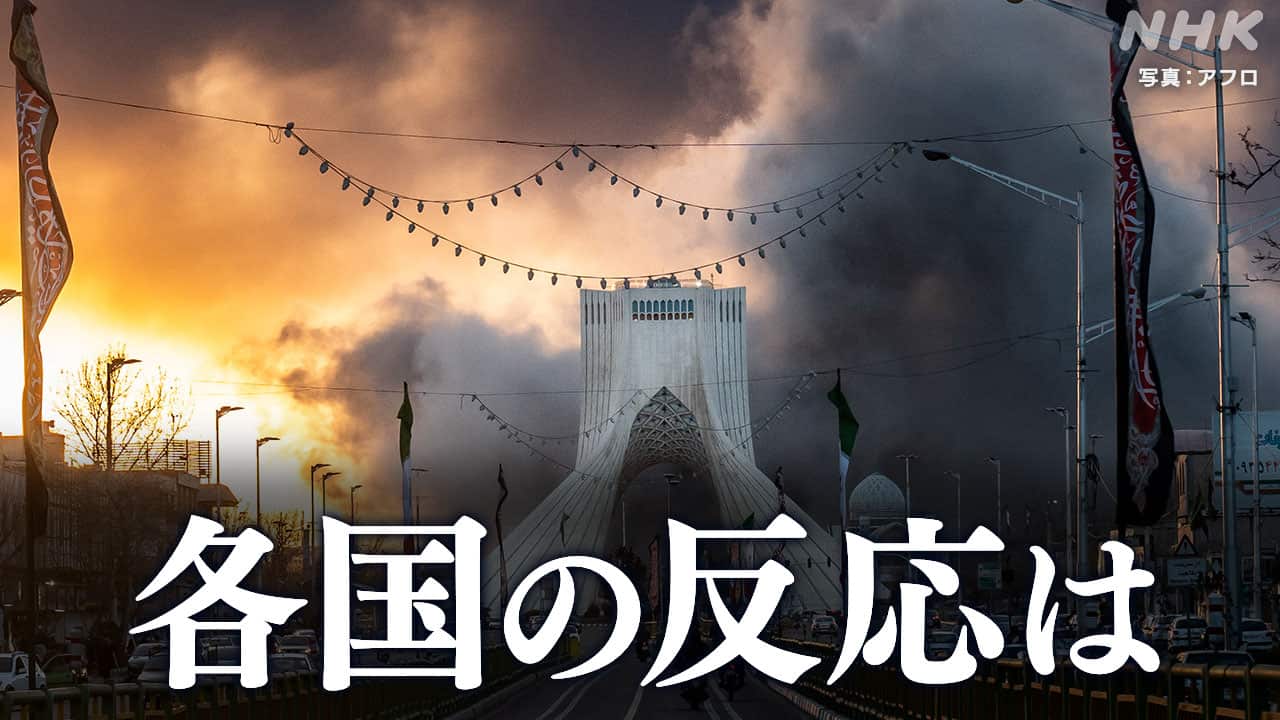
アメリカとイスラエルによるイランへの軍事作戦は6日目に入り、イラン各地で空からの激しい攻撃が続いています。これを受けての各国の反応です。
アメリカの議会上院はトランプ大統領が議会の承認なく軍事力を行使することは違法だなどとしてイランに対する軍事作戦からアメリカ軍を撤退させるよう求める決議案の採決を行いましたが、反対多数で否決しました。
イランに対する作戦からアメリカ軍を撤退させるよう求める決議案は、与党・共和党と野党・民主党の議員が共同で提案し、4日、議会上院で採決が行われました。
民主党のシューマー院内総務は「なぜトランプ大統領は国民が望んでいない、しかも彼自身も説明できない戦争にアメリカを突入させるのか。もうたくさんだ。中東での新たな戦争を止めなければならない」と訴えました。
これに対し、共和党のリッシュ議員は「歴代の大統領たちも、トランプ大統領と同様に議会に諮らずに武力行使を命じてきた。新しいことではない」などと反論しました。
採決の結果、共和党の議員が1人を除いて全員反対したほか民主党の議員も1人が反対し、賛成47、反対53の反対多数で否決されました。
トランプ大統領の支持者からも軍事作戦に反対の声が出る中、ことし11月の中間選挙で全員改選となる下院議員が、それぞれどのような立場を示すかが焦点となります。
中国は、アメリカとイスラエルがイランを攻撃し、最高指導者を殺害したことは、国際法に違反し、主権と安全に対する重大な侵害だとして、断固反対し、厳しく非難しています。
そのうえで軍事行動を即時停止して、対話と交渉を早期に再開し、緊張のさらなるエスカレートを回避するよう求めています。
中国は、世界最大の原油輸入国で、輸入の4割を中東6か国が占めているため、ホルムズ海峡の封鎖が長引けば影響は避けられず、エネルギー関連施設などへの攻撃をやめることや、航路の安全を確保することも主張しています。
王毅外相は、イスラエルやイランなど各国の外相と電話で会談し、中東担当の特使を近く派遣するとして、停戦に向けた働きかけをしています。
中国政府は、北京で5日開いた全人代=全国人民代表大会の政府活動報告の中で、イランに攻撃を続けるアメリカを念頭に「覇権主義と強権政治に断固反対する」とけん制しました。
その上で、李強首相は「われわれは独立自主の平和外交政策を堅持し、国際的な公平と正義を守らなければならない」と述べました。
ロシア外務省は先月28日、声明で「アメリカとイスラエルはこの地域を人道的、経済的、そしておそらくは放射能汚染による破滅へと急速に追い込む危険な冒険に再び乗り出している」と批判しました。
ロシアは伝統的にイランと友好関係にあり、ウクライナへの軍事侵攻でもイランから無人機など兵器の供給を受けてきました。
また、イランの最高指導者ハメネイ師の殺害を受けては、プーチン大統領が今月1日、哀悼のメッセージを送り「最高指導者ハメネイ師とその家族はあらゆる人道的倫理と国際法の規範を冷笑的に侵害する形で殺害された」と批判しています。
一方で、プーチン大統領のメッセージではアメリカとイスラエルを名指しすることは避けたかたちです。
1月にアメリカによるベネズエラへの軍事作戦が行われた際も、アメリカへの批判は抑制的で、ロシアとしては、アメリカの仲介によって、ウクライナ侵攻をめぐる停戦交渉が続く中、トランプ政権との関係の悪化は避けたいという思惑もあると見られます。
トルコは4日、イランから発射された弾道ミサイルが迎撃され、破片がトルコ南部に落下したと発表しましていました。
トルコはNATO=北大西洋条約機構の加盟国で、東地中海に展開しているNATOの部隊が迎撃したとしています。
一方、イラン国営テレビは5日、「隣国であり友好国でもあるトルコの主権を尊重しており、トルコ領土に向けたいかなるミサイル発射も否定する」とするイラン側の声明を発表しました。
これを前にイランのアラグチ外相はトルコのフィダン外相と電話会談し、この中でアラグチ外相は、イランとトルコの協力を強化する重要性を強調したとしています。
また、トルコの政府系通信社アナトリア通信によりますと、電話会談でフィダン外相は、紛争の激化につながるいかなる行動も避けるべきだとしてイラン側に懸念を伝えたということです。
AFP通信は、匿名のトルコ当局者の話として、ミサイルについて「キプロスの基地を狙ったものが進路を外れた」と報じています。
アメリカの議会上院はトランプ大統領が議会の承認なく軍事力を行使することは違法だなどとしてイランに対する軍事作戦からアメリカ軍を撤退させるよう求める決議案の採決を行いましたが、反対多数で否決しました。
イランに対する作戦からアメリカ軍を撤退させるよう求める決議案は、与党・共和党と野党・民主党の議員が共同で提案し、4日、議会上院で採決が行われました。
民主党のシューマー院内総務は「なぜトランプ大統領は国民が望んでいない、しかも彼自身も説明できない戦争にアメリカを突入させるのか。もうたくさんだ。中東での新たな戦争を止めなければならない」と訴えました。
これに対し、共和党のリッシュ議員は「歴代の大統領たちも、トランプ大統領と同様に議会に諮らずに武力行使を命じてきた。新しいことではない」などと反論しました。
採決の結果、共和党の議員が1人を除いて全員反対したほか民主党の議員も1人が反対し、賛成47、反対53の反対多数で否決されました。
トランプ大統領の支持者からも軍事作戦に反対の声が出る中、ことし11月の中間選挙で全員改選となる下院議員が、それぞれどのような立場を示すかが焦点となります。
中国は、アメリカとイスラエルがイランを攻撃し、最高指導者を殺害したことは、国際法に違反し、主権と安全に対する重大な侵害だとして、断固反対し、厳しく非難しています。
そのうえで軍事行動を即時停止して、対話と交渉を早期に再開し、緊張のさらなるエスカレートを回避するよう求めています。
中国は、世界最大の原油輸入国で、輸入の4割を中東6か国が占めているため、ホルムズ海峡の封鎖が長引けば影響は避けられず、エネルギー関連施設などへの攻撃をやめることや、航路の安全を確保することも主張しています。
王毅外相は、イスラエルやイランなど各国の外相と電話で会談し、中東担当の特使を近く派遣するとして、停戦に向けた働きかけをしています。
中国政府は、北京で5日開いた全人代=全国人民代表大会の政府活動報告の中で、イランに攻撃を続けるアメリカを念頭に「覇権主義と強権政治に断固反対する」とけん制しました。
その上で、李強首相は「われわれは独立自主の平和外交政策を堅持し、国際的な公平と正義を守らなければならない」と述べました。
ロシア外務省は先月28日、声明で「アメリカとイスラエルはこの地域を人道的、経済的、そしておそらくは放射能汚染による破滅へと急速に追い込む危険な冒険に再び乗り出している」と批判しました。
ロシアは伝統的にイランと友好関係にあり、ウクライナへの軍事侵攻でもイランから無人機など兵器の供給を受けてきました。
また、イランの最高指導者ハメネイ師の殺害を受けては、プーチン大統領が今月1日、哀悼のメッセージを送り「最高指導者ハメネイ師とその家族はあらゆる人道的倫理と国際法の規範を冷笑的に侵害する形で殺害された」と批判しています。
一方で、プーチン大統領のメッセージではアメリカとイスラエルを名指しすることは避けたかたちです。
1月にアメリカによるベネズエラへの軍事作戦が行われた際も、アメリカへの批判は抑制的で、ロシアとしては、アメリカの仲介によって、ウクライナ侵攻をめぐる停戦交渉が続く中、トランプ政権との関係の悪化は避けたいという思惑もあると見られます。
トルコは4日、イランから発射された弾道ミサイルが迎撃され、破片がトルコ南部に落下したと発表しましていました。
トルコはNATO=北大西洋条約機構の加盟国で、東地中海に展開しているNATOの部隊が迎撃したとしています。
一方、イラン国営テレビは5日、「隣国であり友好国でもあるトルコの主権を尊重しており、トルコ領土に向けたいかなるミサイル発射も否定する」とするイラン側の声明を発表しました。
これを前にイランのアラグチ外相はトルコのフィダン外相と電話会談し、この中でアラグチ外相は、イランとトルコの協力を強化する重要性を強調したとしています。
また、トルコの政府系通信社アナトリア通信によりますと、電話会談でフィダン外相は、紛争の激化につながるいかなる行動も避けるべきだとしてイラン側に懸念を伝えたということです。
AFP通信は、匿名のトルコ当局者の話として、ミサイルについて「キプロスの基地を狙ったものが進路を外れた」と報じています。
Vocabulary
General
Proper noun
JLPT N2
JLPT N1
| # | 言葉 | 意味 |
|---|---|---|
| 6 | 外相 | がいしょう (外相) : Foreign Minister |
| 4 | 軍事作戦 | ぐんじさくせん (軍事作戦) : 1. military operation 2. military tactics; military strategy |
| 4 | 攻撃 | こうげき (攻撃) : 1. attack; assault; raid; onslaught; offensive 2. criticism; censure; denunciation; condemnation |
| 4 | 議会 | ぎかい (議会) : congress; parliament; diet; legislative assembly |
| 4 | 議員 | ぎいん (議員) : member of an assembly; member of the Diet; member of parliament; member of Congress |
| 4 | 避ける | さける (避ける) : 1. to avoid (physical contact with) 2. to avoid (situation) |
| 3 | 求める | もとめる (求める) : 1. to want; to wish for 2. to request; to demand; to require; to ask for |
| 3 | 採決 | さいけつ (採決) : vote; ballot; division |
| 3 | 共和党 | きょうわとう (共和党) : Republican Party |
| 3 | 民主党 | みんしゅとう (民主党) : 1. Democratic Party (esp. DPJ or US Democratic Party) 2. Constitutional Democratic Party of Japan |
| 3 | 中東 | ちゅうとう (中東) : Middle East |
| 3 | 大統領 | だいとうりょう (大統領) : 1. president (of a nation) 2. big man; boss; buddy; mate |
| 3 | 中国 | ちゅうごく (中国) : 1. China 2. Chūgoku region of western Honshu (incl. Okayama, Hiroshima, Shimane, Tottori and Yamaguchi prefectures) |
| 3 | 殺害 | さつがい (殺害) : killing; murder |
| 3 | 政府 | せいふ (政府) : government; administration |
| 3 | 批判 | ひはん (批判) : criticism; judgement; judgment; comment |
| 2 | 各国 | かっこく (各国) : 1. each nation 2. many nations; many countries |
| 2 | 上院 | じょういん (上院) : upper house; upper legislative chamber; senate |
| 2 | アメリカ軍 | アメリカぐん (アメリカ軍) : U.S. forces; American military |
| 2 | 撤退 | てったい (撤退) : evacuation; withdrawal; revocation; repeal; retreat |
| 2 | 決議案 | けつぎあん (決議案) : resolutions |
| 2 | 多数 | たすう (多数) : 1. large number (of); many 2. majority |
| 2 | 否決 | ひけつ (否決) : rejection; negation; voting down |
| 2 | 全員 | ぜんいん (全員) : all members; all hands; everyone; everybody; whole crew |
| 2 | 最高指導者 | さいこうしどうしゃ (最高指導者) : supreme leader; ultimate leader |
| 2 | 国際法 | こくさいほう (国際法) : international law; law of nations |
| 2 | 主権 | しゅけん (主権) : sovereignty; supremacy; dominion |
| 2 | 侵害 | しんがい (侵害) : infringement; violation; invasion; encroachment; trespass |
| 2 | 断固 | だんこ (断固) : firm; determined; resolute; conclusive |
| 2 | 交渉 | こうしょう (交渉) : 1. negotiations; discussions 2. connection |
| 2 | 停戦 | ていせん (停戦) : armistice; ceasefire |
| 2 | 声明 | せいめい (声明) : declaration; statement; proclamation |
| 2 | 人道的 | じんどうてき (人道的) : humane |
| 2 | 師 | し (師) : 1. teacher; master; one's mentor 2. religious leader |
| 2 | 迎撃 | げいげき (迎撃) : intercept; interception; counter-attack |
| 2 | 発表 | はっぴょう (発表) : announcement; publication; presenting; statement; communique; making known; breaking (news story); expressing (one's opinion); releasing; unveiling |
| 2 | いかなる | いかなる (如何なる) : any kind of; every; whatsoever; whatever |
| 2 | 通信 | つうしん (通信) : correspondence; communication; transmission; news; signal; telecommunications |
| 1 | 各地 | かくち (各地) : every place; various places |
| 1 | 激しい | はげしい (激しい) : 1. violent; furious; tempestuous 2. extreme; intense; fierce; strong |
| 1 | 反応 | はんのう (反応) : reaction; response |
| 1 | 承認 | しょうにん (承認) : recognition; acknowledgement; acknowledgment; approval; consent; agreement |
| 1 | 軍事力 | ぐんじりょく (軍事力) : military force; military strength |
| 1 | 行使 | こうし (行使) : use; exercise (of one's right, authority, power, etc.) |
| 1 | 違法 | いほう (違法) : illegal; illicit; unlawful |
| 1 | 作戦 | さくせん (作戦) : 1. tactics; strategy 2. military operation; naval operation |
| 1 | 与党 | よとう (与党) : ruling party; government party; party in power; government |
| 1 | 野党 | やとう (野党) : opposition party; political opposition; opposition |
| 1 | 共同 | きょうどう (共同) : doing together (as equals); sharing; common (land, etc.); joint (statement, etc.); cooperation; co-operation; collaboration; association |
| 1 | 提案 | ていあん (提案) : proposal; proposition; suggestion |
| 1 | 院内総務 | いんないそうむ (院内総務) : floor leader; party whip |
| 1 | 国民 | こくみん (国民) : people (of a country); nation; citizen; national |
| 1 | 望む | のぞむ (望む) : 1. to desire 2. to wish for; to expect |
| 1 | しかも | しかも (然も) : 1. moreover; furthermore 2. nevertheless; and yet |
| 1 | 彼自身 | かれじしん (彼自身) : himself; he himself |
| 1 | 突入 | とつにゅう (突入) : 1. rushing into; breaking into; storming 2. plunging into (war, etc.); embarking on (a new venture) |
| 1 | 新た | あらた (新た) : new; fresh; novel |
| 1 | 止める | とめる (止める) : 1. to stop; to turn off 2. to park |
| 1 | 訴える | うったえる (訴える) : 1. to raise; to bring to (someone's attention) 2. to appeal to (reason, emotions, etc.); to work on (one's emotions); to play on (one's sympathies) |
| 1 | 歴代 | れきだい (歴代) : successive generations; successive emperors |
| 1 | 同様 | どうよう (同様) : same; similar; (just) like; equal |
| 1 | 諮る | はかる (諮る) : to consult with; to discuss; to confer; to deliberate |
| 1 | 武力行使 | ぶりょくこうし (武力行使) : use of (military) force |
| 1 | 命ずる | めいずる (命ずる) : 1. to order; to command 2. to appoint |
| 1 | 反論 | はんろん (反論) : objection; refutation; rebuttal; counterargument |
| 1 | 結果 | けっか (結果) : 1. result; consequence; outcome; effect 2. coming to fruition; bearing fruit |
| 1 | 除く | のぞく (除く) : 1. to remove; to eliminate; to eradicate 2. to exclude; to except |
| 1 | 賛成 | さんせい (賛成) : approval; agreement; support; favour; favor |
| 1 | 支持者 | しじしゃ (支持者) : supporter (e.g. of the arts); adherent; proponent |
| 1 | 中間選挙 | ちゅうかんせんきょ (中間選挙) : midterm election; interim election |
| 1 | 改選 | かいせん (改選) : re-election |
| 1 | 下院議員 | かいんぎいん (下院議員) : member of the lower house |
| 1 | 立場 | たちば (立場) : 1. position; situation 2. viewpoint; standpoint; point of view |
| 1 | 示す | しめす (示す) : 1. to (take out and) show; to demonstrate; to tell; to exemplify; to make apparent 2. to point out (finger, clock hand, needle, etc.) |
| 1 | 焦点 | しょうてん (焦点) : focus (e.g. photographic); focal point |
| 1 | 違反 | いはん (違反) : violation; offense; offence; breach; transgression; infringement; contravention |
| 1 | 重大 | じゅうだい (重大) : serious; important; significant; grave; weighty |
| 1 | 非難 | ひなん (非難) : criticism; blame; censure; attack; reproach |
| 1 | 軍事行動 | ぐんじこうどう (軍事行動) : military movements |
| 1 | 即時 | そくじ (即時) : prompt; immediate; in real time |
| 1 | 停止 | ていし (停止) : 1. stoppage; coming to a stop; halt; standstill 2. ceasing (movement, activity, etc.); suspension (of operations); interruption (e.g. of electricity supply); cutting off |
| 1 | 対話 | たいわ (対話) : dialogue; discussion; conversation; interaction |
| 1 | 早期 | そうき (早期) : early stage |
| 1 | 再開 | さいかい (再開) : reopening; resumption; restarting |
| 1 | 緊張 | きんちょう (緊張) : tension; mental strain; nervousness |
| 1 | さらなる | さらなる (更なる) : even more; still more; further |
| 1 | 回避 | かいひ (回避) : evasion; avoidance |
| 1 | 世界最大 | せかいさいだい (世界最大) : world's largest |
| 1 | 原油 | げんゆ (原油) : crude oil |
| 1 | 輸入国 | ゆにゅうこく (輸入国) : importing country |
| 1 | 割 | わり (割り) : 1. rate; ratio; proportion; percentage 2. profit |
| 1 | か国 | かこく (カ国) : counter for countries |
| 1 | 占める | しめる (占める) : 1. to occupy; to hold 2. to account for; to make up; to take up |
| 1 | ホルムズ海峡 | ホルムズかいきょう (ホルムズ海峡) : Strait of Hormuz (place) |
| 1 | 封鎖 | ふうさ (封鎖) : 1. blockade; lockdown; sealing off (an area) 2. freezing (funds) |
| 1 | 長引く | ながびく (長引く) : to be prolonged; to drag on |
| 1 | 影響 | えいきょう (影響) : 1. influence; effect 2. to influence; to affect; to have an influence on; to impact; to have an effect on |
| 1 | 航路 | こうろ (航路) : (air or sea) route; course; line; run |
| 1 | 確保 | かくほ (確保) : 1. securing; obtaining; ensuring; guarantee; maintaining 2. belay; belaying |
| 1 | 主張 | しゅちょう (主張) : claim; insistence; assertion; advocacy; emphasis; contention; opinion; tenet |
| 1 | 会談 | かいだん (会談) : conversation; conference (usu. between important people); discussion; interview |
| 1 | 担当 | たんとう (担当) : being in charge (of an area of responsibility); being responsible (for a work role, etc.) |
| 1 | 特使 | とくし (特使) : special envoy |
| 1 | 派遣 | はけん (派遣) : 1. dispatch; despatch; deployment 2. temporary employee (esp. from an agency); temporary worker; agency temp |
| 1 | 働きかけ | はたらきかけ (働きかけ) : pressure; encouragement; urging; promoting |
| 1 | 北京 | ペキン (北京) : Beijing (China); Peking |
| 1 | 開く | ひらく (開く) : 1. to open; to undo; to unseal; to unpack 2. to bloom; to unfold; to spread out |
| 1 | 全人代 | ぜんじんだい (全人代) : National People's Congress (of the People's Republic of China); NPC |
| 1 | 全国人民代表大会 | ぜんこくじんみんだいひょうたいかい (全国人民代表大会) : National People's Congress (of the People's Republic of China); NPC |
| 1 | 活動 | かつどう (活動) : 1. activity (of a person, organization, animal, volcano, etc.); action 2. movie (esp. during the silent movie period) |
| 1 | 報告 | ほうこく (報告) : report; information |
| 1 | 念頭 | ねんとう (念頭) : (on one's) mind; heed |
| 1 | 覇権主義 | はけんしゅぎ (覇権主義) : hegemonism |
| 1 | 強権 | きょうけん (強権) : strong power of the state; iron fist; heavy hand |
| 1 | けん制 | けんせい (牽制) : 1. check; keeping in check; restraint; curbing; reining in; discouraging (from doing) 2. containment (of enemy forces); diversionary action; feint operation; show of force |
| 1 | 首相 | しゅしょう (首相) : prime minister; chancellor (Germany, Austria, etc.); premier |
| 1 | われわれ | われわれ (我々) : we |
| 1 | 独立 | どくりつ (独立) : 1. independence; self-reliance; supporting oneself; being on one's own 2. independence (e.g. of a nation); freedom |
| 1 | 自主 | じしゅ (自主) : independence; autonomy; self-reliance |
| 1 | 平和 | へいわ (平和) : peace; harmony |
| 1 | 外交政策 | がいこうせいさく (外交政策) : foreign policy |
| 1 | 堅持 | けんじ (堅持) : holding on to; sticking to |
| 1 | 国際的 | こくさいてき (国際的) : international |
| 1 | 公平 | きんぴら (金平) : chopped burdock root (and sometimes carrot) cooked in sugar and soy sauce |
| 1 | 正義 | せいぎ (正義) : 1. justice; right; righteousness 2. correct meaning; correct explanation |
| 1 | 守る | まもる (守る) : 1. to protect; to guard; to defend 2. to keep (i.e. a promise); to abide (by the rules); to observe; to obey; to follow |
| 1 | 述べる | のべる (述べる) : to state; to express; to mention |
| 1 | 地域 | ちいき (地域) : area; region |
| 1 | 経済的 | けいざいてき (経済的) : economic; economical; financial |
| 1 | おそらく | おそらく (恐らく) : perhaps; likely; probably; I dare say |
| 1 | 放射能汚染 | ほうしゃのうおせん (放射能汚染) : radioactive contamination |
| 1 | 破滅 | はめつ (破滅) : ruin; destruction; fall |
| 1 | 急速 | きゅうそく (急速) : rapid (e.g. progress) |
| 1 | 追い込む | おいこむ (追い込む) : 1. to herd; to drive; to chase; to corral 2. to corner; to force someone into doing |
| 1 | 冒険 | ぼうけん (冒険) : 1. adventure; venture 2. venture which is unlikely to succeed; risky attempt; danger; hazard; risk |
| 1 | 再び | ふたたび (再び) : again; once more; a second time |
| 1 | 乗り出す | のりだす (乗り出す) : 1. to set out; to set sail 2. to embark on (a new venture); to set out (to achieve something) |
| 1 | 伝統的 | でんとうてき (伝統的) : traditional; conventional |
| 1 | 友好 | ゆうこう (友好) : friendship |
| 1 | 無人機 | むじんき (無人機) : drone; unmanned aircraft |
| 1 | 兵器 | へいき (兵器) : arms; weapon; ordnance |
| 1 | 供給 | きょうきゅう (供給) : supply; provision |
| 1 | 哀悼 | あいとう (哀悼) : condolence; regret; tribute; sorrow; sympathy; lament |
| 1 | 送る | おくる (送る) : 1. to send (a thing); to dispatch; to despatch; to transmit 2. to take or escort (a person somewhere); to see off (a person) |
| 1 | あらゆる | あらゆる (有らゆる) : all; every |
| 1 | 倫理 | りんり (倫理) : ethics; morals |
| 1 | 規範 | きはん (規範) : model; standard; pattern; norm; criterion; example |
| 1 | 冷笑 | れいしょう (冷笑) : sneer; derision; scornful laugh; cold smile |
| 1 | 名指し | なざし (名指し) : calling by name; designation; nomination |
| 1 | 際 | きわ (際) : 1. edge; brink; verge; side 2. time; moment of |
| 1 | 抑制 | よくせい (抑制) : control; restraint; suppression; constraint; curtailment; inhibition; check; curb |
| 1 | 仲介 | ちゅうかい (仲介) : agency; intermediation |
| 1 | 侵攻 | しんこう (侵攻) : invasion |
| 1 | めぐる | めぐる (巡る) : 1. to go around 2. to return |
| 1 | 悪化 | あっか (悪化) : (suffer) deterioration; growing worse; aggravation; degeneration; corruption |
| 1 | 思惑 | おもわく (思惑) : 1. expectation; anticipation; prediction; forecast; calculations 2. purpose; intention; motive; ulterior motive |
| 1 | 発射 | はっしゃ (発射) : 1. firing (esp. a rocket or missile); launching; shooting; discharge; catapult 2. ejaculation |
| 1 | 弾道ミサイル | だんどうミサイル (弾道ミサイル) : ballistic missile |
| 1 | 破片 | はへん (破片) : fragment; broken piece; splinter; chip; shard |
| 1 | 落下 | らっか (落下) : fall; drop; descent; coming down |
| 1 | 大西洋 | たいせいよう (大西洋) : Atlantic Ocean |
| 1 | 条約 | じょうやく (条約) : treaty; pact; convention; agreement |
| 1 | 機構 | きこう (機構) : mechanism; organization; organisation |
| 1 | 加盟国 | かめいこく (加盟国) : member nation; member state; signatory |
| 1 | 地中海 | ちちゅうかい (地中海) : 1. Mediterranean Sea 2. Mediterranean sea (oceanography) |
| 1 | 展開 | てんかい (展開) : 1. development; evolution; progression; unfolding; (plot) twist 2. expansion; spreading out; extending; deployment; building up |
| 1 | 部隊 | ぶたい (部隊) : force; unit; corps; squad; troops; party |
| 1 | 国営 | こくえい (国営) : government management; state management |
| 1 | 隣国 | りんごく (隣国) : neighbouring country; neighboring country; adjacent country |
| 1 | 友好国 | ゆうこうこく (友好国) : friendly nation |
| 1 | 尊重 | そんちょう (尊重) : respect; esteem; regard |
| 1 | 領土 | りょうど (領土) : dominion; territory; possession |
| 1 | 否定 | ひてい (否定) : 1. denial; negation; repudiation; disavowal 2. negation (logic) |
| 1 | 協力 | きょうりょく (協力) : cooperation; collaboration |
| 1 | 強化 | きょうか (強化) : strengthening; intensifying; reinforcement; enhancement; solidification |
| 1 | 重要性 | じゅうようせい (重要性) : importance; gravity |
| 1 | 強調 | きょうちょう (強調) : emphasis; highlight; stress; stressed point |
| 1 | 系 | けい (系) : 1. system; lineage; group 2. corollary |
| 1 | 通信社 | つうしんしゃ (通信社) : news agency |
| 1 | 紛争 | ふんそう (紛争) : dispute; conflict; trouble; strife |
| 1 | 激化 | げきか (激化) : intensification; aggravation |
| 1 | つながる | つながる (繋がる) : 1. to be tied together; to be connected to; to be linked to 2. to lead to; to be related to |
| 1 | 行動 | こうどう (行動) : action; conduct; behaviour; behavior; mobilization; mobilisation |
| 1 | 懸念 | けねん (懸念) : worry; fear; anxiety; concern |
| 1 | 伝える | つたえる (伝える) : to convey; to report; to transmit; to communicate; to tell; to impart; to propagate; to teach; to bequeath |
| 1 | 匿名 | とくめい (匿名) : anonymity; using an assumed name |
| 1 | 当局者 | とうきょくしゃ (当局者) : authority (person) |
| 1 | 基地 | きち (基地) : base (military, expedition, etc.) |
| 1 | 狙う | ねらう (狙う) : 1. to aim at 2. to be after (something); to have an eye on |
| 1 | 進路 | しんろ (進路) : 1. route; course; path 2. one's future course (e.g. after graduating high school) |
| 1 | 外れる | はずれる (外れる) : 1. to be disconnected; to get out of place; to be off; to be out (e.g. of gear) 2. to miss the mark; to get it wrong (e.g. guess, expectation); to draw a blank (e.g. lottery) |
| 1 | 報ずる | ほうずる (報ずる) : to inform; to report |