中国 きょうから全人代始まる 経済成長率目標などの政策が焦点
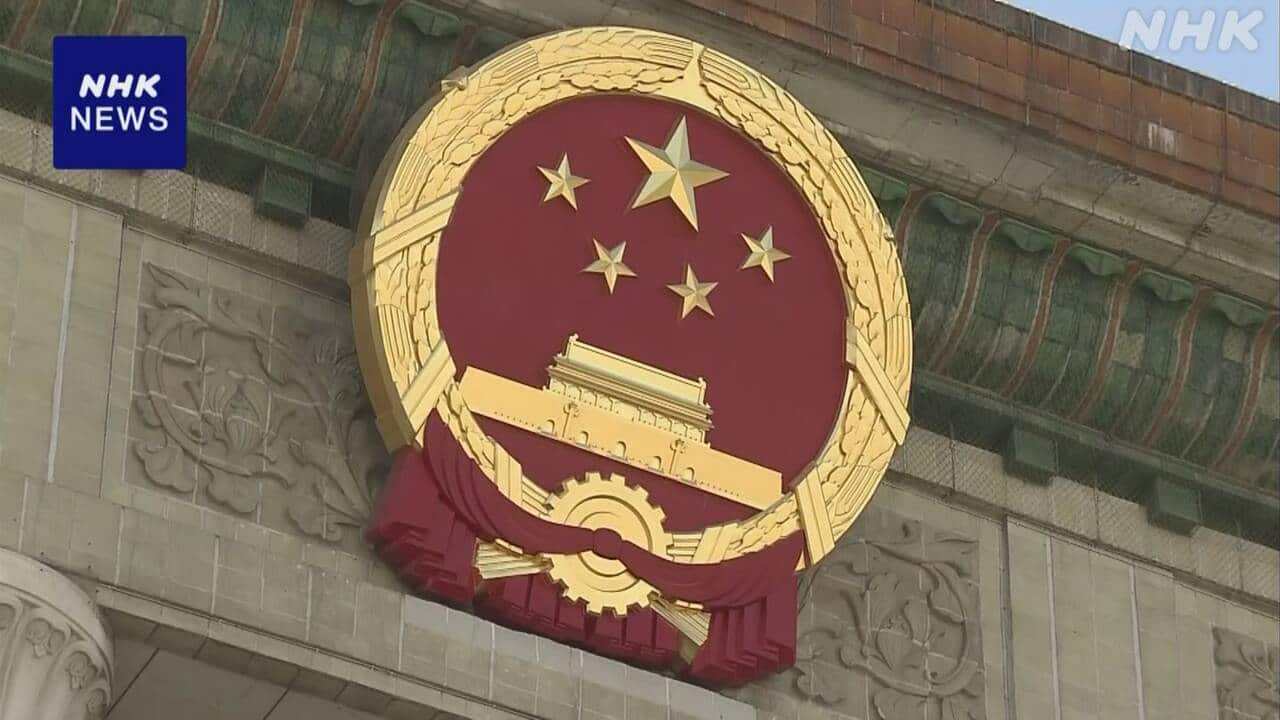
中国で5日、重要政策を決める全人代=全国人民代表大会が始まります。長引く不動産不況で国内の景気が減速し、国際情勢も不透明感を増す中で、中国が経済成長率の目標をはじめ、どのような政策を示すのかが焦点です。
中国の全人代は、首都 北京の人民大会堂で5日から12日まで開かれ、初日は習近平指導部のメンバーが一堂に会し、李強首相が政府活動報告を行って、今後の政策の方針を明らかにします。
中国では長引く不動産不況などによる景気の減速に加え、アメリカとの貿易摩擦が再び激化することへの根強い警戒感があります。
さらに、アメリカとイスラエルによるイランへの軍事作戦で国際情勢が急変し、先行きへの不透明感が一段と強まっています。
ことしの全人代では、中国政府が去年まで3年連続で「5%前後」としてきた経済成長率の目標を引き下げるのかや、内需の拡大などを図るためどのような政策を打ち出すのかが焦点です。
今回は経済政策などの基本方針となる新たな「5か年計画」も正式に決定する予定で、アメリカとの対立も念頭に、外国の技術に依存せず科学技術を発展させる方針などを示すとみられます。
さらに、増え続ける国防予算をことしはどの程度拡大させるのかや、期間中に行われる閣僚の会見などで悪化した日中関係に言及するかも注目されます。
習近平指導部は、成長の速度よりも質と効率性を重視する経済への転換を目指すとして、経済成長率の目標を段階的に引き下げてきました。
▽10年前の2016年の目標は、「6.5%から7%」でしたが、▽2017年と2018年は、「6.5%前後」▽2019年は、「6%から6.5%」に引き下げました。
また、新型コロナウイルスの感染が拡大した2020年については、目標を公表しませんでした。
その後、成長率の目標は、▽2021年に「6%以上」▽2022年に「5.5%前後」となり、▽2023年から去年までは、3年連続で「5%前後」となっています。
2020年に開かれた中国共産党の重要会議で、習近平国家主席は「2035年までに経済の規模か、国民の平均収入を2倍にすることは可能だ」と述べています。
2035年にGDPを2倍にするためには、▽2026年からの5年間は、平均で4%台後半▽2031年からの5年間は、平均で4%台前半の成長が必要になるという試算もあります。
中国経済は、不動産不況の長期化などを背景に、内需の停滞が続いているほか、アメリカとの貿易摩擦が再び激しくなることへの警戒感も根強く残っています。
景気の減速傾向が強まる中、今回の政府活動報告で、目標をどの程度の水準に設定するかが注目されています。
中国の「5か年計画」は、経済政策の運営方針など、向こう5年間の国家戦略を定めたものです。
今回の全人代=全国人民代表大会では、新たな計画が採択される予定で、ことしから2030年までの5年間の計画を正式に決定します。
中国共産党の重要会議で示された計画の概要では、重点項目のトップに、「現代的産業システムの構築」を掲げ、量子技術や、AI=人工知能、ロボットといった分野を「未来産業」の中核に位置づけました。
次いで、アメリカとの先端技術などをめぐる対立の長期化を念頭に、外国の技術に依存せずに科学技術を発展させる、「自立自強」を進めることを掲げています。
また、中国経済の減速を背景に、消費の促進などを通じた内需の拡大に力を入れるとしているほか、国防と軍隊の現代化を高いレベルで推進するとしています。
そのうえで、2035年までに経済力や科学技術力、国防力、それに国際的な影響力を飛躍的に高めるとしています。
中国の全人代は、首都 北京の人民大会堂で5日から12日まで開かれ、初日は習近平指導部のメンバーが一堂に会し、李強首相が政府活動報告を行って、今後の政策の方針を明らかにします。
中国では長引く不動産不況などによる景気の減速に加え、アメリカとの貿易摩擦が再び激化することへの根強い警戒感があります。
さらに、アメリカとイスラエルによるイランへの軍事作戦で国際情勢が急変し、先行きへの不透明感が一段と強まっています。
ことしの全人代では、中国政府が去年まで3年連続で「5%前後」としてきた経済成長率の目標を引き下げるのかや、内需の拡大などを図るためどのような政策を打ち出すのかが焦点です。
今回は経済政策などの基本方針となる新たな「5か年計画」も正式に決定する予定で、アメリカとの対立も念頭に、外国の技術に依存せず科学技術を発展させる方針などを示すとみられます。
さらに、増え続ける国防予算をことしはどの程度拡大させるのかや、期間中に行われる閣僚の会見などで悪化した日中関係に言及するかも注目されます。
習近平指導部は、成長の速度よりも質と効率性を重視する経済への転換を目指すとして、経済成長率の目標を段階的に引き下げてきました。
▽10年前の2016年の目標は、「6.5%から7%」でしたが、▽2017年と2018年は、「6.5%前後」▽2019年は、「6%から6.5%」に引き下げました。
また、新型コロナウイルスの感染が拡大した2020年については、目標を公表しませんでした。
その後、成長率の目標は、▽2021年に「6%以上」▽2022年に「5.5%前後」となり、▽2023年から去年までは、3年連続で「5%前後」となっています。
2020年に開かれた中国共産党の重要会議で、習近平国家主席は「2035年までに経済の規模か、国民の平均収入を2倍にすることは可能だ」と述べています。
2035年にGDPを2倍にするためには、▽2026年からの5年間は、平均で4%台後半▽2031年からの5年間は、平均で4%台前半の成長が必要になるという試算もあります。
中国経済は、不動産不況の長期化などを背景に、内需の停滞が続いているほか、アメリカとの貿易摩擦が再び激しくなることへの警戒感も根強く残っています。
景気の減速傾向が強まる中、今回の政府活動報告で、目標をどの程度の水準に設定するかが注目されています。
中国の「5か年計画」は、経済政策の運営方針など、向こう5年間の国家戦略を定めたものです。
今回の全人代=全国人民代表大会では、新たな計画が採択される予定で、ことしから2030年までの5年間の計画を正式に決定します。
中国共産党の重要会議で示された計画の概要では、重点項目のトップに、「現代的産業システムの構築」を掲げ、量子技術や、AI=人工知能、ロボットといった分野を「未来産業」の中核に位置づけました。
次いで、アメリカとの先端技術などをめぐる対立の長期化を念頭に、外国の技術に依存せずに科学技術を発展させる、「自立自強」を進めることを掲げています。
また、中国経済の減速を背景に、消費の促進などを通じた内需の拡大に力を入れるとしているほか、国防と軍隊の現代化を高いレベルで推進するとしています。
そのうえで、2035年までに経済力や科学技術力、国防力、それに国際的な影響力を飛躍的に高めるとしています。
Vocabulary
General
Proper noun
JLPT N2
JLPT N1
| # | 言葉 | 意味 |
|---|---|---|
| 8 | 中国 | ちゅうごく (中国) : 1. China 2. Chūgoku region of western Honshu (incl. Okayama, Hiroshima, Shimane, Tottori and Yamaguchi prefectures) |
| 7 | 目標 | めじるし (目印) : 1. mark (for quick identification or recognition); sign 2. landmark; guide |
| 4 | 政策 | せいさく (政策) : political measures; policy |
| 4 | 全人代 | ぜんじんだい (全人代) : National People's Congress (of the People's Republic of China); NPC |
| 4 | 減速 | げんそく (減速) : deceleration |
| 4 | 成長率 | せいちょうりつ (成長率) : growth rate |
| 4 | 前後 | ぜんご (前後) : 1. front and rear; front and back; before and behind; back and forth 2. before and after |
| 4 | 拡大 | かくだい (拡大) : magnification; enlargement; expansion; amplification |
| 4 | 年間 | ねんかん (年間) : 1. (period of) a year 2. during an era |
| 3 | 重要 | じゅうよう (重要) : important; momentous; essential; principal; major |
| 3 | 不動産 | ふどうさん (不動産) : real estate |
| 3 | 不況 | ふきょう (不況) : depression; recession; slump |
| 3 | 景気 | けいき (景気) : 1. business conditions; the market; economic activity; economic climate 2. good (economic) times; prosperity; boom |
| 3 | 示す | しめす (示す) : 1. to (take out and) show; to demonstrate; to tell; to exemplify; to make apparent 2. to point out (finger, clock hand, needle, etc.) |
| 3 | 習近平 | しゅうきんぺい (習近平) : Xi Jinping (person) |
| 3 | 政府 | せいふ (政府) : government; administration |
| 3 | 引き下げる | ひきさげる (引き下げる) : to pull down; to lower; to reduce; to withdraw |
| 3 | 内需 | ないじゅ (内需) : domestic demand |
| 3 | 国防 | こくぼう (国防) : national defence; national defense |
| 3 | 平均 | へいきん (平均) : 1. average; mean 2. balance; equilibrium |
| 2 | 全国人民代表大会 | ぜんこくじんみんだいひょうたいかい (全国人民代表大会) : National People's Congress (of the People's Republic of China); NPC |
| 2 | 長引く | ながびく (長引く) : to be prolonged; to drag on |
| 2 | 情勢 | じょうせい (情勢) : state of things; state of affairs; condition; situation; circumstances |
| 2 | 不透明感 | ふとうめいかん (不透明感) : sense of uncertainty; lack of clarity; indecisiveness |
| 2 | 焦点 | しょうてん (焦点) : focus (e.g. photographic); focal point |
| 2 | 開く | ひらく (開く) : 1. to open; to undo; to unseal; to unpack 2. to bloom; to unfold; to spread out |
| 2 | 指導部 | しどうぶ (指導部) : leadership |
| 2 | 活動 | かつどう (活動) : 1. activity (of a person, organization, animal, volcano, etc.); action 2. movie (esp. during the silent movie period) |
| 2 | 報告 | ほうこく (報告) : report; information |
| 2 | 方針 | ほうしん (方針) : 1. policy; course; plan (of action); principle 2. magnetic needle |
| 2 | 貿易摩擦 | ぼうえきまさつ (貿易摩擦) : trade friction |
| 2 | 再び | ふたたび (再び) : again; once more; a second time |
| 2 | 警戒感 | けいかいかん (警戒感) : sense of caution; wariness |
| 2 | 強まる | つよまる (強まる) : to get strong; to gain strength |
| 2 | 連続 | れんぞく (連続) : continuation; succession; series |
| 2 | 経済政策 | けいざいせいさく (経済政策) : economic policy |
| 2 | 新た | あらた (新た) : new; fresh; novel |
| 2 | 正式 | せいしき (正式) : due form; official; formality |
| 2 | 決定 | けってい (決定) : decision; determination |
| 2 | 対立 | たいりつ (対立) : confrontation; opposition; antagonism |
| 2 | 念頭 | ねんとう (念頭) : (on one's) mind; heed |
| 2 | 依存 | いぞん (依存) : dependence; reliance |
| 2 | 科学技術 | かがくぎじゅつ (科学技術) : 1. science and technology 2. scientific technique |
| 2 | 発展 | はってん (発展) : 1. development; growth; expansion; extension; flourishing 2. development (of a situation, story, etc.); advancement; progression; unfolding |
| 2 | 程度 | ていど (程度) : degree; amount; grade; standard; of the order of (following a number); about; approximately |
| 2 | 注目 | ちゅうもく (注目) : notice; attention; observation |
| 2 | 成長 | せいちょう (成長) : 1. growth; development; growing up; becoming an adult 2. growth (of a company, the economy, etc.) |
| 2 | 中国共産党 | ちゅうごくきょうさんとう (中国共産党) : Chinese Communist Party |
| 2 | 経済 | けいざい (経済) : 1. economy; economics 2. finance; (one's) finances; financial circumstances |
| 2 | 長期化 | ちょうきか (長期化) : lengthening |
| 2 | 背景 | はいけい (背景) : 1. background; scenery; backdrop; setting 2. background (of an incident, situation, etc.); circumstances; context |
| 2 | 掲げる | かかげる (掲げる) : 1. to put up (a notice, sign, etc.); to hang out (e.g. a banner); to fly (e.g. a flag); to hoist; to raise; to display 2. to hold up high; to raise overhead |
| 1 | 始まる | はじまる (始まる) : 1. to begin; to start; to commence 2. to happen (again); to begin (anew) |
| 1 | 国内 | こくない (国内) : internal; domestic |
| 1 | 増す | ます (増す) : to increase; to grow |
| 1 | 首都 | しゅと (首都) : capital city; metropolis |
| 1 | 北京 | ペキン (北京) : Beijing (China); Peking |
| 1 | 人民大会堂 | じんみんだいかいどう (人民大会堂) : Jinmindaikaidou (unclass) |
| 1 | 初日 | しょにち (初日) : first day; opening day |
| 1 | 一堂 | いちどう (一堂) : 1. one building (hall, temple, shrine, room) 2. same room; same place; same building |
| 1 | 会する | かいする (会する) : 1. to meet; to assemble; to gather 2. to encounter; to run into |
| 1 | 首相 | しゅしょう (首相) : prime minister; chancellor (Germany, Austria, etc.); premier |
| 1 | 今後 | こんご (今後) : from now on; hereafter |
| 1 | 明らか | あきらか (明らか) : 1. clear; obvious; evident; plain; definite 2. bright; light |
| 1 | 激化 | げきか (激化) : intensification; aggravation |
| 1 | 根強い | ねづよい (根強い) : firmly rooted; deep-seated |
| 1 | 軍事作戦 | ぐんじさくせん (軍事作戦) : 1. military operation 2. military tactics; military strategy |
| 1 | 急変 | きゅうへん (急変) : 1. sudden turn; sudden change 2. (suddenly occurring) accident; emergency |
| 1 | 先行き | さきゆき (先行き) : the future; future prospects |
| 1 | 一段 | いちだん (一段) : 1. more; much more; still more; all the more 2. step; rung; level; rank |
| 1 | 図る | はかる (図る) : 1. to plan; to attempt; to devise 2. to plot; to conspire; to scheme |
| 1 | 打ち出す | うちだす (打ち出す) : 1. to emboss 2. to print out; to print |
| 1 | 基本方針 | きほんほうしん (基本方針) : basic policy; fundamental policy; fundamental plan of action |
| 1 | 増える | ふえる (増える) : to increase; to multiply |
| 1 | 予算 | よさん (予算) : estimate; budget |
| 1 | 期間中 | きかんちゅう (期間中) : during; for the duration of |
| 1 | 閣僚 | かくりょう (閣僚) : cabinet ministers |
| 1 | 会見 | かいけん (会見) : interview; audience; meeting; (viewing) party |
| 1 | 悪化 | あっか (悪化) : (suffer) deterioration; growing worse; aggravation; degeneration; corruption |
| 1 | 日中 | にっちゅう (日中) : 1. daytime; during the day 2. Japan and China |
| 1 | 関係 | かんけい (関係) : 1. relation; relationship; connection 2. participation; involvement; concern |
| 1 | 言及 | げんきゅう (言及) : reference; allusion |
| 1 | 速度 | そくど (速度) : 1. speed; velocity; pace; rate 2. velocity |
| 1 | 効率性 | こうりつせい (効率性) : efficiency |
| 1 | 重視 | じゅうし (重視) : regarding as important; attaching importance to; taking a serious view of; putting emphasis on |
| 1 | 転換 | てんかん (転換) : conversion; diversion; changeover; commutation; switchover |
| 1 | 目指す | めざす (目指す) : 1. to aim at (for, to do, to become); to try for; to have an eye on 2. to go toward; to head for |
| 1 | 段階的 | だんかいてき (段階的) : incremental; step-by-step; gradual; stepwise |
| 1 | 新型コロナウイルス | しんがたコロナウイルス (新型コロナウイルス) : novel coronavirus (esp. SARS-CoV-2) |
| 1 | 感染 | かんせん (感染) : infection; contagion; becoming infected |
| 1 | 公表 | こうひょう (公表) : official announcement; proclamation |
| 1 | 国家主席 | こっかしゅせき (国家主席) : head of state |
| 1 | 規模 | きぼ (規模) : scale; scope; plan; structure |
| 1 | 国民 | こくみん (国民) : people (of a country); nation; citizen; national |
| 1 | 収入 | しゅうにゅう (収入) : income; receipts; revenue |
| 1 | 可能 | かのう (可能) : possible; potential; practicable; feasible |
| 1 | 述べる | のべる (述べる) : to state; to express; to mention |
| 1 | 後半 | こうはん (後半) : second half; latter half |
| 1 | 前半 | ぜんはん (前半) : first half |
| 1 | 試算 | しさん (試算) : trial calculation; preliminary calculation; estimation |
| 1 | 停滞 | ていたい (停滞) : stagnation; tie-up; standstill; congestion; delay; accumulation; falling into arrears |
| 1 | 残る | のこる (残る) : to remain; to be left |
| 1 | 傾向 | けいこう (傾向) : tendency; trend; inclination |
| 1 | 水準 | すいじゅん (水準) : 1. level; standard 2. water level |
| 1 | 設定 | せってい (設定) : 1. establishment; creation; posing (a problem); setting (movie, novel, etc.); scene 2. options setting; preference settings; configuration; setup |
| 1 | 国家 | こっか (国家) : state; country; nation |
| 1 | 戦略 | せんりゃく (戦略) : strategy; tactics |
| 1 | 定める | さだめる (定める) : 1. to decide; to determine 2. to establish; to lay down; to prescribe; to provide; to stipulate |
| 1 | 採択 | さいたく (採択) : adoption; selection; choice |
| 1 | 概要 | がいよう (概要) : outline; summary; overview; synopsis; abstract; abridgment; abridgement |
| 1 | 重点 | じゅうてん (重点) : 1. important point; emphasis; stress; importance; priority 2. iteration mark |
| 1 | 項目 | こうもく (項目) : 1. item; heading; category; clause 2. headword (in a dictionary, encyclopedia, etc.); entry |
| 1 | 現代的 | げんだいてき (現代的) : modernistic |
| 1 | 構築 | こうちく (構築) : construction; building; putting up; erecting; creation; formulation; architecture (systems, agreement, etc.) |
| 1 | 量子 | りょうし (量子) : quantum |
| 1 | 人工知能 | じんこうちのう (人工知能) : artificial intelligence; AI |
| 1 | 分野 | ぶんや (分野) : field; sphere; realm; division; branch |
| 1 | 未来 | みらい (未来) : 1. the future (usually distant) 2. future tense |
| 1 | 中核 | ちゅうかく (中核) : kernel; core; nucleus; center; centre |
| 1 | 位置 | いち (位置) : place; situation; position; location |
| 1 | 次いで | ついで (次いで) : next; secondly; subsequently |
| 1 | 先端技術 | せんたんぎじゅつ (先端技術) : high-technology |
| 1 | めぐる | めぐる (巡る) : 1. to go around 2. to return |
| 1 | 自立 | じりつ (自立) : independence; self-reliance |
| 1 | 自強 | じきょう (自彊) : strenuous effort |
| 1 | 進める | すすめる (進める) : 1. to advance; to move forward; to put (a clock, watch) forward 2. to carry forward (plans, work, etc.); to proceed with; to make progress in; to further; to advance; to hasten; to speed up |
| 1 | 消費 | しょうひ (消費) : consumption; expenditure |
| 1 | 促進 | そくしん (促進) : promotion; acceleration; encouragement; facilitation; spurring on |
| 1 | 通ずる | つうずる (通ずる) : 1. to be open (to traffic); to lead to; to communicate (with) 2. to flow (liquid, current); to pass; to get through to |
| 1 | 軍隊 | ぐんたい (軍隊) : armed forces; military; troops |
| 1 | 現代化 | げんだいか (現代化) : modernization; modernisation |
| 1 | 推進 | すいしん (推進) : 1. propulsion; drive 2. promotion (e.g. of a government policy); furtherance; implementation |
| 1 | 経済力 | けいざいりょく (経済力) : economic strength |
| 1 | 技術力 | ぎじゅつりょく (技術力) : 1. technical prowess; technical ability; technical finesse 2. technological prowess; technological capabilities |
| 1 | 国際的 | こくさいてき (国際的) : international |
| 1 | 影響力 | えいきょうりょく (影響力) : influence; clout; leverage |
| 1 | 飛躍的 | ひやくてき (飛躍的) : rapidly |
| 1 | 高める | たかめる (高める) : to raise; to lift; to boost; to enhance |