子どもの「キレる」「かんしゃく」は成長のチャンス—早稲田大教授「アンガーマネジメントが現代の子育てに欠かせない理由」
予習
この記事のキーワード — タップで意味×14
脳
のう
1. brain 2. brains; mind
N1×15
感情
かんじょう
emotion; feeling; feelings; sentiment
×6
癇癪
かんしゃく
passion; temper; irritability
×8
子育て
こそだて
child rearing; child raising; raising children; parenting
×6
保護者
ほごしゃ
guardian; protector; patron; parent
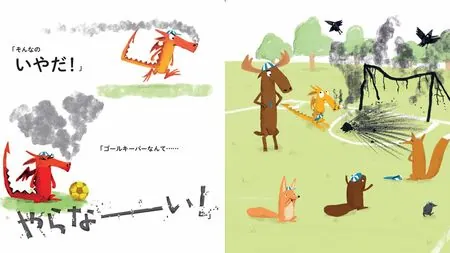
思い通りにならないと、泣いたり、怒鳴ったり、物に当たったり――。
子どもの激しい「かんしゃく」に、どう対応すればいいのか悩む親は少なくありません。
けれど、怒りそのものは決して悪い感情ではありません。大切なのは、怒りを抑え込むことではなく、自分の気持ちに気づき、落ち着きを取り戻す方法を身につけることです。
世界21カ国で読まれているロバート・スターリング作の絵本『ファーガル ぷんぷんおこりんぼ』に描かれた“怒りとの付き合い方”を手がかりに、早稲田大学の本田恵子教授が、子どもの感情を上手に育てるために保護者ができることを解説します。
お店の床にひっくり返って大泣きする、思い通りにならないとすぐにおもちゃを投げる、何を言っても「イヤ!」と怒り出す……。 日々、子どもの激しい「かんしゃく」や「キレる」行動に直面し、頭を抱えている保護者は少なくありません。 「自分の育て方が悪いのではないか」「しつけができていないのでは」と自責の念に駆られ、ヘトヘトになってしまう方も多いはずです。 しかし、子どものかんしゃくを単なる「しつけの問題」と捉えるのは間違いです。脳科学的な成長プロセスという視点から紐解くと、まったく異なる景色が見えてきます。
「キレる」という現象は困った問題行動ではなく、子どもが自分の感情と出合い、心を大きく成長させていくための絶好のチャンスなのです。 ■そもそも「アンガーマネジメント」とは何か 多くの方が「アンガーマネジメント=怒らないこと、我慢すること」と誤解されていますが、本来の定義は異なります。 アンガーマネジメントとは、「怒りを我慢すること」ではなく、「混沌とした感情を整理して、適切な表現方法を学ぶこと」です。
子どもが怒ったり、悲しんだりする感情は、自分を守るための正常な本能的反応であり、感情そのものを否定してはいけません。 問題なのは、モヤモヤした感情が「混沌とした状態」のままあふれ出し、不適切な形で表に出してしまうことです。 感情を整理し、自分に合った「適切な鎮め方・伝え方」を身につけること。そして、「イライラすることもあるけれど、これが自分なんだ」とありのままの自分の特性を受け入れること(自己受容)ができたとき、子どもたちの心には強い自信(自己肯定感)が生まれていきます。
■脳科学で解き明かす「かんしゃく」のメカニズム まず、子どもが感情を爆発させる理由は、脳の発達段階にあります。 人間の脳には、本能や感情をつかさどる「低次の脳(情動系)」と、感情の量をコントロールする「高次の脳(前頭葉の制御機能や言語機能など)」があります。幼児期は「低次の脳」が圧倒的に優位で前頭葉が未発達なため、感情を調整できずに爆発してしまうのは自然なことなのです。 子どもの脳は、年齢とともに段階を経て発達します。
• 3歳頃:「自分がやりたい」という欲求と現実のギャップからイライラしやすい時期 • 4歳頃:ルールが分かり始め、集団の中で調整ができるようになる時期 • 5歳頃:全体像を俯瞰し、「後ならいいか」と見通しを立てる「実行機能」が育ち始める時期 パニックを起こして泣き叫ぶ子どもに「なんでそんなことするの!」と原因を追究するのはNGです。 感情が爆発している時の脳は理由を言える状態にありません。「落ち着いて」というあいまいな言葉ではなく、「手を膝に置こう」「深呼吸をしてみよう」など、具体的で単純な行動指示を出して身体の興奮を整えることが先決です。
体が落ち着いて初めて、子どもは「だいじょうぶ」「おちつこう」といった「なっとくのりくつ」を自分に言い聞かせ、気持ちを切り替えられるようになります。 まず落ち着くために、簡単にできることのひとつが、数を数えることです。 アンガーマネジメントの代表的な手法に、怒りそうになったら「1から10まで数を数える(カウンティング)」というものがあります。これは明確な脳科学的根拠に基づいています。 怒りが爆発している時は「低次の脳」が主導権を握り、「高次の脳」の働きが低下しています。そこで「数字を数える」という言語作業を行うことで低次の脳を一時停止し、高次の脳を働かせるのです。数を唱えることで自律神経の興奮が抑えられ、心身が落ち着きを取り戻します。
ただし、鎮め方に「ひとつの正解」はありません。エネルギーが溜まりやすい「興奮タイプ」の子どもは、じっと座るより、走る・クッションを叩くなど安全にエネルギーを外に出す方が早く収まることもあります。「話す」「体を動かす」など、その子らしい鎮め方を一緒に探すことが大切です。 ■大人になってから「他責」にしないための教育 子どもの頃に感情コントロールを学ばず、自分の感情とうまく付き合う体験(自己受容)ができないまま大人になると、壁にぶつかった際、「自分が怒っているのは周りのせいだ」と他人のせいにする「他責・他罰」の思考パターンに陥りやすくなります。
幼少期のうちに「怒ってもいい。でも別の表現方法がある」「自分で気持ちを立て直せた」という成功体験を重ねることが、社会で生きていくための強靭な心の土台となります。 このように将来の土台となるアンガーマネジメントですが、現代の子どもを取り巻く環境においては、その重要性がさらに増しています。 生まれた時から動画などに触れる現代の幼児は、タップひとつで欲求が瞬時に満たされる環境に慣れています。しかし、現実の日常には「順番を待つ」「片づける」といった時間の経過や後始末という連続性が存在します。
即座に満たされる刺激ばかりに触れていると、思い通りにいかない現実に直面した際、気持ちと折り合いをつける経験が不足してしまいます。その結果、日常の場面でパニックやかんしゃくを起こしやすくなり、「ストレス耐性」が育ちにくくなるのです。 脳が急激に育つ2〜6歳の時期だからこそ、家庭で意図的に「アンガーマネジメント」を教えてあげることが重要です。 ■完璧を目指す子育て中のあなたへ 最後に、子どものかんしゃくに日々向き合い、時に疲れ果てている保護者の皆さんにメッセージをお伝えしたいと思います。
子育てにおいて「完璧」である必要はまったくありません。そもそも、完璧な子育てとは何でしょうか? 「普通に育てなくちゃ」「ちゃんとさせなくちゃ」という「〜べき思考」にとらわれてしまうと、周囲の目や世間の評価ばかりが気になり、子育てがただの苦しい「義務」になってしまいます。 どうか「子育てに向き合う自分」と「自分自身の時間」を意識的に分けてみてください。保護者もひとりの人間であり、休む権利も、自分の人生を楽しむ権利もあります。
育てやすいおとなしい子もいれば、エネルギーに満ちあふれ毎日がぶつかり合いになる個性豊かな子もいます。 わが子がどんなエネルギーの方向性を持った人間なのかを観察し、「おもしろいな」「どうしてこんなことを思いつくんだろう?」と純粋な興味の目で見つめてみてください。 そうした視点を持つだけで、子どもと適度な心理的距離が取れるようになり、保護者の心にゆとりが生まれます。 「私は子育てを通じて何を伝えたいのだろう?」「どんな時間を過ごしたいのだろう?」と自分自身に問いかけ、あなたらしい等身大の子育てを楽しんでください。
子育ての悩みをひとりで抱え込まず、友人や専門家に頼れるネットワークを持ちましょう。保護者の心が安定し、ありのままの自分を受け入れていれば、子どもは伸びやかに、いきいきと育っていくことでしょう。
お店の床にひっくり返って大泣きする、思い通りにならないとすぐにおもちゃを投げる、何を言っても「イヤ!」と怒り出す……。 日々、子どもの激しい「かんしゃく」や「キレる」行動に直面し、頭を抱えている保護者は少なくありません。 「自分の育て方が悪いのではないか」「しつけができていないのでは」と自責の念に駆られ、ヘトヘトになってしまう方も多いはずです。 しかし、子どものかんしゃくを単なる「しつけの問題」と捉えるのは間違いです。脳科学的な成長プロセスという視点から紐解くと、まったく異なる景色が見えてきます。
「キレる」という現象は困った問題行動ではなく、子どもが自分の感情と出合い、心を大きく成長させていくための絶好のチャンスなのです。 ■そもそも「アンガーマネジメント」とは何か 多くの方が「アンガーマネジメント=怒らないこと、我慢すること」と誤解されていますが、本来の定義は異なります。 アンガーマネジメントとは、「怒りを我慢すること」ではなく、「混沌とした感情を整理して、適切な表現方法を学ぶこと」です。
子どもが怒ったり、悲しんだりする感情は、自分を守るための正常な本能的反応であり、感情そのものを否定してはいけません。 問題なのは、モヤモヤした感情が「混沌とした状態」のままあふれ出し、不適切な形で表に出してしまうことです。 感情を整理し、自分に合った「適切な鎮め方・伝え方」を身につけること。そして、「イライラすることもあるけれど、これが自分なんだ」とありのままの自分の特性を受け入れること(自己受容)ができたとき、子どもたちの心には強い自信(自己肯定感)が生まれていきます。
■脳科学で解き明かす「かんしゃく」のメカニズム まず、子どもが感情を爆発させる理由は、脳の発達段階にあります。 人間の脳には、本能や感情をつかさどる「低次の脳(情動系)」と、感情の量をコントロールする「高次の脳(前頭葉の制御機能や言語機能など)」があります。幼児期は「低次の脳」が圧倒的に優位で前頭葉が未発達なため、感情を調整できずに爆発してしまうのは自然なことなのです。 子どもの脳は、年齢とともに段階を経て発達します。
• 3歳頃:「自分がやりたい」という欲求と現実のギャップからイライラしやすい時期 • 4歳頃:ルールが分かり始め、集団の中で調整ができるようになる時期 • 5歳頃:全体像を俯瞰し、「後ならいいか」と見通しを立てる「実行機能」が育ち始める時期 パニックを起こして泣き叫ぶ子どもに「なんでそんなことするの!」と原因を追究するのはNGです。 感情が爆発している時の脳は理由を言える状態にありません。「落ち着いて」というあいまいな言葉ではなく、「手を膝に置こう」「深呼吸をしてみよう」など、具体的で単純な行動指示を出して身体の興奮を整えることが先決です。
体が落ち着いて初めて、子どもは「だいじょうぶ」「おちつこう」といった「なっとくのりくつ」を自分に言い聞かせ、気持ちを切り替えられるようになります。 まず落ち着くために、簡単にできることのひとつが、数を数えることです。 アンガーマネジメントの代表的な手法に、怒りそうになったら「1から10まで数を数える(カウンティング)」というものがあります。これは明確な脳科学的根拠に基づいています。 怒りが爆発している時は「低次の脳」が主導権を握り、「高次の脳」の働きが低下しています。そこで「数字を数える」という言語作業を行うことで低次の脳を一時停止し、高次の脳を働かせるのです。数を唱えることで自律神経の興奮が抑えられ、心身が落ち着きを取り戻します。
ただし、鎮め方に「ひとつの正解」はありません。エネルギーが溜まりやすい「興奮タイプ」の子どもは、じっと座るより、走る・クッションを叩くなど安全にエネルギーを外に出す方が早く収まることもあります。「話す」「体を動かす」など、その子らしい鎮め方を一緒に探すことが大切です。 ■大人になってから「他責」にしないための教育 子どもの頃に感情コントロールを学ばず、自分の感情とうまく付き合う体験(自己受容)ができないまま大人になると、壁にぶつかった際、「自分が怒っているのは周りのせいだ」と他人のせいにする「他責・他罰」の思考パターンに陥りやすくなります。
幼少期のうちに「怒ってもいい。でも別の表現方法がある」「自分で気持ちを立て直せた」という成功体験を重ねることが、社会で生きていくための強靭な心の土台となります。 このように将来の土台となるアンガーマネジメントですが、現代の子どもを取り巻く環境においては、その重要性がさらに増しています。 生まれた時から動画などに触れる現代の幼児は、タップひとつで欲求が瞬時に満たされる環境に慣れています。しかし、現実の日常には「順番を待つ」「片づける」といった時間の経過や後始末という連続性が存在します。
即座に満たされる刺激ばかりに触れていると、思い通りにいかない現実に直面した際、気持ちと折り合いをつける経験が不足してしまいます。その結果、日常の場面でパニックやかんしゃくを起こしやすくなり、「ストレス耐性」が育ちにくくなるのです。 脳が急激に育つ2〜6歳の時期だからこそ、家庭で意図的に「アンガーマネジメント」を教えてあげることが重要です。 ■完璧を目指す子育て中のあなたへ 最後に、子どものかんしゃくに日々向き合い、時に疲れ果てている保護者の皆さんにメッセージをお伝えしたいと思います。
子育てにおいて「完璧」である必要はまったくありません。そもそも、完璧な子育てとは何でしょうか? 「普通に育てなくちゃ」「ちゃんとさせなくちゃ」という「〜べき思考」にとらわれてしまうと、周囲の目や世間の評価ばかりが気になり、子育てがただの苦しい「義務」になってしまいます。 どうか「子育てに向き合う自分」と「自分自身の時間」を意識的に分けてみてください。保護者もひとりの人間であり、休む権利も、自分の人生を楽しむ権利もあります。
育てやすいおとなしい子もいれば、エネルギーに満ちあふれ毎日がぶつかり合いになる個性豊かな子もいます。 わが子がどんなエネルギーの方向性を持った人間なのかを観察し、「おもしろいな」「どうしてこんなことを思いつくんだろう?」と純粋な興味の目で見つめてみてください。 そうした視点を持つだけで、子どもと適度な心理的距離が取れるようになり、保護者の心にゆとりが生まれます。 「私は子育てを通じて何を伝えたいのだろう?」「どんな時間を過ごしたいのだろう?」と自分自身に問いかけ、あなたらしい等身大の子育てを楽しんでください。
子育ての悩みをひとりで抱え込まず、友人や専門家に頼れるネットワークを持ちましょう。保護者の心が安定し、ありのままの自分を受け入れていれば、子どもは伸びやかに、いきいきと育っていくことでしょう。
この記事の単語 (247)
×15
感情
かんじょう
emotion; feeling; feelings; sentiment
×14
脳
のう
1. brain 2. brains; mind
×8
子育て
こそだて
child rearing; child raising; raising children; parenting
×6
癇癪
かんしゃく
passion; temper; irritability
×6
保護者
ほごしゃ
guardian; protector; patron; parent
×5
怒り
いかり
anger; rage; fury; wrath; indignation
×4
爆発
ばくはつ
1. explosion; detonation; eruption 2. eruption (of discontent, etc.); outburst; outpouring
×4
時期
じき
time; season; period; phase; stage
×4
育つ
そだつ
to be raised (e.g. child); to be brought up; to grow (up)
×4
落ち着く
おちつく
1. to calm down; to compose oneself; to regain presence of mind 2. to calm down; to settle down; to die down; to become stable; to abate
×3
思い
おもい
1. thought 2. imagination; mind; heart
×3
通り
とおり
1. avenue; street; way; road 2. coming and going; street traffic
×3
方法
ほうほう
method; process; manner; way; means; technique
×3
行動
こうどう
action; conduct; behaviour; behavior; mobilization; mobilisation
×3
静める
しずめる
to appease; to suppress; to calm
×3
人間
にんげん
1. human being; human; person; man; mankind; humankind 2. character (of a person)
×3
高次
こうじ
higher-order-; meta-
×3
頃
ころ
1. (approximate) time; around; about; toward 2. suitable time (or condition)
×3
現実
げんじつ
reality; actuality; hard fact
×3
興奮
こうふん
excitement; stimulation; agitation; arousal
×3
数
すう
1. several; a number of 2. quantity; amount
×3
数える
かぞえる
to count; to enumerate
×3
完璧
かんぺき
perfect; complete; flawless
×2
激しい
はげしい
1. violent; furious; tempestuous 2. extreme; intense; fierce; strong
×2
落ち着き
おちつき
1. calmness; composure; presence of mind 2. stability; steadiness
×2
取り戻す
とりもどす
to take back; to regain; to get back; to recover
×2
身
み
1. body 2. oneself
×2
付き合う
つきあう
1. to associate with; to keep company with; to go out with; to go steady with; to get on with 2. to go along with; to follow someone's lead; to accompany someone; to compromise
×2
日々
ひび
every day; daily; day after day; days (e.g. good old days)
×2
直面
ちょくめん
1. confrontation 2. to face; to confront; to encounter
×2
仕付け
しつけ
1. tacking (in needlework); basting 2. planting (esp. rice seedlings)
×2
成長
せいちょう
1. growth; development; growing up; becoming an adult 2. growth (of a company, the economy, etc.)
×2
視点
してん
opinion; point of view; visual point
×2
全く
まったく
1. really; truly; entirely; completely; wholly; perfectly 2. indeed
×2
異なる
ことなる
to differ; to vary; to disagree
×2
抑
そもそも
1. in the first place; to begin with; from the start; originally; ab initio 2. after all; anyway; actually; well, ...; ... on earth (e.g. "what on earth?"); ... in the world (e.g. "why in the world?")
×2
我慢
がまん
1. endurance; patience; perseverance; bearing (with something) 2. self-control; self-restraint
×2
混沌
こんとん
1. chaos; confusion; disorder 2. chaotic; confused; uncertain; disarrayed
×2
整理
せいり
1. sorting; arrangement; organization; putting in order; adjustment; regulation 2. liquidation; settlement; consolidation; clearance (e.g. debt); paying off
×2
適切
てきせつ
appropriate; suitable; fitting; apt; proper; right; pertinent; relevant
×2
表現
ひょうげん
1. expression; presentation 2. representation; notation
×2
学ぶ
まなぶ
to study (in depth); to learn; to take lessons in
×2
本能
ほんのう
instinct
×2
状態
じょうたい
state; condition; situation; appearance; circumstances
×2
侭
まま
1. as it is; as one likes; because; as 2. condition; state
×2
ありのまま
the truth; fact; as it is; as you are; frank; bare plain
×2
受け入れる
うけいれる
to accept; to receive; to agree
×2
自己
じこ
self; oneself
×2
受容
じゅよう
reception
×2
前頭葉
ぜんとうよう
frontal lobe
×2
発達
はったつ
development; growth
×2
調整
ちょうせい
adjustment; regulation; coordination; reconciliation; tuning; fixing; tailoring
×2
欲求
よっきゅう
desire; want; will; wish; urge; craving
×2
起こす
おこす
1. to raise; to raise up; to set up; to pick up 2. to wake; to wake up; to waken; to awaken
×2
他責
たせき
putting the blame on others; blaming others; (playing the) blame game
×2
体験
たいけん
(practical) experience; personal experience; hands-on experience; first-hand experience
×2
際
さい
on the occasion of; circumstances; juncture
×2
土台
どだい
1. foundation; base; basis 2. from the beginning; from the outset; by nature
×2
現代
げんだい
nowadays; modern era; modern times; present-day
×2
環境
かんきょう
environment; circumstance
×2
触れる
ふれる
1. to touch; to feel 2. to touch (with)
×2
満たす
みたす
1. to satisfy (conditions, one's appetite, etc.); to meet (e.g. demands); to fulfill; to gratify 2. to fill (e.g. a cup); to pack; to supply
×2
日常
にちじょう
everyday; daily; ordinary; usual; routine; regular
×2
向き合う
むきあう
1. to be opposite; to face each other 2. to confront (an issue); to face
×2
自分自身
じぶんじしん
oneself; myself
×2
権利
けんり
right; privilege
×2
楽しむ
たのしむ
to enjoy (oneself)
×1
怒鳴る
どなる
to shout (in anger); to yell
×1
当たる
あたる
1. to be hit; to strike 2. to touch; to be in contact; to be affixed
×1
対応
たいおう
1. correspondence (to); equivalence 2. suitability; coordination; matching; being appropriate (for)
×1
悩む
なやむ
to be worried; to be troubled
×1
押さえ込む
おさえこむ
to pin down; to immobilize; to immobilise; to control; to suppress
×1
気付く
きづく
to notice; to recognize; to recognise; to become aware of; to perceive; to realize; to realise
×1
箇国
かこく
counter for countries
×1
絵本
えほん
picture book
×1
ぷんぷん
プンプン
1. (smelling) strongly; pungently 2. furiously; indignantly; fuming; in a huff
×1
怒りん坊
おこりんぼう
short-tempered or irritable person
×1
描く
えがく
1. to draw; to paint; to sketch 2. to depict; to describe
×1
手掛かり
てがかり
1. clue; lead; key; trail; scent; track 2. handhold; hold
×1
早稲田大学
わせだだいがく
Waseda University (organization)
×1
本田恵子
ほんだけいこ
Honda Keiko (1962.3.10-) (person)
×1
教授
きょうじゅ
1. professor 2. teaching; instruction
×1
解説
かいせつ
explanation; commentary; exposition; elucidation
×1
御店
おみせ
store; shop
×1
床
ゆか
1. floor 2. stage (for the narrator and the shamisen player)
×1
引っ繰り返る
ひっくりかえる
1. to be overturned; to be reversed; to turn over; to capsize 2. to fall down; to tumble down; to topple over; to lie on one's back
×1
大泣き
おおなき
crying hard; crying one's eyes out; loud crying; wailing; profuse weeping
×1
抱える
かかえる
1. to hold or carry under or in the arms 2. to have (esp. problems, debts, etc.)
×1
自責の念
じせきのねん
guilty conscience; feelings of remorse
×1
駆る
かる
1. to spur on; to urge forward; to impel 2. to drive at high speed (e.g. a car)
×1
単なる
たんなる
mere; simple; sheer
×1
捉える
とらえる
1. to catch; to capture; to seize; to arrest; to grab; to catch hold of 2. to grasp (e.g. meaning); to perceive; to capture (e.g. features)
×1
間違い
まちがい
1. mistake; error; blunder 2. accident; mishap; trouble
×1
科学的
かがくてき
scientific
×1
紐解く
ひもとく
1. to read (a book); to open (a book) to read 2. to unravel (e.g. a mystery); to discover (the truth)
×1
現象
げんしょう
phenomenon
×1
出会う
であう
1. to meet (by chance); to come across; to run across; to encounter; to happen upon 2. to meet (e.g. of rivers, highways, etc.)
×1
絶好
ぜっこう
best; ideal; perfect
×1
誤解
ごかい
misunderstanding
×1
本来
ほんらい
1. originally; primarily 2. essentially; intrinsically; naturally; by nature; in (and of) itself
×1
定義
ていぎ
definition
×1
悲しむ
かなしむ
to be sad; to mourn for; to regret
×1
守る
まもる
1. to protect; to guard; to defend 2. to keep (i.e. a promise); to abide (by the rules); to observe; to obey; to follow
×1
正常
せいじょう
normalcy; normality; normal
×1
反応
はんのう
reaction; response
×1
否定
ひてい
1. denial; negation; repudiation; disavowal 2. negation (logic)
×1
溢れ出す
あふれだす
to begin to overflow; to start overflowing; to pour out
×1
不適切
ふてきせつ
unsuitable; inappropriate; improper
×1
特性
とくせい
special characteristic; special quality; trait; idiosyncrasy; peculiarity
×1
子供達
こどもたち
children
×1
自信
じしん
self-confidence; confidence (in oneself)
×1
自己肯定感
じここうていかん
self-esteem; feeling of self-approval
×1
脳科学
のうかがく
brain science
×1
解き明かす
ときあかす
to explain; to dispel doubts
×1
発達段階
はったつだんかい
developmental stage
×1
司る
つかさどる
to rule; to govern; to administer
×1
情動
じょうどう
emotion; affect
×1
量
りょう
1. quantity; amount; volume; capacity; portion (of food) 2. generosity; magnanimity; tolerance
×1
制御
せいぎょ
1. control (of a machine, device, etc.) 2. control (over an opponent, one's emotions, etc.); governing; management; suppression; keeping in check
×1
機能
きのう
function; facility; faculty; feature
×1
言語機能
げんごきのう
language faculty
×1
幼児期
ようじき
early childhood
×1
圧倒的
あっとうてき
overwhelming
×1
優位
ゆうい
predominance; superiority; ascendancy; advantage; supremacy
×1
未
み
not yet; un-
×1
自然
しぜん
1. nature 2. natural; spontaneous; automatic
×1
年齢
ねんれい
age; years
×1
段階
だんかい
grade; level; stage; class; phase; steps; order; gradation
×1
経る
へる
1. to pass; to elapse; to go by 2. to pass through; to go through
×1
年頃
としごろ
1. approximate age; apparent age 2. marriageable age (esp. of a woman); age of maturity; age of adulthood
×1
集団
しゅうだん
group; mass
×1
全体像
ぜんたいぞう
complete picture; panorama; what it all adds up to; bird's eye view; all-embracing portrait; overall perspective; overview
×1
俯瞰
ふかん
overlooking; looking down at; having an overhead view; having a bird's-eye view; having a high-angle view
×1
見通し
みとおし
1. unobstructed view; perspective; visibility; vista 2. forecast; outlook; prospect; prediction
×1
実行機能
じっこうきのう
executive functioning; function execution
×1
泣き叫ぶ
なきさけぶ
to cry and shout; to scream
×1
追究
ついきゅう
investigation (e.g. academically, of the unknown); close inquiry (enquiry)
×1
曖昧
あいまい
1. vague; ambiguous; unclear 2. shady; disreputable
×1
膝
ひざ
1. knee 2. lap; knee and thigh (while sitting)
×1
深呼吸
しんこきゅう
deep breath
×1
具体的
ぐたいてき
concrete; definite; specific; material; substantial
×1
単純
たんじゅん
simple; plain; uncomplicated; straightforward
×1
指示
しじ
1. indication; denotation; designation 2. instructions; directions
×1
身体
しんたい
body; physical system; (the) person
×1
整える
ととのえる
1. to put in order; to arrange; to tidy up; to straighten; to adjust; to fix 2. to get ready; to prepare; to arrange; to supply; to assemble; to buy
×1
先決
せんけつ
deciding first; settling (a matter) first; first priority
×1
納得
なっとく
1. consent; assent; agreement 2. understanding; comprehension; grasp
×1
理屈
りくつ
theory; reason
×1
言い聞かせる
いいきかせる
to tell; to advise; to warn; to admonish; to reason; to persuade; to instruct
×1
切り替える
きりかえる
to change; to exchange; to convert; to renew; to throw a switch; to replace; to switch over
×1
代表的
だいひょうてき
representative; exemplary; model
×1
手法
しゅほう
technique; method
×1
明確
めいかく
clear; precise; definite; distinct
×1
科学的根拠
かがくてきこんきょ
scientific basis; scientific foundation; scientific grounds
×1
基づく
もとづく
to be grounded on; to be based on; to be due to; to originate from
×1
主導権
しゅどうけん
hegemony; leadership; initiative
×1
握る
にぎる
1. to clasp; to grasp; to grip; to clutch 2. to make (nigirizushi, rice ball, etc.); to form; to press into shape; to mold; to mould
×1
働き
はたらき
1. work; labor; labour 2. achievement; performance; ability; talent
×1
低下
ていか
fall; decline; lowering; deterioration; degradation
×1
数字
すうじ
numeral; figure; digit; numeric character
×1
言語
げんご
language
×1
作業
さぎょう
work; operation; manufacturing; fatigue duty
×1
一時停止
いちじていし
1. suspension; pause; temporary halt; moratorium 2. stopping (at an intersection, railway crossing, etc.)
×1
唱える
となえる
1. to recite; to chant 2. to cry; to yell; to shout
×1
自律
じりつ
1. autonomy (philosophy) 2. self-control
×1
神経
しんけい
1. nerve 2. nerves; sensitivity
×1
押さえる
おさえる
1. to pin down; to hold down; to press down 2. to cover (esp. a part of one's body with one's hand); to clutch (a body part in pain); to press (a body part)
×1
心身
しんしん
mind and body
×1
但し
ただし
but; however; provided that
×1
正解
せいかい
correct; right; correct interpretation (answer, solution)
×1
溜まる
たまる
to collect; to gather; to save; to accumulate; to pile up
×1
じっと
1. motionlessly (e.g. stand, wait); (be) still 2. fixedly (e.g. gaze, stare); intently (e.g. listen, think)
×1
叩く
たたく
1. to strike; to clap; to knock; to beat; to tap; to pat 2. to play drums
×1
収まる
おさまる
1. to fit into (a box, frame, category, etc.); to be contained within; to fall within (e.g. a budget) 2. to settle down (into); to be installed (in one's rightful place); to be returned (to one's original position)
×1
動かす
うごかす
1. to move; to shift; to stir; to budge; to change position 2. to inspire; to rouse; to move (e.g. feeling); to influence
×1
旨い
うまい
1. skillful; skilful; clever; expert; wise; successful 2. delicious; appetizing; appetising; tasty
×1
ぶつかる
1. to strike against; to collide with; to bump into; to conflict 2. to encounter; to meet
×1
他人
たにん
1. another person; other people; others 2. unrelated person (i.e. not related by blood)
×1
陥る
おちいる
1. to fall into (e.g. a hole) 2. to fall into (chaos, depression, dilemma, illness, etc.)
×1
幼少期
ようしょうき
(early) childhood
×1
立て直す
たてなおす
1. to put back up; to stand back up 2. to restore (to former strength); to revive (e.g. the economy); to reorganize; to rearrange; to put right; to recover; to put back on its feet
×1
成功
せいこう
success; hit
×1
重ねる
かさねる
1. to pile up; to heap up; to stack up; to put on top of another 2. to repeat many times over; to go through repeatedly; to accumulate
×1
強靭
きょうじん
tough; strong; stiff; tenacious
×1
取り巻く
とりまく
to surround; to encircle; to enclose
×1
重要性
じゅうようせい
importance; gravity
×1
増す
ます
to increase; to grow
×1
動画
どうが
1. video; movie; moving picture 2. animation; animated cartoon
×1
幼児
ようじ
1. young child; toddler 2. child over 1 but not yet of school age
×1
瞬時
しゅんじ
instant; moment; (split) second; (in a) flash; (in the) blink of an eye
×1
順番
じゅんばん
turn (in line); order of things; sequential order
×1
経過
けいか
1. passage (of time); elapsing; lapse 2. progress; development; course (of events)
×1
後始末
あとしまつ
settlement (of affairs); remedial measures; cleaning up afterwards
×1
連続
れんぞく
continuation; succession; series
×1
存在
そんざい
existence; being
×1
即座
そくざ
immediate; right there on the spot; impromptu; instant; instantaneous
×1
刺激
しげき
stimulus; impetus; incentive; encouragement; motivation; provocation; excitement; thrill
×1
折り合い
おりあい
1. agreement (e.g. business, dispute); understanding; compromise; settlement 2. mutual relations (between family members, coworkers, etc.)
×1
不足
ふそく
1. insufficiency; deficiency; shortage; lack; scarcity; deficit 2. dissatisfaction; discontent; complaint
×1
結果
けっか
1. result; consequence; outcome; effect 2. coming to fruition; bearing fruit
×1
場面
ばめん
1. scene; setting; place (where something happens); scenario; case 2. scene (in a movie, play); shot
×1
ストレス耐性
ストレスたいせい
stress resistance; stress tolerance
×1
急激
きゅうげき
sudden; abrupt; rapid; sharp; drastic; radical
×1
こそ
1. it is ... that ...; precisely; in particular; definitely; for sure; only (when, after, because, etc.) 2. although; while; it is the case that ... but
×1
意図的
いとてき
intentional; on purpose
×1
重要
じゅうよう
important; momentous; essential; principal; major
×1
目指す
めざす
1. to aim at (for, to do, to become); to try for; to have an eye on 2. to go toward; to head for
×1
ちゃんと
1. diligently; seriously; earnestly; reliably; steadily; legitimately 2. perfectly; properly; exactly; orderly; punctually; regularly
×1
思考
しこう
thought; consideration; thinking
×1
捕らわれる
とらわれる
1. to be caught; to be captured; to be taken prisoner; to be arrested; to be apprehended 2. to be seized with (fear, etc.); to be a slave to; to stick to; to adhere to; to be swayed by
×1
周囲
しゅうい
1. surroundings; environs 2. circumference
×1
世間
せけん
world; society; people; the public
×1
評価
ひょうか
1. valuation; appraisal; evaluation; assessment; estimation; rating; judging 2. appreciation; recognition; acknowledgement; rating highly; praising
×1
只
ただ
1. ordinary; common; usual 2. free of charge
×1
苦しい
くるしい
1. painful; difficult; tough; hard 2. distressing; (psychologically) difficult; stressful; awkward (e.g. position)
×1
義務
ぎむ
duty; obligation; responsibility
×1
意識的
いしきてき
conscious; deliberate; intentional
×1
分ける
わける
1. to divide (into); to split (into); to part; to separate; to divide up; to classify; to sort out; to divide out 2. to share; to distribute; to deal out; to dish out
×1
人生
じんせい
(human) life (i.e. conception to death)
×1
大人しい
おとなしい
obedient; docile; quiet
×1
満ち溢れる
みちあふれる
to be full of (e.g. adventure, youth, energy); to be overflowing with
×1
ぶつかり合う
ぶつかりあう
to collide; to clash
×1
個性
こせい
individuality; personality; quirk; idiosyncrasy; character; individual characteristic
×1
豊か
ゆたか
1. abundant; wealthy; plentiful; rich; affluent 2. very; extremely; full of; great
×1
我が
わが
my; our; one's own
×1
方向性
ほうこうせい
1. trend; course of action; direction 2. directionality; directivity; orientation
×1
観察
かんさつ
observation; survey; watching
×1
思い付く
おもいつく
1. to think of; to hit upon; to come into one's mind; to be struck with an idea 2. to remember; to recall
×1
純粋
じゅんすい
pure; true; genuine; unmixed
×1
見詰める
みつめる
to stare at; to gaze at; to look hard at; to watch intently; to fix one's eyes on
×1
適度
てきど
moderate (degree); proper (amount); temperate; suitable
×1
心理的
しんりてき
psychological; mental
×1
距離
きょり
distance; range
×1
取れる
とれる
1. to come off; to be removed 2. to disappear (of pain, a fever, etc.)
×1
ゆとり
elbowroom; leeway; room; reserve; margin; allowance; latitude; time (to spare)
×1
通じる
つうじる
1. to be open (to traffic); to lead to; to communicate (with) 2. to flow (liquid, current); to pass; to get through to
×1
過ごす
すごす
1. to pass (time); to spend 2. to overdo (esp. of one's alcohol consumption); to drink (alcohol)
×1
問い掛ける
といかける
1. to ask a question 2. to begin to ask a question
×1
等身大
とうしんだい
1. life-size; life-sized 2. true-to-life; faithful (depiction); realistic
×1
悩み
なやみ
trouble; troubles; worry; distress; sorrows; anguish; agony; problem
×1
抱え込む
かかえこむ
1. to hold a thing in one's arms; to carry in one's arms; to embrace (e.g. a baby) 2. to take upon oneself; to be saddled with
×1
友人
ゆうじん
friend
×1
専門家
せんもんか
specialist; expert; professional; authority; pundit
×1
頼る
たよる
to rely on; to depend on; to count on; to turn to (for help)
×1
安定
あんてい
stability; steadiness; equilibrium
×1
伸びやか
のびやか
comfortable; carefree
×1
生き生き
いきいき
in a lively way; vividly; freshly; animatedly; actively; energetically