『Riceboy ライスボーイ』──母のたくましさと揺らぐ息子。韓国から海を渡った家族のアイデンティティの旅
恋人を亡くしシングルマザーとなったソヨンは幼い息子ドンヒョンとともにカナダへ移住する。16歳になったドンヒョンはとあることをきっかけに自分のルーツ、父親への思いを募らせる。監督と脚本を務めたのは自身も8歳で韓国からカナダへと移住した経験をもつアンソニー・シム。釡山国際映画祭で観客賞を受賞した本作の魅力を紐解く。
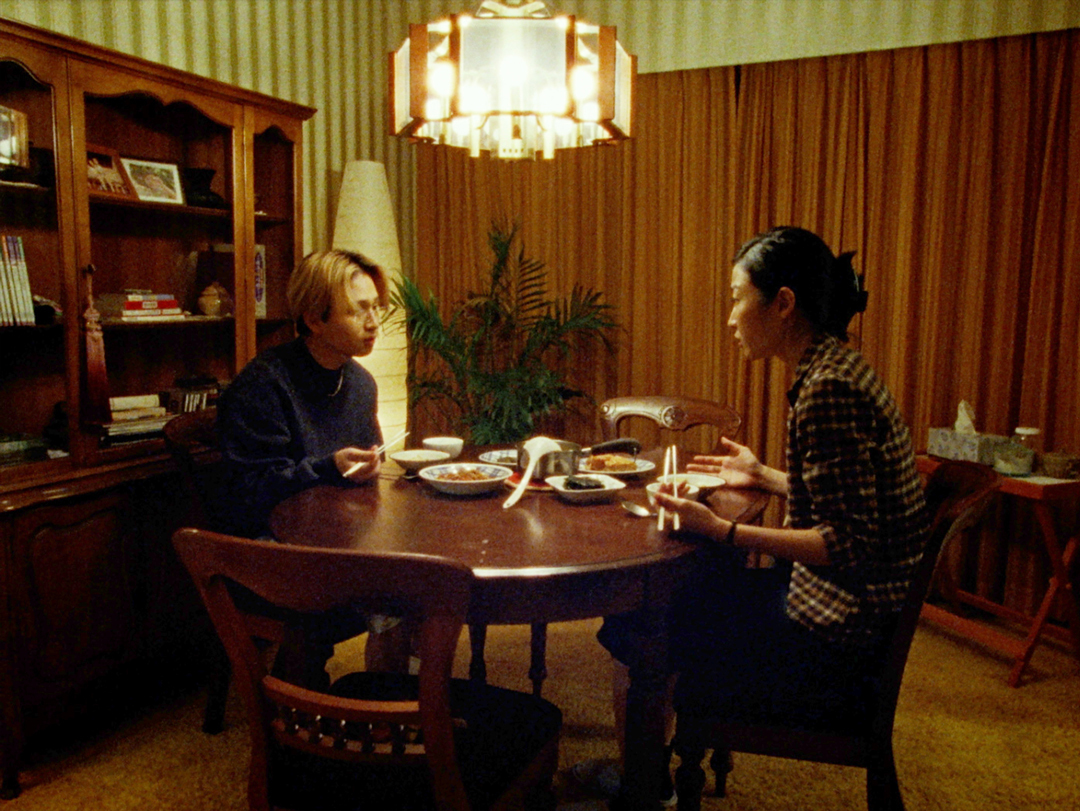
北米での韓国人移民の経験を描いた映画といえば、ユン・ヨジョンにアカデミー賞助演女優賞をもたらした、リー・アイザック・チョン監督の『ミナリ』(2020)がよく知られているが、あちらが米国・アーカンソー州の農業地帯に暮らす4人家族(プラス、途中からおばあちゃんも)の1980年代のドラマだったのに対し、こちらは1990年代のカナダが舞台。アイデンティティに悩む息子と、彼の人生を全力で支えようとするシングルマザーの母親が主人公だ。 韓国で孤児として生まれたソヨン(チェ・スンユン)は、不幸ないきさつから恋人を亡くし、彼とのあいだに生まれた赤ん坊、ドンヒョンを連れてカナダへ移住する。1990年、バンクーバー郊外の小学校へ通いはじめたドンヒョン(ドヒョン・ノエル・ファン)は、白人ばかりの教室で奇異の目にさらされ、いじめにも遭う。一方、工場で働くソヨンは、自分を軽んじる同僚男性に毅然と立ち向かい、息子にも同じ生き方を求める。だがその結果ドンヒョンは、幼い子どもには酷すぎる体験をする。 時は流れて1999年。ドンヒョン(イーサン・ファン)は「デービッド」という英語名を名乗り、髪を金髪に染め、イマドキの高校生らしい生活を送りながらも、周囲から浮かないよう注意深く暮らしていた。ソヨンはというと、9年前よりもずっと移民労働者が増えた職場で、リラックスして働けているようだ。また、韓国生まれで白人夫婦の養子として育ったサイモン(アンソニー・シム)とは、お互いに惹かれ合うものを感じている。 ある日ドンヒョンは授業の一環で、家系図を作る課題を出される。母に身寄りはなく、父親のことも彼女は話してくれない。自分はどこから来たのか、いったい何者なのか、途方に暮れるドンヒョン。そのとき彼はソヨンから、衝撃的な告白を受ける——。 ■陶然とさせる画面 サイモン役で出演もしている監督アンソニー・シム自身、幼少期に韓国からカナダへと移住した経歴をもっている。移住の時点で彼はすでに物心がついており、両親そろった状態でもあったから、本作は自伝的映画というわけではないけれど、アイデンティティについての苦悩、肉親の身に起こった出来事をきっかけとする自覚など、ドンヒョンの物語には、彼自身の実体験がおおいに反映されているという。個人的な経験から出発しながらも、しかしこの映画は、幅広い人たちの心をとらえる普遍的な作品となっている。 さて、上に物語のあらましを途中まで述べたが、この時点まで画面サイズはスタンダード(タテヨコ比がほぼ3:4)。基本的に各シーンは、カット割りなしのワンショットで撮られている。2人、3人程度での会話を近い距離から撮るときは、切り返しショットを避けるためだろう、非常にゆっくりとしたパンが繰り返される。切り返しショットを避けるというのは、アングルを替えながら同一シーンを複数回撮影するのを避ける、ということでもある。つまりアンソニー・シムの演出は、演技を切れ目なく持続的に撮ることを第一に考えていると言えるだろう。これは演者を演技に集中させるだけでなく、観る者の没入をも必然的に誘う。 いま、「キャメラが非常にゆっくりとパンしていく」と書いたが、この映画のキャメラは会話シーンでパンするだけでなく、かなりの数のショットにおいて、ゆっくりとした一定の速度でたゆたうように動きつづけている。あまりにゆっくりとした動きなので気づきにくいかもしれないが、人物の動きと連動しながらのキャメラ移動など、非常に複雑なことをやっているシーンも多い。目立つことのないこのキャメラの動きは、16ミリフィルムの温かな質感と相まって、知らず知らずわたしたちを陶然とさせていく。 ■開かれる視界 ソヨンの衝撃的な告白ののち、舞台は一転、韓国・江原道(カンウォンド)の農村地帯へと飛ぶ。ここでソヨンとドンヒョンは、ドンヒョンの亡父の弟(カン・インソン)と母(パク・チャヌクの『お嬢さん』(2016)にも出演していたイ・ヨンニョ)、父(『お嬢さん』のほか、ポン・ジュノの『殺人の追憶』(2003)などでも脇を固めたチェ・ジョンニュル)が暮らす農家を訪ねる。 この劇的な舞台転換と同時に、画面サイズもまた、スタンダードからワイドスクリーンへと突然転換する。視界が一気に開け、あのゆっくりとしたパンも鳴りをひそめる。狭いフレームのなかで繰り返されていたキャメラの動きが、視界の狭さを補う性質ももっていたことを、そして閉塞感と不安感を強調していたことを、このときわたしたちは(無意識的にであるとしても)体感する。 サイモンに語った「高麗葬」の逸話に登場する老母のように、ソヨンは息子に、「帰りたくなったら、道はここにある」と教えたのだろう。過去は取り戻され、ソヨンもドンヒョンも生まれ変わる。ふたりがこのあとどのように生きていくのかが知りたくてたまらないのだが、いずれにせよ爽快に広がる江原道の風景と空気は、母子の未来を晴れやかに祝福する。 ■『Riceboy ライスボーイ』 2026年4月3日(金)より、ヒューマントラストシネマ有楽町、Stranger、渋谷ホワイトシネクイント、アップリンク吉祥寺ほか全国順次公開 © 2022 Riceboy Sleeps Production Inc. 著者プロフィール:篠儀直子(しのぎ なおこ) 翻訳者。映画批評も手がける。翻訳書は『フレッド・アステア自伝』『エドワード・ヤン』(以上青土社)『ウェス・アンダーソンの世界 グランド・ブダペスト・ホテル』(DU BOOKS)『SF映画のタイポグラフィとデザイン』(フィルムアート社)『切り裂きジャックに殺されたのは誰か』(青土社)など。 編集・遠藤加奈(GQ)
北米での韓国人移民の経験を描いた映画といえば、ユン・ヨジョンにアカデミー賞助演女優賞をもたらした、リー・アイザック・チョン監督の『ミナリ』(2020)がよく知られているが、あちらが米国・アーカンソー州の農業地帯に暮らす4人家族(プラス、途中からおばあちゃんも)の1980年代のドラマだったのに対し、こちらは1990年代のカナダが舞台。アイデンティティに悩む息子と、彼の人生を全力で支えようとするシングルマザーの母親が主人公だ。 韓国で孤児として生まれたソヨン(チェ・スンユン)は、不幸ないきさつから恋人を亡くし、彼とのあいだに生まれた赤ん坊、ドンヒョンを連れてカナダへ移住する。1990年、バンクーバー郊外の小学校へ通いはじめたドンヒョン(ドヒョン・ノエル・ファン)は、白人ばかりの教室で奇異の目にさらされ、いじめにも遭う。一方、工場で働くソヨンは、自分を軽んじる同僚男性に毅然と立ち向かい、息子にも同じ生き方を求める。だがその結果ドンヒョンは、幼い子どもには酷すぎる体験をする。 時は流れて1999年。ドンヒョン(イーサン・ファン)は「デービッド」という英語名を名乗り、髪を金髪に染め、イマドキの高校生らしい生活を送りながらも、周囲から浮かないよう注意深く暮らしていた。ソヨンはというと、9年前よりもずっと移民労働者が増えた職場で、リラックスして働けているようだ。また、韓国生まれで白人夫婦の養子として育ったサイモン(アンソニー・シム)とは、お互いに惹かれ合うものを感じている。 ある日ドンヒョンは授業の一環で、家系図を作る課題を出される。母に身寄りはなく、父親のことも彼女は話してくれない。自分はどこから来たのか、いったい何者なのか、途方に暮れるドンヒョン。そのとき彼はソヨンから、衝撃的な告白を受ける——。 ■陶然とさせる画面 サイモン役で出演もしている監督アンソニー・シム自身、幼少期に韓国からカナダへと移住した経歴をもっている。移住の時点で彼はすでに物心がついており、両親そろった状態でもあったから、本作は自伝的映画というわけではないけれど、アイデンティティについての苦悩、肉親の身に起こった出来事をきっかけとする自覚など、ドンヒョンの物語には、彼自身の実体験がおおいに反映されているという。個人的な経験から出発しながらも、しかしこの映画は、幅広い人たちの心をとらえる普遍的な作品となっている。 さて、上に物語のあらましを途中まで述べたが、この時点まで画面サイズはスタンダード(タテヨコ比がほぼ3:4)。基本的に各シーンは、カット割りなしのワンショットで撮られている。2人、3人程度での会話を近い距離から撮るときは、切り返しショットを避けるためだろう、非常にゆっくりとしたパンが繰り返される。切り返しショットを避けるというのは、アングルを替えながら同一シーンを複数回撮影するのを避ける、ということでもある。つまりアンソニー・シムの演出は、演技を切れ目なく持続的に撮ることを第一に考えていると言えるだろう。これは演者を演技に集中させるだけでなく、観る者の没入をも必然的に誘う。 いま、「キャメラが非常にゆっくりとパンしていく」と書いたが、この映画のキャメラは会話シーンでパンするだけでなく、かなりの数のショットにおいて、ゆっくりとした一定の速度でたゆたうように動きつづけている。あまりにゆっくりとした動きなので気づきにくいかもしれないが、人物の動きと連動しながらのキャメラ移動など、非常に複雑なことをやっているシーンも多い。目立つことのないこのキャメラの動きは、16ミリフィルムの温かな質感と相まって、知らず知らずわたしたちを陶然とさせていく。 ■開かれる視界 ソヨンの衝撃的な告白ののち、舞台は一転、韓国・江原道(カンウォンド)の農村地帯へと飛ぶ。ここでソヨンとドンヒョンは、ドンヒョンの亡父の弟(カン・インソン)と母(パク・チャヌクの『お嬢さん』(2016)にも出演していたイ・ヨンニョ)、父(『お嬢さん』のほか、ポン・ジュノの『殺人の追憶』(2003)などでも脇を固めたチェ・ジョンニュル)が暮らす農家を訪ねる。 この劇的な舞台転換と同時に、画面サイズもまた、スタンダードからワイドスクリーンへと突然転換する。視界が一気に開け、あのゆっくりとしたパンも鳴りをひそめる。狭いフレームのなかで繰り返されていたキャメラの動きが、視界の狭さを補う性質ももっていたことを、そして閉塞感と不安感を強調していたことを、このときわたしたちは(無意識的にであるとしても)体感する。 サイモンに語った「高麗葬」の逸話に登場する老母のように、ソヨンは息子に、「帰りたくなったら、道はここにある」と教えたのだろう。過去は取り戻され、ソヨンもドンヒョンも生まれ変わる。ふたりがこのあとどのように生きていくのかが知りたくてたまらないのだが、いずれにせよ爽快に広がる江原道の風景と空気は、母子の未来を晴れやかに祝福する。 ■『Riceboy ライスボーイ』 2026年4月3日(金)より、ヒューマントラストシネマ有楽町、Stranger、渋谷ホワイトシネクイント、アップリンク吉祥寺ほか全国順次公開 © 2022 Riceboy Sleeps Production Inc. 著者プロフィール:篠儀直子(しのぎ なおこ) 翻訳者。映画批評も手がける。翻訳書は『フレッド・アステア自伝』『エドワード・ヤン』(以上青土社)『ウェス・アンダーソンの世界 グランド・ブダペスト・ホテル』(DU BOOKS)『SF映画のタイポグラフィとデザイン』(フィルムアート社)『切り裂きジャックに殺されたのは誰か』(青土社)など。 編集・遠藤加奈(GQ)
Vocabulary
General
Proper noun
JLPT N2
JLPT N1
| # | 言葉 | 意味 |
|---|---|---|
| 5 | 移住 | いじゅう (移住) : migration; immigration |
| 5 | 韓国 | かんこく (韓国) : 1. South Korea; Republic of Korea 2. Korean Empire (1897-1910) |
| 5 | ゆっくり | ゆっくり : 1. slowly; unhurriedly; without haste; leisurely; at one's leisure 2. easily (e.g. in time); well; sufficiently; amply; with time to spare |
| 4 | 知る | しる (知る) : 1. to be aware of; to know; to be conscious of; to cognize; to cognise 2. to notice; to feel |
| 4 | 動き | うごき (動き) : 1. movement; move; motion 2. trend; development; change; fluctuation |
| 3 | 監督 | かんとく (監督) : 1. supervision; control; superintendence; direction 2. director; superintendent; supervisor; coach; foreman; manager; overseer; controller; boss |
| 3 | 暮らす | くらす (暮らす) : 1. to live; to get along 2. to spend (time) |
| 3 | 舞台 | ぶたい (舞台) : 1. stage (theatre, theater) 2. scene or setting (e.g. of novel, play, etc.) |
| 3 | 画面 | がめん (画面) : 1. screen (of a TV, computer, etc.) 2. image (on a screen); picture; scene |
| 3 | 避ける | さける (避ける) : 1. to avoid (physical contact with) 2. to avoid (situation) |
| 3 | 非常 | ひじょう (非常) : 1. emergency 2. extraordinary; unusual |
| 3 | 視界 | しかい (視界) : field of vision; visibility; view; visual field; (one's) ken |
| 2 | 恋人 | こいびと (恋人) : lover; sweetheart; boyfriend; girlfriend |
| 2 | 亡くす | なくす (亡くす) : to lose (through death) (e.g. wife, child) |
| 2 | 幼い | おさない (幼い) : 1. very young; little 2. childish; immature |
| 2 | きっかけ | きっかけ (切っ掛け) : chance; start; cue; excuse; motive; impetus; occasion |
| 2 | 父親 | ちちおや (父親) : father |
| 2 | 自身 | じしん (自身) : (one's) self; oneself |
| 2 | 本作 | ほんさく (本作) : this piece; this work |
| 2 | 移民 | いみん (移民) : 1. emigration; immigration 2. emigrant; immigrant |
| 2 | 地帯 | ちたい (地帯) : area; zone; belt (of land) |
| 2 | 生まれる | うまれる (生まれる) : to be born |
| 2 | 白人 | しろうと (素人) : 1. amateur; layman; ordinary person; novice 2. respectable woman (i.e. not a prostitute, hostess, geisha) |
| 2 | 衝撃的 | しょうげきてき (衝撃的) : devastating; gut-wrenching; shocking; startling; sensational; astounding; astonishing |
| 2 | 告白 | こくはく (告白) : 1. confession; acknowledgement; acknowledgment 2. confession of love; professing one's feelings |
| 2 | 陶然 | とうぜん (陶然) : intoxicated (by liquor or music); entranced; enraptured |
| 2 | 出演 | しゅつえん (出演) : performance; appearance (in a stage, film, TV show, etc.) |
| 2 | 時点 | じてん (時点) : point in time; occasion |
| 2 | 自伝 | じでん (自伝) : autobiography |
| 2 | 物語 | ものがたり (物語) : tale; story; legend |
| 2 | 切り返す | きりかえす (切り返す) : 1. to slash back 2. to strike back; to counterattack; to retort |
| 2 | 繰り返す | くりかえす (繰り返す) : to repeat; to do something over again |
| 2 | 演技 | えんぎ (演技) : acting; performance |
| 2 | わたしたち | わたしたち (私たち) : we; us |
| 2 | 江原道 | カンウォンド (江原道) : Gangwon-do (South Korea); Gangwon Province |
| 2 | 転換 | てんかん (転換) : conversion; diversion; changeover; commutation; switchover |
| 2 | 映画 | えいが (映画) : movie; film |
| 2 | 青土 | あおと (青土) : Aoto (surname) |
| 1 | とある | とある (と或る) : a certain ... |
| 1 | 思い | おもい (思い) : 1. thought 2. imagination; mind; heart |
| 1 | 募る | つのる (募る) : 1. to become stronger; to grow in intensity; to grow violent; to become worse 2. to invite contributions, etc.; to solicit help, participation, etc.; to recruit (e.g. soldiers) |
| 1 | 脚本 | きゃくほん (脚本) : script; screenplay; scenario |
| 1 | 務める | つとめる (勤める) : 1. to work (for); to be employed (at); to serve (in) 2. to serve (as); to act (as); to fill (the position of); to play the role (of) |
| 1 | 映画祭 | えいがさい (映画祭) : film festival |
| 1 | 観客 | かんきゃく (観客) : audience; spectator; spectators |
| 1 | 賞 | しょう (賞) : prize; award |
| 1 | 受賞 | じゅしょう (受賞) : winning (a prize) |
| 1 | 魅力 | みりょく (魅力) : charm; fascination; glamour; glamor; attraction; appeal |
| 1 | 紐解く | ひもとく (紐解く) : 1. to read (a book); to open (a book) to read 2. to unravel (e.g. a mystery); to discover (the truth) |
| 1 | 北米 | ほくべい (北米) : North America |
| 1 | 韓国人 | かんこくじん (韓国人) : South Korean person |
| 1 | 描く | えがく (描く) : 1. to draw; to paint; to sketch 2. to depict; to describe |
| 1 | アカデミー賞 | アカデミーしょう (アカデミー賞) : Academy Award |
| 1 | 助演 | じょえん (助演) : supporting performance; playing a supporting role |
| 1 | 女優 | じょゆう (女優) : actress |
| 1 | もたらす | もたらす (齎す) : to bring; to take; to bring about |
| 1 | 米国 | べいこく (米国) : (United States of) America; USA; US |
| 1 | アーカンソー州 | アーカンソーしゅう (アーカンソー州) : Arkansas (state) (place) |
| 1 | 農業 | のうぎょう (農業) : agriculture |
| 1 | ばあ | ばあ : boo! (as in "peak-a-boo!") |
| 1 | 悩む | なやむ (悩む) : to be worried; to be troubled |
| 1 | 人生 | じんせい (人生) : (human) life (i.e. conception to death) |
| 1 | 全力 | ぜんりょく (全力) : all one's power (strength, energy, efforts); one's utmost |
| 1 | 支える | ささえる (支える) : 1. to support; to prop; to sustain; to underlay; to hold up; to defend 2. to hold at bay; to stem; to check |
| 1 | 母親 | ははおや (母親) : mother |
| 1 | 主人公 | しゅじんこう (主人公) : 1. protagonist; main character; hero(ine) (of a story) 2. head of household |
| 1 | 孤児 | こじ (孤児) : 1. orphan 2. person without friends |
| 1 | 不幸 | ふこう (不幸) : 1. unhappiness; sorrow; misfortune; disaster; accident 2. death (usu. of a relative); bereavement |
| 1 | いきさつ | いきさつ (経緯) : 1. details; particulars; whole story; sequence of events; chronology; circumstances; how it started; how things got this way 2. longitude and latitude |
| 1 | 連れる | つれる (連れる) : to take (someone) with one; to bring along; to go with; to be accompanied by |
| 1 | 通う | かよう (通う) : 1. to go to and from (a place); to go back and forth between; to run between (e.g. bus, train, etc.); to ply between 2. to go to (school, work, etc.); to attend; to commute; to frequent |
| 1 | 奇異 | きい (奇異) : odd; strange; queer; peculiar |
| 1 | さらす | さらす (晒す) : 1. to expose (to the sun, public, danger, etc.) 2. to bleach; to refine |
| 1 | いじめ | いじめ (虐め) : bullying; teasing |
| 1 | 遭う | あう (会う) : 1. to meet; to encounter; to see 2. to have an accident; to have a bad experience |
| 1 | 軽んじる | かろんじる (軽んじる) : to look down on; to make light of |
| 1 | 同僚 | どうりょう (同僚) : coworker; co-worker; colleague; associate |
| 1 | 毅然 | きぜん (毅然) : resolute; firm; dauntless; undaunted |
| 1 | 立ち向かう | たちむかう (立ち向かう) : to fight against; to oppose; to face |
| 1 | 生き方 | いきかた (生き方) : way of life; how to live |
| 1 | 求める | もとめる (求める) : 1. to want; to wish for 2. to request; to demand; to require; to ask for |
| 1 | 結果 | けっか (結果) : 1. result; consequence; outcome; effect 2. coming to fruition; bearing fruit |
| 1 | 子ども | こども (子供) : child |
| 1 | 酷 | こく (酷) : severe; harsh; stringent; rigorous; strict; unfair |
| 1 | 体験 | たいけん (体験) : (practical) experience; personal experience; hands-on experience; first-hand experience |
| 1 | 流れる | ながれる (流れる) : 1. to stream; to flow (liquid, time, etc.); to run (ink) 2. to be washed away; to be carried |
| 1 | 英語名 | えいごめい (英語名) : 1. English name (for a country, etc.) 2. English-derived nickname (used by someone with a non-Western personal name); Western name |
| 1 | 名乗る | なのる (名乗る) : 1. to give one's name (as); to introduce oneself (as) 2. to claim to be; to call oneself; to wear the title of |
| 1 | 金髪 | きんぱつ (金髪) : blond hair |
| 1 | 染める | そめる (染める) : to dye; to colour; to color |
| 1 | らしい | らしい : 1. seeming ...; appearing ... 2. -ish; like a ...; typical of ...; appropriate for ...; becoming of ...; worthy of the name ... |
| 1 | 送る | おくる (送る) : 1. to send (a thing); to dispatch; to despatch; to transmit 2. to take or escort (a person somewhere); to see off (a person) |
| 1 | 周囲 | しゅうい (周囲) : 1. surroundings; environs 2. circumference |
| 1 | 浮く | うく (浮く) : 1. to float 2. to become merry; to be cheerful |
| 1 | 深く | ふかく (深く) : deeply; intimately; heartily; sincerely; profoundly |
| 1 | ずっと | ずっと : 1. continuously in some state (for a long time, distance); throughout; all along; the whole time; all the way 2. much (better, etc.); by far; far and away |
| 1 | 労働者 | ろうどうしゃ (労働者) : 1. employee; worker 2. laborer (labourer); blue-collar worker |
| 1 | 増える | ふえる (増える) : to increase; to multiply |
| 1 | 職場 | しょくば (職場) : one's post; place of work; workplace |
| 1 | 生まれ | うまれ (生まれ) : 1. birth; birthplace 2. born in (country, month, imperial era, zodiac year, etc.) |
| 1 | 夫婦 | ふうふ (夫婦) : 1. married couple; husband and wife; man and wife 2. his and hers; pair of objects, one larger (for man), one smaller (for woman) |
| 1 | 養子 | ようし (養子) : adopted child (usu. male); son-in-law |
| 1 | 育つ | そだつ (育つ) : to be raised (e.g. child); to be brought up; to grow (up) |
| 1 | 互い | たがい (互い) : each other; one another |
| 1 | 惹く | ひく (惹く) : to draw (attention, sympathy, etc.); to attract (e.g. interest) |
| 1 | 感ずる | かんずる (感ずる) : to feel; to sense |
| 1 | 一環 | いっかん (一環) : 1. link (e.g. in a chain of events); part (of a plan, campaign, activities, etc.) 2. monocyclic |
| 1 | 家系図 | かけいず (家系図) : family tree |
| 1 | 課題 | かだい (課題) : 1. subject; theme; issue; matter 2. homework; assignment |
| 1 | 身寄り | みより (身寄り) : relative; relation |
| 1 | いったい | いったい (一体) : 1. (what) the heck; (why) in the world; (who) on earth 2. one object; one body; unity |
| 1 | 何者 | なにもの (何者) : who; what kind of person |
| 1 | 途方 | とほう (途方) : way; destination; reason |
| 1 | 役 | えき (役) : 1. war; campaign; battle 2. unpaid work (ritsuryo system); forced labor |
| 1 | 幼少期 | ようしょうき (幼少期) : (early) childhood |
| 1 | 経歴 | けいれき (経歴) : personal history; career |
| 1 | すでに | すでに (既に) : already; too late |
| 1 | 物心 | ものごころ (物心) : awareness of things around one; ability to understand what is going on around oneself; judgment; judgement; discretion |
| 1 | そろう | そろう (疎漏) : carelessness; negligence; oversight |
| 1 | 状態 | じょうたい (状態) : state; condition; situation; appearance; circumstances |
| 1 | 苦悩 | くのう (苦悩) : (mental) agony; anguish; suffering; distress |
| 1 | 肉親 | にくしん (肉親) : blood relationship; blood relative |
| 1 | 身 | み (身) : 1. body 2. oneself |
| 1 | 起こる | おこる (起こる) : to occur; to happen |
| 1 | 出来事 | できごと (出来事) : incident; affair; happening; event |
| 1 | 自覚 | じかく (自覚) : self-consciousness; self-awareness |
| 1 | 彼自身 | かれじしん (彼自身) : himself; he himself |
| 1 | 実体験 | じったいけん (実体験) : real experience; actual observations |
| 1 | おおいに | おおいに (大いに) : very; much; greatly; a lot of |
| 1 | 反映 | はんえい (反映) : 1. reflection (light, image, situation, attitude, etc.); reflecting 2. influence; application (e.g. of an update) |
| 1 | 個人的 | こじんてき (個人的) : personal; individual; private |
| 1 | 幅広い | はばひろい (幅広い) : extensive; wide; broad |
| 1 | とらえる | とらえる (捉える) : 1. to catch; to capture; to seize; to arrest; to grab; to catch hold of 2. to grasp (e.g. meaning); to perceive; to capture (e.g. features) |
| 1 | 普遍的 | ふへんてき (普遍的) : universal; omnipresent; ubiquitous |
| 1 | 作品 | さくひん (作品) : work (e.g. book, film, composition, etc.); opus; performance; production |
| 1 | さて | さて (偖) : well; now; then |
| 1 | あらまし | あらまし : 1. outline; summary; gist; abstract 2. roughly; about; nearly; almost |
| 1 | 述べる | のべる (述べる) : to state; to express; to mention |
| 1 | 比 | ひ (比) : 1. ratio; proportion 2. match; equal |
| 1 | ほぼ | ほぼ (略) : almost; roughly; approximately |
| 1 | 基本的 | きほんてき (基本的) : fundamental; basic |
| 1 | 各 | かく (各) : each; every; all |
| 1 | 割り | わり (割り) : 1. rate; ratio; proportion; percentage 2. profit |
| 1 | なし | なし (無し) : 1. without 2. unacceptable; not alright; unsatisfactory |
| 1 | 撮る | とる (撮る) : 1. to take (a photo) 2. to record (video, audio, etc.); to make (a film) |
| 1 | 程度 | ていど (程度) : degree; amount; grade; standard; of the order of (following a number); about; approximately |
| 1 | 距離 | きょり (距離) : distance; range |
| 1 | 替える | かえる (換える) : 1. to replace 2. to exchange; to interchange |
| 1 | 同一 | どういつ (同一) : 1. identical; same; one and the same; equal 2. fair; equal treatment; without discrimination |
| 1 | 複数回 | ふくすうかい (複数回) : several times |
| 1 | 撮影 | さつえい (撮影) : photography (still or motion); photographing; filming; shooting; (video) recording |
| 1 | つまり | つまり (詰まり) : 1. that is to say; that is; in other words; I mean; that (this, it) means 2. in short; in brief; to sum up; ultimately; in the end; in the long run; when all is said and done; what it all comes down to; when you get right down to it; basically |
| 1 | 演出 | えんしゅつ (演出) : production (e.g. play); direction |
| 1 | 切れ目 | きれめ (切れ目) : 1. gap; break; rift 2. pause; interval; interruption |
| 1 | 持続的 | じぞくてき (持続的) : continuous; sustained; sustainable; durable; persistent |
| 1 | 第 | だい (第) : prefix for forming ordinal numbers |
| 1 | 考える | かんがえる (考える) : 1. to think (about, of); to think over; to ponder; to contemplate; to reflect (on); to meditate (on) 2. to consider; to bear in mind; to allow for; to take into consideration |
| 1 | 言える | いえる (言える) : 1. to be possible to say; to be able to say 2. said; have said |
| 1 | 演者 | えんじゃ (演者) : 1. presenter; speaker 2. performer; actor; participant (in a TV show or TV panel) |
| 1 | 集中 | しゅうちゅう (集中) : 1. concentration; focusing; convergence; centralization; integration; gathering together 2. within a collection of works |
| 1 | 没入 | ぼつにゅう (没入) : immersion; being absorbed in |
| 1 | 必然的 | ひつぜんてき (必然的) : inevitable; necessary |
| 1 | 誘う | さそう (誘う) : 1. to invite; to ask (someone to do); to call (for); to take (someone) along 2. to tempt; to lure; to entice; to seduce |
| 1 | 書く | かく (書く) : 1. to write; to compose; to pen 2. to draw; to paint |
| 1 | かなり | かなり (可也) : considerably; fairly; quite |
| 1 | 数 | しばしば (屡々) : often; again and again; frequently; repeatedly |
| 1 | 一定 | いってい (一定) : fixed; settled; constant; definite; uniform; regularized; regularised; defined; standardized; standardised; certain; prescribed |
| 1 | 速度 | そくど (速度) : 1. speed; velocity; pace; rate 2. velocity |
| 1 | たゆたう | たゆたう (揺蕩う) : 1. to sway to and fro; to drift about; to flutter; to flicker 2. to be fickle; to be irresolute; to vacillate; to waver |
| 1 | 動く | うごく (動く) : 1. to move; to stir; to shift; to shake; to swing 2. to operate; to run; to go; to work |
| 1 | 気づく | きづく (気づく) : to notice; to recognize; to recognise; to become aware of; to perceive; to realize; to realise |
| 1 | しれる | しれる (知れる) : 1. to become known; to come to light; to be discovered 2. to be known; to be understood |
| 1 | 人物 | じんぶつ (人物) : 1. person; character; figure; personage; man; woman 2. one's character; one's personality |
| 1 | 連動 | れんどう (連動) : operating together; working together; being linked (to); being tied (to); being connected (with); interlocking |
| 1 | 移動 | いどう (移動) : 1. movement; transfer; migration; removal; travel 2. mobile; moving; traveling; travelling; roving |
| 1 | 目立つ | めだつ (目立つ) : to be conspicuous; to stand out |
| 1 | 温か | あたたか (暖か) : warm; mild; genial |
| 1 | 質感 | しつかん (質感) : feel (of a material); texture |
| 1 | 相 | さが (性) : 1. one's nature; one's destiny 2. custom; tradition; habit; convention |
| 1 | まつ | まつ (松) : 1. pine tree (Pinus spp.) 2. highest (of a three-tier ranking system) |
| 1 | 開く | ひらく (開く) : 1. to open; to undo; to unseal; to unpack 2. to bloom; to unfold; to spread out |
| 1 | のち | のち (後) : 1. later; afterwards 2. future |
| 1 | 一転 | いってん (一転) : 1. one turn; spinning around 2. complete change; reversal; (an) about-face; sudden transformation |
| 1 | 農村 | のうそん (農村) : 1. agricultural community; farm village 2. rural |
| 1 | 亡父 | ぼうふ (亡父) : deceased father; late father |
| 1 | 殺人 | さつじん (殺人) : murder; homicide; manslaughter |
| 1 | 脇 | わき (脇) : 1. armpit; under one's arm; side; flank 2. beside; close to; near; by |
| 1 | 固める | かためる (固める) : 1. to harden; to freeze; to strengthen; to solidify; to make (a fist); to tramp down (snow, dirt) 2. to put together; to collect; to gather; to consolidate |
| 1 | 農家 | のうか (農家) : 1. farmer; farming family 2. farmhouse |
| 1 | 劇的 | げきてき (劇的) : 1. dramatic; exciting; touching 2. extreme |
| 1 | 同時 | どうじ (同時) : simultaneous; concurrent; same time; synchronous; together |
| 1 | 突然 | とつぜん (突然) : abrupt; sudden; unexpected |
| 1 | 一気 | いっき (一気) : 1. one breath 2. chug!; drink! |
| 1 | 開ける | あける (開ける) : 1. to open (a door, etc.); to unwrap (e.g. parcel, package); to unlock 2. to open (for business, etc.) |
| 1 | 鳴り | なり (鳴り) : ringing; sound |
| 1 | ひそめる | ひそめる (潜める) : 1. to hide; to conceal 2. to lower volume (of a sound or one's voice) so as not to be heard |
| 1 | 狭 | せ (狭) : narrowness; being cramped; being almost full |
| 1 | 補う | おぎなう (補う) : to supplement; to make up for; to compensate for; to cover (a shortage, loss, etc.); to fill (e.g. a vacancy) |
| 1 | 性質 | せいしつ (性質) : nature; property; disposition |
| 1 | 閉塞感 | へいそくかん (閉塞感) : locked up feeling; cooped up feeling; feeling of entrapment; feeling of hopelessness; being in a bind |
| 1 | 不安感 | ふあんかん (不安感) : uneasy feeling; sense of anxiety; malaise |
| 1 | 強調 | きょうちょう (強調) : emphasis; highlight; stress; stressed point |
| 1 | 無意識的 | むいしきてき (無意識的) : unconscious |
| 1 | 体感 | たいかん (体感) : bodily sensation; sense; experience |
| 1 | 語る | かたる (語る) : 1. to talk about; to speak of; to tell; to narrate 2. to recite; to chant |
| 1 | 逸話 | いつわ (逸話) : anecdote |
| 1 | 登場 | とうじょう (登場) : 1. entry (on stage); appearance (on screen) 2. entrance; introduction (into a market) |
| 1 | 老母 | ろうぼ (老母) : old mother; aged mother |
| 1 | 教える | おしえる (教える) : 1. to teach; to instruct 2. to tell; to inform |
| 1 | 過去 | かこ (過去) : 1. the past; bygone days 2. one's past (that one would prefer remained secret) |
| 1 | 取り戻す | とりもどす (取り戻す) : to take back; to regain; to get back; to recover |
| 1 | 生まれ変わる | うまれかわる (生まれ変わる) : to be born again; to make a fresh start in life |
| 1 | 生きる | いきる (生きる) : 1. to live; to exist 2. to make a living; to subsist |
| 1 | たまる | たまる (溜まる) : to collect; to gather; to save; to accumulate; to pile up |
| 1 | いずれ | いずれ (何れ) : 1. where; which; who 2. anyway; anyhow; at any rate |
| 1 | 爽快 | そうかい (爽快) : refreshing; exhilarating; invigorating; bracing |
| 1 | 広がる | ひろがる (広がる) : to spread (out); to extend; to stretch; to reach to; to get around; to fill (e.g. a space) |
| 1 | 風景 | ふうけい (風景) : 1. scenery; scene; landscape; view; sight 2. scene (e.g. of a crime) |
| 1 | 母子 | ぼし (母子) : mother and child |
| 1 | 未来 | みらい (未来) : 1. the future (usually distant) 2. future tense |
| 1 | 晴れやか | はれやか (晴れやか) : clear; bright; sunny |
| 1 | 祝福 | しゅくふく (祝福) : blessing |
| 1 | 有楽町 | うらくまち (有楽町) : Urakumachi (place) |
| 1 | 渋谷 | しだや (渋谷) : Shidaya (surname) |
| 1 | 吉祥寺 | きちじょうじ (吉祥寺) : Kichijouji (place; surname) |
| 1 | 全国 | ぜんこく (全国) : the whole country |
| 1 | 順次 | じゅんじ (順次) : in order; sequential; seriatim |
| 1 | 公開 | こうかい (公開) : opening to the public; making available to the public; putting on display; exhibiting; showing (play, movie, etc.); holding (interview, etc.); open; public |
| 1 | 著者 | ちょしゃ (著者) : author (usu. of a particular book); writer |
| 1 | 篠儀 | しのぎ (篠儀) : Shinogi (surname) |
| 1 | 直子 | ちかこ (直子) : Chikako (fem) |
| 1 | しのぎ | しのぎ (凌ぎ) : tiding over |
| 1 | なおこ | なおこ : long thin brown "naoko" mushroom |
| 1 | 翻訳者 | ほんやくしゃ (翻訳者) : translator |
| 1 | 批評 | ひひょう (批評) : criticism; review; commentary |
| 1 | 手がける | てがける (手がける) : 1. to handle; to manage; to deal with; to work with; to have experience with 2. to rear; to look after |
| 1 | SF | エスエフ (SF) : science fiction; sci-fi; SF |
| 1 | 切り裂きジャック | きりさきジャック (切り裂きジャック) : Jack the Ripper |
| 1 | 殺す | ころす (殺す) : 1. to kill; to slay; to murder; to slaughter 2. to suppress; to block; to hamper; to destroy (e.g. talent); to eliminate (e.g. an odour); to spoil (e.g. a flavour); to kill (e.g. one's speed) |
| 1 | 編集 | へんしゅう (編集) : editing; compilation |
| 1 | 遠藤 | えとう (遠藤) : Etou (surname) |
| 1 | 加奈 | かな (加奈) : Kana (fem) |