日本学術会議の任命拒否めぐり 2審も文書の開示を命じる判決
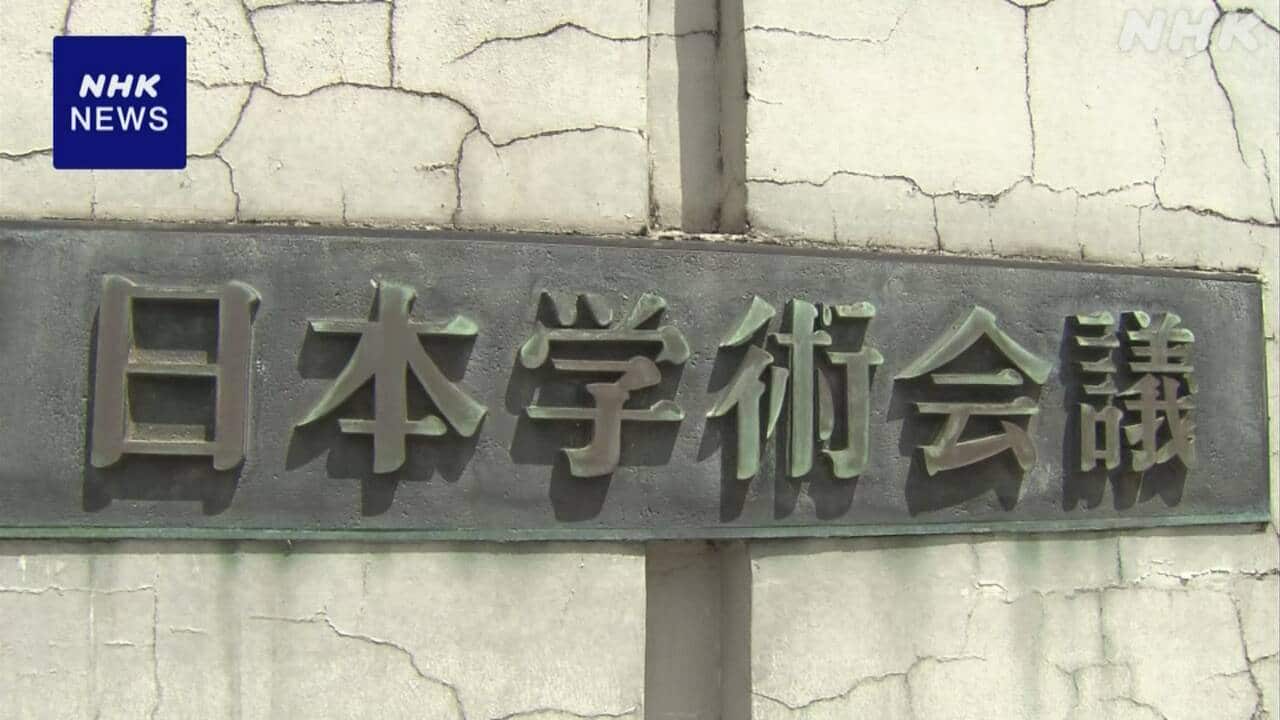
日本学術会議をめぐって、6年前、当時の菅総理大臣が会員候補6人を任命しなかった問題をめぐり、任命を拒否できるとする法解釈に至った文書の開示を国会議員が求めた裁判で、2審の東京高等裁判所は「開示することによる利益は小さくなく、不開示決定は違法だ」として、1審に続いて開示を命じる判決を言い渡しました。
日本学術会議をめぐっては、6年前、会議側が推薦した会員候補6人を当時の菅総理大臣が任命せず、その後、政府が2018年の時点で「内閣総理大臣が推薦通りに任命すべき義務があるとまでは言えない」という法解釈をまとめていたことがわかりました。
立憲民主党の小西洋之参議院議員は、任命を拒否できるとする法解釈に至った検討過程の文書の開示を国に求めましたが、一部が不開示とされたため、4年前に訴えを起こしました。
1審の東京地方裁判所は「法解釈が整理される経緯や理由についても国民に十分に明らかにされ、吟味される必要がある」として文書の開示を命じ、国が控訴していました。
27日の2審の判決で東京高等裁判所の相澤眞木裁判長は「国は開示すると不当に国民を混乱させると主張するが、そのおそれがあるとはいえない。開示することで得られる利益は小さくなく、不開示とした決定は違法だ」として、1審に続いて、国に文書の開示を命じました。
判決のあと、小西議員は都内で開いた会見で、「日本の法の支配や民主主義、そして学術の独立を守り抜くことができた判決だ。戦後の議会政治において、内閣法制局に審査を受けた文書が黒塗りにされることは初めてだった。総理大臣が任命を拒否できるという新しい解釈が正しいかどうかを判断できなくなってしまうので、国民や国会に隠すべきではなく、本来は開示されるべきだ」と述べました。
その上で、「国は上告せず、高裁の判決を確定させて、文書を開示すべきだ」と訴えました。
内閣府の日本学術会議事務局は、「判決内容を精査した上で適切に対応してまいりたい」とコメントしています。
日本学術会議をめぐっては、6年前、会議側が推薦した会員候補6人を当時の菅総理大臣が任命せず、その後、政府が2018年の時点で「内閣総理大臣が推薦通りに任命すべき義務があるとまでは言えない」という法解釈をまとめていたことがわかりました。
立憲民主党の小西洋之参議院議員は、任命を拒否できるとする法解釈に至った検討過程の文書の開示を国に求めましたが、一部が不開示とされたため、4年前に訴えを起こしました。
1審の東京地方裁判所は「法解釈が整理される経緯や理由についても国民に十分に明らかにされ、吟味される必要がある」として文書の開示を命じ、国が控訴していました。
27日の2審の判決で東京高等裁判所の相澤眞木裁判長は「国は開示すると不当に国民を混乱させると主張するが、そのおそれがあるとはいえない。開示することで得られる利益は小さくなく、不開示とした決定は違法だ」として、1審に続いて、国に文書の開示を命じました。
判決のあと、小西議員は都内で開いた会見で、「日本の法の支配や民主主義、そして学術の独立を守り抜くことができた判決だ。戦後の議会政治において、内閣法制局に審査を受けた文書が黒塗りにされることは初めてだった。総理大臣が任命を拒否できるという新しい解釈が正しいかどうかを判断できなくなってしまうので、国民や国会に隠すべきではなく、本来は開示されるべきだ」と述べました。
その上で、「国は上告せず、高裁の判決を確定させて、文書を開示すべきだ」と訴えました。
内閣府の日本学術会議事務局は、「判決内容を精査した上で適切に対応してまいりたい」とコメントしています。
Vocabulary
General
Proper noun
JLPT N2
JLPT N1
| # | 言葉 | 意味 |
|---|---|---|
| 13 | 開示 | かいじ (開示) : release (e.g. information); disclosure (legal); show; indication; display |
| 6 | 任命 | にんめい (任命) : appointment; nomination; ordination; commission; designation |
| 6 | 文書 | ぶんしょ (文書) : 1. document; writing; letter; papers; notes; records; archives 2. document addressed to someone |
| 6 | 判決 | はんけつ (判決) : judicial decision; judgement; judgment; sentence; decree |
| 5 | 審 | あきら (審) : Akira (surname; given) |
| 4 | 法解釈 | ほうかいしゃく (法解釈) : legal interpretation; statutory interpretation |
| 3 | 日本学術会議 | にほんがくじゅつかいぎ (日本学術会議) : Science Council of Japan |
| 3 | めぐる | めぐる (巡る) : 1. to go around 2. to return |
| 3 | 総理大臣 | そうりだいじん (総理大臣) : prime minister (as the head of a cabinet government); premier |
| 3 | 拒否 | きょひ (拒否) : refusal; rejection; denial; veto |
| 3 | 東京 | とうきょう (東京) : Tokyo |
| 3 | 国民 | こくみん (国民) : people (of a country); nation; citizen; national |
| 2 | 当時 | とうじ (当時) : at that time; in those days |
| 2 | 会員 | かいいん (会員) : member; the membership |
| 2 | 候補 | こうほ (候補) : 1. candidate; contender; prospect; pick; choice; list 2. candidacy; candidature; nomination |
| 2 | 至る | いたる (至る) : 1. to arrive at (e.g. a decision); to reach (a stage); to attain 2. to lead to (a place); to get to |
| 2 | 求める | もとめる (求める) : 1. to want; to wish for 2. to request; to demand; to require; to ask for |
| 2 | 高等裁判所 | こうとうさいばんしょ (高等裁判所) : High Court |
| 2 | 利益 | りえき (利益) : 1. profit; gains 2. benefit; advantage; interest (of the public, etc.) |
| 2 | 決定 | けってい (決定) : decision; determination |
| 2 | 違法 | いほう (違法) : illegal; illicit; unlawful |
| 2 | 推薦 | すいせん (推薦) : recommendation; referral; endorsement |
| 2 | 小西 | おにし (小西) : Onishi (surname) |
| 2 | 命ずる | めいずる (命ずる) : 1. to order; to command 2. to appoint |
| 1 | 国会議員 | こっかいぎいん (国会議員) : member of the Diet; Diet member; member of parliament; MP |
| 1 | 裁判 | さいばん (裁判) : trial; judgement; judgment |
| 1 | 命じる | めいじる (命じる) : 1. to order; to command 2. to appoint |
| 1 | 言い渡す | いいわたす (言い渡す) : to announce; to tell; to sentence; to order |
| 1 | 政府 | せいふ (政府) : government; administration |
| 1 | 時点 | じてん (時点) : point in time; occasion |
| 1 | 内閣総理大臣 | ないかくそうりだいじん (内閣総理大臣) : prime minister (as the head of a cabinet government); premier |
| 1 | 通り | とおり (通り) : 1. avenue; street; way; road 2. coming and going; street traffic |
| 1 | 義務 | ぎむ (義務) : duty; obligation; responsibility |
| 1 | 言える | いえる (言える) : 1. to be possible to say; to be able to say 2. said; have said |
| 1 | まとめる | まとめる (纏める) : 1. to collect; to put (it all) together; to integrate; to consolidate; to unify 2. to summarize; to aggregate |
| 1 | わかる | わかる (分かる) : 1. to understand; to comprehend; to grasp; to see; to get; to follow 2. to become clear; to be known; to be discovered; to be realized; to be realised; to be found out |
| 1 | 立憲民主党 | りっけんみんしゅとう (立憲民主党) : 1. Constitutional Democratic Party of Japan (2017-) 2. Constitutional Democratic Party (Russia, 1905-1917) |
| 1 | 洋之 | ひろし (洋之) : Hiroshi (given) |
| 1 | 参議院議員 | さんぎいんぎいん (参議院議員) : member of the House of Councillors |
| 1 | 検討 | けんとう (検討) : consideration; examination; investigation; study; scrutiny; discussion; analysis; review |
| 1 | 過程 | かてい (過程) : process; course; mechanism |
| 1 | 一部 | いちぶ (一部) : 1. one part; one portion; one section; some 2. one copy (e.g. of a document) |
| 1 | 訴え | うったえ (訴え) : lawsuit; complaint |
| 1 | 起こす | おこす (起こす) : 1. to raise; to raise up; to set up; to pick up 2. to wake; to wake up; to waken; to awaken |
| 1 | 地方裁判所 | ちほうさいばんしょ (地方裁判所) : district court; local court |
| 1 | 整理 | せいり (整理) : 1. sorting; arrangement; organization; putting in order; adjustment; regulation 2. liquidation; settlement; consolidation; clearance (e.g. debt); paying off |
| 1 | 経緯 | いきさつ (経緯) : 1. details; particulars; whole story; sequence of events; chronology; circumstances; how it started; how things got this way 2. longitude and latitude |
| 1 | 明らか | あきらか (明らか) : 1. clear; obvious; evident; plain; definite 2. bright; light |
| 1 | 吟味 | ぎんみ (吟味) : 1. close examination; careful investigation; close inspection; careful selection; inquiry; enquiry; scrutiny; testing 2. investigation of a crime; inquiry into someone's guilt |
| 1 | 控訴 | こうそ (控訴) : appeal to a higher court; intermediate appeal |
| 1 | 相澤 | あいさわ (相澤) : Aisawa (surname) |
| 1 | 眞木 | さなき (眞木) : Sanaki (unclass) |
| 1 | 裁判長 | さいばんちょう (裁判長) : presiding judge |
| 1 | 不当 | ふとう (不当) : injustice; impropriety; unreasonableness; undeserved; unfair; invalid |
| 1 | 混乱 | こんらん (混乱) : disorder; chaos; confusion; mayhem |
| 1 | 主張 | しゅちょう (主張) : claim; insistence; assertion; advocacy; emphasis; contention; opinion; tenet |
| 1 | おそれ | おそれ (恐れ) : fear; horror; anxiety; concern; uneasiness; reverence |
| 1 | 議員 | ぎいん (議員) : member of an assembly; member of the Diet; member of parliament; member of Congress |
| 1 | 都内 | とない (都内) : (within) the (Tokyo) metropolitan area |
| 1 | 開く | ひらく (開く) : 1. to open; to undo; to unseal; to unpack 2. to bloom; to unfold; to spread out |
| 1 | 会見 | かいけん (会見) : interview; audience; meeting; (viewing) party |
| 1 | 法の支配 | ほうのしはい (法の支配) : rule of law |
| 1 | 民主主義 | みんしゅしゅぎ (民主主義) : democracy |
| 1 | 学術 | がくじゅつ (学術) : science; learning; scholarship; arts and sciences; academic pursuits |
| 1 | 独立 | どくりつ (独立) : 1. independence; self-reliance; supporting oneself; being on one's own 2. independence (e.g. of a nation); freedom |
| 1 | 守る | まもる (守る) : 1. to protect; to guard; to defend 2. to keep (i.e. a promise); to abide (by the rules); to observe; to obey; to follow |
| 1 | 戦後 | せんご (戦後) : postwar period; period after Second World War |
| 1 | 議会政治 | ぎかいせいじ (議会政治) : parliamentarism; parliamentary government |
| 1 | 内閣法制局 | ないかくほうせいきょく (内閣法制局) : Cabinet Legislation Bureau |
| 1 | 審査 | しんさ (審査) : judging; inspection; examination; investigation; review |
| 1 | 黒塗り | くろぬり (黒塗り) : 1. blackened; black-painted; black-lacquered; blacked out 2. blackened thing |
| 1 | 解釈 | かいしゃく (解釈) : explanation; interpretation |
| 1 | 判断 | はんだん (判断) : 1. judgment; judgement; decision; conclusion; adjudication 2. divination |
| 1 | 国会 | こっかい (国会) : 1. National Diet; legislative assembly of Japan (1947-) 2. Imperial Diet; legislative assembly of Japan (1889-1947) |
| 1 | 隠す | かくす (隠す) : to hide; to conceal |
| 1 | 本来 | ほんらい (本来) : 1. originally; primarily 2. essentially; intrinsically; naturally; by nature; in (and of) itself |
| 1 | 述べる | のべる (述べる) : to state; to express; to mention |
| 1 | 上告 | じょうこく (上告) : final appeal to the highest court |
| 1 | 高裁 | こうさい (高裁) : High Court |
| 1 | 確定 | かくてい (確定) : 1. decision; settlement 2. definition |
| 1 | 訴える | うったえる (訴える) : 1. to raise; to bring to (someone's attention) 2. to appeal to (reason, emotions, etc.); to work on (one's emotions); to play on (one's sympathies) |
| 1 | 内閣府 | ないかくふ (内閣府) : Cabinet Office |
| 1 | 事務局 | じむきょく (事務局) : secretariat; executive office |
| 1 | 内容 | ないよう (内容) : contents; content; substance; matter; detail; import |
| 1 | 精査 | せいさ (精査) : close investigation; careful examination; scrutiny |
| 1 | 適切 | てきせつ (適切) : appropriate; suitable; fitting; apt; proper; right; pertinent; relevant |
| 1 | 対応 | たいおう (対応) : 1. correspondence (to); equivalence 2. suitability; coordination; matching; being appropriate (for) |