イラン外相 パキスタン首相らと会談 米は特使らの派遣取りやめ
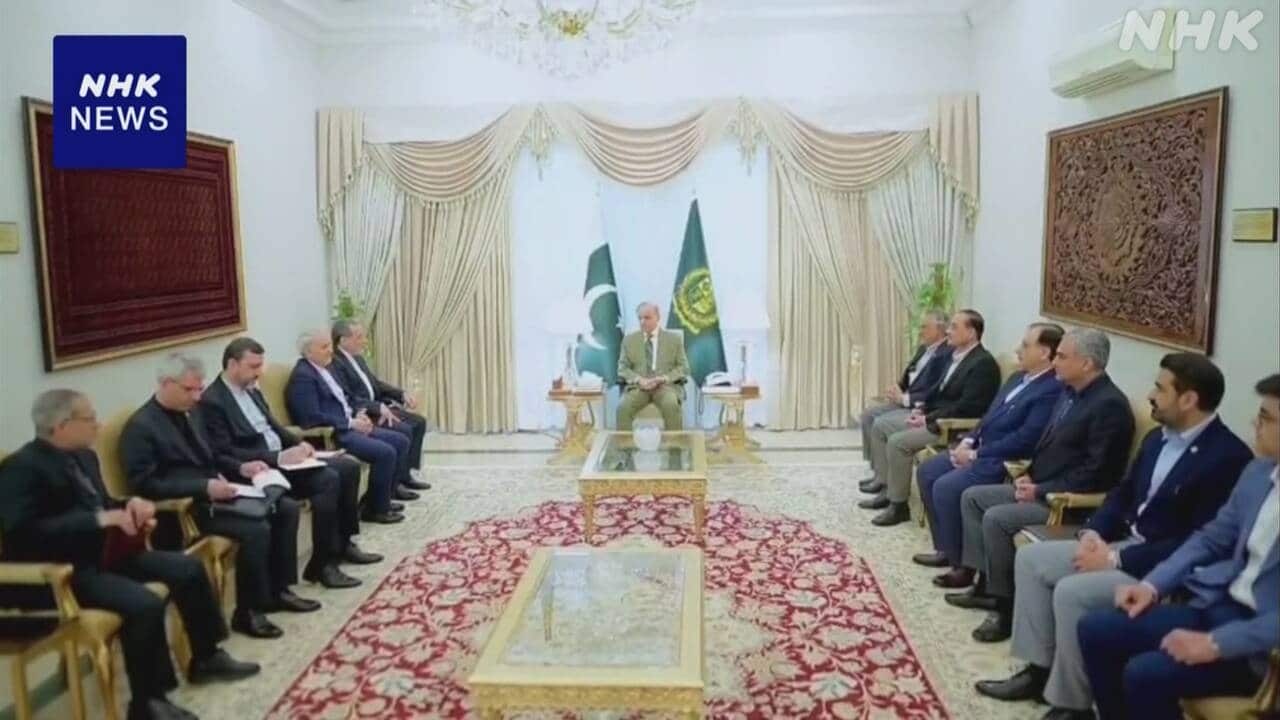
イランのアラグチ外相は25日、仲介国のパキスタンでシャリフ首相らとの会談を終え、次の訪問先のオマーンに移動しました。このあとアメリカのトランプ大統領は25日に予定していたウィトコフ特使らのパキスタンへの派遣を取りやめたことを明らかにし、協議に向けた進展は見られませんでした。
イランのアラグチ外相は、25日、パキスタンの首都イスラマバードでアメリカとイランの仲介にあたっているパキスタン軍のトップ、ムニール陸軍参謀長やシャリフ首相と会談しました。
イラン外務省とアラグチ外相のSNSへの投稿によりますと、アラグチ外相は会談でパキスタン側の仲介努力に感謝を伝えた上で、戦闘の終結に向けたイランの原則的な立場などについて説明したとしています。
イラン外務省によりますと、アラグチ外相は一連の会談のあとパキスタンからオマーンに移動したということで、訪問を終えたアラグチ外相はSNSの投稿で「イランに対する戦争を終結させるための、実行可能な枠組みに関するわれわれの立場を共有した。アメリカが本当に外交に真剣なのかどうか、はかりかねている」と投稿しました。
一方、アメリカのトランプ大統領は25日、SNSに「代表団によるパキスタンのイスラマバード行きを取りやめた。移動にあまりにも時間がかかりすぎる」などと投稿し、予定していたウィトコフ特使らのパキスタンへの派遣を取りやめたことを明らかにしました。
そのうえでトランプ大統領は「あらゆるカードを持っているのはわれわれで、彼らに持ち札はない!話したければ、電話してくればよいだけだ!」としています。
これに関連し、アメリカのニュースサイト、アクシオスは、トランプ大統領が、記者から派遣の取りやめが戦闘の再開を意味するのかを問われたのに対し、「そうではない。それについては、まだ考えたことがない」と話したと伝えています。
ホワイトハウスのレビット報道官は、前日の24日、ウィトコフ特使らが25日にパキスタンに向かうとしていました。
アラグチ外相のパキスタンへの訪問と、トランプ大統領による代表団派遣の動きは双方による2回目の協議をめぐる臆測を呼びましたが、進展は見られず、駆け引きは続きそうです。
アメリカのトランプ大統領は、25日、南部フロリダ州で記者団の取材に応じ、「聞いたかと思うが、派遣を取りやめた。飛行機に15時間も乗ってそれほど良くない文書を渡されるために行ったり来たりはしない」と述べ、ウィトコフ特使と、トランプ大統領の娘の夫のクシュナー氏の仲介国・パキスタンへの派遣を取りやめたと明らかにしました。
そのうえで「電話でやりとりしていく。彼らは好きな時に電話をかけてくればいい」と述べました。
また派遣を取りやめ理由について問われると、「移動が長すぎる」としたうえで、「彼らは協議は火曜日に予定されていると言ったが、私は『火曜日はずいぶん先だ』と言った」と述べ、協議の日程として、週明けの火曜日、28日を打診されたと主張しました。
そして、「時間をかけて人を派遣し、2日間も待たせるようなことはしない」と述べました。
さらに、記者から「きのうからきょうにかけて何が変わったのか」と問われたのに対し、トランプ大統領は「何も変わっていない。ただ彼らが出してきた文書は、もっとよいものであるべきだった。興味深いことに、派遣の取りやめを表明したら10分もしないうちに新しい文書が出てきて、ずっとましになっていた」と述べ、トランプ大統領が代表団の派遣を取りやめたあと、イラン側から新たな提案が提出されたと主張しました。
アメリカのトランプ大統領は、25日、イランとの協議をめぐって、SNSに「代表団によるパキスタンのイスラマバード行きを取りやめた。移動にあまりにも時間がかかりすぎる」などと投稿し、ウィトコフ特使と、トランプ大統領の娘の夫のクシュナー氏の派遣を取りやめたと明らかにしました。
その上で、「『指導部』の中では激しい内部抗争と混乱が起きている。彼ら自身を含めて、誰が責任者なのか、誰にもわからない」とこれまでの主張を繰り返しました。
そして、「あらゆるカードを持っているのはわれわれで、彼らに持ち札はない!話したければ、電話してくればよいだけだ!」としています。
アメリカのニュースサイト、アクシオスは、トランプ大統領が、記者から派遣の取りやめが戦闘の再開を意味するのかを問われたのに対し、「そうではない。それについては、まだ考えたことがない」と話したと伝えています。
ホワイトハウスのレビット報道官は、前日の24日、ウィトコフ特使らが25日にパキスタンに向かうとしていました。
イランのアラグチ外相は、25日、パキスタンの首都イスラマバードでアメリカとイランの仲介にあたっているパキスタン軍のトップ、ムニール陸軍参謀長やシャリフ首相と会談しました。
イラン外務省によりますと、アラグチ外相は一連の会談のあと、パキスタンからオマーンに移動したということです。
イラン外務省とアラグチ外相のSNSへの投稿によりますと、アラグチ外相は会談でパキスタン側の仲介努力に感謝を伝えた上で、戦闘の終結に向けたイランの原則的な立場などについて説明したとしています。
また、ロイター通信は、協議に関わるパキスタンの情報筋の話として、アラグチ外相がパキスタンの当局者に対し、交渉におけるイランからの条件を伝えるとともにアメリカの要求についての懸念を伝えたと報じています。
イランの国営メディアは、アラグチ外相が一連の訪問で、パキスタンに加え、中東オマーンの首都マスカット、それにロシアの首都モスクワをそれぞれ訪問すると伝えています。
パキスタンへの訪問を終えたイランのアラグチ外相は、25日、SNSに「イランに対する戦争を終結させるための、実行可能な枠組みに関するわれわれの立場を共有した。アメリカが本当に外交に真剣なのかどうか、はかりかねている」と投稿しました。
アメリカとイランを仲介するパキスタンの首相府は日本時間の25日午後9時前、声明を発表し、シャリフ首相とイランのアラグチ外相が会談したことを明らかにしました。
会談にはパキスタンのダール外相とパキスタン軍のトップ、ムニール陸軍参謀長も同席し「現在の地域情勢について意見を交わす」としています。
一方、イランの外務省は、SNSの投稿で、アラグチ外相が会談で停戦を実現するためのパキスタン側の努力に謝意を示した上で、停戦に加え戦闘を完全に終わらせるための最新の動向について、イラン側の原則的な立場を説明したとしています。
また「イスラエル政権によるパレスチナでの犯罪の継続とレバノンでの領土保全と国家主権へのたび重なる侵害に言及した」としています。
イランメディアは25日、アメリカとイスラエルによる攻撃で、イラン国内の電力インフラ2000か所以上に被害が出ていると伝えました。
別のイランメディアによりますと、ペゼシュキアン大統領は「敵はインフラ施設を攻撃し、封鎖することで、国民を不満にさせるとともに、現状の満足を不満に変えようとしている」と訴えたということです。
イランのアラグチ外相は、25日、パキスタンの首都イスラマバードでアメリカとイランの仲介にあたっているパキスタン軍のトップ、ムニール陸軍参謀長やシャリフ首相と会談しました。
イラン外務省とアラグチ外相のSNSへの投稿によりますと、アラグチ外相は会談でパキスタン側の仲介努力に感謝を伝えた上で、戦闘の終結に向けたイランの原則的な立場などについて説明したとしています。
イラン外務省によりますと、アラグチ外相は一連の会談のあとパキスタンからオマーンに移動したということで、訪問を終えたアラグチ外相はSNSの投稿で「イランに対する戦争を終結させるための、実行可能な枠組みに関するわれわれの立場を共有した。アメリカが本当に外交に真剣なのかどうか、はかりかねている」と投稿しました。
一方、アメリカのトランプ大統領は25日、SNSに「代表団によるパキスタンのイスラマバード行きを取りやめた。移動にあまりにも時間がかかりすぎる」などと投稿し、予定していたウィトコフ特使らのパキスタンへの派遣を取りやめたことを明らかにしました。
そのうえでトランプ大統領は「あらゆるカードを持っているのはわれわれで、彼らに持ち札はない!話したければ、電話してくればよいだけだ!」としています。
これに関連し、アメリカのニュースサイト、アクシオスは、トランプ大統領が、記者から派遣の取りやめが戦闘の再開を意味するのかを問われたのに対し、「そうではない。それについては、まだ考えたことがない」と話したと伝えています。
ホワイトハウスのレビット報道官は、前日の24日、ウィトコフ特使らが25日にパキスタンに向かうとしていました。
アラグチ外相のパキスタンへの訪問と、トランプ大統領による代表団派遣の動きは双方による2回目の協議をめぐる臆測を呼びましたが、進展は見られず、駆け引きは続きそうです。
アメリカのトランプ大統領は、25日、南部フロリダ州で記者団の取材に応じ、「聞いたかと思うが、派遣を取りやめた。飛行機に15時間も乗ってそれほど良くない文書を渡されるために行ったり来たりはしない」と述べ、ウィトコフ特使と、トランプ大統領の娘の夫のクシュナー氏の仲介国・パキスタンへの派遣を取りやめたと明らかにしました。
そのうえで「電話でやりとりしていく。彼らは好きな時に電話をかけてくればいい」と述べました。
また派遣を取りやめ理由について問われると、「移動が長すぎる」としたうえで、「彼らは協議は火曜日に予定されていると言ったが、私は『火曜日はずいぶん先だ』と言った」と述べ、協議の日程として、週明けの火曜日、28日を打診されたと主張しました。
そして、「時間をかけて人を派遣し、2日間も待たせるようなことはしない」と述べました。
さらに、記者から「きのうからきょうにかけて何が変わったのか」と問われたのに対し、トランプ大統領は「何も変わっていない。ただ彼らが出してきた文書は、もっとよいものであるべきだった。興味深いことに、派遣の取りやめを表明したら10分もしないうちに新しい文書が出てきて、ずっとましになっていた」と述べ、トランプ大統領が代表団の派遣を取りやめたあと、イラン側から新たな提案が提出されたと主張しました。
アメリカのトランプ大統領は、25日、イランとの協議をめぐって、SNSに「代表団によるパキスタンのイスラマバード行きを取りやめた。移動にあまりにも時間がかかりすぎる」などと投稿し、ウィトコフ特使と、トランプ大統領の娘の夫のクシュナー氏の派遣を取りやめたと明らかにしました。
その上で、「『指導部』の中では激しい内部抗争と混乱が起きている。彼ら自身を含めて、誰が責任者なのか、誰にもわからない」とこれまでの主張を繰り返しました。
そして、「あらゆるカードを持っているのはわれわれで、彼らに持ち札はない!話したければ、電話してくればよいだけだ!」としています。
アメリカのニュースサイト、アクシオスは、トランプ大統領が、記者から派遣の取りやめが戦闘の再開を意味するのかを問われたのに対し、「そうではない。それについては、まだ考えたことがない」と話したと伝えています。
ホワイトハウスのレビット報道官は、前日の24日、ウィトコフ特使らが25日にパキスタンに向かうとしていました。
イランのアラグチ外相は、25日、パキスタンの首都イスラマバードでアメリカとイランの仲介にあたっているパキスタン軍のトップ、ムニール陸軍参謀長やシャリフ首相と会談しました。
イラン外務省によりますと、アラグチ外相は一連の会談のあと、パキスタンからオマーンに移動したということです。
イラン外務省とアラグチ外相のSNSへの投稿によりますと、アラグチ外相は会談でパキスタン側の仲介努力に感謝を伝えた上で、戦闘の終結に向けたイランの原則的な立場などについて説明したとしています。
また、ロイター通信は、協議に関わるパキスタンの情報筋の話として、アラグチ外相がパキスタンの当局者に対し、交渉におけるイランからの条件を伝えるとともにアメリカの要求についての懸念を伝えたと報じています。
イランの国営メディアは、アラグチ外相が一連の訪問で、パキスタンに加え、中東オマーンの首都マスカット、それにロシアの首都モスクワをそれぞれ訪問すると伝えています。
パキスタンへの訪問を終えたイランのアラグチ外相は、25日、SNSに「イランに対する戦争を終結させるための、実行可能な枠組みに関するわれわれの立場を共有した。アメリカが本当に外交に真剣なのかどうか、はかりかねている」と投稿しました。
アメリカとイランを仲介するパキスタンの首相府は日本時間の25日午後9時前、声明を発表し、シャリフ首相とイランのアラグチ外相が会談したことを明らかにしました。
会談にはパキスタンのダール外相とパキスタン軍のトップ、ムニール陸軍参謀長も同席し「現在の地域情勢について意見を交わす」としています。
一方、イランの外務省は、SNSの投稿で、アラグチ外相が会談で停戦を実現するためのパキスタン側の努力に謝意を示した上で、停戦に加え戦闘を完全に終わらせるための最新の動向について、イラン側の原則的な立場を説明したとしています。
また「イスラエル政権によるパレスチナでの犯罪の継続とレバノンでの領土保全と国家主権へのたび重なる侵害に言及した」としています。
イランメディアは25日、アメリカとイスラエルによる攻撃で、イラン国内の電力インフラ2000か所以上に被害が出ていると伝えました。
別のイランメディアによりますと、ペゼシュキアン大統領は「敵はインフラ施設を攻撃し、封鎖することで、国民を不満にさせるとともに、現状の満足を不満に変えようとしている」と訴えたということです。
Vocabulary
General
Proper noun
JLPT N2
JLPT N1
| # | 言葉 | 意味 |
|---|---|---|
| 17 | 外相 | がいしょう (外相) : Foreign Minister |
| 12 | 派遣 | はけん (派遣) : 1. dispatch; despatch; deployment 2. temporary employee (esp. from an agency); temporary worker; agency temp |
| 10 | 会談 | かいだん (会談) : conversation; conference (usu. between important people); discussion; interview |
| 9 | 取りやめる | とりやめる (取り止める) : to cancel; to call off |
| 8 | 投稿 | とうこう (投稿) : contribution (to a newspaper, magazine, etc.); submission; post (on a blog, social media, etc.) |
| 7 | 仲介 | ちゅうかい (仲介) : agency; intermediation |
| 7 | 伝える | つたえる (伝える) : to convey; to report; to transmit; to communicate; to tell; to impart; to propagate; to teach; to bequeath |
| 6 | 移動 | いどう (移動) : 1. movement; transfer; migration; removal; travel 2. mobile; moving; traveling; travelling; roving |
| 6 | 特使 | とくし (特使) : special envoy |
| 6 | 協議 | きょうぎ (協議) : conference; consultation; discussion; negotiation |
| 5 | 明らか | あきらか (明らか) : 1. clear; obvious; evident; plain; definite 2. bright; light |
| 5 | 外務省 | がいむしょう (外務省) : Ministry of Foreign Affairs |
| 5 | 戦闘 | せんとう (戦闘) : battle; fight; combat |
| 5 | 立場 | たちば (立場) : 1. position; situation 2. viewpoint; standpoint; point of view |
| 5 | 訪問 | ほうもん (訪問) : call; visit |
| 5 | 述べる | のべる (述べる) : to state; to express; to mention |
| 4 | 首相 | しゅしょう (首相) : prime minister; chancellor (Germany, Austria, etc.); premier |
| 4 | 首都 | しゅと (首都) : capital city; metropolis |
| 4 | 終結 | しゅうけつ (終結) : end; close |
| 4 | われわれ | われわれ (我々) : we |
| 4 | 代表団 | だいひょうだん (代表団) : delegation |
| 4 | 問う | とう (問う) : 1. to ask; to inquire 2. to blame (someone) for; to accuse of; to pursue (question of responsibility); to charge with |
| 3 | 陸軍 | りくぐん (陸軍) : army |
| 3 | 参謀長 | さんぼうちょう (参謀長) : chief of staff |
| 3 | 努力 | どりょく (努力) : effort; exertion; endeavour; endeavor; hard work; striving |
| 3 | 原則的 | げんそくてき (原則的) : general |
| 3 | 一連 | いちれん (一連) : 1. series; chain; sequence 2. two reams (i.e. 1000 sheets of paper) |
| 3 | 記者 | きしゃ (記者) : reporter; journalist |
| 3 | 取りやめ | とりやめ (取り止め) : cancellation; suspension |
| 3 | 文書 | ぶんしょ (文書) : 1. document; writing; letter; papers; notes; records; archives 2. document addressed to someone |
| 3 | 主張 | しゅちょう (主張) : claim; insistence; assertion; advocacy; emphasis; contention; opinion; tenet |
| 2 | 進展 | しんてん (進展) : progress; development |
| 2 | あたる | あたる (当たる) : 1. to be hit; to strike 2. to touch; to be in contact; to be affixed |
| 2 | 感謝 | かんしゃ (感謝) : thanks; gratitude |
| 2 | 実行 | じっこう (実行) : execution (e.g. of a plan); carrying out; practice; action; implementation; fulfillment; realization |
| 2 | 可能 | かのう (可能) : possible; potential; practicable; feasible |
| 2 | 枠組み | わくぐみ (枠組み) : 1. frame 2. framework; outline |
| 2 | 関する | かんする (関する) : to concern; to be related |
| 2 | 共有 | きょうゆう (共有) : 1. joint ownership; co-ownership; sharing (e.g. a viewpoint) 2. sharing (files, devices on a network, posts on social media, etc.) |
| 2 | 本当 | ほんとう (本当) : 1. truth; reality; actuality; fact 2. proper; right; correct; official |
| 2 | 外交 | がいこう (外交) : 1. diplomacy 2. selling (e.g. door-to-door); canvassing |
| 2 | 真剣 | しんけん (真剣) : 1. serious; earnest 2. real sword (as opposed to a wooden practice weapon) |
| 2 | はかる | はかる (諮る) : to consult with; to discuss; to confer; to deliberate |
| 2 | かね | おはぐろ (お歯黒) : 1. tooth blackening 2. tooth-blackening dye |
| 2 | 行き | いき (行き) : 1. the way there; outbound leg; outbound trip; departing leg 2. bound for ... |
| 2 | あらゆる | あらゆる (有らゆる) : all; every |
| 2 | 持つ | もつ (持つ) : 1. to hold (in one's hand); to take; to carry 2. to possess; to have; to own |
| 2 | 持ち札 | もちふだ (持ち札) : cards in one's hand; one's hand |
| 2 | 再開 | さいかい (再開) : reopening; resumption; restarting |
| 2 | 考える | かんがえる (考える) : 1. to think (about, of); to think over; to ponder; to contemplate; to reflect (on); to meditate (on) 2. to consider; to bear in mind; to allow for; to take into consideration |
| 2 | 報道官 | ほうどうかん (報道官) : press officer; press secretary |
| 2 | 前日 | ぜんじつ (前日) : previous day; day before; eve; prior day; preceding day |
| 2 | めぐる | めぐる (巡る) : 1. to go around 2. to return |
| 2 | 氏 | うじ (氏) : 1. family name; lineage; birth 2. clan |
| 2 | 変わる | かわる (変わる) : 1. to change; to be transformed; to be altered; to vary 2. to move to |
| 2 | 停戦 | ていせん (停戦) : armistice; ceasefire |
| 2 | 攻撃 | こうげき (攻撃) : 1. attack; assault; raid; onslaught; offensive 2. criticism; censure; denunciation; condemnation |
| 2 | 不満 | ふまん (不満) : dissatisfaction; discontent; displeasure; complaint; unhappiness |
| 1 | 訪問先 | ほうもんさき (訪問先) : destination; place where one is visiting |
| 1 | 関連 | かんれん (関連) : relation; connection; relevance |
| 1 | 動き | うごき (動き) : 1. movement; move; motion 2. trend; development; change; fluctuation |
| 1 | 双方 | そうほう (双方) : both parties; both sides |
| 1 | 臆測 | おくそく (憶測) : guess; speculation; supposition |
| 1 | 呼ぶ | よぶ (呼ぶ) : 1. to call out (to); to call; to invoke 2. to summon (a doctor, etc.) |
| 1 | 駆け引き | かけひき (駆け引き) : 1. bargaining; haggling 2. tactics; strategy |
| 1 | 南部 | なんぶ (南部) : southern part; the south (of a region) |
| 1 | 記者団 | きしゃだん (記者団) : press group; press corps; group of reporters; press organization; press organisation |
| 1 | 取材 | しゅざい (取材) : 1. news coverage; collecting data (e.g. for an article); covering (something for media) 2. interview |
| 1 | 応ずる | おうずる (応ずる) : 1. to answer; to respond; to meet 2. to satisfy; to accept |
| 1 | 聞く | きく (聞く) : 1. to hear 2. to listen (e.g. to music) |
| 1 | 乗る | のる (乗る) : 1. to get on (train, plane, bus, ship, etc.); to get in; to board; to take; to embark 2. to get on (e.g. a footstool); to step on; to jump on; to sit on; to mount |
| 1 | 渡す | わたす (渡す) : 1. to ferry across (e.g. a river); to carry across; to traverse 2. to lay across; to build across |
| 1 | やりとり | やりとり (やり取り) : giving and taking; exchange (of letters); arguing back and forth; (conversational) exchange |
| 1 | 日程 | にってい (日程) : schedule; program; programme; agenda |
| 1 | 週明け | しゅうあけ (週明け) : beginning of next week (usu. Monday); early next week |
| 1 | 打診 | だしん (打診) : 1. percussion; tapping; examining by percussion 2. sounding out (someone's intentions); making an approach (about) |
| 1 | 日間 | ひあい (日間) : 1. number of days; period of days 2. daily interest rate |
| 1 | 待つ | まつ (待つ) : 1. to wait 2. to await; to look forward to; to anticipate |
| 1 | ただ | ただ (只) : 1. ordinary; common; usual 2. free of charge |
| 1 | 表明 | ひょうめい (表明) : declaration; indication; representation; manifestation; demonstration; expression; announcement; assertion |
| 1 | ずっと | ずっと : 1. continuously in some state (for a long time, distance); throughout; all along; the whole time; all the way 2. much (better, etc.); by far; far and away |
| 1 | まし | あさいと (麻糸) : hemp yarn; linen thread |
| 1 | 新た | あらた (新た) : new; fresh; novel |
| 1 | 提案 | ていあん (提案) : proposal; proposition; suggestion |
| 1 | 提出 | ていしゅつ (提出) : presentation (of documents); submission (of an application, report, etc.); production (e.g. of evidence); introduction (e.g. of a bill); filing; turning in |
| 1 | 指導部 | しどうぶ (指導部) : leadership |
| 1 | 激しい | はげしい (激しい) : 1. violent; furious; tempestuous 2. extreme; intense; fierce; strong |
| 1 | 内部 | ないぶ (内部) : interior; inside; internal |
| 1 | 抗争 | こうそう (抗争) : dispute; resistance |
| 1 | 混乱 | こんらん (混乱) : disorder; chaos; confusion; mayhem |
| 1 | 起きる | おきる (起きる) : 1. to get up; to rise; to blaze up (fire) 2. to wake up; to be awake; to stay awake |
| 1 | 自身 | じしん (自身) : (one's) self; oneself |
| 1 | 含める | ふくめる (含める) : 1. to include (in a group or scope) 2. to instruct; to make one understand |
| 1 | 責任者 | せきにんしゃ (責任者) : person in charge (including a supervisory role for other staff); person responsible for ...; responsible party; supervisor; manager |
| 1 | わかる | わかる (分かる) : 1. to understand; to comprehend; to grasp; to see; to get; to follow 2. to become clear; to be known; to be discovered; to be realized; to be realised; to be found out |
| 1 | 繰り返す | くりかえす (繰り返す) : to repeat; to do something over again |
| 1 | 通信 | つうしん (通信) : correspondence; communication; transmission; news; signal; telecommunications |
| 1 | 関わる | かかわる (関わる) : 1. to be affected; to be influenced 2. to be concerned with; to have to do with |
| 1 | 当局者 | とうきょくしゃ (当局者) : authority (person) |
| 1 | 交渉 | こうしょう (交渉) : 1. negotiations; discussions 2. connection |
| 1 | 条件 | じょうけん (条件) : condition; term; requirement; qualification; prerequisite |
| 1 | 要求 | ようきゅう (要求) : demand; firm request; requisition; requirement; desire |
| 1 | 懸念 | けねん (懸念) : worry; fear; anxiety; concern |
| 1 | 報ずる | ほうずる (報ずる) : to inform; to report |
| 1 | 国営 | こくえい (国営) : government management; state management |
| 1 | 中東 | ちゅうとう (中東) : Middle East |
| 1 | 声明 | せいめい (声明) : declaration; statement; proclamation |
| 1 | 発表 | はっぴょう (発表) : announcement; publication; presenting; statement; communique; making known; breaking (news story); expressing (one's opinion); releasing; unveiling |
| 1 | 同席 | どうせき (同席) : presence; sitting with; being with |
| 1 | 現在 | げんざい (現在) : now; current; present; present time; as of |
| 1 | 地域 | ちいき (地域) : area; region |
| 1 | 情勢 | じょうせい (情勢) : state of things; state of affairs; condition; situation; circumstances |
| 1 | 実現 | じつげん (実現) : implementation (e.g. of a system); materialization; materialisation; realization; realisation; actualization; actualisation |
| 1 | 謝意 | しゃい (謝意) : gratitude; thanks |
| 1 | 示す | しめす (示す) : 1. to (take out and) show; to demonstrate; to tell; to exemplify; to make apparent 2. to point out (finger, clock hand, needle, etc.) |
| 1 | 完全 | かんぜん (完全) : perfect; complete |
| 1 | 最新 | さいしん (最新) : latest; newest; late-breaking (news) |
| 1 | 動向 | どうこう (動向) : trend; tendency; movement; attitude |
| 1 | 政権 | せいけん (政権) : (political) administration; political power |
| 1 | 犯罪 | はんざい (犯罪) : crime; offence; offense |
| 1 | 継続 | けいぞく (継続) : continuation |
| 1 | 領土 | りょうど (領土) : dominion; territory; possession |
| 1 | 保全 | ほぜん (保全) : preservation; integrity; conservation; maintenance |
| 1 | 国家主権 | こっかしゅけん (国家主権) : state sovereignty; national sovereignty |
| 1 | たび | たび (足袋) : tabi; Japanese socks (with split toe) |
| 1 | 重なる | かさなる (重なる) : 1. to be piled up; to lie on top of one another 2. to come one after another; to happen over and over; to pile up (e.g. stress); to accumulate |
| 1 | 侵害 | しんがい (侵害) : infringement; violation; invasion; encroachment; trespass |
| 1 | 言及 | げんきゅう (言及) : reference; allusion |
| 1 | 国内 | こくない (国内) : internal; domestic |
| 1 | 電力 | でんりょく (電力) : electric power |
| 1 | か所 | かしょ (箇所) : 1. place; point; part; spot; area; passage; portion 2. counter for places, parts, passages, etc. |
| 1 | 被害 | ひがい (被害) : (suffering) damage; injury; harm |
| 1 | 大統領 | だいとうりょう (大統領) : 1. president (of a nation) 2. big man; boss; buddy; mate |
| 1 | 敵 | かたき (敵) : 1. rival; opponent; adversary; competitor; enemy (esp. one with which there is longstanding enmity); foe 2. revenge |
| 1 | 施設 | しせつ (施設) : 1. institution; establishment; facility 2. home (for elderly, orphans, etc.) |
| 1 | 封鎖 | ふうさ (封鎖) : 1. blockade; lockdown; sealing off (an area) 2. freezing (funds) |
| 1 | 国民 | こくみん (国民) : people (of a country); nation; citizen; national |
| 1 | 現状 | げんじょう (現状) : present condition; existing state; status quo; current state |
| 1 | 満足 | まんぞく (満足) : 1. satisfaction; contentment; gratification 2. sufficient; satisfactory; enough; adequate; proper; decent |
| 1 | 変える | かえる (変える) : 1. to change; to alter; to transform; to convert; to turn; to vary 2. to reform; to revise; to amend |
| 1 | 訴える | うったえる (訴える) : 1. to raise; to bring to (someone's attention) 2. to appeal to (reason, emotions, etc.); to work on (one's emotions); to play on (one's sympathies) |