岩手 宮城 福島 復興整備の施設 維持管理費 震災前の平均1.7倍
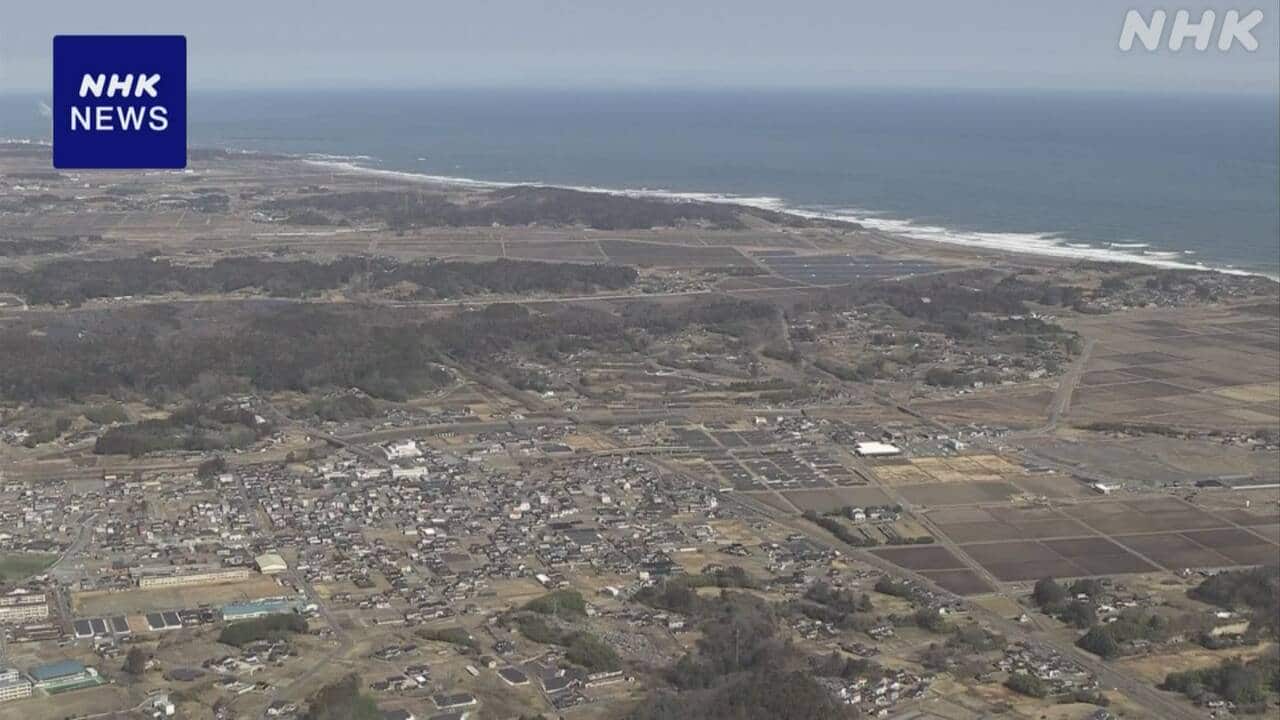
東日本大震災と東京電力福島第一原子力発電所の事故で被害を受けた岩手・宮城・福島の3県では、復興事業などで整備され各市町村が管理する公共施設やインフラの維持管理費が、震災前と比べ平均で1.7倍になっていることがNHKの取材でわかりました。専門家は「復興計画を作る段階で、人口減少に対応した集約的なまちづくりなどを検討することが重要だ」と指摘しています。
東日本大震災と原発事故の発生後、岩手・宮城・福島の3県では、税金などを原資に多額の予算が投じられ、役場の庁舎や災害公営住宅などの公共施設、道路や水道などといったインフラが整備されました。
NHKは、被害を受けた3県の合わせて42の市町村を対象に、管理する公共施設やインフラの維持管理費などについて、震災前の2009年度分と昨年度分を取材し比較しました。
維持管理費の総額を単純に比較すると、2009年度は1450億円余りだった一方、昨年度は1997億円余りでした。
ただ、この中には震災によって壊れた施設やインフラが再建されず維持管理費が必要なくなったり、震災前には無かったものが新たに建設されて維持管理費が必要になったものなどもあります。
このためNHKは、震災前とあとで比較可能なデータが確認できた36市町村の維持管理費について、震災前後で会計制度が変わった水道の一部などを除外したうえで詳しく分析しました。
その結果、自治体ごとの維持管理費用は、震災前と比べ平均で1.7倍になっていることがわかりました。
また、比較可能な公共施設の延べ床面積が、昨年度はおよそ1.2倍に増えていることもわかりました。
公共施設のマネージメントに詳しい宮城大学の上森貞行 准教授によりますと、全国の公共施設の延べ床面積を震災前後で比較した場合は、増加率が1%程度にとどまっているということで、復興事業による影響が大きいと指摘しています。
維持管理費の増加は物価や光熱費、それに人件費の上昇なども影響しているとみられ、自治体からは「財政の重荷になり始めている」という声が相次いで聞かれました。
上森准教授は「建設当時は国の支援があっても、その後の維持管理費は自治体が負担しなければならず、市民サービスの低下や税金という形で住民にしわ寄せがいく。復興計画を作る段階で維持管理のコストを考え、集約的なまちづくりや人口減少に対応したインフラのあり方などを検討することが重要だ」と話していました。
東日本大震災で被災した市町村の中で最も多くの人が犠牲となった宮城県石巻市では、その後、復興のまちづくりが進められてきました。
公共施設や道路・水道といったインフラの年間の維持管理費は、震災前の2009年度と比べ昨年度はおよそ1.8倍の100億円余りに上っていました。
当該年度の歳入では賄えず、市は自治体の貯金にあたる「財政調整基金」を毎年のように切り崩して対応しています。
石巻駅周辺の道路に48基設置されている街路灯は数年前から故障し、市は今年度から修繕に乗り出したものの、十分な予算が確保できないことから、一部は撤去するということです。
また、復興のシンボルとして130億円をかけて建設された市の複合文化施設「マルホンまきあーとテラス」も赤字が続き、十分なメンテナンスができない状況だということです。
施設では人件費を削減しようと、これまでの電話での利用予約をLINEに切り替えるなど、費用を減らすための模索を続けています。
施設を管理する石巻市生涯学習課の高橋秀和課長は「規模が大きい施設なので採算を取るのはなかなか難しい。利用を促進して使用料収入を増やすほか、効率的な運営を心がけて、市の持ち出しを減らせるよう努めたい」と話しています。
宮城県石巻市の市長を2009年から3期務めた亀山紘さんは「総額が100億円を超えるとなると、やはり市政を圧迫する金額で、維持管理費が財政に与える影響がかなり大きくなってきていると思う」と話しています。
そのうえで「震災からの復興を果たすために必要な事業として進めてきたところがある。ただ、復興のまちづくりにおいてむだなものがなかったのかどうかは、別途、検討が必要だと思う」と話しました。
復興過程での教訓について亀山さんは「震災前にもっと協議を重ねていれば、設備の整備費用も抑えられたのではないかと考えている。災害が起きる前から被災後のまちづくりに必要なインフラや施設について、あらかじめ検討しておくべきだと思う」と話していました。
岩手県釜石市は、インフラや公共施設の維持管理費が震災前と比べて5億8000万円余り増加し、およそ36億3000万円に上っています。
特に災害公営住宅や集会所など「建築系公共施設」は震災前と比べて3億1400万円余り増え、市は、震災後に施設数が増えたことや、物価や人件費、光熱費などの上昇が要因と考えられるとしています。
一方、この15年の間に人口は1万1000人余り減少し、持続的な町にしていくため公共施設やインフラの維持管理費をどのように抑えていけるのかが課題となっています。
震災発生当時の市長で、その後12年余りにわたって復興の陣頭指揮を執ってきた前市長の野田武則さん(73)は「もともと住んでいた場所に住みたいという方々が圧倒的だったこともあり、基本的には『原状復旧』の方針で復興まちづくりを進めてきた。必要なものをつくってきたつもりだ」と振り返りました。
そのうえで「震災を機に釜石を離れていく人が増え、思った以上に人口減少が進んでしまった。将来を見通した規模の施設をつくるべきだというのは正論だが、住民合意も必要なのでそれは正直、難しい」と話しました。
震災後のまちづくりをめぐって、国は、元どおりに復旧させるだけでなく、地域を発展させる「創造的復興」を目指す方針を打ち出しました。
野田さんは釜石の復興のシンボルにしようと2019年のラグビーワールドカップの誘致も見越して、その前年に「釜石鵜住居復興スタジアム」を完成させました。
およそ49億円の建設費はほぼ国費で賄われましたが、現在は年間およそ4300万円の維持管理費がかかる一方、利用料などの収入はおよそ260万円にとどまっています。
野田さんは「人口が減り企業も縮小して、漁業も思うようにいかない中で、将来にわたって希望の持てるまちにしたいと考えた。希望がなければ誰も戻らない。そうした『希望づくり』が必要だった」と振り返りました。
そのうえで「交流人口の拡大やさまざまな経済効果も見込んでつくった施設なので、利用者が増えていくようみんなで頑張ってほしい」と述べました。
野田さんが「希望づくり」と話したスタジアムについて、市内に住む人はどう考えるのか聞きました。
70代の女性は「復興のためにつくったので、なくてはならないものだと思う。すべてのものが物価高になっているので、維持管理費がかかるのはしかたないと思う」と話していました。
女子高校生は「イベントが少ないし、ほとんど閑散としているが、スタジアムがあることによって、世界中から釜石に人が来てくれるのですごくうれしい」と話していました。
一方、30代の男性は「維持管理にお金をかけているのであれば、もっと市民が活用できる場所になってほしい。子ども向けのイベントも増えるといい」と話していました。
70代の男性は「せっかく高い事業費でつくったのだから、もう少しいろいろな活用のしかたを考えてもらってもいいと思う」と話していました。
今後の災害復興におけるまちづくりのあり方について、前市長の野田さんは「時間的な余裕がない中でまちづくりの方向性を決めざるを得なかったという大きな反省がある。地域全体を変えなければならないような大きな災害の発生を念頭に、災害が起きる前から将来のまちづくりを考える『事前復興』の取り組みを継続していかなければならない」と話していました。
人口の減少を見越してコンパクトな復興まちづくりを進めたものの、想定以上の人口減少を背景に、維持管理費が課題になっている自治体もあります。
岩手県大槌町は、津波で壊滅的な被害を受けた中心部の地区を再建する際、地区の規模を震災前の半分にしたほか、複数の小中学校を統合して小中一貫の義務教育学校として再建するなど、人口減少を見越したコンパクトなまちづくりを進めてきました。
このため、インフラや公共施設の維持管理費は、震災前と比べておよそ2400万円増えているものの、増加率は4%と、岩手県内のほかの自治体と比べると比較的、低く抑えられています。
しかし、現在の人口は震災前と比べておよそ5500人、率にして36.1%減少し、当初の復興計画の想定よりもさらに2000人余り少なくなっています。
町が4年前に策定したインフラや公共施設などの40年間の管理計画では、定期点検などを行って長寿命化を図ったとしても、年間1億9000万円の財源が不足する可能性があると試算され、想定以上の人口減少が進む中、維持管理費が大きな課題になっています。
震災当時は町の職員で、11年前に町長に就任した平野公三町長は「被害が甚大だったこともあり、人口減少の実情を捉えてまちづくりをする余裕がなかったのが実態だ。今後は、どう修繕すれば長く持つのか工夫するとともに、財政負担の平準化などできることを尽くしていきたい」と話していました。
岩手県山田町は、津波で大きな被害を受けた船越小学校を震災発生の3年後、高台に再建しました。
およそ13億5000万円の建設費のうちのほとんどは国の補助金などで賄いましたが、児童の数が減り、再建からわずか10年で閉校を余儀なくされました。
震災の翌年から町のかじ取りを担ってきた佐藤信逸町長は「人口減少社会においての大災害という視点が大きく欠落していた」と話します。
町は災害公営住宅や津波の際の避難道路などを整備したことなどから、公共施設や公営住宅、道路の維持管理費は、震災前と比べておよそ2.6倍に上っています。
一方でこの15年の間に小中学校を統廃合して3つに減らしたり、幼稚園や保育園の統廃合なども進めた結果、学校なども含めた維持管理費の総額は震災前に比べて5%の増加にとどまっています。
閉校した船越小学校も、来月から不登校の小中学生のための教育支援センターとして活用する方針で、復興事業で整備した施設の有効活用を模索しています。
佐藤町長は「当時は国の復興交付金を多く持ってきて大きな建物や施設をつくることが自治体トップの手腕のように思われる節もあったが、これからはハコモノをつくる時代ではない。人口減少を基本に考えたまちづくりが必要で、『創造的復興』ということばが本当にふさわしいのか、国もその根本理念を問い直す必要がある」と話していました。
東日本大震災と原発事故の発生後、岩手・宮城・福島の3県では、税金などを原資に多額の予算が投じられ、役場の庁舎や災害公営住宅などの公共施設、道路や水道などといったインフラが整備されました。
NHKは、被害を受けた3県の合わせて42の市町村を対象に、管理する公共施設やインフラの維持管理費などについて、震災前の2009年度分と昨年度分を取材し比較しました。
維持管理費の総額を単純に比較すると、2009年度は1450億円余りだった一方、昨年度は1997億円余りでした。
ただ、この中には震災によって壊れた施設やインフラが再建されず維持管理費が必要なくなったり、震災前には無かったものが新たに建設されて維持管理費が必要になったものなどもあります。
このためNHKは、震災前とあとで比較可能なデータが確認できた36市町村の維持管理費について、震災前後で会計制度が変わった水道の一部などを除外したうえで詳しく分析しました。
その結果、自治体ごとの維持管理費用は、震災前と比べ平均で1.7倍になっていることがわかりました。
また、比較可能な公共施設の延べ床面積が、昨年度はおよそ1.2倍に増えていることもわかりました。
公共施設のマネージメントに詳しい宮城大学の上森貞行 准教授によりますと、全国の公共施設の延べ床面積を震災前後で比較した場合は、増加率が1%程度にとどまっているということで、復興事業による影響が大きいと指摘しています。
維持管理費の増加は物価や光熱費、それに人件費の上昇なども影響しているとみられ、自治体からは「財政の重荷になり始めている」という声が相次いで聞かれました。
上森准教授は「建設当時は国の支援があっても、その後の維持管理費は自治体が負担しなければならず、市民サービスの低下や税金という形で住民にしわ寄せがいく。復興計画を作る段階で維持管理のコストを考え、集約的なまちづくりや人口減少に対応したインフラのあり方などを検討することが重要だ」と話していました。
東日本大震災で被災した市町村の中で最も多くの人が犠牲となった宮城県石巻市では、その後、復興のまちづくりが進められてきました。
公共施設や道路・水道といったインフラの年間の維持管理費は、震災前の2009年度と比べ昨年度はおよそ1.8倍の100億円余りに上っていました。
当該年度の歳入では賄えず、市は自治体の貯金にあたる「財政調整基金」を毎年のように切り崩して対応しています。
石巻駅周辺の道路に48基設置されている街路灯は数年前から故障し、市は今年度から修繕に乗り出したものの、十分な予算が確保できないことから、一部は撤去するということです。
また、復興のシンボルとして130億円をかけて建設された市の複合文化施設「マルホンまきあーとテラス」も赤字が続き、十分なメンテナンスができない状況だということです。
施設では人件費を削減しようと、これまでの電話での利用予約をLINEに切り替えるなど、費用を減らすための模索を続けています。
施設を管理する石巻市生涯学習課の高橋秀和課長は「規模が大きい施設なので採算を取るのはなかなか難しい。利用を促進して使用料収入を増やすほか、効率的な運営を心がけて、市の持ち出しを減らせるよう努めたい」と話しています。
宮城県石巻市の市長を2009年から3期務めた亀山紘さんは「総額が100億円を超えるとなると、やはり市政を圧迫する金額で、維持管理費が財政に与える影響がかなり大きくなってきていると思う」と話しています。
そのうえで「震災からの復興を果たすために必要な事業として進めてきたところがある。ただ、復興のまちづくりにおいてむだなものがなかったのかどうかは、別途、検討が必要だと思う」と話しました。
復興過程での教訓について亀山さんは「震災前にもっと協議を重ねていれば、設備の整備費用も抑えられたのではないかと考えている。災害が起きる前から被災後のまちづくりに必要なインフラや施設について、あらかじめ検討しておくべきだと思う」と話していました。
岩手県釜石市は、インフラや公共施設の維持管理費が震災前と比べて5億8000万円余り増加し、およそ36億3000万円に上っています。
特に災害公営住宅や集会所など「建築系公共施設」は震災前と比べて3億1400万円余り増え、市は、震災後に施設数が増えたことや、物価や人件費、光熱費などの上昇が要因と考えられるとしています。
一方、この15年の間に人口は1万1000人余り減少し、持続的な町にしていくため公共施設やインフラの維持管理費をどのように抑えていけるのかが課題となっています。
震災発生当時の市長で、その後12年余りにわたって復興の陣頭指揮を執ってきた前市長の野田武則さん(73)は「もともと住んでいた場所に住みたいという方々が圧倒的だったこともあり、基本的には『原状復旧』の方針で復興まちづくりを進めてきた。必要なものをつくってきたつもりだ」と振り返りました。
そのうえで「震災を機に釜石を離れていく人が増え、思った以上に人口減少が進んでしまった。将来を見通した規模の施設をつくるべきだというのは正論だが、住民合意も必要なのでそれは正直、難しい」と話しました。
震災後のまちづくりをめぐって、国は、元どおりに復旧させるだけでなく、地域を発展させる「創造的復興」を目指す方針を打ち出しました。
野田さんは釜石の復興のシンボルにしようと2019年のラグビーワールドカップの誘致も見越して、その前年に「釜石鵜住居復興スタジアム」を完成させました。
およそ49億円の建設費はほぼ国費で賄われましたが、現在は年間およそ4300万円の維持管理費がかかる一方、利用料などの収入はおよそ260万円にとどまっています。
野田さんは「人口が減り企業も縮小して、漁業も思うようにいかない中で、将来にわたって希望の持てるまちにしたいと考えた。希望がなければ誰も戻らない。そうした『希望づくり』が必要だった」と振り返りました。
そのうえで「交流人口の拡大やさまざまな経済効果も見込んでつくった施設なので、利用者が増えていくようみんなで頑張ってほしい」と述べました。
野田さんが「希望づくり」と話したスタジアムについて、市内に住む人はどう考えるのか聞きました。
70代の女性は「復興のためにつくったので、なくてはならないものだと思う。すべてのものが物価高になっているので、維持管理費がかかるのはしかたないと思う」と話していました。
女子高校生は「イベントが少ないし、ほとんど閑散としているが、スタジアムがあることによって、世界中から釜石に人が来てくれるのですごくうれしい」と話していました。
一方、30代の男性は「維持管理にお金をかけているのであれば、もっと市民が活用できる場所になってほしい。子ども向けのイベントも増えるといい」と話していました。
70代の男性は「せっかく高い事業費でつくったのだから、もう少しいろいろな活用のしかたを考えてもらってもいいと思う」と話していました。
今後の災害復興におけるまちづくりのあり方について、前市長の野田さんは「時間的な余裕がない中でまちづくりの方向性を決めざるを得なかったという大きな反省がある。地域全体を変えなければならないような大きな災害の発生を念頭に、災害が起きる前から将来のまちづくりを考える『事前復興』の取り組みを継続していかなければならない」と話していました。
人口の減少を見越してコンパクトな復興まちづくりを進めたものの、想定以上の人口減少を背景に、維持管理費が課題になっている自治体もあります。
岩手県大槌町は、津波で壊滅的な被害を受けた中心部の地区を再建する際、地区の規模を震災前の半分にしたほか、複数の小中学校を統合して小中一貫の義務教育学校として再建するなど、人口減少を見越したコンパクトなまちづくりを進めてきました。
このため、インフラや公共施設の維持管理費は、震災前と比べておよそ2400万円増えているものの、増加率は4%と、岩手県内のほかの自治体と比べると比較的、低く抑えられています。
しかし、現在の人口は震災前と比べておよそ5500人、率にして36.1%減少し、当初の復興計画の想定よりもさらに2000人余り少なくなっています。
町が4年前に策定したインフラや公共施設などの40年間の管理計画では、定期点検などを行って長寿命化を図ったとしても、年間1億9000万円の財源が不足する可能性があると試算され、想定以上の人口減少が進む中、維持管理費が大きな課題になっています。
震災当時は町の職員で、11年前に町長に就任した平野公三町長は「被害が甚大だったこともあり、人口減少の実情を捉えてまちづくりをする余裕がなかったのが実態だ。今後は、どう修繕すれば長く持つのか工夫するとともに、財政負担の平準化などできることを尽くしていきたい」と話していました。
岩手県山田町は、津波で大きな被害を受けた船越小学校を震災発生の3年後、高台に再建しました。
およそ13億5000万円の建設費のうちのほとんどは国の補助金などで賄いましたが、児童の数が減り、再建からわずか10年で閉校を余儀なくされました。
震災の翌年から町のかじ取りを担ってきた佐藤信逸町長は「人口減少社会においての大災害という視点が大きく欠落していた」と話します。
町は災害公営住宅や津波の際の避難道路などを整備したことなどから、公共施設や公営住宅、道路の維持管理費は、震災前と比べておよそ2.6倍に上っています。
一方でこの15年の間に小中学校を統廃合して3つに減らしたり、幼稚園や保育園の統廃合なども進めた結果、学校なども含めた維持管理費の総額は震災前に比べて5%の増加にとどまっています。
閉校した船越小学校も、来月から不登校の小中学生のための教育支援センターとして活用する方針で、復興事業で整備した施設の有効活用を模索しています。
佐藤町長は「当時は国の復興交付金を多く持ってきて大きな建物や施設をつくることが自治体トップの手腕のように思われる節もあったが、これからはハコモノをつくる時代ではない。人口減少を基本に考えたまちづくりが必要で、『創造的復興』ということばが本当にふさわしいのか、国もその根本理念を問い直す必要がある」と話していました。
Vocabulary
General
Proper noun
JLPT N2
JLPT N1
| # | 言葉 | 意味 |
|---|---|---|
| 19 | 維持 | いじ (維持) : maintenance; preservation; improvement |
| 19 | 管理費 | かんりひ (管理費) : administration costs; administrative expenses; management costs |
| 18 | 復興 | ふっこう (復興) : revival; reconstruction; restoration; rebuilding; recovery; renaissance |
| 14 | まちづくり | まちづくり (街づくり) : town planning; urban development; community development; creating a community |
| 13 | 公共施設 | こうきょうしせつ (公共施設) : public facilities; utilities |
| 10 | 施設 | しせつ (施設) : 1. institution; establishment; facility 2. home (for elderly, orphans, etc.) |
| 9 | 比べる | くらべる (比べる) : 1. to compare; to make a comparison 2. to compete; to vie |
| 9 | 人口減少 | じんこうげんしょう (人口減少) : depopulation; falling population; decrease in population; population decline |
| 9 | 震災 | しんさい (震災) : 1. earthquake disaster 2. Great Kanto Earthquake (1923) |
| 8 | 余り | あまり (余り) : 1. remainder; remnant; rest; balance; surplus; remains (of a meal); leftovers 2. (not) very; (not) much |
| 7 | 災害 | さいがい (災害) : calamity; disaster; misfortune |
| 7 | 自治体 | じちたい (自治体) : municipality; local government; self-governing body; autonomous body |
| 6 | 増える | ふえる (増える) : to increase; to multiply |
| 6 | 考える | かんがえる (考える) : 1. to think (about, of); to think over; to ponder; to contemplate; to reflect (on); to meditate (on) 2. to consider; to bear in mind; to allow for; to take into consideration |
| 6 | 進める | すすめる (進める) : 1. to advance; to move forward; to put (a clock, watch) forward 2. to carry forward (plans, work, etc.); to proceed with; to make progress in; to further; to advance; to hasten; to speed up |
| 5 | 被害 | ひがい (被害) : (suffering) damage; injury; harm |
| 5 | 整備 | せいび (整備) : 1. maintenance; servicing 2. putting in place; establishment; development; preparation; provision; outfitting |
| 5 | 道路 | どうろ (道路) : road; highway |
| 5 | 比較 | ひかく (比較) : comparison |
| 5 | 再建 | さいけん (再建) : 1. rebuilding; reconstruction; rehabilitation 2. protoform reconstruction |
| 5 | 建設 | けんせつ (建設) : construction; establishment |
| 5 | 野田 | のた (野田) : Nota (place; surname) |
| 4 | 事業 | じぎょう (事業) : 1. project; enterprise; business; industry; operations; venture; service 2. act; deed; conduct |
| 4 | 市町村 | しちょうそん (市町村) : cities, towns and villages; municipalities |
| 4 | 管理 | かんり (管理) : control; management (e.g. of a business) |
| 4 | 検討 | けんとう (検討) : consideration; examination; investigation; study; scrutiny; discussion; analysis; review |
| 4 | 発生 | はっせい (発生) : 1. outbreak; spring forth; occurrence; incidence 2. generation (e.g. of power or heat); genesis; origin |
| 4 | 公営住宅 | こうえいじゅうたく (公営住宅) : public housing |
| 4 | 年度 | ねんど (年度) : 1. fiscal year (usu. April 1 to March 31 in Japan); financial year 2. academic year; school year |
| 4 | 昨年度 | さくねんど (昨年度) : previous year (fiscal, academic, etc.) |
| 4 | 当時 | とうじ (当時) : at that time; in those days |
| 4 | 年間 | ねんかん (年間) : 1. (period of) a year 2. during an era |
| 4 | 岩手県 | いわてけん (岩手県) : Iwate prefecture (Tōhoku area) |
| 4 | つくる | つくる (作る) : 1. to make; to produce; to manufacture; to build; to construct 2. to prepare (food); to brew (alcohol) |
| 4 | 釜石 | かまいし (釜石) : Kamaishi (place; surname) |
| 4 | 希望 | きぼう (希望) : hope; wish; aspiration |
| 3 | 東日本大震災 | ひがしにほんだいしんさい (東日本大震災) : Great East Japan earthquake (March 11, 2011); Tōhoku earthquake; Tohoku earthquake; Sendai earthquake |
| 3 | 県 | けん (県) : prefecture (Japan); county (China, Taiwan, Norway, etc.); department (France); province (Italy, Spain, etc.) |
| 3 | わかる | わかる (分かる) : 1. to understand; to comprehend; to grasp; to see; to get; to follow 2. to become clear; to be known; to be discovered; to be realized; to be realised; to be found out |
| 3 | 対応 | たいおう (対応) : 1. correspondence (to); equivalence 2. suitability; coordination; matching; being appropriate (for) |
| 3 | 総額 | そうがく (総額) : sum total; total amount |
| 3 | 費用 | ひよう (費用) : cost; expense |
| 3 | とどまる | とどまる (止まる) : 1. to remain; to abide; to stay (in the one place) 2. to be limited to; to be confined to; to only account for |
| 3 | 影響 | えいきょう (影響) : 1. influence; effect 2. to influence; to affect; to have an influence on; to impact; to have an effect on |
| 3 | 増加 | ぞうか (増加) : increase; rise; growth; addition; increment |
| 3 | 人件費 | じんけんひ (人件費) : 1. personnel expenses; labor cost; labour cost 2. indirect labour costs; indirect labor costs |
| 3 | 財政 | ざいせい (財政) : 1. public finance 2. financial affairs; financial situation |
| 3 | 石巻市 | いしのまきし (石巻市) : Ishinomaki (city) (place) |
| 3 | 上る | あがる (上がる) : 1. to rise; to go up; to come up; to ascend; to be raised 2. to enter (esp. from outdoors); to come in; to go in |
| 3 | 規模 | きぼ (規模) : scale; scope; plan; structure |
| 3 | 抑える | おさえる (抑える) : 1. to keep within limits (e.g. spending); to restrain (e.g. emotions); to control; to curb; to hold in check 2. to hold back (e.g. an enemy); to check; to curb; to contain; to quell; to subdue; to suppress; to repress |
| 3 | 減少 | げんしょう (減少) : decrease; reduction; decline |
| 3 | 課題 | かだい (課題) : 1. subject; theme; issue; matter 2. homework; assignment |
| 3 | 方針 | ほうしん (方針) : 1. policy; course; plan (of action); principle 2. magnetic needle |
| 3 | 見越す | みこす (見越す) : to anticipate; to foresee |
| 3 | 活用 | かつよう (活用) : 1. practical use; application 2. conjugation; inflection |
| 3 | 想定 | そうてい (想定) : hypothesis; supposition; assumption |
| 3 | 津波 | つなみ (津波) : tsunami; tidal wave |
| 2 | 岩手 | いわて (岩手) : Iwate (prefecture) |
| 2 | 宮城 | きゅうじょう (宮城) : Imperial Palace (esp. from 1888 to 1946) |
| 2 | 福島 | ふくしま (福島) : Fukushima (city, prefecture) |
| 2 | 平均 | へいきん (平均) : 1. average; mean 2. balance; equilibrium |
| 2 | 取材 | しゅざい (取材) : 1. news coverage; collecting data (e.g. for an article); covering (something for media) 2. interview |
| 2 | 段階 | だんかい (段階) : grade; level; stage; class; phase; steps; order; gradation |
| 2 | 集約的 | しゅうやくてき (集約的) : intensive |
| 2 | 重要 | じゅうよう (重要) : important; momentous; essential; principal; major |
| 2 | 指摘 | してき (指摘) : pointing out; identification |
| 2 | 税金 | ぜいきん (税金) : tax; duty |
| 2 | 予算 | よさん (予算) : estimate; budget |
| 2 | ただ | ただ (只) : 1. ordinary; common; usual 2. free of charge |
| 2 | 可能 | かのう (可能) : possible; potential; practicable; feasible |
| 2 | 前後 | ぜんご (前後) : 1. front and rear; front and back; before and behind; back and forth 2. before and after |
| 2 | 一部 | いちぶ (一部) : 1. one part; one portion; one section; some 2. one copy (e.g. of a document) |
| 2 | 結果 | けっか (結果) : 1. result; consequence; outcome; effect 2. coming to fruition; bearing fruit |
| 2 | 上森 | あげもり (上森) : Agemori (surname) |
| 2 | 准教授 | じゅんきょうじゅ (准教授) : associate professor |
| 2 | 増加率 | ぞうかりつ (増加率) : rate of increase |
| 2 | 物価 | ぶっか (物価) : prices of commodities; prices (in general); cost-of-living |
| 2 | 光熱費 | こうねつひ (光熱費) : cost of fuel and lighting; cost of heat and electricity; energy bill; utility cost |
| 2 | 上昇 | じょうしょう (上昇) : rising; ascending; climbing |
| 2 | 聞く | きく (聞く) : 1. to hear 2. to listen (e.g. to music) |
| 2 | 負担 | ふたん (負担) : 1. burden; load; responsibility 2. bearing (a cost, responsibility, etc.); shouldering |
| 2 | 住民 | じゅうみん (住民) : inhabitant; resident; citizen; population |
| 2 | あり方 | ありかた (あり方) : 1. the way something ought to be 2. the (current) state of things; how things are |
| 2 | 被災 | ひさい (被災) : being a victim of (some disaster); suffering from |
| 2 | 宮城県 | みやぎけん (宮城県) : Miyagi prefecture (Tōhoku area) |
| 2 | 修繕 | しゅうぜん (修繕) : repair; mending |
| 2 | 減らす | へらす (減らす) : to abate; to decrease; to diminish; to shorten |
| 2 | 模索 | もさく (模索) : groping (for); fumbling around (for); searching (for an answer, solution, etc.); trying to find |
| 2 | 収入 | しゅうにゅう (収入) : income; receipts; revenue |
| 2 | 亀山 | かめやま (亀山) : Kameyama (place; surname) |
| 2 | 大きく | おおきく (大きく) : in a big way; on a grand scale |
| 2 | 数 | しばしば (屡々) : often; again and again; frequently; repeatedly |
| 2 | 市長 | しちょう (市長) : mayor |
| 2 | 住む | すむ (住む) : to live (of humans); to reside; to inhabit; to dwell; to abide |
| 2 | 復旧 | ふっきゅう (復旧) : restoration; restitution; rehabilitation |
| 2 | 振り返る | ふりかえる (振り返る) : 1. to turn one's head; to look over one's shoulder; to turn around; to look back 2. to think back (on); to reminisce; to look back (on); to reflect (on) |
| 2 | 地域 | ちいき (地域) : area; region |
| 2 | 創造的 | そうぞうてき (創造的) : creative |
| 2 | 費 | ひ (費) : cost; expense |
| 2 | 賄う | まかなう (賄う) : 1. to supply (goods, money, etc.); to cover (costs); to pay; to finance; to maintain (e.g. a family) 2. to give board; to provide meals |
| 2 | 現在 | げんざい (現在) : now; current; present; present time; as of |
| 2 | 減る | へる (減る) : to decrease (in size or number); to diminish; to abate |
| 2 | づくり | づくり (作り) : 1. making; forming; cultivating; growing 2. form; appearance |
| 2 | 今後 | こんご (今後) : from now on; hereafter |
| 2 | 余裕 | よゆう (余裕) : 1. surplus; margin; leeway; room; space; time; allowance; flexibility; scope 2. composure; placidity; complacency; calm |
| 2 | 地区 | ちく (地区) : district; section; sector |
| 2 | 際 | きわ (際) : 1. edge; brink; verge; side 2. time; moment of |
| 2 | 小中学校 | しょうちゅうがっこう (小中学校) : elementary and middle schools |
| 2 | 町長 | ちょうちょう (町長) : town mayor |
| 2 | 船越 | ふなこし (船越) : Funakoshi (place; surname) |
| 2 | 閉校 | へいこう (閉校) : closing a school |
| 2 | 統廃合 | とうはいごう (統廃合) : reorganization (e.g. of a company); reorganisation; consolidation; scrap-and-build |
| 1 | 東京電力 | とうきょうでんりょく (東京電力) : Tokyo Electric Power (company) |
| 1 | 福島第一原子力発電所 | ふくしまだいいちげんしりょくはつでんしょ (福島第一原子力発電所) : Fukushima I Nuclear Power Plant (place) |
| 1 | 各 | かく (各) : each; every; all |
| 1 | 専門家 | せんもんか (専門家) : specialist; expert; professional; authority; pundit |
| 1 | 原発事故 | げんぱつじこ (原発事故) : nuclear power plant accident; nuclear accident |
| 1 | 原資 | げんし (原資) : capital; principal |
| 1 | 多額 | たがく (多額) : large (amount of money); huge; hefty; expensive |
| 1 | 投ずる | とうずる (投ずる) : 1. to throw; to cast (e.g. vote, light, shadow) 2. to devote oneself (e.g. to a cause) |
| 1 | 役場 | やくば (役場) : town hall |
| 1 | 庁舎 | ちょうしゃ (庁舎) : government office building |
| 1 | 合わせる | あわせる (合わせる) : 1. to match (rhythm, speed, etc.) 2. to join together; to unite; to combine; to add up |
| 1 | 対象 | たいしょう (対象) : target; object (of worship, study, etc.); subject (of taxation, etc.) |
| 1 | 単純 | たんじゅん (単純) : simple; plain; uncomplicated; straightforward |
| 1 | 壊れる | こわれる (壊れる) : 1. to be broken; to break 2. to fall through; to come to nothing |
| 1 | 新た | あらた (新た) : new; fresh; novel |
| 1 | 確認 | かくにん (確認) : confirmation; verification; validation; review; check; affirmation; identification |
| 1 | 会計 | かいけい (会計) : 1. accounting; finance; account; reckoning 2. bill (at a restaurant); check |
| 1 | 制度 | せいど (制度) : system; institution; organization; organisation |
| 1 | 変わる | かわる (変わる) : 1. to change; to be transformed; to be altered; to vary 2. to move to |
| 1 | 除外 | じょがい (除外) : exception; exclusion |
| 1 | 詳しく | くわしく (詳しく) : in detail; fully; minutely; at length |
| 1 | 分析 | ぶんせき (分析) : analysis |
| 1 | ごと | ごと (毎) : each; every |
| 1 | 詳しい | くわしい (詳しい) : 1. detailed; full; minute 2. knowing very well; knowledgeable (about); well-acquainted (with); well-informed (about); familiar (with) |
| 1 | 宮城大学 | みやぎだいがく (宮城大学) : Miyagi University (organization) |
| 1 | 貞行 | さだゆき (貞行) : Sadayuki (surname; given) |
| 1 | 全国 | ぜんこく (全国) : the whole country |
| 1 | 程度 | ていど (程度) : degree; amount; grade; standard; of the order of (following a number); about; approximately |
| 1 | 重荷 | おもに (重荷) : load; heavy burden; encumbrance; heavy freight; heavy responsibility |
| 1 | 相 | さが (性) : 1. one's nature; one's destiny 2. custom; tradition; habit; convention |
| 1 | 次ぐ | つぐ (次ぐ) : to rank next to; to come after |
| 1 | 支援 | しえん (支援) : support; backing; aid; assistance |
| 1 | その後 | そのあと (その後) : after that; afterwards; thereafter |
| 1 | 低下 | ていか (低下) : fall; decline; lowering; deterioration; degradation |
| 1 | しわ寄せ | しわよせ (しわ寄せ) : 1. shifting (the burden) onto 2. ill effects; negative consequences; burden; strain; brunt; loss |
| 1 | 最も | もっとも (最も) : most; extremely |
| 1 | 犠牲 | ぎせい (犠牲) : 1. sacrifice; victim; scapegoat 2. sacrifice (to the gods) |
| 1 | 当該 | とうがい (当該) : appropriate (e.g. authorities); concerned; relevant; said; aforementioned; competent; applicable; respective |
| 1 | 歳入 | さいにゅう (歳入) : annual revenue (government); annual income (government); budget receipts |
| 1 | 貯金 | ちょきん (貯金) : 1. putting money aside; savings; deposit (e.g. in a bank) 2. accumulated surplus of wins; wins in the bank |
| 1 | あたる | あたる (当たる) : 1. to be hit; to strike 2. to touch; to be in contact; to be affixed |
| 1 | 基金 | ききん (基金) : fund; foundation |
| 1 | 切り崩す | きりくずす (切り崩す) : 1. to level (earth); to cut through (a mountain) 2. to split (the opposition); to break (strike) |
| 1 | 石巻駅 | いしのまきえき (石巻駅) : Ishinomaki Station (station) |
| 1 | 周辺 | しゅうへん (周辺) : 1. circumference; outskirts; environs; around; in the area of; in the vicinity of 2. (computer) peripheral |
| 1 | 基 | もと (元) : 1. origin; source 2. base; basis; foundation; root |
| 1 | 設置 | せっち (設置) : 1. establishment; institution 2. installation (of a machine or equipment) |
| 1 | 街路灯 | がいろとう (街路灯) : street light; streetlamp |
| 1 | 今年度 | こんねんど (今年度) : this year; this fiscal year; this school year |
| 1 | 乗り出す | のりだす (乗り出す) : 1. to set out; to set sail 2. to embark on (a new venture); to set out (to achieve something) |
| 1 | 確保 | かくほ (確保) : 1. securing; obtaining; ensuring; guarantee; maintaining 2. belay; belaying |
| 1 | 撤去 | てっきょ (撤去) : 1. withdrawal; revocation; repeal 2. demolition; removal |
| 1 | 複合 | ふくごう (複合) : composite; combined; complex |
| 1 | 文化施設 | ぶんかしせつ (文化施設) : cultural facilities (art galleries, tea rooms, etc.) |
| 1 | まき | まき (巻) : 1. roll (e.g. of cloth) 2. winding (e.g. watch) |
| 1 | 赤字 | あかじ (赤字) : 1. (being in) the red; deficit 2. red letter; red writing |
| 1 | 状況 | じょうきょう (状況) : state of affairs (around you); situation; circumstances |
| 1 | 削減 | さくげん (削減) : cut; reduction; curtailment |
| 1 | 切り替える | きりかえる (切り替える) : to change; to exchange; to convert; to renew; to throw a switch; to replace; to switch over |
| 1 | 生涯学習 | しょうがいがくしゅう (生涯学習) : lifelong learning |
| 1 | 課 | か (課) : 1. lesson 2. section (in an organization); division; department |
| 1 | 高橋 | かかはし (高橋) : Kakahashi (surname) |
| 1 | 秀和 | しゅうわ (秀和) : 1. Shuwa Corporation (organization) 2. Shuuwa (given) |
| 1 | 採算 | さいさん (採算) : profit |
| 1 | 促進 | そくしん (促進) : promotion; acceleration; encouragement; facilitation; spurring on |
| 1 | 使用料 | しようりょう (使用料) : use fee; rent |
| 1 | 増やす | ふやす (増やす) : to increase; to add to; to augment |
| 1 | 効率的 | こうりつてき (効率的) : efficient |
| 1 | 運営 | うんえい (運営) : management; administration; operation |
| 1 | 心がける | こころがける (心がける) : to keep in mind; to bear in mind; to try; to aim to do; to endeavor; to endeavour |
| 1 | 持ち出し | もちだし (持ち出し) : 1. taking something out; carrying out 2. providing money oneself; paying with one's own money |
| 1 | 努める | つとめる (努める) : to endeavor (endeavour); to try; to strive; to make an effort; to exert oneself; to be diligent; to be committed (to doing something) |
| 1 | 期 | き (期) : 1. period; time 2. opportunity; chance; occasion |
| 1 | 務める | つとめる (勤める) : 1. to work (for); to be employed (at); to serve (in) 2. to serve (as); to act (as); to fill (the position of); to play the role (of) |
| 1 | 超える | こえる (越える) : 1. to cross over; to cross; to pass through; to pass over (out of); to go beyond; to go past 2. to exceed; to surpass; to be more (than) |
| 1 | 市政 | しせい (市政) : municipal government |
| 1 | 圧迫 | あっぱく (圧迫) : 1. pressure 2. oppression; suppression |
| 1 | 金額 | きんがく (金額) : amount of money; sum of money |
| 1 | 与える | あたえる (与える) : 1. to give (esp. to someone of lower status); to bestow; to grant; to confer; to present; to award 2. to provide; to afford; to offer; to supply |
| 1 | かなり | かなり (可也) : considerably; fairly; quite |
| 1 | むだ | むだ (無駄) : futility; waste; uselessness; pointlessness; idleness |
| 1 | 別途 | べっと (別途) : 1. separate; special; another 2. separately |
| 1 | 過程 | かてい (過程) : process; course; mechanism |
| 1 | 教訓 | きょうくん (教訓) : lesson; precept; teachings; moral |
| 1 | 協議 | きょうぎ (協議) : conference; consultation; discussion; negotiation |
| 1 | 重ねる | かさねる (重ねる) : 1. to pile up; to heap up; to stack up; to put on top of another 2. to repeat many times over; to go through repeatedly; to accumulate |
| 1 | 設備 | せつび (設備) : equipment; facilities; installation; accommodations; conveniences; arrangements |
| 1 | あらかじめ | あらかじめ (予め) : beforehand; in advance; previously |
| 1 | 釜石市 | かまいしし (釜石市) : Kamai (city) (place) |
| 1 | 集会 | しゅうかい (集会) : meeting; assembly; gathering; congregation; convention; rally |
| 1 | 建築 | けんちく (建築) : construction; architecture (of buildings) |
| 1 | 系 | けい (系) : 1. system; lineage; group 2. corollary |
| 1 | 要因 | よういん (要因) : main cause; primary factor |
| 1 | 持続的 | じぞくてき (持続的) : continuous; sustained; sustainable; durable; persistent |
| 1 | 陣頭 | じんとう (陣頭) : head of an army |
| 1 | 指揮 | しき (指揮) : command; direction |
| 1 | 執る | とる (執る) : to take (trouble); to attend (to business); to command (army) |
| 1 | 武則 | かけのり (武則) : Kakenori (unclass) |
| 1 | もともと | もともと (元々) : originally; by nature; from the start |
| 1 | 方々 | かたがた (方々) : 1. people; (all) persons; everyone; ladies and gentlemen 2. you (usu. plural) |
| 1 | 圧倒的 | あっとうてき (圧倒的) : overwhelming |
| 1 | 基本的 | きほんてき (基本的) : fundamental; basic |
| 1 | 原状 | げんじょう (原状) : original state |
| 1 | 機 | はた (機) : loom |
| 1 | 離れる | はなれる (離れる) : 1. to be separated; to be apart; to be distant 2. to leave; to go away |
| 1 | 進む | すすむ (進む) : 1. to advance; to go forward 2. to precede; to go ahead (of) |
| 1 | 見通す | みとおす (見通す) : 1. to see without obstruction; to see through 2. to forecast; to predict; to anticipate |
| 1 | 正論 | せいろん (正論) : sound argument; fair argument; just reasoning |
| 1 | 合意 | ごうい (合意) : (coming to an) agreement; consent; mutual understanding; accord; consensus |
| 1 | 正直 | しょうじき (正直) : 1. honest; frank; candid; straightforward 2. honestly; frankly |
| 1 | めぐる | めぐる (巡る) : 1. to go around 2. to return |
| 1 | 元どおり | もとどおり (元通り) : as before; as ever; as it was originally |
| 1 | 発展 | はってん (発展) : 1. development; growth; expansion; extension; flourishing 2. development (of a situation, story, etc.); advancement; progression; unfolding |
| 1 | 目指す | めざす (目指す) : 1. to aim at (for, to do, to become); to try for; to have an eye on 2. to go toward; to head for |
| 1 | 打ち出す | うちだす (打ち出す) : 1. to emboss 2. to print out; to print |
| 1 | 誘致 | ゆうち (誘致) : attraction; lure; invitation |
| 1 | 前年 | ぜんねん (前年) : the preceding year; the previous year; last year |
| 1 | 鵜住居 | うのすまい (鵜住居) : Unosumai (place) |
| 1 | 完成 | かんせい (完成) : 1. complete; completion 2. perfection; accomplishment |
| 1 | ほぼ | ほぼ (略) : almost; roughly; approximately |
| 1 | 国費 | こくひ (国費) : national expenditure; government spending; public funds |
| 1 | 利用料 | りようりょう (利用料) : usage charge; usage fee |
| 1 | 企業 | きぎょう (企業) : enterprise; business; company; corporation |
| 1 | 縮小 | しゅくしょう (縮小) : reduction; curtailment |
| 1 | 漁業 | ぎょぎょう (漁業) : fishing (industry) |
| 1 | 持てる | もてる (持てる) : 1. to be able to possess (hold, get, etc.) 2. to be well liked; to be popular; to be pampered (spoiled, doted upon, etc.); to be welcomed |
| 1 | 戻る | もどる (戻る) : 1. to turn back (e.g. half-way) 2. to return; to go back |
| 1 | 交流人口 | こうりゅうじんこう (交流人口) : nonresident population |
| 1 | 拡大 | かくだい (拡大) : magnification; enlargement; expansion; amplification |
| 1 | 経済効果 | けいざいこうか (経済効果) : (positive) economic effect |
| 1 | 見込む | みこむ (見込む) : 1. to anticipate; to expect; to estimate; to count on; to allow for; to take into account 2. to place confidence in; to put trust in; to trust |
| 1 | 利用者 | りようしゃ (利用者) : user; end-user; consumer |
| 1 | 頑張る | がんばる (頑張る) : 1. to persevere; to persist; to keep at it; to hang on; to hold out; to do one's best 2. to insist that; to stick to (one's opinion) |
| 1 | 述べる | のべる (述べる) : to state; to express; to mention |
| 1 | 物価高 | ぶっかだか (物価高) : high prices of commodities |
| 1 | しかたない | しかたない (仕方ない) : 1. there's no (other) way 2. cannot be helped; unavoidable; inevitable; (there's) nothing one can do; having no choice |
| 1 | 閑散 | かんさん (閑散) : 1. deserted (esp. store, market, town, streets); quiet; still; hushed; empty 2. inactive (business, trade, etc.); slack; flat; off-season; quiet; dull |
| 1 | 世界中 | せかいじゅう (世界中) : around the world; throughout the world |
| 1 | すごく | すごく (凄く) : awfully; very; immensely |
| 1 | 子ども | こども (子供) : child |
| 1 | 向け | むけ (向け) : intended for ...; oriented towards ...; aimed at ... |
| 1 | せっかく | せっかく (石槨) : stone burial chamber |
| 1 | もう少し | もうすこし (もう少し) : a bit more; a bit longer |
| 1 | 時間的 | じかんてき (時間的) : timewise; temporal; chronal |
| 1 | 方向性 | ほうこうせい (方向性) : 1. trend; course of action; direction 2. directionality; directivity; orientation |
| 1 | 決める | きめる (決める) : 1. to decide; to choose; to determine; to make up one's mind; to resolve; to set one's heart on; to settle; to arrange; to set; to appoint; to fix 2. to clinch (a victory); to decide (the outcome of a match) |
| 1 | 反省 | はんせい (反省) : 1. reflection; reconsideration; introspection; meditation; contemplation 2. regret; repentance; remorse; being sorry |
| 1 | 全体 | ぜんたい (全体) : whole; entirety; whatever (is the matter) |
| 1 | 変える | かえる (変える) : 1. to change; to alter; to transform; to convert; to turn; to vary 2. to reform; to revise; to amend |
| 1 | 念頭 | ねんとう (念頭) : (on one's) mind; heed |
| 1 | 事前 | じぜん (事前) : prior; beforehand; in advance; before the fact; ex ante |
| 1 | 取り組み | とりくみ (取り組み) : 1. bout (in sports, etc.); match 2. effort; initiative; dealing with; grappling with; wrestling with |
| 1 | 継続 | けいぞく (継続) : continuation |
| 1 | 背景 | はいけい (背景) : 1. background; scenery; backdrop; setting 2. background (of an incident, situation, etc.); circumstances; context |
| 1 | 大槌町 | おおつちちょう (大槌町) : Ootsuchichō (place) |
| 1 | 壊滅 | かいめつ (壊滅) : destruction; annihilation; devastation; catastrophe |
| 1 | 中心部 | ちゅうしんぶ (中心部) : central part; heart (of a city) |
| 1 | 複数 | ふくすう (複数) : plural; multiple; several |
| 1 | 統合 | とうごう (統合) : integration; unification; unity; combination; consolidation; synthesis |
| 1 | 一貫 | いっかん (一貫) : 1. consistency; coherence; integration 2. one kan (approx. 3.75 kg, 8.3 lb) |
| 1 | 比較的 | ひかくてき (比較的) : comparatively; relatively |
| 1 | 率 | りつ (率) : rate; ratio; proportion; percentage |
| 1 | 当初 | とうしょ (当初) : 1. beginning; start; outset 2. at first; at the beginning; initially; originally |
| 1 | 策定 | さくてい (策定) : formulation (of a plan, policy, etc.); decision; settling on |
| 1 | 定期点検 | ていきてんけん (定期点検) : periodic check; periodic inspection; routine inspection |
| 1 | 長寿命 | ちょうじゅみょう (長寿命) : long operating life; long service life; long life |
| 1 | 化 | か (化) : action of making something; -ification |
| 1 | 図る | はかる (図る) : 1. to plan; to attempt; to devise 2. to plot; to conspire; to scheme |
| 1 | 財源 | ざいげん (財源) : source of funds; resources; finances |
| 1 | 不足 | ふそく (不足) : 1. insufficiency; deficiency; shortage; lack; scarcity; deficit 2. dissatisfaction; discontent; complaint |
| 1 | 可能性 | かのうせい (可能性) : potentiality; likelihood; possibility; availability |
| 1 | 試算 | しさん (試算) : trial calculation; preliminary calculation; estimation |
| 1 | 職員 | しょくいん (職員) : staff member; personnel |
| 1 | 就任 | しゅうにん (就任) : assumption (of office); taking up (a post); inauguration; installation |
| 1 | 平野 | へいや (平野) : plain; open field |
| 1 | 甚大 | じんだい (甚大) : very great; enormous; serious |
| 1 | 実情 | じつじょう (実情) : real condition; actual circumstances; actual state of affairs |
| 1 | 捉える | とらえる (捉える) : 1. to catch; to capture; to seize; to arrest; to grab; to catch hold of 2. to grasp (e.g. meaning); to perceive; to capture (e.g. features) |
| 1 | 実態 | じったい (実態) : true state; actual condition; reality |
| 1 | 工夫 | くふう (工夫) : 1. devising (a way); contriving; figuring out; coming up with; working out; inventing 2. device; design; idea; plan; invention |
| 1 | 平準化 | へいじゅんか (平準化) : leveling; levelling; equalization; alleviation (e.g. of unemployment); harmonization |
| 1 | 山田町 | やまたちょう (山田町) : Yamatachō (place) |
| 1 | 高台 | たかだい (高台) : elevation; high ground |
| 1 | 補助金 | ほじょきん (補助金) : assistance payment; subsidiary aid |
| 1 | 児童 | じどう (児童) : children; juvenile |
| 1 | わずか | わずか (僅か) : 1. (a) little; (a) few; slight; small (amount); trifling; meagre; meager 2. only; just; merely |
| 1 | 余儀 | よぎ (余儀) : another method; another problem |
| 1 | 翌年 | よくねん (翌年) : following year |
| 1 | かじ取り | かじとり (舵取り) : 1. steering; helmsman; coxswain 2. guidance; leadership; leader |
| 1 | 担う | になう (担う) : 1. to carry on one's shoulder; to shoulder; to bear 2. to bear (burden, responsibility, etc.); to take upon oneself |
| 1 | 佐藤 | さいう (佐藤) : Saiu (surname) |
| 1 | 逸 | いっち (一) : most; best |
| 1 | 大災害 | だいさいがい (大災害) : great disaster |
| 1 | 視点 | してん (視点) : opinion; point of view; visual point |
| 1 | 欠落 | けつらく (欠落) : missing; lacking |
| 1 | 避難 | ひなん (避難) : taking refuge; finding shelter; evacuation; escape; seeking safe haven |
| 1 | 幼稚園 | ようちえん (幼稚園) : kindergarten |
| 1 | 保育園 | ほいくえん (保育園) : nursery school; day nursery; preschool |
| 1 | 含める | ふくめる (含める) : 1. to include (in a group or scope) 2. to instruct; to make one understand |
| 1 | 不登校 | ふとうこう (不登校) : truancy; school non-attendance |
| 1 | 小中学生 | しょうちゅうがくせい (小中学生) : elementary and middle school pupils |
| 1 | 教育支援 | きょういくしえん (教育支援) : educational support; assistance in education; educational assistance |
| 1 | 佐藤町 | さとうちょう (佐藤町) : Satouchō (place) |
| 1 | 持つ | もつ (持つ) : 1. to hold (in one's hand); to take; to carry 2. to possess; to have; to own |
| 1 | 手腕 | しゅわん (手腕) : ability; capability; skill |
| 1 | 節 | せつ (節) : 1. occasion; time 2. section (of a literary work); paragraph; verse; stanza; passage |
| 1 | 基本 | きほん (基本) : basics; fundamentals; basis; foundation |
| 1 | 本当 | ほんとう (本当) : 1. truth; reality; actuality; fact 2. proper; right; correct; official |
| 1 | ふさわしい | ふさわしい (相応しい) : appropriate; adequate; suitable; fitting; worthy |
| 1 | 根本 | ねほん (根本) : 1. kabuki script 2. illustrated kabuki script |
| 1 | 理念 | りねん (理念) : (Platonic) ideal (of how things ought to be, e.g. human rights); foundational principle; idea; conception (e.g. of the university); doctrine; ideology |
| 1 | 問い直す | といなおす (問い直す) : to question again; to repeat a question (esp. a problematic point, or to verify understanding); to repeat a query |