【簗農水相が辞任】何度謝っても「世間が許さなかった」ワケ…「目は耳より正直」謝罪を採点する“脳の残酷な仕組み”
予習
この記事のキーワード — タップで意味×46
謝罪
しゃざい
apology
×19
簗
やな
(fish) weir; fish trap
×6
辞表
じひょう
letter of resignation
×11
会見
かいけん
interview; audience; meeting; (viewing) party
N1×4
棒読み
ぼうよみ
1. reading in a monotone 2. reading a Chinese classical text without translating it into Japanese
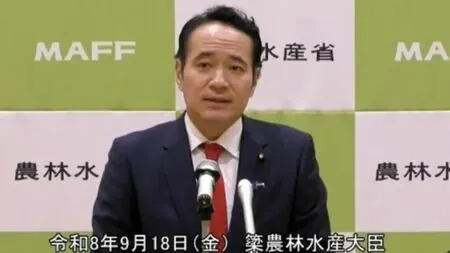
簗和生農林水産大臣が10月14日の夕方、高市早苗首相に辞表を提出した。就任前の発言をめぐる謝罪が続き、その姿勢が批判されていた最中のことだ。
高市首相と面会後、総理官邸で記者団の取材に答えた簗氏は伏し目がちで、少し虚ろな表情が印象的だった。この目線が下にいく、という態度は、ここに至るまでの“謝罪行脚”でも見られた特徴だった。
選挙期間中に支持者をシャトルバスで無料送迎していた問題なども報じられており、辞任の理由を謝罪の姿勢の是非だけで説明することはできない。ただ、簗農水相の謝罪が、「見え方」の面でいえば悪手であったことは確かだろう。
簗和生農林水産大臣が10月14日の夕方、高市早苗首相に辞表を提出した。就任前の発言をめぐる謝罪が続き、その姿勢が批判されていた最中のことだ。 高市首相と面会後、総理官邸で記者団の取材に答えた簗氏は伏し目がちで、少し虚ろな表情が印象的だった。この目線が下にいく、という態度は、ここに至るまでの“謝罪行脚”でも見られた特徴だった。 選挙期間中に支持者をシャトルバスで無料送迎していた問題なども報じられており、辞任の理由を謝罪の姿勢の是非だけで説明することはできない。ただ、簗農水相の謝罪が、「見え方」の面でいえば悪手であったことは確かだろう。
本稿では、辞任の是非や法的な問題ではなく、これまでの同氏の謝罪が世間にどう受け止められたかを見ていく。 ■「棒読み会見」と揶揄され… 発端は、地元・栃木で開かれた自民党関係者の懇親会での発言だ。衆議院選挙で自身を支援しなかった首長がいる那須烏山市と那珂川町について、道路予算を「大幅にカットした」と語ったと、週刊文春と週刊新潮がそれぞれのウェブ版で9月30日に報じた。 簗氏は10月5日に記者団の前で発言を撤回し、謝罪。「担当省庁に予算削減の働きかけをした事実はない」と説明したが、大きな批判が続いていた。
その後、8日の本会議、9日の自民党の会合、そして13日の衆院予算委員会と、場所を変えては頭を下げた。予算委員会では「不適切だった」と陳謝しつつ、減額の働きかけは改めて否定。14日午前の予算委員会では進退を問われ、「全力で職責を全うしたい」と答えている。 それでも、批判は収まらなかった。5日の謝罪について、週刊女性PRIMEは「用意された『発言案』棒読み会見」と報じた。翌6日の閣議後会見では、農林水産省の会見記録によると、記者からこんな言葉が飛んでいた。
「紙を読み上げるようなところではないですよ、この発言自身は」 この炎上ぶりに「謝り方が足りないからだ」「そもそも辞めないのが問題だ」と思うかもしれない。しかし、言葉だけを並べてみると、謝罪に必要な要素はひと通りそろっているように見える。「撤回」「お詫び」「極めて不適切」「不徳の致すところ」「深く反省」。足りないのは、言葉ではないのだ。 ■謝罪は「耳」ではなく、「目」で採点される 不祥事の謝罪は、どれも似たような言葉になる。それでも、許される人と許されない人がはっきり分かれる。筆者は「見た目の科学」の視点から、その差を、言葉の中身ではなく「様式」の差だと考えている。
表情、視線、間の取り方、謝るタイミング。こうした見た目の要素が、事の重さや相手への向き合い方と一致して見えるかどうか。筆者は、これを「様式不整合仮説」と名づけた。 あくまで筆者の仮説で、直接確かめた研究はまだないが、これに近い現象を示した研究はある。 企業の不祥事で代表者が謝罪した場面を分析した研究では、謝罪の最中に場にそぐわない表情(例えば笑顔)が出た企業では株価が下がり、その影響は最長3カ月続いた(※1)。実験でも、そうした表情は「不誠実」のサインとして受け取られ、組織への信頼を下げていた。
身近な場面に置き換えるとわかりやすい。店で注文を間違えられたとき、店員が「申し訳ございません」と口にしながら、目は手元の伝票に落ちたままだったらどうだろう。言葉は正しいのに、なぜか腹が立つ。多くの人に覚えがあるはずだ。 人は謝罪を、耳で聞く前に目で採点している。では、簗氏の謝罪は目にどう映ったのか。 ■日本の謝罪の「型」はきちんと守られていた テレビニュースで報じられた5日の囲み取材の映像を見ると、ある対比に気づく。
冒頭、謝罪の言葉を述べる間、簗氏の視線はほぼ手元の紙に落ちたままだ。顔が上がるのは、文の区切りのごく一部にとどまる。言い終えると、頭頂部が見えるほど深く頭を下げた。お辞儀の形としては丁寧である。深いお辞儀は、日本の謝罪の「型」だ。型はきちんと守られていた。 ところが、記者との質疑に移ると様子が変わる。簗氏は記者のほうへ顔を向け、口を結んで質問を聞き、顔を上げたまま答える場面が多い。 つまり、いちばん伝えるべき謝罪の言葉の場面では顔が見えない。謝罪の核心で、顔が受け手から遠ざかっているのだ。前述の記者の一言は、多くの人が映像から受け取った違和感を、そのまま言葉にしたものだろう。
農林水産省の会見記録よると、記者はこのとき、紙を見ずに自分の思いで語るよう求めた。簗氏は、党員の集まりでの発言だったこと、党の決まりをめぐる不満から誇張して言ってしまったことを説明し、「不徳の致すところ」として反省を述べている。 言葉の上では、ここでも反省は語られていた。それでも「顔が紙に向けられていた」印象が強く残ったのは、型が整っていればいるほど、型の外にある顔の向きが目立ってしまうからではないか。これも筆者の見立てである。
ここで誤解しないでほしい。目を伏せること自体が悪いわけではない。 日本人を対象にした謝罪の実験(ロールプレイ)では、人によっては、心から謝っているときのほうがかえって視線をそらしやすいという結果も出ている(※2)。申し訳なさで相手の目を見られなくなるのは、自然な反応でもある。 問題は、伏せた視線の先に「原稿」があることだ。見る側には、目を伏せている理由が「申し訳なさ」ではなく「読み上げ」に見えてしまう。すると謝罪は、相手に向けたものではなく、「間違えずに言い切ること」に向けたものに映る。同じ下向きの視線でも、その向き先しだいで、受け取られ方は正反対になる。
■「言われてから謝る」というタイミングのズレ 向き先のズレは、視線だけではない。謝るタイミングにも表れていた。 2日の閣議後会見で、一連の報道をめぐる質問が相次ぐ中、簗氏は「コメントは控えたいというふうに思います」と答えている。同じ日の夜には改めて会見を開き、「表現ぶりが一部誤解を招くものであったこと」は「私の本意ではない」と釈明している。撤回と謝罪に転じたのは、その3日後だ。 9日の自民党の会合でも、同じ構図が繰り返された。報道によると、簗氏は冒頭のあいさつでは騒動に触れずに締めくくり、出席していた鈴木宗男氏から指摘を受けて初めて、謝罪したという。
これでは謝罪が、自分から差し出したものではなく、求められてから出てきたものに見えてしまう。謝罪の研究では、同じ謝罪でも、そこにどんな感情が伴って伝わるかで許されやすさが変わることが示されている。罪悪感や恥から出た謝罪だと伝われば、許されやすくなる(※3)。 筆者の見立てでは、自分から先に差し出す謝罪には罪悪感が見えやすく、言われてから出てくる謝罪には、それが見えにくい。 もう1つ、梁氏にとって逆風になったことがある。
農林水産省が簗氏の国会や報道への対応を支えるチームを内々に作っていたことが報じられたことだ。これを報道各社は「簗大臣お支えチーム」と表現した。簗氏は13日の閣議後会見でその存在を認め、「関係者に非常に負担をかけている」と陳謝している。 世間に反省していると受け止めてもらうには、目に見える形でその姿勢を示さなければ伝わらない。ところが今回、目に見える形で報じられたのは、反省している姿よりも、保身のための体制だった。謝罪の言葉がどれほど丁寧でも、見えるものが「保身」であれば、その言葉は人々の心に届きにくい。
■「最後の謝罪」で見られた、“棒読み会見”との違い そして最後の「謝罪」だ。冒頭に書いた通り、14日夕方、簗氏は首相官邸で高市首相と面会し、辞表を提出した。その後、記者団の取材に応じ、辞任の理由を語っている。 「国会審議で迷惑をこれ以上かけるわけにもいかないし、農林水産行政でも集中できない状況がこれ以上続くということは避けなければいけない」 簗氏は「自ら決断をした」とも述べた。一方、放送各社は、「事実上の更迭とみられる」と報じた。本人の言葉と世間の受け止めには開きがあった。
しかし今回の謝罪では、「棒読み会見」と揶揄された5日の囲み取材との違いがまず目についた。手元に紙はなかった。会見中、ほとんどの時間は、カメラに顔を向けて話していたのだ。 記者から、なぜこのタイミングになったのかと問われると、簗氏は「いま総理に辞表を提出したところだ」と答え、頭を下げた。地元への今後の対応を問われた場面では、関係者に迷惑をかけたとして、カメラに目を向けておわびの言葉を述べた。 5日と比べると、顔が「紙」に向く問題は消えた。やや虚な、フラフラした様子で視線が下を向く時間も長かったが、前述した通り、目を伏せること自体が不誠実のサインになるわけではない。伏せた先に原稿がなければ、申し訳なさとも読める。
ただし、これは辞表を出したあとの場面である。5日以降の謝罪が、どう見えていたかを変えるものではない。筆者の見立てでは、謝罪の向き先が地元の人々に向いて見えたのは、最後の最後だけだった。 ■伝わる「謝罪」の様式 簗氏の謝罪の意図がどこにあったのか、外から断定することはできない。ここで言えるのは、「どう見えたか」だけだ。そして見えたのは、謝罪の際の視線は紙へ向けられ、指摘されてから謝るというタイミングの悪さ、浮き彫りになった保身という悪手だった。
様式が、謝るべき相手とは別の方向を向いて見えたのである。 これは政治家だけの話ではない。職場で謝る場面にも、そのまま当てはまる。 • 謝罪の言葉は、紙を見ずに相手の顔を見て言う。経緯の説明はメモを見てもいい。だが「申し訳ありませんでした」の一言だけは、自分の言葉で、相手に向けて言う。 • 指摘される前に、自分から先に触れる。会議の冒頭、メールの1行目。謝罪は、言われる前に差し出すからこそ意味が生まれる。
• 反省を、目に見える形にする。再発防止の手順を変える、担当を見直す。言葉だけの反省は、時間とともに「なかったこと」にされやすい。 謝罪を重ねても、批判は収まらないまま(もちろんそれだけが原因ではないが)、簗氏は辞表を提出することとなった。謝罪で問われるのは、何を言うかよりも、それが誰に向いて見えるかである。 【参考・引用文献】 ※1:ten Brinke, L. & G. S. Adams (2015) Saving face? When emotion displays during public apologies mitigate damage to organizational performance, Organizational Behavior and Human Decision Processes
, 130, 1-12. ※2:Yamamoto, K., M. Kimura & M. Osaka (2021) Sorry, Not Sorry: Effects of Different Types of Apologies and Self-Monitoring on Non-verbal Behaviors, Frontiers in Psychology , 12, 689615. ※3:Hareli, S. & Z. Eisikovits (2006) The role of communicating social emotions accompanying apologies in forgiveness, Motivation and Emotion
, 30(3), 189-197.
この記事の単語 (290)
×46
謝罪
しゃざい
apology
×19
簗
やな
(fish) weir; fish trap
×11
会見
かいけん
interview; audience; meeting; (viewing) party
×8
報じる
ほうじる
to inform; to report
×8
視線
しせん
one's line of sight; one's gaze; one's eyes (looking); glance; gaze; look
×7
発言
はつげん
statement; remark; observation; utterance; speech; proposal
×7
反省
はんせい
1. reflection; reconsideration; introspection; meditation; contemplation 2. regret; repentance; remorse; being sorry
×7
場面
ばめん
1. scene; setting; place (where something happens); scenario; case 2. scene (in a movie, play); shot
×6
辞表
じひょう
letter of resignation
×6
記者
きしゃ
reporter; journalist
×6
筆者
ひっしゃ
writer; author
×6
相手
あいて
1. companion; partner; company 2. other party; addressee
×5
首相
しゅしょう
prime minister; chancellor (Germany, Austria, etc.); premier
×5
提出
ていしゅつ
presentation (of documents); submission (of an application, report, etc.); production (e.g. of evidence); introduction (e.g. of a bill); filing; turning in
×5
姿勢
しせい
1. posture; pose; position; stance; carriage (of the body) 2. attitude; approach; stance
×5
批判
ひはん
criticism; judgement; judgment; comment
×5
表情
ひょうじょう
1. facial expression; countenance 2. look; appearance; expression (vocal, etc.)
×5
申し訳
もうしわけ
apology; excuse
×5
伏せる
ふせる
1. to turn over (face down); to lay face down; to lay upside down 2. to point downwards (eyes, head, etc.); to cast down (eyes)
×5
向く
むく
1. to turn toward; to look (up, down, etc.) 2. to face (e.g. east); to look out on
×4
巡る
めぐる
1. to go around 2. to return
×4
記者団
きしゃだん
press group; press corps; group of reporters; press organization; press organisation
×4
辞任
じにん
resignation (from a position)
×4
棒読み
ぼうよみ
1. reading in a monotone 2. reading a Chinese classical text without translating it into Japanese
×4
語る
かたる
1. to talk about; to speak of; to tell; to narrate 2. to recite; to chant
×4
問う
とう
1. to ask; to inquire 2. to blame (someone) for; to accuse of; to pursue (question of responsibility); to charge with
×4
許す
ゆるす
1. to permit; to allow; to approve; to consent to 2. to forgive; to pardon; to excuse; to tolerate
×4
様式
ようしき
style; form; pattern
×4
侭
まま
1. as it is; as one likes; because; as 2. condition; state
×4
冒頭
ぼうとう
beginning; start; outset
×4
述べる
のべる
to state; to express; to mention
×4
向き
むき
1. direction; orientation; aspect; exposure 2. suited to; suitable for; designed for
×4
報道
ほうどう
report (of news); reporting; news; information; (media) coverage
×4
伝わる
つたわる
to be handed down; to be introduced; to be transmitted; to be circulated; to go along; to walk along
×3
最中
さいちゅう
(in) the middle of; (in) the midst of; (in) the course of; (at) the height of
×3
高市
こういち
Kouichi (surname)
×3
面会
めんかい
meeting (face-to-face); seeing; visit; interview
×3
取材
しゅざい
1. news coverage; collecting data (e.g. for an article); covering (something for media) 2. interview
×3
是非
ぜひ
1. certainly; without fail 2. right and wrong; pros and cons
×3
悪手
あくしゅ
bad move (in chess, shogi, etc.)
×3
世間
せけん
world; society; people; the public
×3
受け止める
うけとめる
1. to catch; to stop the blow 2. to react to; to take (advice, etc.); to accept; to come to grips with
×3
地元
じもと
1. home area; home town 2. local
×3
自民党
じみんとう
Liberal Democratic Party; LDP
×3
関係者
かんけいしゃ
person concerned; people involved (in an event); those concerned; staff
×3
撤回
てっかい
withdrawal; retraction; revocation; repeal
×3
予算委員会
よさんいいんかい
1. Budget Committee (of the Upper and Lower Houses of the Diet) 2. budget committee
×3
農林水産省
のうりんすいさんしょう
Ministry of Agriculture, Forestry and Fisheries; MAFF
×3
示す
しめす
1. to (take out and) show; to demonstrate; to tell; to exemplify; to make apparent 2. to point out (finger, clock hand, needle, etc.)
×3
受け取る
うけとる
1. to receive; to get; to accept 2. to take; to interpret; to understand
×3
手元
てもと
1. at hand; on hand; nearby; close at hand 2. way of moving one's arms; skill
×3
見立
みたち
Mitachi (place)
×3
指摘
してき
pointing out; identification
×3
差し出す
さしだす
to present; to submit; to tender; to hold out
×3
保身
ほしん
self-protection
×2
農林水産大臣
のうりんすいさんだいじん
Minister of Agriculture, Forestry and Fisheries
×2
高市早苗
たかいちさなえ
Takaichi Sanae (1961.3-) (person)
×2
総理官邸
そうりかんてい
Prime Minister's official residence
×2
伏し目
ふしめ
downcast look
×2
虚ろ
うつろ
1. cavity; hollow; void 2. hollow (voice, smile, etc.); blank (eyes, look, etc.); vacant (expression, stare, etc.); empty (words, heart, etc.)
×2
印象的
いんしょうてき
impressive; striking; memorable; impactful
×2
目線
めせん
1. (one's) gaze; direction in which one is looking 2. point of view; standpoint
×2
態度
たいど
1. attitude; manner; behaviour; demeanour; bearing 2. attitude (towards an issue, etc.); position; stance; stand
×2
至る
いたる
1. to arrive at (e.g. a decision); to reach (a stage); to attain 2. to lead to (a place); to get to
×2
行脚
あんぎゃ
1. pilgrimage 2. walking tour; travelling (on foot)
×2
特徴
とくちょう
feature; trait; characteristic; peculiarity; distinction
×2
選挙
せんきょ
election
×2
期間中
きかんちゅう
during; for the duration of
×2
支持者
しじしゃ
supporter (e.g. of the arts); adherent; proponent
×2
無料
むりょう
free (of charge); gratuitous
×2
送迎
そうげい
seeing off and meeting on return
×2
唯
ただ
1. ordinary; common; usual 2. free of charge
×2
面
めん
1. face 2. mask; face guard
×2
揶揄
やゆ
banter; raillery; ridicule; teasing; making fun of
×2
自身
じしん
(one's) self; oneself
×2
予算
よさん
estimate; budget
×2
週刊
しゅうかん
weekly publication
×2
担当
たんとう
being in charge (of an area of responsibility); being responsible (for a work role, etc.)
×2
働き掛け
はたらきかけ
pressure; encouragement; urging; promoting
×2
会合
かいごう
1. meeting; assembly; gathering 2. association
×2
不適切
ふてきせつ
unsuitable; inappropriate; improper
×2
陳謝
ちんしゃ
apology
×2
改めて
あらためて
1. another time; again; over again; once again; anew 2. formally; especially; intentionally; deliberately
×2
収まる
おさまる
1. to fit into (a box, frame, category, etc.); to be contained within; to fall within (e.g. a budget) 2. to settle down (into); to be installed (in one's rightful place); to be returned (to one's original position)
×2
記録
きろく
1. record; minutes; document 2. record (e.g. in sports); results; score
×2
要素
ようそ
1. component; factor; item (e.g. in list) 2. element (e.g. in array); member (e.g. data structure)
×2
不徳
ふとく
lack of virtue; immorality; vice; depravity; unworthiness
×2
採点
さいてん
marking; grading; scoring
×2
不祥事
ふしょうじ
scandal; deplorable event
×2
見た目
みため
appearance; (outward) looks; exterior appearance
×2
差
さ
1. difference; variation 2. difference
×2
仮説
かせつ
hypothesis; supposition; assumption; tentative theory
×2
企業
きぎょう
enterprise; business; company; corporation
×2
実験
じっけん
experiment
×2
不誠実
ふせいじつ
insincerity; dishonesty; untruthfulness; bad faith
×2
落ちる
おちる
1. to fall down; to drop; to fall (e.g. rain); to sink (e.g. sun or moon); to fall onto (e.g. light or one's gaze); to be used in a certain place (e.g. money) 2. to be omitted; to be missing
×2
映る
うつる
to be reflected; to harmonize with (harmonise); to come out (photo); to be projected; to be displayed (on a screen)
×2
きちんと
1. properly; accurately; exactly; precisely; regularly 2. neatly; tidily; orderly
×2
守る
まもる
1. to protect; to guard; to defend 2. to keep (i.e. a promise); to abide (by the rules); to observe; to obey; to follow
×2
囲み取材
かこみしゅざい
on-the-spot interview by surrounding reporters
×2
映像
えいぞう
1. image (on a screen); picture (e.g. on a TV) 2. video; film; footage
×2
一部
いちぶ
1. one part; one portion; one section; some 2. one copy (e.g. of a document)
×2
御辞儀
おじぎ
bow; bowing
×2
様子
ようす
1. state; state of affairs; situation; circumstances 2. appearance; look; aspect
×2
前述
ぜんじゅつ
aforementioned; above-mentioned
×2
一言
ひとこと
single word; a few words; brief comment
×2
そのまま
1. without change; as is 2. just like; extremely similar
×2
求める
もとめる
1. to want; to wish for 2. to request; to demand; to require; to ask for
×2
誤解
ごかい
misunderstanding
×2
自体
じたい
1. itself 2. one's own body; oneself
×2
原稿
げんこう
manuscript; copy; draft; notes; contribution
×2
表現
ひょうげん
1. expression; presentation 2. representation; notation
×2
触れる
ふれる
1. to touch; to feel 2. to touch (with)
×2
罪悪感
ざいあくかん
feelings of guilt
×2
対応
たいおう
1. correspondence (to); equivalence 2. suitability; coordination; matching; being appropriate (for)
×2
支える
ささえる
1. to support; to prop; to sustain; to underlay; to hold up; to defend 2. to hold at bay; to stem; to check
×2
各社
かくしゃ
all companies; each company
×2
人々
ひとびと
1. people; men and women 2. each person; everybody
×2
違い
ちがい
1. difference; distinction; discrepancy 2. mistake; error
×2
通り
とおり
1. avenue; street; way; road 2. coming and going; street traffic
×2
迷惑
めいわく
1. trouble; bother; annoyance; nuisance; inconvenience 2. to be troubled (by); to be bothered (by); to be inconvenienced (by)
×1
本稿
ほんこう
this manuscript
×1
法的
ほうてき
legal
×1
同氏
どうし
1. the said person; he; she 2. same surname
×1
発端
ほったん
origin; genesis; opening; start; beginning
×1
栃木
とちぎ
Tochigi (city, prefecture)
×1
懇親会
こんしんかい
social gathering; get-together; (friendly) meeting
×1
支援
しえん
support; backing; aid; assistance
×1
首長
しゅちょう
1. head (of organization, organisation); chief 2. sheikh; emir
×1
那須
ともす
Tomosu (surname)
×1
烏山
うざん
Uzan (given)
×1
那珂川町
なかがわまち
Nakagawamachi (place)
×1
道路
どうろ
road; highway
×1
大幅
おおはば
1. big; large; drastic; substantial 2. full-width cloth (approx. 72 cm wide for traditional Japanese clothing; approx. 140 cm wide for Western clothing)
×1
週刊文春
しゅうかんぶんしゅん
Shuukanbunshun (weekly magazine) (product)
×1
新潮
あらた
Arata (fem)
×1
版
はん
1. edition; version; printing; impression; implementation (e.g. software) 2. plate; block; cast
×1
省庁
しょうちょう
ministries and government offices; the authorities
×1
削減
さくげん
cut; reduction; curtailment
×1
事実
じじつ
fact; truth; reality
×1
本会議
ほんかいぎ
plenary session; regular session
×1
衆院
しゅういん
House of Representatives (lower house of the National Diet of Japan)
×1
減額
げんがく
reduction; diminution; abatement
×1
否定
ひてい
1. denial; negation; repudiation; disavowal 2. negation (logic)
×1
進退
しんたい
1. advance or retreat; moving forwards or backwards; movement 2. course of action; behaviour; conduct; attitude
×1
全力
ぜんりょく
all one's power (strength, energy, efforts); one's utmost
×1
職責
しょくせき
one's duty; responsibilities pertaining to one's work
×1
全う
まっとう
1. proper; respectable; decent; honest 2. entirely; completely; wholly; perfectly
×1
案
あん
1. idea; plan; proposal; suggestion; (government) bill 2. draft; rough copy
×1
翌
よく
the following; next
×1
読み上げる
よみあげる
1. to read out; to read aloud; to call out 2. to finish reading; to read through
×1
炎上
えんじょう
1. going up in flames; destruction by fire (esp. of a large building) 2. stirring up a storm of criticism online (of an article, tweet, statement, etc.); becoming the target of an Internet pitchfork mob
×1
抑
そもそも
1. in the first place; to begin with; from the start; originally; ab initio 2. after all; anyway; actually; well, ...; ... on earth (e.g. "what on earth?"); ... in the world (e.g. "why in the world?")
×1
辞める
やめる
to resign; to retire; to quit; to leave (one's job, etc.)
×1
知れる
しれる
1. to become known; to come to light; to be discovered 2. to be known; to be understood
×1
一通り
ひととおり
1. generally; in the main; briefly (look over, explain, etc.); roughly; more or less 2. (more or less) everything; all parts; bit of everything; whole process
×1
揃う
そろう
1. to be complete; to be all present; to make a full set; to be satisfied (of conditions) 2. to be equal; to be uniform; to be even; to match; to agree
×1
詫び
わび
apology; excuse
×1
極めて
きわめて
exceedingly; extremely; decisively
×1
分かれる
わかれる
1. to branch; to fork; to diverge 2. to separate; to split; to divide
×1
視点
してん
opinion; point of view; visual point
×1
中身
なかみ
contents; interior; substance; filling; (sword) blade
×1
取り方
とりかた
way of taking (e.g. photographs); manner of taking; how to take
×1
重さ
おもさ
weight
×1
向き合う
むきあう
1. to be opposite; to face each other 2. to confront (an issue); to face
×1
一致
いっち
1. coincidence; agreement; union; match 2. conformity; consistency
×1
不整合
ふせいごう
1. inconsistency; mismatch; nonconformity; discordance; misalignment 2. unconformity
×1
名付ける
なづける
to name; to call; to christen; to term
×1
飽くまで
あくまで
1. to the end; to the bitter end; to the last; stubbornly; persistently; consistently; to the utmost 2. after all; it must be remembered; only; purely; simply
×1
直接
ちょくせつ
direct; immediate; personal; firsthand
×1
確かめる
たしかめる
to ascertain; to check; to make sure
×1
現象
げんしょう
phenomenon
×1
代表者
だいひょうしゃ
representative; delegate
×1
分析
ぶんせき
analysis
×1
そぐう
to be suitable; to be appropriate; to match
×1
笑顔
えがお
smiling face; smile
×1
株価
かぶか
stock prices
×1
下がる
さがる
1. to come down; to go down; to fall; to drop; to sink; to get lower 2. to hang; to dangle
×1
影響
えいきょう
1. influence; effect 2. to influence; to affect; to have an influence on; to impact; to have an effect on
×1
最長
さいちょう
1. longest 2. oldest
×1
箇月
かげつ
months (period of)
×1
組織
そしき
1. organization; organisation; formation 2. structure; construction; setup; constitution
×1
信頼
しんらい
reliance; trust; faith; confidence
×1
身近
みぢか
near oneself; close to one; familiar
×1
置き換える
おきかえる
to replace; to move; to change the position of
×1
注文
ちゅうもん
1. order (for an item) 2. request; demand; condition
×1
伝票
でんぴょう
chit; sales slip; voucher
×1
腹
はら
1. abdomen; belly; stomach 2. womb
×1
覚え
おぼえ
memory; sense; experience
×1
対比
たいひ
contrast; comparison
×1
気付く
きづく
to notice; to recognize; to recognise; to become aware of; to perceive; to realize; to realise
×1
ほぼ
almost; roughly; approximately
×1
上がる
あがる
1. to rise; to go up; to come up; to ascend; to be raised 2. to enter (esp. from outdoors); to come in; to go in
×1
区切り
くぎり
1. punctuation; pause; juncture 2. end; (place to) stop
×1
極く
ごく
1. quite; very 2. 10^48; quindecillion
×1
留まる
とどまる
1. to remain; to abide; to stay (in the one place) 2. to be limited to; to be confined to; to only account for
×1
頭頂
とうちょう
top of the head; vertex; parietal
×1
質疑
しつぎ
1. question 2. interpellation
×1
結ぶ
むすぶ
1. to tie; to bind; to link 2. to bear (fruit)
×1
詰まり
つまり
1. that is to say; that is; in other words; I mean; that (this, it) means 2. in short; in brief; to sum up; ultimately; in the end; in the long run; when all is said and done; what it all comes down to; when you get right down to it; basically
×1
核心
かくしん
core; heart (of the matter); point; crux; kernel
×1
受け手
うけて
(referring to a person) receiver; receiving side; viewer; listener
×1
遠ざかる
とおざかる
1. to go away; to become more distant; to fade away; to die away 2. to be estranged
×1
違和感
いわかん
1. uncomfortable feeling; feeling out of place; sense of discomfort 2. malaise; physical unease
×1
思い
おもい
1. thought 2. imagination; mind; heart
×1
党員
とういん
party member
×1
集まり
あつまり
gathering; meeting; assembly; collection; attendance
×1
党
とう
1. party (political) 2. person who is fond of; fan of
×1
決まり
きまり
1. rule; regulation 2. settlement; conclusion; end; agreement; arrangement
×1
不満
ふまん
dissatisfaction; discontent; displeasure; complaint; unhappiness
×1
誇張
こちょう
exaggeration
×1
印象
いんしょう
impression
×1
整う
ととのう
1. to be ready; to be prepared; to be arranged 2. to be in order; to be put in order; to be well-ordered; to be well-proportioned; to be harmonious
×1
目立つ
めだつ
to be conspicuous; to stand out
×1
日本人
にほんじん
Japanese person; Japanese people
×1
対象
たいしょう
target; object (of worship, study, etc.); subject (of taxation, etc.)
×1
却って
かえって
on the contrary; rather; all the more; instead
×1
そらす
1. to turn away (one's eyes, face, etc.); to avert; to divert (e.g. one's attention); to evade (e.g. a question); to change (e.g. the subject) 2. to displease; to annoy; to offend; to upset
×1
結果
けっか
1. result; consequence; outcome; effect 2. coming to fruition; bearing fruit
×1
自然
しぜん
1. nature 2. natural; spontaneous; automatic
×1
反応
はんのう
reaction; response
×1
読み上げ
よみあげ
reading aloud; recitation
×1
言い切る
いいきる
1. to declare; to assert; to state definitively 2. to finish saying; to say it all; to finish one's sentence
×1
下向き
したむき
1. pointing down; pointing downward 2. (market) decline; downturn; downward trend
×1
次第
しだい
1. depending on 2. as soon as; immediately after; upon
×1
正反対
せいはんたい
exactly opposite (of)
×1
表れる
あらわれる
1. to appear; to come in sight; to become visible; to come out; to embody; to materialize; to materialise 2. to be expressed (e.g. emotions); to become apparent (e.g. trends, effects)
×1
一連
いちれん
1. series; chain; sequence 2. two reams (i.e. 1000 sheets of paper)
×1
相
あい
together; mutually; fellow
×1
次ぐ
つぐ
to rank next to; to come after
×1
控える
ひかえる
1. to be temperate in; to refrain; to abstain; to hold back; to restrain oneself from excessive ... 2. to make notes; to jot down (e.g. phone number)
×1
招く
まねく
1. to invite; to ask 2. to beckon; to wave someone in; to gesture to
×1
本意
ほんい
1. real intention; true motive; true will 2. original intention; original purpose; original hope
×1
釈明
しゃくめい
explanation; vindication
×1
転じる
てんじる
to turn; to shift; to alter; to distract
×1
構図
こうず
composition
×1
繰り返す
くりかえす
to repeat; to do something over again
×1
騒動
そうどう
1. strife; riot; rebellion; turmoil 2. (media) uproar; brouhaha; (public) outcry; scandal; controversy
×1
締め括る
しめくくる
1. to bring to a finish 2. to bind firmly
×1
鈴木宗男
すずきむねお
Suzuki Muneo (1946.1.31-) (person)
×1
感情
かんじょう
emotion; feeling; feelings; sentiment
×1
伴う
ともなう
1. to accompany; to go hand in hand with; to be consequent upon 2. to be accompanied by; to bring with; to take with; to be involved in
×1
恥
はじ
shame; embarrassment; disgrace
×1
逆風
ぎゃくふう
headwind; adverse wind
×1
国会
こっかい
1. National Diet; legislative assembly of Japan (1947-) 2. Imperial Diet; legislative assembly of Japan (1889-1947)
×1
内々
うちうち
private; confidential; informal; secret; (within the) family circle; (on the) inside
×1
大臣
だいじん
cabinet minister
×1
存在
そんざい
existence; being
×1
認める
したためる
1. to write (e.g. a letter); to draw up (a document); to take down (e.g. notes) 2. to have (lunch, dinner, etc.); to eat
×1
非常
ひじょう
1. emergency 2. extraordinary; unusual
×1
負担
ふたん
1. burden; load; responsibility 2. bearing (a cost, responsibility, etc.); shouldering
×1
姿
すがた
1. figure; form; shape 2. appearance; dress; guise
×1
体制
たいせい
order; system; structure; set-up; organization; organisation
×1
届く
とどく
1. to reach; to touch; to get to; to carry (of sound) 2. to be delivered; to arrive
×1
首相官邸
しゅしょうかんてい
prime minister's official residence
×1
応じる
おうじる
to respond; to satisfy; to accept; to comply with; to apply for
×1
農林
のうりん
agriculture and forestry
×1
水産
すいさん
aquatic products; fisheries
×1
行政
ぎょうせい
administration; governance; the authorities; authority
×1
集中
しゅうちゅう
1. concentration; focusing; convergence; centralization; integration; gathering together 2. within a collection of works
×1
状況
じょうきょう
state of affairs (around you); situation; circumstances
×1
避ける
さける
1. to avoid (physical contact with) 2. to avoid (situation)
×1
自ら
みずから
1. oneself 2. oneself; for oneself; personally; in person
×1
決断
けつだん
decision; determination
×1
事実上
じじつじょう
as a matter of fact; actually; effectively; in reality; in effect
×1
更迭
こうてつ
change (of personnel); reshuffle (e.g. of a cabinet); shake-up; dismissal (e.g. of a minister); replacement
×1
本人
ほんにん
the person in question; the person themselves; said person
×1
開き
ひらき
1. opening; gap 2. dried and opened fish
×1
総理
そうり
1. prime minister (as the head of a cabinet government); premier 2. leading; overseeing; leader; overseer; president
×1
今後
こんご
from now on; hereafter
×1
わび
apology; excuse
×1
やや
a little; partially; somewhat; slightly; semi-; -ish; on the ... side; a short time; a while
×1
虚
きょ
1. unpreparedness 2. falsehood
×1
但し
ただし
but; however; provided that
×1
以降
いこう
on and after; as from; hereafter; thereafter; since
×1
意図
いと
intention; aim; design
×1
断定
だんてい
1. conclusion; decision; judgement; declaration 2. affirmative
×1
際
さい
on the occasion of; circumstances; juncture
×1
浮き彫り
うきぼり
1. relief; embossed carving 2. bringing to the fore; throwing something into relief
×1
方向
ほうこう
1. direction; orientation; bearing; way 2. course (e.g. of action)
×1
政治家
せいじか
politician; statesman
×1
職場
しょくば
one's post; place of work; workplace
×1
当て嵌まる
あてはまる
to apply (a rule); to be applicable; to come under (a category); to fulfill; to hold true
×1
経緯
いきさつ
1. details; particulars; whole story; sequence of events; chronology; circumstances; how it started; how things got this way 2. longitude and latitude
×1
こそ
1. it is ... that ...; precisely; in particular; definitely; for sure; only (when, after, because, etc.) 2. although; while; it is the case that ... but
×1
再発防止
さいはつぼうし
preventive measure; recurrence prevention; relapse prevention
×1
手順
てじゅん
process; procedure; sequence; protocol; instruction
×1
見直す
みなおす
1. to look at again 2. to re-examine (policy, estimate, plan, etc.); to review
×1
重ねる
かさねる
1. to pile up; to heap up; to stack up; to put on top of another 2. to repeat many times over; to go through repeatedly; to accumulate
×1
参考
さんこう
reference; consultation