1週間ニュースふりかえり “消費税減税”くらしへの影響 自民党公約 “食料品で2年間ゼロ” チルシル 教育
民間の気象(きしょう)会社によると、ことしの花粉の飛散(ひさん)量は平年のおよそ1.3倍。
クリニックの医師(いし)は「規則(きそく)正しく、十分な休息がとれる生活をしてもらうといい」と話しています。
衆議院にある議員食堂で、人気ナンバー1のメニューはカレー。特にカツカレーが人気だそうです。ちなみに、参議院にも議員食堂があって、そちらの一番人気もカレーだそうです。
高市総理大臣(そうりだいじん)は「本日より『高市内閣2.0(にー・てん・ぜろ)』の始動です」と話していました。
国会議事堂(ぎじどう)の中央広間。この部屋のかどには、初代総理大臣の伊藤博文(いとう・ひろぶみ)をはじめ、板垣退助(いたがき・たいすけ)、大隈重信(おおくま・しげのぶ)といった日本の政治の基礎(きそ)をつくった人たちの銅像(どうぞう)があります。
その理由とは▽4人目を選べず、将来(しょうらい)に持ち越(こ)された。▽「政治に完成はない 未完(みかん)の象徴(しょうちょう)」という意味。この両方だといわれています。
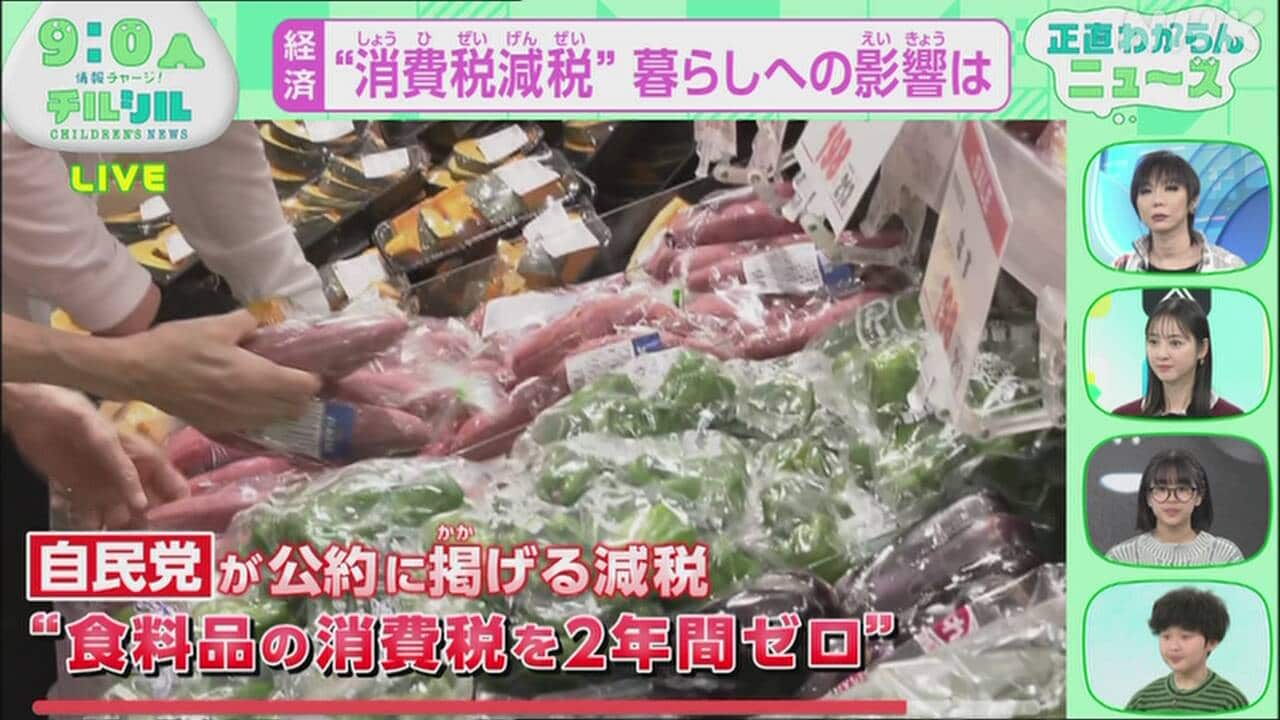
高市総理大臣は「食料品の消費税率ゼロについては、できるだけ早く実現(じつげん)するように知恵(ちえ)をしぼっていく」と話しています。
そもそも消費税とは、モノを買ったときなどに払(はら)う税金のことです。減税されたら私たちのくらしにどんな影響があるのか。
たとえば税込(ぜいこ)み108円で売られているグミ。8円分が「税収(ぜいしゅう)」として、お店などを通じて最終的に国のおサイフに入ります。
いまニュースでもよく聞くと思いますが、「物価高(ぶっかだか)」で食料品の値段(ねだん)がどんどん上がっています。
そんななかで、国が少しでも家計への負担(ふたん)をへらすために、2年間、消費税にかかる8%をゼロにしようということなんです。
この「消費税ゼロ」によって、ひと家族あたり、平均すると年間で「8万8千円」くらい負担が軽くなるという計算も出ているんです。(※大和総研 神田慶司シニアエコノミストの試算)
「消費税ゼロ」になると、これまで入っていた税金が入らなくなるので、国や地方の財源(ざいげん=お金の出所(でどころ))の一部がへってしまうということになるんです。
たとえば、お年寄りの生活を支える「年金」や「介護(かいご)」、病院でかかる「医療費(いりょうひ)」も、一部を国が税金で補(おぎな)っています。
ほかにも保育園の無償化(むしょうか)など、わたしたちのくらしを支えるためにつかわれていると国は説明しています。
令和7年度予算では、国・地方全体でおよそ31兆円あまりになりますが、そのうちの食料品による消費税の減税で、1年間で5兆円ほど減ることになります。
消費税も減税して、社会保障費につかうお金も減らさないってことはできないか。まさにここを、高市さんは与党・野党交えて考えていこうとしています。
しかし日本はすでに1342兆円ほどの借金があって、減税のためにさらに借金をすることには多くの批判(ひはん)があり、今回はできないということに。
片山財務大臣(ざいむだいじん)は、現時点では「企業を助けるためにこれまで出していた補助金(ほじょきん)を見直す」などして財源を生み出そうと言っています。
しかしどこまで財源が確保できるかは、やってみないとわからないことがあるので、そこはしっかり見ていく必要があると思います。
気になるのは「消費税ゼロがいつから始まるのか」だと思いますが、始めるためにはお店のレジやシステムの改修(かいしゅう)など、いろいろな準備に時間がかかります。
また「なぜ2年間なのか」という意見もありますよね。高市さんは2年後に、所得が低い人たちを中心に、少しでも助けるための新しい制度を考えようとしていて、その前の2年間、「消費税ゼロ」を“つなぎ”として考えているところがあります。
NHK for Scool 学校向けのさまざまなサービスを展開!動画や教材・資料など多数
クリニックの医師(いし)は「規則(きそく)正しく、十分な休息がとれる生活をしてもらうといい」と話しています。
衆議院にある議員食堂で、人気ナンバー1のメニューはカレー。特にカツカレーが人気だそうです。ちなみに、参議院にも議員食堂があって、そちらの一番人気もカレーだそうです。
高市総理大臣(そうりだいじん)は「本日より『高市内閣2.0(にー・てん・ぜろ)』の始動です」と話していました。
国会議事堂(ぎじどう)の中央広間。この部屋のかどには、初代総理大臣の伊藤博文(いとう・ひろぶみ)をはじめ、板垣退助(いたがき・たいすけ)、大隈重信(おおくま・しげのぶ)といった日本の政治の基礎(きそ)をつくった人たちの銅像(どうぞう)があります。
その理由とは▽4人目を選べず、将来(しょうらい)に持ち越(こ)された。▽「政治に完成はない 未完(みかん)の象徴(しょうちょう)」という意味。この両方だといわれています。
高市総理大臣は「食料品の消費税率ゼロについては、できるだけ早く実現(じつげん)するように知恵(ちえ)をしぼっていく」と話しています。
そもそも消費税とは、モノを買ったときなどに払(はら)う税金のことです。減税されたら私たちのくらしにどんな影響があるのか。
たとえば税込(ぜいこ)み108円で売られているグミ。8円分が「税収(ぜいしゅう)」として、お店などを通じて最終的に国のおサイフに入ります。
いまニュースでもよく聞くと思いますが、「物価高(ぶっかだか)」で食料品の値段(ねだん)がどんどん上がっています。
そんななかで、国が少しでも家計への負担(ふたん)をへらすために、2年間、消費税にかかる8%をゼロにしようということなんです。
この「消費税ゼロ」によって、ひと家族あたり、平均すると年間で「8万8千円」くらい負担が軽くなるという計算も出ているんです。(※大和総研 神田慶司シニアエコノミストの試算)
「消費税ゼロ」になると、これまで入っていた税金が入らなくなるので、国や地方の財源(ざいげん=お金の出所(でどころ))の一部がへってしまうということになるんです。
たとえば、お年寄りの生活を支える「年金」や「介護(かいご)」、病院でかかる「医療費(いりょうひ)」も、一部を国が税金で補(おぎな)っています。
ほかにも保育園の無償化(むしょうか)など、わたしたちのくらしを支えるためにつかわれていると国は説明しています。
令和7年度予算では、国・地方全体でおよそ31兆円あまりになりますが、そのうちの食料品による消費税の減税で、1年間で5兆円ほど減ることになります。
消費税も減税して、社会保障費につかうお金も減らさないってことはできないか。まさにここを、高市さんは与党・野党交えて考えていこうとしています。
しかし日本はすでに1342兆円ほどの借金があって、減税のためにさらに借金をすることには多くの批判(ひはん)があり、今回はできないということに。
片山財務大臣(ざいむだいじん)は、現時点では「企業を助けるためにこれまで出していた補助金(ほじょきん)を見直す」などして財源を生み出そうと言っています。
しかしどこまで財源が確保できるかは、やってみないとわからないことがあるので、そこはしっかり見ていく必要があると思います。
気になるのは「消費税ゼロがいつから始まるのか」だと思いますが、始めるためにはお店のレジやシステムの改修(かいしゅう)など、いろいろな準備に時間がかかります。
また「なぜ2年間なのか」という意見もありますよね。高市さんは2年後に、所得が低い人たちを中心に、少しでも助けるための新しい制度を考えようとしていて、その前の2年間、「消費税ゼロ」を“つなぎ”として考えているところがあります。
NHK for Scool 学校向けのさまざまなサービスを展開!動画や教材・資料など多数
Vocabulary
General
Proper noun
JLPT N2
JLPT N1
| # | 言葉 | 意味 |
|---|---|---|
| 8 | 消費税 | しょうひぜい (消費税) : consumption tax (incl. sales tax, VAT, excise duty, etc.) |
| 5 | 高市 | こういち (高市) : Kouichi (surname) |
| 5 | 年間 | ねんかん (年間) : 1. (period of) a year 2. during an era |
| 4 | 減税 | げんぜい (減税) : tax reduction |
| 3 | 人気 | にんき (人気) : 1. popularity; public favor 2. condition (e.g. market); tone; character; nature |
| 3 | 総理大臣 | そうりだいじん (総理大臣) : prime minister (as the head of a cabinet government); premier |
| 3 | 税金 | ぜいきん (税金) : tax; duty |
| 3 | 財源 | ざいげん (財源) : source of funds; resources; finances |
| 3 | 考える | かんがえる (考える) : 1. to think (about, of); to think over; to ponder; to contemplate; to reflect (on); to meditate (on) 2. to consider; to bear in mind; to allow for; to take into consideration |
| 2 | 議員 | ぎいん (議員) : member of an assembly; member of the Diet; member of parliament; member of Congress |
| 2 | お店 | おたな (お店) : 1. merchant's home (esp. used by apprentices, etc.) 2. (your) rental home |
| 2 | 地方 | ちほう (地方) : 1. district; region; area; locality 2. the country; countryside; the provinces; rural area |
| 2 | ざい | ざい (剤) : medicine; agent; (chemical) substance; drug; dose |
| 2 | 一部 | いちぶ (一部) : 1. one part; one portion; one section; some 2. one copy (e.g. of a document) |
| 2 | 支える | ささえる (支える) : 1. to support; to prop; to sustain; to underlay; to hold up; to defend 2. to hold at bay; to stem; to check |
| 2 | 借金 | しゃっきん (借金) : debt; loan; liabilities; borrowing money |
| 2 | 助ける | たすける (助ける) : 1. to save; to rescue 2. to help; to assist |
| 1 | 民間 | みんかん (民間) : 1. private; non-governmental; non-official; civilian; civil 2. folk; popular |
| 1 | 花粉 | かふん (花粉) : pollen |
| 1 | 量 | りょう (量) : 1. quantity; amount; volume; capacity; portion (of food) 2. generosity; magnanimity; tolerance |
| 1 | 平年 | へいねん (平年) : 1. non-leap year 2. normal year (esp. as pertains to weather patterns, vegetative growth, harvest yields, etc.) |
| 1 | 正しく | まさしく (正しく) : 1. certainly; surely; undoubtedly; evidently; really; truly 2. just; precisely; exactly |
| 1 | 休息 | きゅうそく (休息) : rest; relief; relaxation |
| 1 | とれる | とれる (取れる) : 1. to come off; to be removed 2. to disappear (of pain, a fever, etc.) |
| 1 | 衆議院 | しゅうぎいん (衆議院) : House of Representatives (lower house of the National Diet of Japan) |
| 1 | ちなみ | ちなみ (因み) : 1. association; link; connection 2. pledge (esp. for marriage); promise |
| 1 | 参議院 | さんぎいん (参議院) : House of Councillors (upper house of the National Diet of Japan) |
| 1 | 一番 | いちばん (一番) : 1. number one; first; first place 2. best; most |
| 1 | 本日 | ほんじつ (本日) : today; this day |
| 1 | 内閣 | ないかく (内閣) : cabinet (of a government); ministry |
| 1 | 始動 | しどう (始動) : starting (machine, engine, car, etc.); activation |
| 1 | 国会議事堂 | こっかいぎじどう (国会議事堂) : national parliament or congress building (e.g. National Diet Building (Japan), United States Capitol (USA), Houses of Parliament (UK), etc.) |
| 1 | 中央 | ちゅうおう (中央) : 1. centre; center; middle; heart 2. metropolis; capital city; central government |
| 1 | 広間 | ひろま (広間) : hall; saloon; spacious room; reception room |
| 1 | 初代 | しょだい (初代) : first generation; founder |
| 1 | 伊藤博文 | いとうはくぶん (伊藤博文) : Itou Hakubun (person) |
| 1 | いとう | いとう (以東) : ... and eastward; east of |
| 1 | ひろ | ひろ (尋) : fathom |
| 1 | ぶ | ぶ (侮) : (something) despised; (something) made light of |
| 1 | み | うみ (海) : sea; ocean; waters |
| 1 | 板垣退助 | いたがきたいすけ (板垣退助) : Itagaki Taisuke (1837-1919) (person) |
| 1 | がき | がき (餓鬼) : 1. brat; kid; urchin; little devil 2. preta; hungry ghost |
| 1 | 大隈重信 | おおくましげのぶ (大隈重信) : Ookuma Shigenobu (1838.3.11-1922.1.10) (person) |
| 1 | おおくま | おおくま (逢隈) : Ookuma (place; surname) |
| 1 | しげのぶ | しげのぶ (しげ伸) : Shigenobu (given) |
| 1 | 日本 | にほん (日本) : Japan |
| 1 | つくる | つくる (作る) : 1. to make; to produce; to manufacture; to build; to construct 2. to prepare (food); to brew (alcohol) |
| 1 | 持ち越す | もちこす (持ち越す) : to carry over; to carry forward; to keep (for later); to defer |
| 1 | 完成 | かんせい (完成) : 1. complete; completion 2. perfection; accomplishment |
| 1 | 象徴 | しょうちょう (象徴) : (abstract) symbol; emblem; representation |
| 1 | しょう | たくみ (匠) : 1. workman; artisan; mechanic; carpenter 2. craft; skill |
| 1 | ちょう | ちょう (挺) : counter for long and narrow things such as guns, scissors, spades, hoes, inksticks, palanquins, candles, jinrikishas, shamisen, oars, etc. |
| 1 | 消費税率 | しょうひぜいりつ (消費税率) : consumption tax rate; sales tax rate; VAT rate |
| 1 | 早く | はやく (早く) : 1. early; soon 2. quickly; swiftly; rapidly; fast |
| 1 | しぼる | しぼる (絞る) : 1. to wring (towel, rag); to squeeze 2. to squeeze (fruit to extract juice); to press; to extract; to milk; to express milk |
| 1 | そもそも | そもそも (抑) : 1. in the first place; to begin with; from the start; originally; ab initio 2. after all; anyway; actually; well, ...; ... on earth (e.g. "what on earth?"); ... in the world (e.g. "why in the world?") |
| 1 | 買う | かう (買う) : 1. to buy; to purchase 2. to value; to have a high opinion |
| 1 | 払う | はらう (払う) : 1. to pay (e.g. money, bill) 2. to brush off; to wipe away; to clear away; to dust off; to cut off (e.g. branches) |
| 1 | 私たち | わたしたち (私たち) : we; us |
| 1 | くらし | くらし (暮らし) : life; living; livelihood; life circumstances |
| 1 | 影響 | えいきょう (影響) : 1. influence; effect 2. to influence; to affect; to have an influence on; to impact; to have an effect on |
| 1 | 売る | うる (売る) : to sell |
| 1 | 税収 | ぜいしゅう (税収) : tax yields; revenue |
| 1 | ぜ | ぜ (是) : righteousness; justice; right |
| 1 | い | い (偉) : greatness |
| 1 | しゅう | しゅ (主) : 1. (one's) master 2. Lord |
| 1 | 通ずる | つうずる (通ずる) : 1. to be open (to traffic); to lead to; to communicate (with) 2. to flow (liquid, current); to pass; to get through to |
| 1 | 最終的 | さいしゅうてき (最終的) : final; eventual; ultimate |
| 1 | 物価高 | ぶっかだか (物価高) : high prices of commodities |
| 1 | ぶっ | ぶっ (打っ) : strongly; violently; quickly; suddenly |
| 1 | 上がる | あがる (上がる) : 1. to rise; to go up; to come up; to ascend; to be raised 2. to enter (esp. from outdoors); to come in; to go in |
| 1 | 家計 | かけい (家計) : household economy; family finances |
| 1 | へらす | へらす (減らす) : to abate; to decrease; to diminish; to shorten |
| 1 | あたり | あたり (当たり) : 1. hit 2. success |
| 1 | 平均 | へいきん (平均) : 1. average; mean 2. balance; equilibrium |
| 1 | 負担 | ふたん (負担) : 1. burden; load; responsibility 2. bearing (a cost, responsibility, etc.); shouldering |
| 1 | 計算 | けいさん (計算) : 1. calculation; reckoning; count 2. forecast |
| 1 | 大和 | やまと (大和) : 1. (ancient) Japan 2. Yamato (former province located in present-day Nara Prefecture) |
| 1 | 総研 | そうけん (総研) : institute for general research; multidiscipline laboratory |
| 1 | 神田 | しんでん (神田) : field affiliated with a shrine (the tax-exempt proceeds of its harvest going to pay for shrine operations) |
| 1 | 慶司 | けいし (慶司) : Keishi (given) |
| 1 | 試算 | しさん (試算) : trial calculation; preliminary calculation; estimation |
| 1 | げん | げん (原) : original; primitive; primary; fundamental; raw |
| 1 | へる | へる (経る) : 1. to pass; to elapse; to go by 2. to pass through; to go through |
| 1 | 年寄り | としより (年寄り) : 1. old person; elderly person; senior citizen 2. trustee of the Japan Sumo Association; retired high-ranking wrestler who is licensed to coach and receives retirement pay |
| 1 | 年金 | ねんきん (年金) : annuity; pension |
| 1 | 医療費 | いりょうひ (医療費) : medical expenses; doctor's bill |
| 1 | りょう | りょう (了) : finish; completion; the end |
| 1 | ひ | ひ (火) : fire; flame; blaze |
| 1 | 補う | おぎなう (補う) : to supplement; to make up for; to compensate for; to cover (a shortage, loss, etc.); to fill (e.g. a vacancy) |
| 1 | 保育園 | ほいくえん (保育園) : nursery school; day nursery; preschool |
| 1 | 無償化 | むしょうか (無償化) : making (something) free of charge; dispensing with fees |
| 1 | むしょう | むしょう (無償) : 1. without compensation; without reward; without pay 2. free (of charge) |
| 1 | わたしたち | わたしたち (私たち) : we; us |
| 1 | のくら | のくら (埜倉) : Nokura (surname) |
| 1 | 令和 | れいわ (令和) : Reiwa era (May 1, 2019-) |
| 1 | 年度 | ねんど (年度) : 1. fiscal year (usu. April 1 to March 31 in Japan); financial year 2. academic year; school year |
| 1 | 予算 | よさん (予算) : estimate; budget |
| 1 | 全体 | ぜんたい (全体) : whole; entirety; whatever (is the matter) |
| 1 | 減る | へる (減る) : to decrease (in size or number); to diminish; to abate |
| 1 | 社会保障 | しゃかいほしょう (社会保障) : social security |
| 1 | 費 | ひ (費) : cost; expense |
| 1 | 減らす | へらす (減らす) : to abate; to decrease; to diminish; to shorten |
| 1 | って | って : 1. you said; he said; she said; they said 2. if ... then |
| 1 | まさに | まさに (正に) : 1. exactly; surely; certainly; just 2. right then; just then; at that moment |
| 1 | 与党 | よとう (与党) : ruling party; government party; party in power; government |
| 1 | 野党 | やとう (野党) : opposition party; political opposition; opposition |
| 1 | 交える | まじえる (交える) : 1. to mix; to combine; to include 2. to exchange (words, fire, etc.) |
| 1 | すでに | すでに (既に) : already; too late |
| 1 | 片山 | かくやま (片山) : Kakuyama (surname) |
| 1 | 財務大臣 | ざいむだいじん (財務大臣) : Minister of Finance |
| 1 | む | ろく (六) : six |
| 1 | 現時点 | げんじてん (現時点) : present point (i.e. in history); at the present time |
| 1 | 企業 | きぎょう (企業) : enterprise; business; company; corporation |
| 1 | 補助金 | ほじょきん (補助金) : assistance payment; subsidiary aid |
| 1 | ほ | ほ (帆) : sail |
| 1 | じょ | じょ (助) : help; rescue; assistant |
| 1 | きん | きん (斤) : 1. kin; catty; traditional unit of weight, 600g 2. pound (unit of weight) |
| 1 | 見直す | みなおす (見直す) : 1. to look at again 2. to re-examine (policy, estimate, plan, etc.); to review |
| 1 | 生み出す | うみだす (生み出す) : 1. to create; to bring forth; to produce 2. to invent; to think up and bring into being |
| 1 | 確保 | かくほ (確保) : 1. securing; obtaining; ensuring; guarantee; maintaining 2. belay; belaying |
| 1 | わかる | わかる (分かる) : 1. to understand; to comprehend; to grasp; to see; to get; to follow 2. to become clear; to be known; to be discovered; to be realized; to be realised; to be found out |
| 1 | 改修 | かいしゅう (改修) : repair; improvement |
| 1 | かいしゅう | かいしゅう (会衆) : audience; congregation |
| 1 | 所得 | しょとく (所得) : income; earnings |
| 1 | 中心 | ちゅうしん (中心) : 1. center; centre; middle; heart; core; focus; pivot; emphasis; balance 2. -centered; -centred; -focused; -oriented; centered on; focused on |
| 1 | 制度 | せいど (制度) : system; institution; organization; organisation |
| 1 | つなぐ | つなぐ (繋ぐ) : 1. to connect; to link together 2. to tie; to fasten; to restrain |
| 1 | 向け | むけ (向け) : intended for ...; oriented towards ...; aimed at ... |
| 1 | 展開 | てんかい (展開) : 1. development; evolution; progression; unfolding; (plot) twist 2. expansion; spreading out; extending; deployment; building up |
| 1 | 動画 | どうが (動画) : 1. video; movie; moving picture 2. animation; animated cartoon |
| 1 | 教材 | きょうざい (教材) : teaching materials |
| 1 | 資料 | しりょう (資料) : materials; data; document |
| 1 | 多数 | たすう (多数) : 1. large number (of); many 2. majority |